If the Yangtze River could speak, where would its story begin?
With the first drop of meltwater in the snowy mountains?
Or with a final glance back before it reaches the sea?
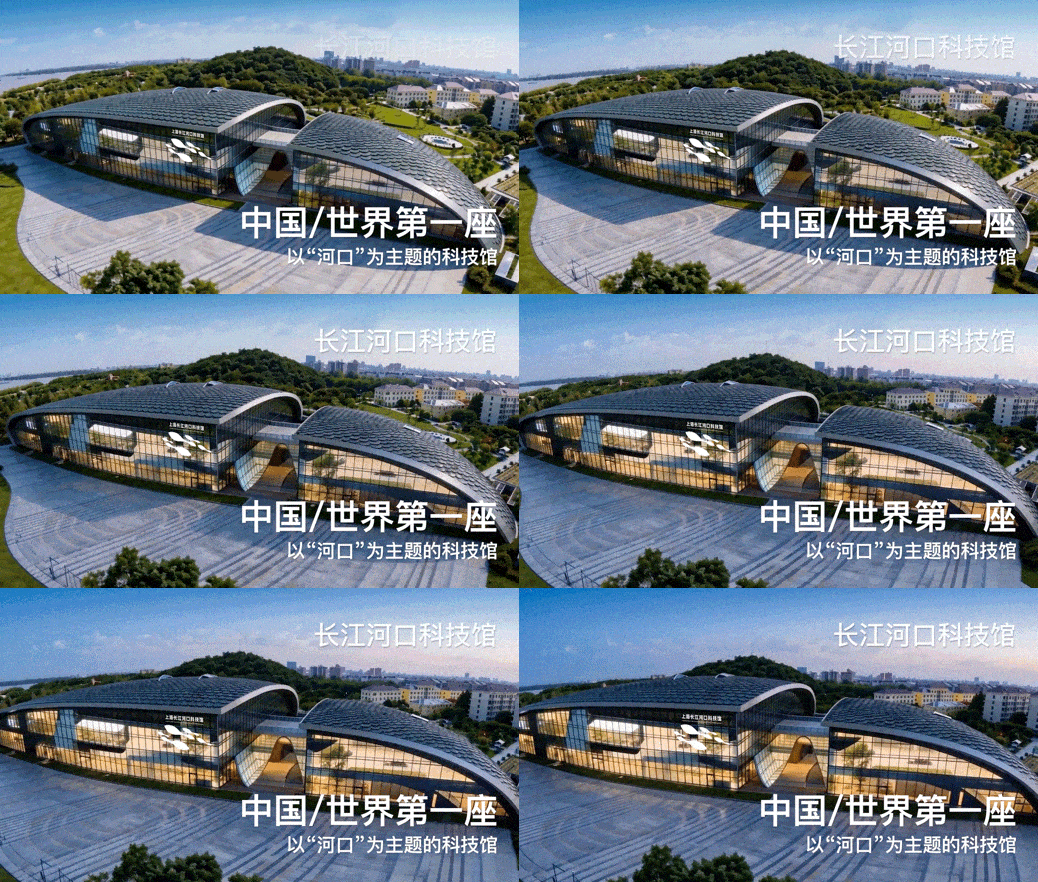
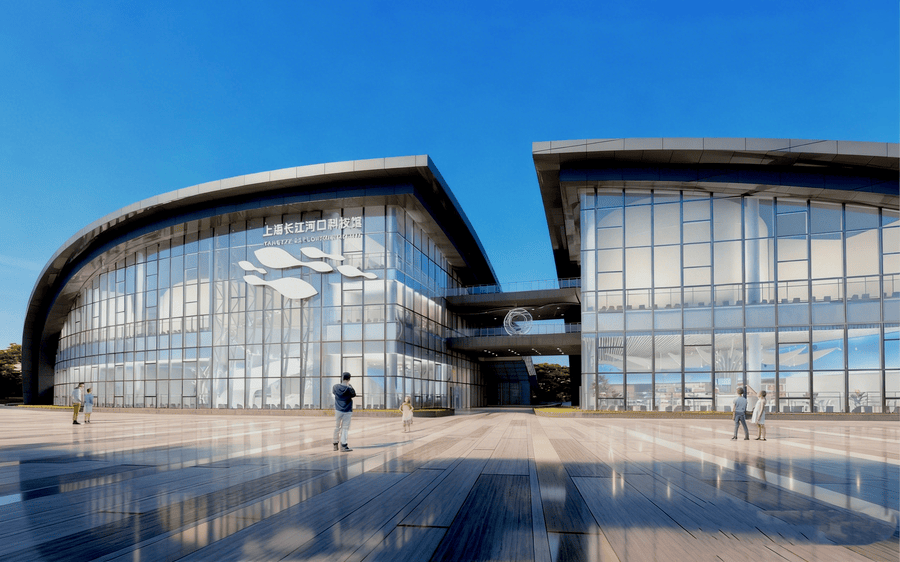
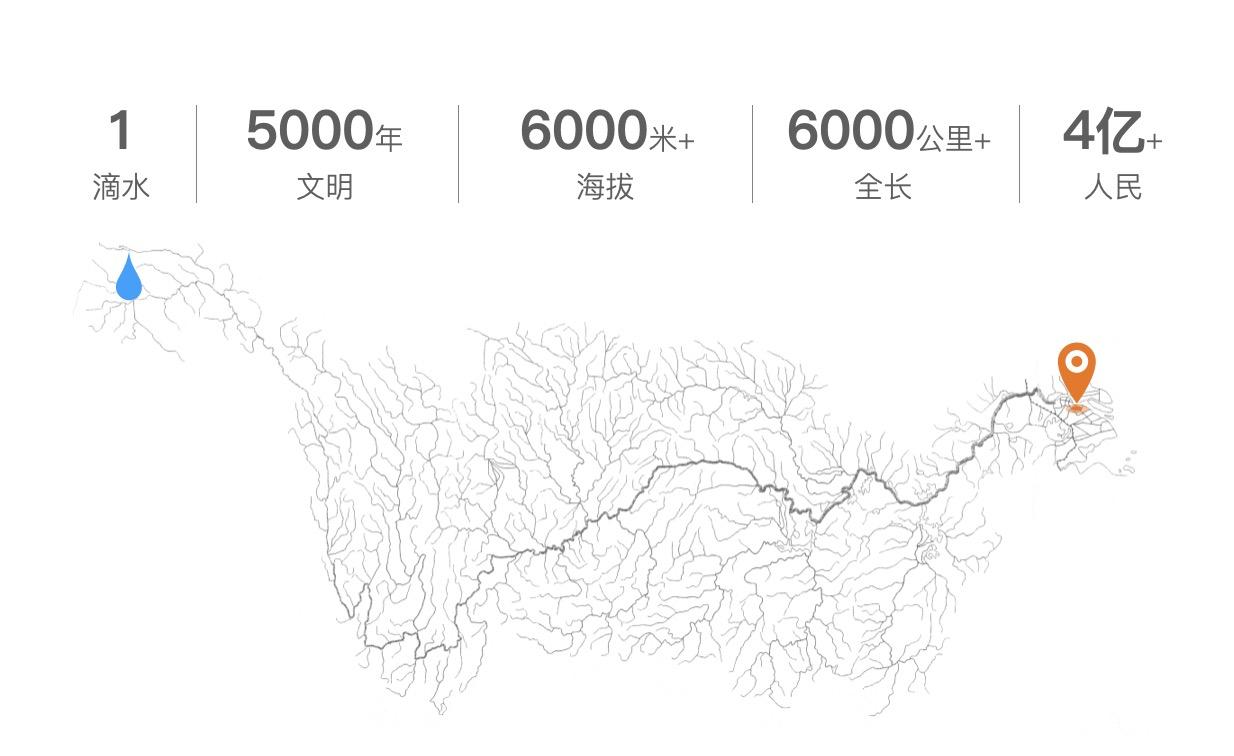
In The Story of the Yangtze exhibition at the Shanghai Yangtze River Estuary Science and Technology Museum, xenario takes the life of a single drop of water as its narrative thread. The 6,300-kilometre river becomes the storyteller, moving through childhood, adolescence, youth, maturity and an enduring future. Visitors enter the river’s story rather than simply reading about it, embarking on a journey across landscapes and stages of life.
Let knowledge unfold through experience
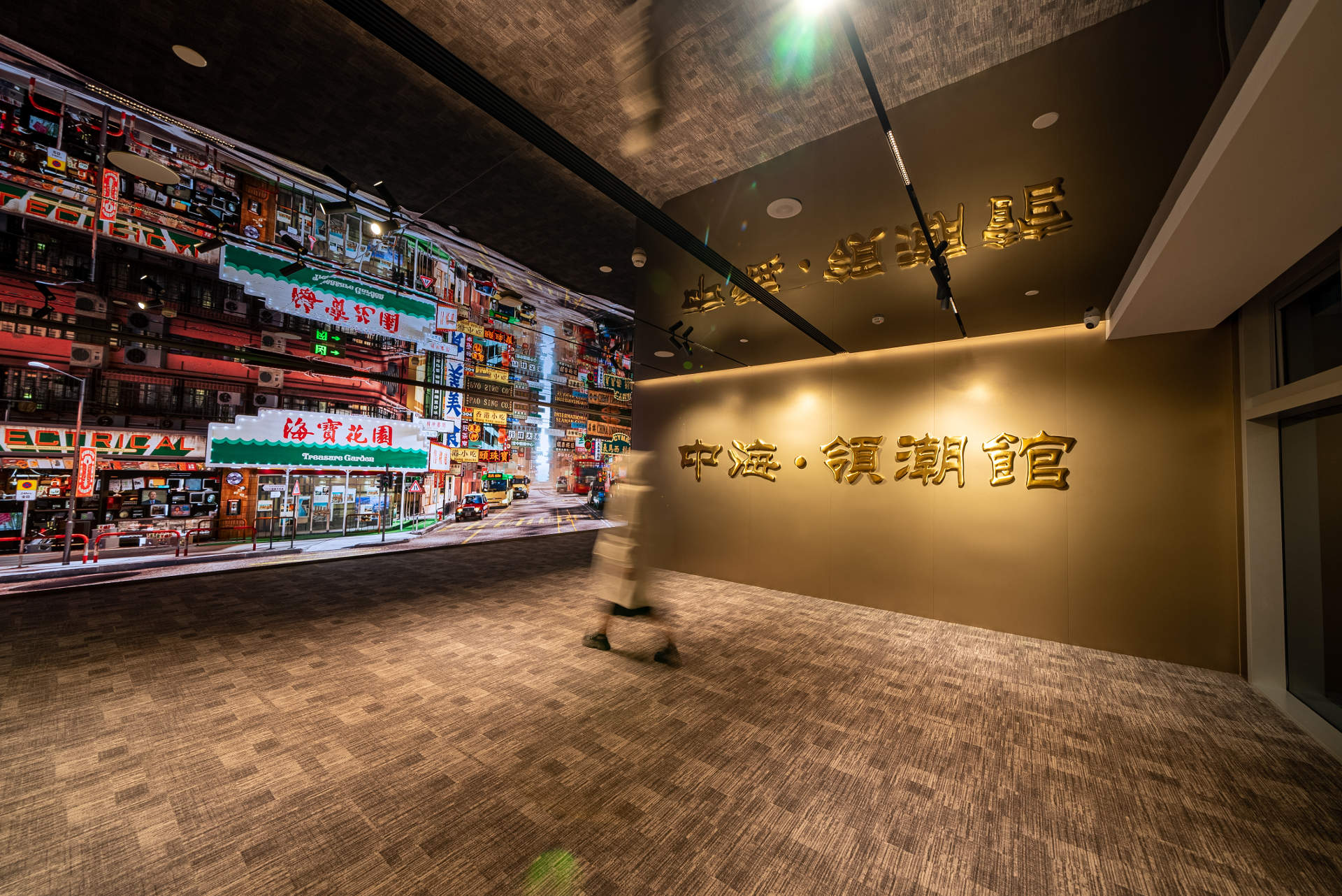
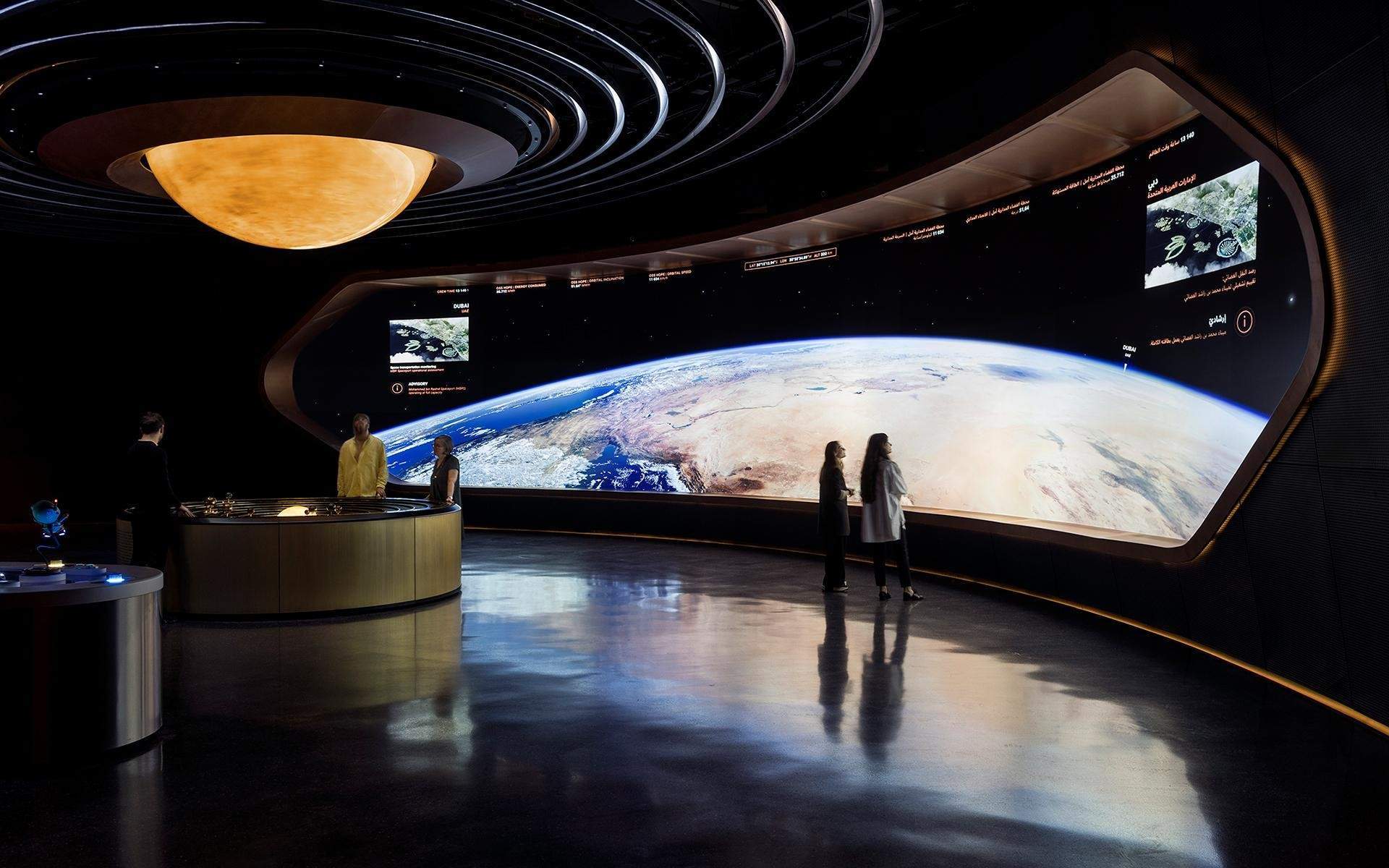
Organised around the life of the Yangtze, the exhibition creates a “5+1” sequence of immersive scenes: from snowmelt and rushing gorges to agricultural civilisation, modern ports and the vast ocean.
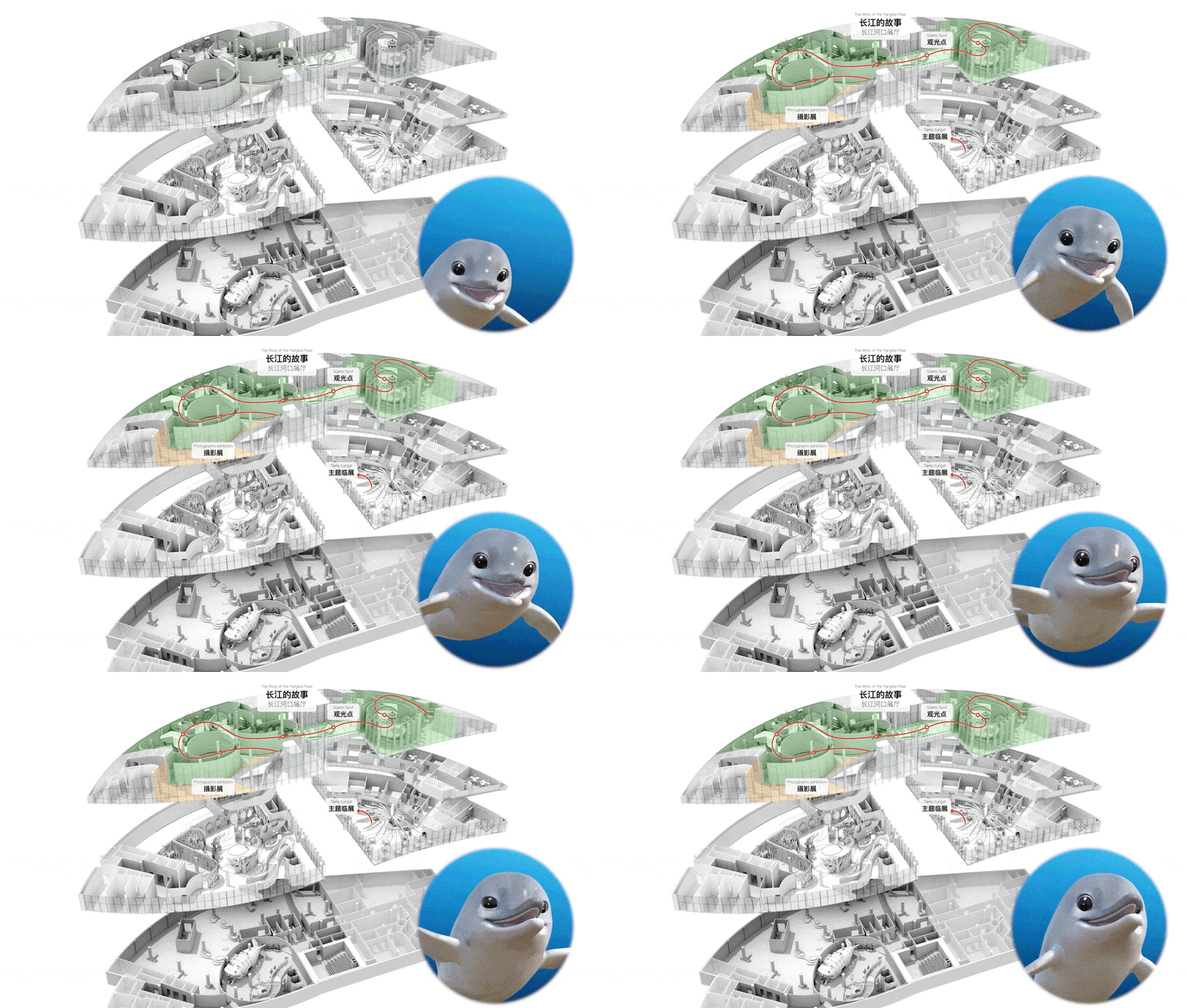
The river’s course becomes a journey visitors can join. The Yangtze is more than a name in a textbook or a collection of ecological data and documentary images; each interaction offers a new discovery.
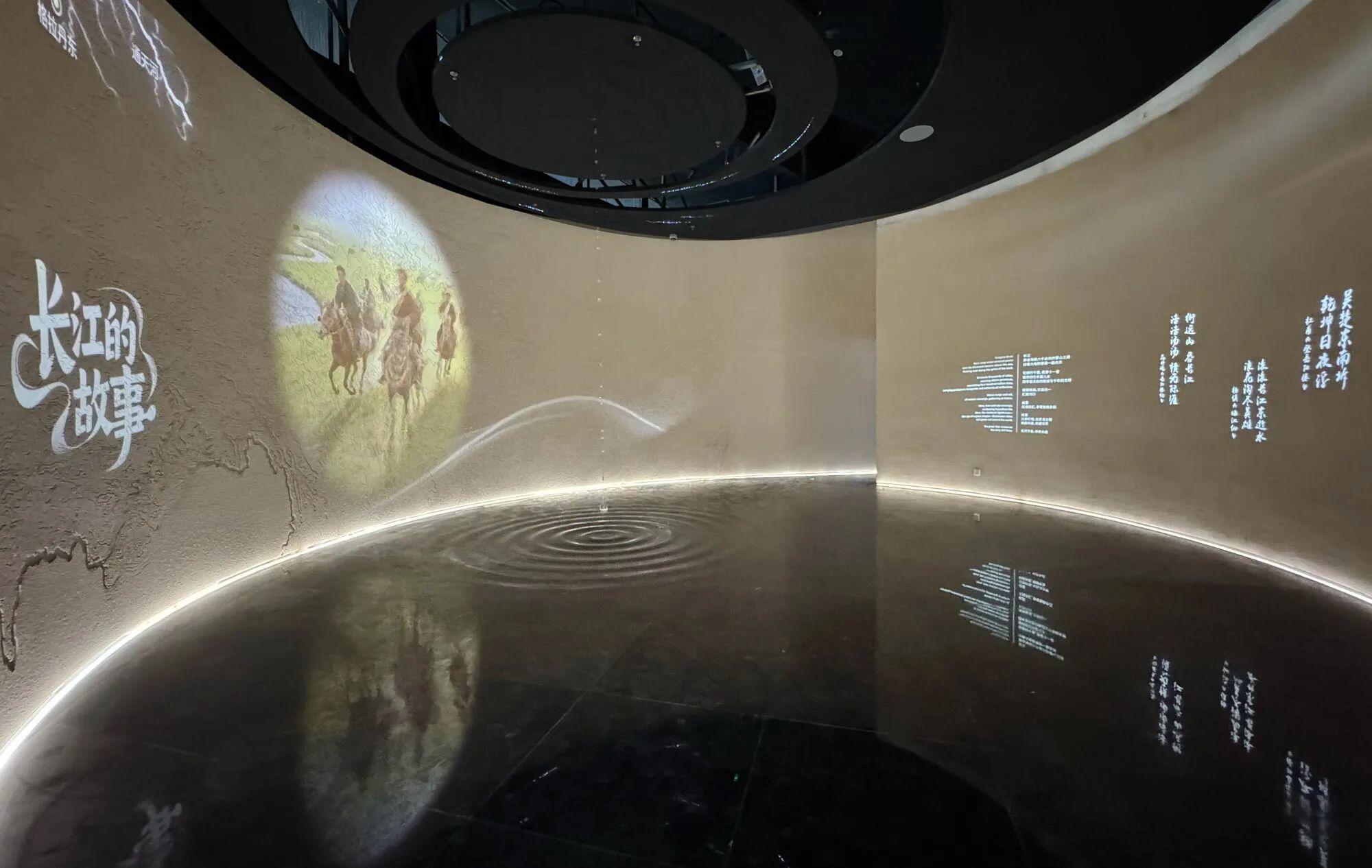
Cinematic scenes turn science into an adventure
Instead of presenting only facts and answers, the museum invites visitors to explore.
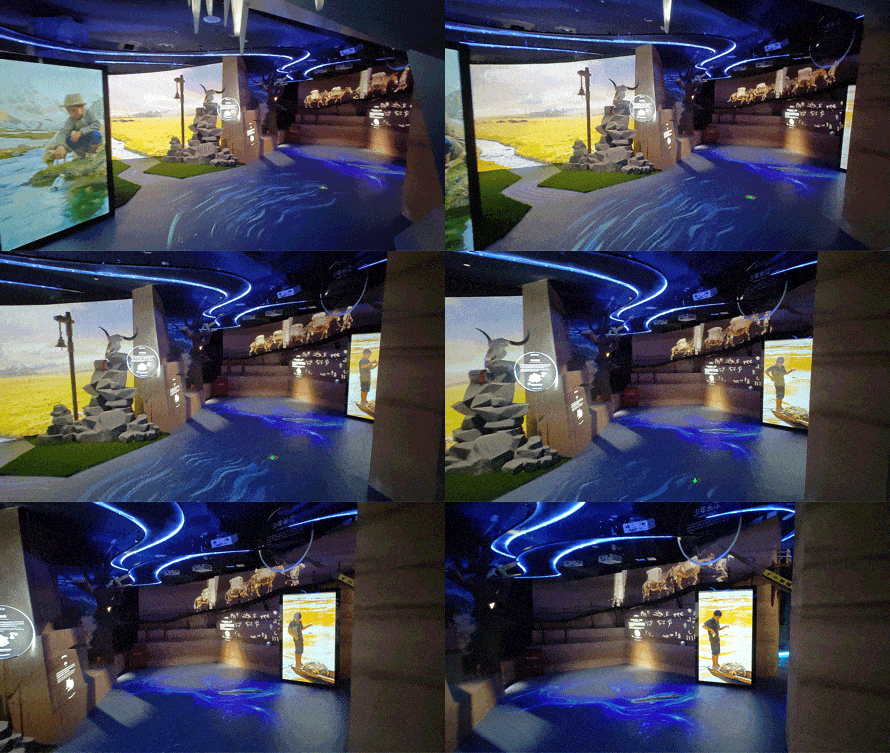
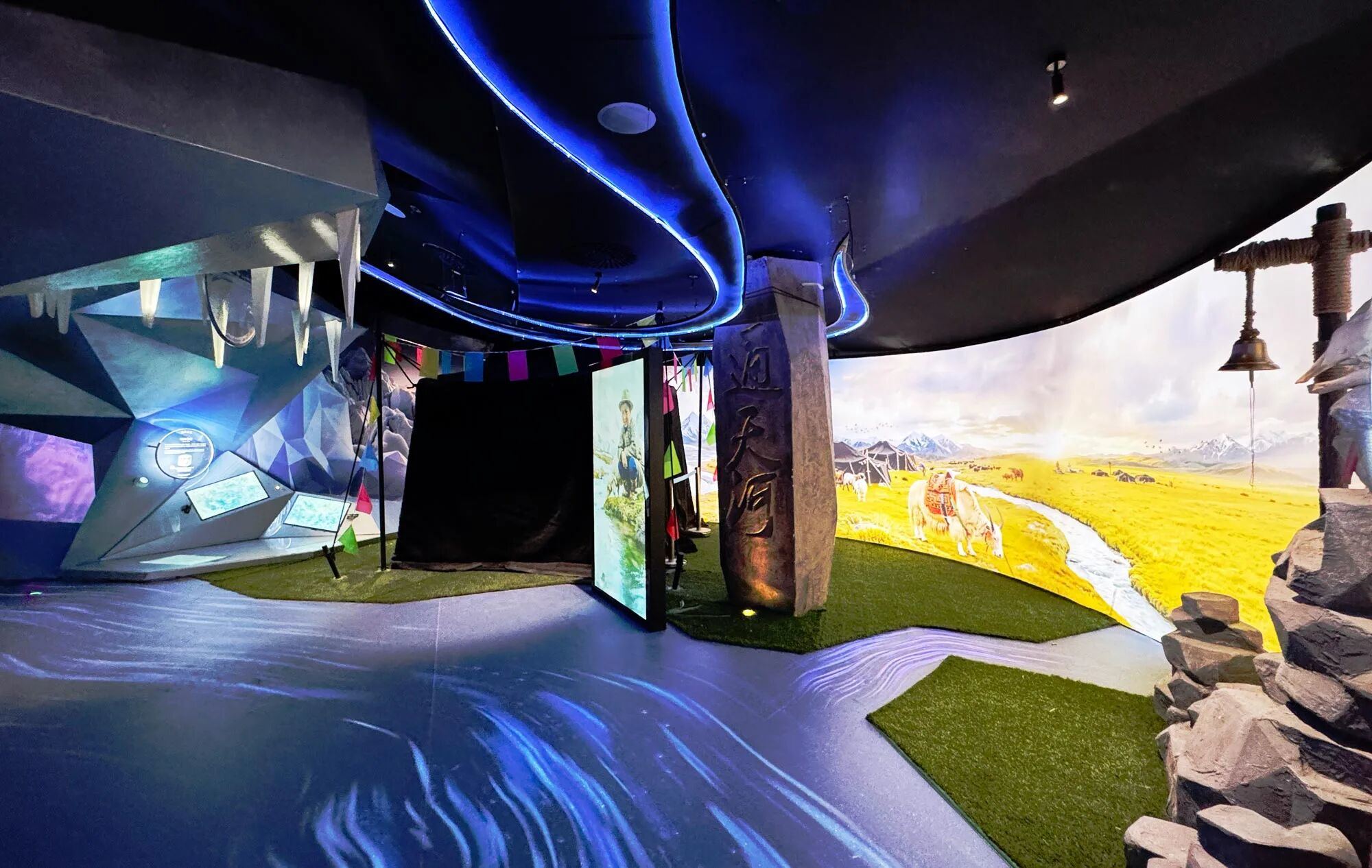
In “The Yangtze in Childhood”, visitors raise binoculars to search for a snow leopard in the mountains, become glacier archaeologists looking for traces preserved in ancient ice, and enter a Tibetan tent for an encounter with highland culture.
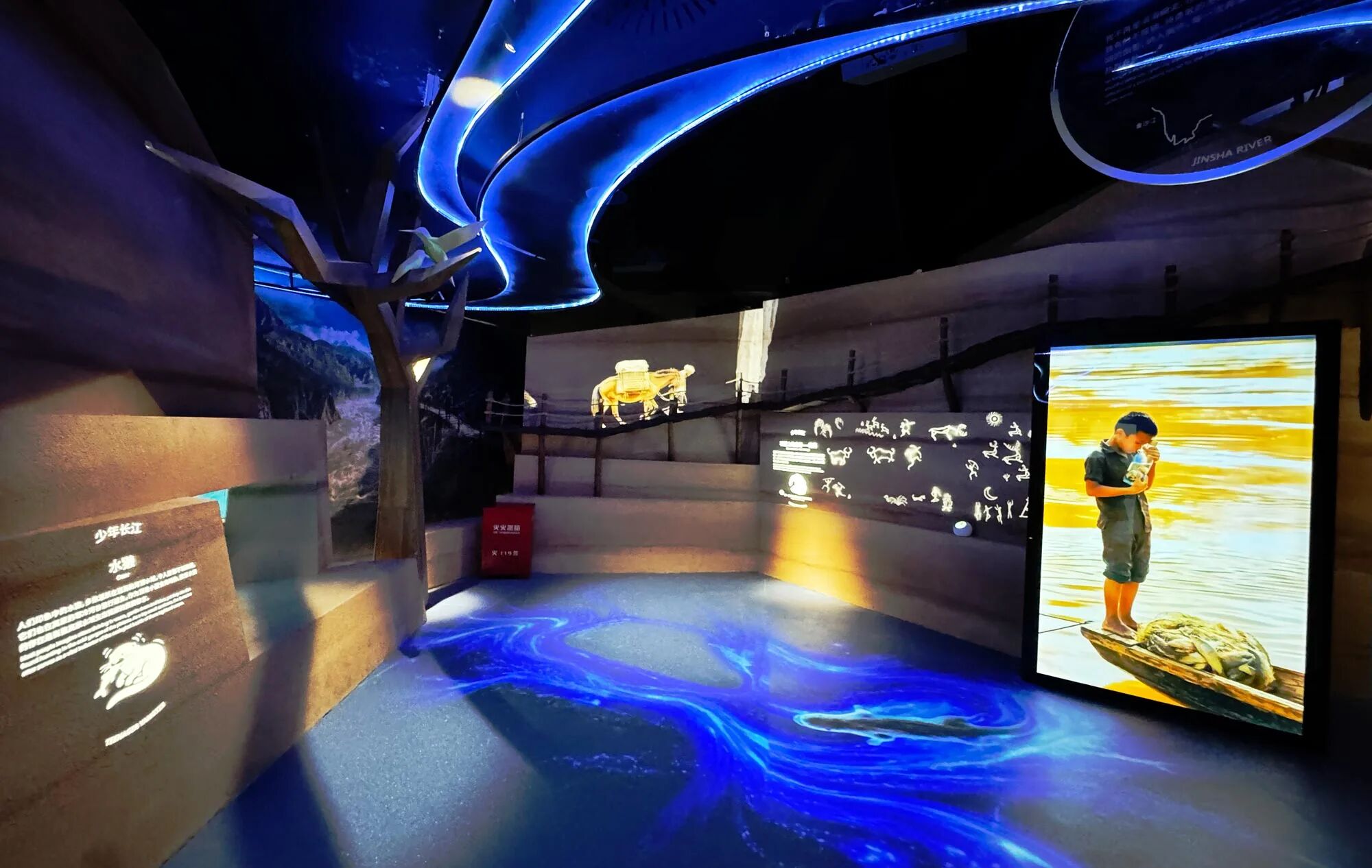
In “The Yangtze in Adolescence”, the story gathers pace. Ancient rock paintings appear to awaken as visitors approach; the epic of King Gesar is heard again; and the bells of the old Tea Horse Road seem to echo through the gorges. Experience itself becomes the way to remember.
Where ancient knowledge meets contemporary technology
In “The Yangtze in Youth”, visitors can reshape a model of Dujiangyan. A physical model and digital projection respond together to changes in terrain and water flow, making the principles of historic water management tangible through interaction.
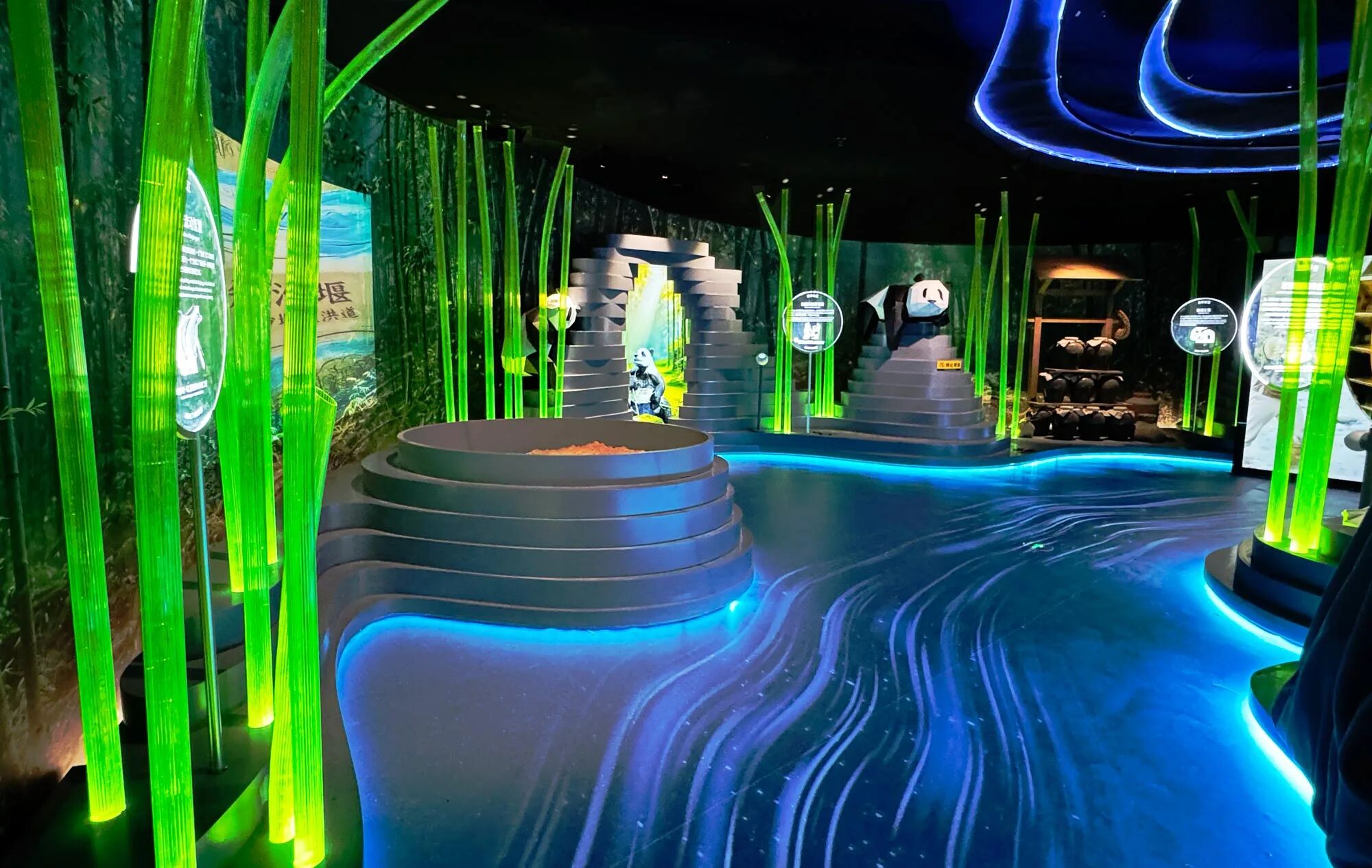
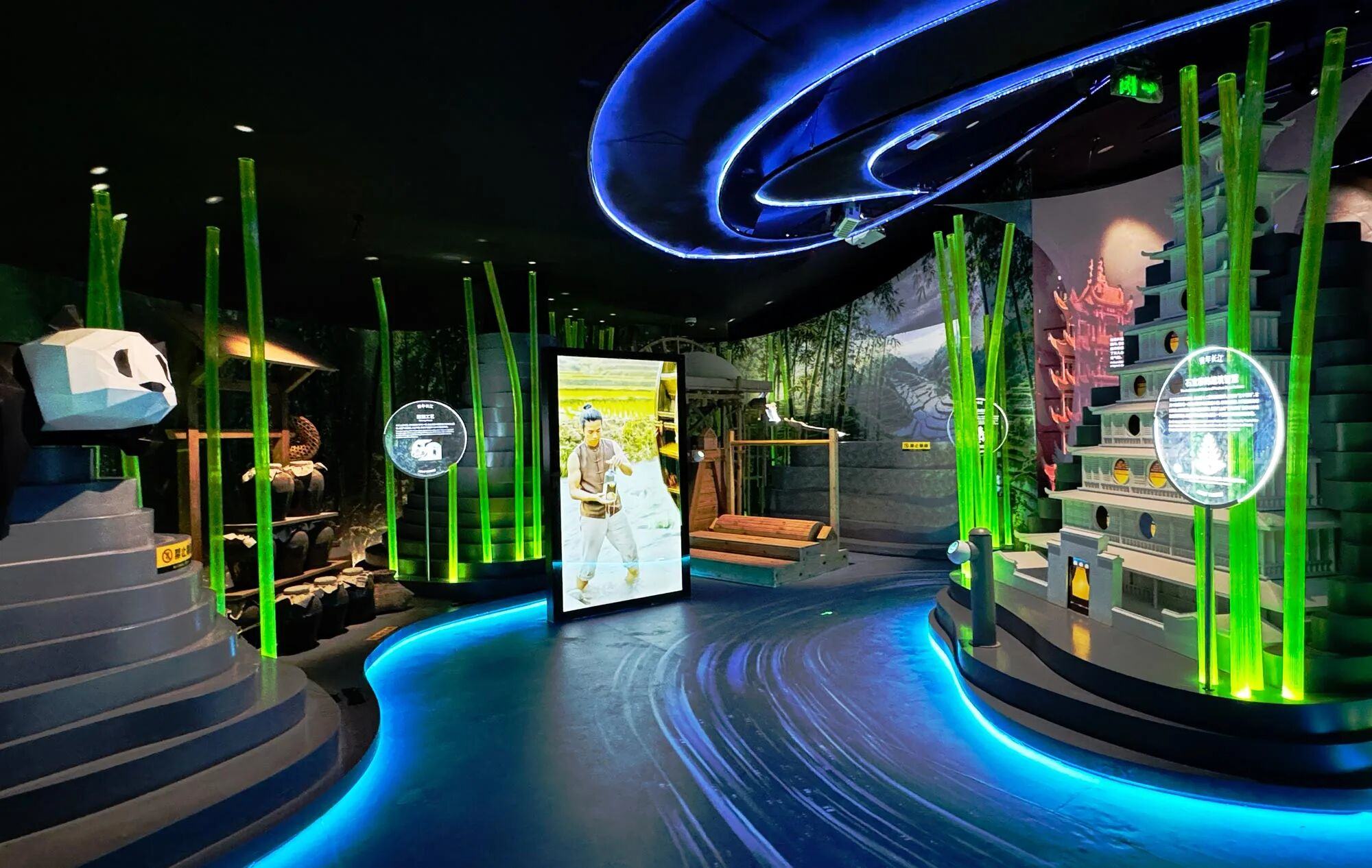
Challenges inspired by Shibaozhai, waterwheel irrigation and encounters with pandas use technology to illuminate cultural and ecological stories. Each interaction offers another way to understand the river’s world.
How can a science museum become immersive?
The Shanghai Yangtze River Estuary Science and Technology Museum offers one response. xenario brings science, cultural memory, interactive technology and spatial experience together to reveal the value of the river from both scientific and cultural perspectives.
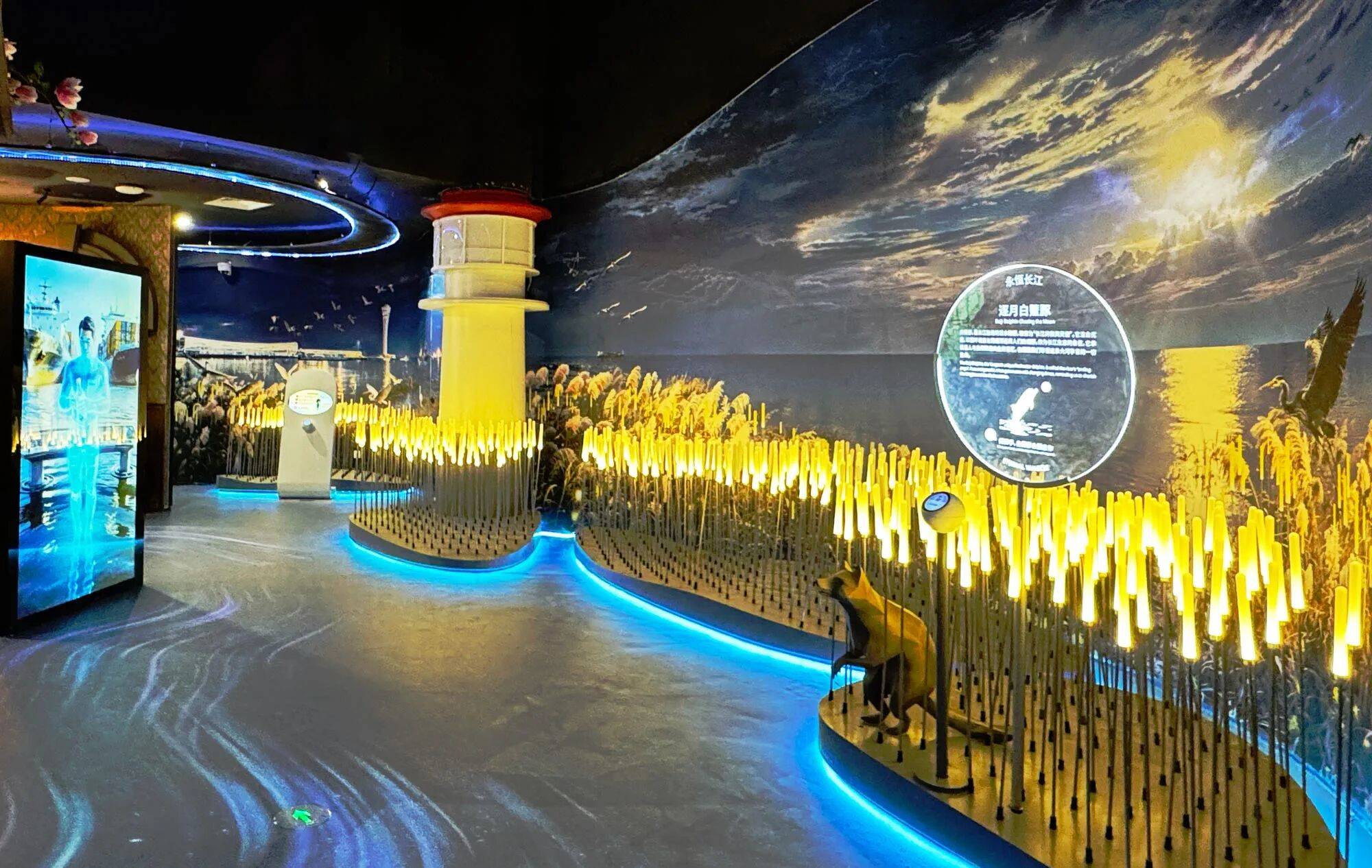
Here, a science museum offers cinematic storytelling, game-like interaction and the spatial experience of an art museum. It also builds a bridge between people and nature, past and future, science and emotion.
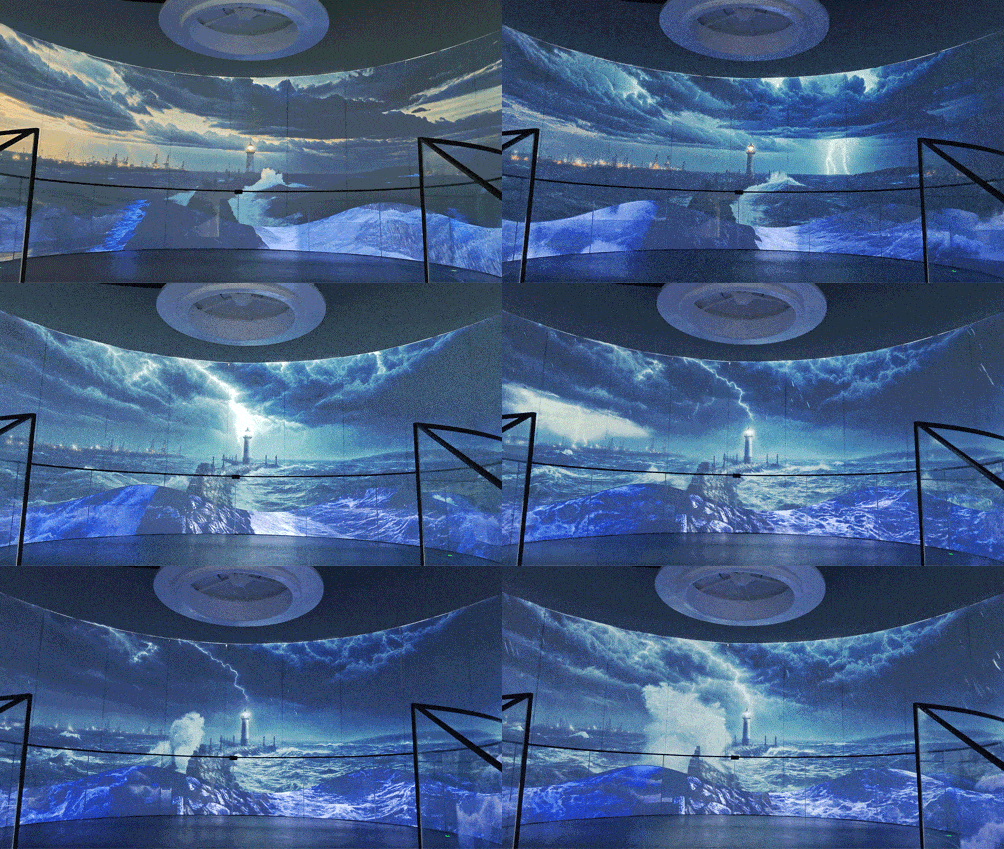
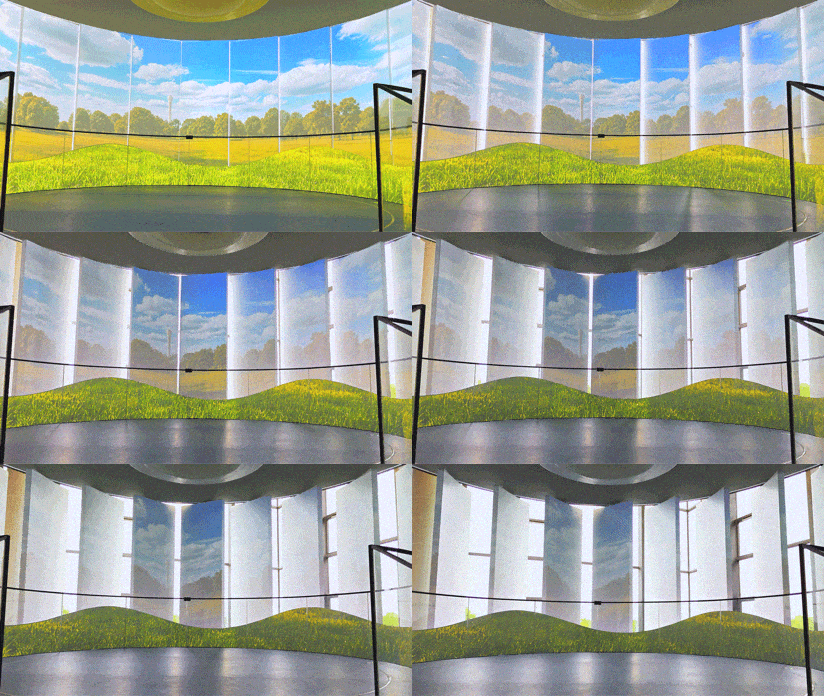
For visitors, the Yangtze becomes more than a river on a map: it is a living protagonist that grows, breathes and tells its own story.
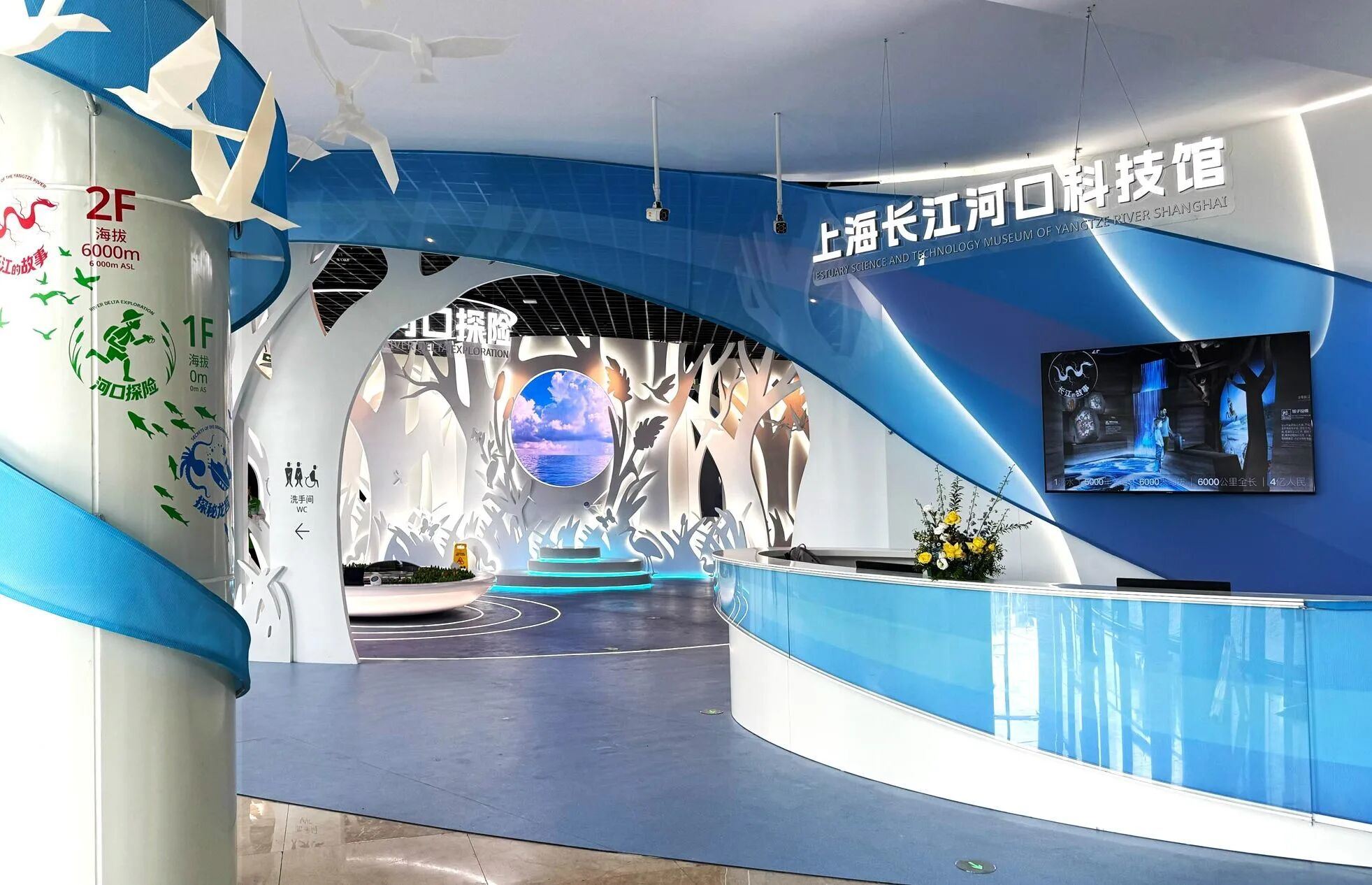
The renewed Shanghai Yangtze River Estuary Science and Technology Museum was preparing to reopen when this article was first published.
The invitation was to listen to what the river might tell us.
The content of this article was provided by 飞来飞去 or sourced from their official media channels, and has been curated and edited by WeHow. All copyrights to images, videos, and related design works remain with their respective creators or design firms. Reproduction, republication, or commercial use of the WeHow-edited version in any form is prohibited without prior written permission from both WeHow and the respective copyright holders.