An exhibition with small pieces in a space the scale of the Ajuda Palace requires scale in the design, so that the Palace and the exhibition can be “balanced”, as well as the stately decoration of the rooms, which required a minimalist design in contrast.
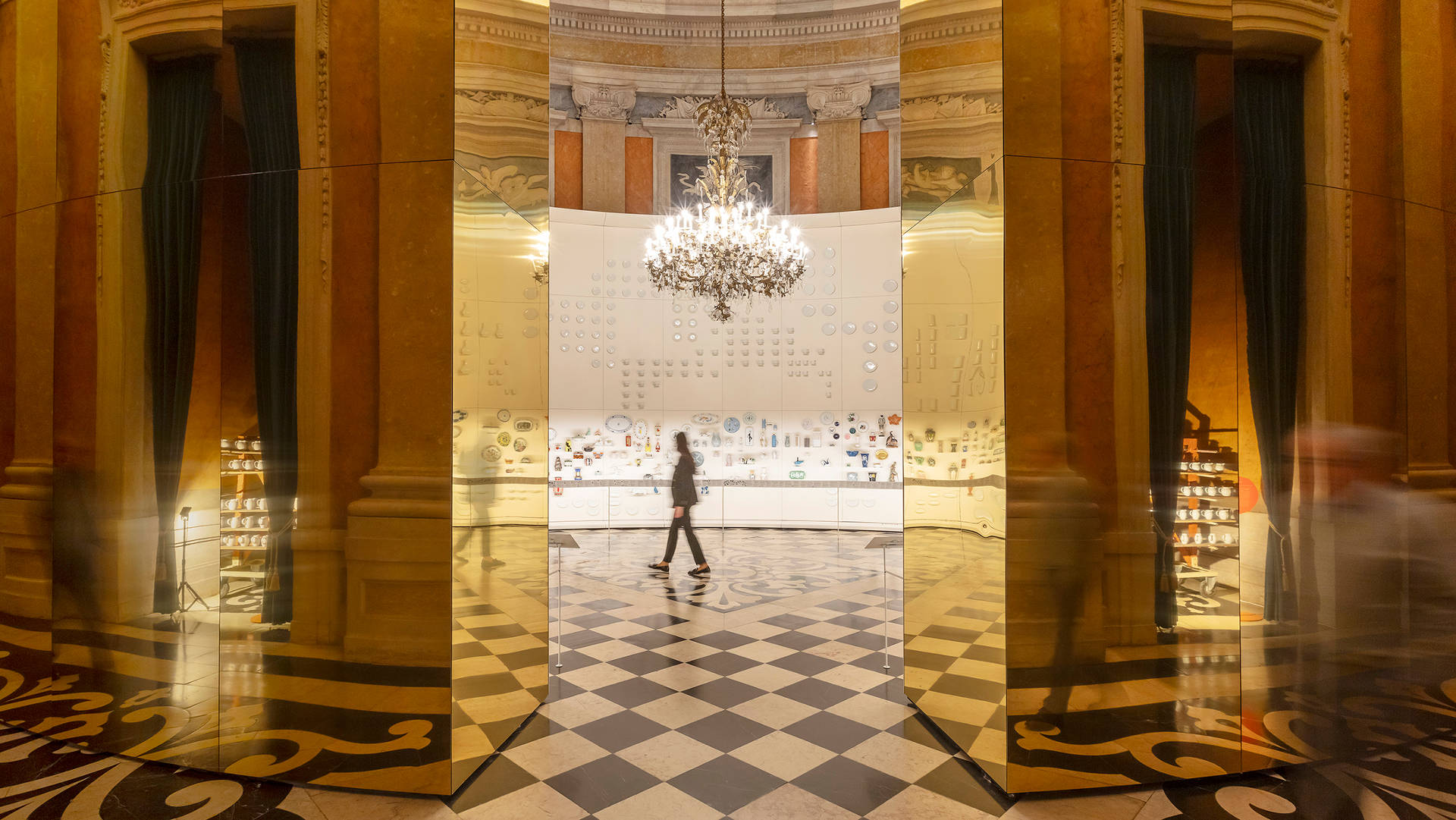
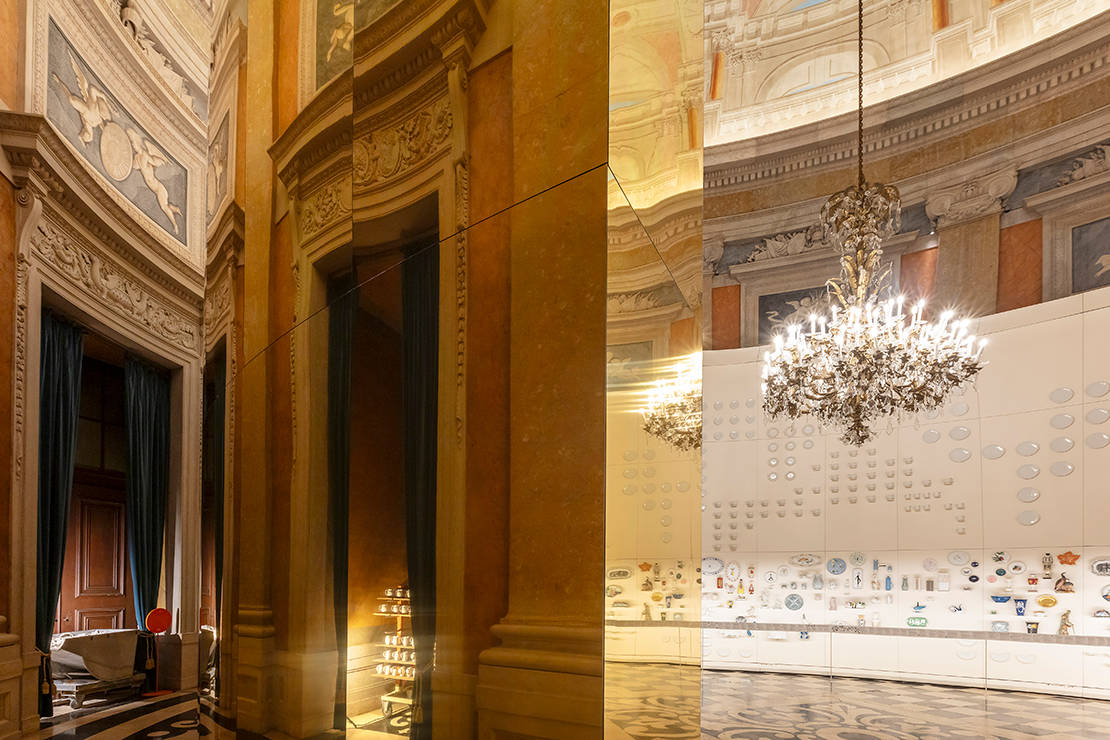
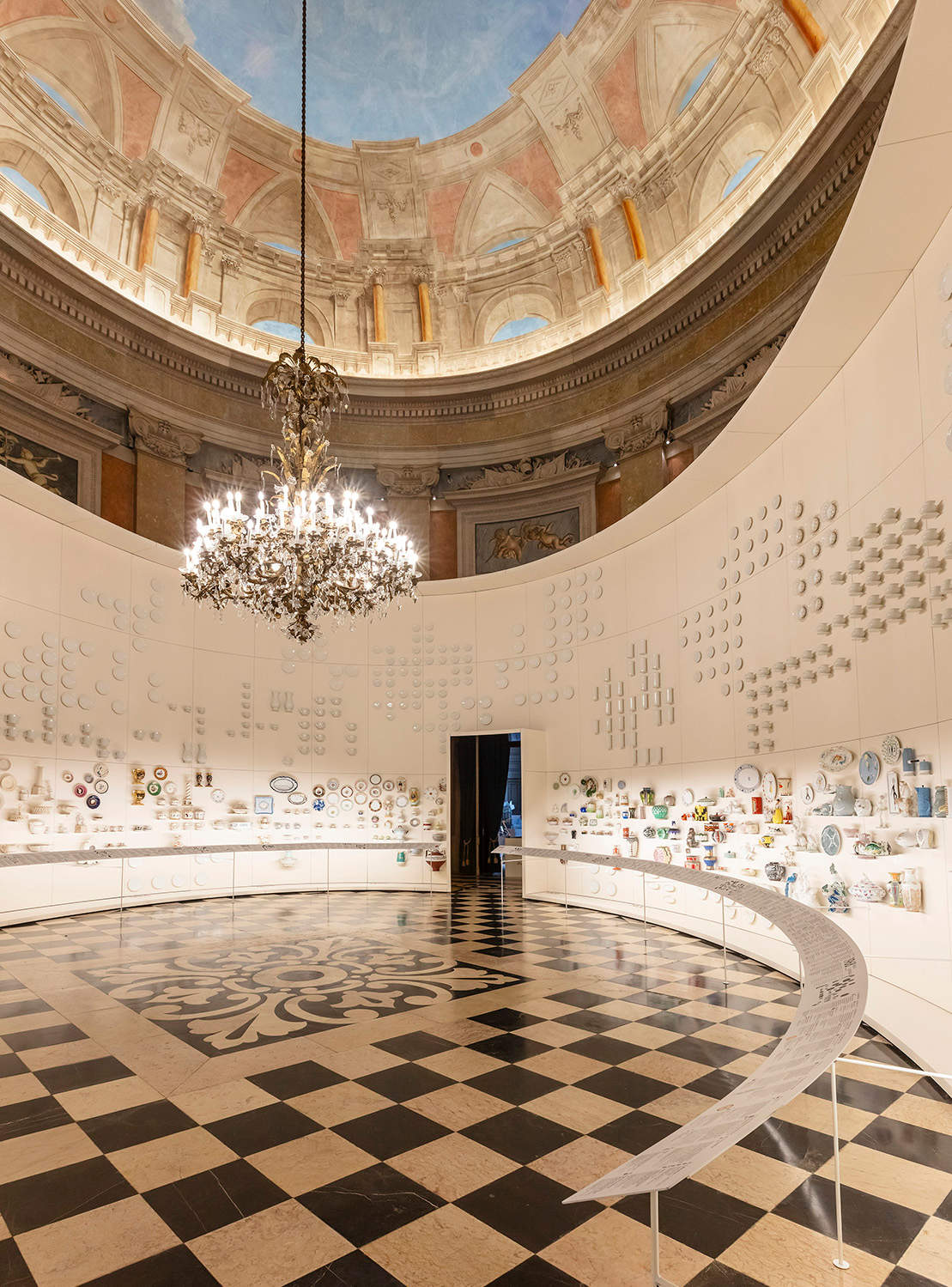
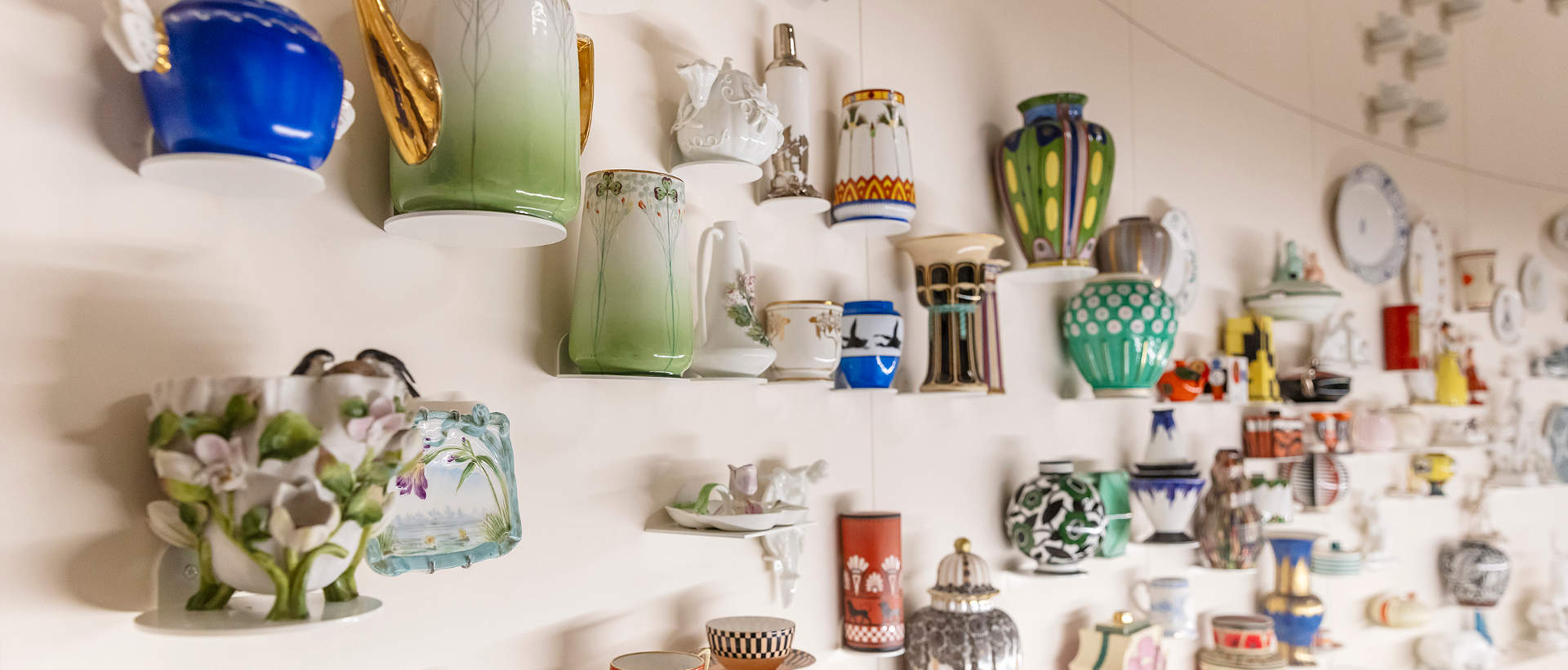
Thus, a 6m-high oval structure, clad in mirrored gold Alucobond on the outside, reflects the Palace and incorporates the installation into the room. Inside, a white “biscuit” background highlights the 400 or so pieces with personalized supports that enhance each object.
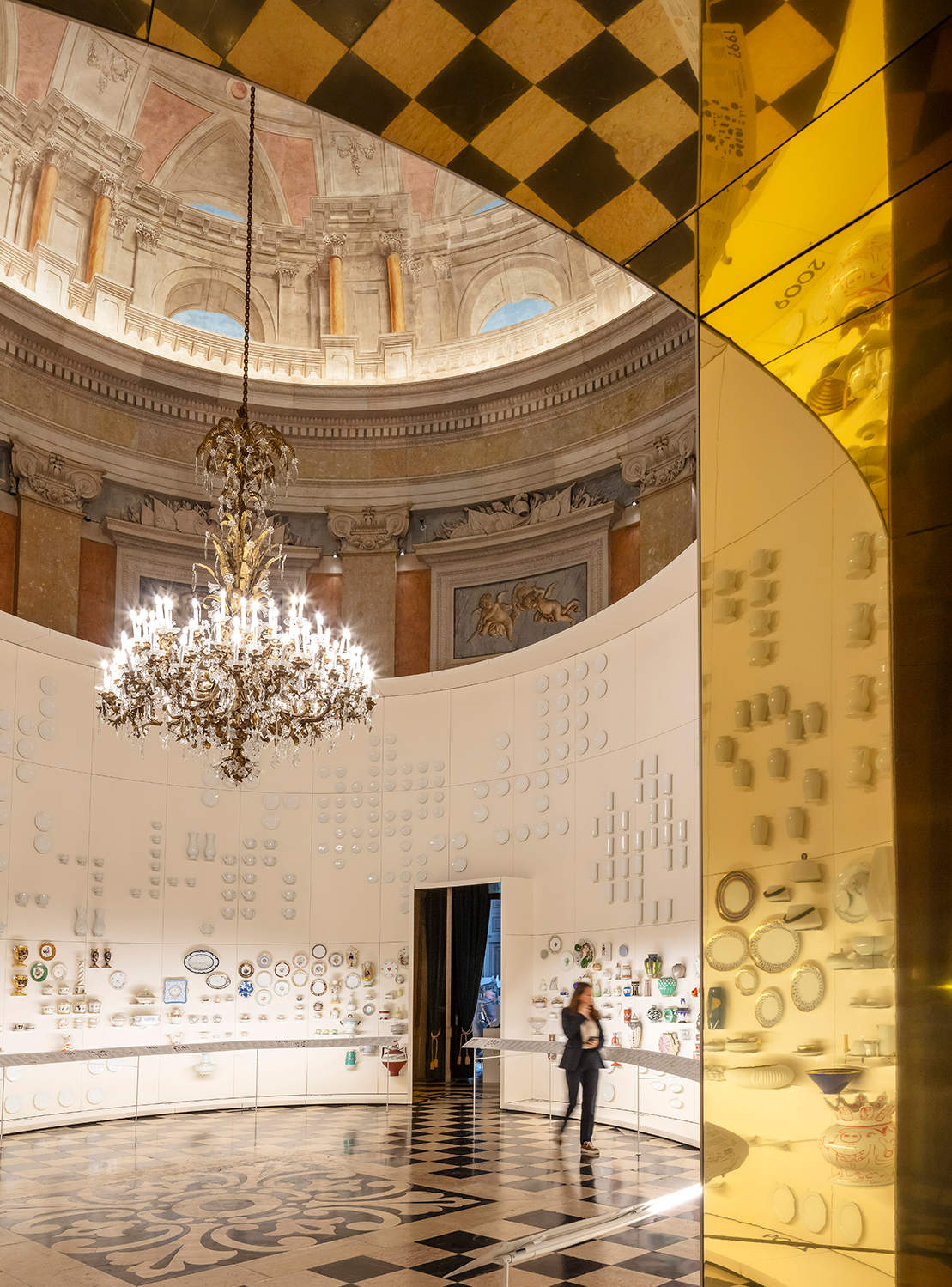
The chronological arrangement of the pieces follows a line of sight that allows visitors to observe the 200 years at a 360º glance, or to see the most iconic creations of each decade in detail. On the upper level, a series of white pieces symbolizes mass production, reinforcing the factory’s role in combining art and functionality.
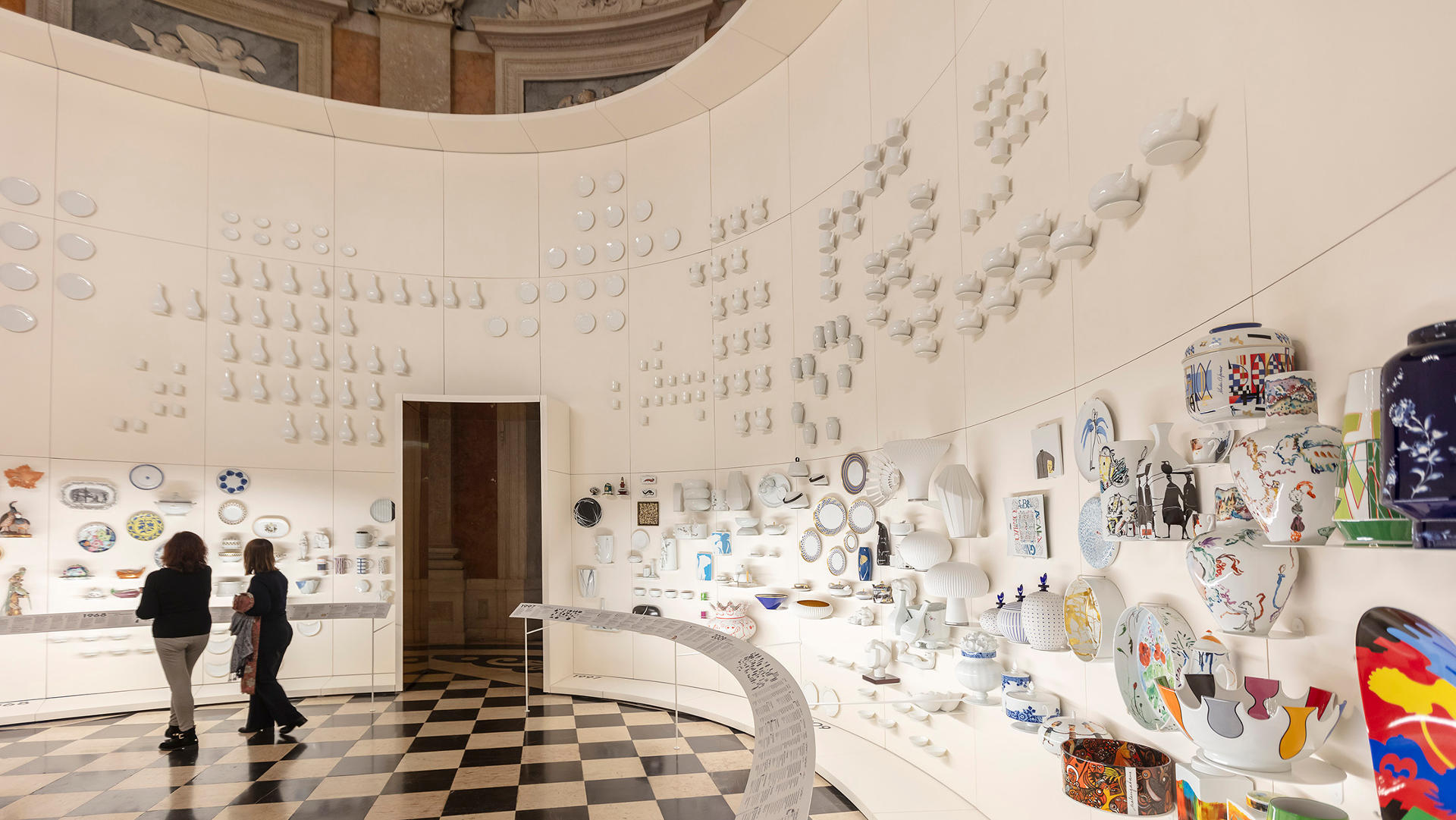
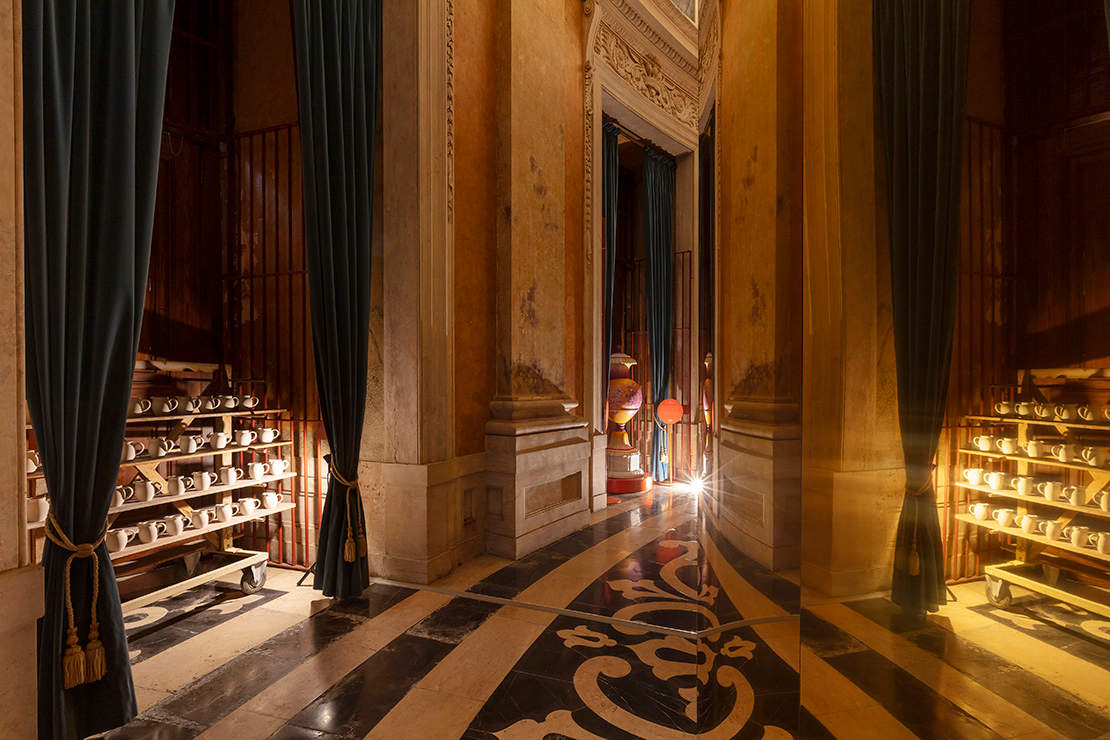
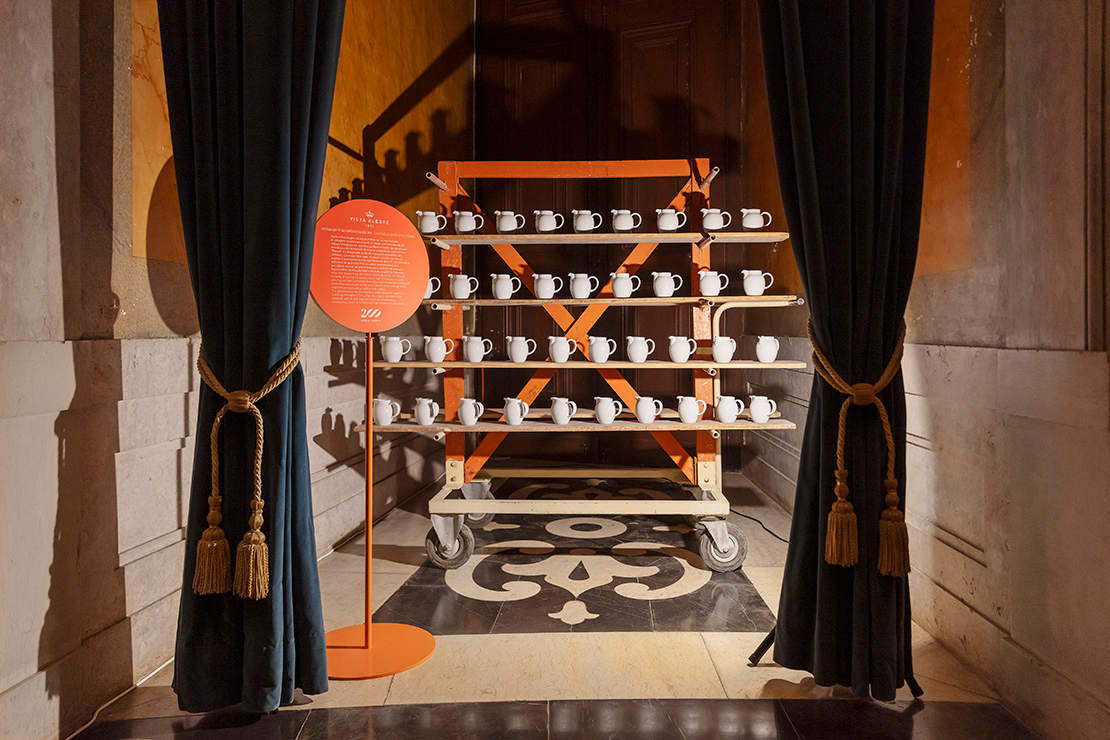
Outside the structure, the stages of porcelain production are illustrated by physical examples, so that the public can understand the complexity and technical rigor behind the production of each piece.
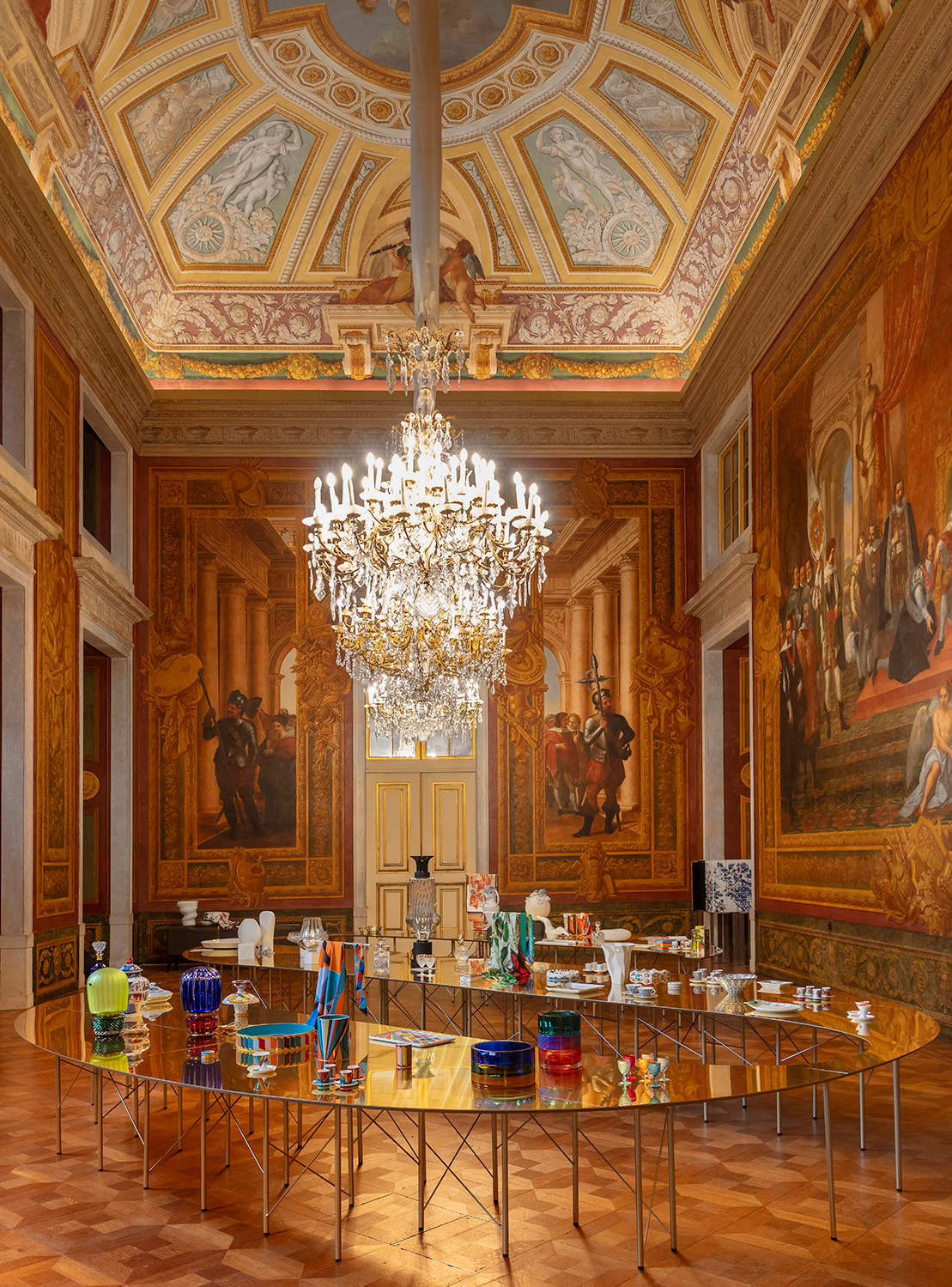
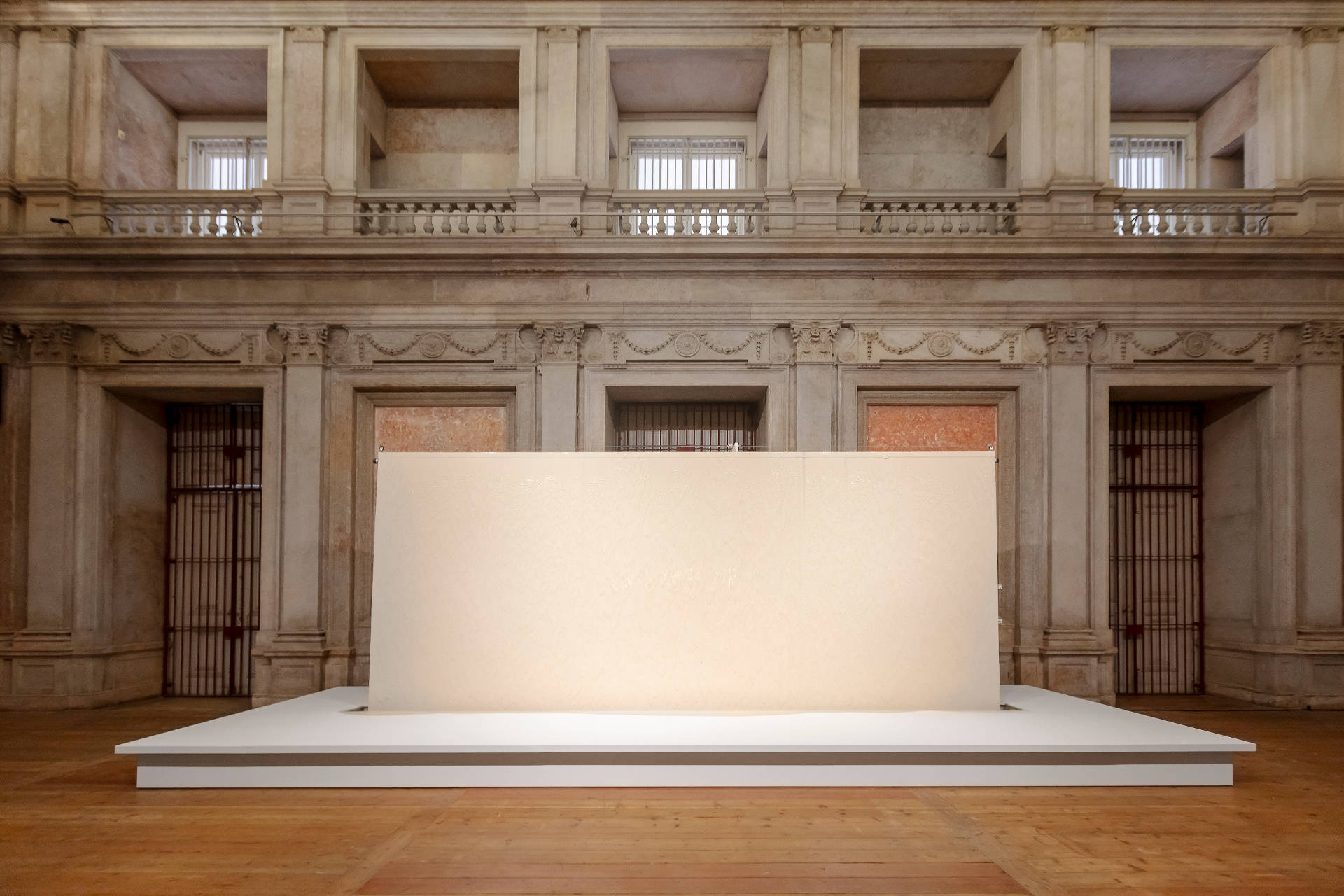
Another highlight is the visual connection to the room dedicated to Clare Twomey’s installation, where the material is presented in its most poetic form, through an axis (corridor) where two large-scale projections show moving images depicting the history and legacy of the brand. Finally, the store is a table in the shape of an infinity symbol, evoking the 200th anniversary logo. The golden top reflects the Palace, while simultaneously displaying a collection of pieces.
The content of this article was provided by P06 studio or sourced from their official media channels, and has been curated and edited by WeHow. All copyrights to images, videos, and related design works remain with their respective creators or design firms. Reproduction, republication, or commercial use of the WeHow-edited version in any form is prohibited without prior written permission from both WeHow and the respective copyright holders.