From May 22 to 25, 2025, the highly anticipated ART021 BEIJING Contemporary Art Fair officially opened at two iconic venues—the 79 Tank and the First Workshop in Beijing’s 798/751 Art District. As a pivotal event in China’s contemporary art scene, this edition of the fair brought together over 50 galleries and special projects from 11 countries and regions, showcasing nearly a thousand modern and contemporary artworks spanning painting, sculpture, installation, calligraphy, jewelry, and more. Among them, the “KunstKammer” special exhibition, designed by PILLS Studio, stood out as a highlight at the First Workshop.
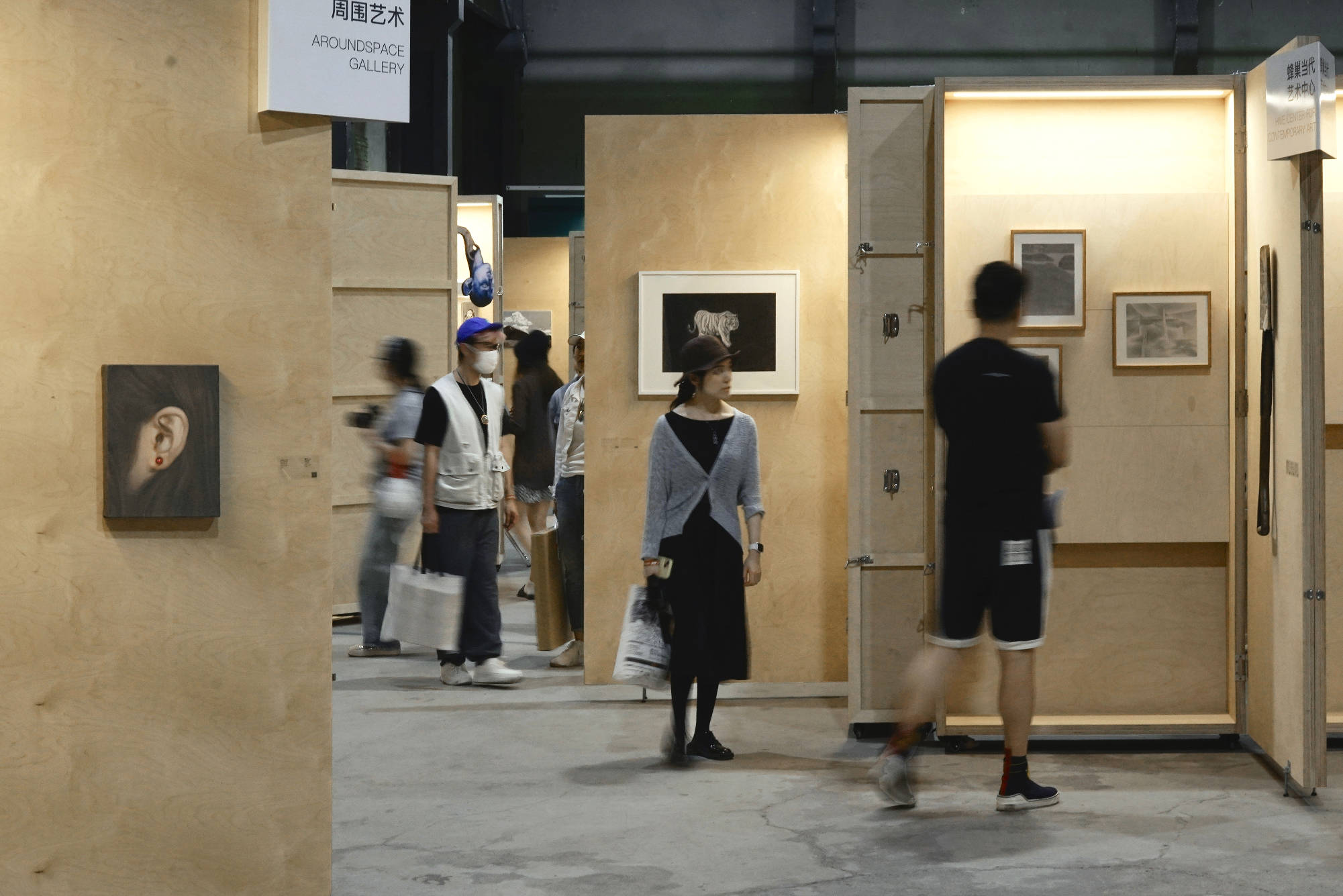
The “KunstKammer” display system is an innovative exhibition solution developed by PILLS Studio to address the challenges of ultra-tight installation timelines. By adopting a prefabricated, modular, and integrated design approach, the team achieved rapid assembly and curation, while endowing the system with flexible configurations and a distinctive artistic identity—delivering a fresh viewing experience for audiences.
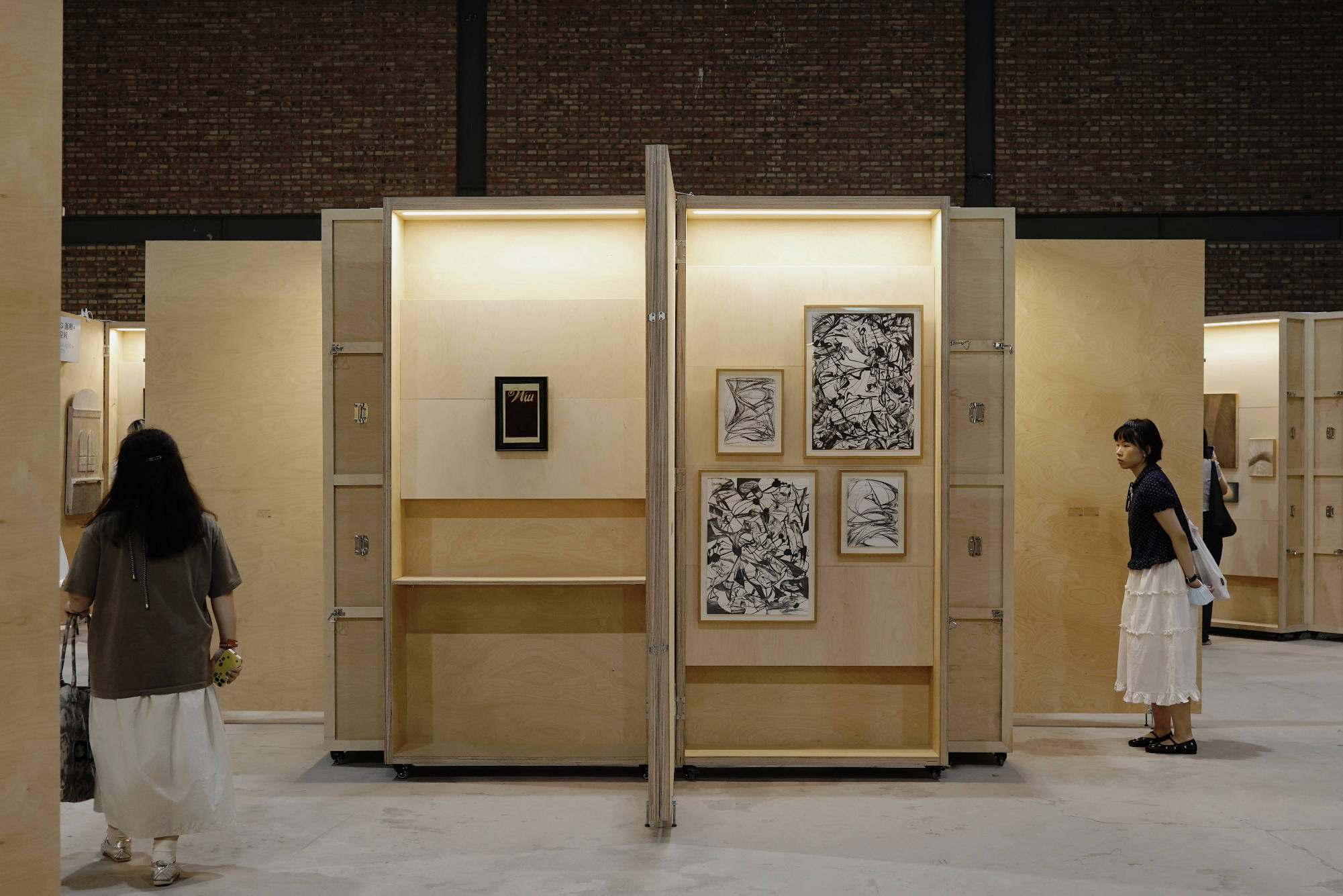
KunstKammer
The design concept of PILLS’ “KunstKammer” traces its origins to the Renaissance-era “cabinet of curiosities” (KunstKammer in German, Cabinet de curiosités in French), a precursor to modern museums that embodies the evolution of exhibition practices. From its role as a symbol of wealth, power, cosmology, and knowledge among European aristocracy in the 16th century to its contemporary incarnation as a public cultural space, the “KunstKammer” has profoundly influenced modern display and curatorial methods, becoming a significant artistic and cultural symbol for exploring “ways of seeing the world” and “knowledge construction.”
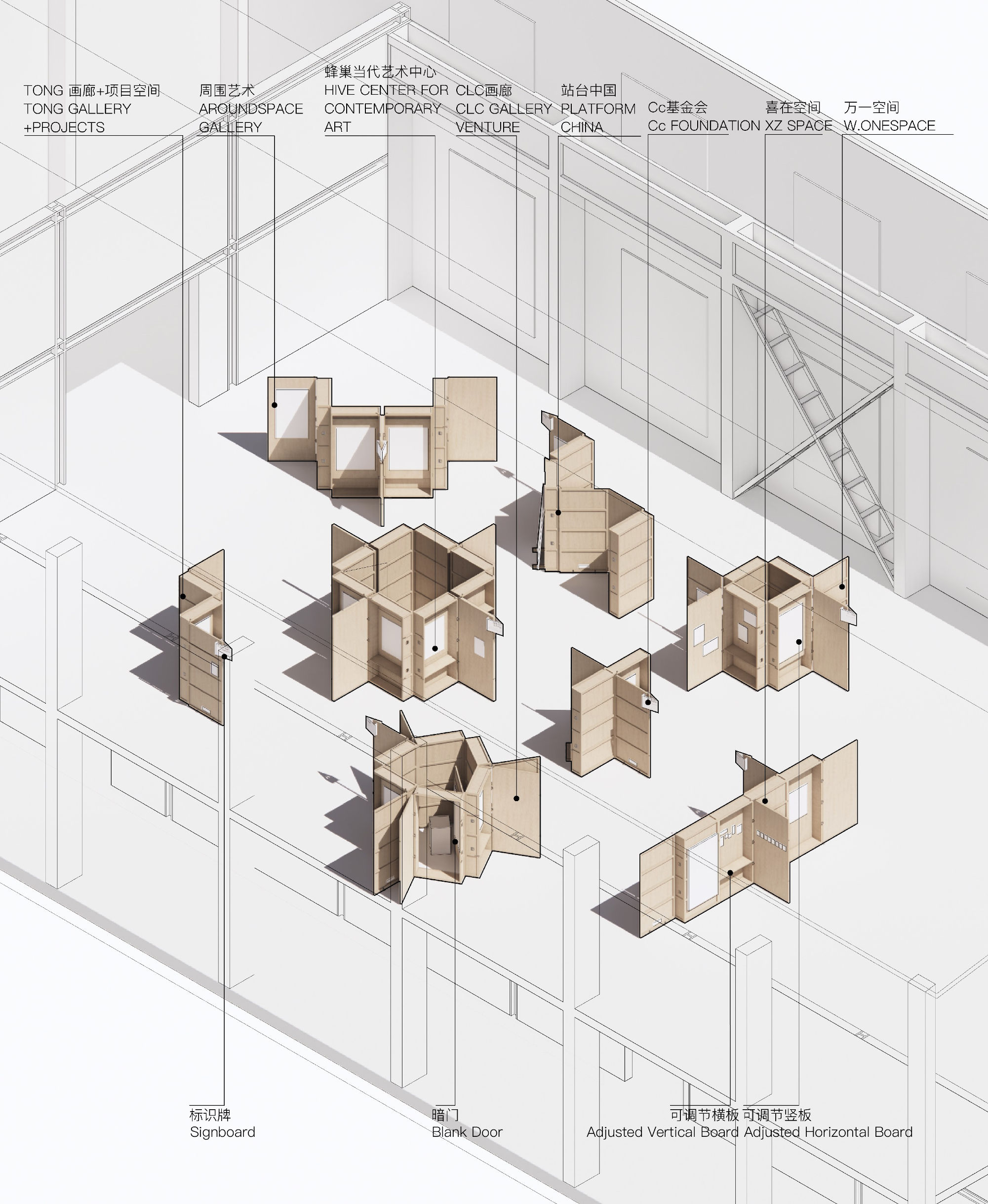
At this year’s ART021 BEIJING, eight galleries offered unique interpretations of the “KunstKammer” concept. Through varied layouts and displays, they constructed a multifaceted exploration of perception. Some galleries arranged works in a confrontational manner to create cinematic, narrative sequences, while others treated artworks as images, using montage to assemble them into a visual tapestry of ideas—forming autonomous worlds of imagery. As a vessel for curatorial experimentation, the “KunstKammer” provided an open context for galleries and audiences alike, granting them full agency. It encouraged active viewing, perception, and dialogue, ultimately transforming the physical exhibition space into a cultural field where diverse mental worlds converged—a “cultural map” of contemporary art.
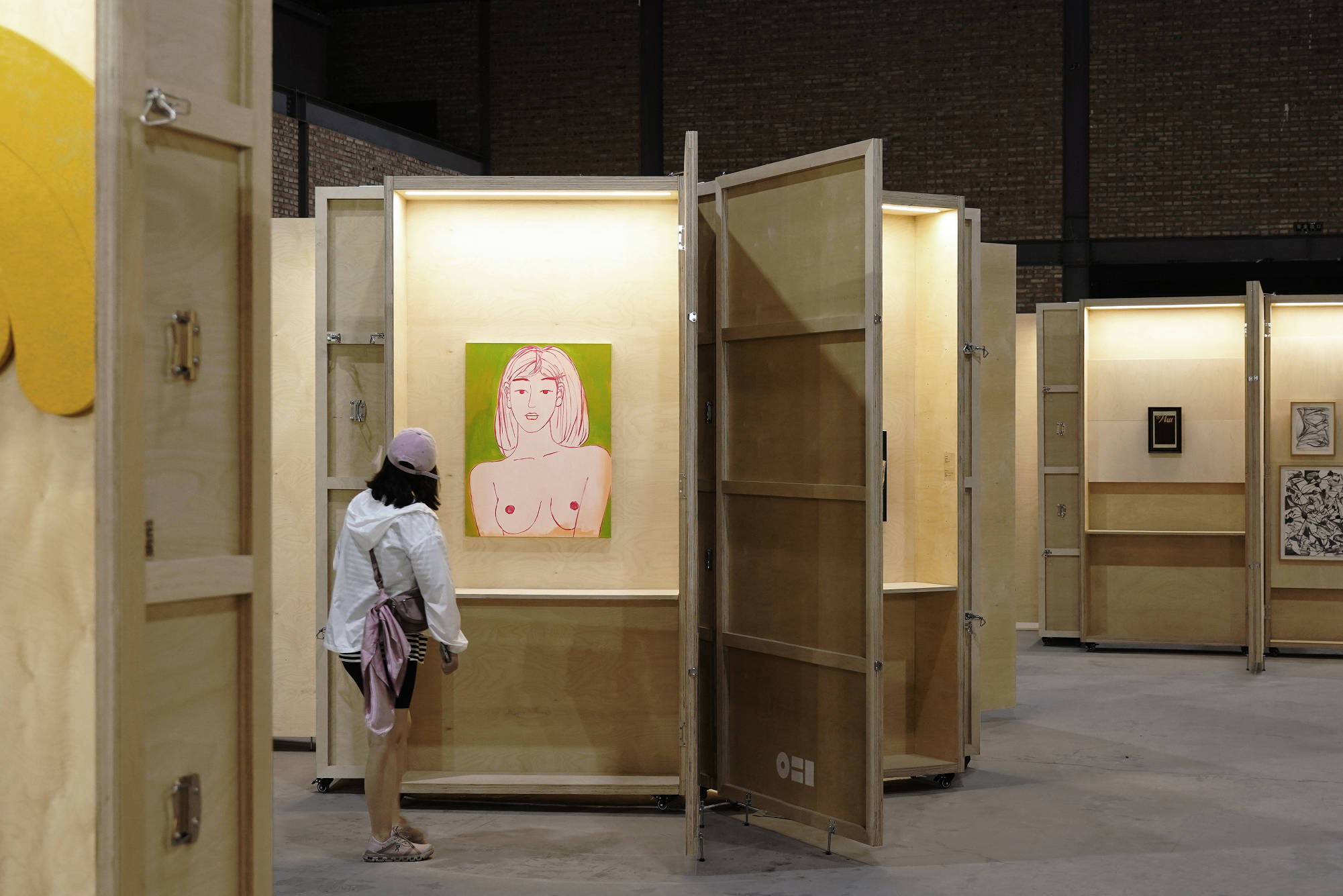
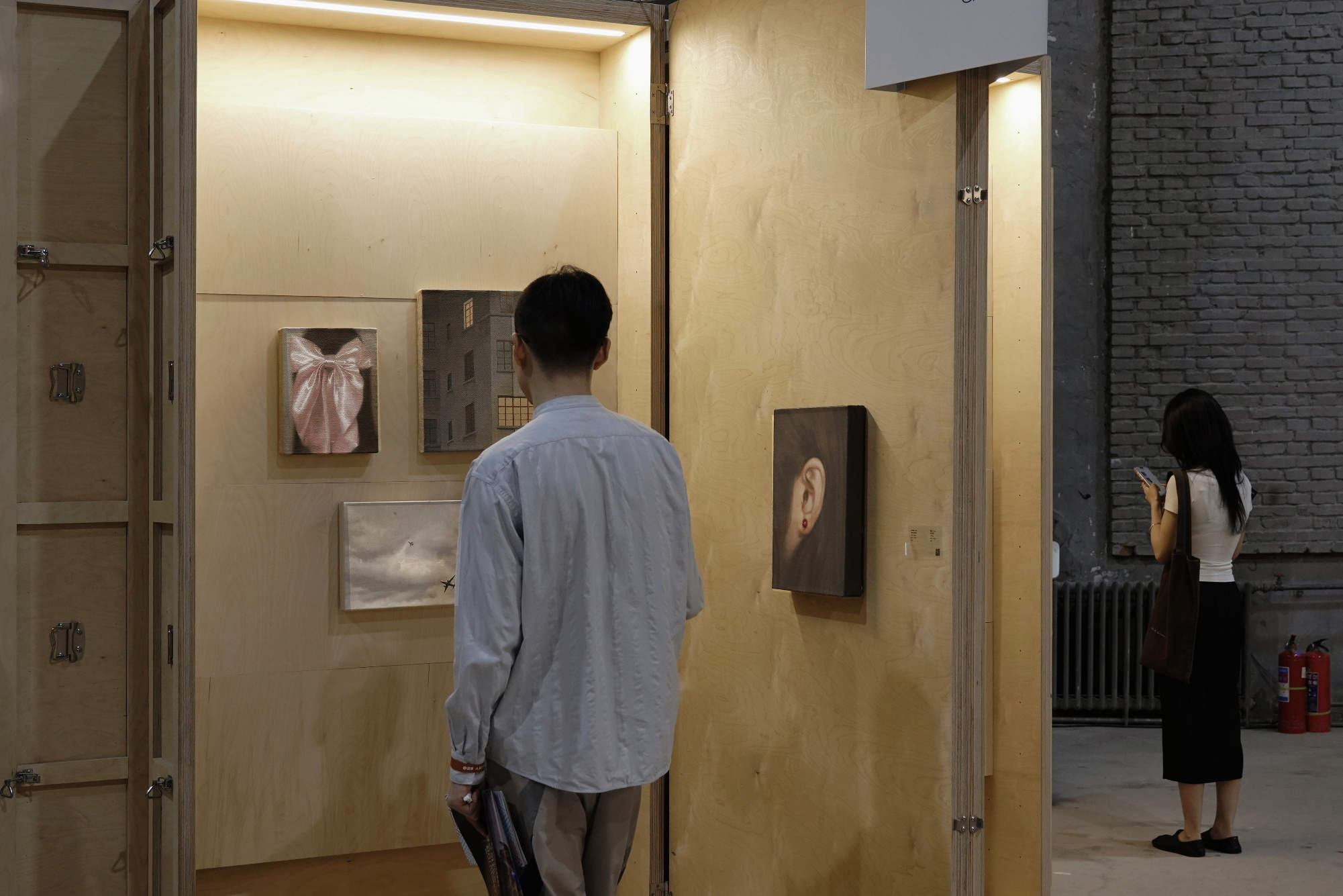
As a “way of seeing the world,” the “KunstKammer” invites reflection on humanity’s place within it. In its display methodology, objects are not arranged according to traditional disciplinary classifications but rather through a fluid and interconnected logic. Works spanning different eras and geographies may be juxtaposed, suggesting that knowledge and objects are not isolated but interwoven in the process of understanding the world. This approach challenges fixed knowledge structures and inspires audiences to engage with the world multidimensionally, fostering a more holistic worldview.
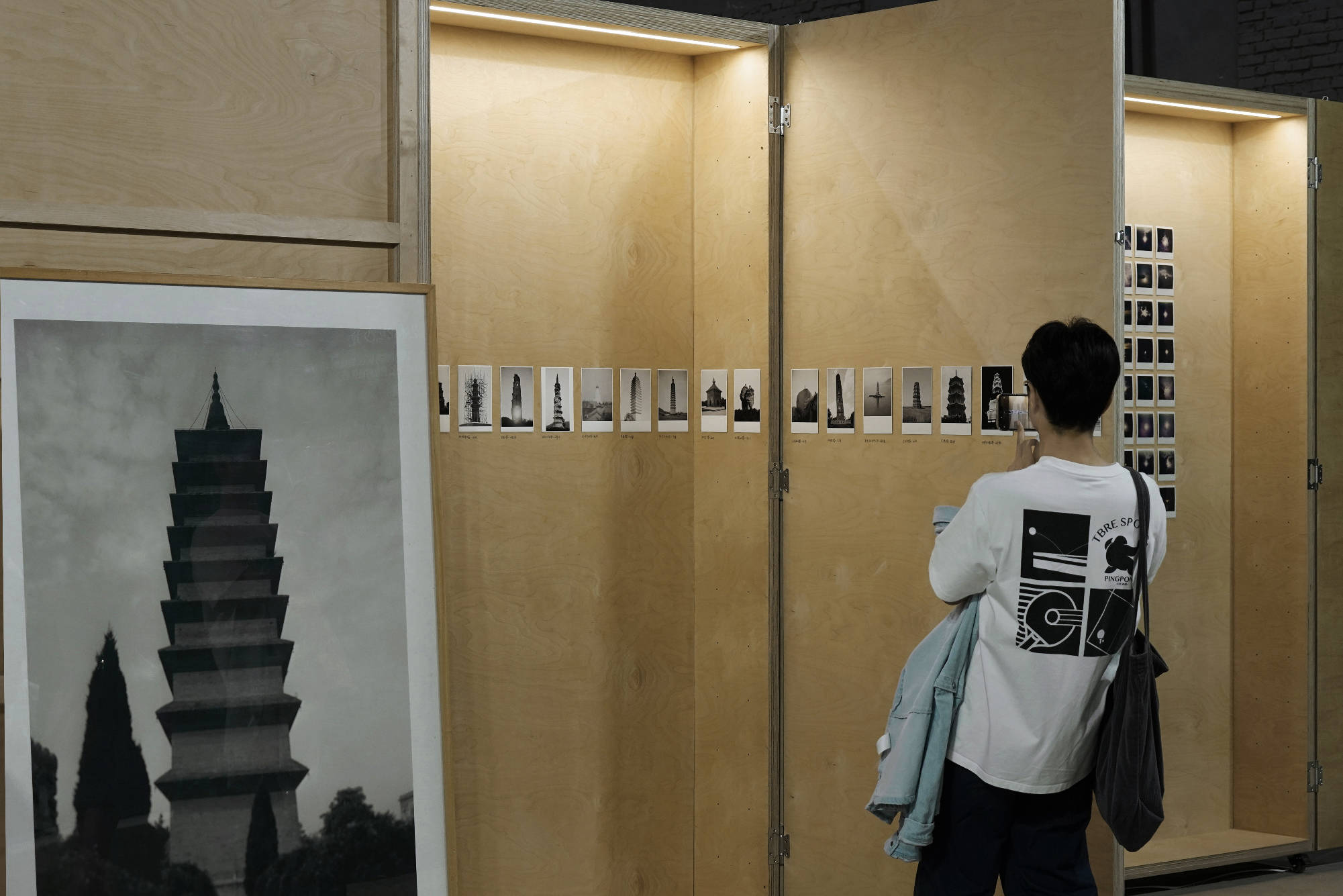
PILLS’ design embodies this philosophical approach, treating each “KunstKammer”display unit as both a collection and a reinterpretation of artworks—a hybrid system integrating storage and exhibition functions.
Opening a display unit is like stepping into a “miniature KunstKammer”: the system serves as a multimedia platform, accommodating videos, images, manuscripts, sculptures, and texts, while establishing new cognitive frameworks through the relationships between objects. Additionally, the units can incorporate artists’ tools—brushes, chisels, digital devices—into the display, turning the creative process itself into an artistic encounter. This not only sparks curiosity but also fosters a sense of discovery, creating a dialogue between viewers and artworks.
Modular System
From Shipping Crate to Display Stand — A Breakthrough in Modular Design
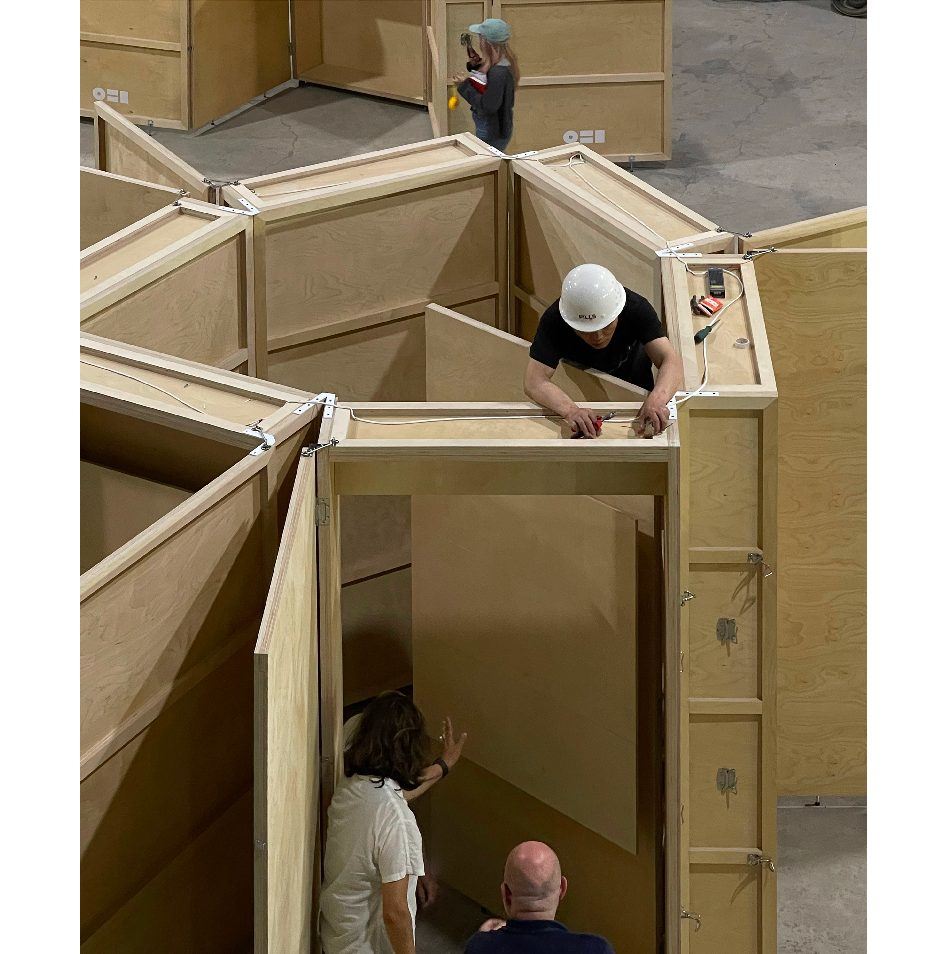
The exhibition design was shaped by the project’s tight timeline and spatial constraints. With limited on-site installation time, PILLS and ART021 adopted a prefabricated modular system from the outset.
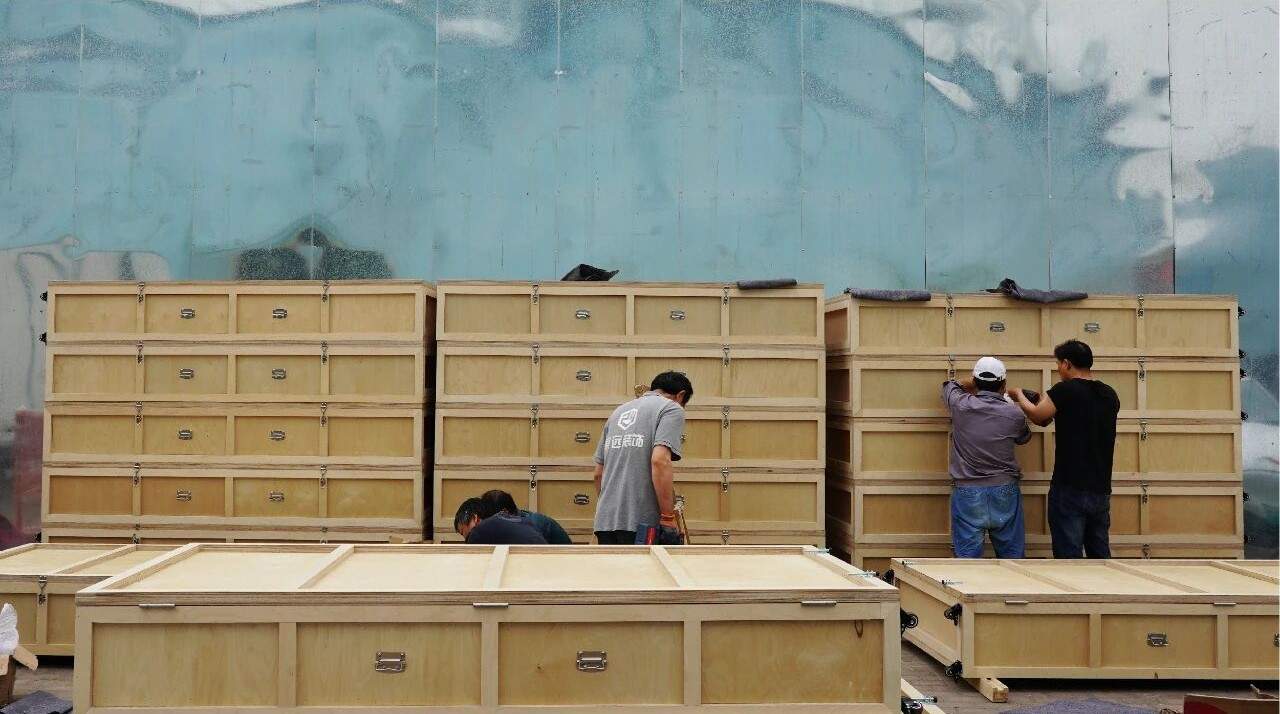
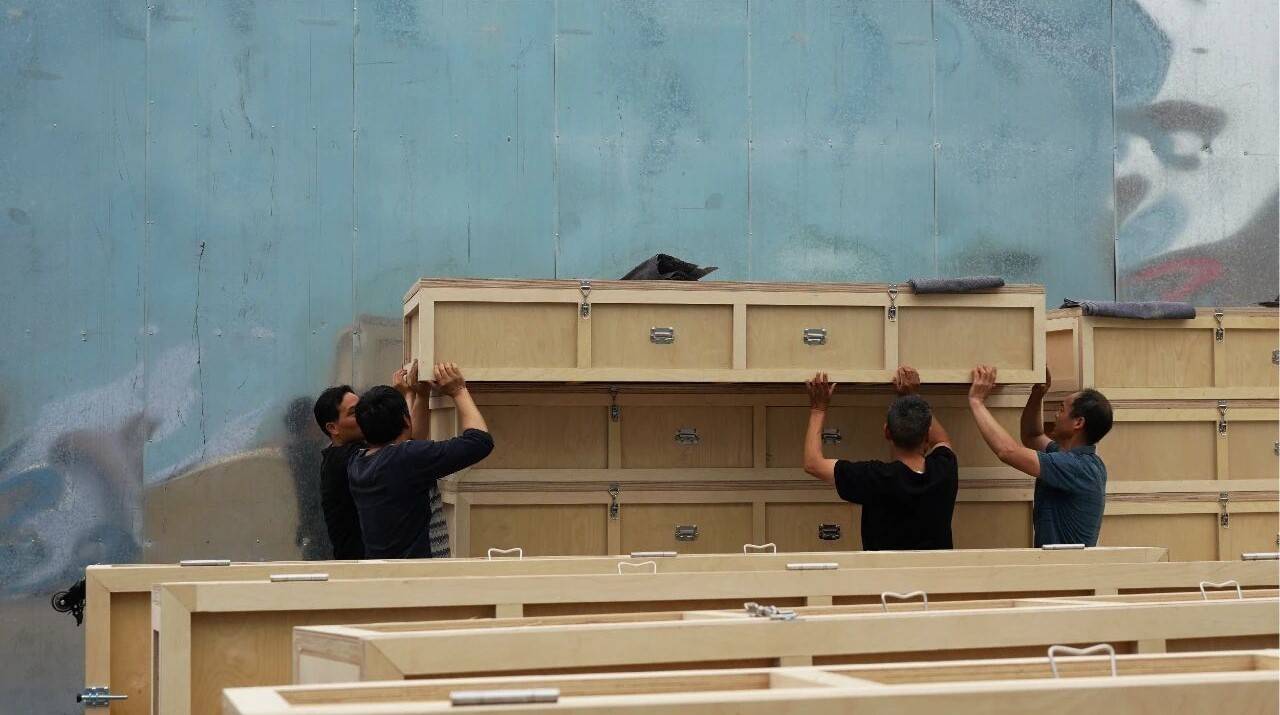
By replacing traditional wall construction with standardized, factory-produced modules, the team achieved rapid assembly while ensuring high-quality presentation—even enabling galleries to partially pre-install works before shipping, seamlessly converting transport crates into exhibition spaces. This integrated logic of storage, transport, and display not only defined the structural system but also became a curatorial methodology.
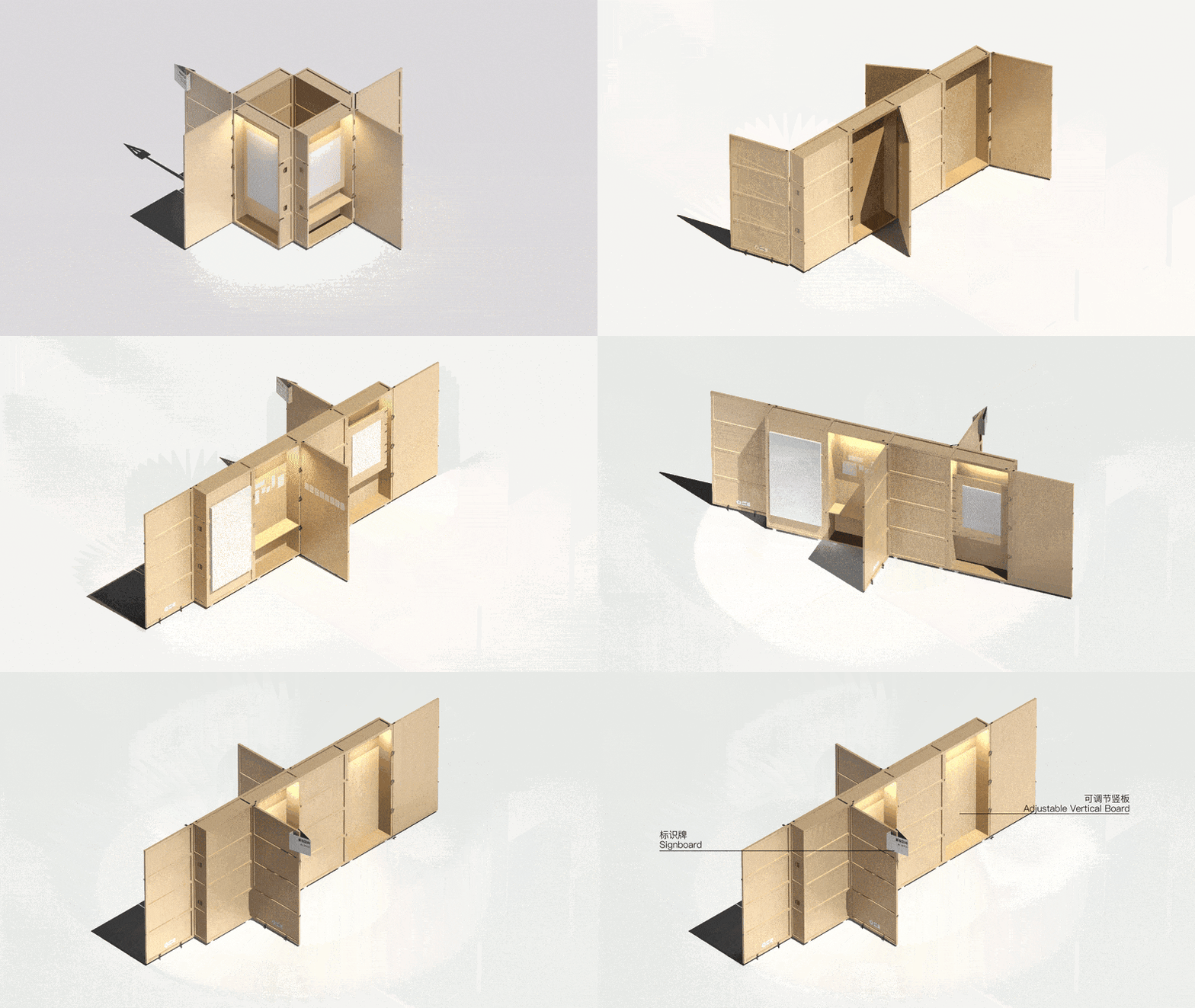
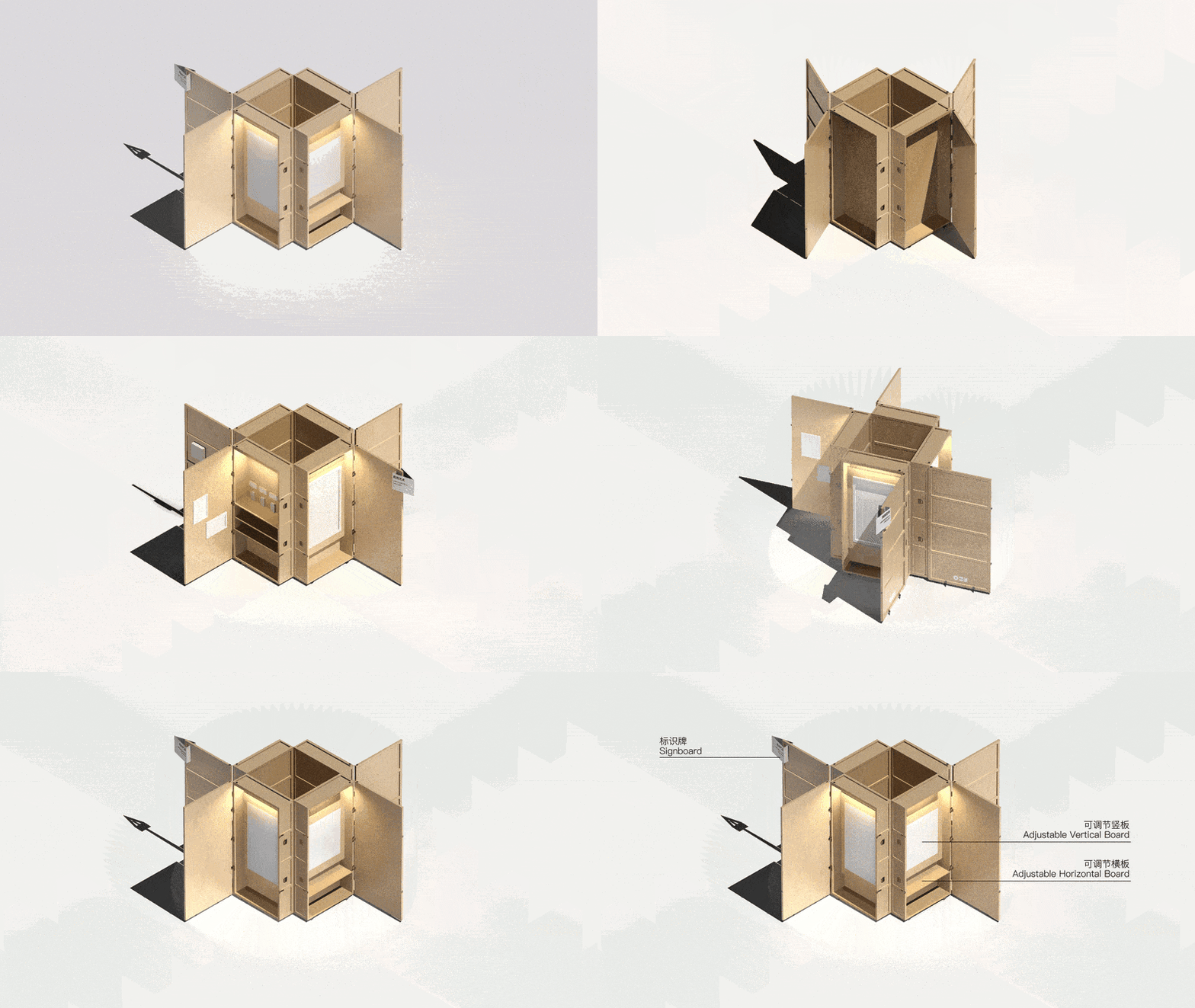
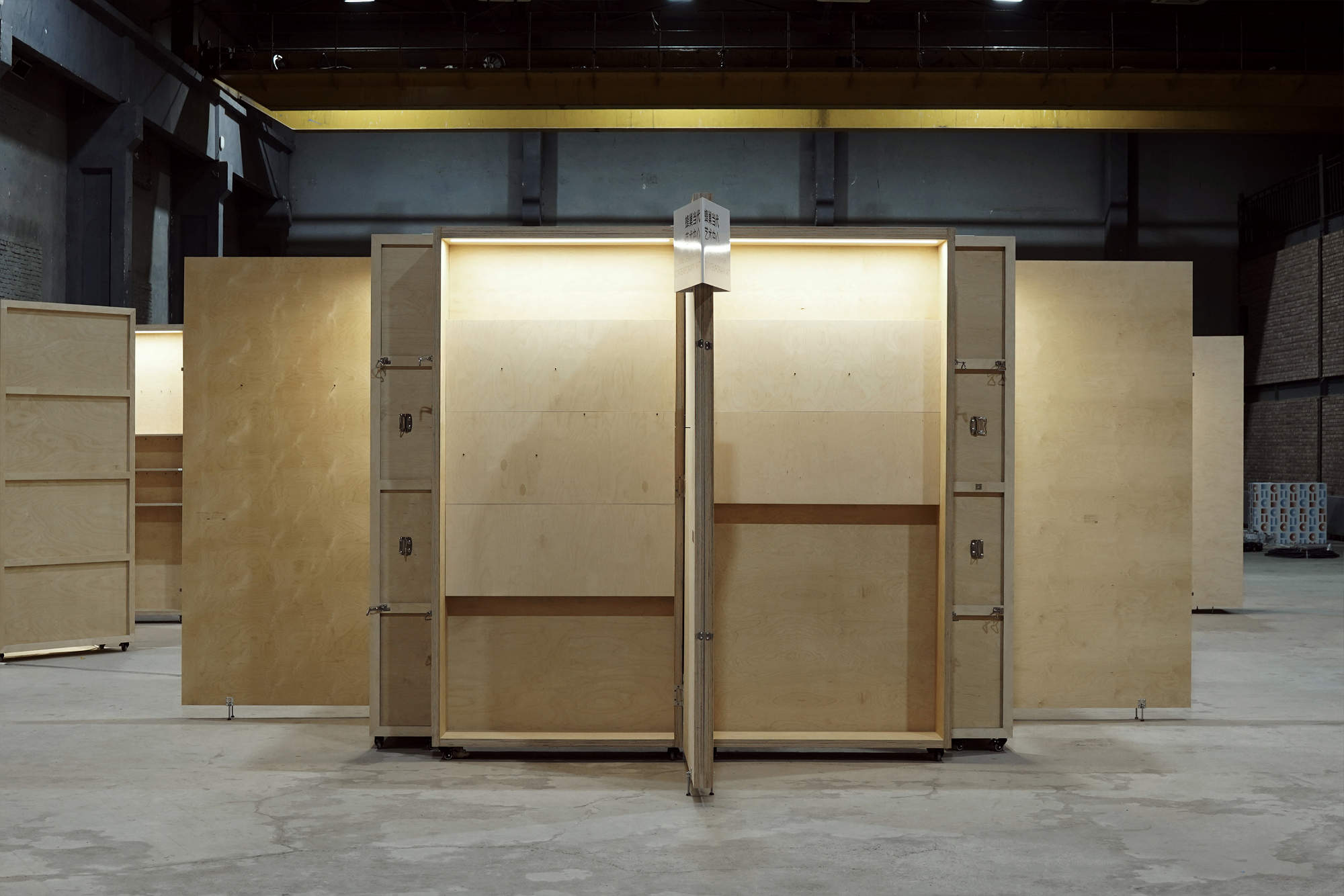
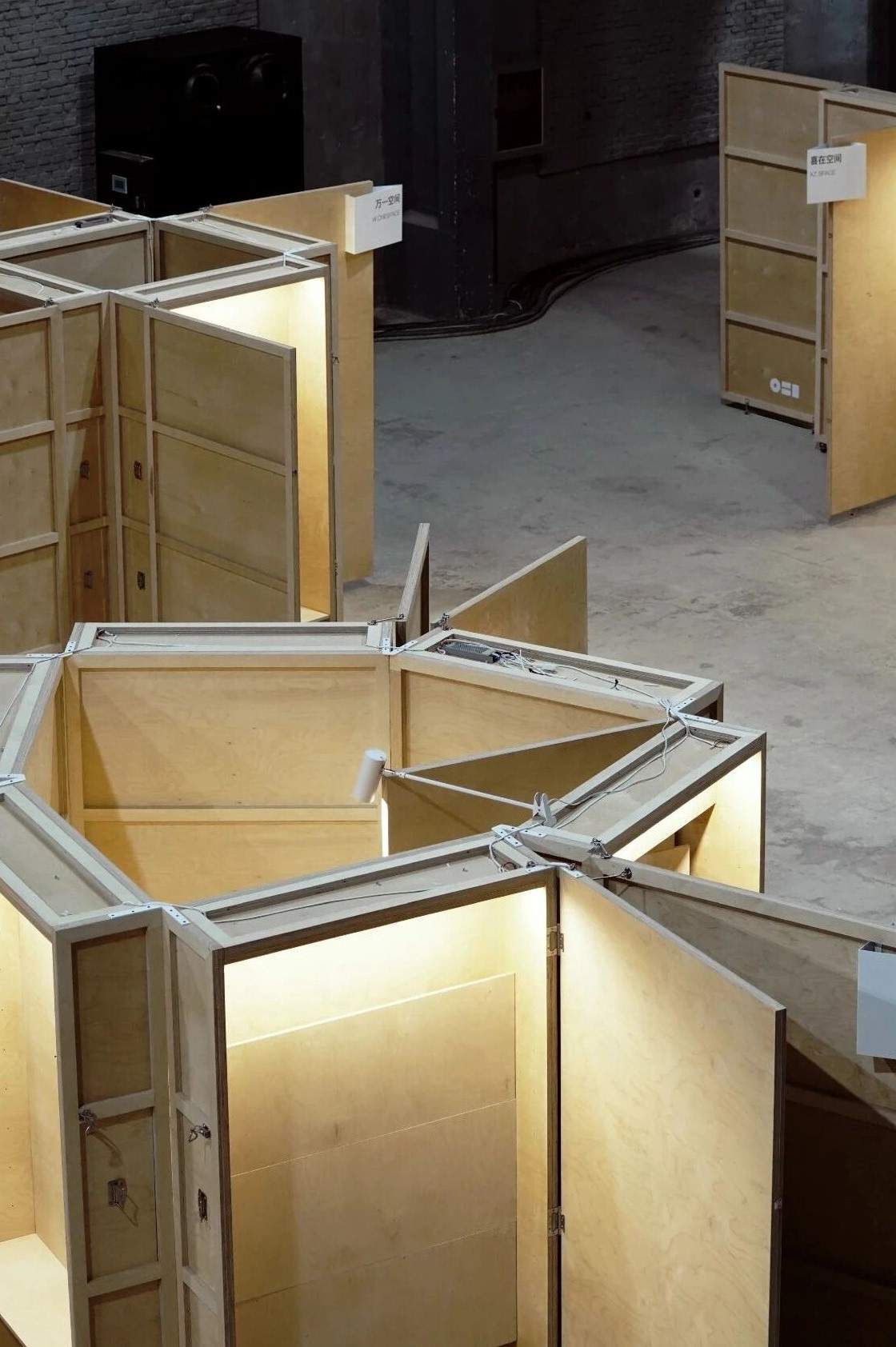
Each “KunstKammer” unit consists of foldable solid wood crates: compact for shipping, they quickly unfold into three-dimensional display platforms on-site. This modular system redefines the spatial and experiential possibilities of art exhibitions.
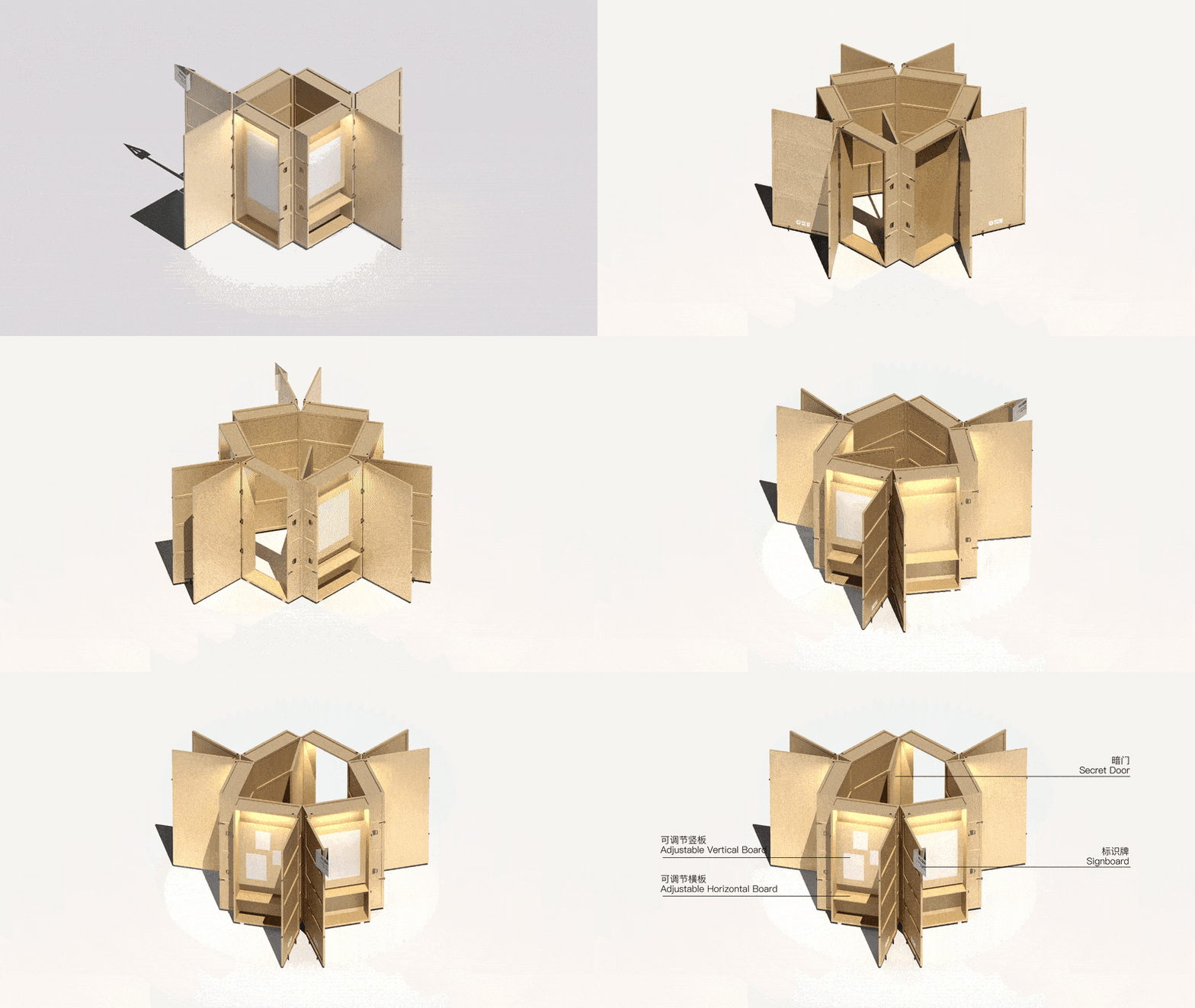
The design can be seen as a “fantastical assembly” of multiple units, with each cabinet featuring adjustable side panels and customizable interiors—movable partitions, vertical hooks for paintings, or horizontal platforms for sculptures—allowing tailored configurations for different artists and artworks. Despite high standardization, the system retains ample flexibility, enabling diverse combinations and individual variations.
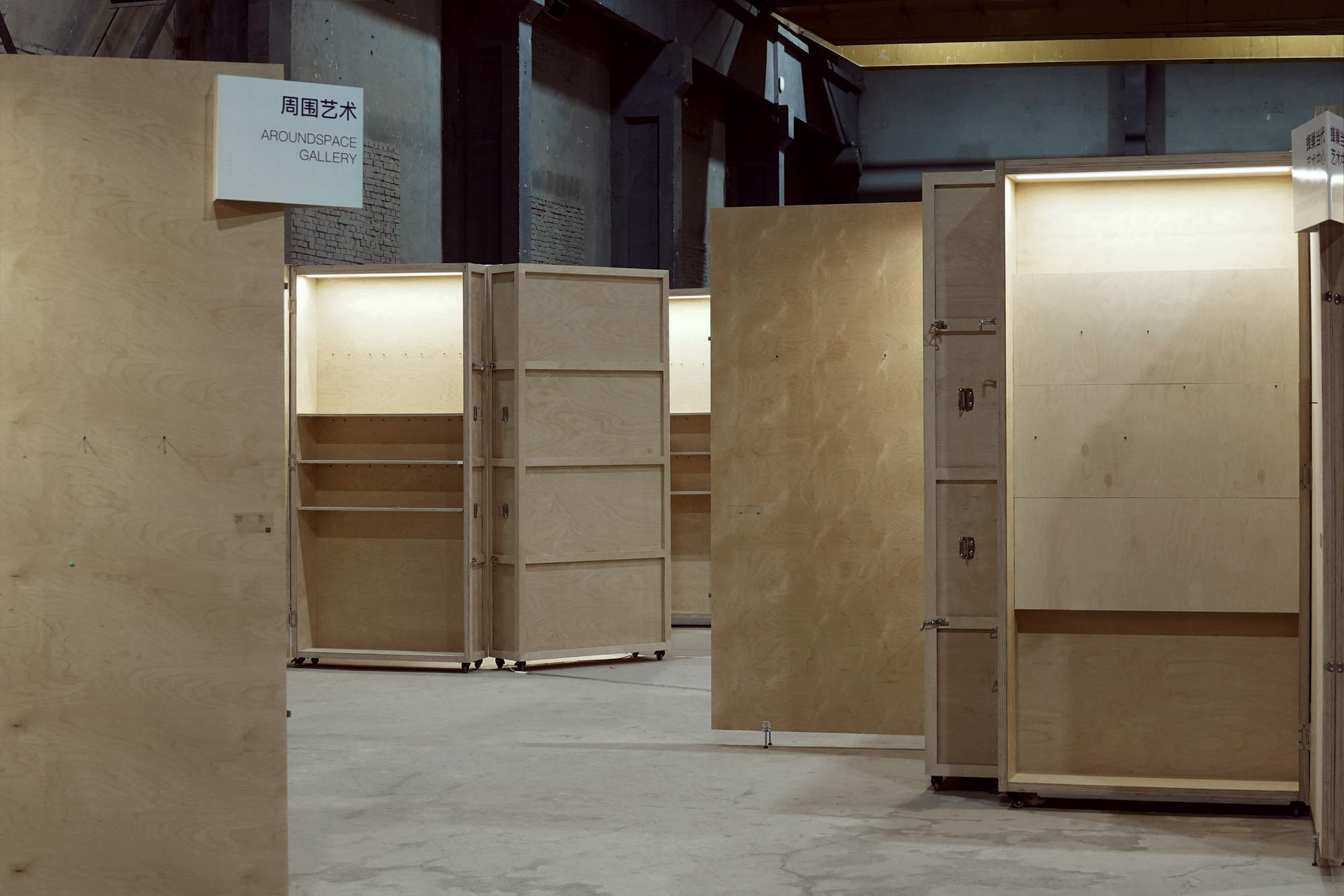
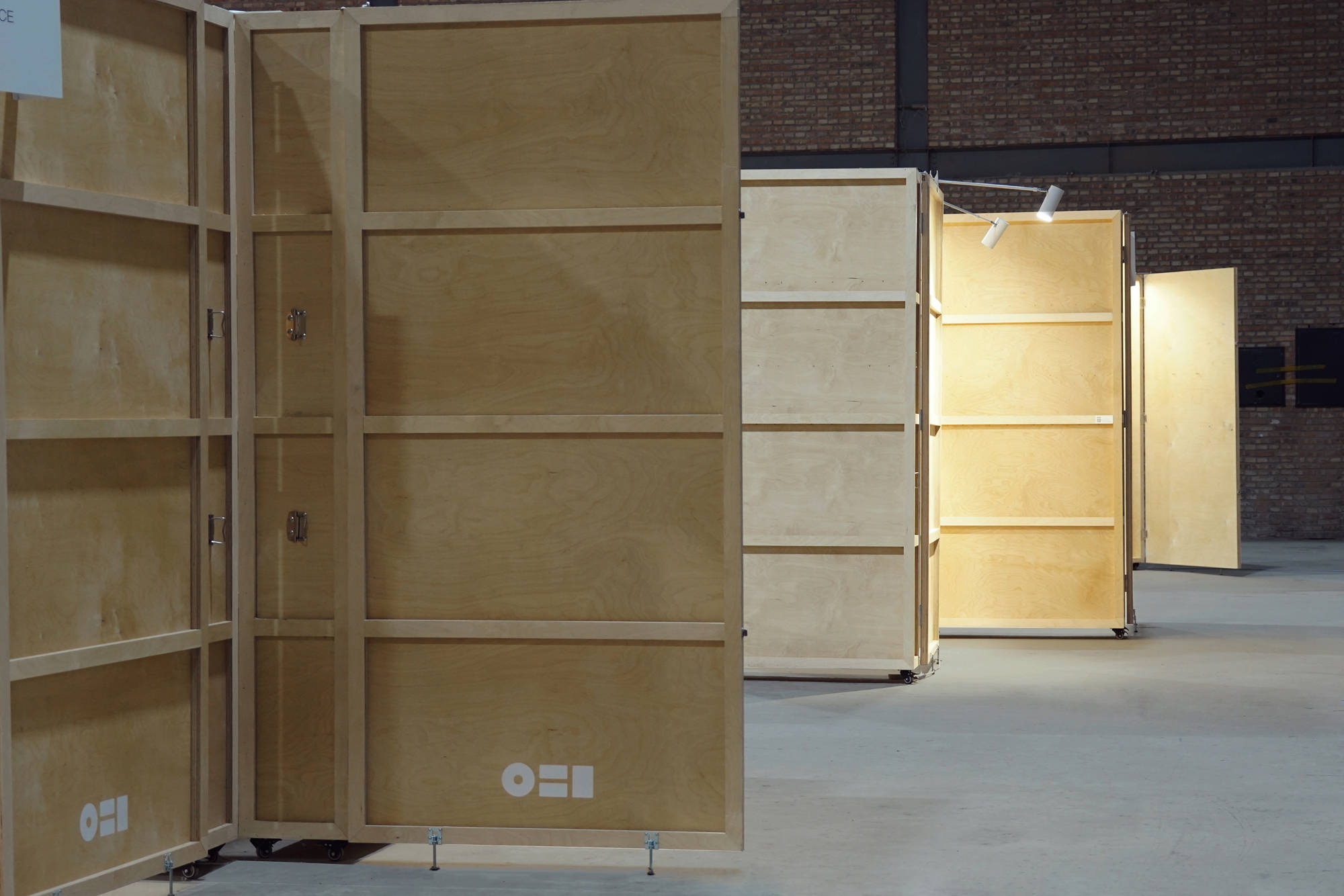
Modular Transformation and Reconfiguration — Maximizing Flexibility for Micro-Curation
“Display systems are never neutral; they interact with artworks in a mutually reinforcing relationship. A good system must not only suit the type of work but also amplify the viewer’s emotional experience, intellectual engagement, and the overall atmosphere.”
— Zigeng Wang
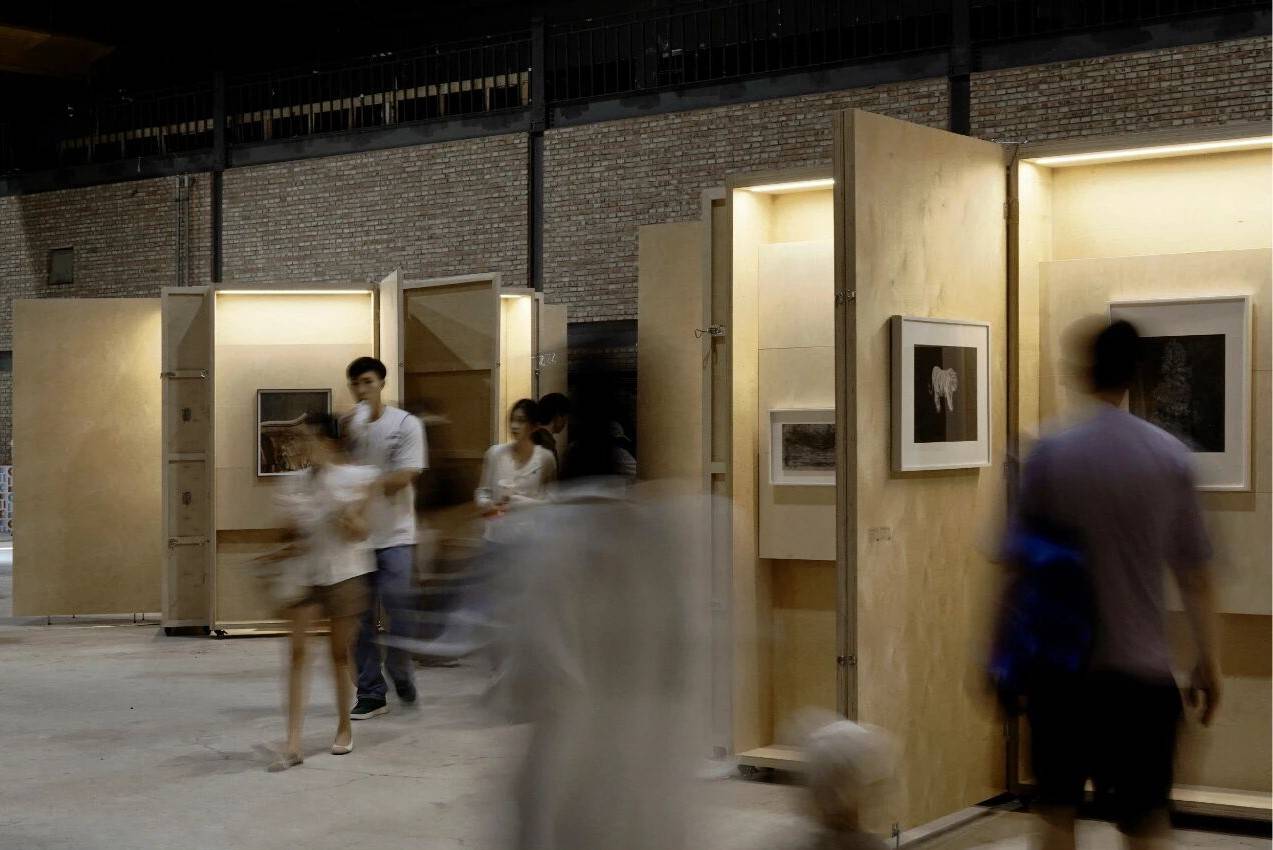
Each “KunstKammer” unit is highly combinatory, capable of producing over eight distinct display formats through different arrangements. Galleries could freely adapt the system based on their curatorial strategies, media types, and spatial narratives.
Though the units follow a uniform module, their interiors are adjustable, and they can be interconnected—even featuring hidden doors to add playful discovery for viewers. This open modular structure ensures spatial harmony while enabling diverse narratives, inviting audiences to engage with artworks in multiple ways. The galleries’ personalized arrangements achieved unprecedented freedom in “micro-curation,” expanding the possibilities of spatial storytelling.
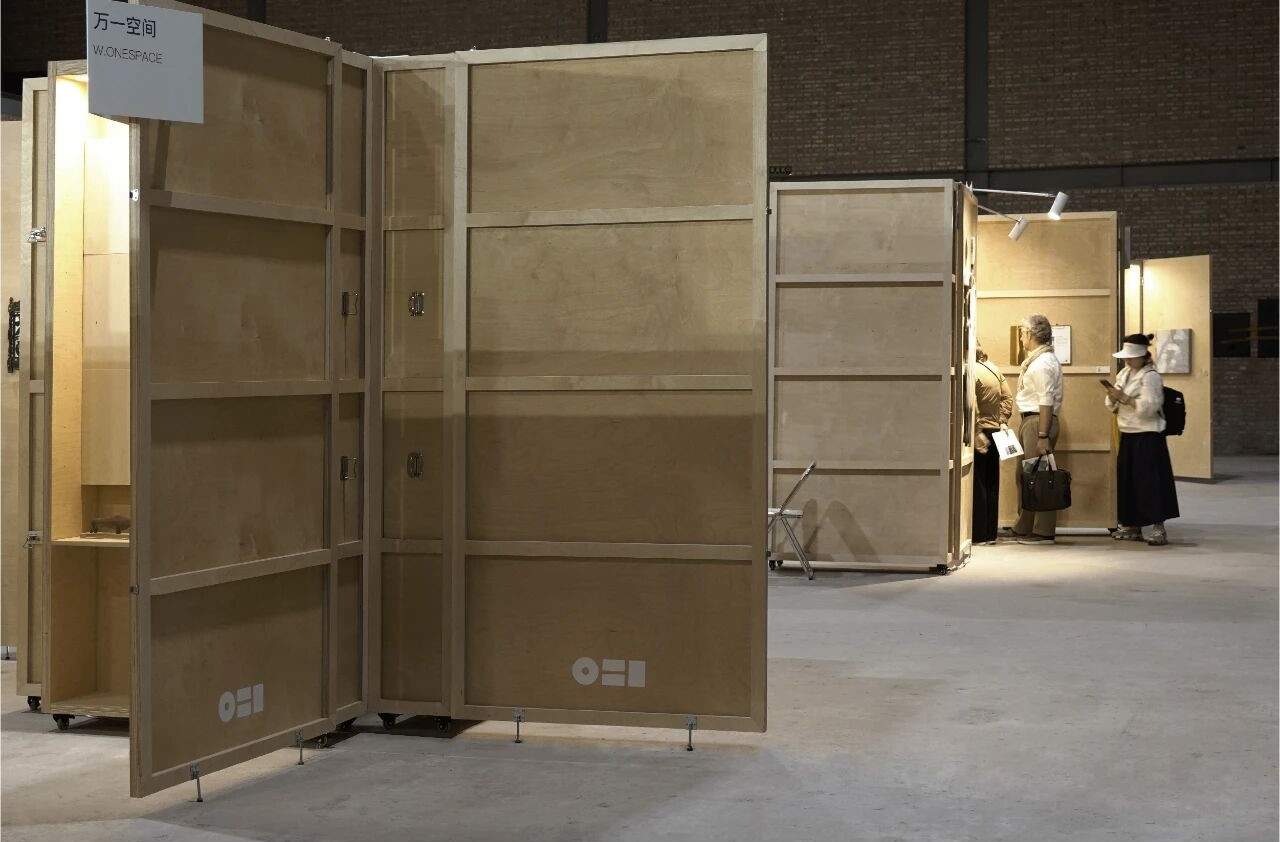
A Paradigm Shift in Sustainable Exhibition Systems — From Consumption to Zero Waste
With the rapid growth of the global exhibition industry, traditional setups contribute significantly to urban solid waste, clashing with the UN’s Sustainable Development Goals for “responsible consumption and production.”
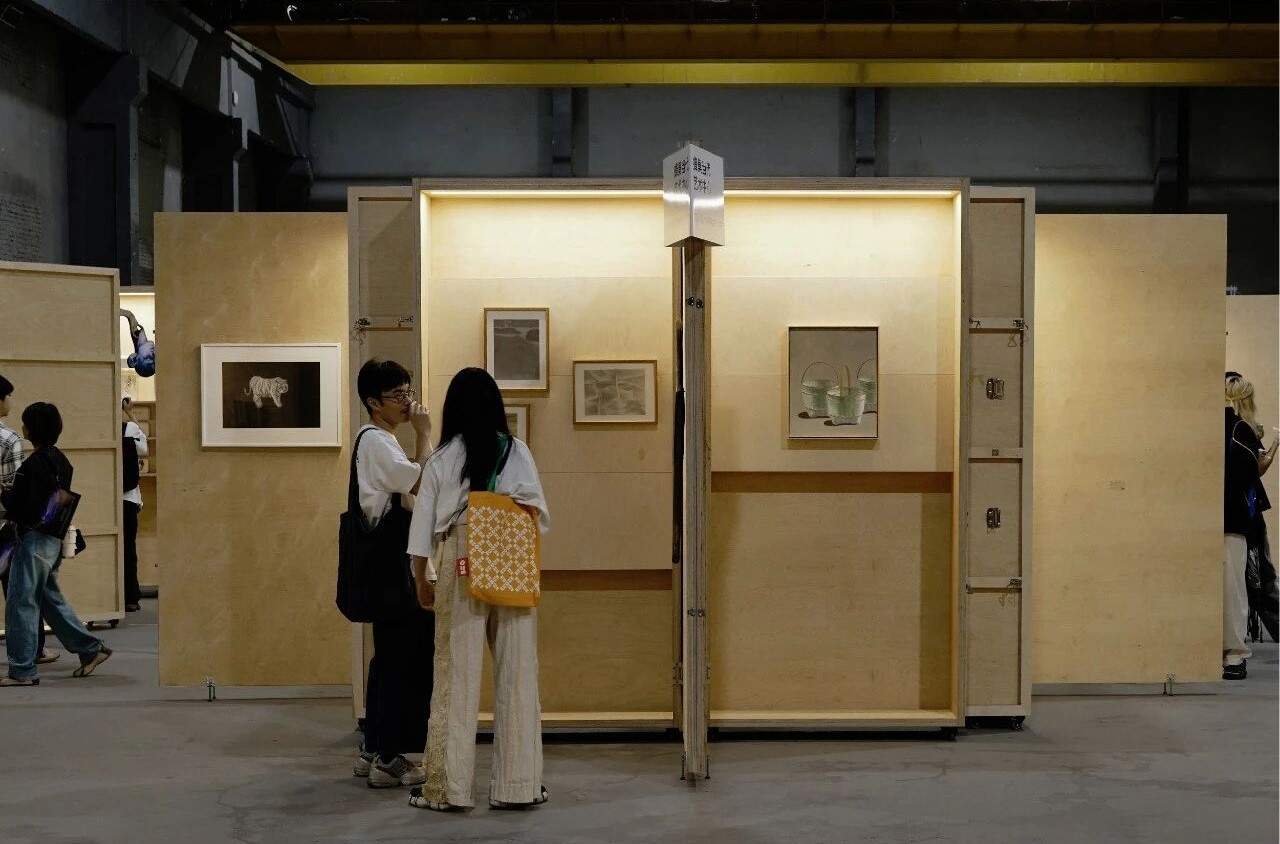
PILLS’ prefabricated modular design offers a practical eco-solution: using renewable solid wood panels, the system allows for damage-free disassembly, with 100% reusable components. These modules can be repurposed, reconfigured, or even redesigned for future exhibitions, drastically reducing carbon footprints compared to conventional methods. At ART021 BEIJING, this system not only shortened installation time but also established a closed-loop recycling model, setting a transformative precedent for the industry.
Conclusion
The “KunstKammer,” as a “way of seeing the world,” transcends physical design—it represents a profound artistic epistemology. In contemporary curatorial practice, it offers a multidimensional, open, and interactive approach to engaging with art and ideas. Through modular design and nonlinear narratives, this ART021 BEIJING special exhibition returned agency to viewers, making each encounter a unique experience of knowledge creation. Its sustainable ethos further aligns with the urgent call for environmental responsibility in curation. The “KunstKammer” not only redefines the possibilities of art exhibitions but also delivers a powerful message: the true “treasures” are the meanings discovered through exploration and the deep connections forged between art and life.
The content of this article was provided by Pills Architects or sourced from their official media channels, and has been curated and edited by WeHow. All copyrights to images, videos, and related design works remain with their respective creators or design firms. Reproduction, republication, or commercial use of the WeHow-edited version in any form is prohibited without prior written permission from both WeHow and the respective copyright holders.