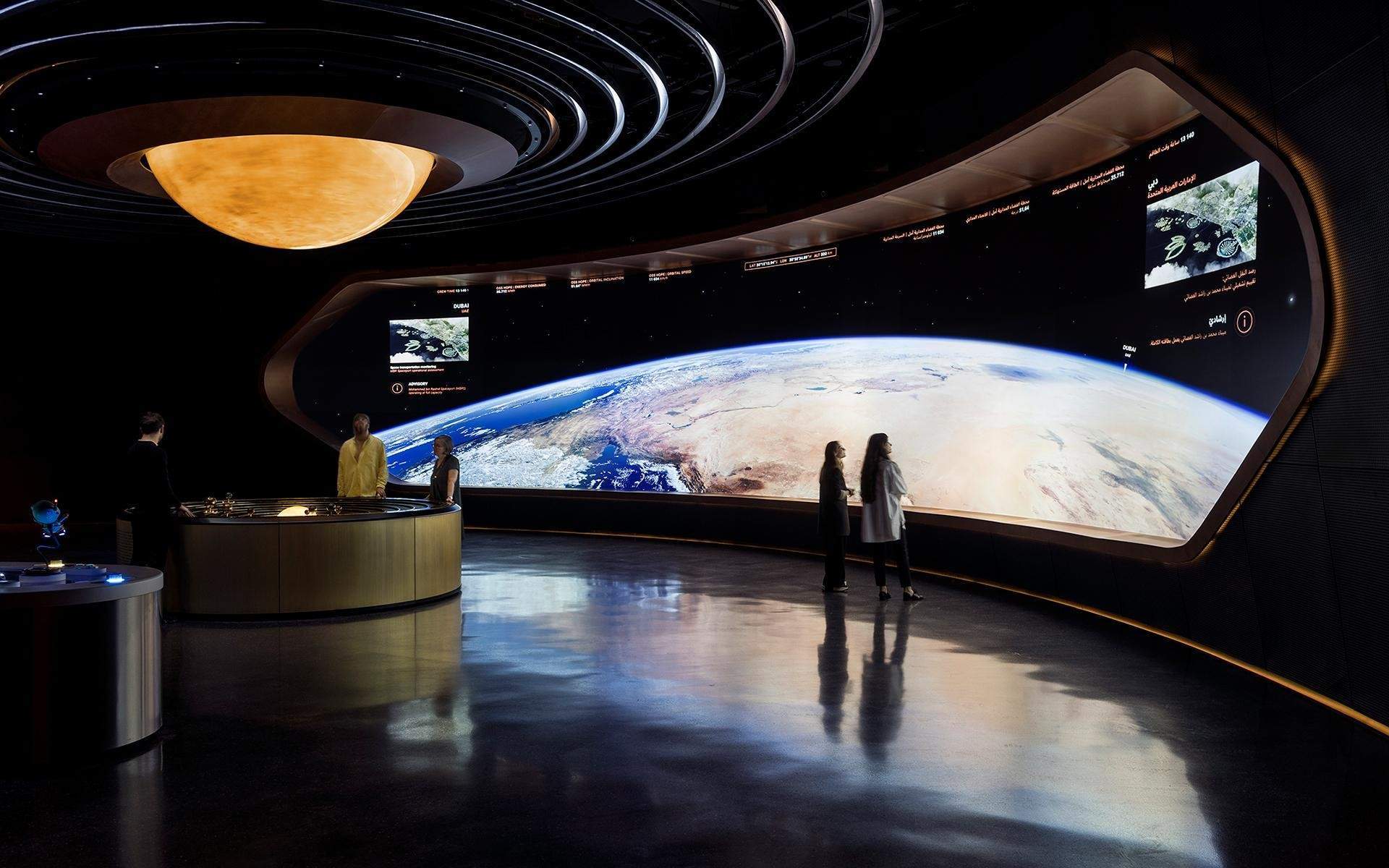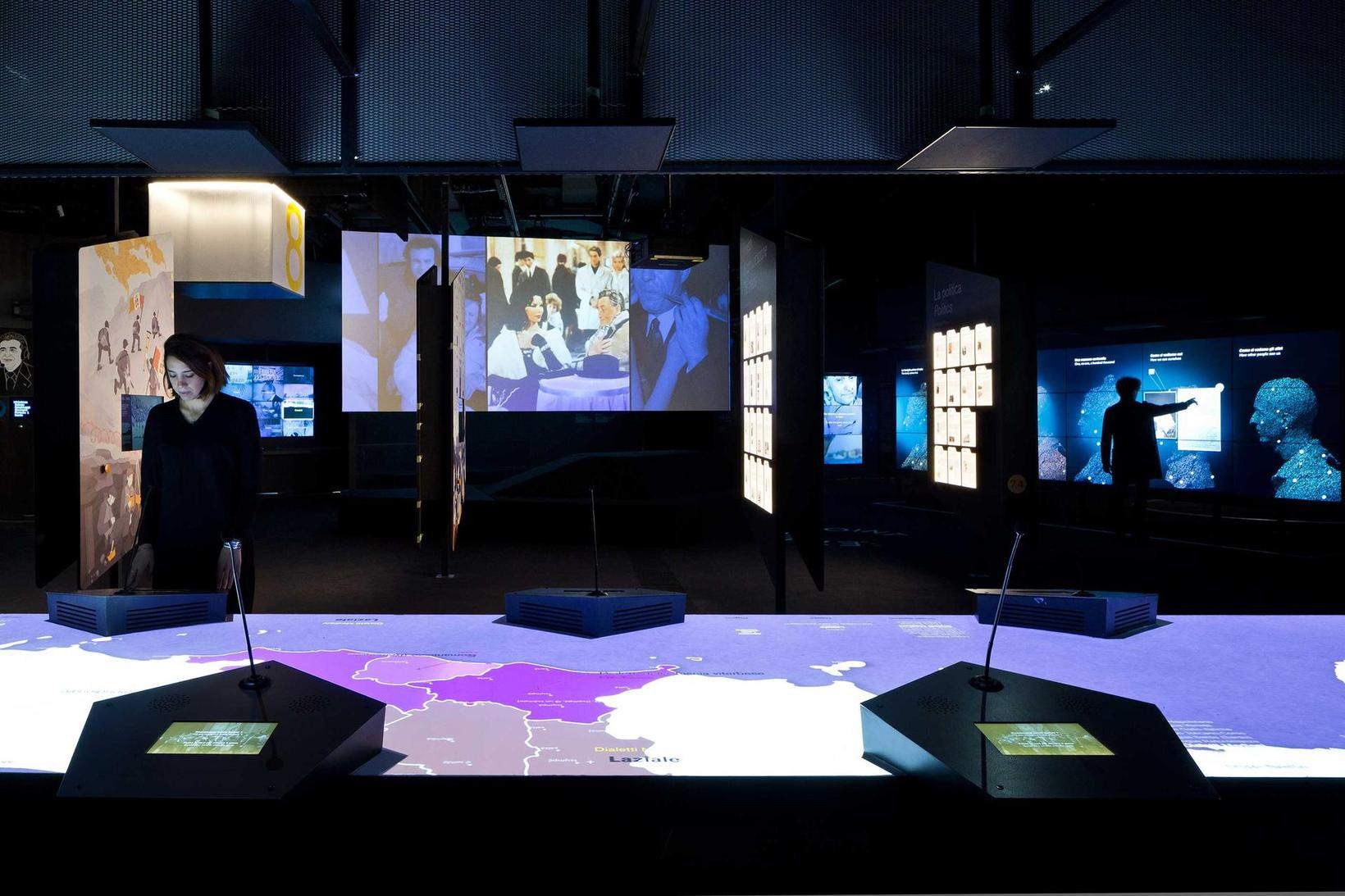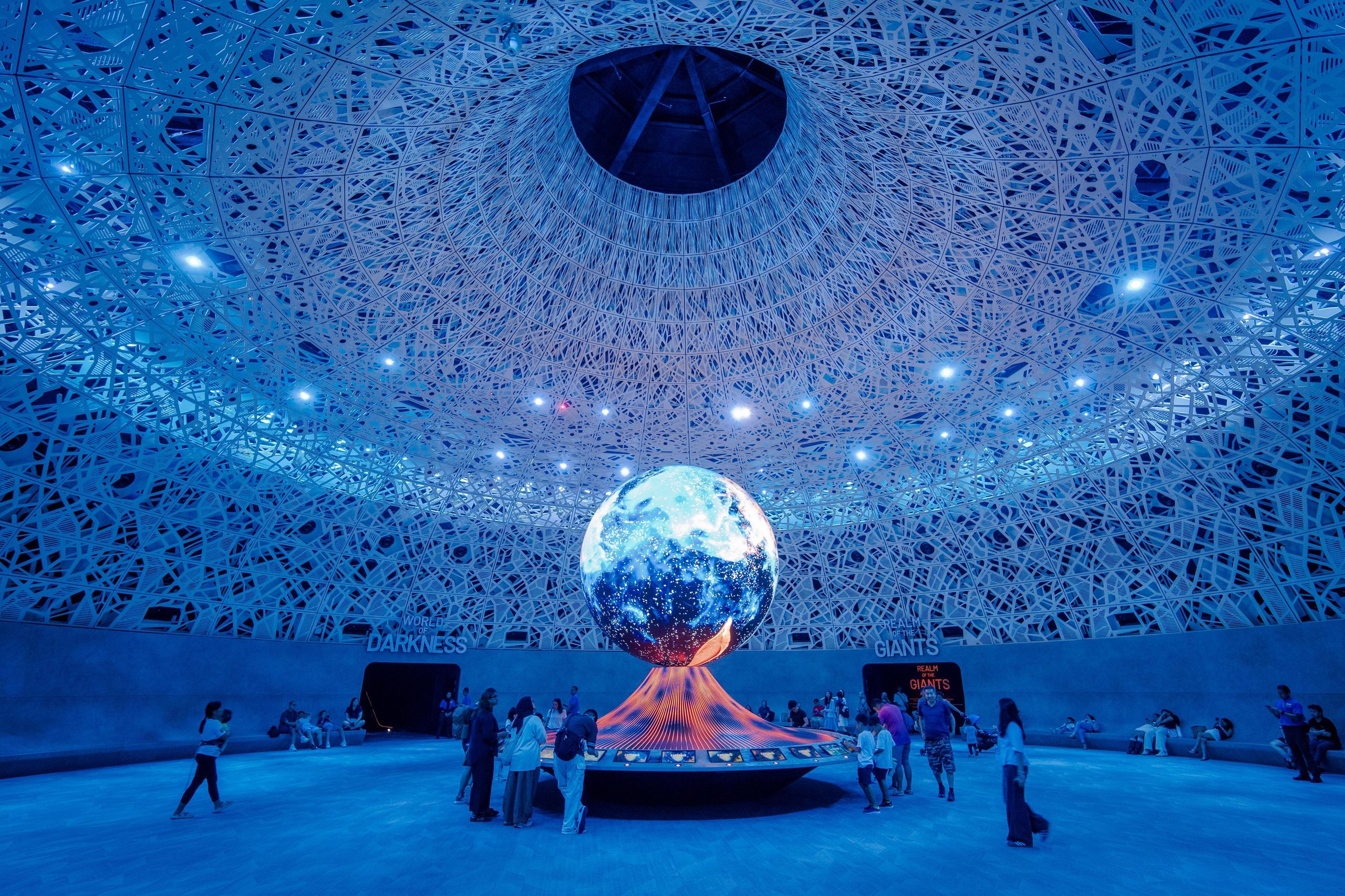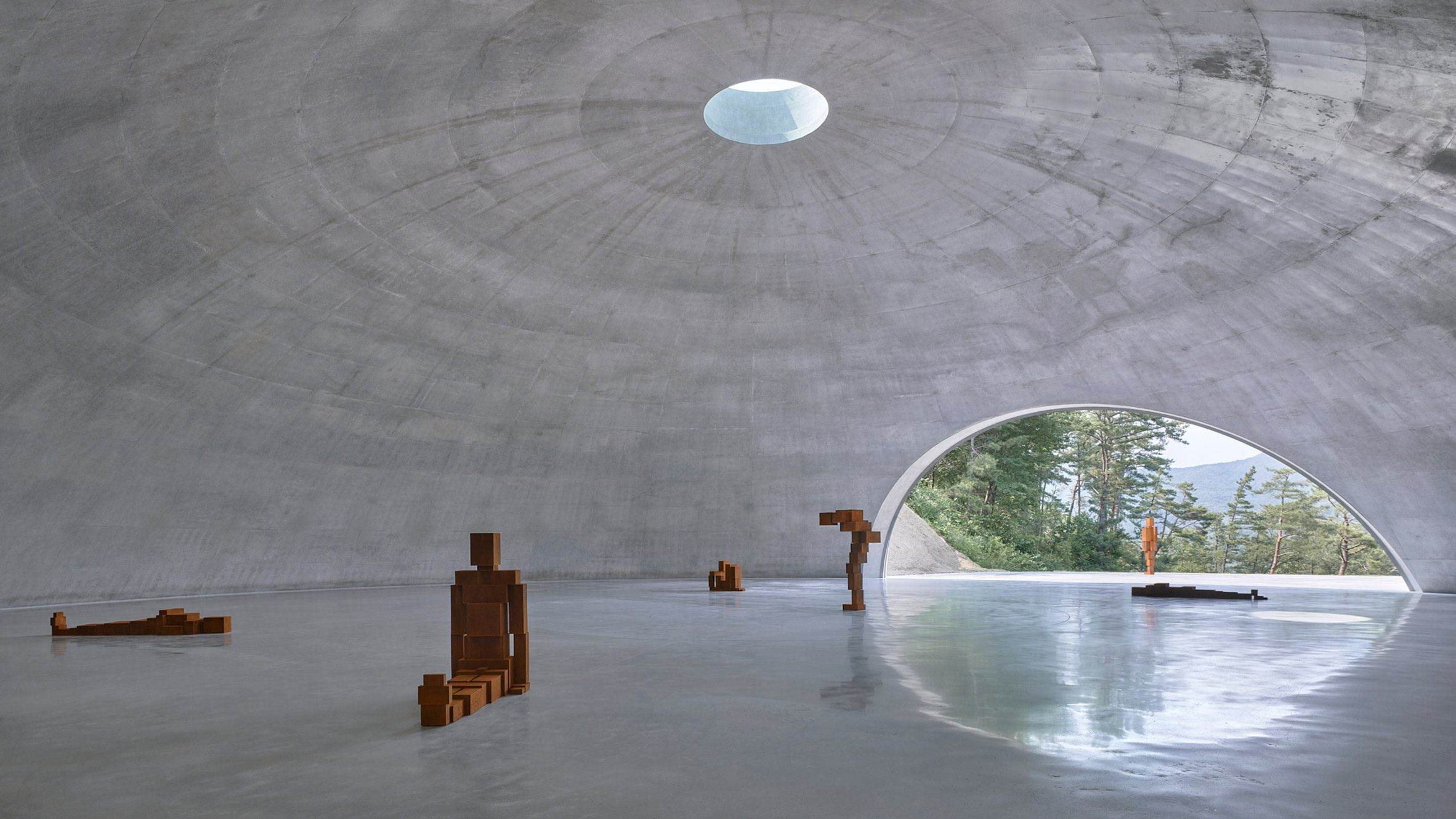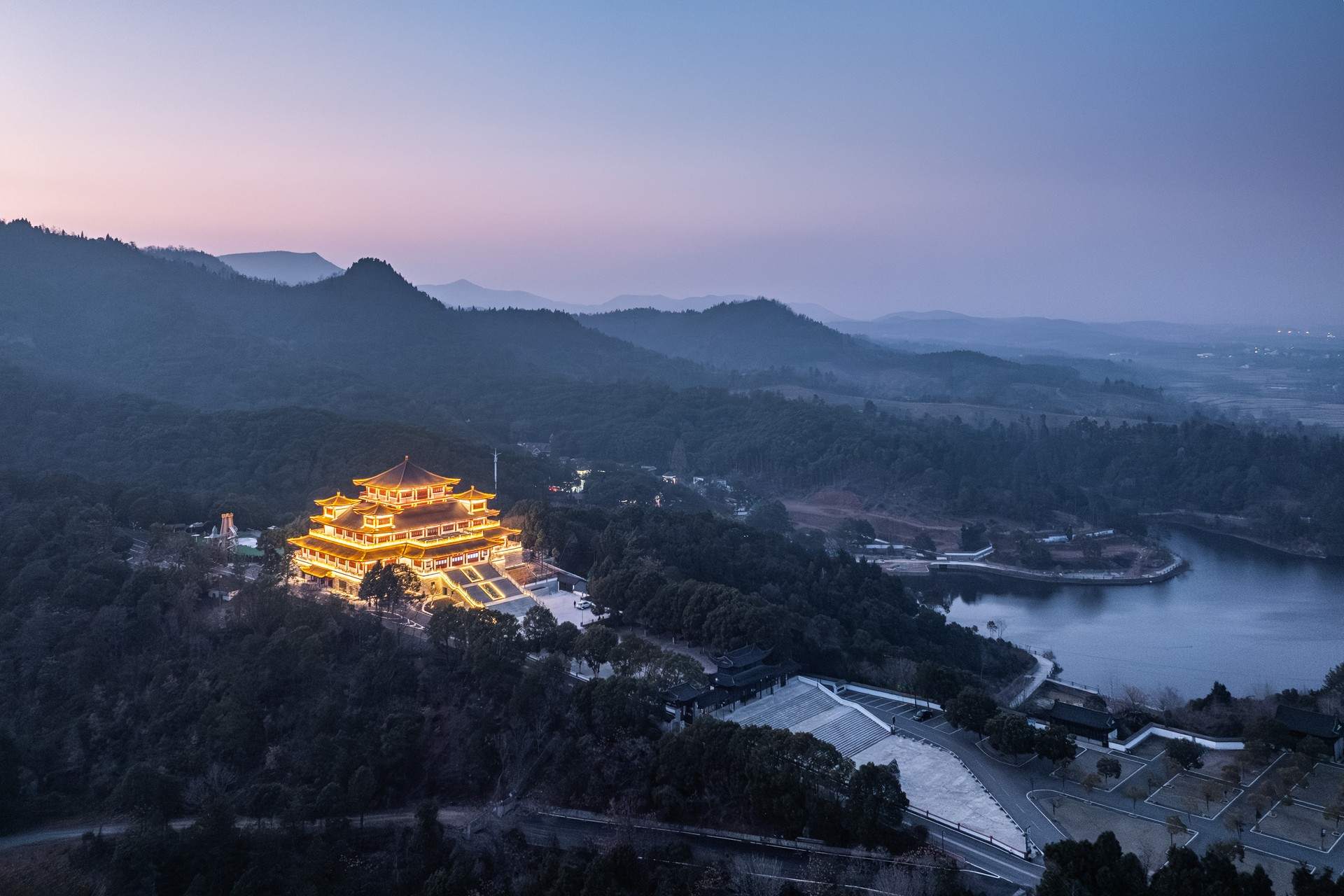
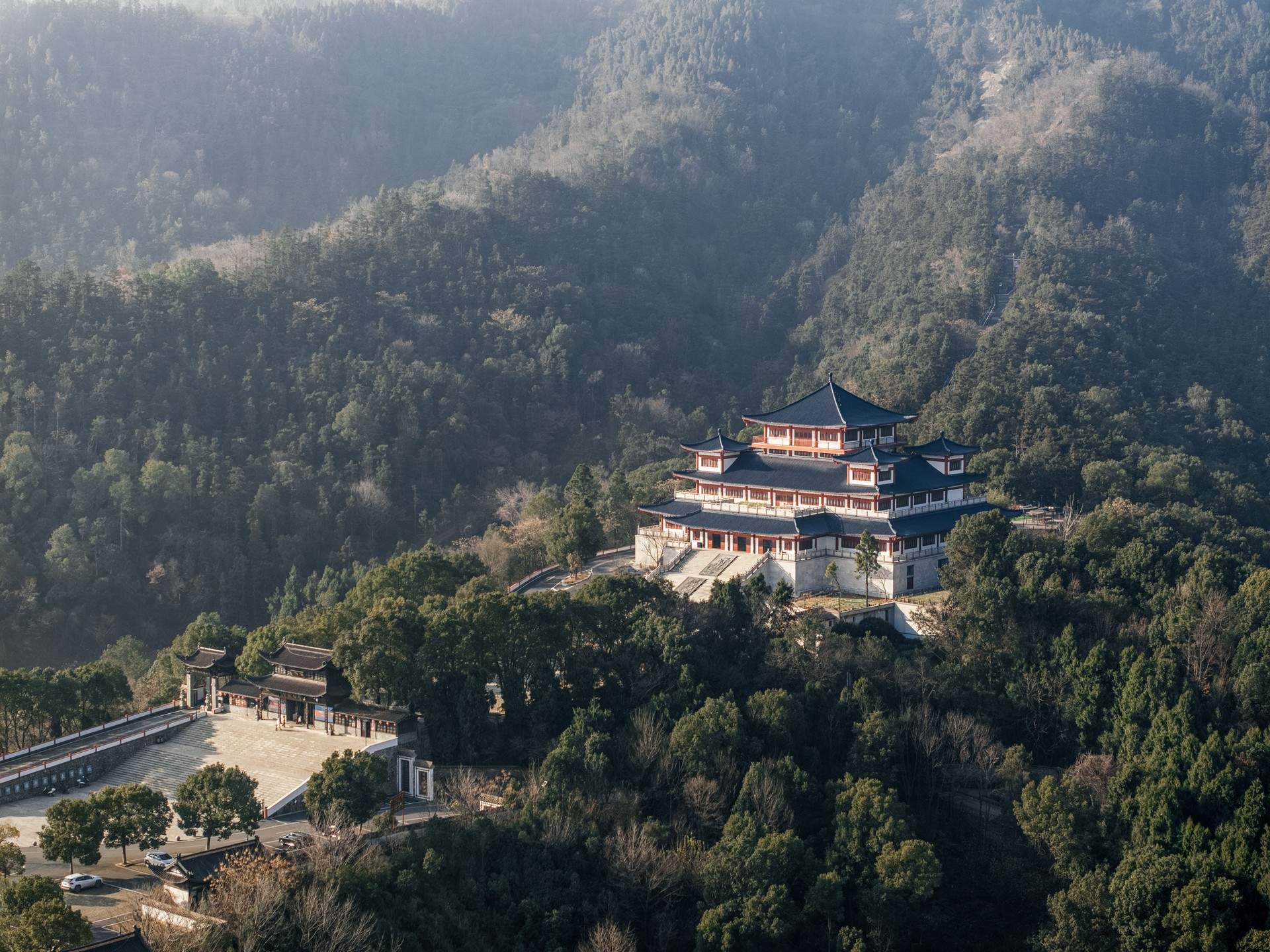
Located within the Baizhao Mountain Scenic Area in Anlu City, Hubei Province, the Anlu Li Bai Memorial Museum first opened to the public in 2012 and stands as the largest Li Bai memorial Museum in China in terms of area. In 2025, under the overall plan of upgrading Baizhao Mountain to a 5A-level scenic area, the memorial hall underwent a comprehensive renovation and reopened to society with a brand-new look in early 2026. Diameter Narrative Design is honored to have undertaken the curation, design, and construction of this memorial Museum.
Many may not be aware of the connection between the poet Li Bai and Anlu. In fact, Anlu was a crucial travel destination and long-term residence for Li Bai. At the age of 27, he married and raised a family here, spending over a decade of his life and leaving behind more than 200 poems and essays, gradually earning his renowned title of “Poet Immortal.” During his sojourn in Anlu, Li Bai resided in Baizhao Mountain, where the memorial hall is situated today. Presently, Baizhao Mountain has evolved into a comprehensive cultural tourism scenic spot boasting beautiful scenery and a rich poetic atmosphere, becoming a popular destination for sightseeing and cultural research. The memorial museum serves as the core cultural venue of the scenic area.
Four Curatorial Keywords
Combining the project’s characteristics, we defined four core keywords for this renovation: Cultural Tourism Foundation, Contemporary Narration, Romanticism, and Local Perspective. We aim to conduct a valuable curatorial exploration of “historical figure narration in a cultural tourism scenic spot.”
01 Cultural Tourism Foundation:Curatorial Experience Meeting Contemporary Scenic Area Needs
As a memorial museum nestled in Anlu’s mountains and within a cultural tourism scenic spot, its audience mainly consists of ordinary tourists and youth research groups. Unlike large museums with abundant collections, there are almost no particularly valuable cultural relics on display here. Therefore, from the initial stage of curation, we clearly recognized the need to base the exhibition on the project’s “cultural tourism foundation.”
In terms of content narration, we emphasize storytelling that is accessible and avoids being overly esoteric. In design, we incorporate new technologies such as AI and motion-sensing interaction to enhance engagement. Meanwhile, we use spatial narrative installations to compensate for the lack of cultural relics. Finally, in spatial planning, we improve the commercial and service facilities of the exhibition hall to meet the operational needs of the exhibition areas.
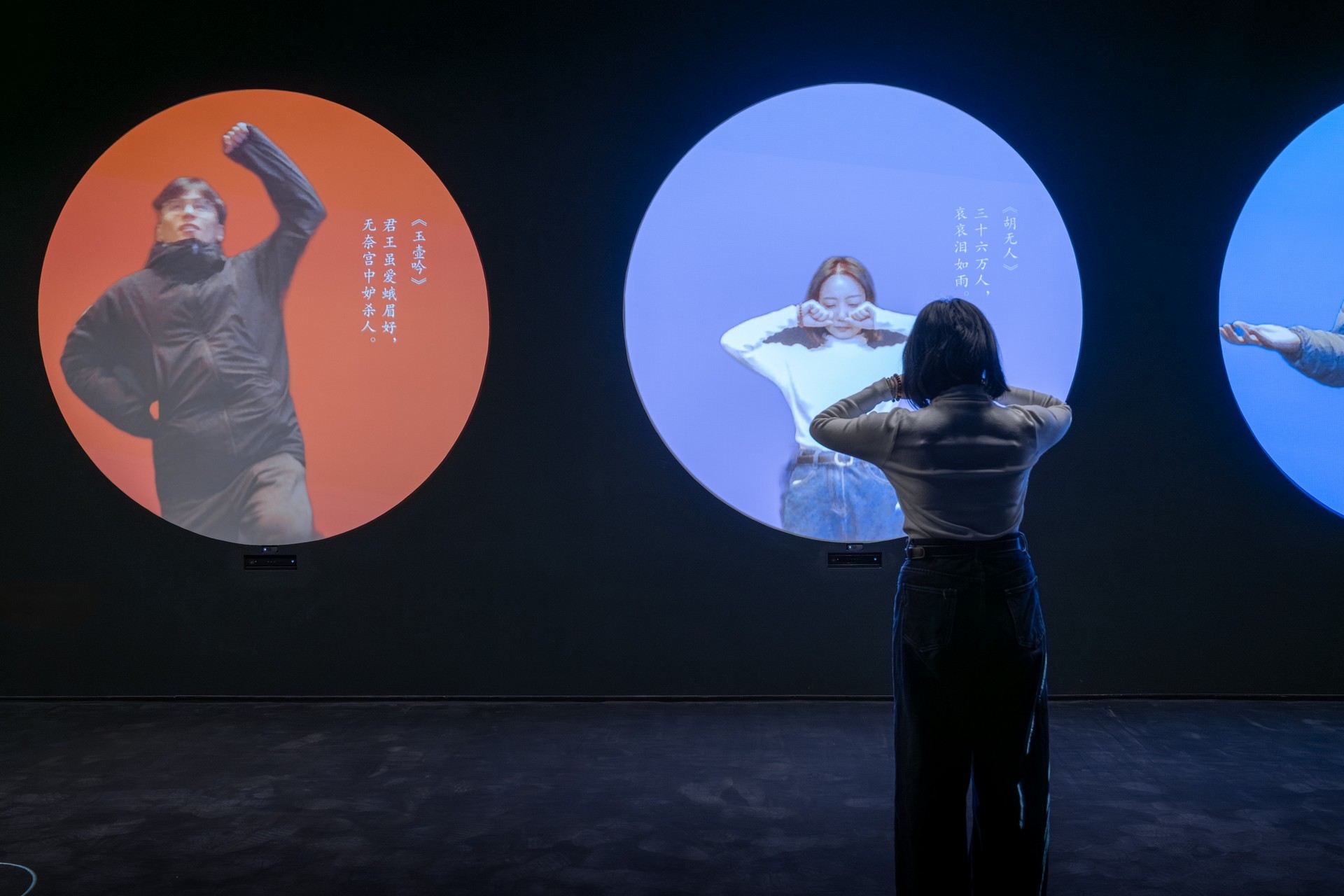
02 Contemporary Narration:Building a Bridge Between Historical Figures and Contemporary Audiences
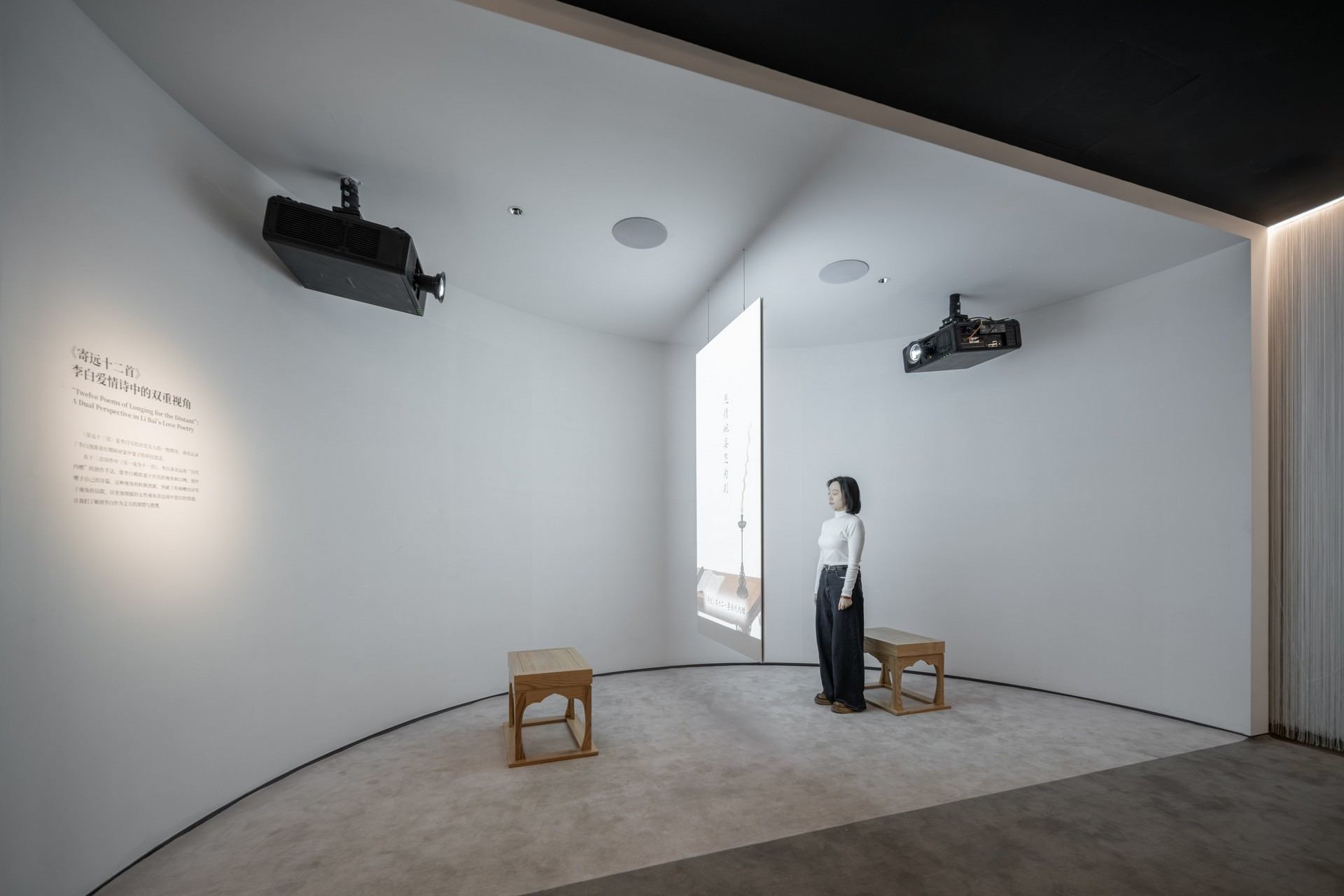
For a household name like Li Bai, simply reiterating his life story as recorded in books holds little significance. Instead, we strive to establish an effective connection between the historical figure and contemporary audiences, narrowing the distance between them and resonating with the audience emotionally.
We do not seek to reproduce history nor deify Li Bai. Rather, through a reunderstanding and interpretation of Li Bai, combined with contemporary research achievements such as human geography and big data analysis, we present to the audience a more flesh-and-blood Li Bai from a “first-person perspective.” Visitors can witness his journeys and sojourns, his candor and struggles, his aspirations and transcendence, evoking reflections on their own lives.
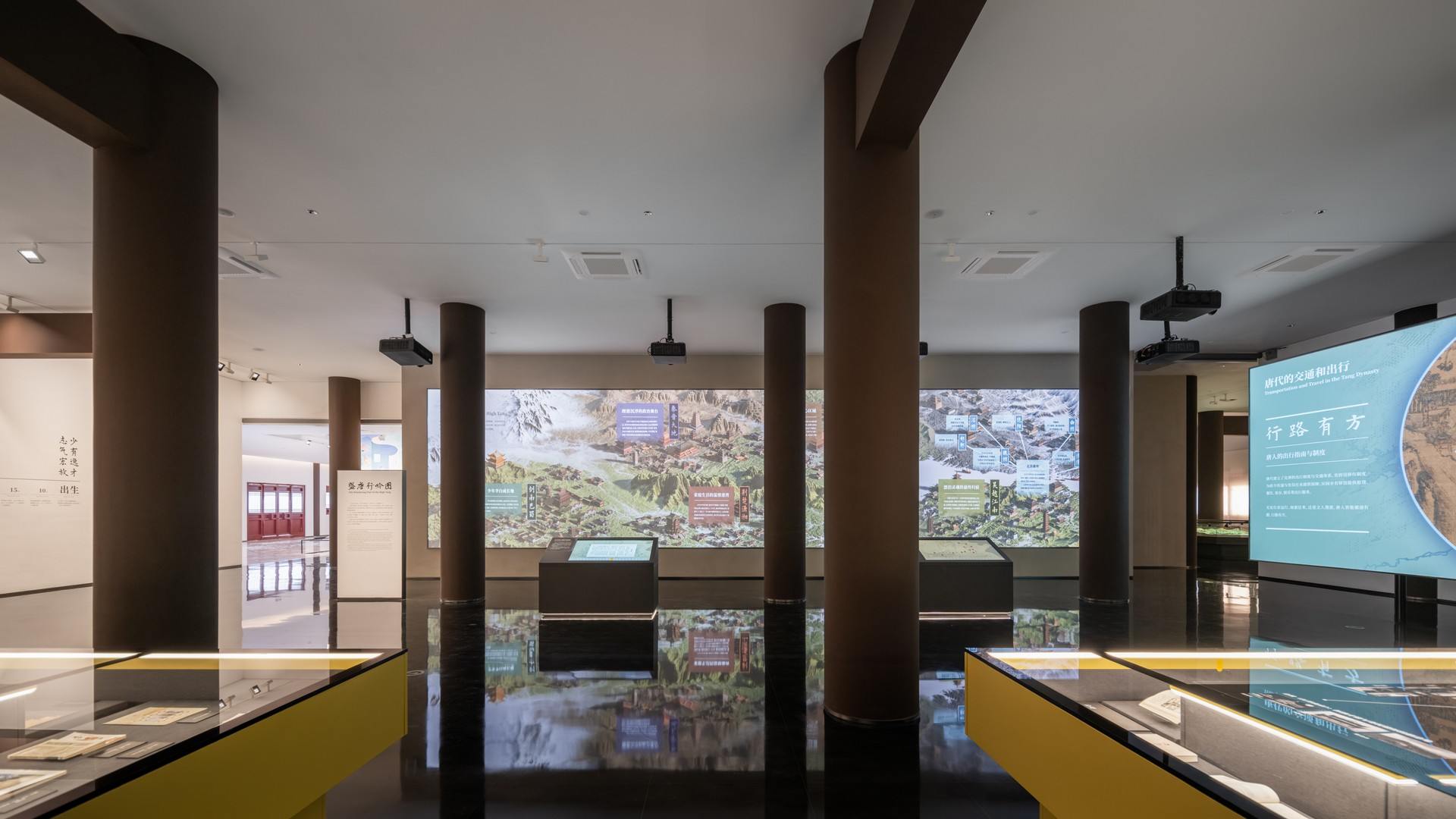
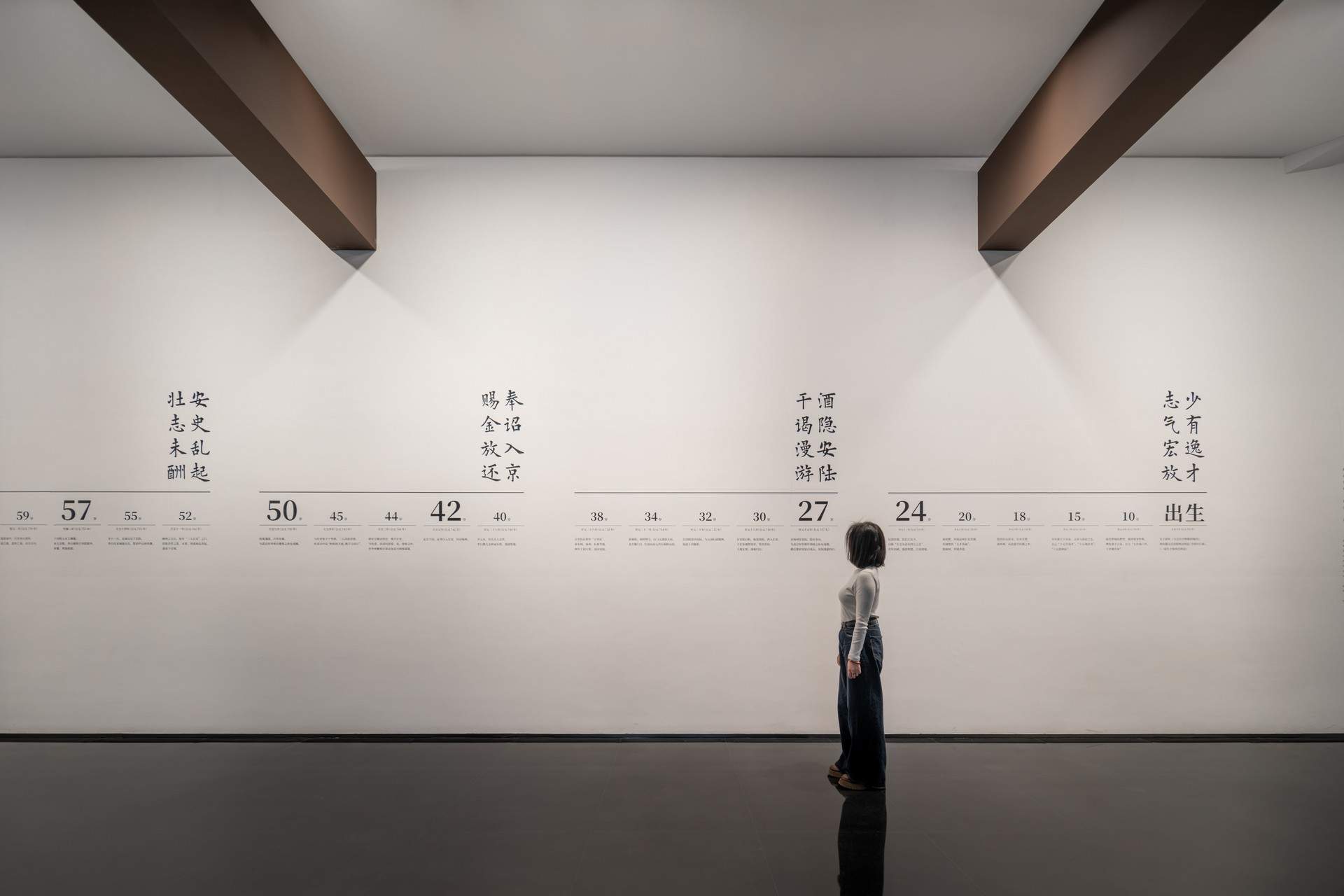
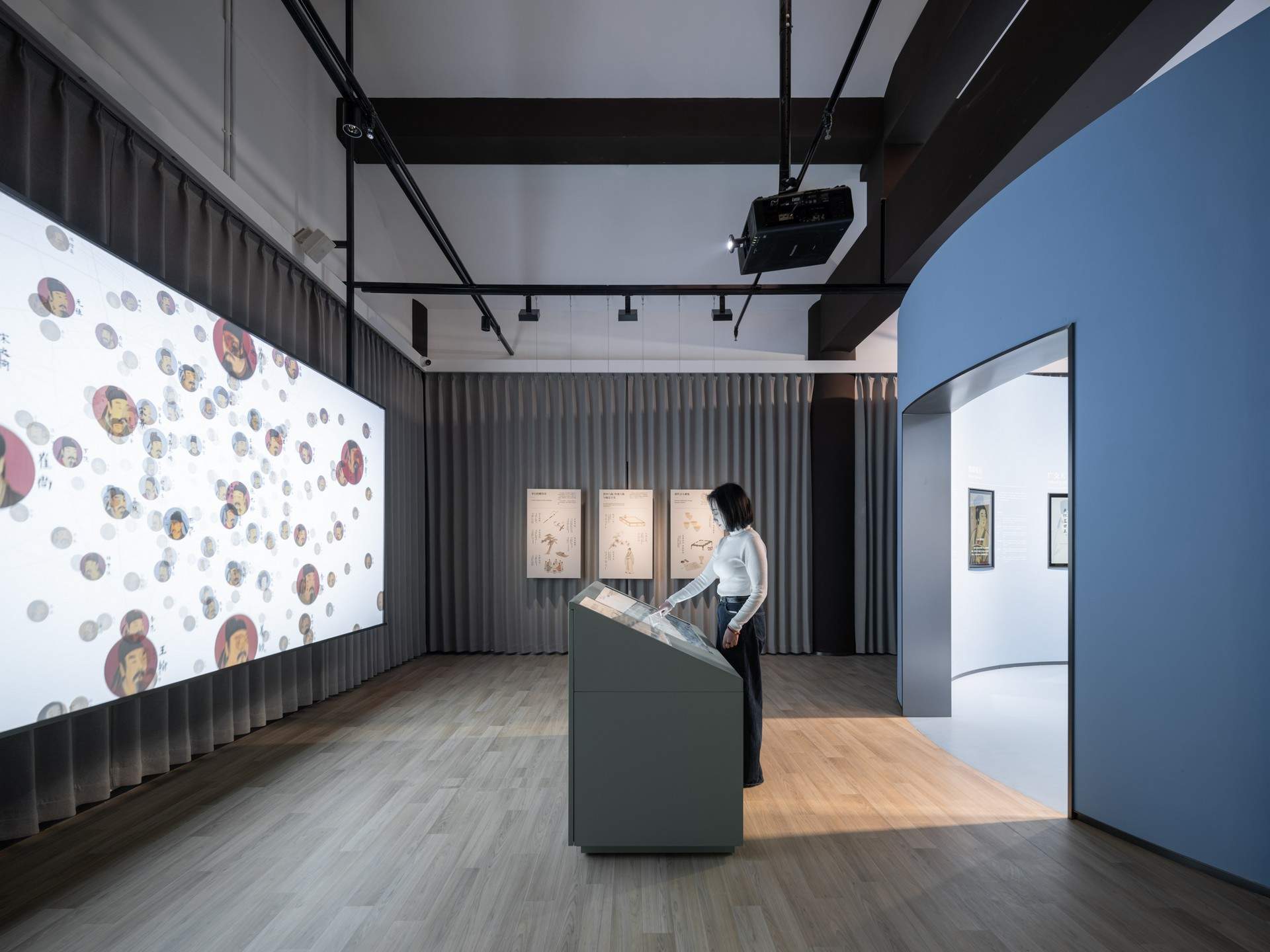
03 Romanticism:An Emotional and Unrestrained Poetic World, Aligning with Li Bai’s Spiritual Temperament
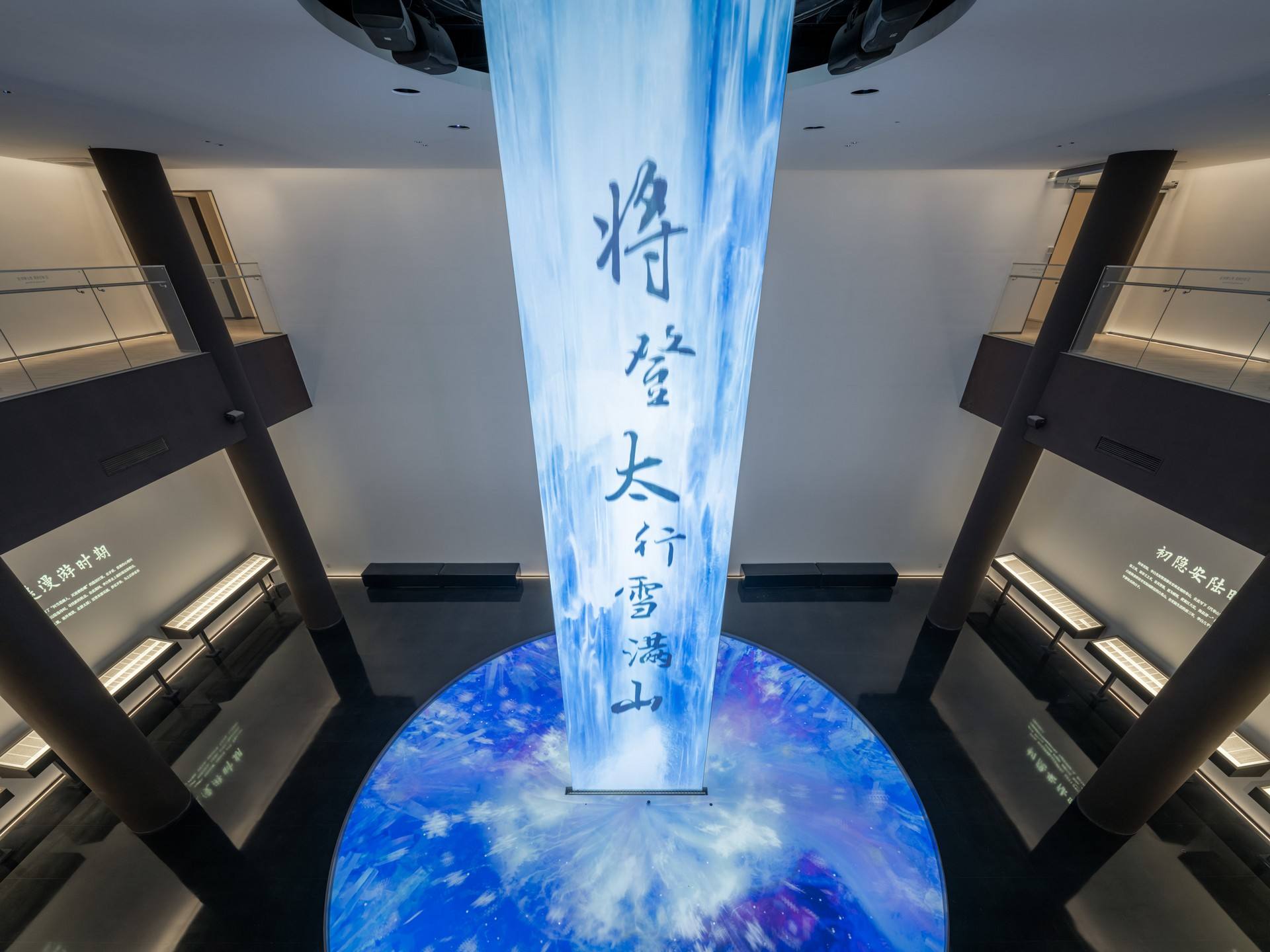
Literary content such as poetry is relatively abstract and overly textual, while exhibitions require intuitive and sensory experiences. Moreover, in Chinese history, Li Bai is a rare representative of romanticism, with his passionate vitality and extraordinary imagination unparalleled. The exhibition design should accordingly respond to and cherish this temperament.
On one hand, we attempt to take text as the core and explore various visual presentations of text through font systems, image visuals, spatial scenes, and other dimensions. On the other hand, and more importantly, through an in-depth understanding of Li Bai’s spiritual state and the artistic conception of his poems, we construct a romantic and poetic exhibition that aligns with Li Bai’s temperament as a “madman” and “immortal.”
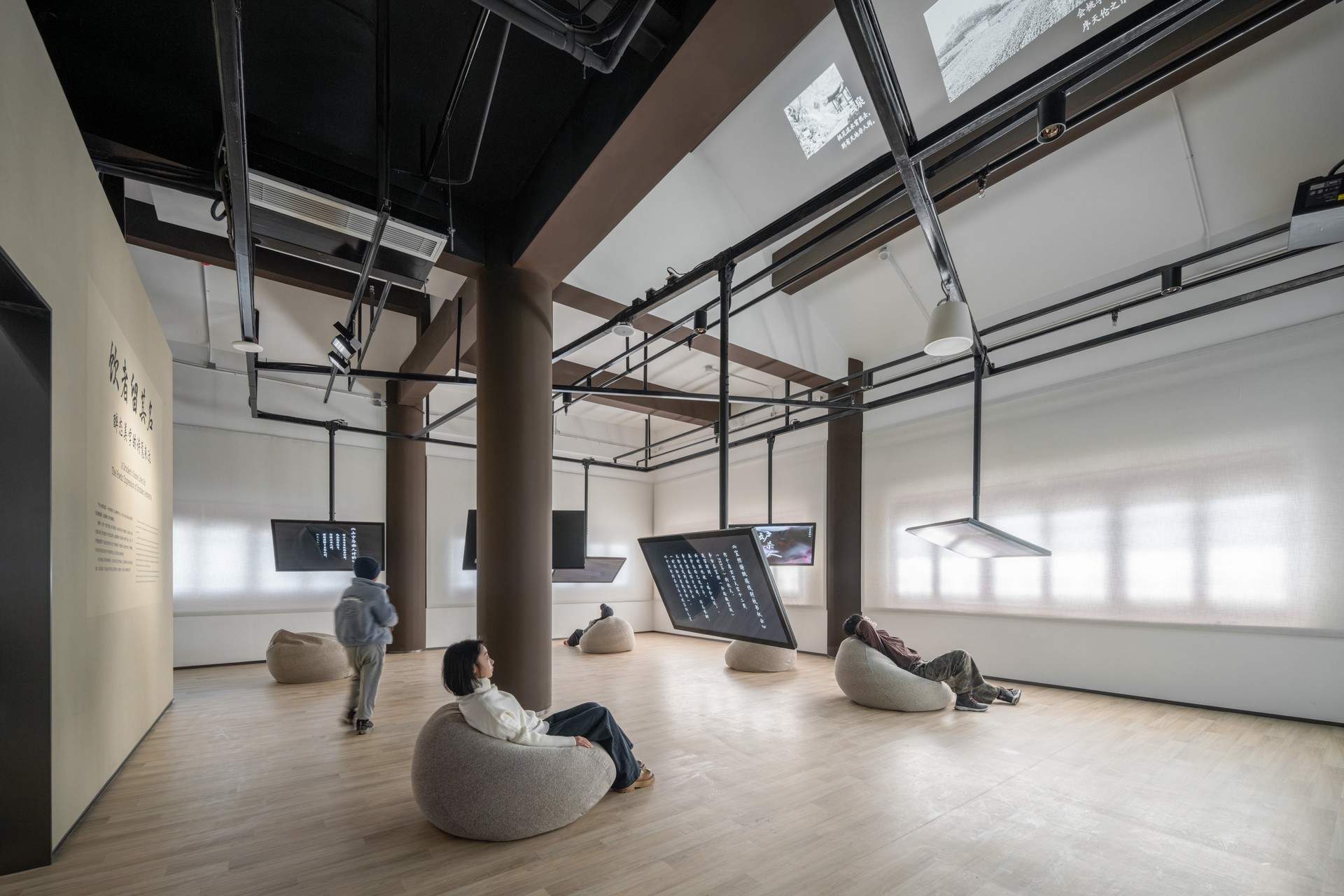
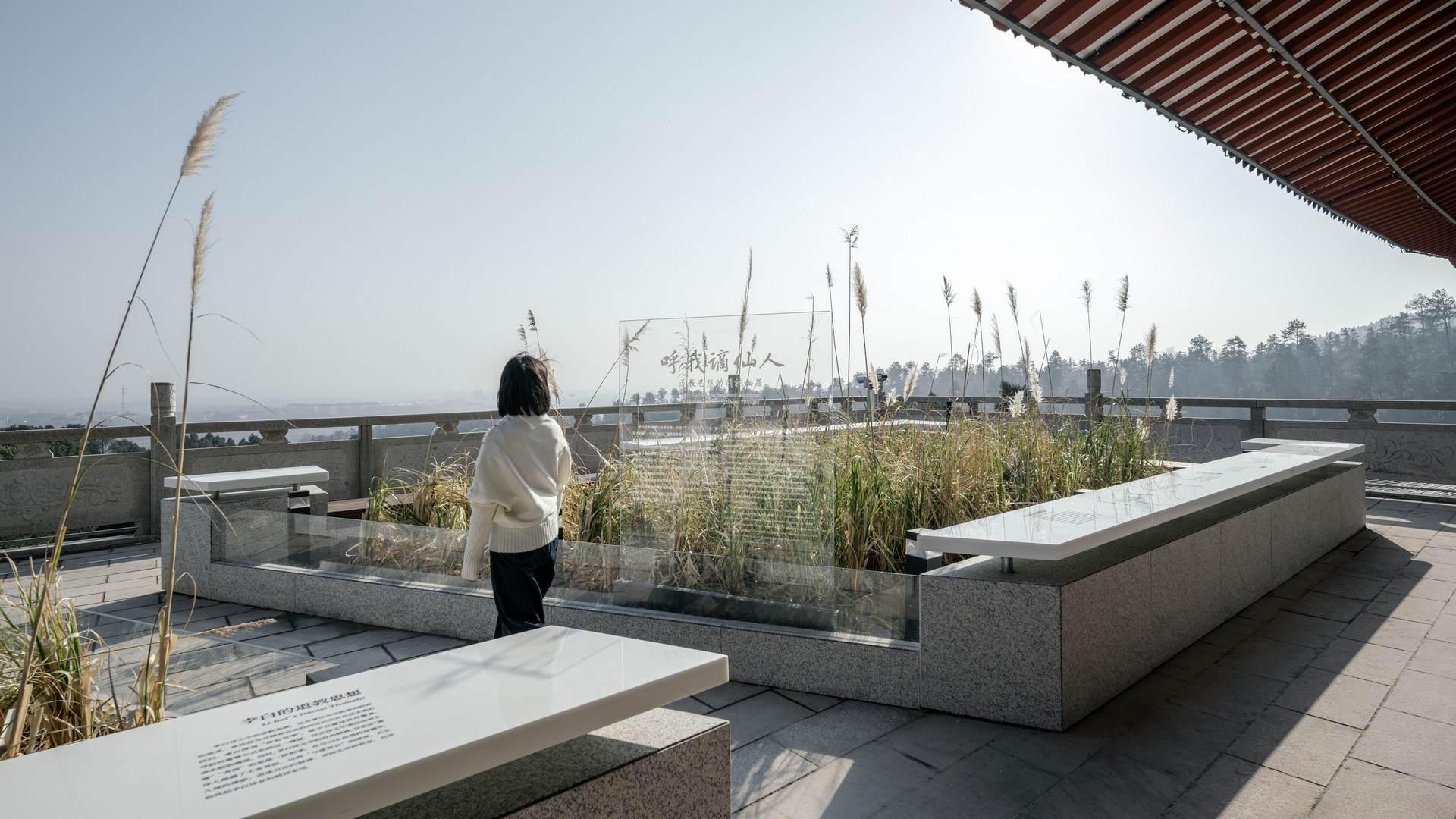
04 Local Perspective:Both “Telling Li Bai of Anlu” and “Telling Li Bai in Anlu”
“Both telling Li Bai of Anlu and telling Li Bai in Anlu” is our core strategy for balancing locality and comprehensiveness, and on this basis, we have established three thematic floors for the exhibition hall.
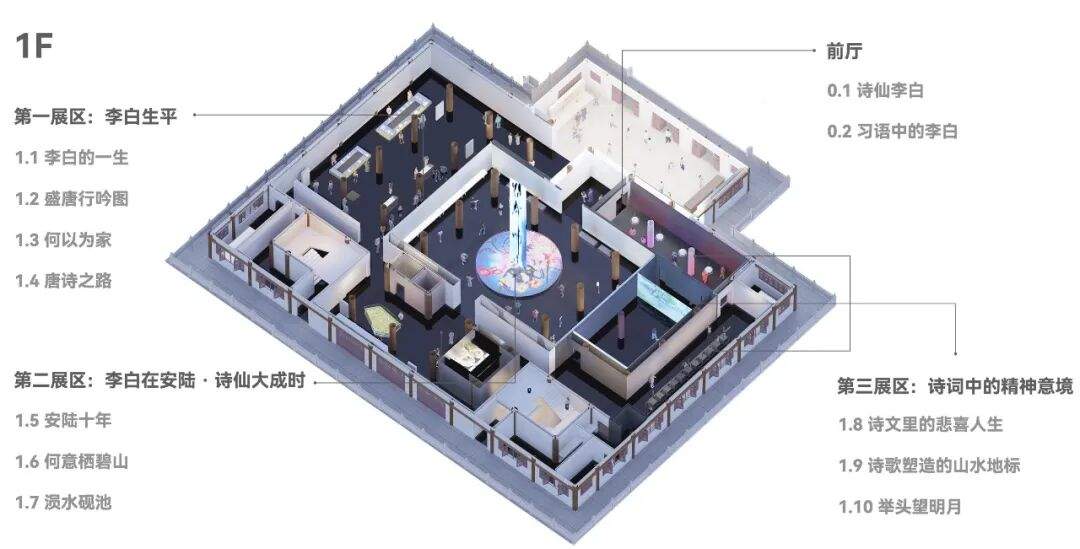
1st Floor: The High Tang China in Li Bai’s Poetry and Prose presents Li Bai’s entire life and creative journey, particularly his growth during his time in Anlu.
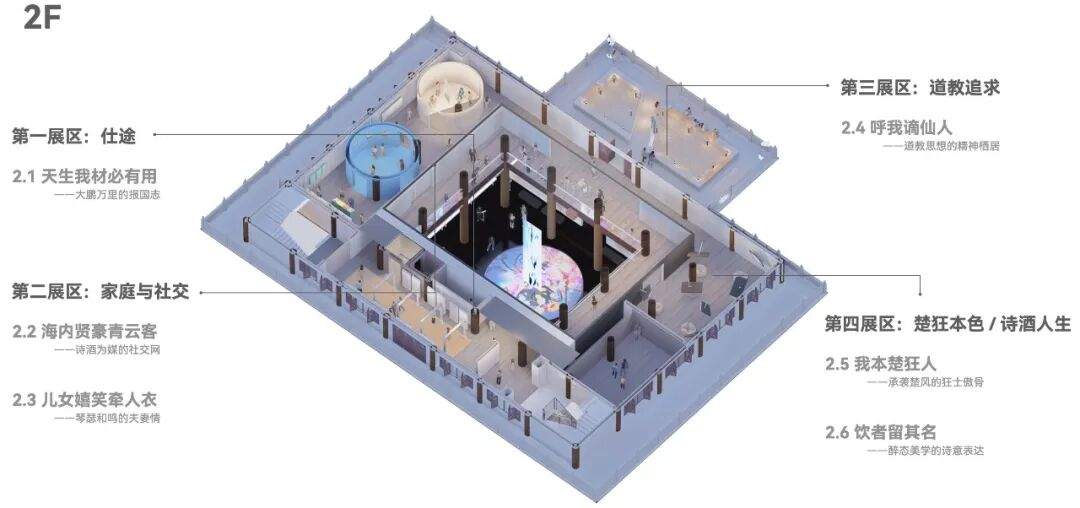
2nd Floor: Spiritual Transcendence in Li Bai’s Life analyzes both Li Bai’s secular life and his extraordinary spiritual pursuits.
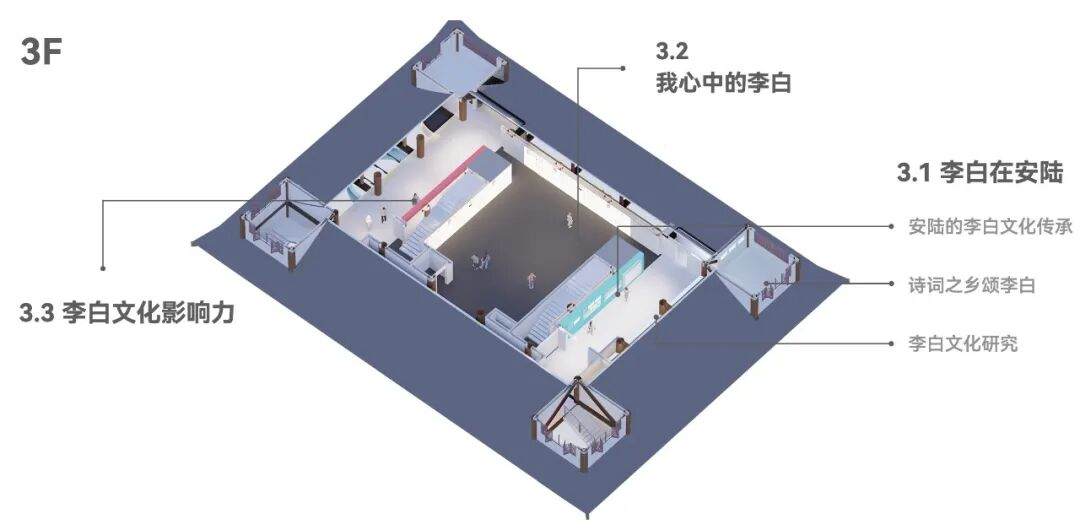
3rd Floor: The Legacy and Innovation of Li Bai’s Culture tells the millennium-old echoes of Li Bai’s culture in Anlu, China, the world, and even in everyone’s heart.Each floor appropriately emphasizes the local perspective of Anlu while forming a comprehensive understanding of Li Bai.
1F: The High Tang China in Li Bai’s Poetry and Prose
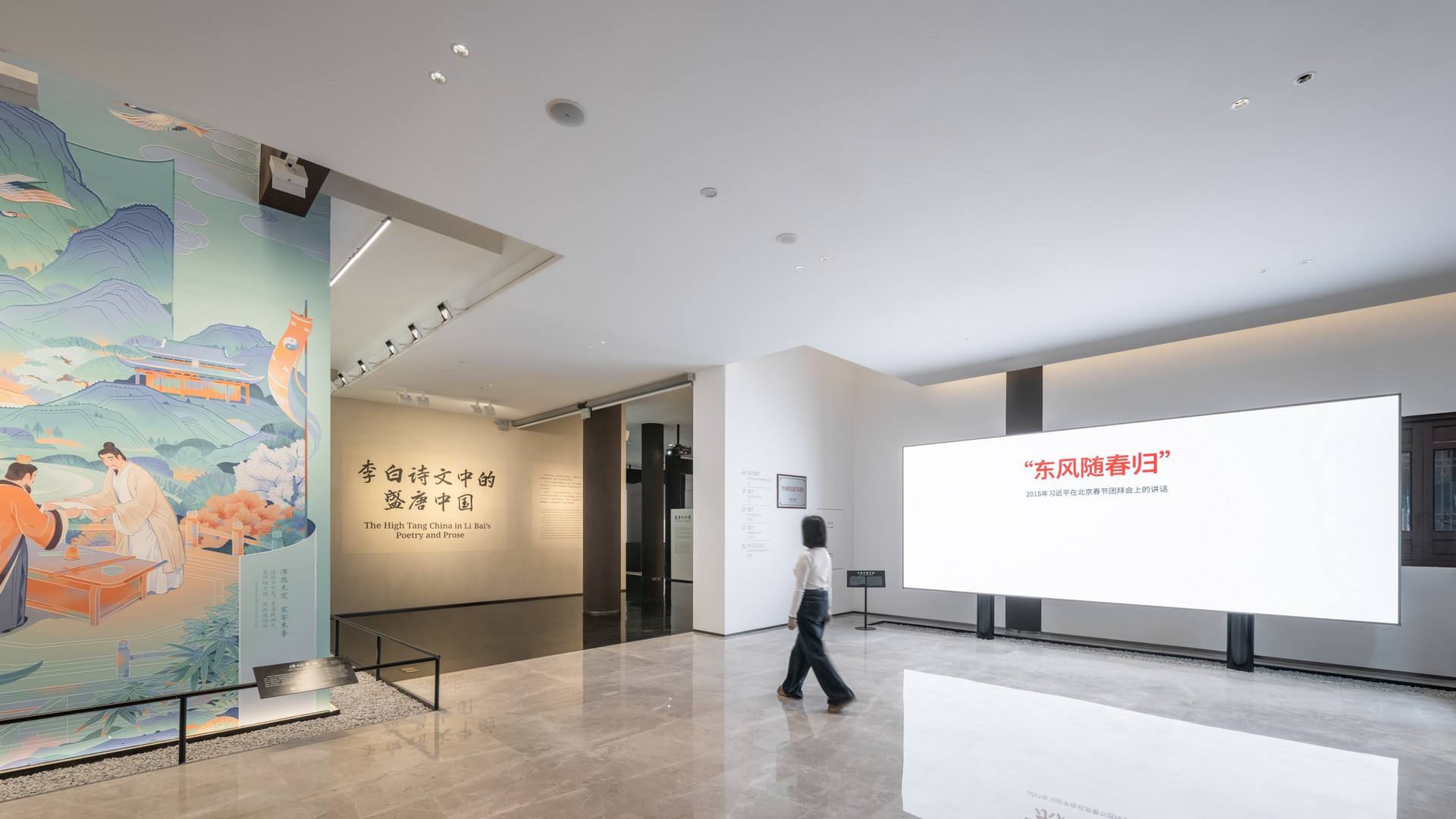
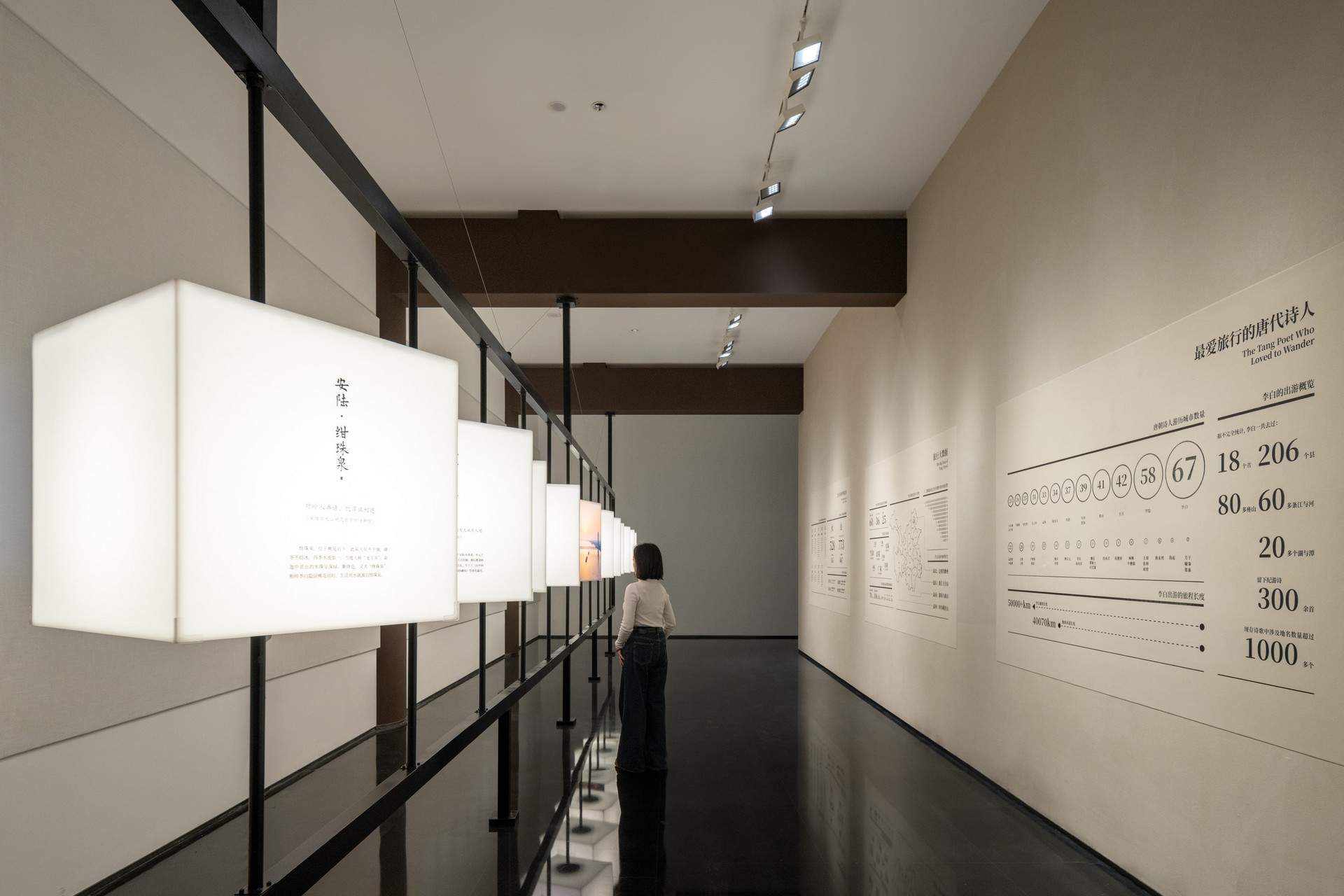
From a human geographical perspective, follow in Li Bai’s footsteps to see how he infused China’s rivers and mountains with poetic charm, and what significance and status Anlu held in this process.
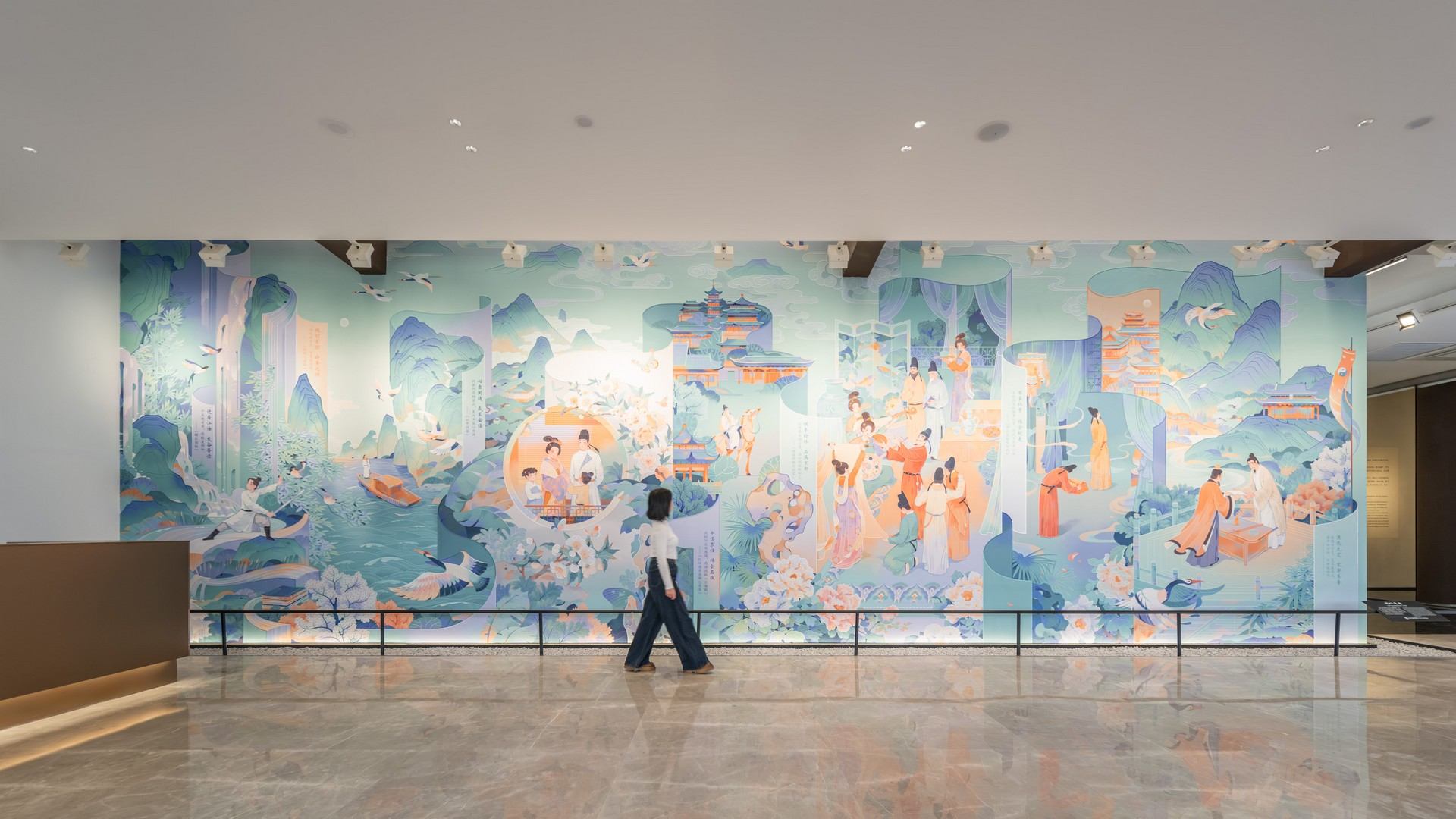
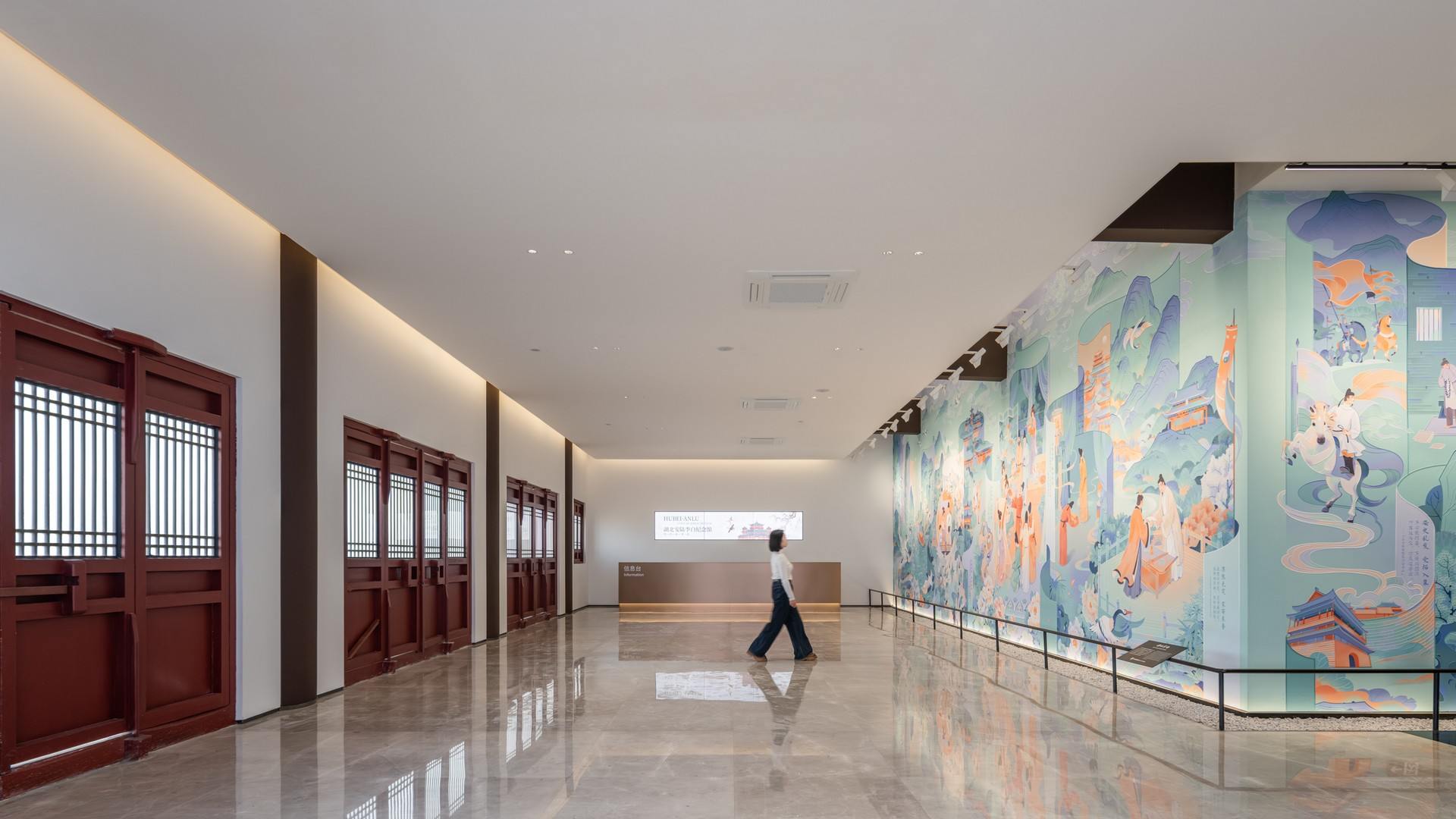
Preface Hall
A large colored mural The “Immortal Poet” Li Bai outlines the magnificent life of Li Bai through twelve scenes.
First Exhibition Area: Li Bai’s Life
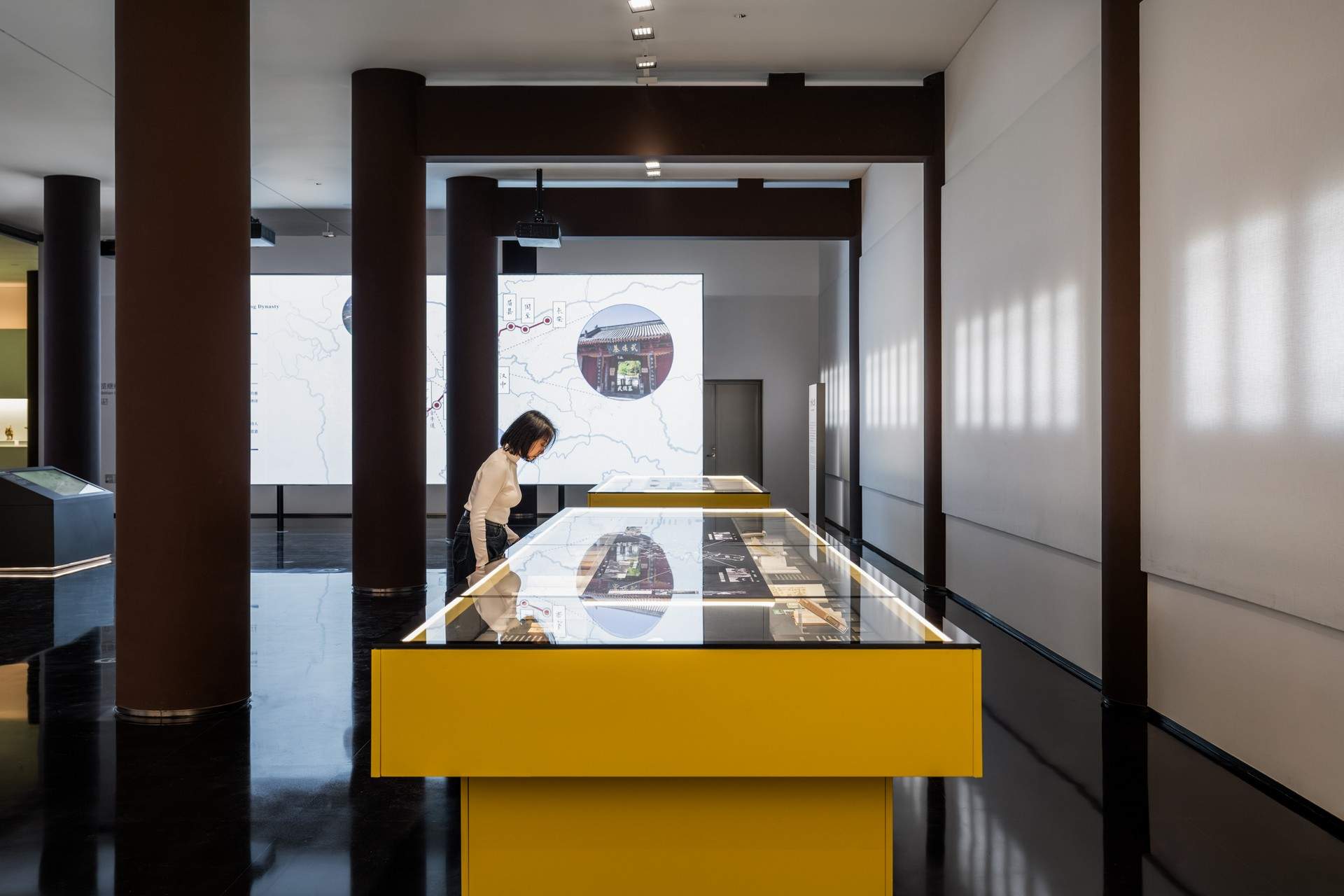
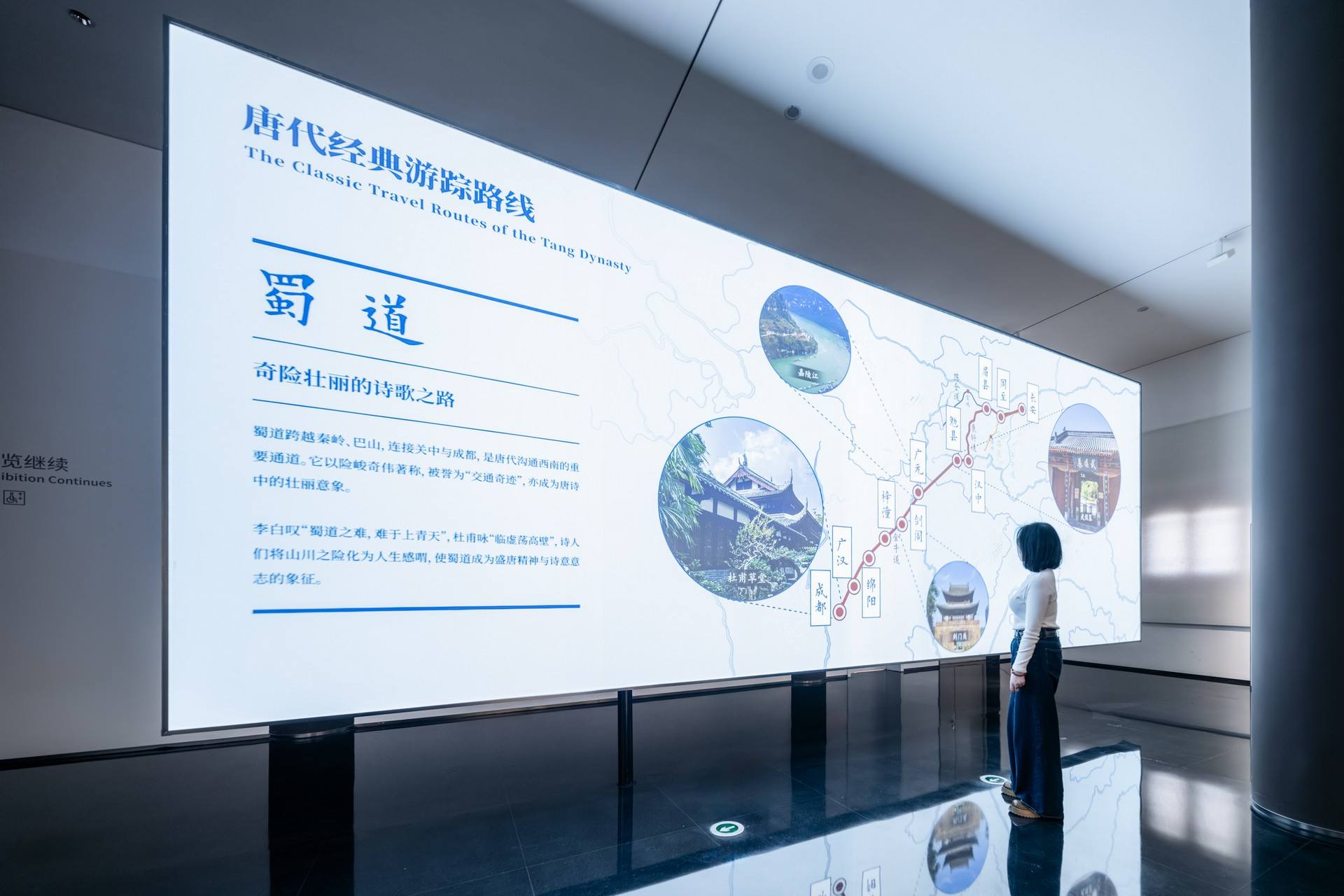
The centerpiece is a large dynamic interactive map—The Wandering Poet of the High Tang—supported by the online platform of the Chronological Map of Tang and Song Literature. It showcases Li Bai’s life journey and his poetic creations in different periods and regions.
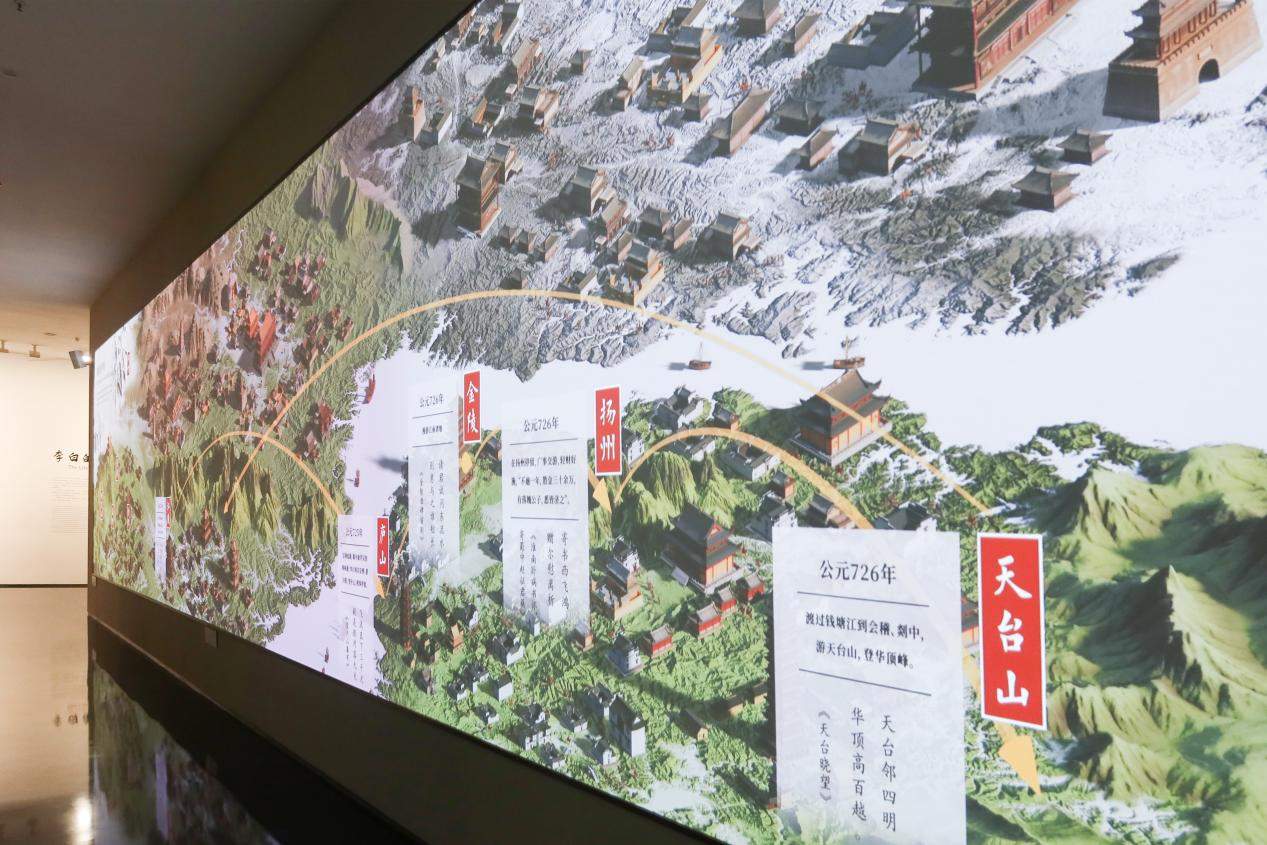
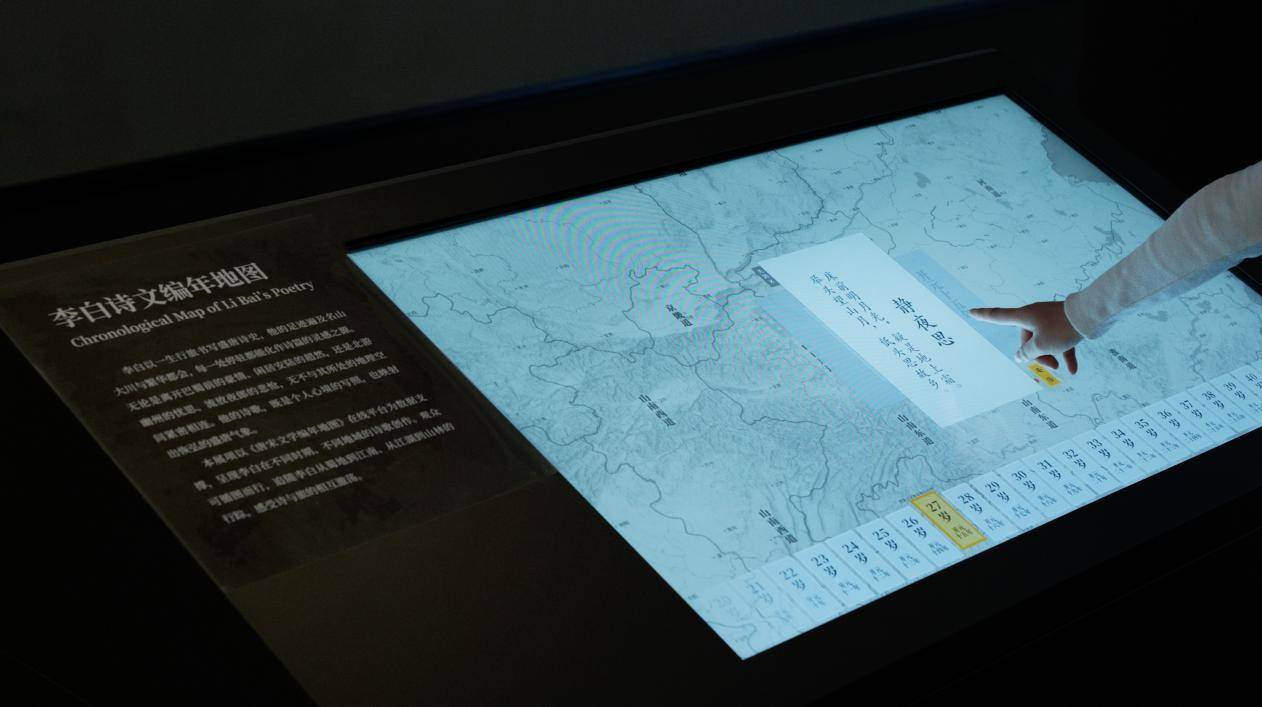
In “Where is Li Bai’s Home?”, we explore important places Li Bai resided in throughout his life and delve into the interesting question: “Where was Li Bai from?” In “Road of Tang Poetry,” combined with recent academic hot topics, we answer the audience’s curiosity: Why were Tang poets able to travel freely whenever they wished?
Second Exhibition Area: Li Bai in Anlu
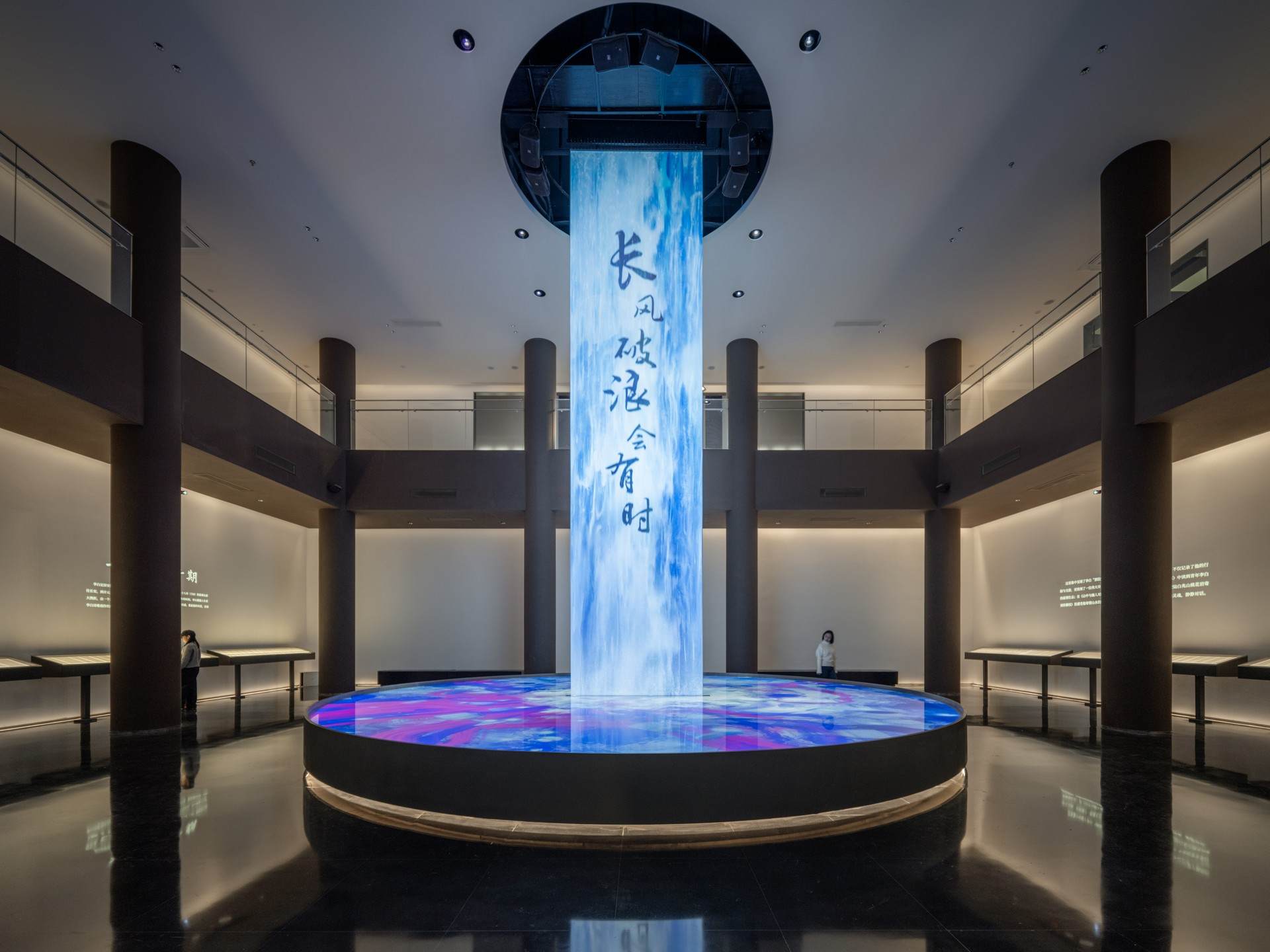
Centered around the “Yun River Inkstone Pool” this is the highlight of the entire hall. It artistically presents the romantic poetic conception of “The Yellow River’s waters come from heaven”—waterfalls and flowing text in the hanging screen cascade down, transforming into poetic scenes on the surface of the inkstone pool below.
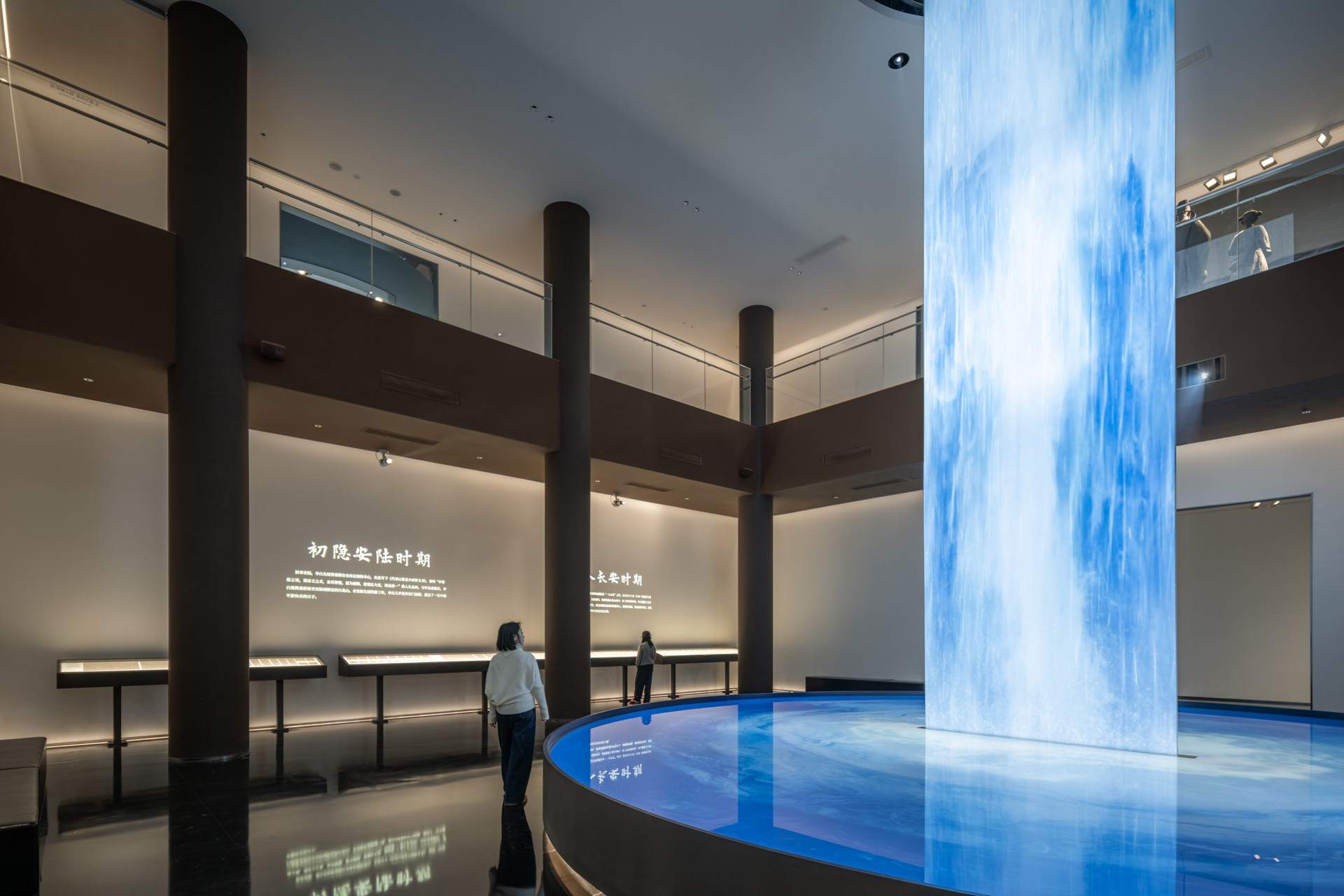
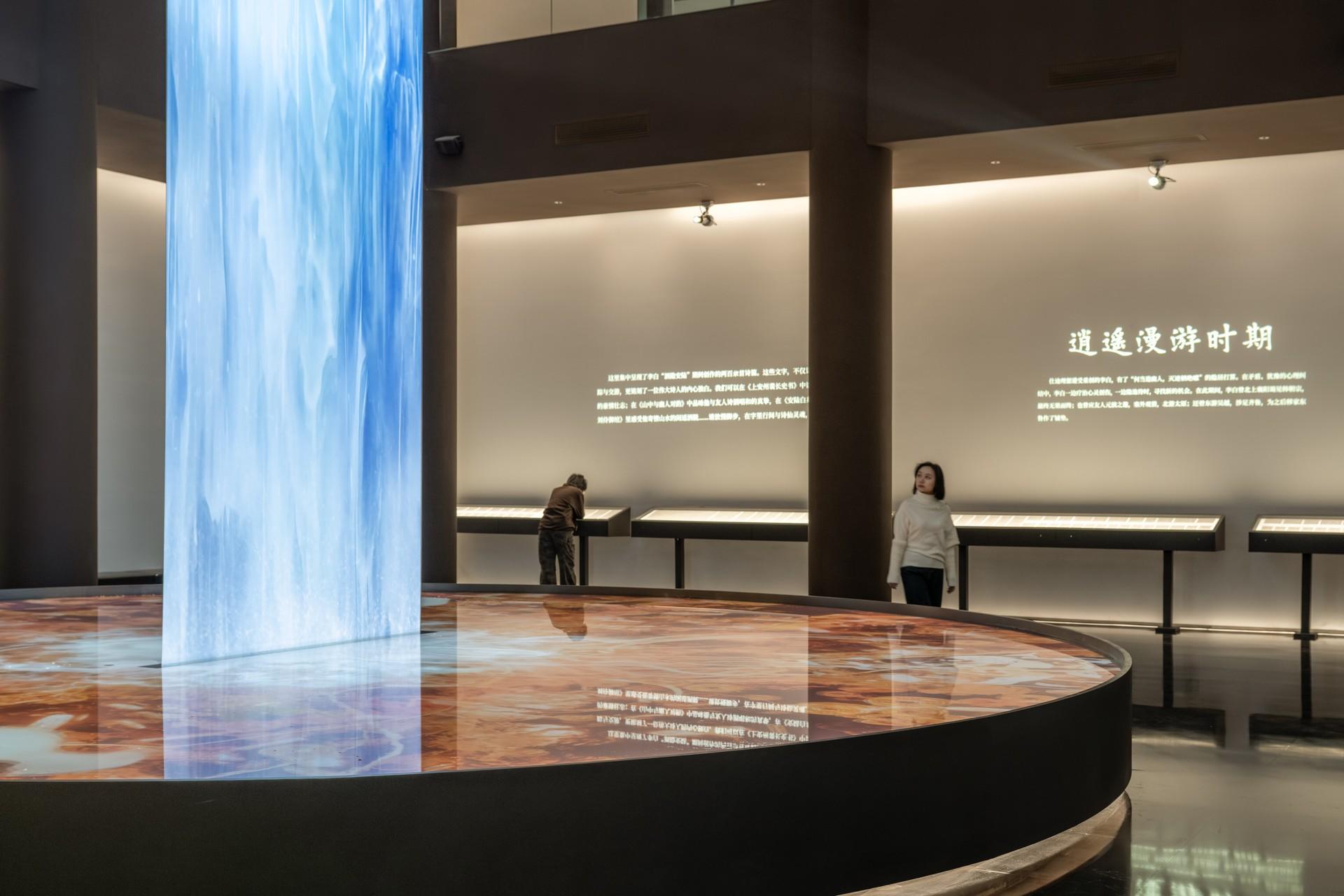
The Yunshui River is Anlu’s mother river, and with its unique cultural and natural heritage, it helped Li Bai attain the title of Poet Immortal. His masterpieces such as Bring in the Wine (Jiang Jin Jiu) and The Hard Road (Xing Lu Nan) were all created during his time in Anlu.
During his more than ten years in Anlu, Li Bai produced over 200 surviving works, all of which are fully displayed around the inkstone pool for visitors to savor.
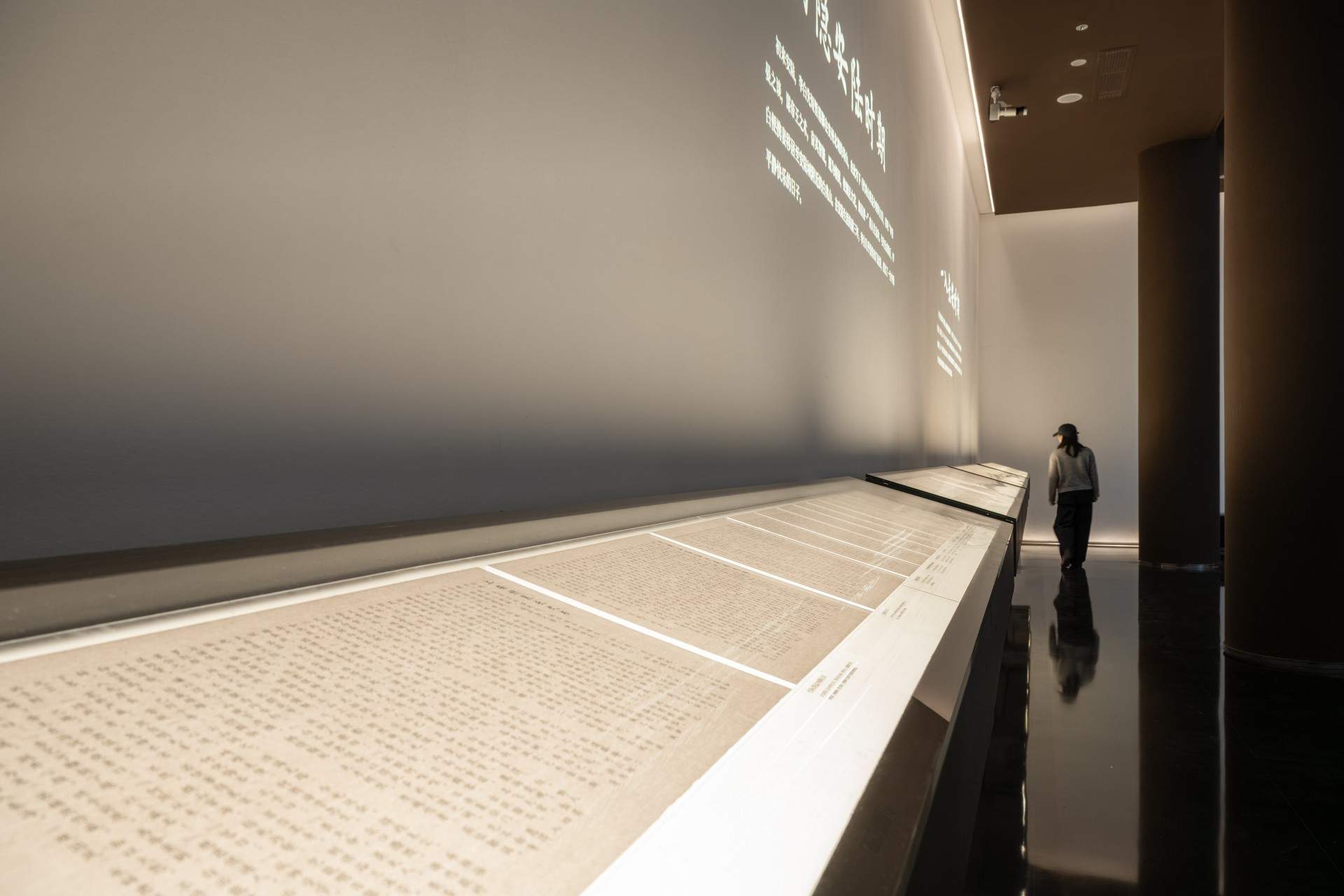
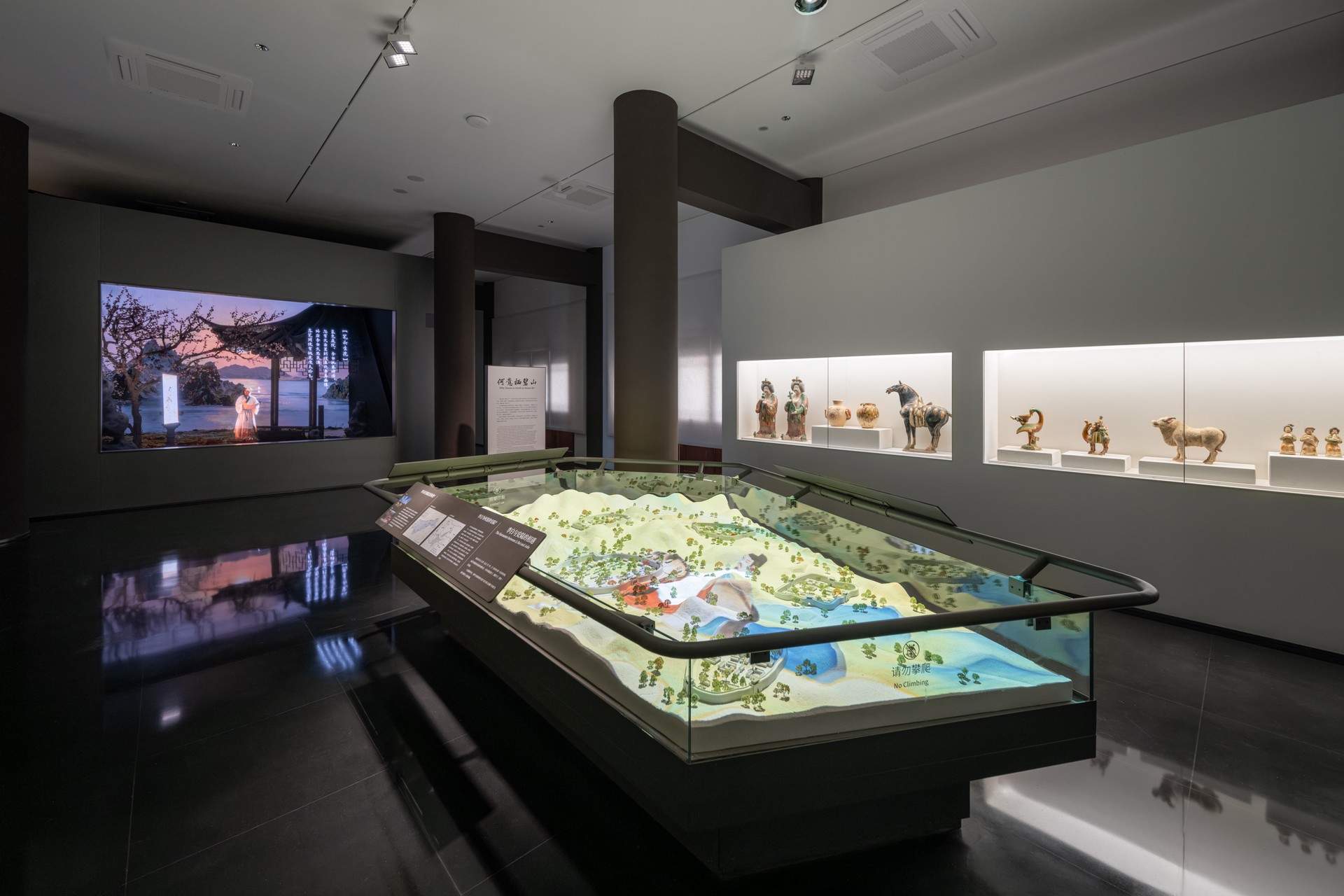
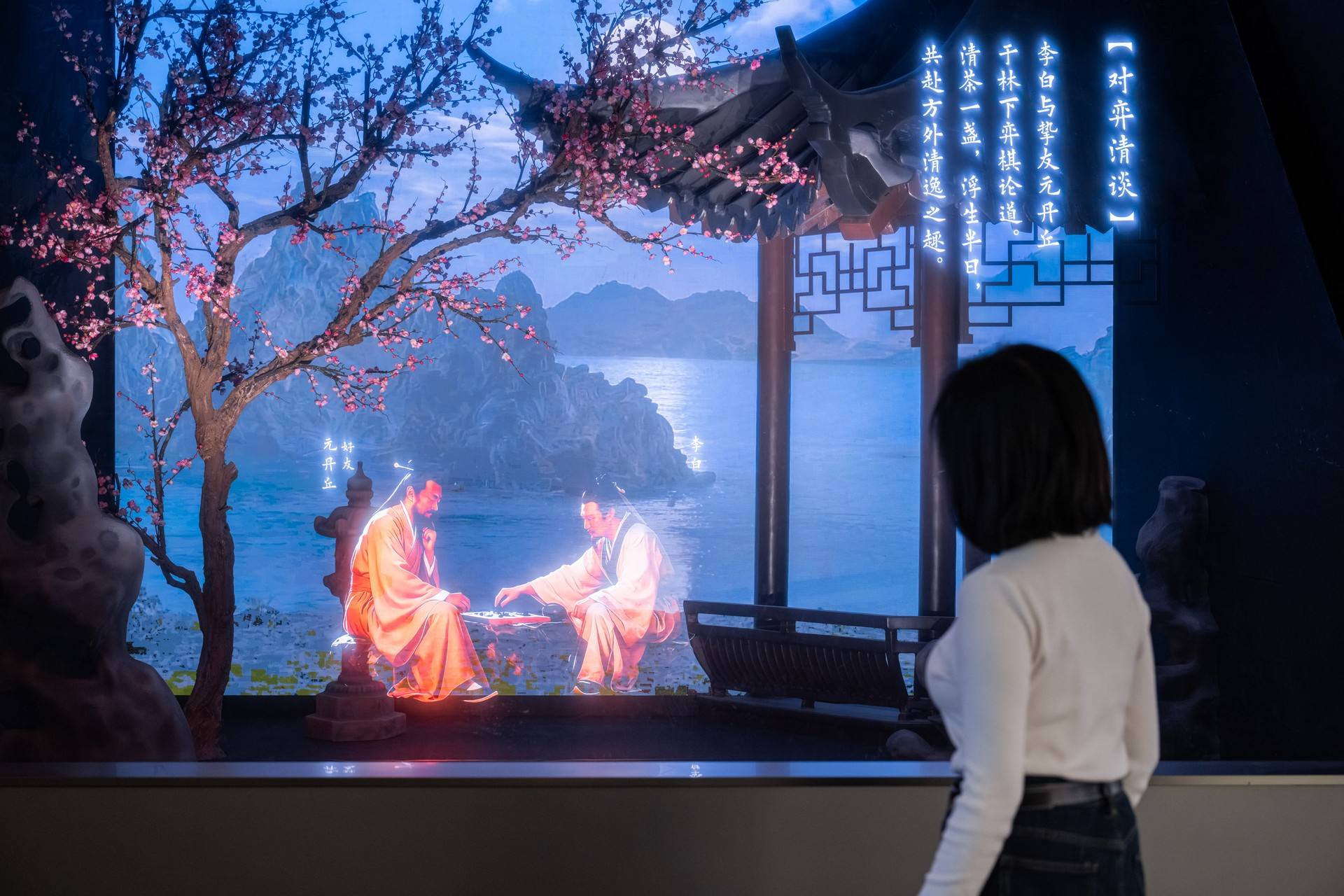
In “Ten Years in Anlu,” we explain to the audience why Li Bai chose Anlu. In “Why Choose to Dwell on Mount Bi?”, we further explore Li Bai’s mountain life in Baizhao Mountain.
Third Exhibition Area: Spiritual Artistry in Poetry
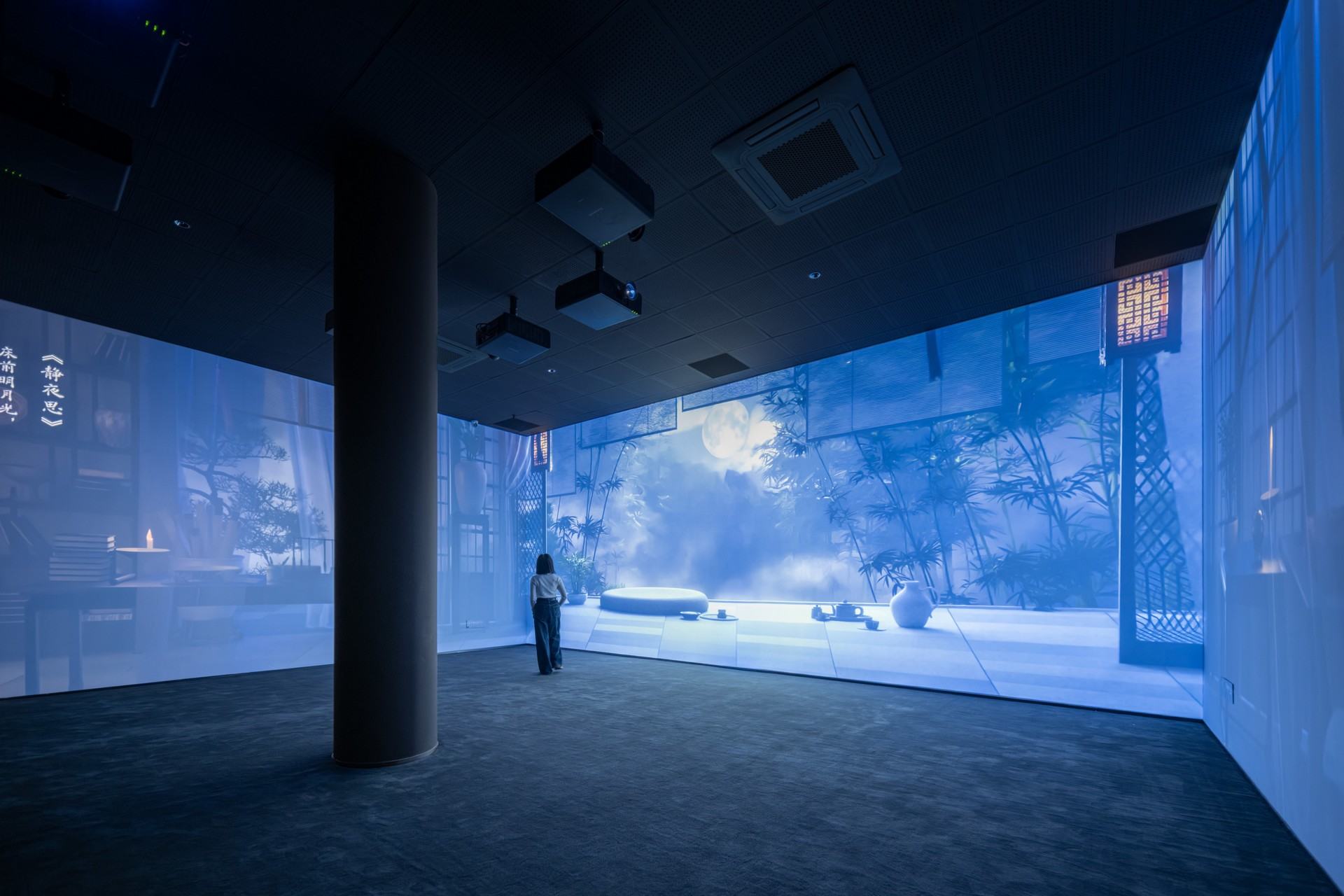
This area interprets the emotions and artistic conceptions in Li Bai’s poems, presenting the humanistic artistic conception constructed by his poetry through three dimensions: joys and sorrows in poems, landscape landmarks shaped by poetry, and the myriad manifestations of the moon.
2F: Spiritual Transcendence in Li Bai’s Life
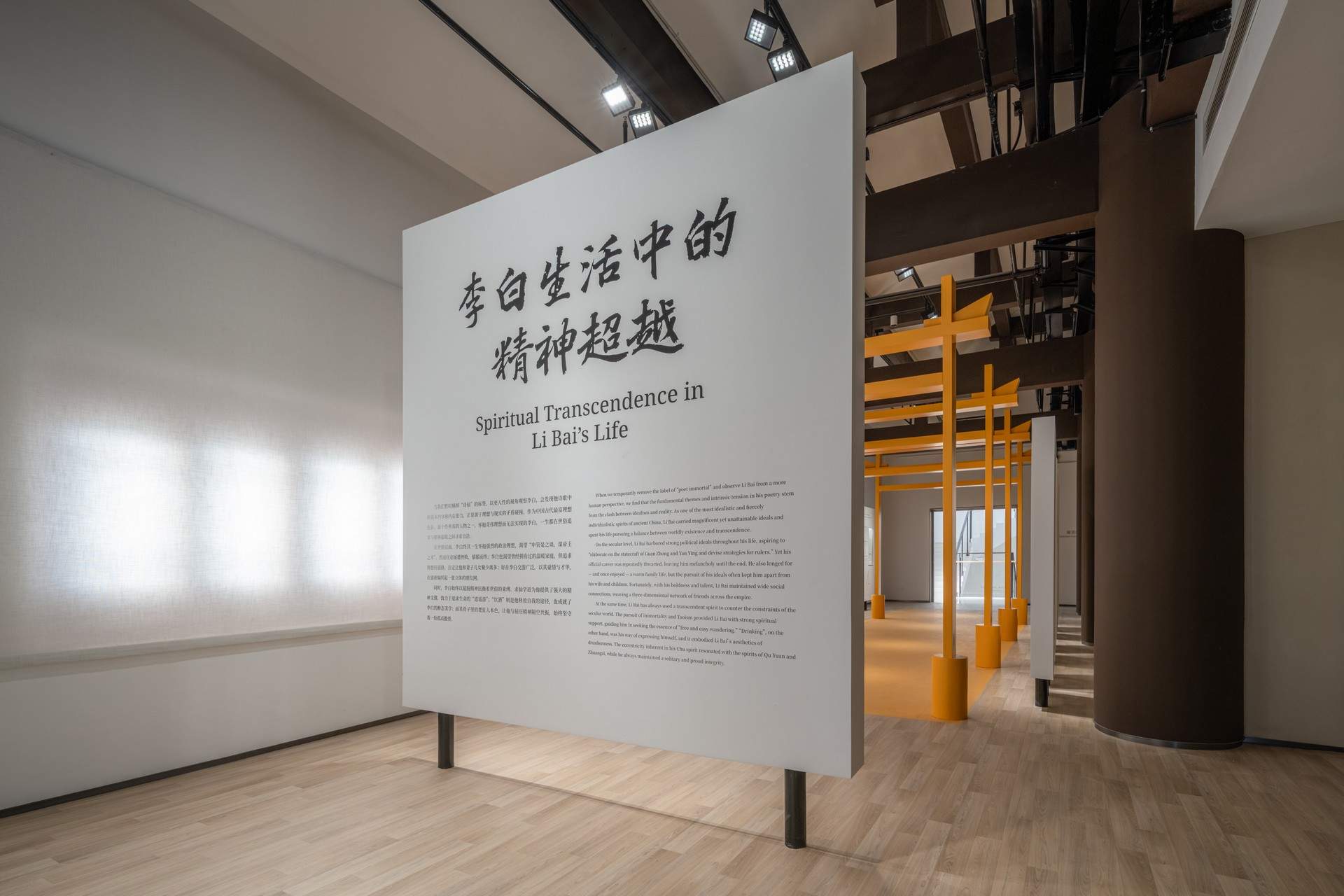
From a “human” perspective, this floor restores a more three-dimensional Li Bai—possessing complex emotions in secular life such as family, official career, and social interactions, while also embodying extraordinary Taoist beliefs, mad scholar’s integrity, and Dionysian spirit.
Secular Side: Official Career, Social Interactions, and Family
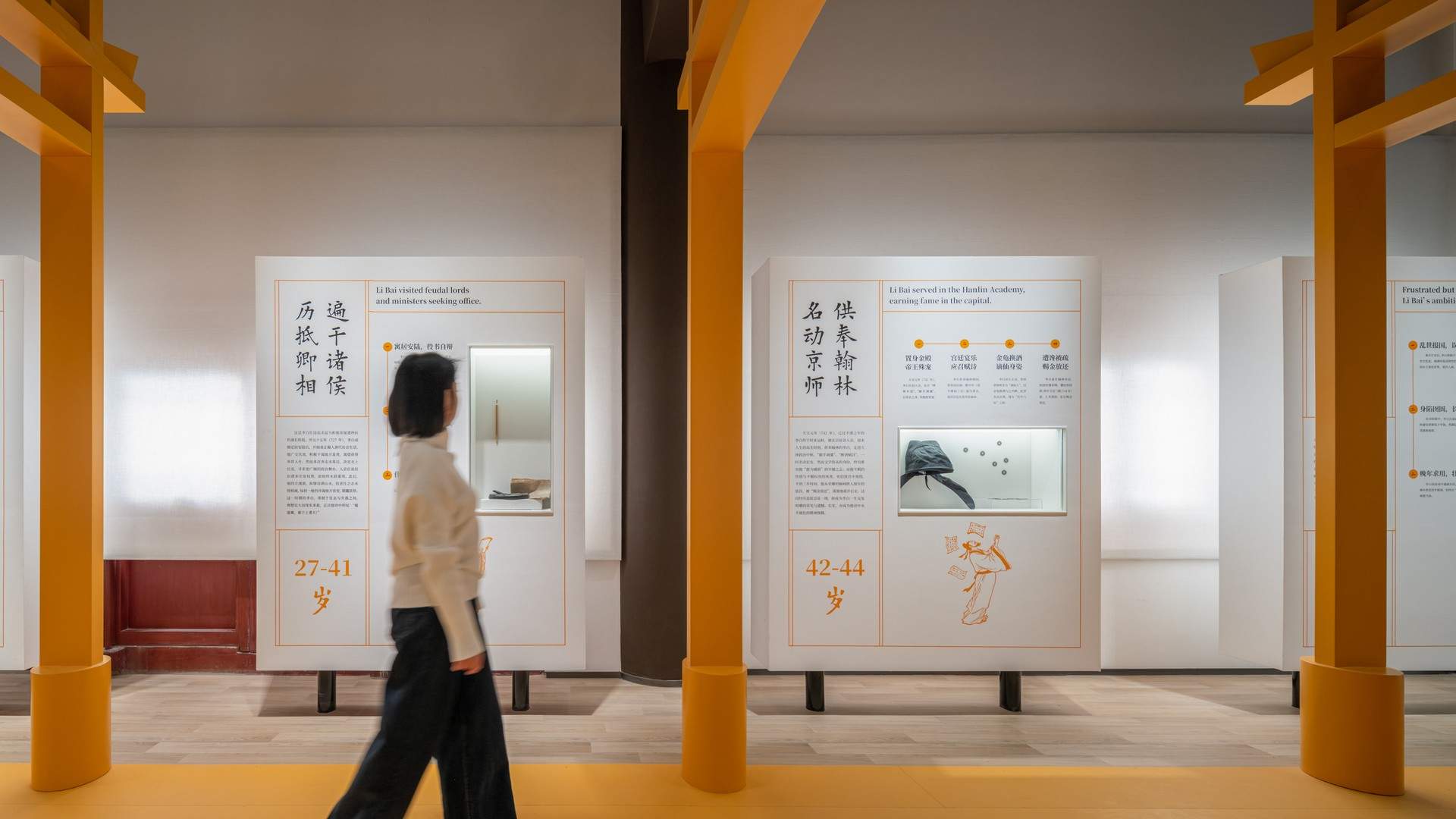
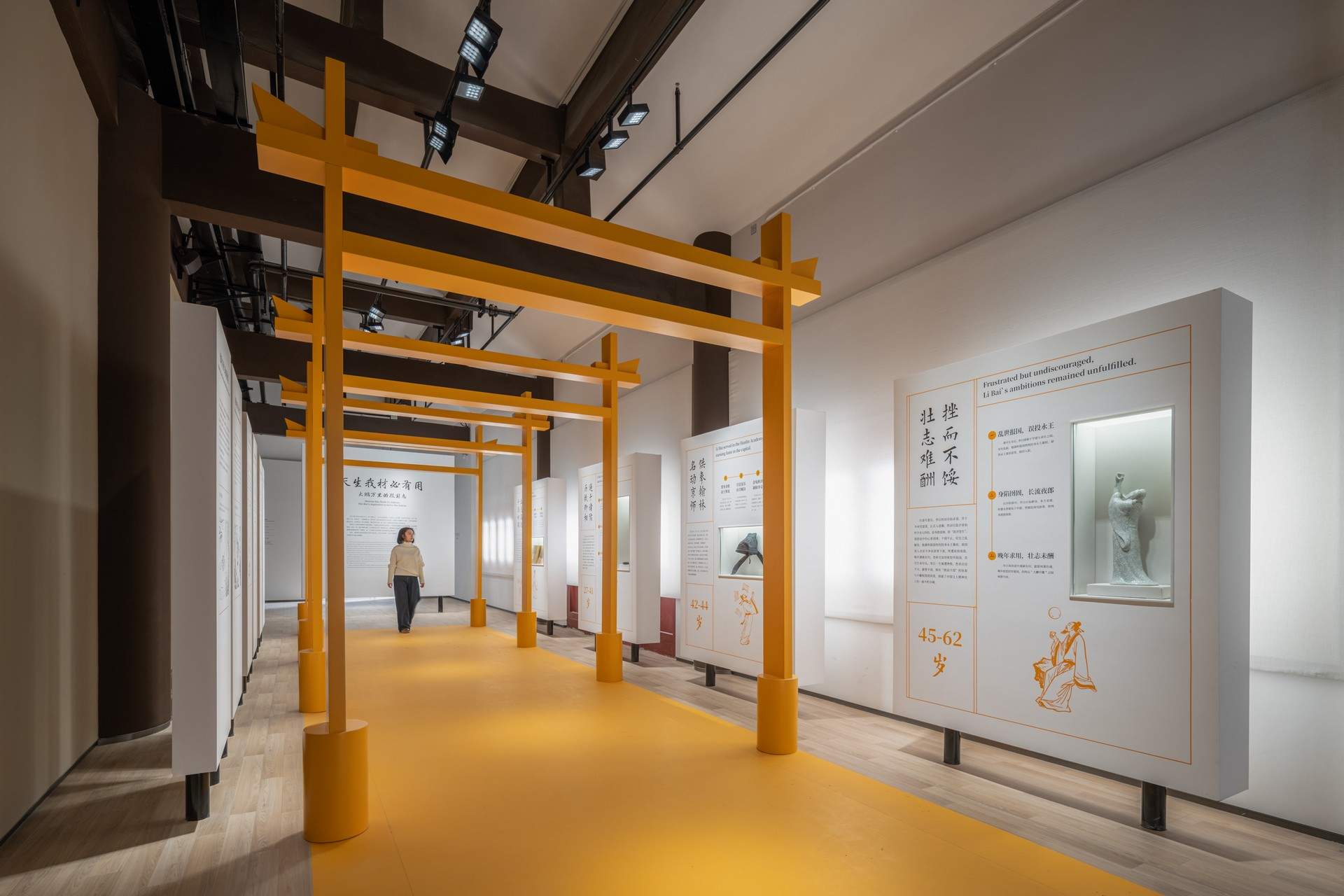
Li Bai’s lifelong pursuit of an official career and his path of seeking patronage—his passionate political ideals ultimately could not withstand the complexities of political reality.
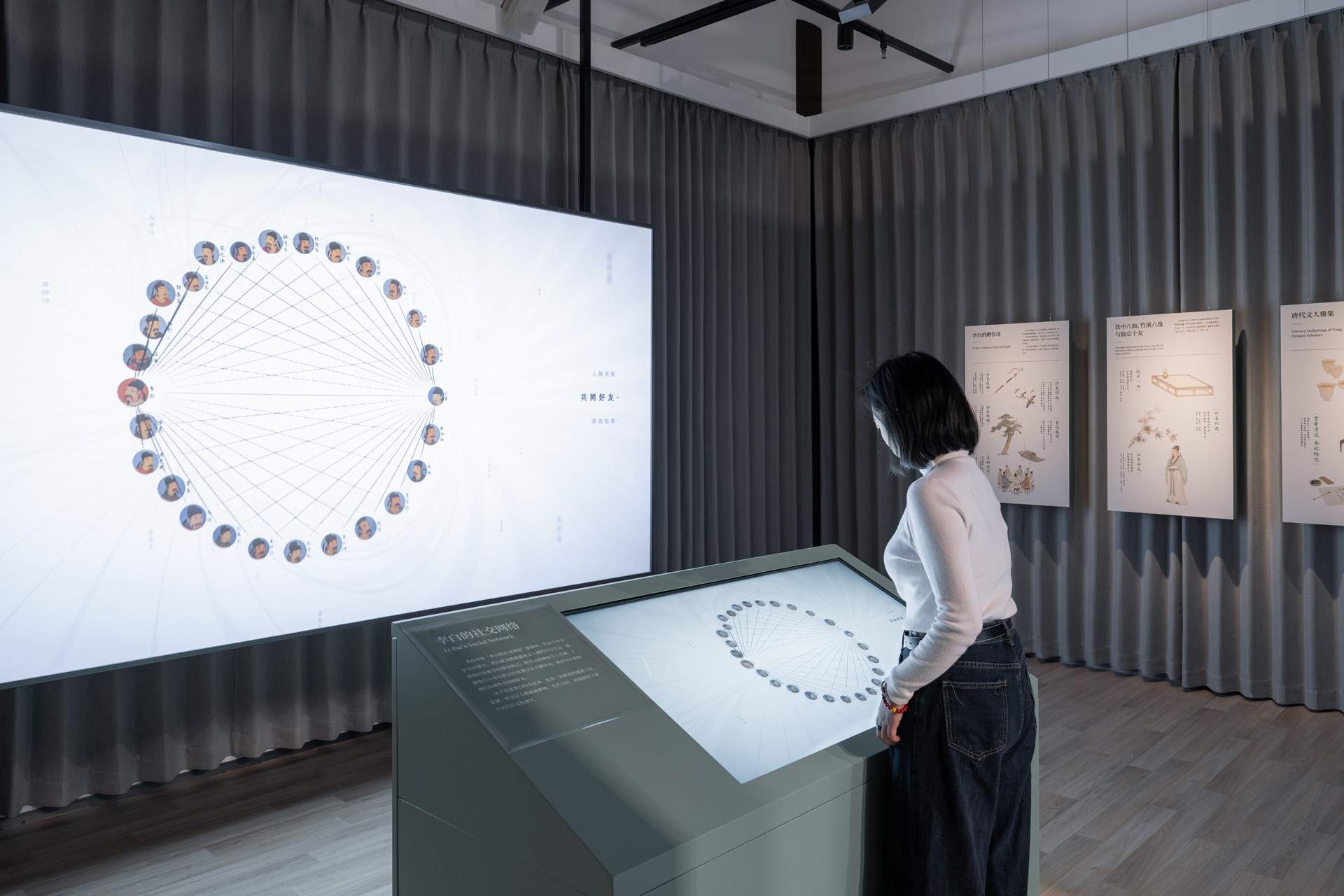
A dynamic interactive big data map showcases Li Bai’s “circle of friends” and the social network of literati in the flourishing Tang Dynasty.
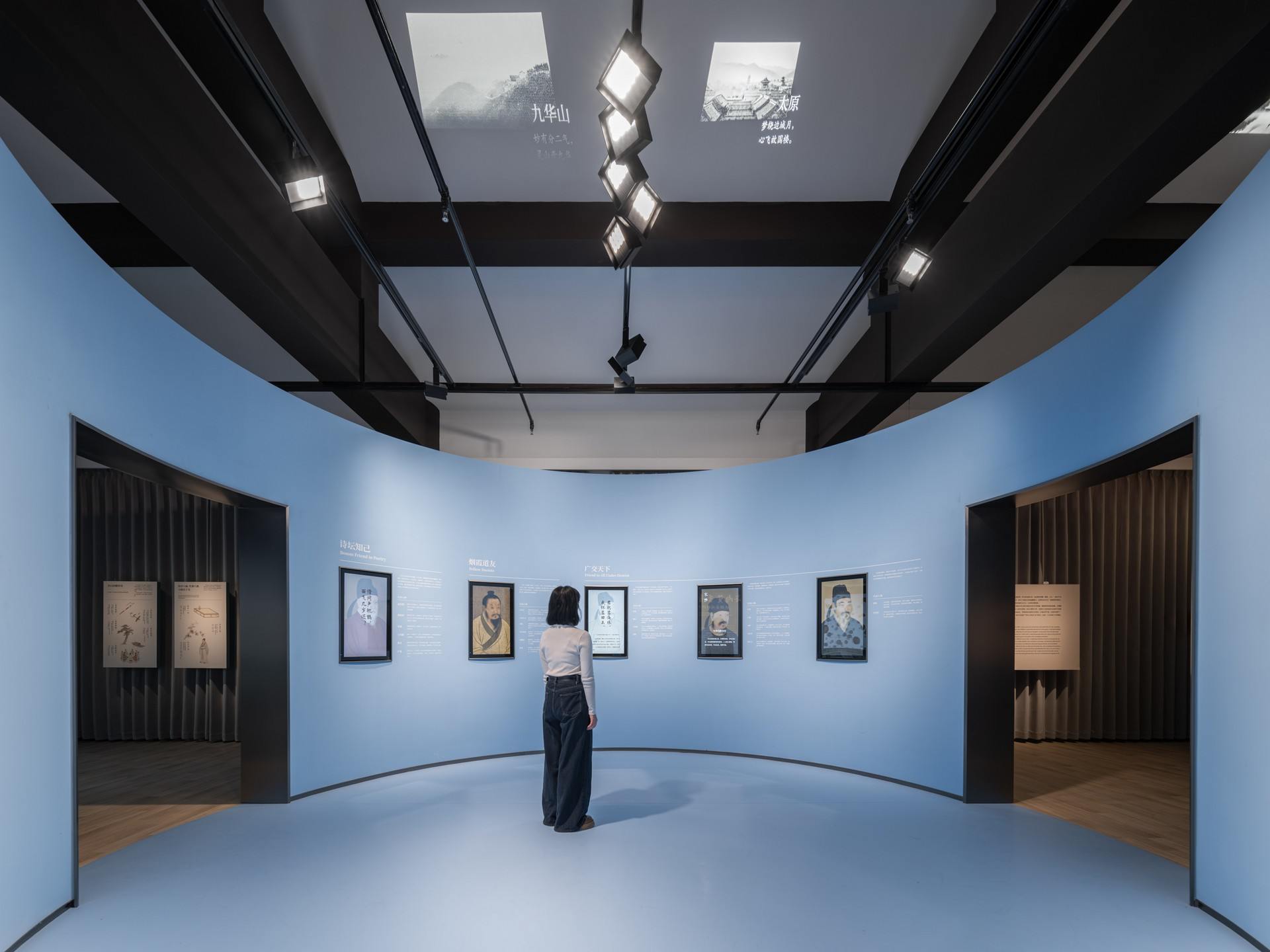
Faced with the warm bonds of family, Li Bai was also an ordinary person who felt guilty towards his wife and deeply missed his children.
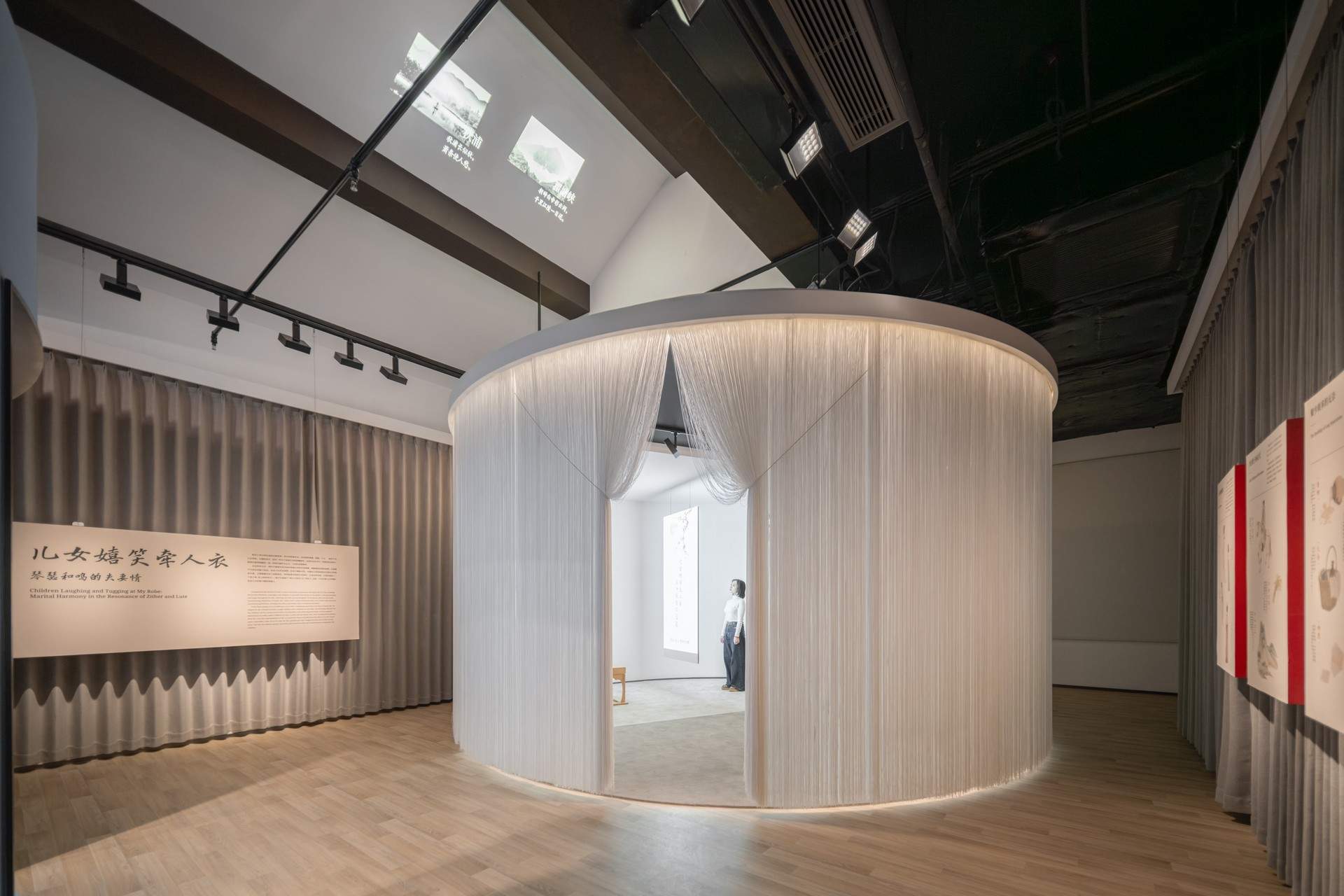
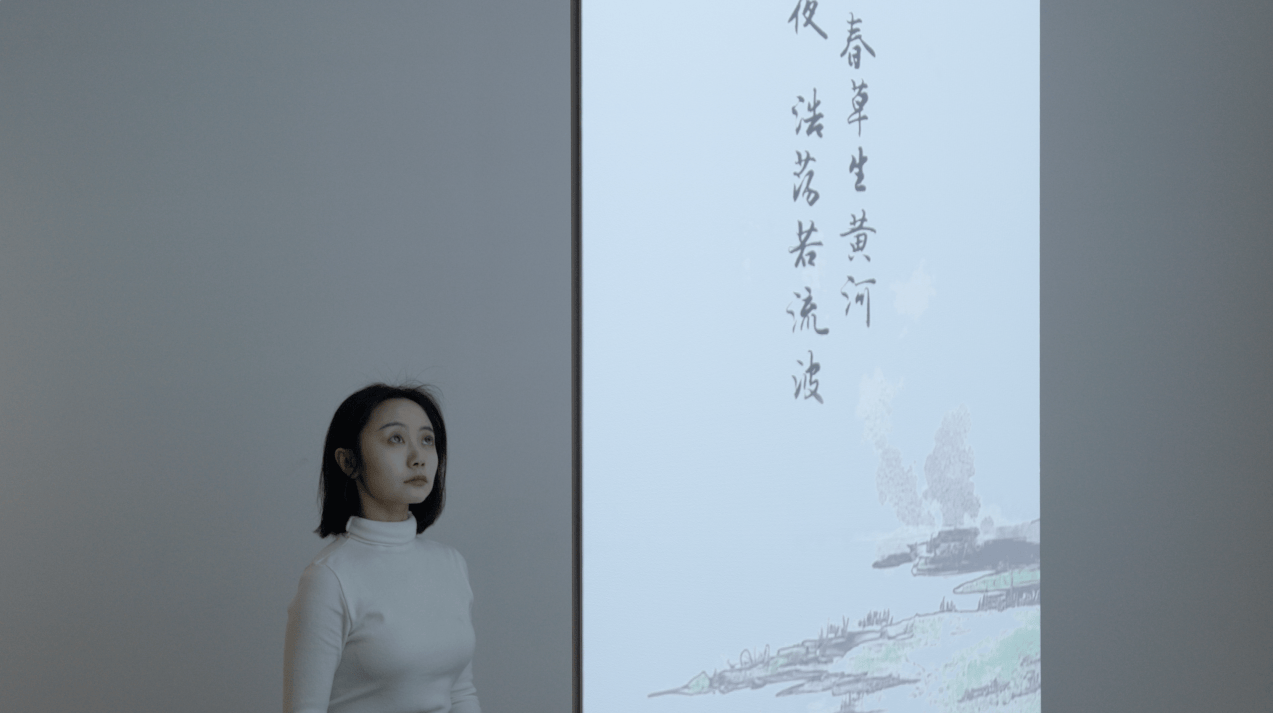
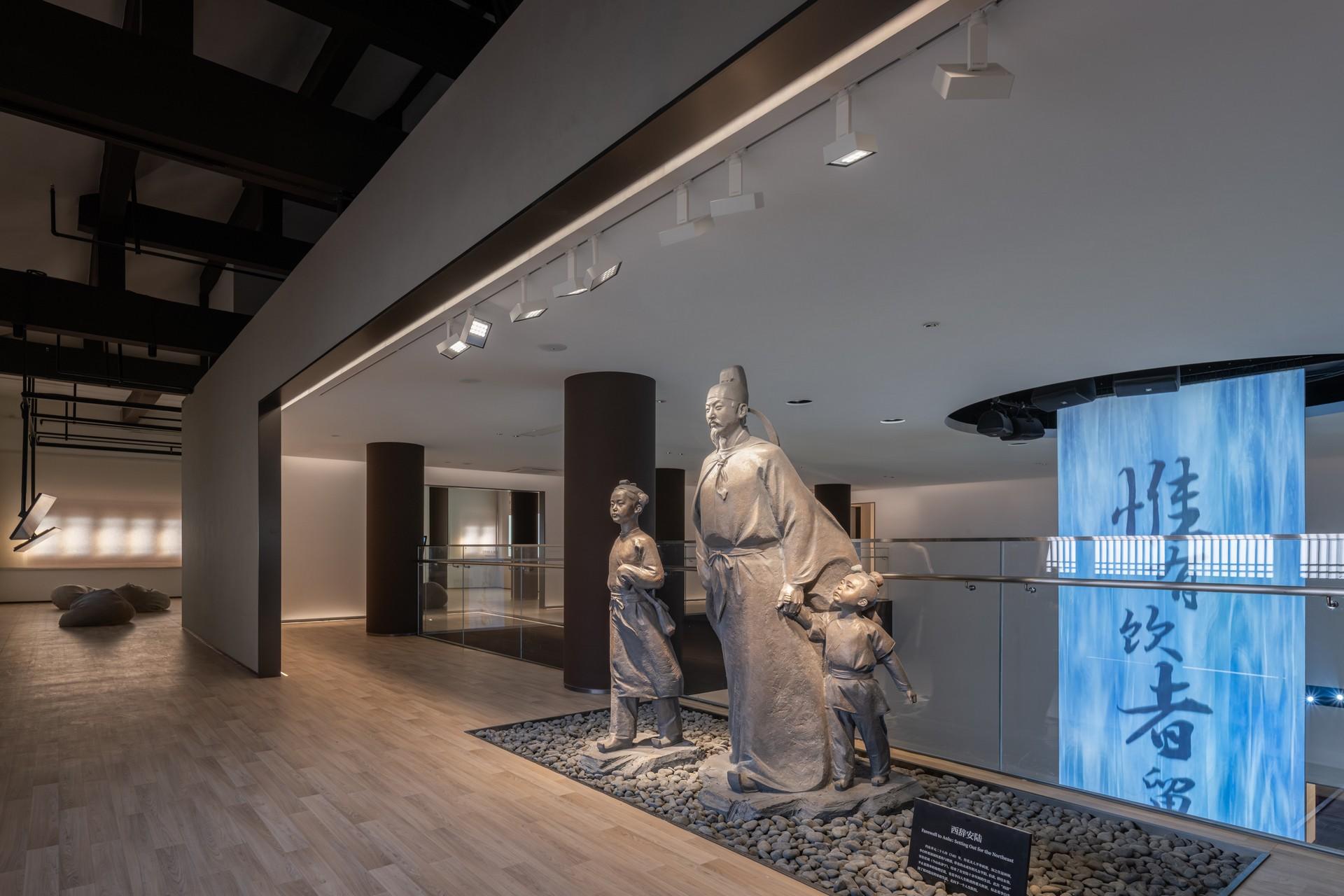
Transcendent Side: Taoist Beliefs, Dionysian Spirit, and Mad Scholar’s Integrity
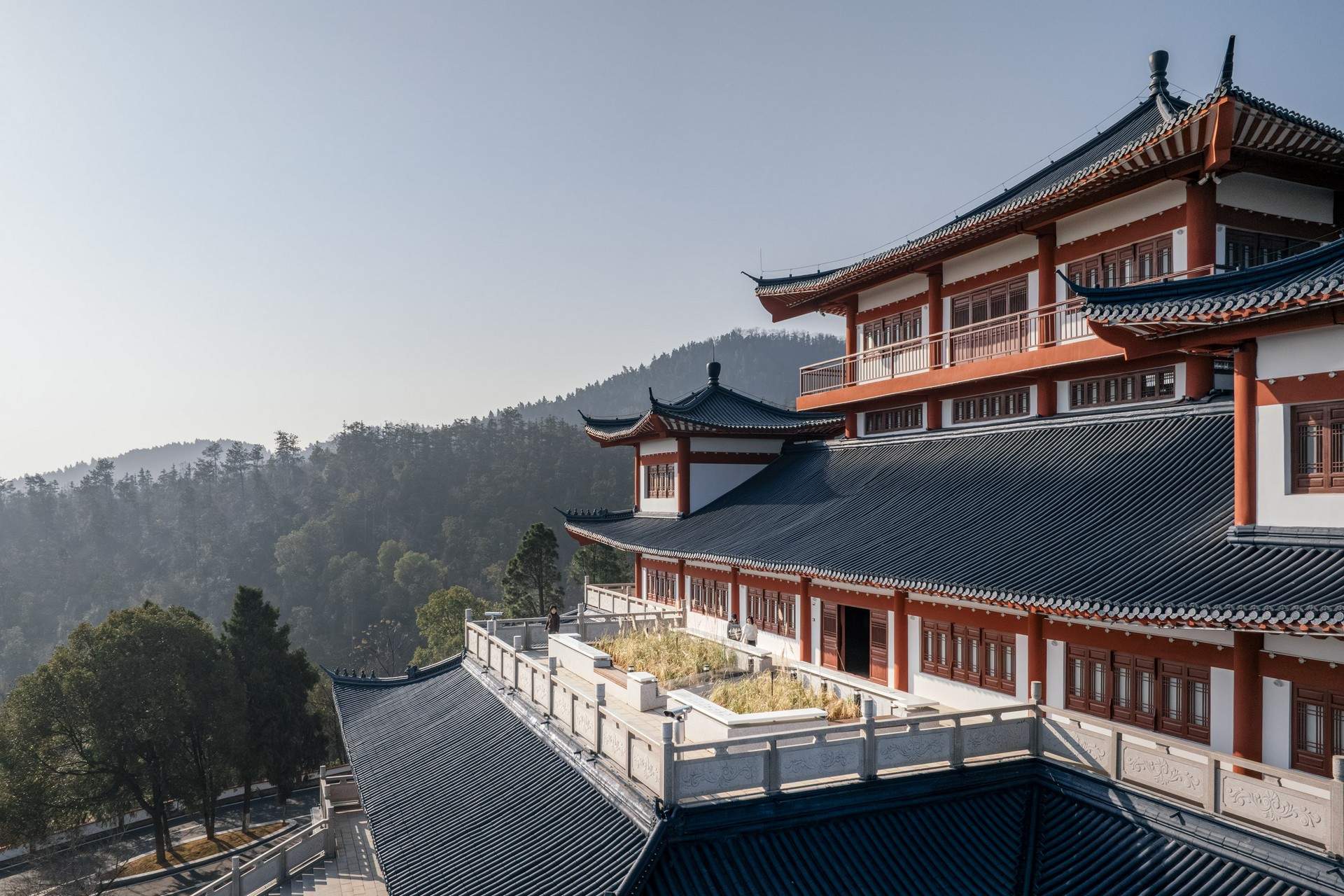
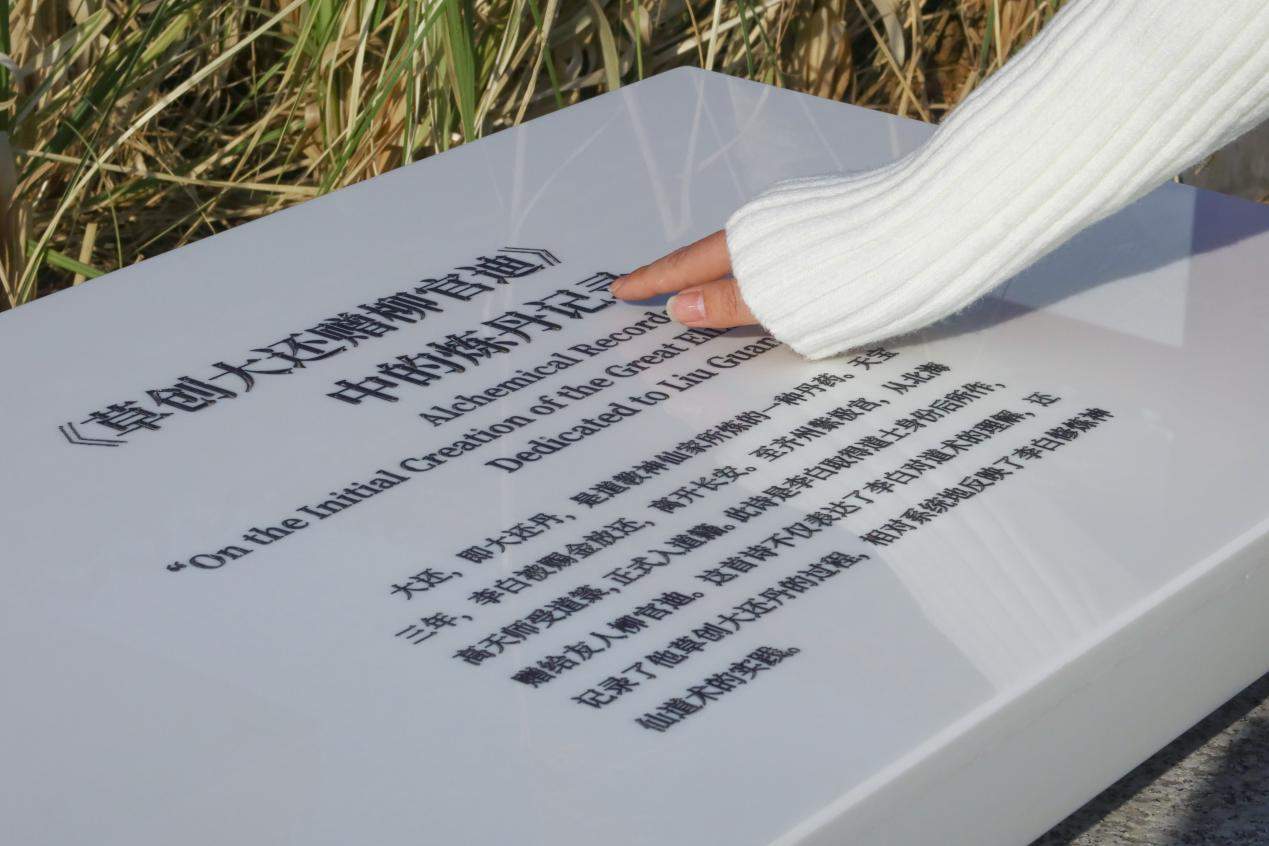
Taoist beliefs became Li Bai’s spiritual refuge. Utilizing the outdoor platform of the exhibition hall, visitors can appreciate Li Bai’s “free and unfettered journey” in seeking immortality and Dao amidst the swaying reeds.
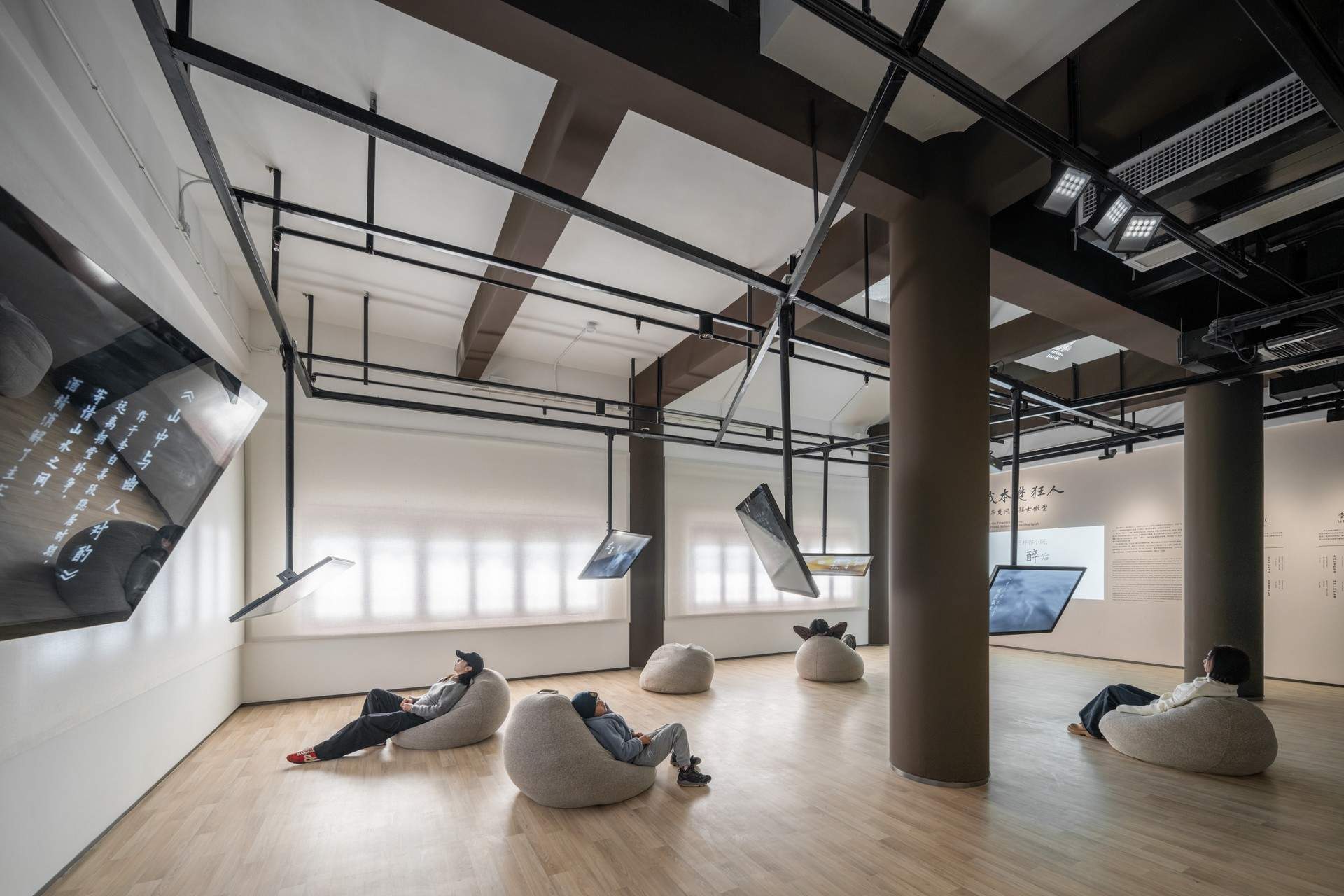
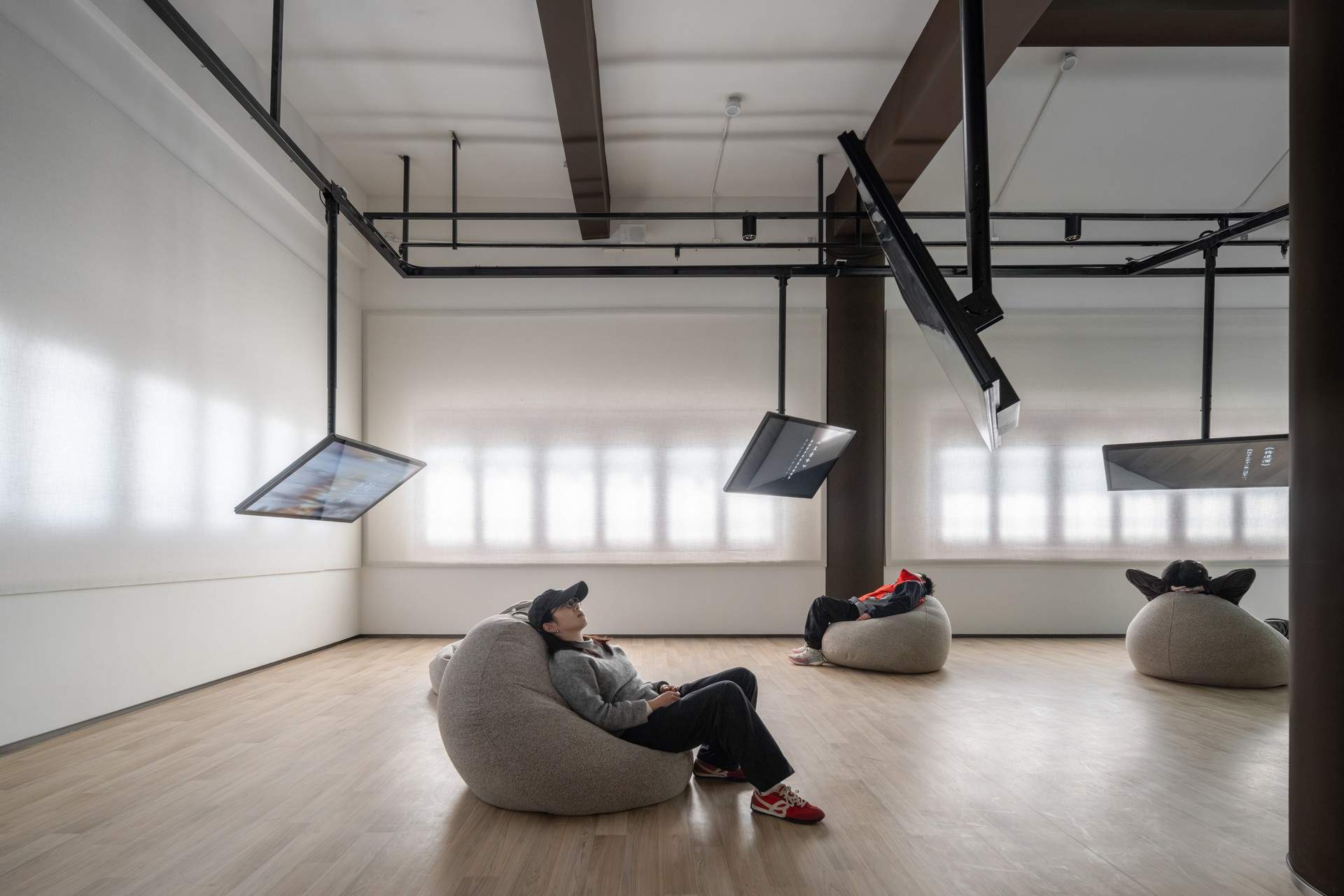
Wine was the source of Li Bai’s inspiration and the path to spiritual ascension. Reclining sofas and tilted screens invite visitors to enter the intoxicated world of Li Bai’s drinking poems.
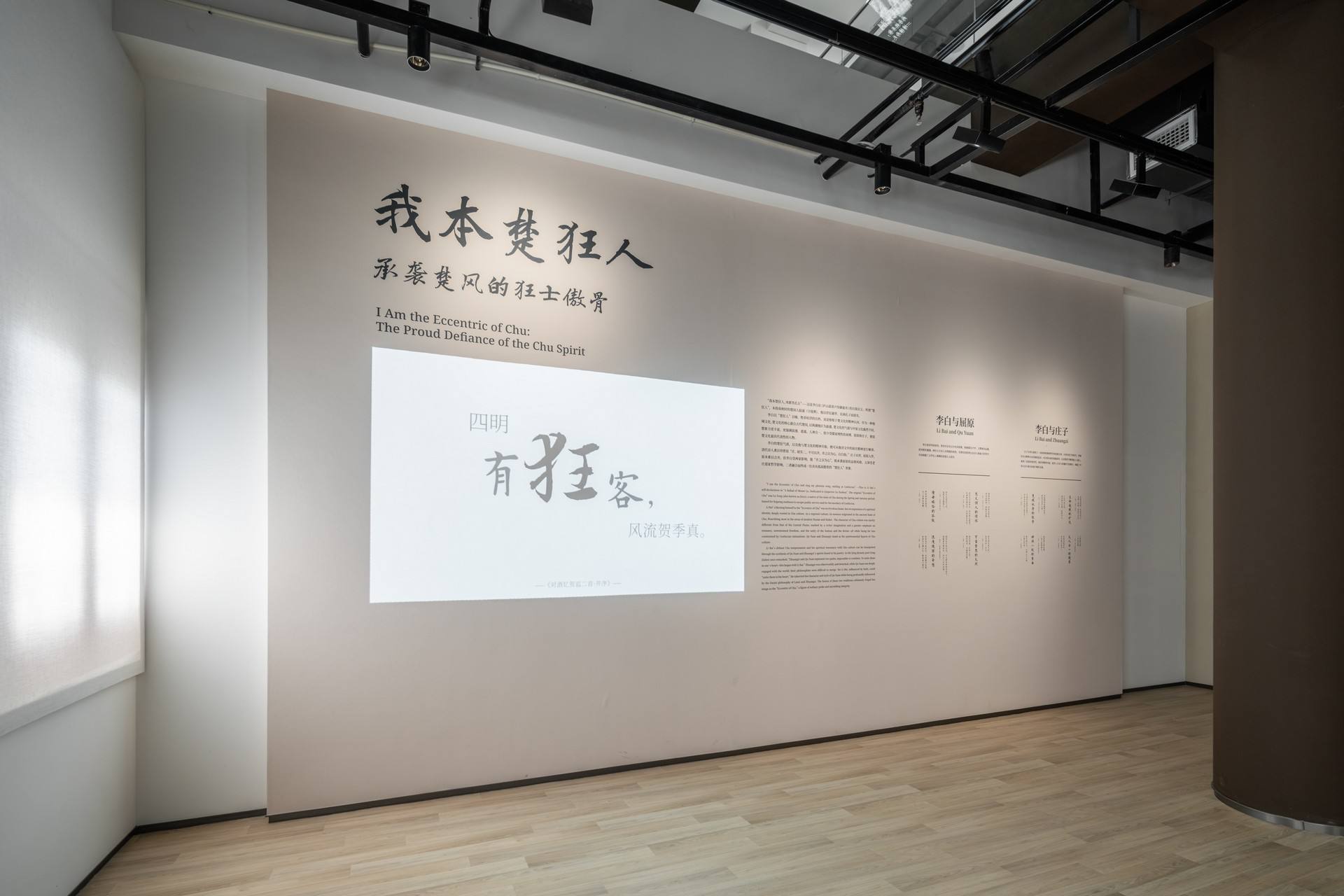
Li Bai’s “madness” was the loneliness of being cynical, the rebellion against aristocracy, and the transcendence of life, resonating across time with Zhuangzi and Qu Yuan.
3F: The Legacy and Innovation of Li Bai’s Culture
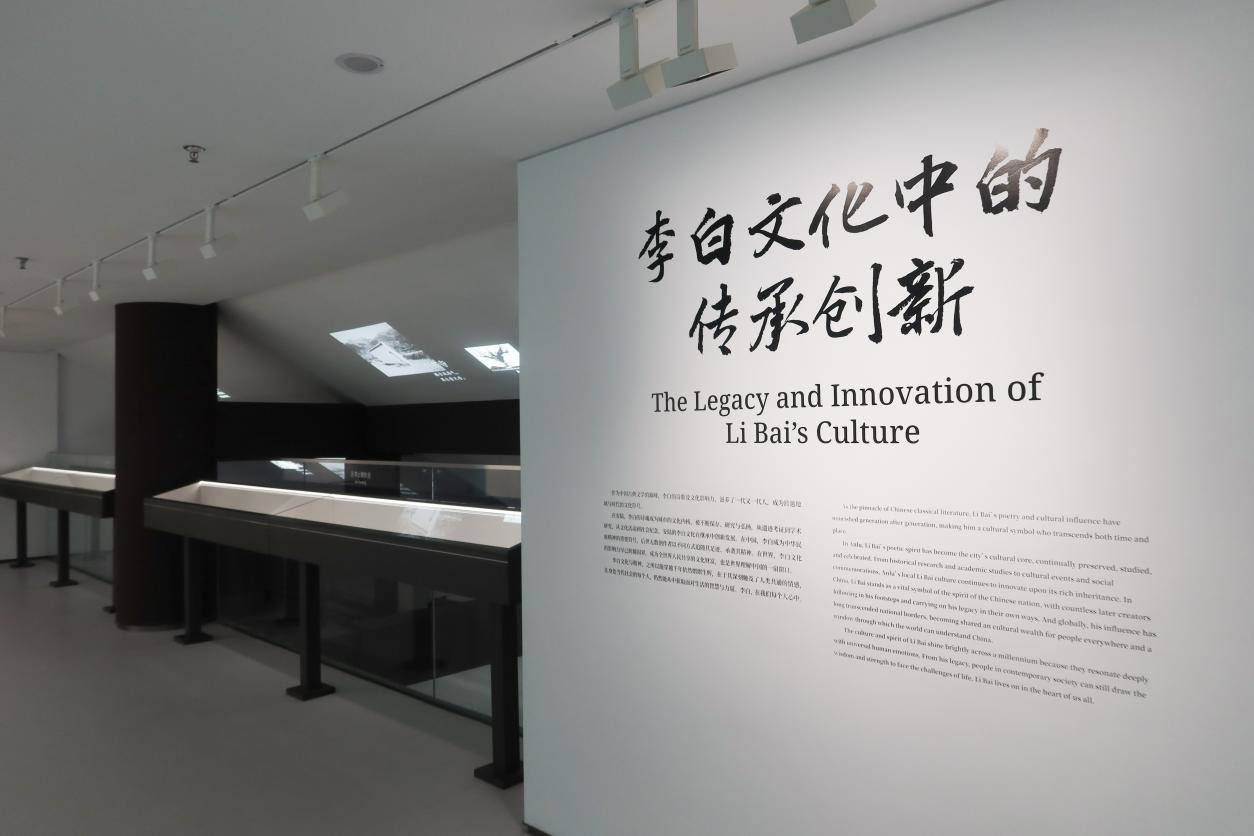
From Anlu to China, and from China to the world, this floor tells the story of the subsequent influence and inheritance of Li Bai’s culture. Meanwhile, it provides an interactive stage for the audience to recite the Li Bai in their hearts.
Li Bai in My Heart
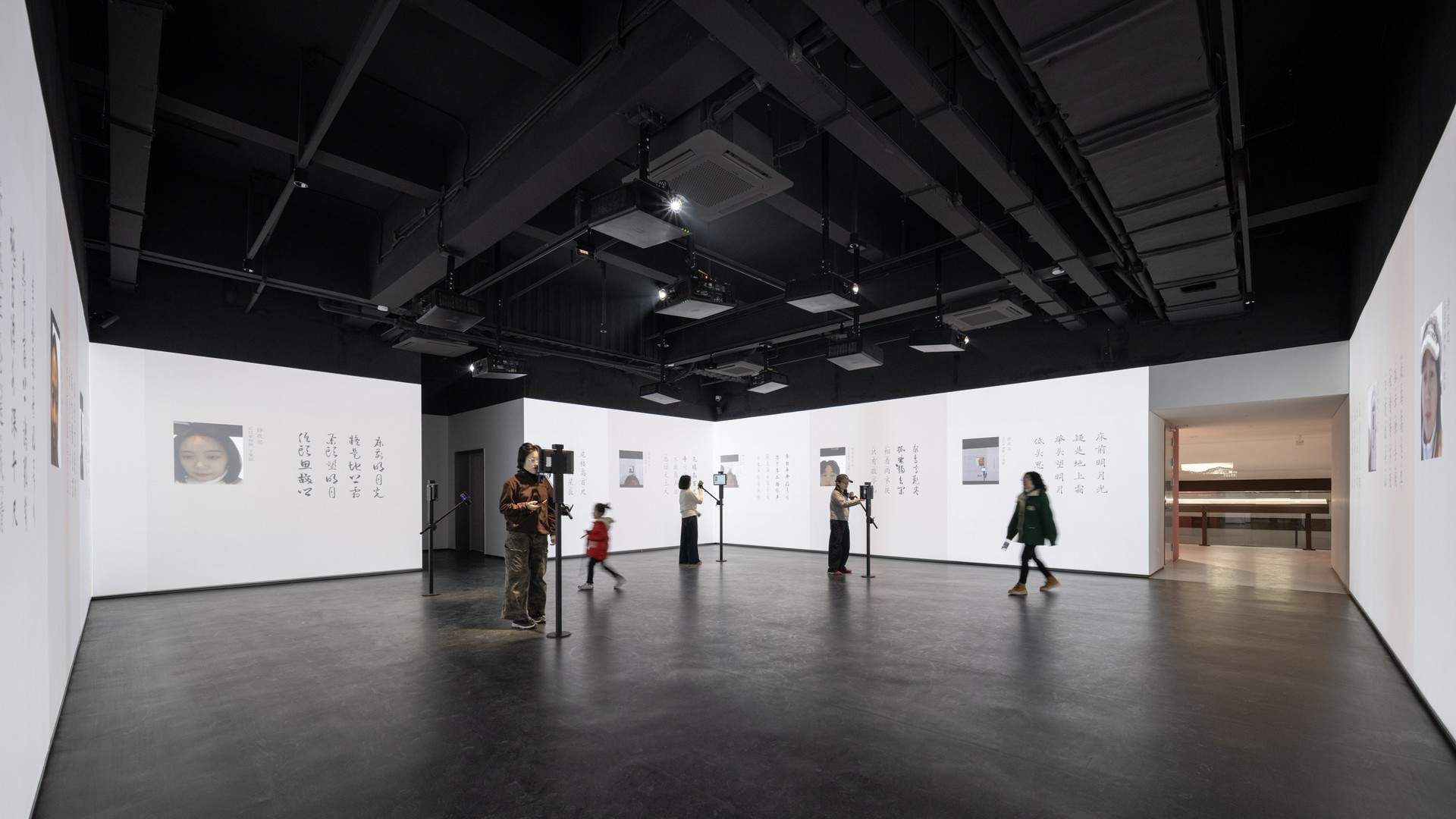
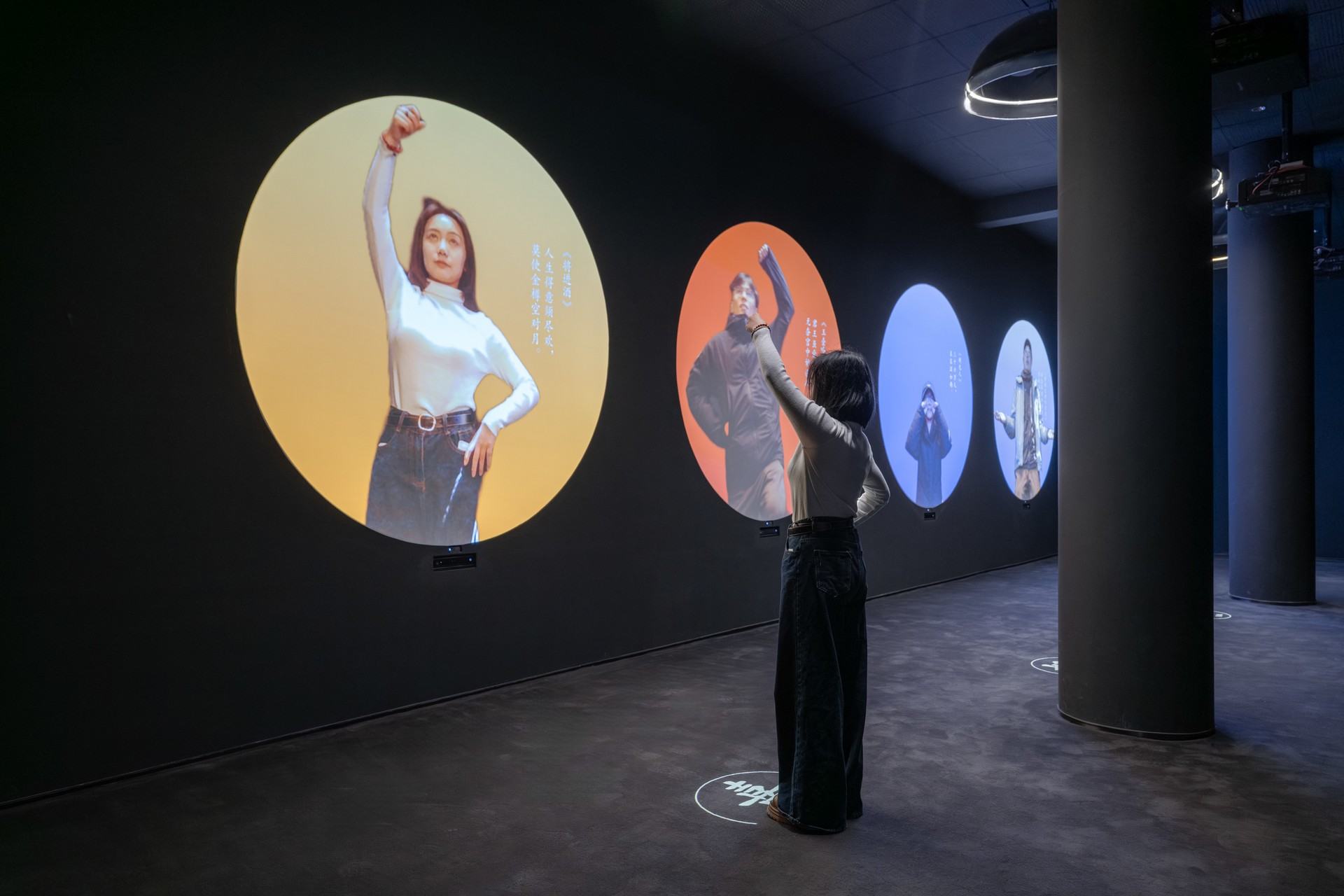
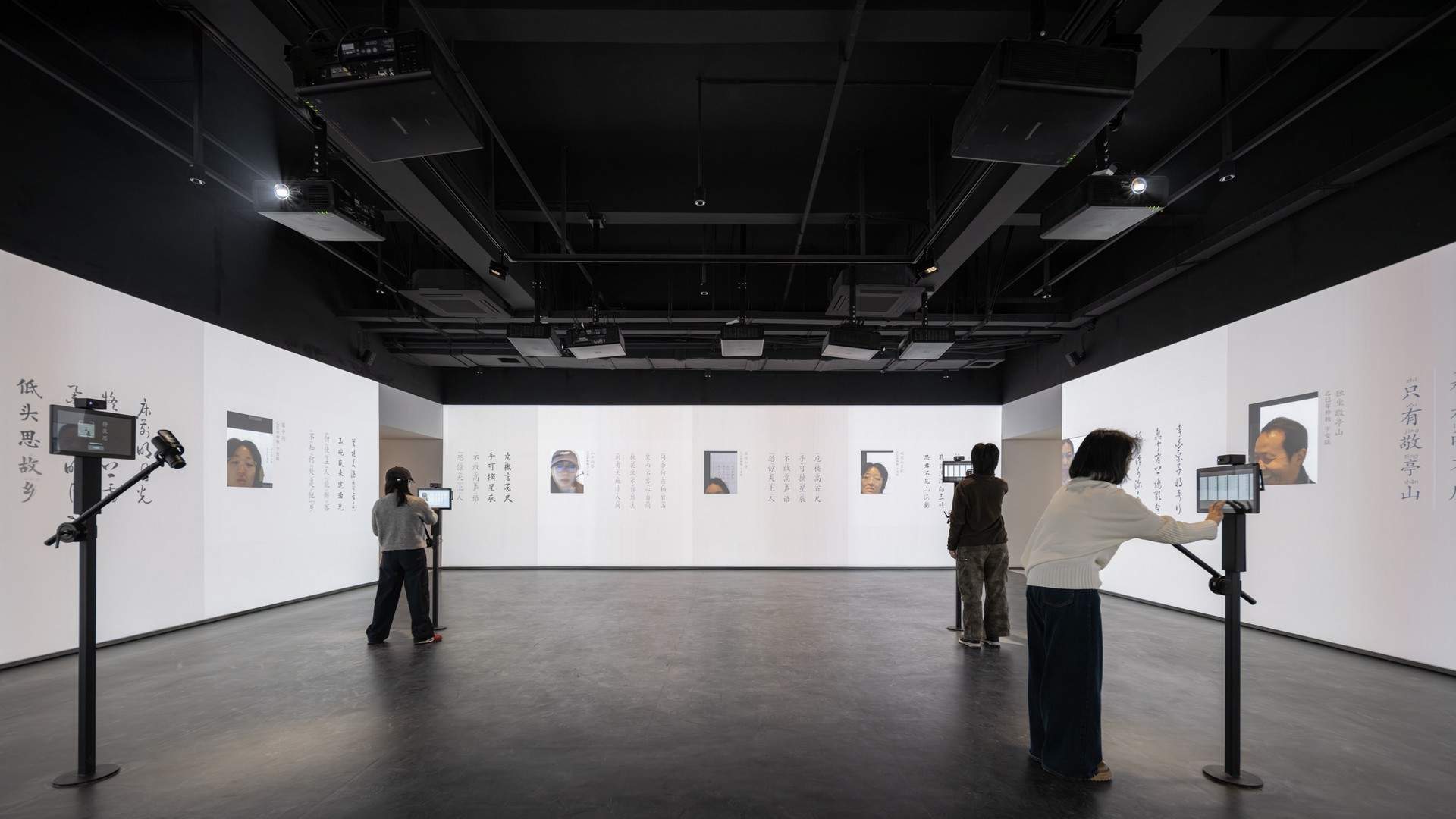
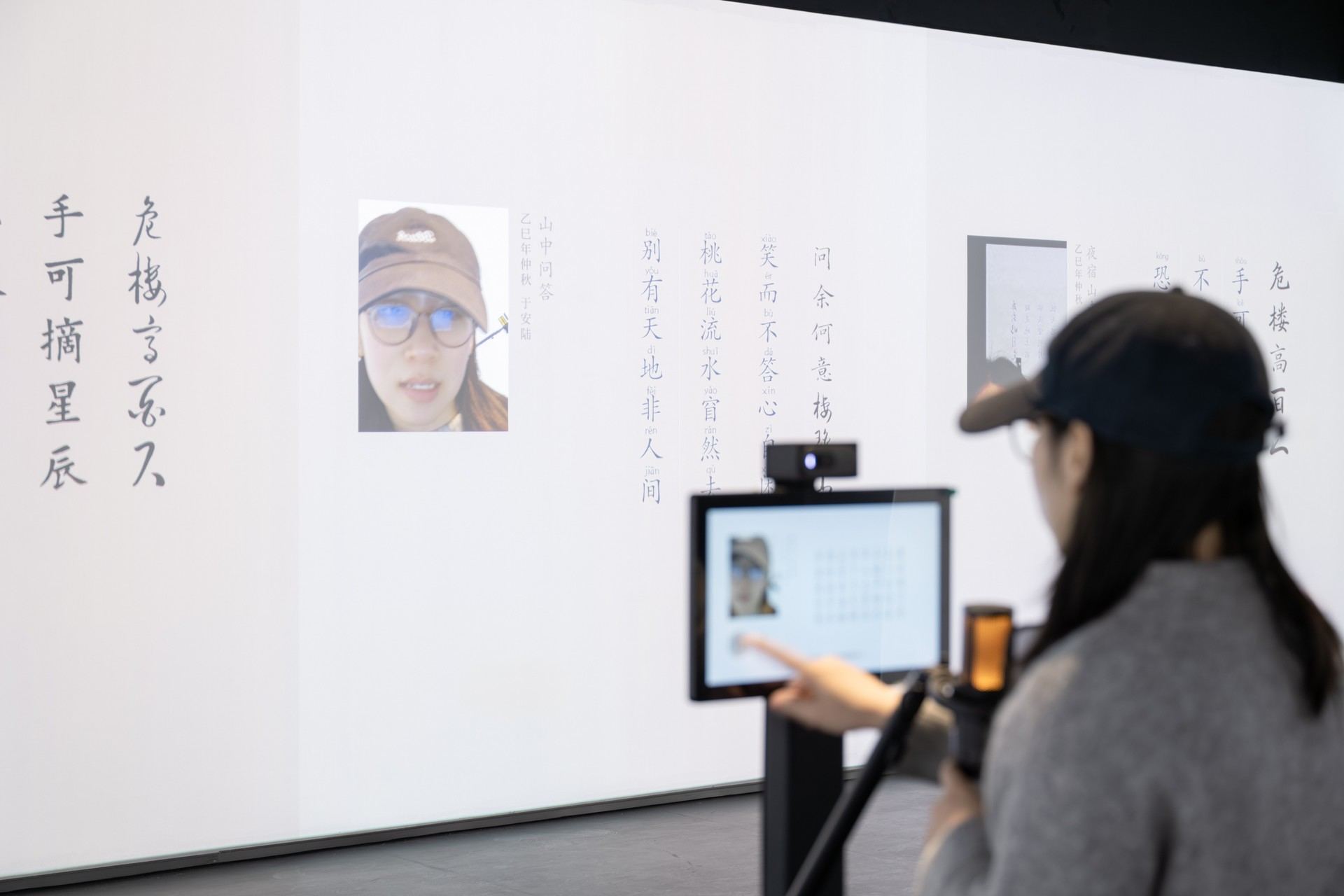
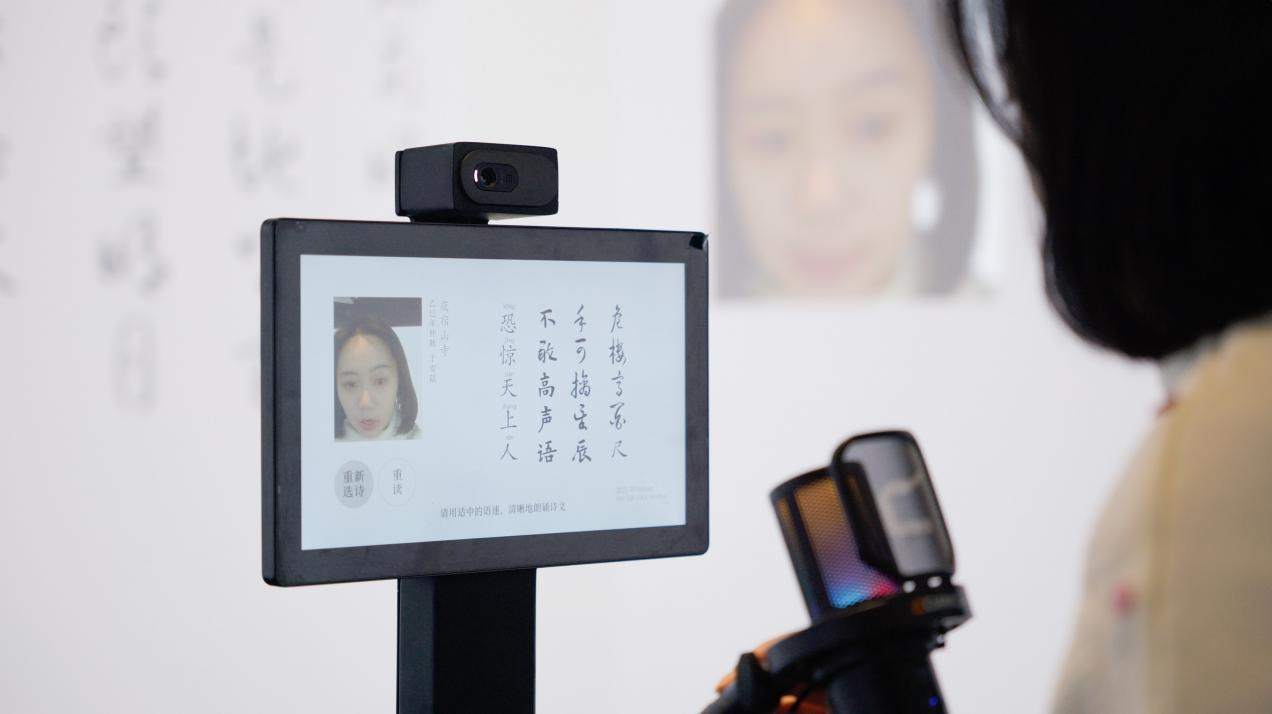
The core experience on the third floor is an interactive poetry recitation stage utilizing AI technology. Visitors are invited to loudly recite Li Bai’s poems and essays, which collectively form a large wall of poetry.
Through AI technology, different tones of the audience’s recitation can be identified and converted into various fonts, allowing the poetic spirit of the Exiled Immortal to gain new life through their voices.
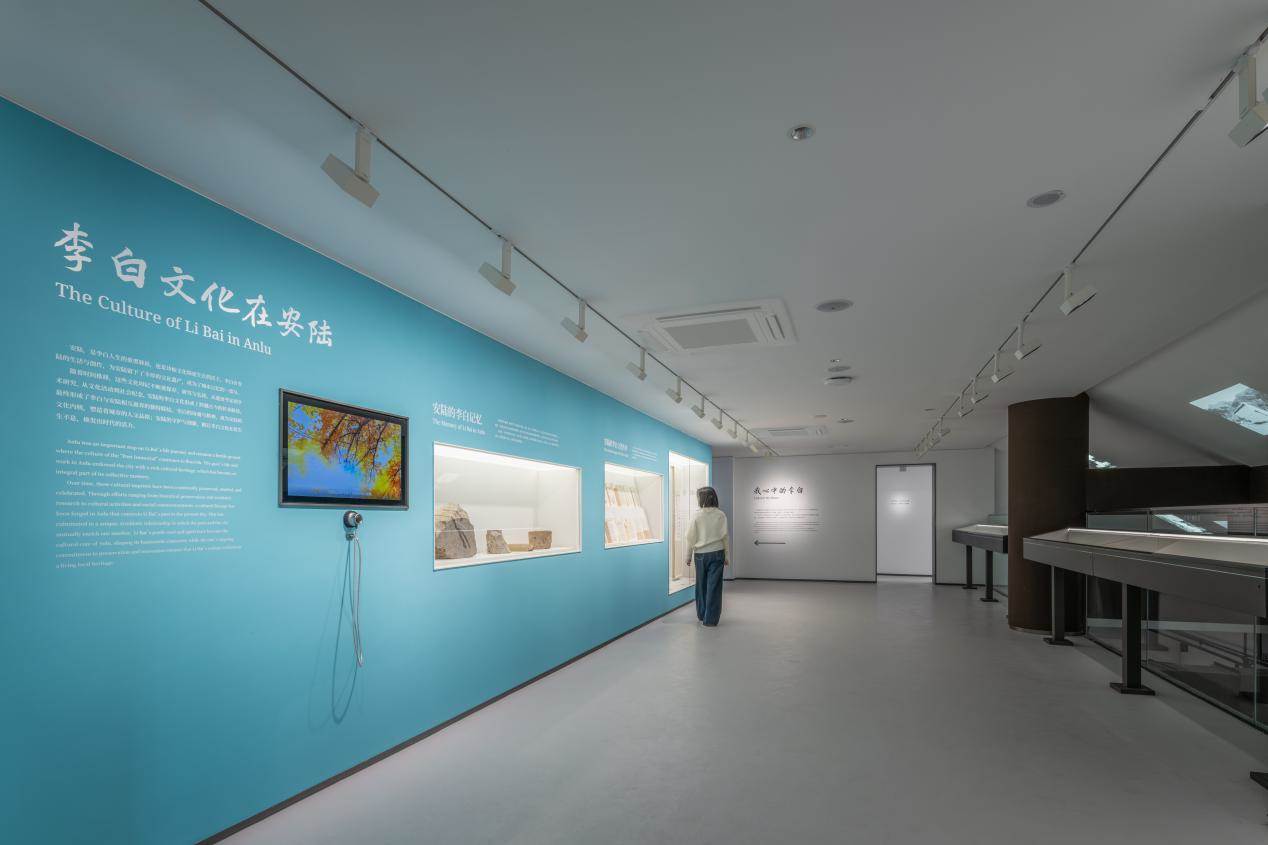
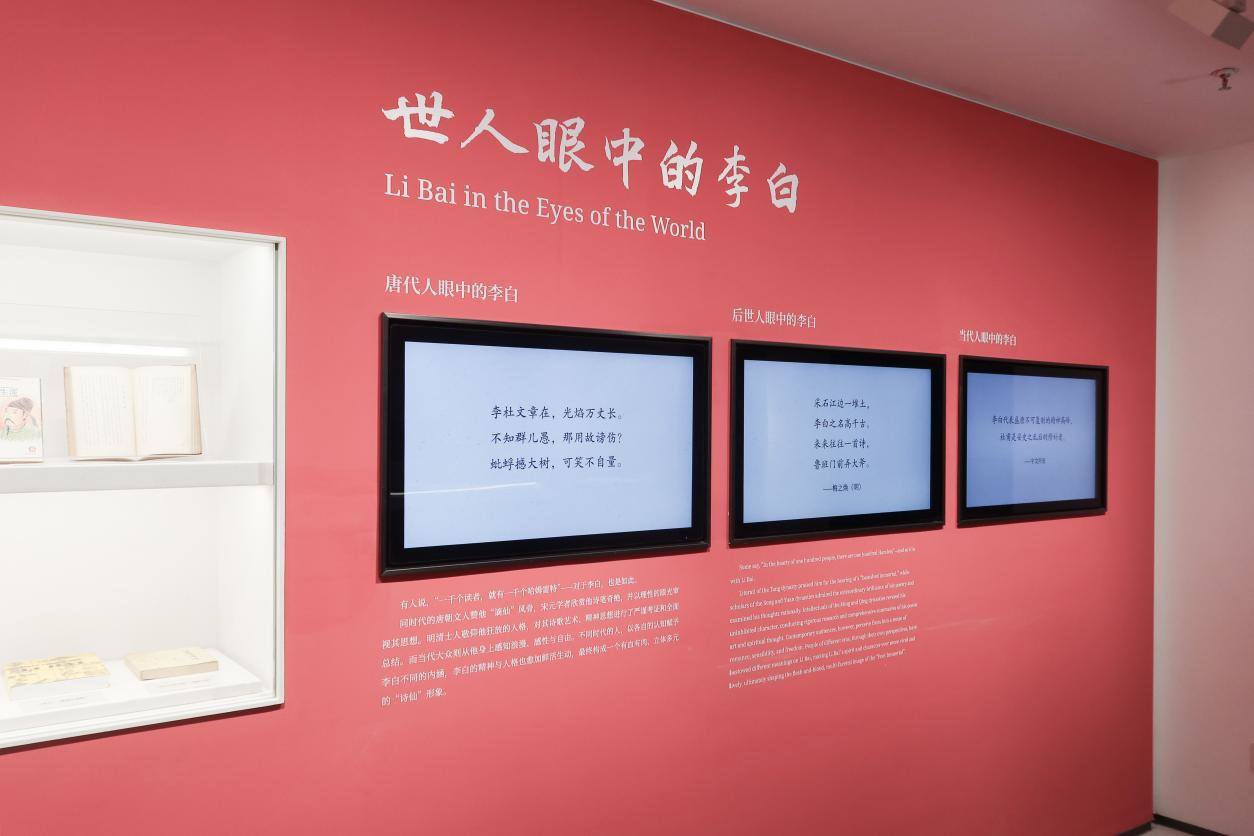
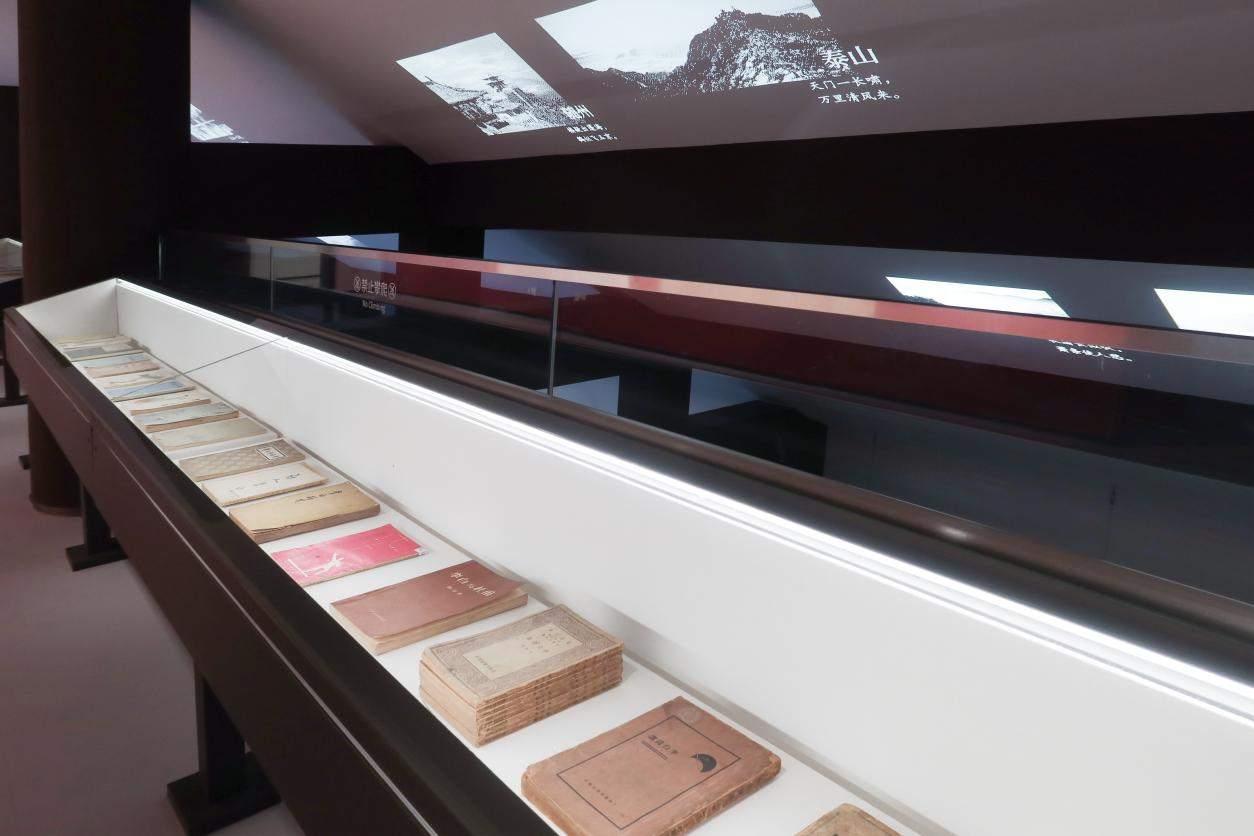
Li Bai’s Culture in Anlu, China, and the World
Li Bai has become a cultural symbol transcending regions and eras. This section introduces the inheritance and innovation of Li Bai’s culture from three perspectives.
Conclusion
From the “Zhang Zhidong and Wuhan Museum” to the “Anlu Li Bai Memorial Museum,” the Diameter Narrative Design team has completed two exhibition hall projects themed on historical figures. The two projects share many similarities: the figures enjoy high national popularity, the focus is on the connection between historical figures and the local city, and both lack collected cultural relics and in-house research capabilities. It is no exaggeration to say that this is the common status of many historical figure exhibition halls in cultural tourism scenic spots today.
Through the practice of these two works, the Diameter Narrative Design team has indeed accumulated certain creative experience to address such projects according to local conditions. After the completion of the Zhang Zhidong and Wuhan Museum, it has received many favorable reviews from the audience. We are also confident that the Anlu Li Bai Memorial Museum will be loved by everyone. Meanwhile, we hope our experience can help more historical figure-themed exhibition halls and jointly explore a more mature curatorial and creative path.
本文内容由 直径叙事设计 提供或来源于其官方媒体渠道,由 WeHow 整理编辑。图片、视频及相关设计作品的版权归原作者/设计方所有。未经 WeHow 及版权方书面许可,禁止以 WeHow 编辑版本进行任何形式的转载或商业使用。