非常感谢 MOC DESIGN 分享内容给 WeHow。
Thanks to MOC DESIGN for sharing with WeHow.
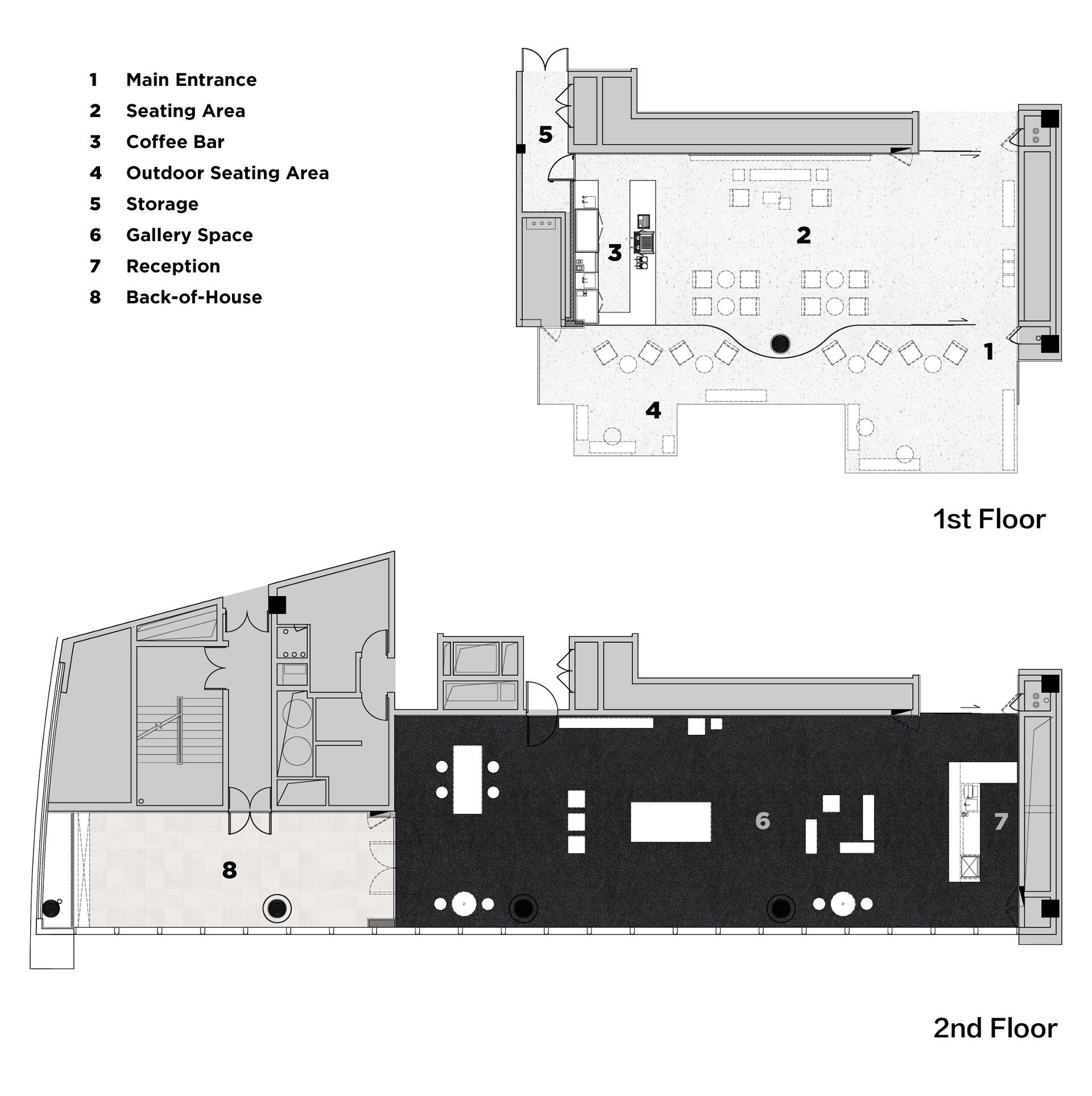
KALI HOUSE is a mixed-use space that combines a café and gallery. Using glass as the project’s primary material, MOC merges the two functions into a continuous and open transparent environment.
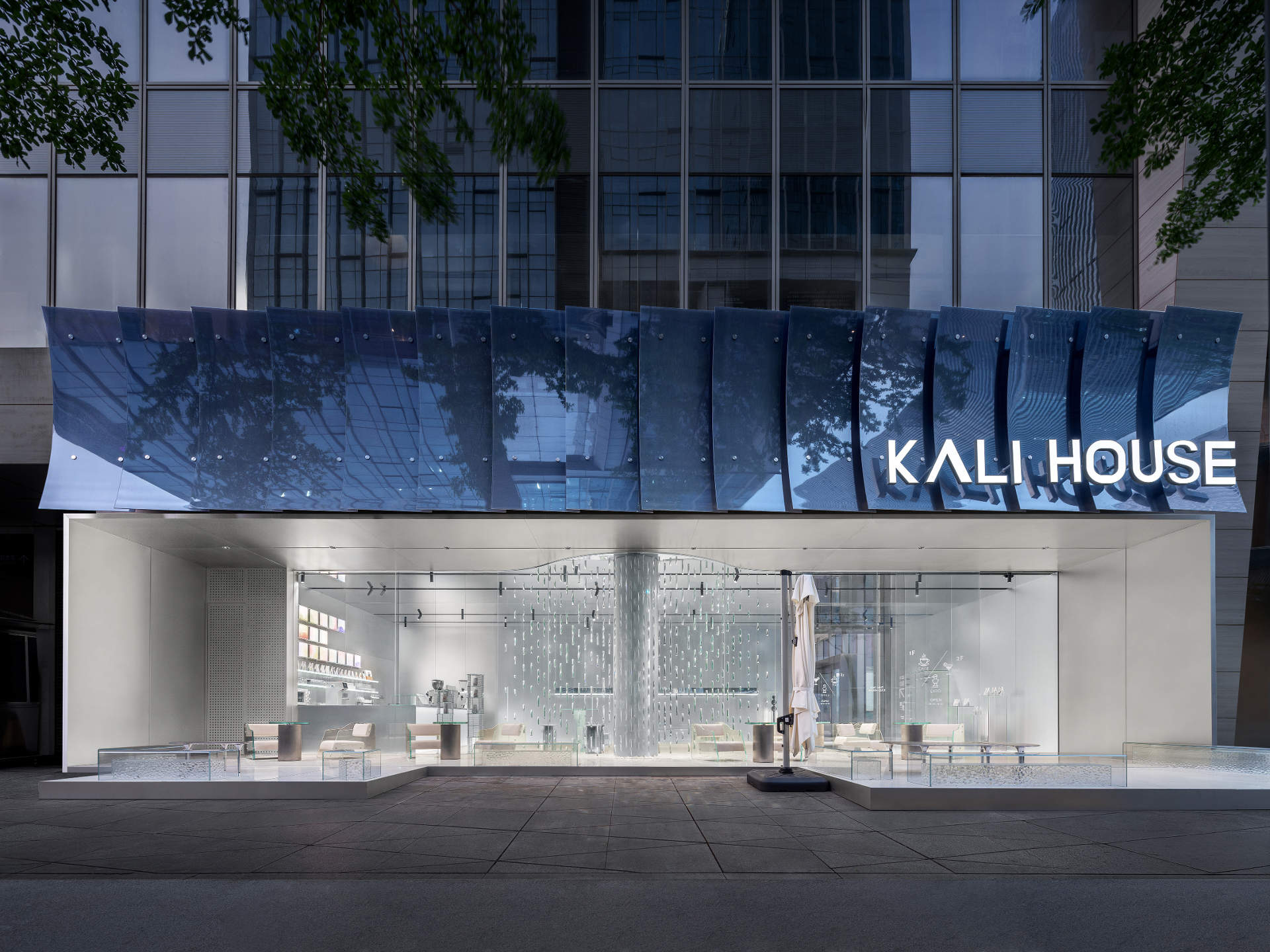
Rather than emphasizing visual branding or decorative expression, the design transforms glass from a transparent material into a spatial medium that orchestrates light, reflection and perception, creating an experience that changes throughout the day.
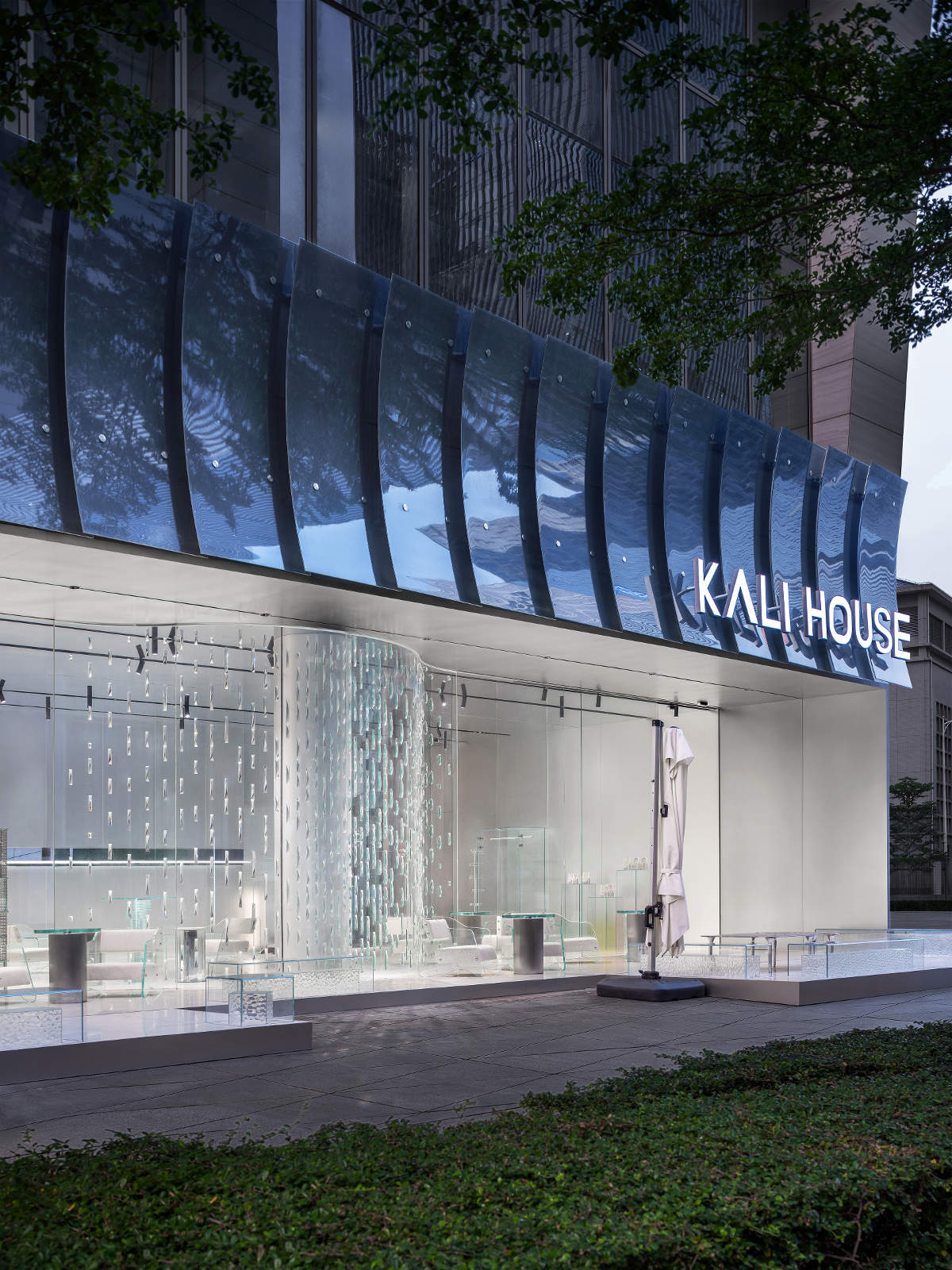
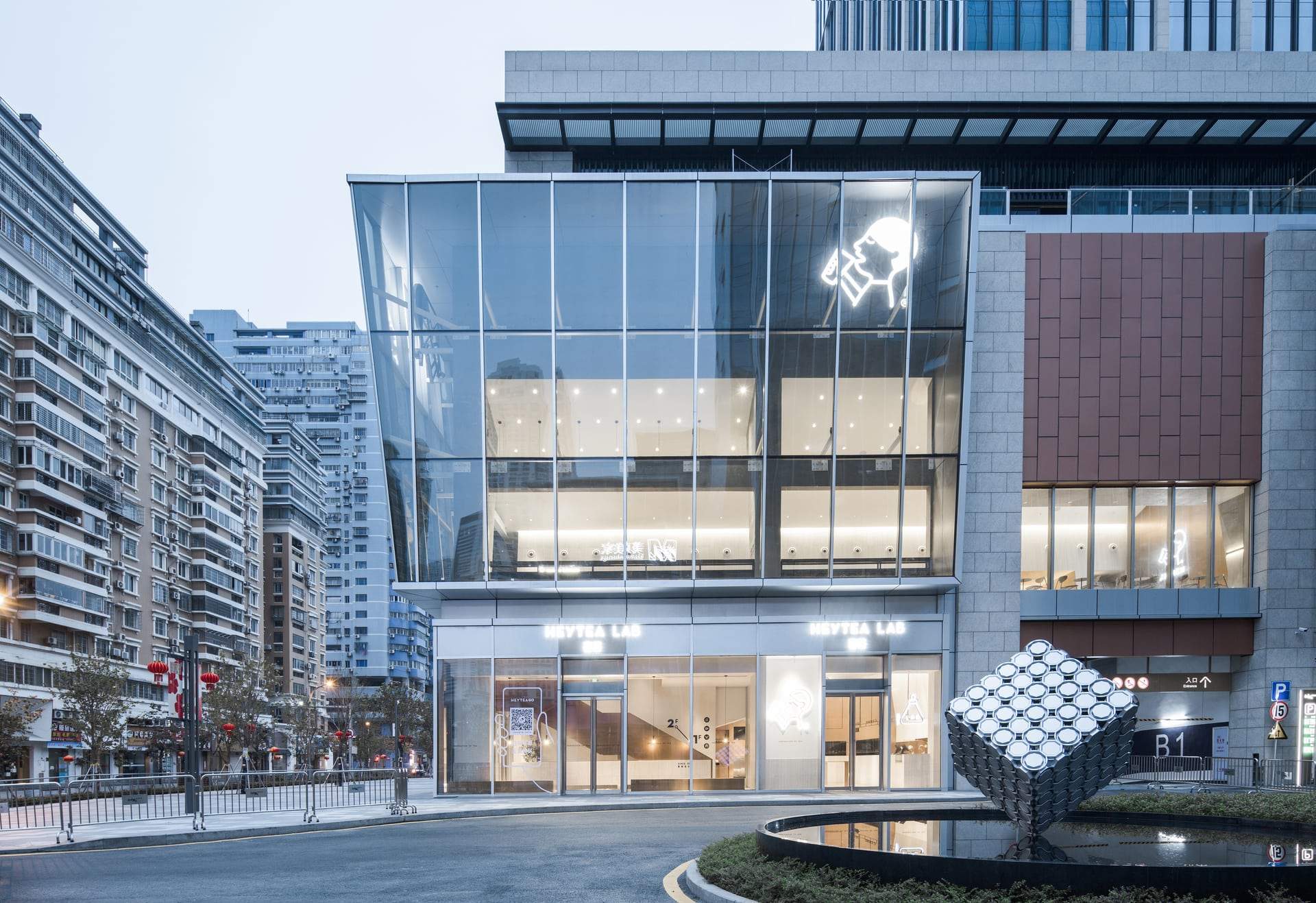
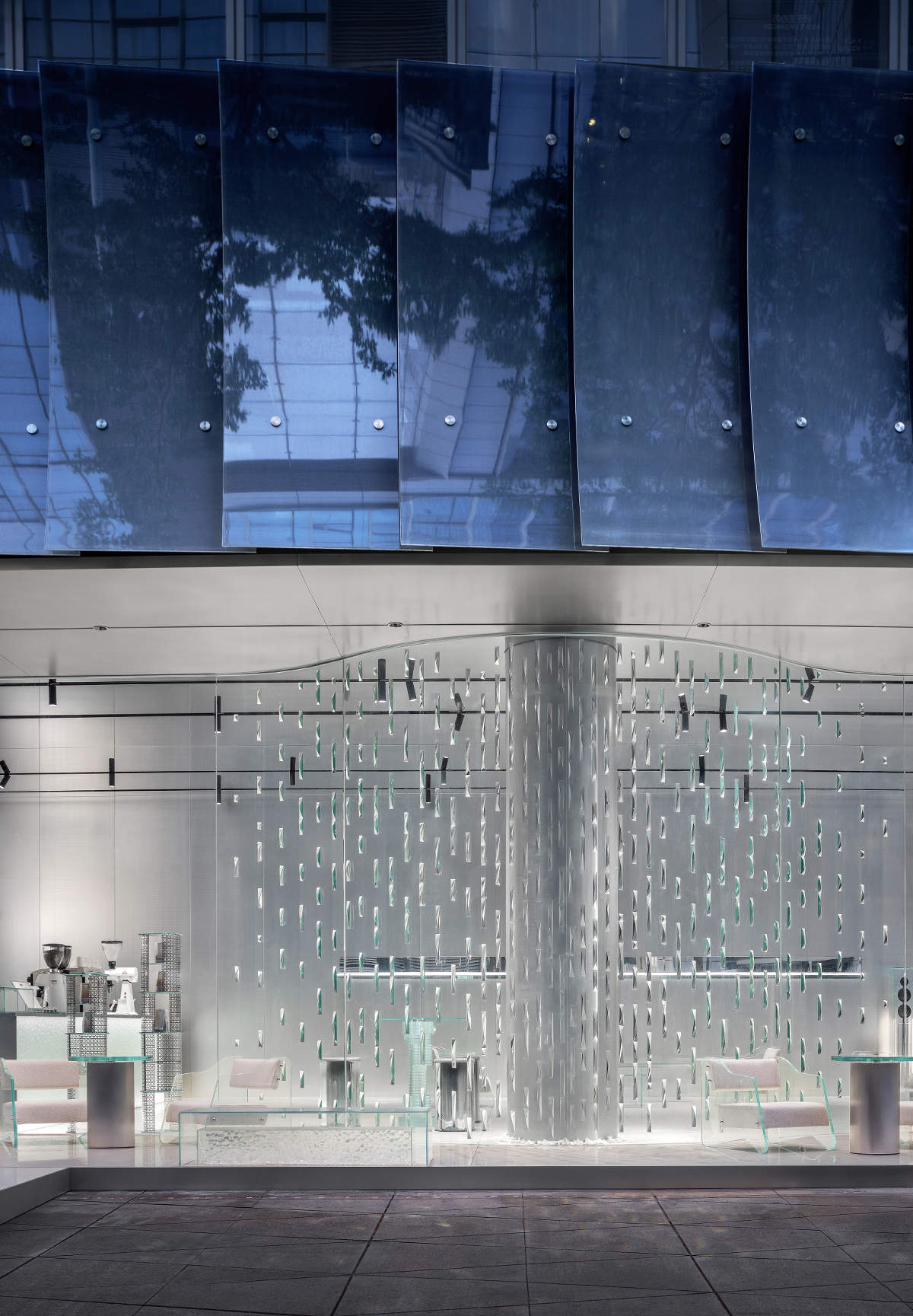
Located on a prominent urban corner, the project features a façade composed of custom curved wired-glass panels embedded with metal mesh. The overlapping curved surfaces create a lightweight and seemingly floating architectural expression. Together, the layered glass canopy and fully glazed façade capture fragmented reflections of the surrounding city and trees. As light conditions, weather, and viewing angles change, the building continually shifts between visibility and disappearance.
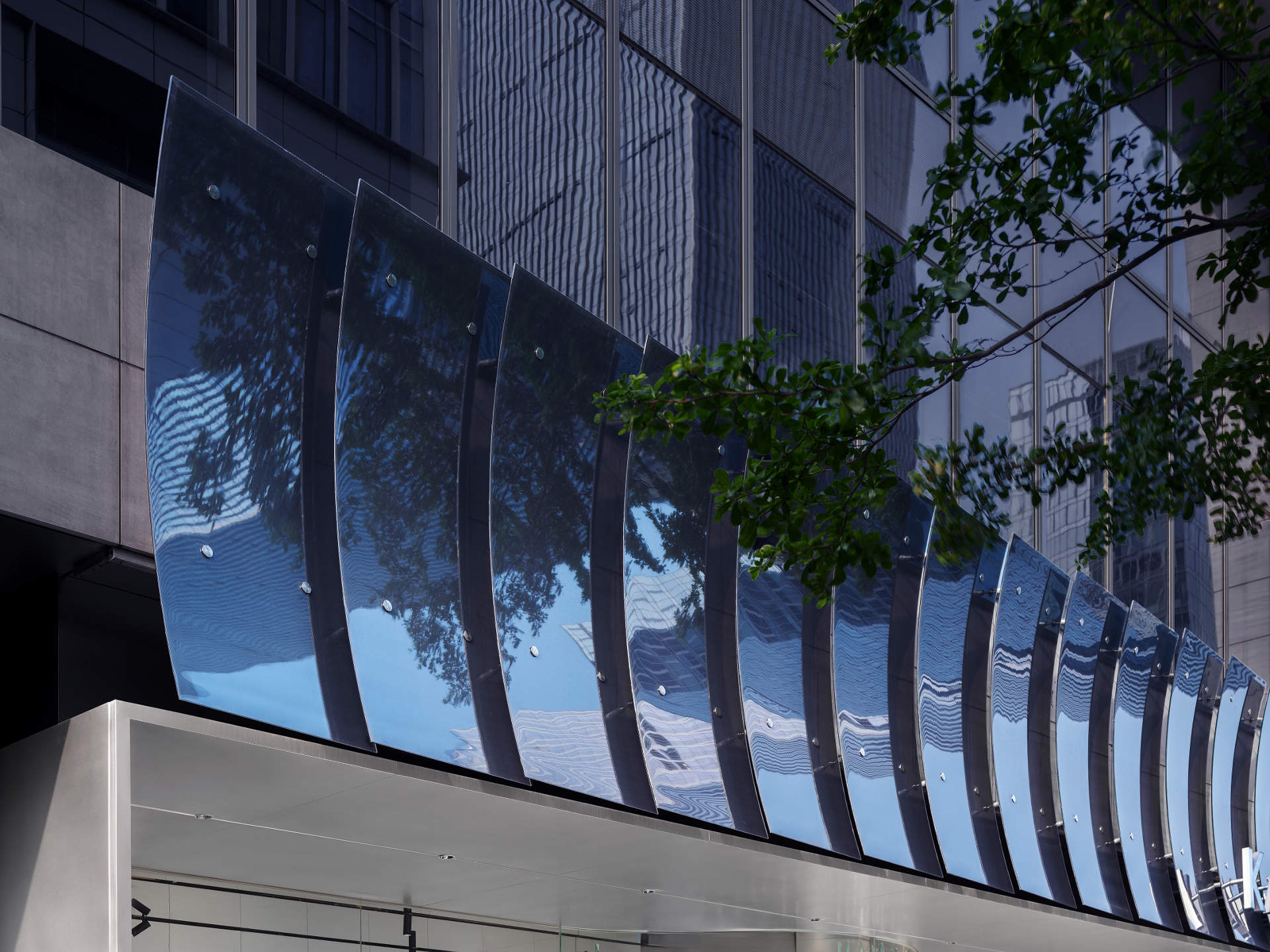
During the day, the glass reflects nearby trees and urban scenery, allowing the architecture to visually dissolve into its surroundings. At night, light from within radiates through the façade, transforming the space into a transparent showcase open to the city.
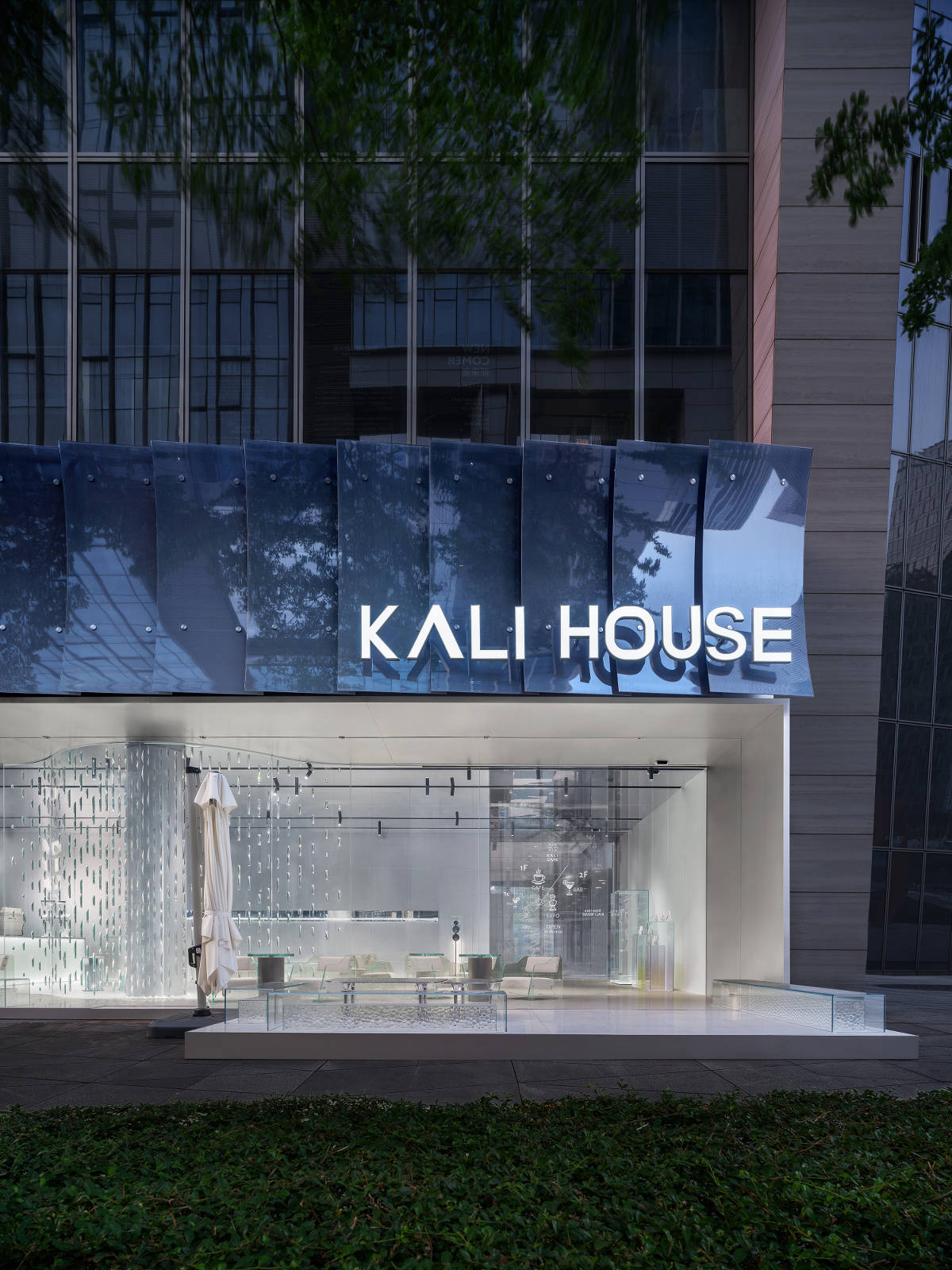
01. Frozen Rain Curtain
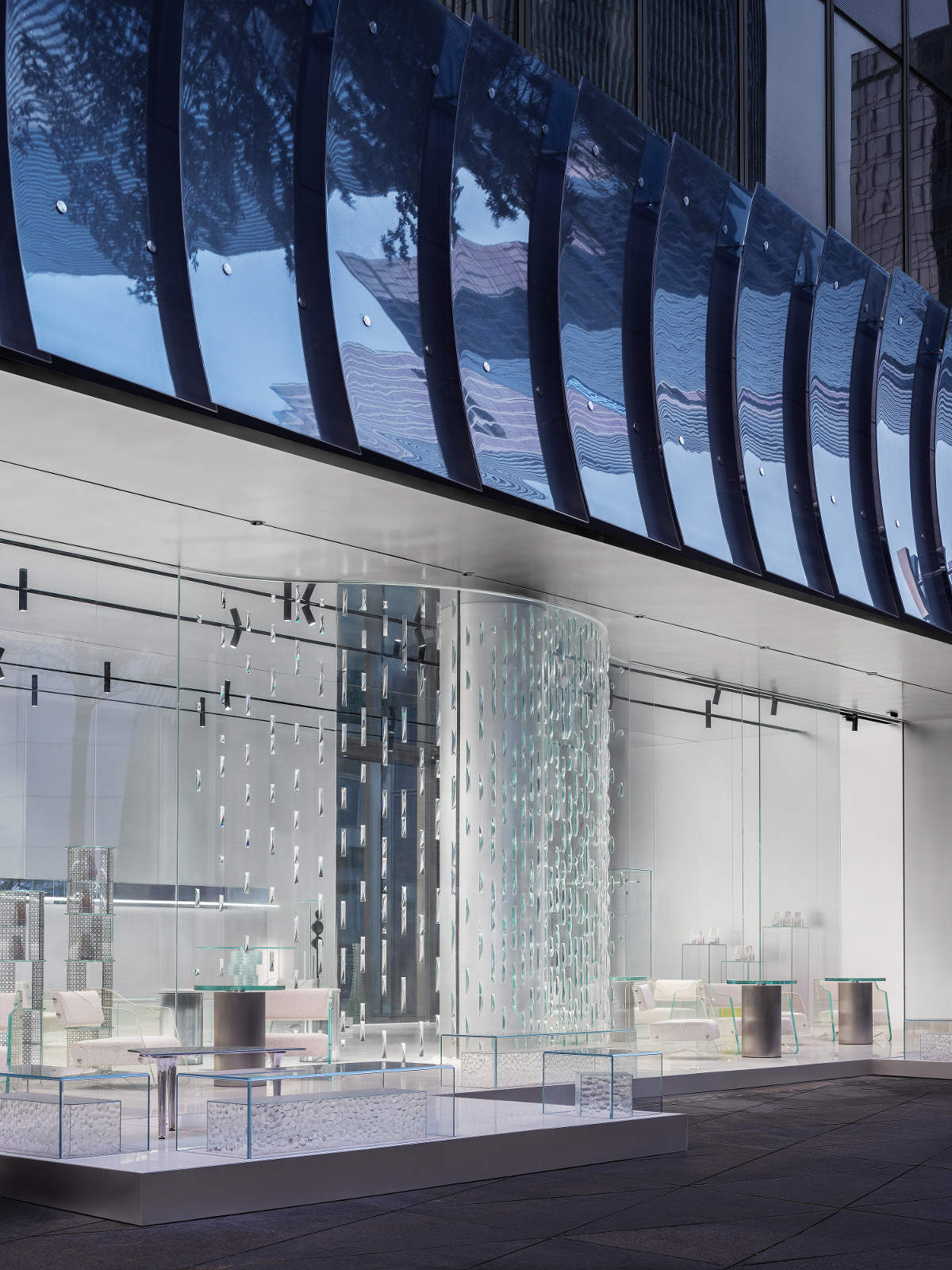
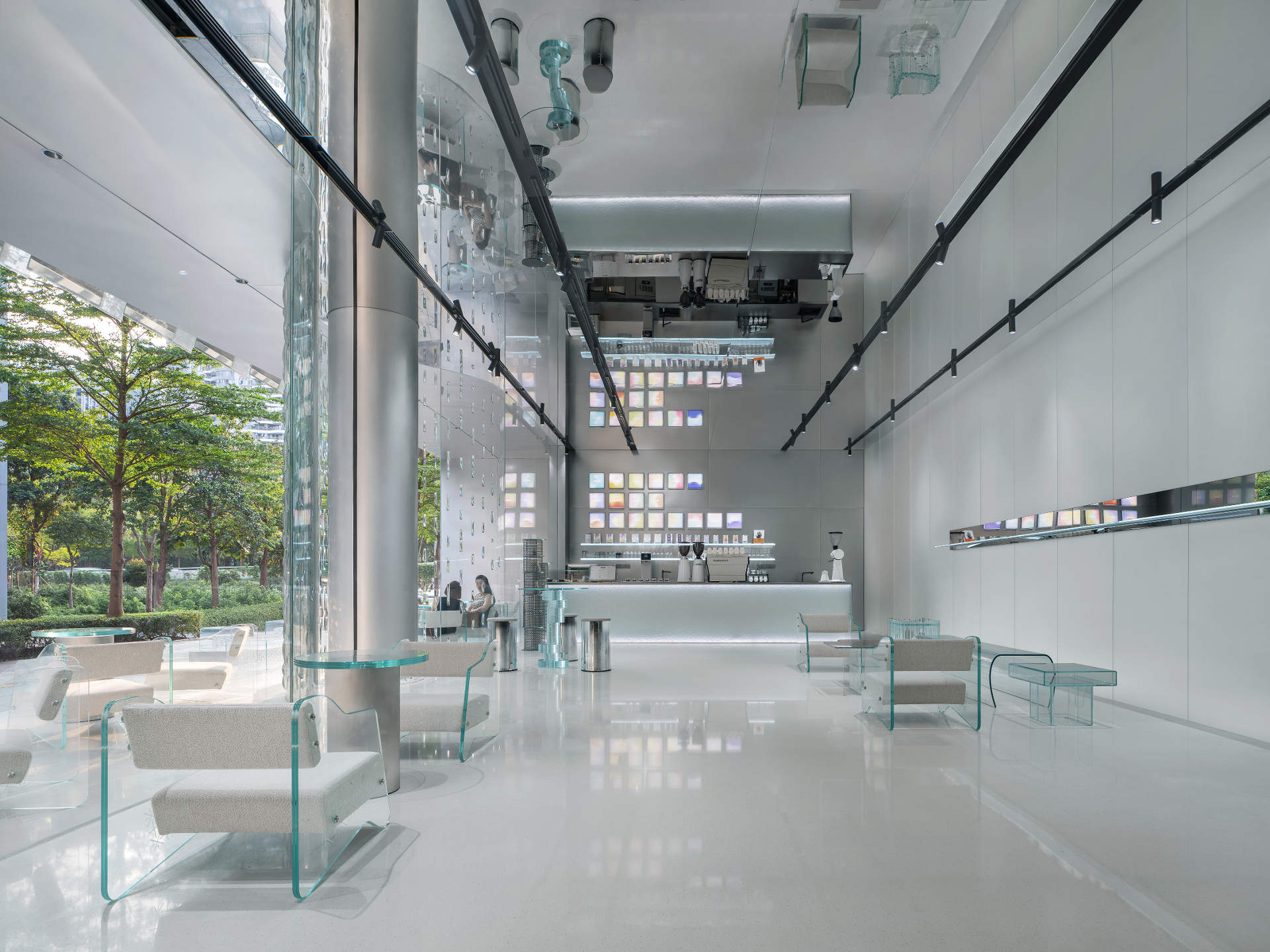
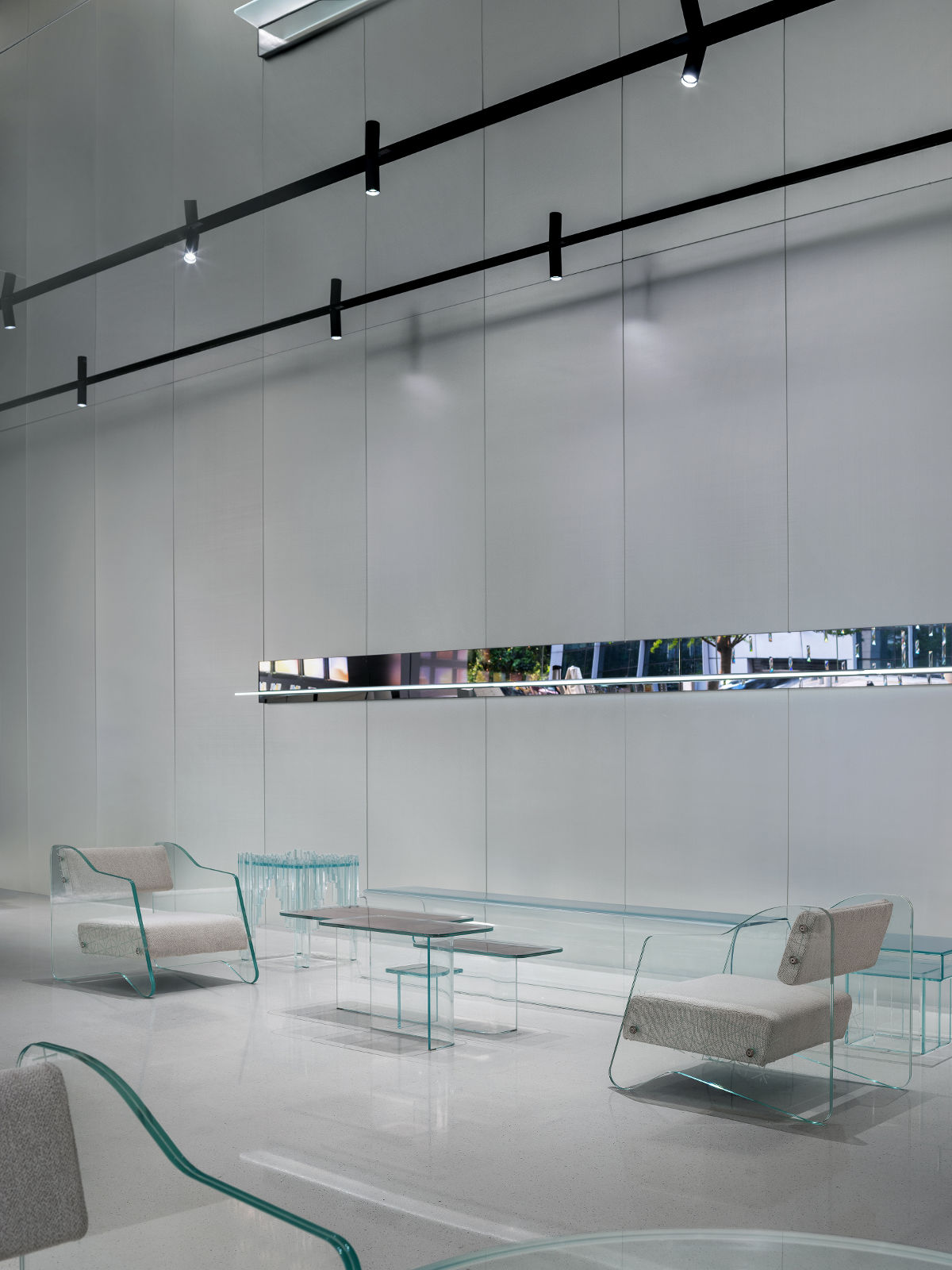
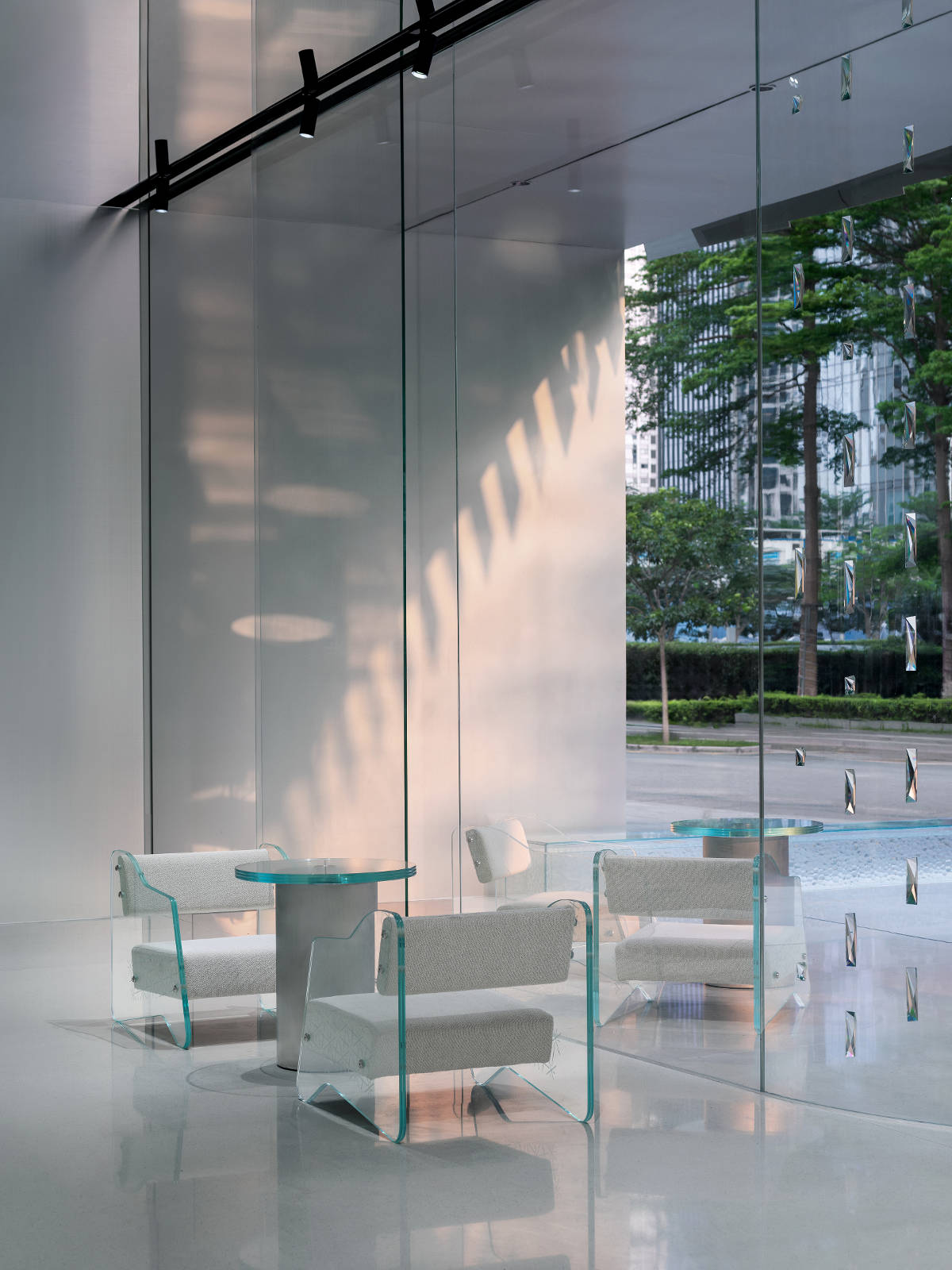
The ground-floor café was conceived as a transparent environment that challenges conventional notions of enclosure. Physical boundaries are deliberately reduced, allowing light and reflection to define the spatial experience.
Mirrored ceilings dissolve the perception of height, while glass furnishings and a restrained material palette contribute to an atmosphere of visual lightness.
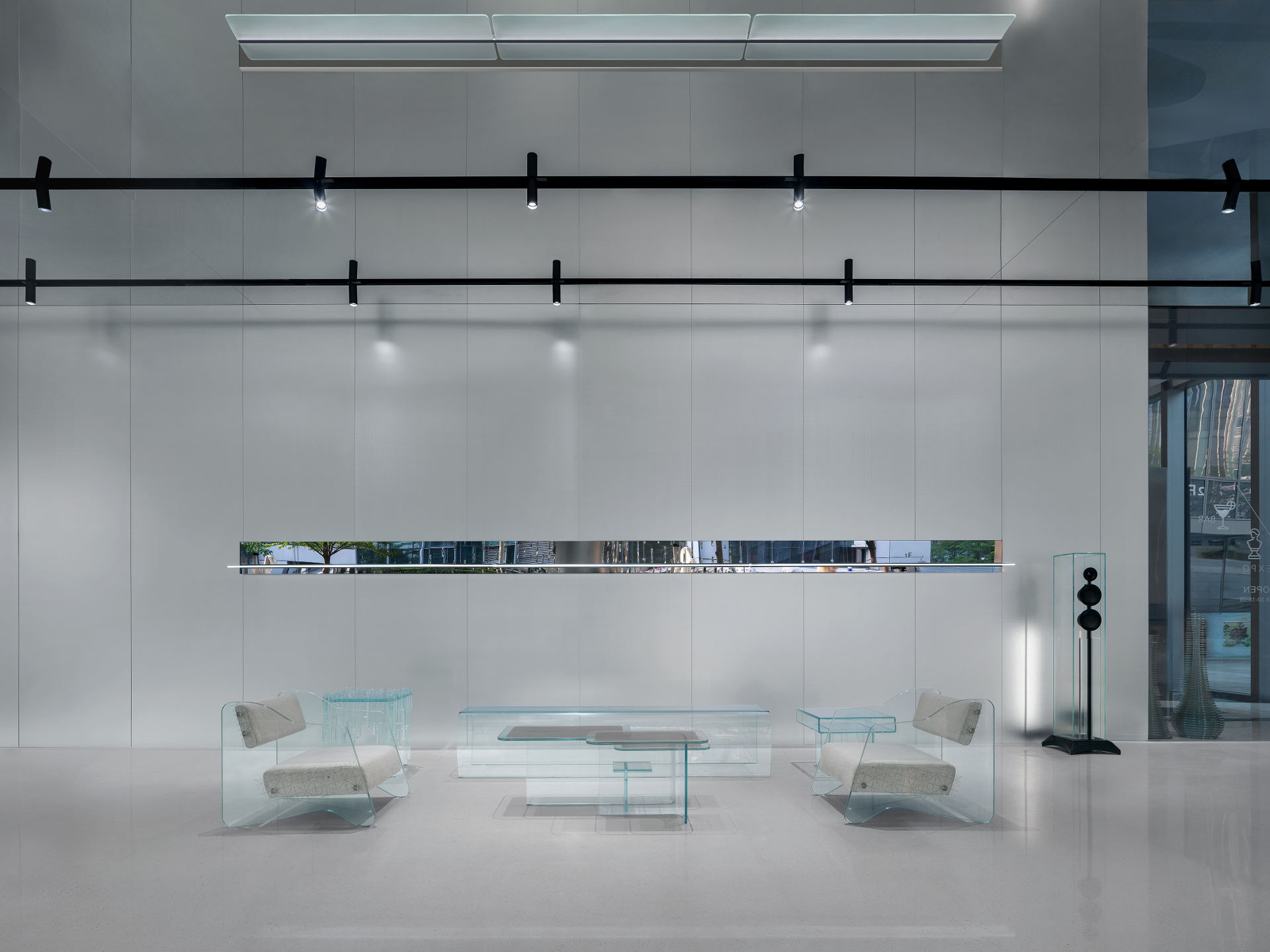
At the centre of the space, a curved glass installation operates as an optical instrument rather than a decorative feature. Composed of faceted glass cubes mounted onto curved glass panels, the installation transforms the interaction between light, material and perception into an active spatial experience.
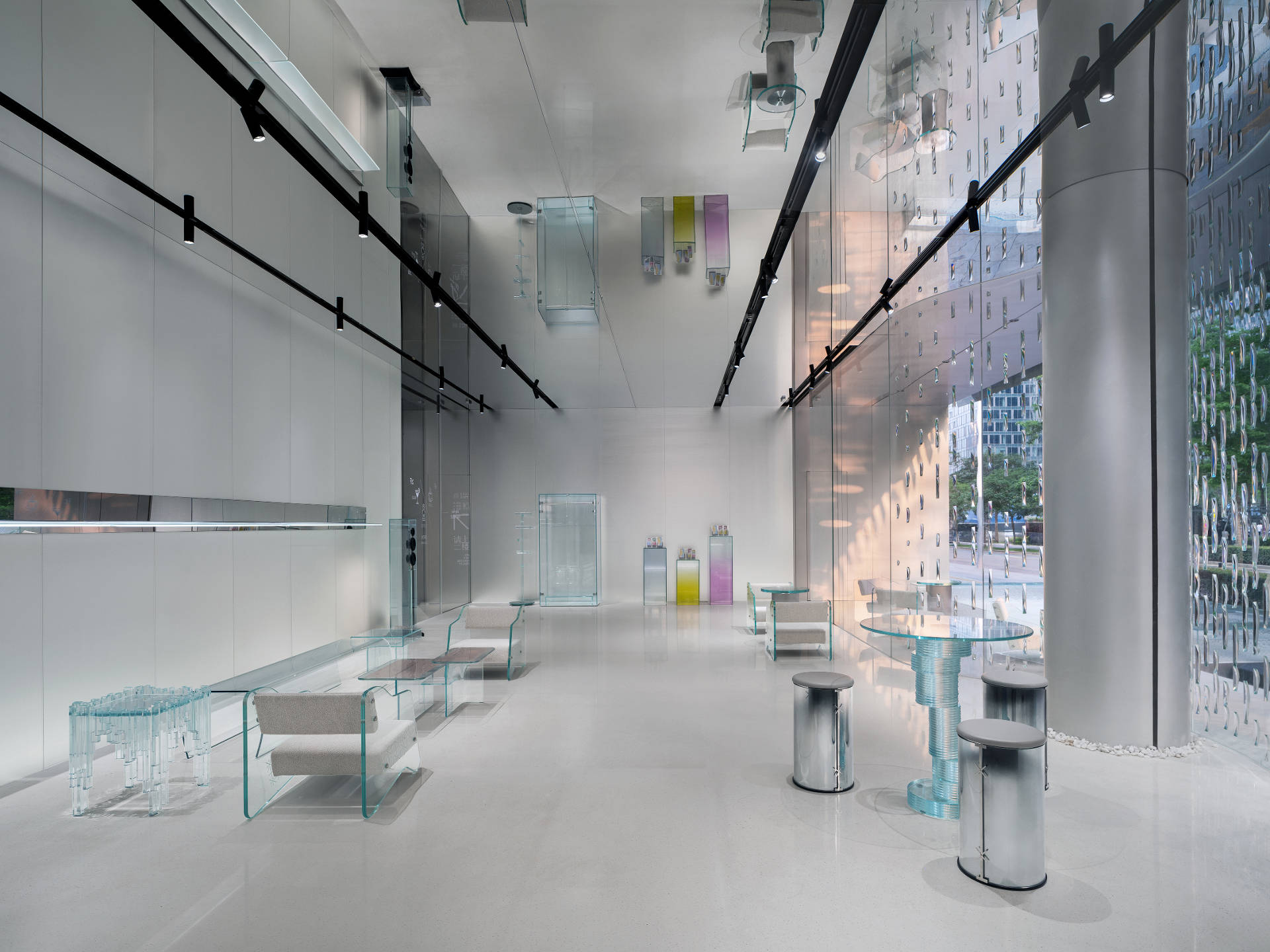
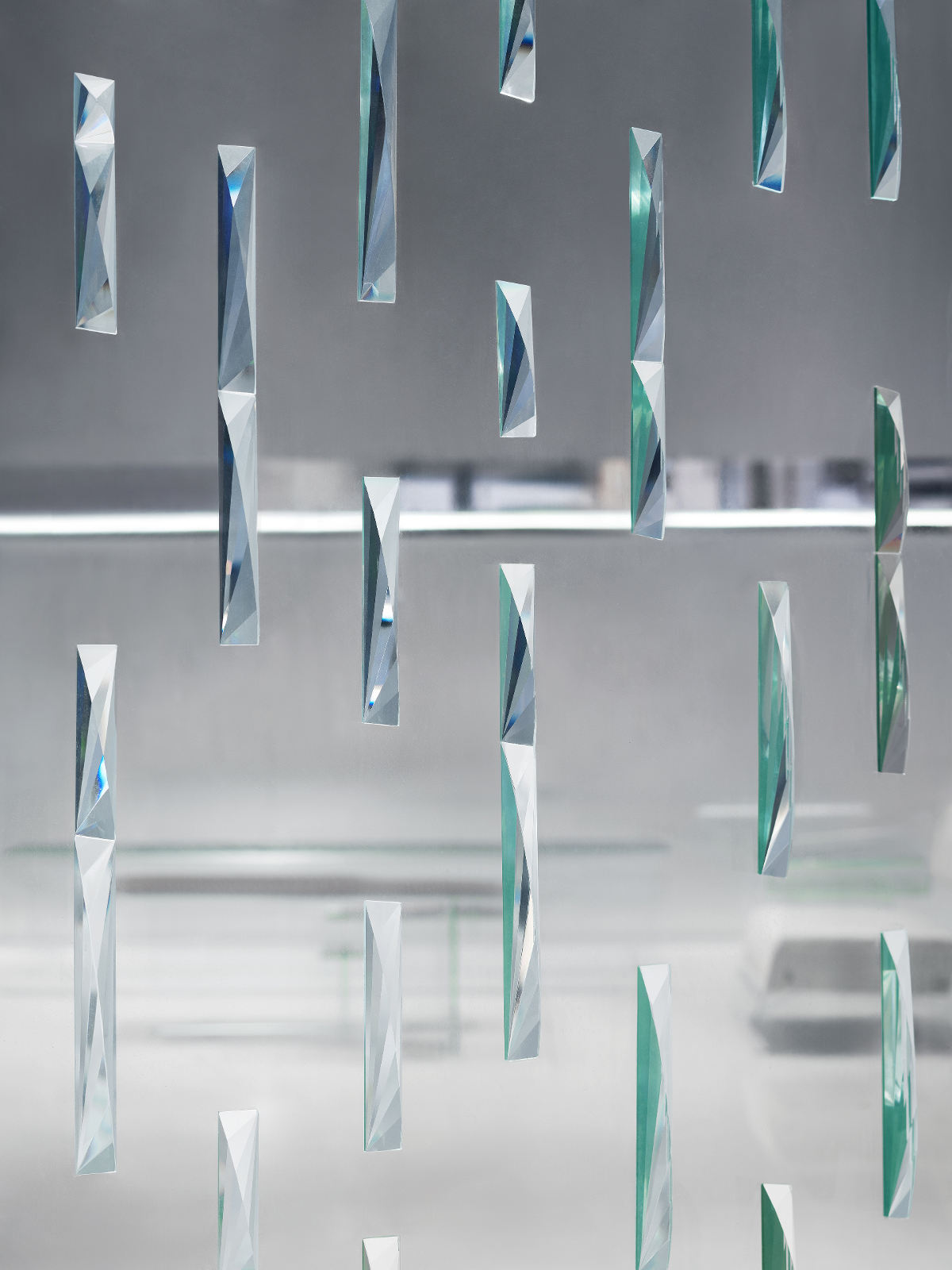
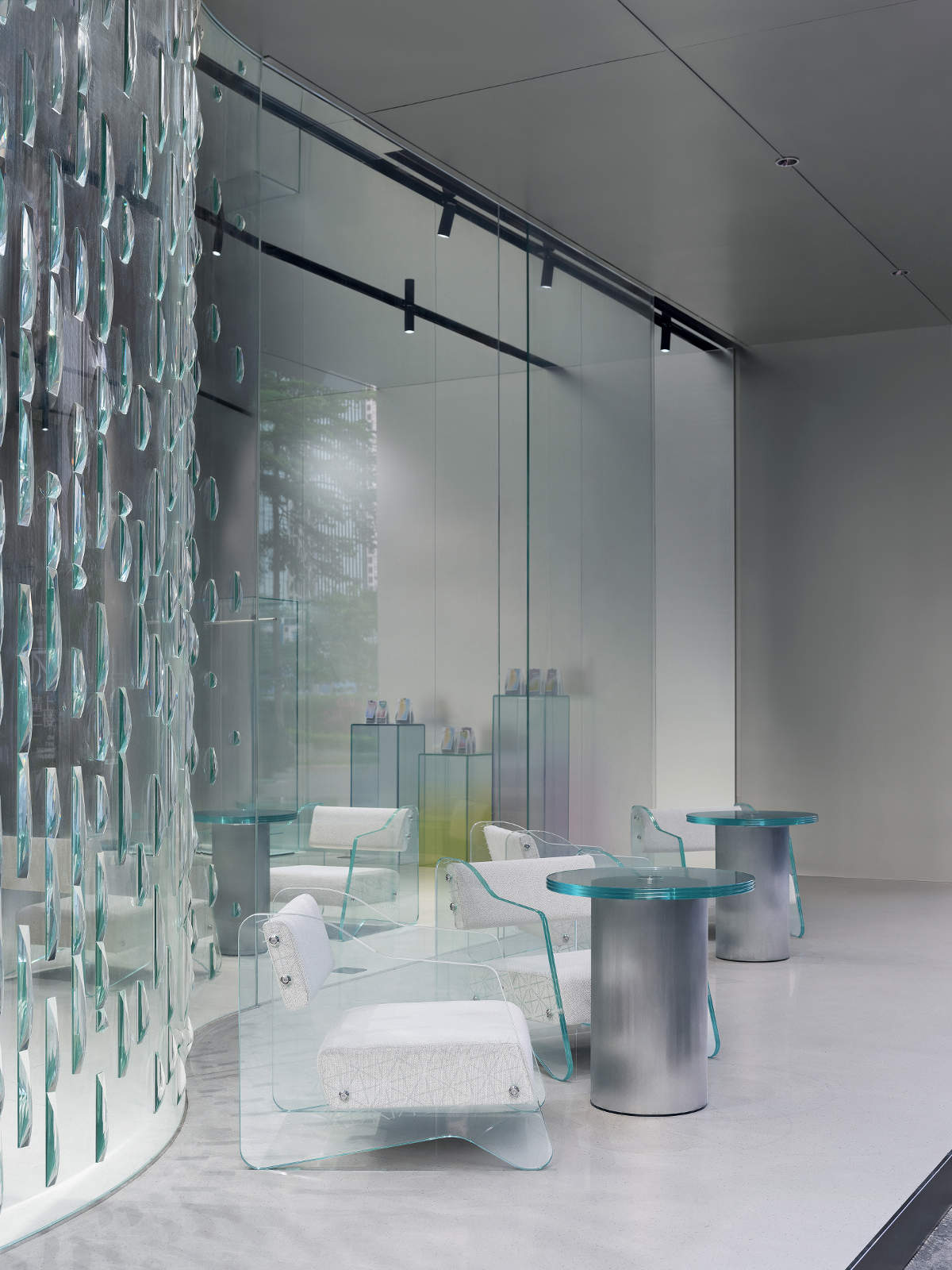
As time passes and visitors move through the space, light is continuously fragmented and recomposed, creating subtle yet dynamic visual layers. Like a curtain of rain suspended in time, the installation allows the space to hover between reality and illusion.
02. A Gallery of Light
In contrast to the openness and fluidity of the café below, the upper-level gallery adopts a more restrained palette of dark flooring and minimalist surfaces, allowing the focus to return entirely to the exhibited pieces.
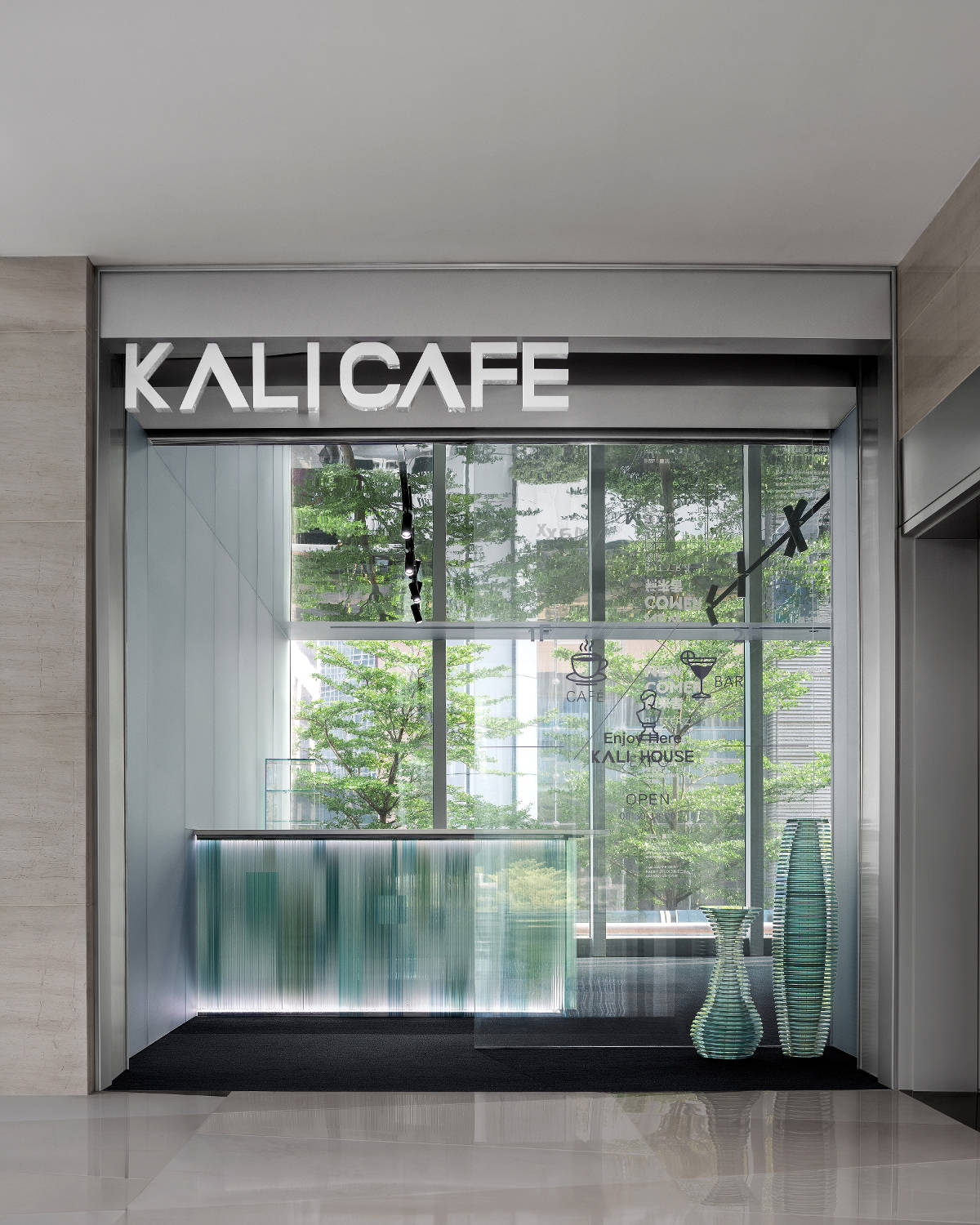
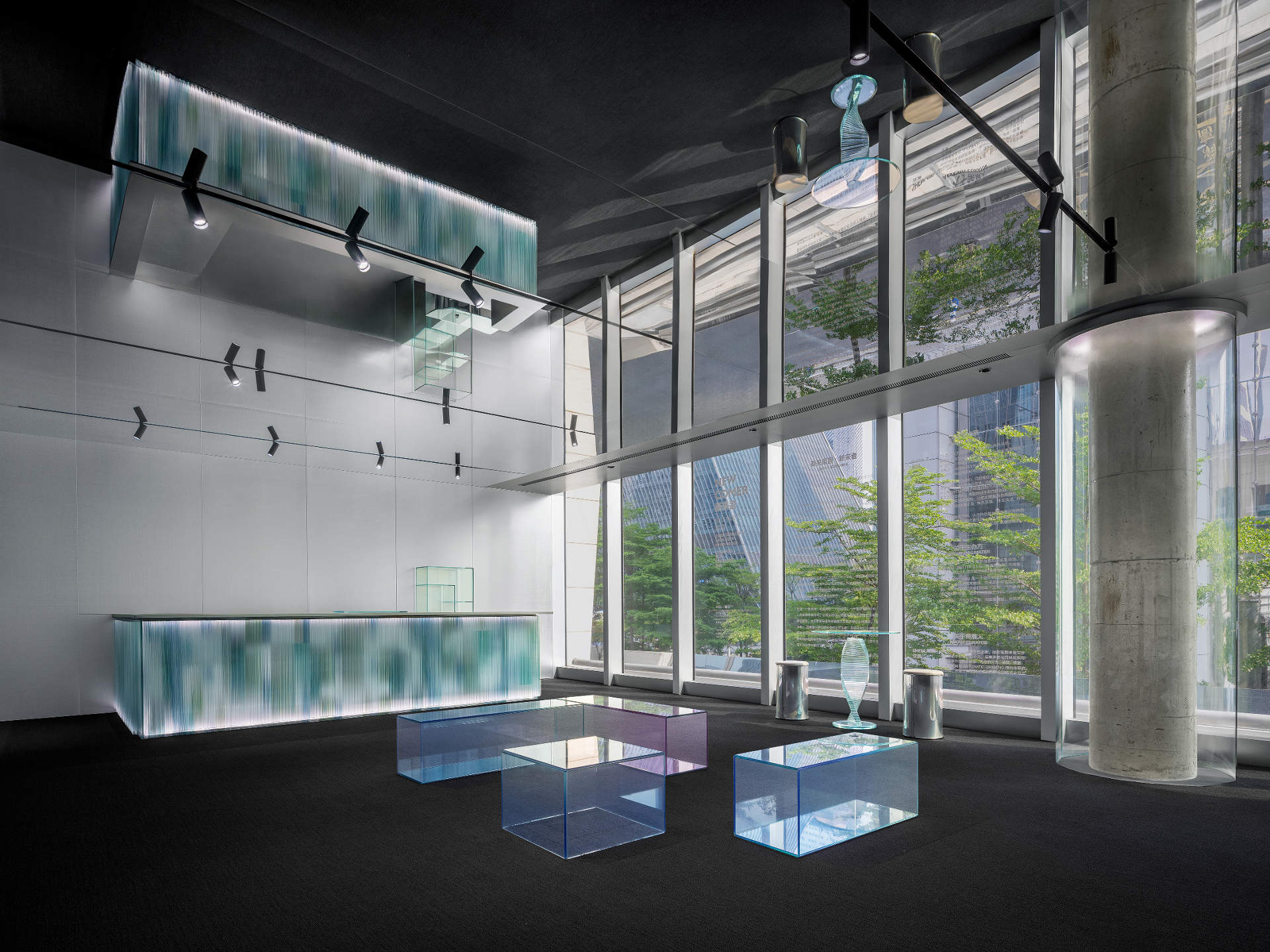
Variations in colour, transparency, and thickness reveal rich and nuanced visual effects as they interact with light.
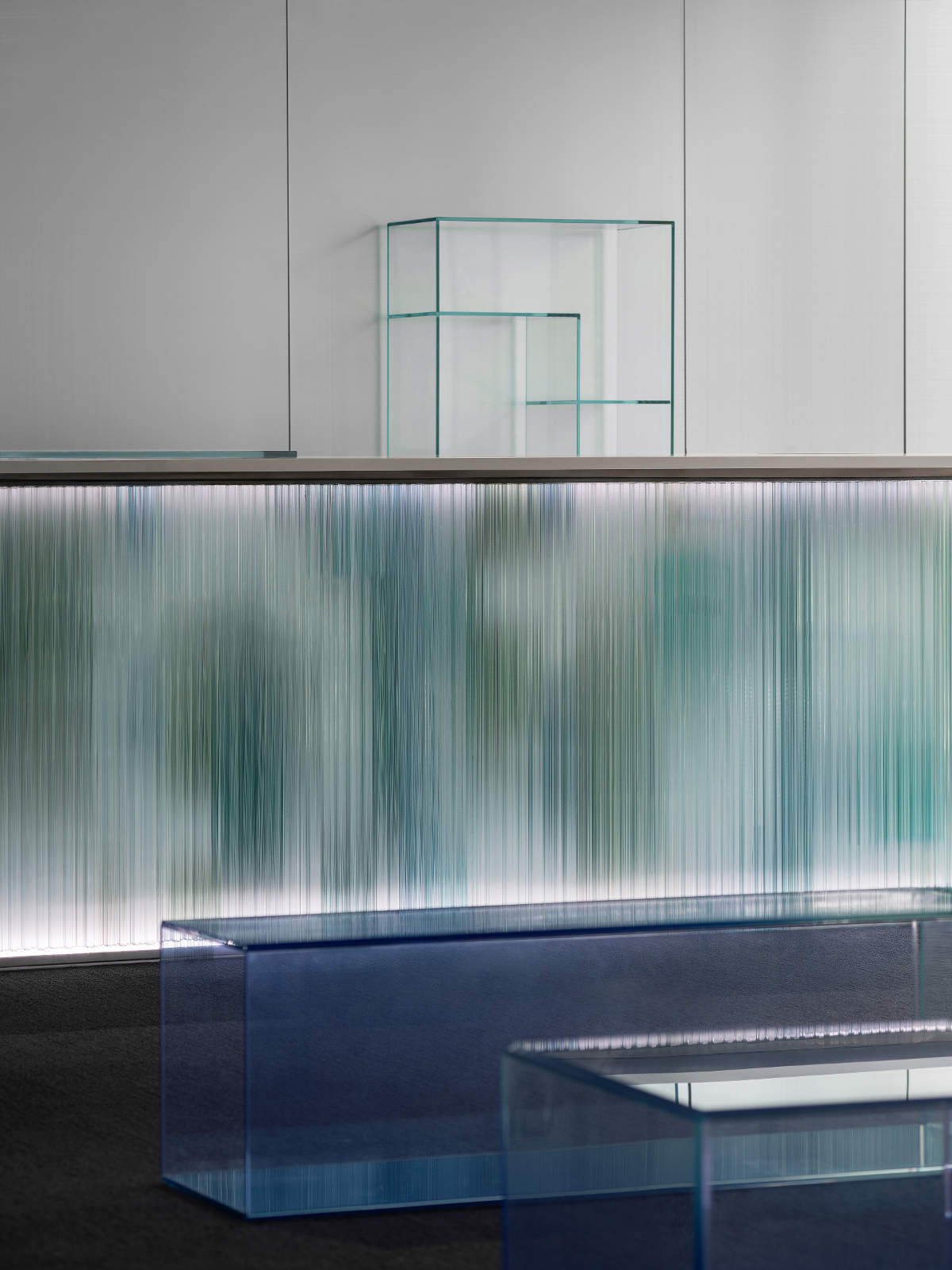
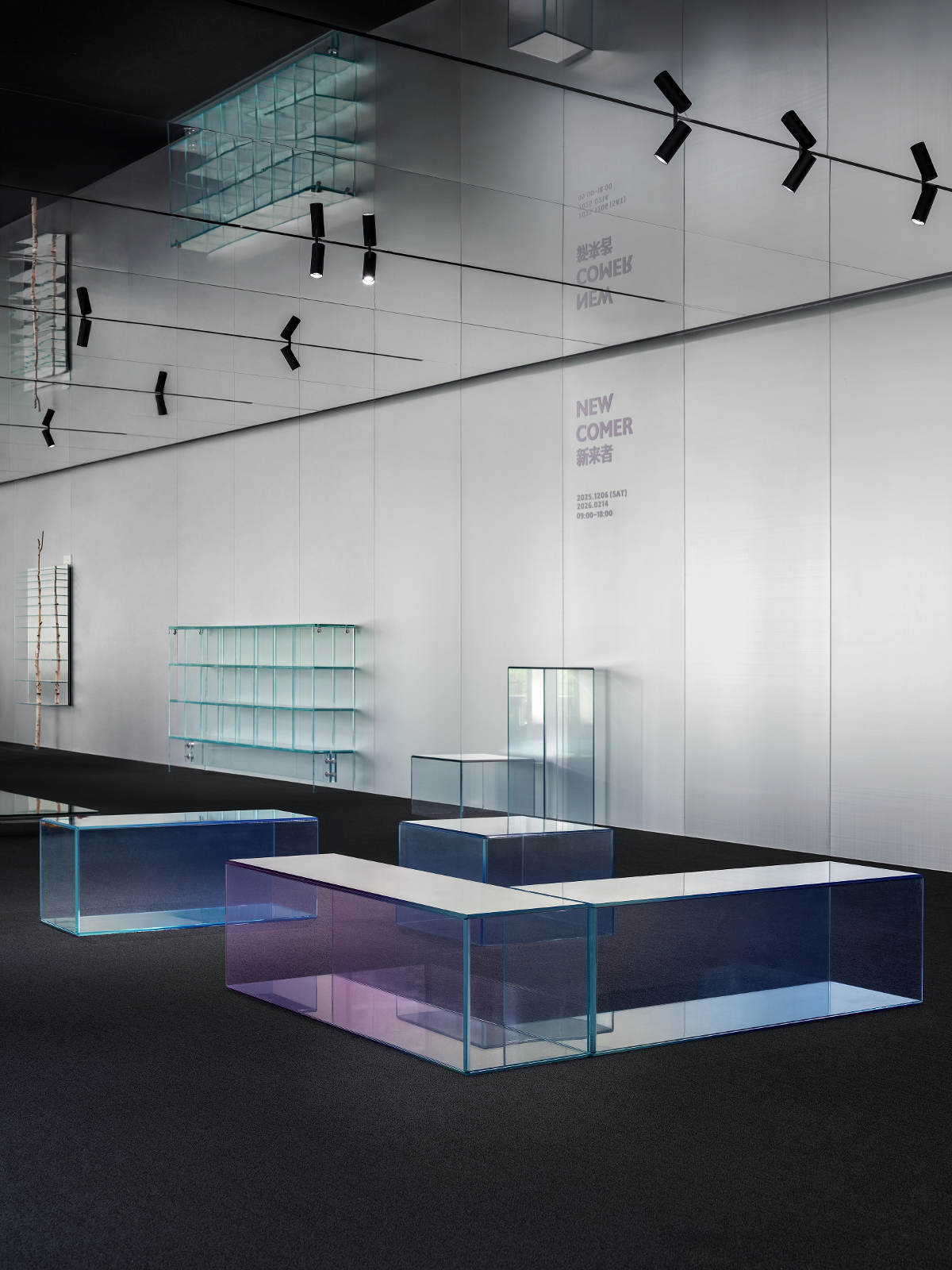
Transparent, gradient, and mirrored surfaces overlap and interact, allowing each piece to shift its perceived boundaries and presence depending on the viewing angle. The furniture functions simultaneously as usable objects and sculptural installations suspended within space.
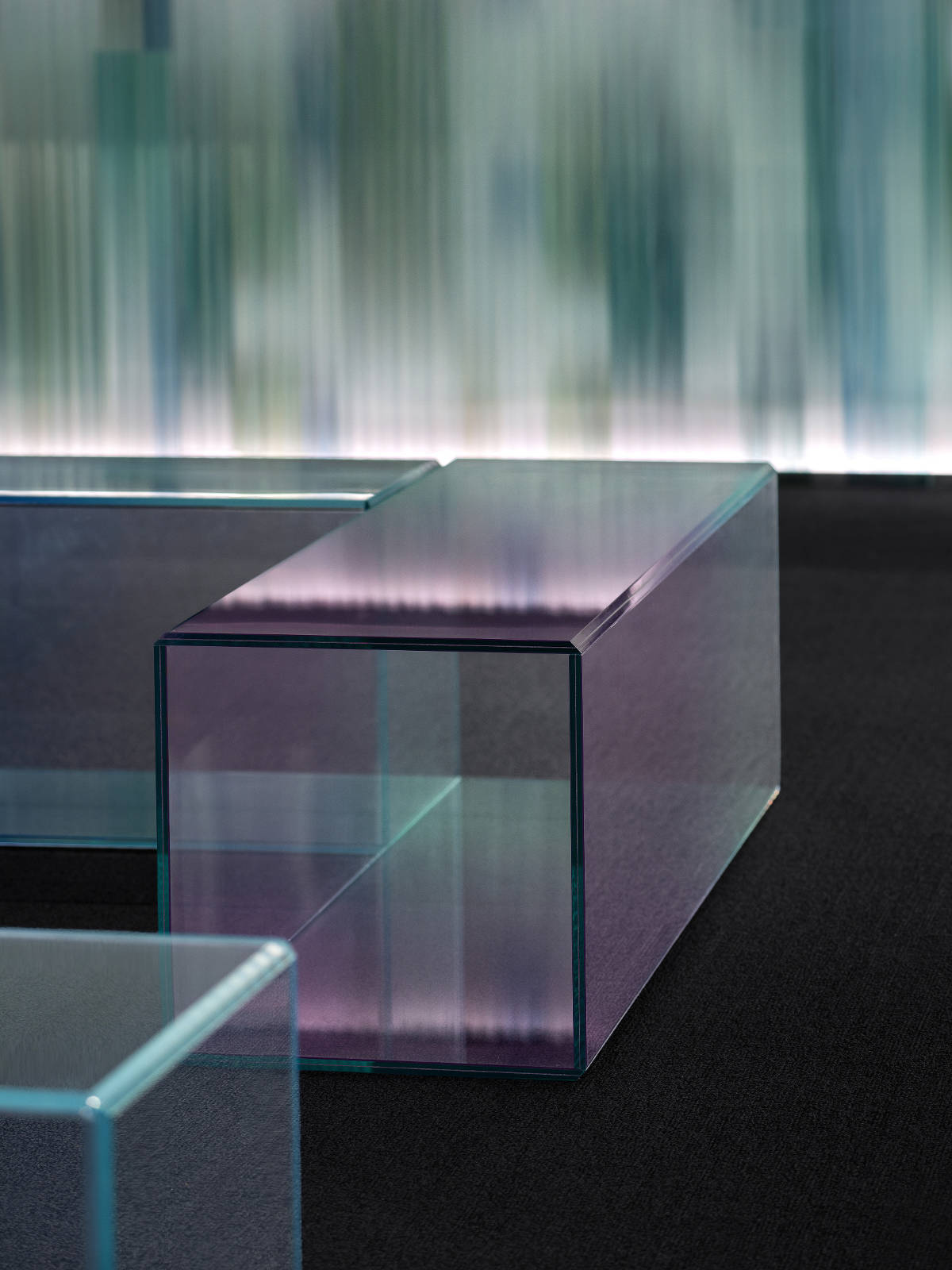
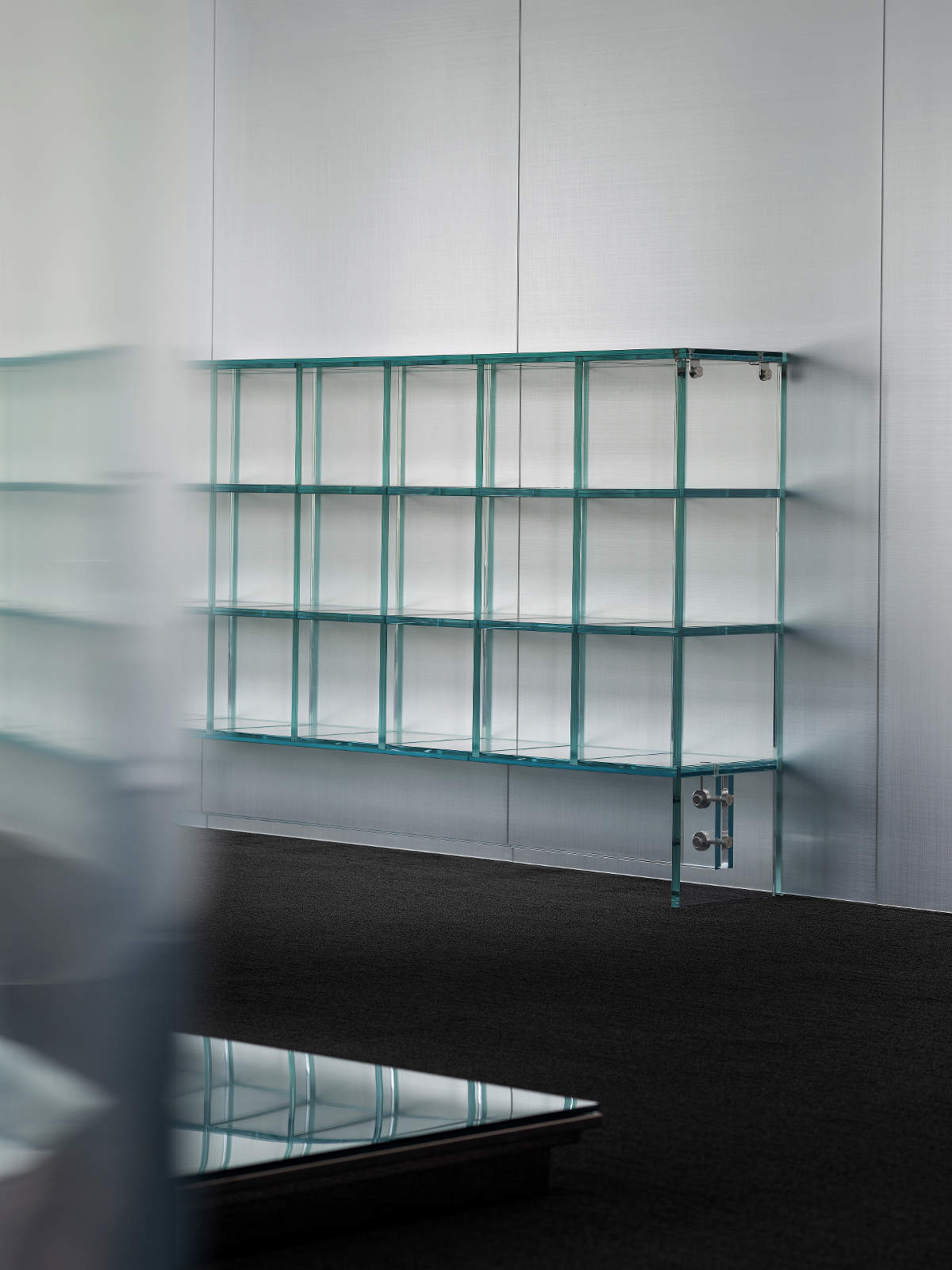
Rather than treating glass as a conventional furniture material, the designers explore its potential as a spatial medium.
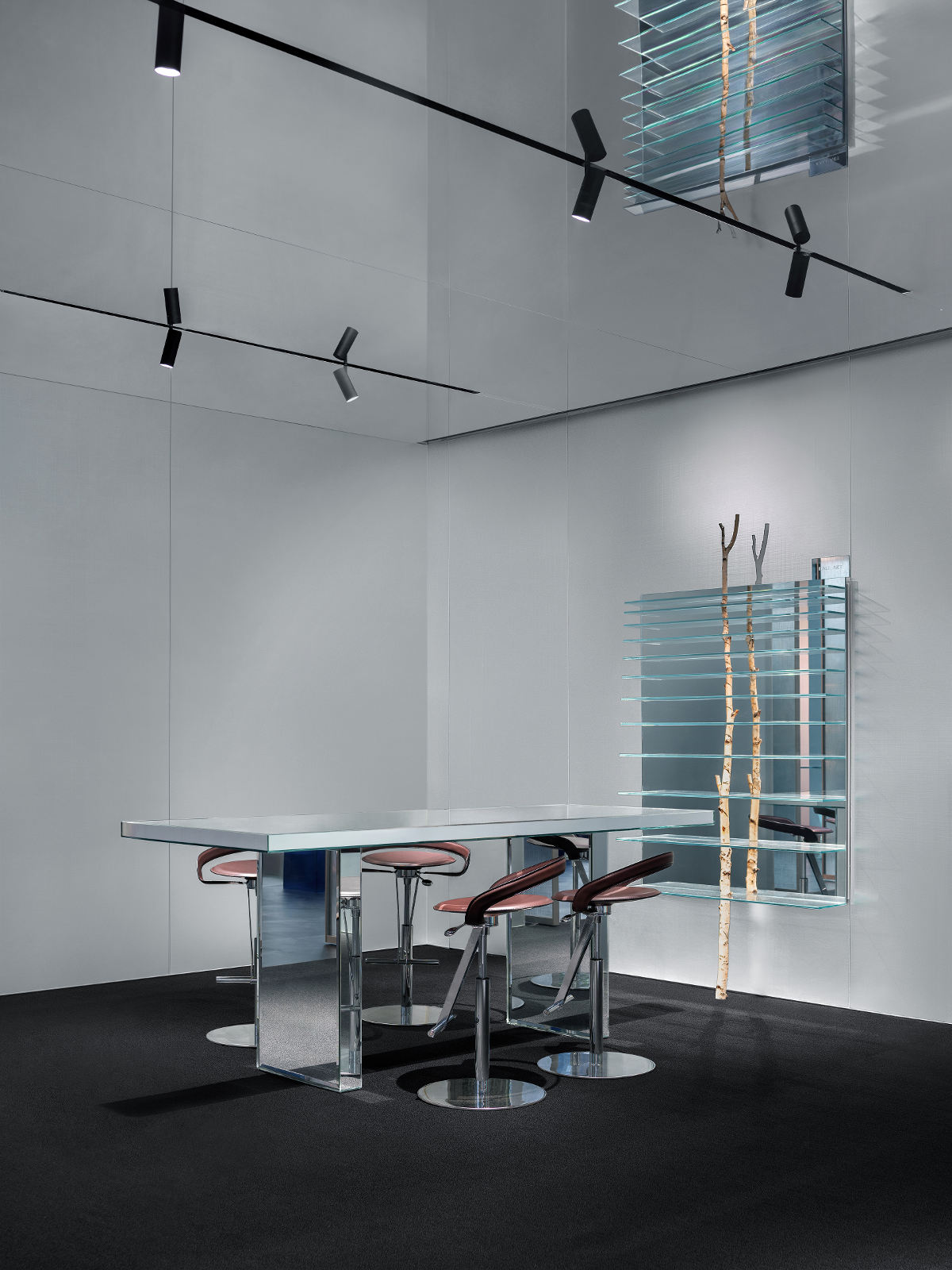
As lighting conditions and viewpoints shift, the boundaries of objects become increasingly blurred, creating an atmosphere that feels light, ethereal, and almost immaterial.
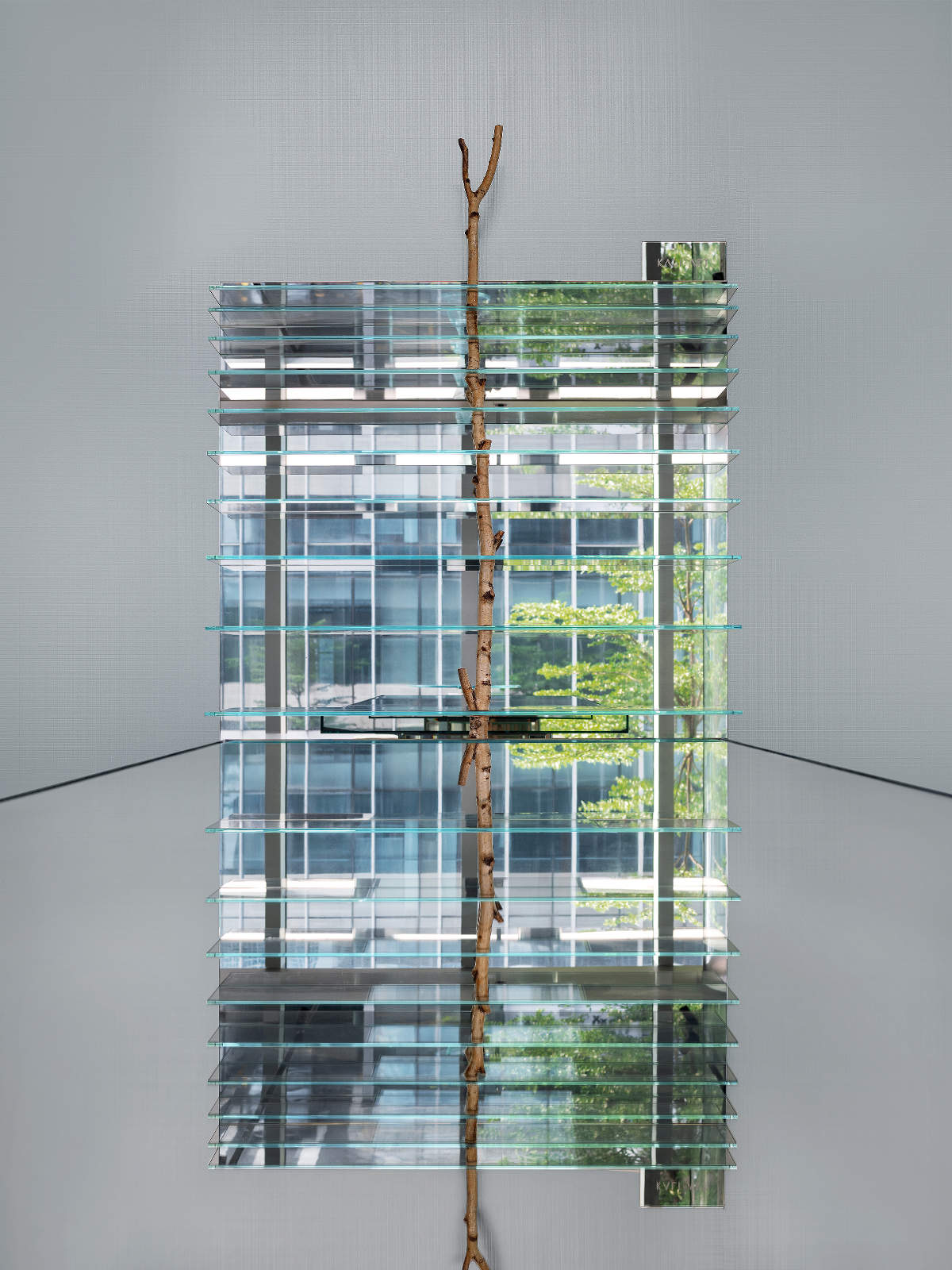
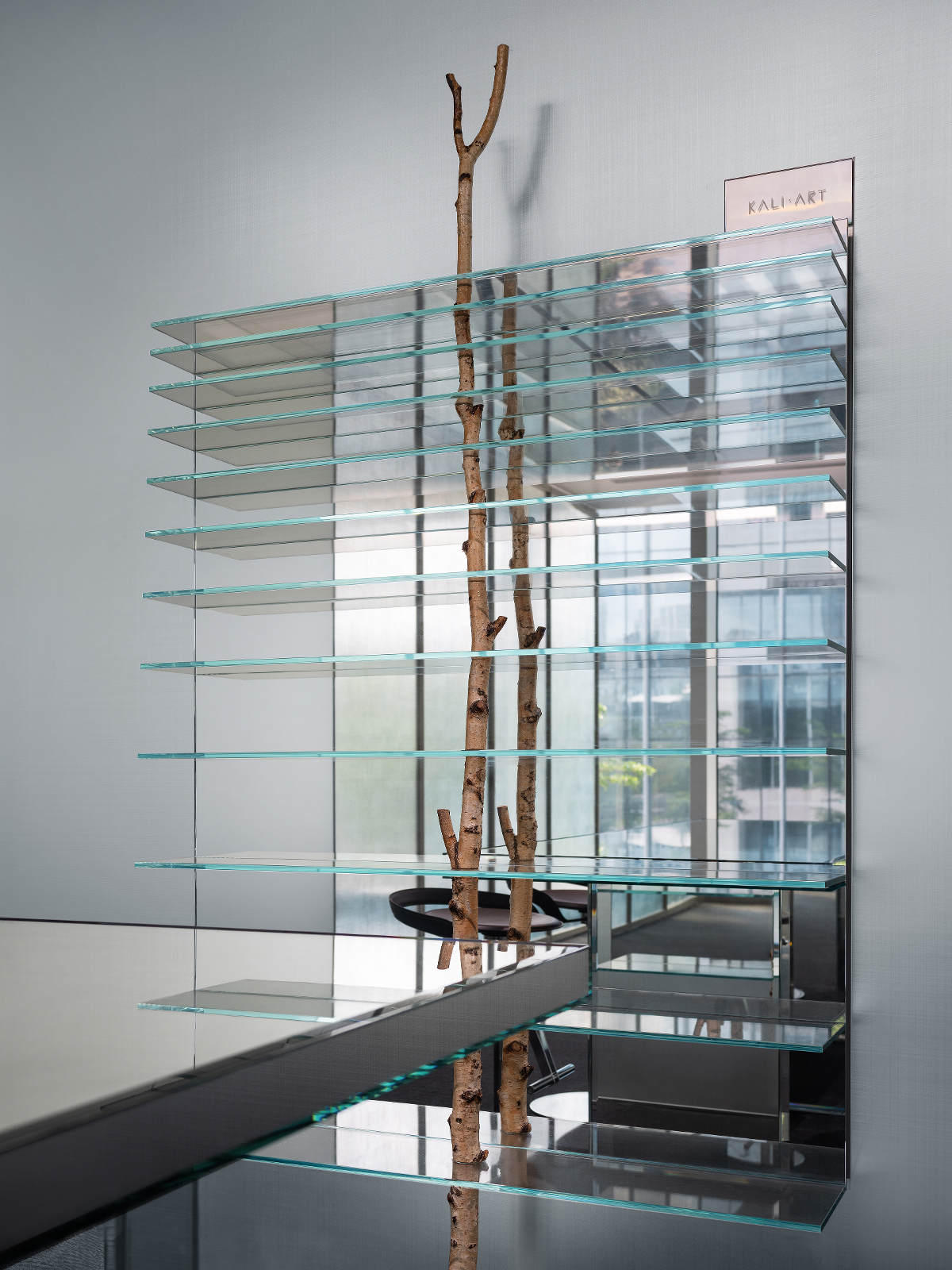
Throughout the project, MOC reconsiders the role of glass within the built environment. Rather than functioning merely as an enclosure or material finish, glass becomes a medium that connects light, environment and human perception.
本文内容由 MOC DESIGN 提供或来源于其官方媒体渠道,由 WeHow 整理编辑。图片、视频及相关设计作品的版权归原作者/设计方所有。未经 WeHow 及版权方书面许可,禁止以 WeHow 编辑版本进行任何形式的转载或商业使用。