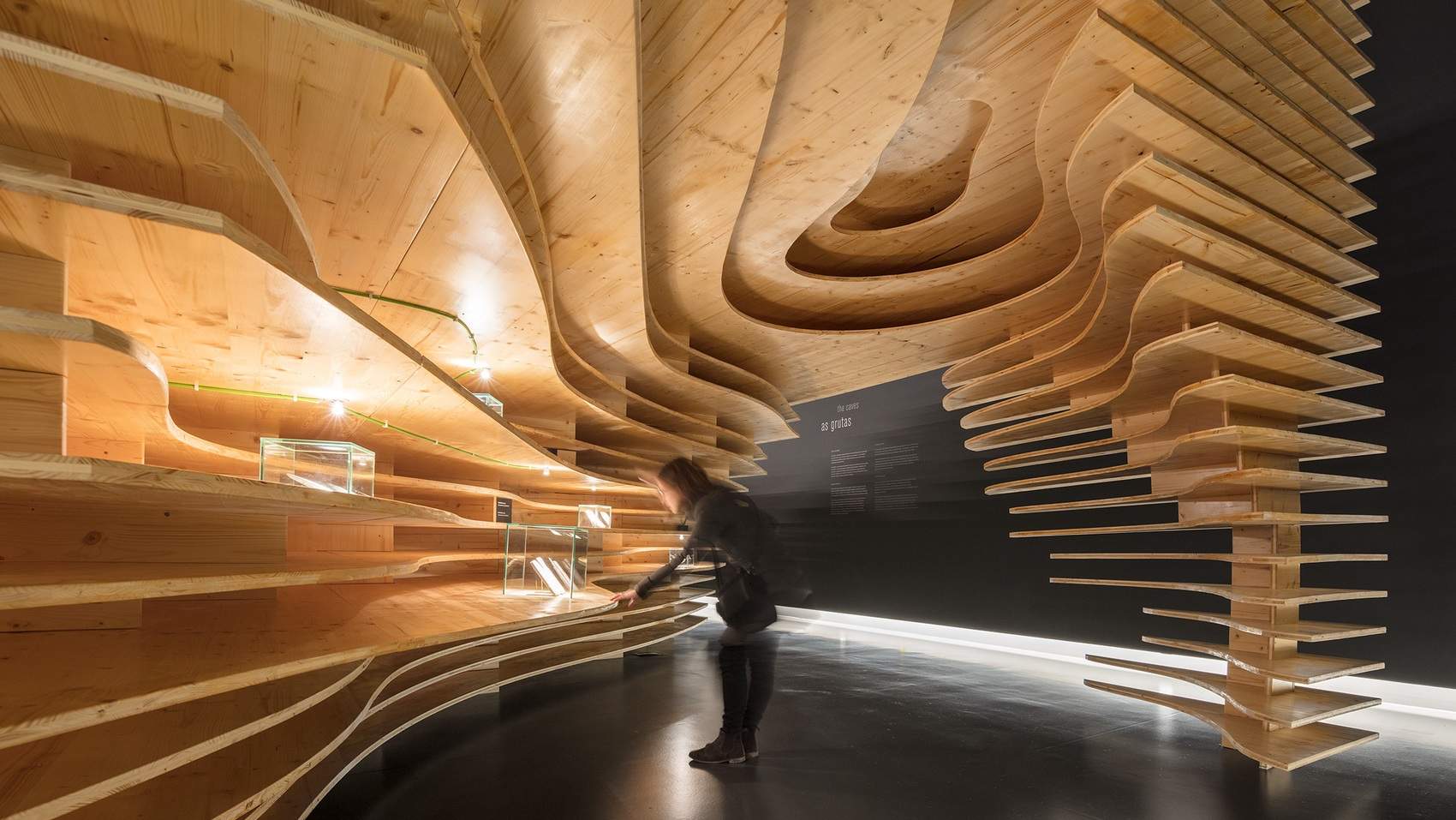
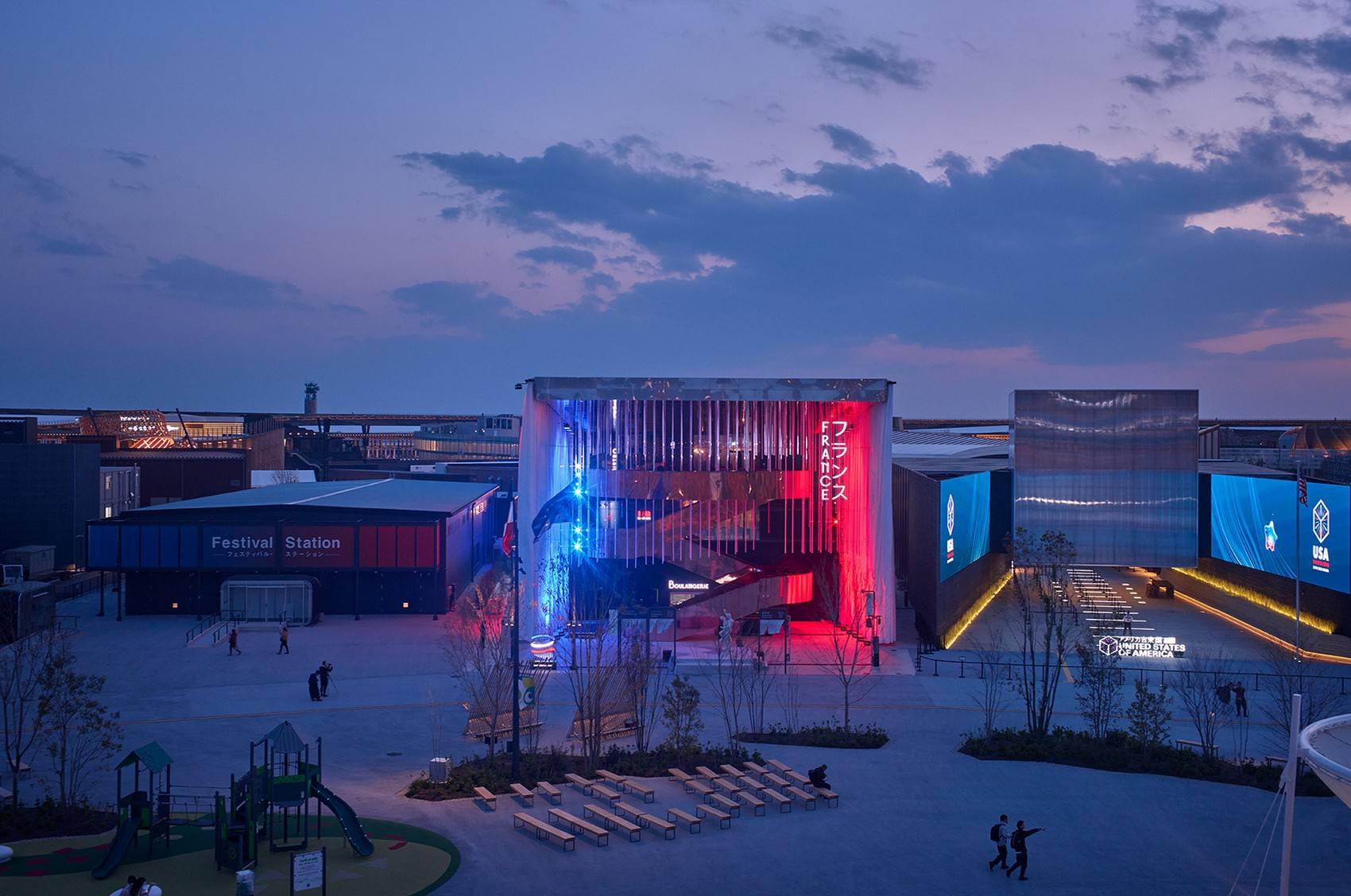
Opened in Moscow in 2021, the Cryptography Museum is dedicated to data encryption and transmission timeline research. Radugadesign created the concepts and produced three installations for the museum’s permanent exhibition.
Communication Immession Corridor
The Communication Immersion Corridor visualizes dense information flow that surges around us every day. Placed at the beginning of the tour over the museum, the installation makes a perfect introduction to the exposition.


Dynamically changing images and sounds of never-ending push notifications from messengers, social media, emails, and bank apps merge into rushing waves. Reflected in the mirror at the end of the corridor, they represent the overwhelming stream of data we live in.

Placed at the beginning of the tour over the museum, the installation makes a perfect introduction to the exposition.
One Day in Cryptography
One Day in Cryptography is an interactive installation visualizing data encryption and transmission routine accomplished by each of us on a daily basis.

▲One Day in Cryptography UI ©Radugadesign
The animation follows a character through his typical daily activities. He wakes up, travels on the subway, talks over the phone and sends emails.
There are buttons projected on the wall that are controlled by a 3D LIDAR sensor.
By touching them, visitors can activate one or several scenes and watch short animations about data and cryptographic processes hidden inside their everyday routines.
Frequency Analysis.
The multimedia interactive stand is located in the Proto Cryptography exhibition area, which tells about the oldest methods of encryption and history of the writing systems. The installation comprises two parts and introduces visitors to one of the oldest cryptanalysis methods — frequency analysis.

The first part explains what frequency analysis is and how it has influenced cryptography. This method is based on the fact that, in different texts of written language, a certain letter or combinations of letters occur with varying frequencies.

A characteristic distribution of letters appears to be roughly the same for almost all samples of that language. Therefore, frequency analysis can be used to decrypt messages, decipher the writing of ancient peoples, and identify authorship of a text.
The interactive part of the installation is a video projection with a control panel. Its buttons feature letters from Latin and Cyrillic alphabets.


The content of this article was provided by Radugadesign or sourced from their official media channels, and has been curated and edited by WeHow. All copyrights to images, videos, and related design works remain with their respective creators or design firms. Reproduction, republication, or commercial use of the WeHow-edited version in any form is prohibited without prior written permission from both WeHow and the respective copyright holders.