China’s manufacturing industry is shifting from cost-driven advantages to systemic capability competition. As foundational enablers of industrial development, material companies are evolving from behind-the-scenes suppliers into solution-oriented innovators. Yet materials are often invisible, intangible, and technically complex, making it difficult for markets, clients, and ecosystem partners to fully grasp a company’s R&D capabilities, application scope, or industry value—an ongoing challenge for next-generation material enterprises.
As a leading modified materials company in China, ORINKO New Materials leverages its “Materials Expert” strategy to expand across sectors such as new energy, consumer electronics, and high-end manufacturing, while deepening engagement with international markets.To bridge the gap between R&D and commercialization, ORINKO established its Shanghai Research Institute and Digital Showroom—a strategic hub designed to externalize technical know-how through space, and translate internal systems into market-facing narratives.
From Display to Dialogue: A Spatial Interface for Industrial Communication
Unlike traditional showrooms that serve singular promotional purposes, ORINKO’s digital showroom is designed to fulfill multi-dimensional communication roles within the industry. It serves as a brand interface for external technology showcase, a collaboration platform for upstream and downstream partners, and a real-time verification arena for ORINKO’s integrated solution capabilities.


The showroom content is structured around ORINKO’s six innovation domains, highlighting its capacity to provide comprehensive material solutions. Designed by FORMS, the space prioritizes narrative clarity over passive display, creating a seamless translation from technical logic to market language.
Designing for Technology, Structuring for Understanding
As a technology-driven enterprise, ORINKO supports diverse, high-precision application fields including new energy, electronics, aesthetic materials, and more, backed by a robust, scenario-specific solution system.
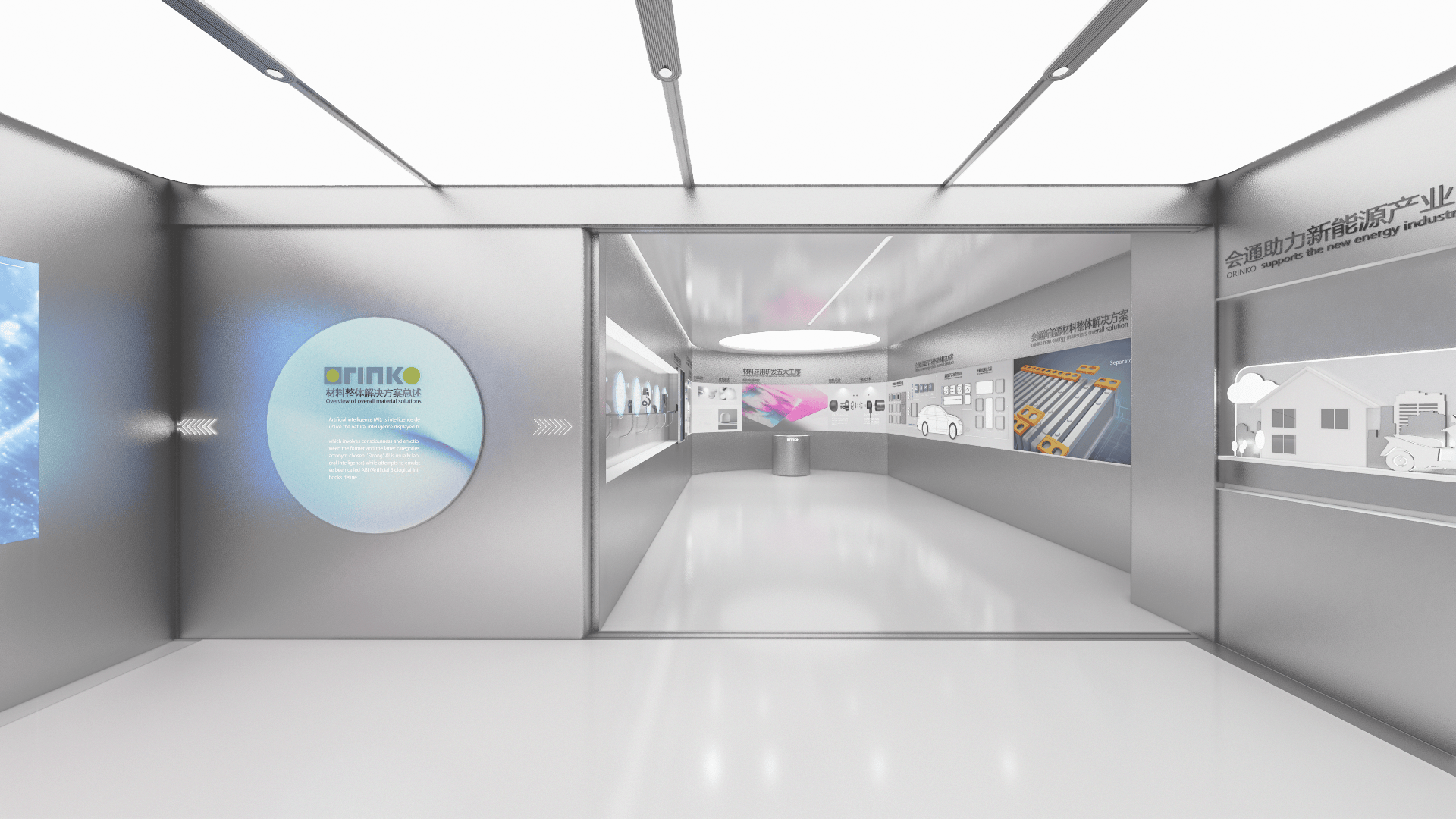
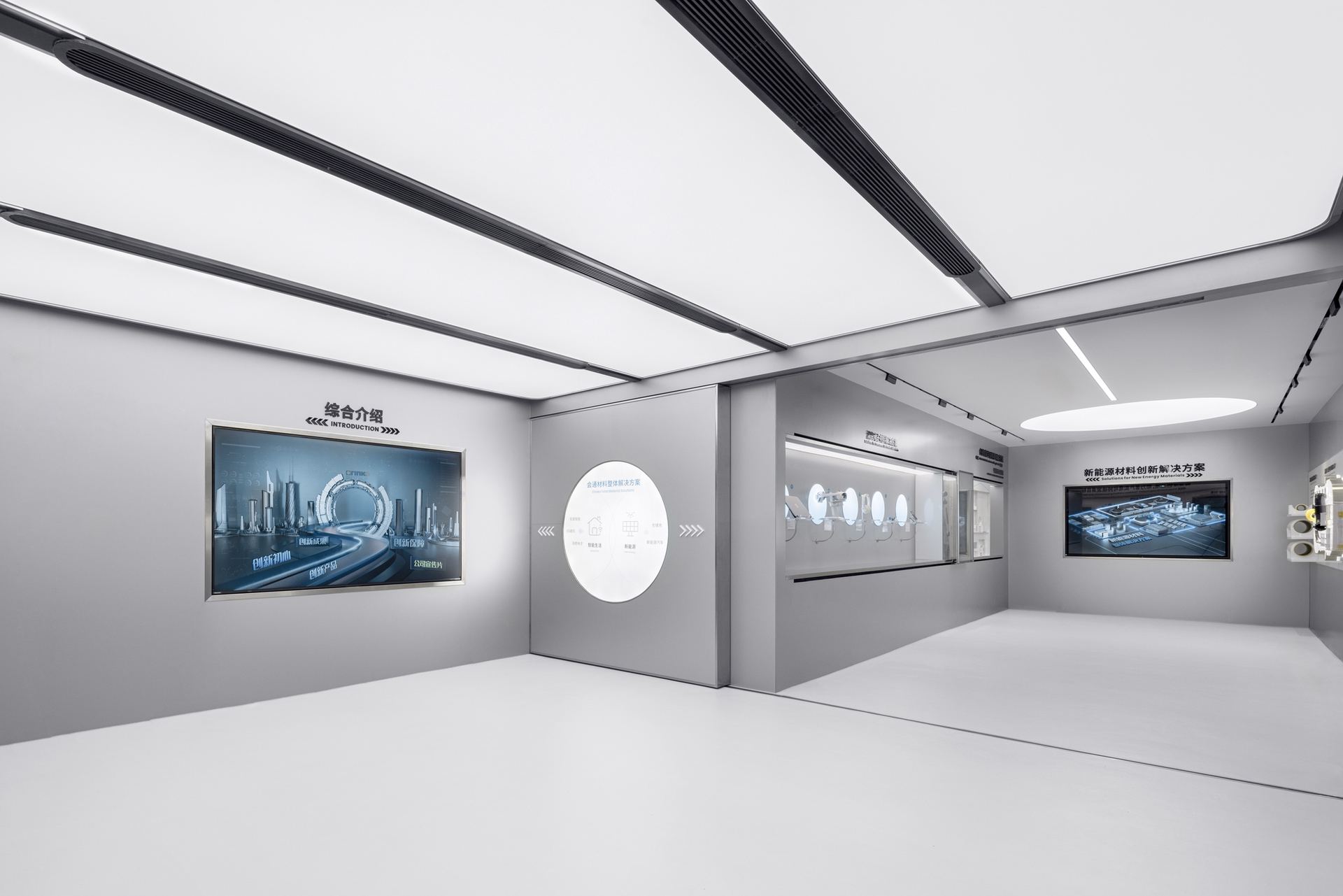
To deliver high-density information effectively, the design emphasizes a balance between visual order and modular clarity. The spatial planning follows two narrative axes: industry scenarios and material logic, with tailored visual strategies for each.
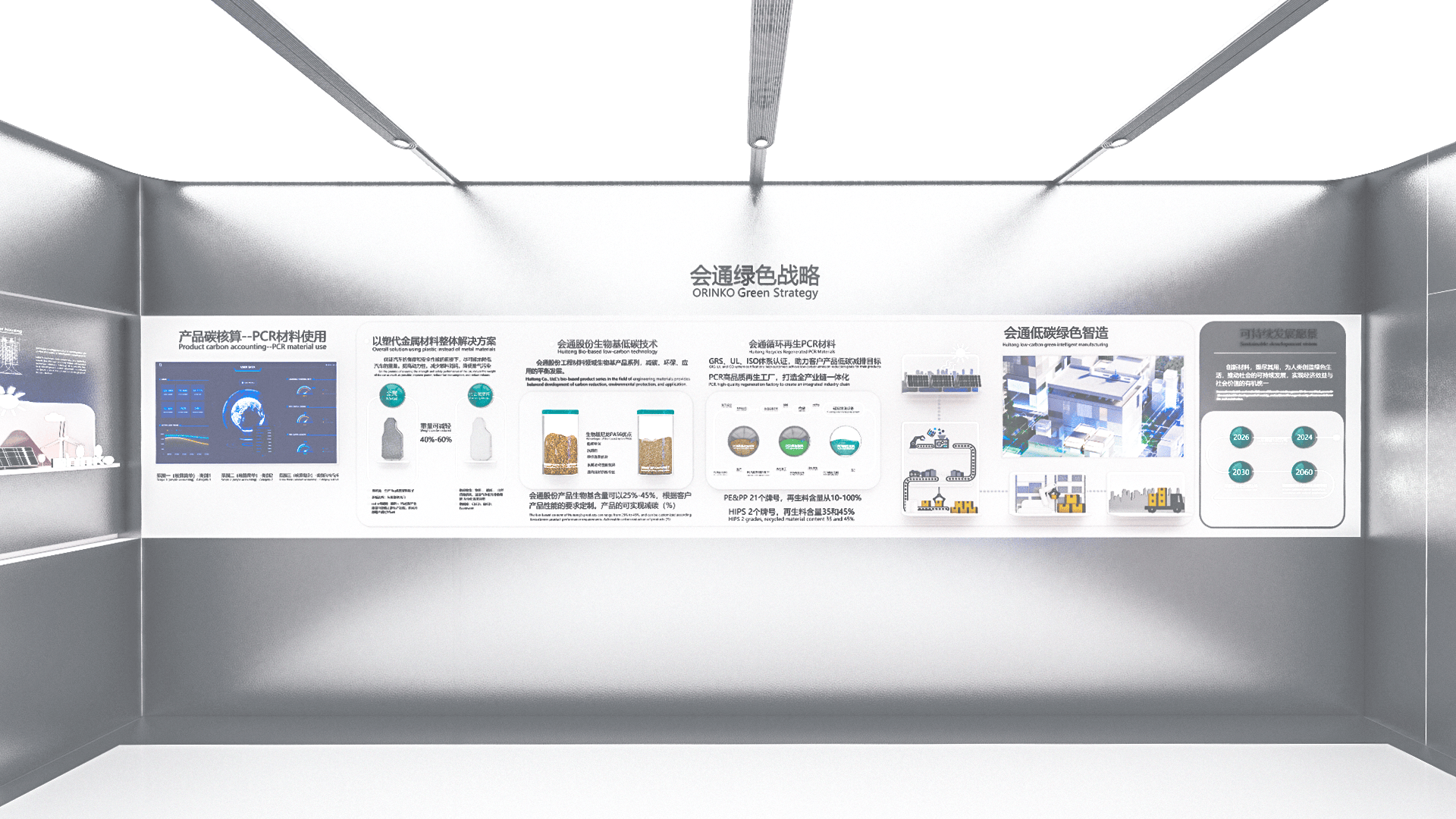

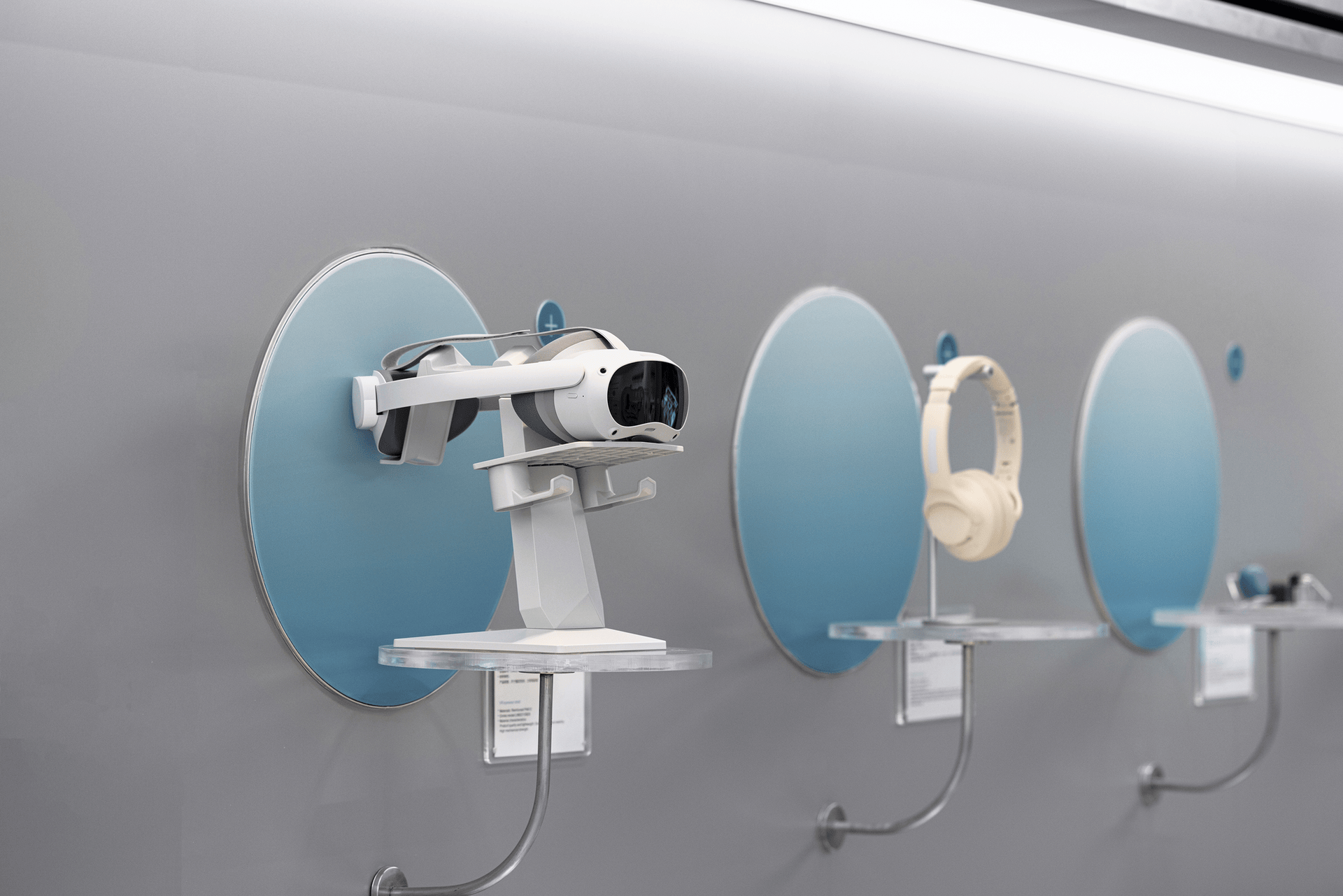
Exhibits are organized by end-use applications rather than material taxonomy, enabling translation of complex technologies into accessible, industry-facing narratives. Each zone serves not only as a physical material showcase, but as proof of ORINKO’s deep vertical integration—turning the space into both an external tech interface and an internal collaboration venue.


Strategic Value: Evolving Into a Platform-Oriented Brand
Historically, materials companies have focused on technical breakthroughs and product delivery, but in today’s restructured global value chains, those who can effectively articulate their value will shape industry direction and win influence. ORINKO’s digital showroom is a tangible manifestation of this strategic upgrade.
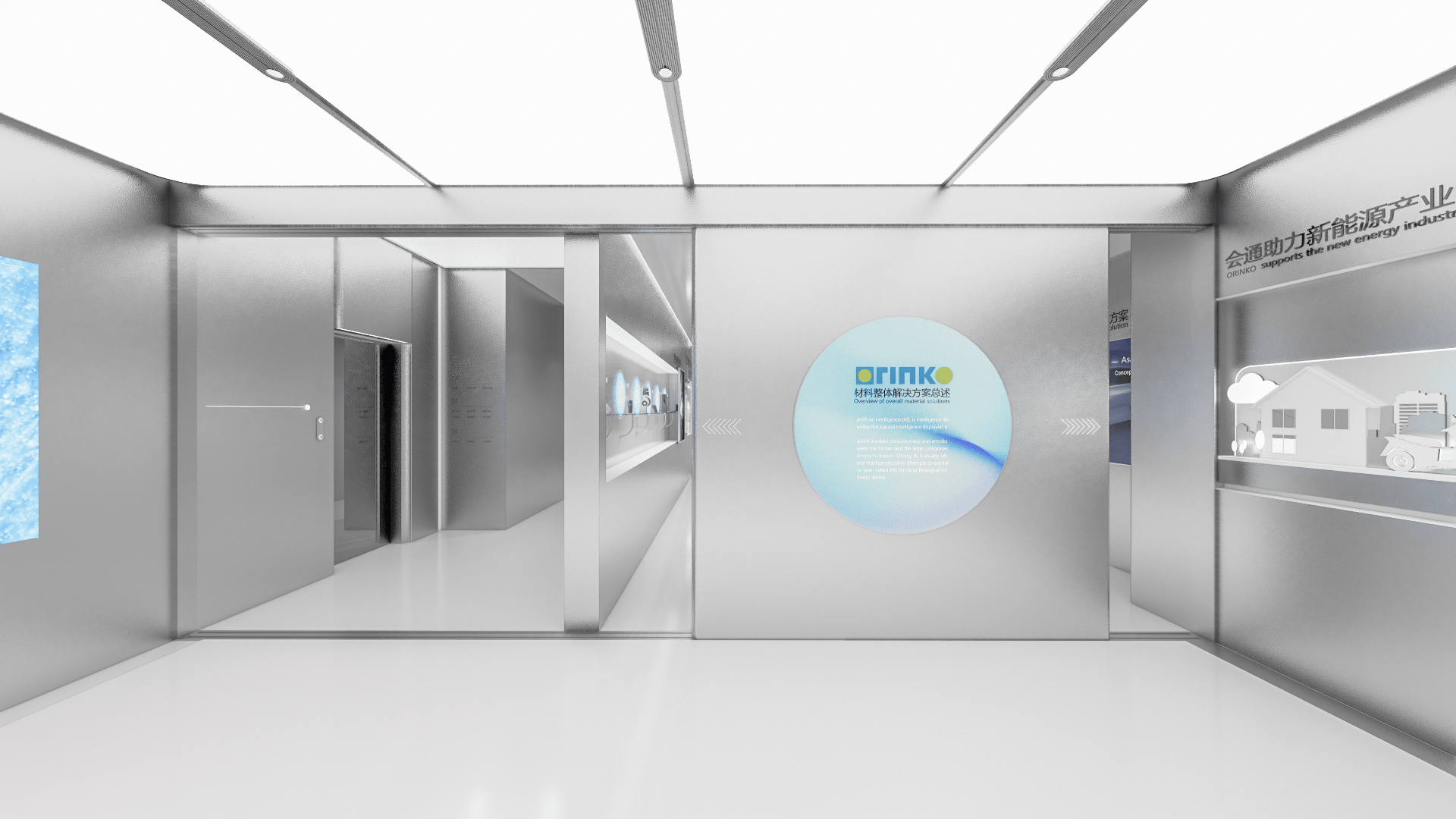

It accommodates not only global clients, but also visitors from universities, research institutes, and industry associations. By standardizing content, unifying visual systems, and systematizing messaging, ORINKO has achieved knowledge asset manageability. The space functions as a platform for exporting methodology and values, reinforcing ORINKO’s position as a materials authority.

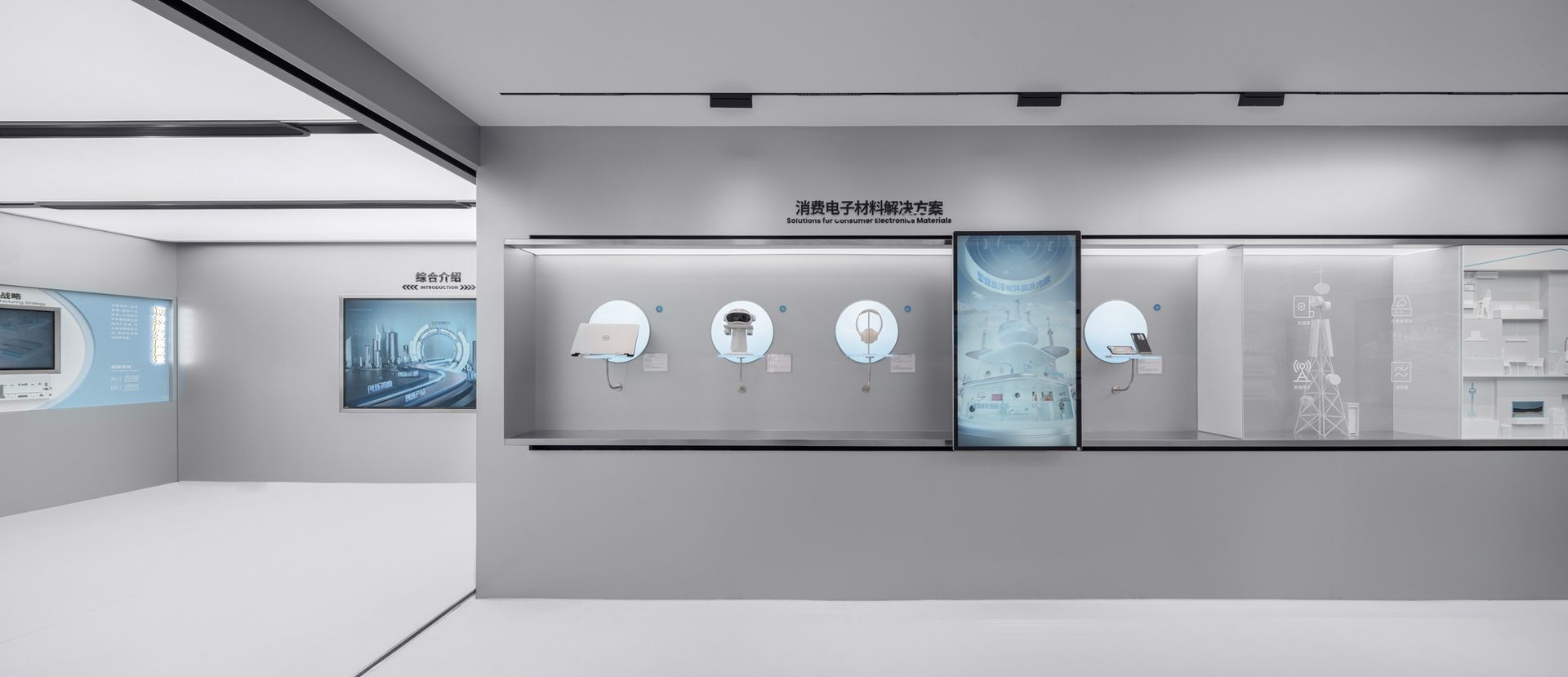

Building Credible Industry Competence Through Spatial Narrative
Next-gen material companies must not only lead in technology but also clearly communicate their identity, capabilities, and trustworthiness. ORINKO’s digital showroom is a strategic tool in achieving this objective.


The content of this article was provided by FORMS方世 or sourced from their official media channels, and has been curated and edited by WeHow. All copyrights to images, videos, and related design works remain with their respective creators or design firms. Reproduction, republication, or commercial use of the WeHow-edited version in any form is prohibited without prior written permission from both WeHow and the respective copyright holders.