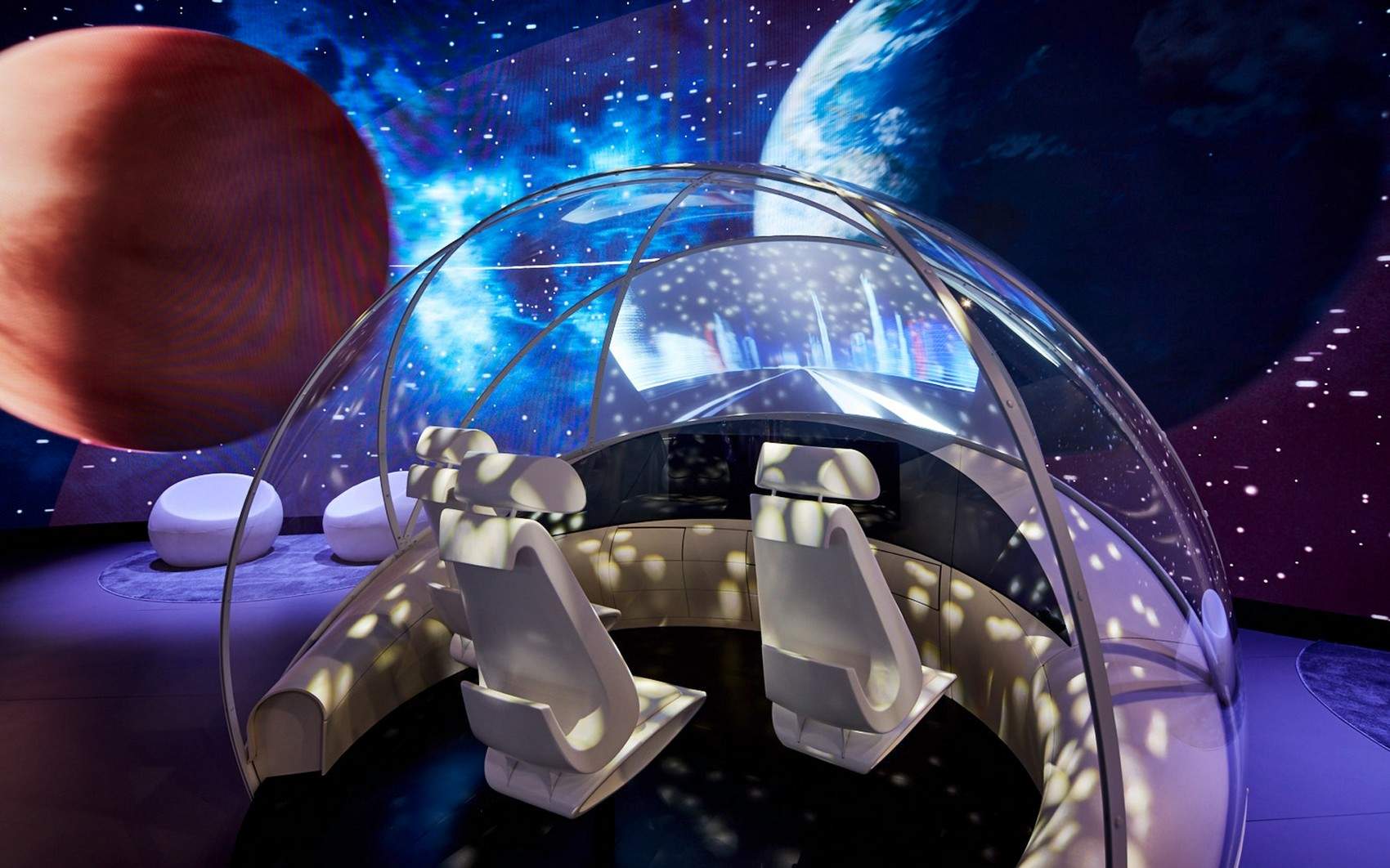
On December 27, 2023, the Beijing City Library Metaverse Experience Hall—world’s first integrated online-offline library metaverse—officially launched. Led by creative collective MOUJITI ART+TECH, it merges online and offline metaverse experiences, with offline spaces serving as gateways to a virtual realm where knowledge takes center stage. Through immersive “digital storytelling,” visitors transcend time and space to immerse in this knowledge-focused metaverse, which functions as a launchpad for digital avatars, a venue for digital reading, and a hub for knowledge-sharing social interactions. Beyond expanding the library’s physical reach, it enhances reading experiences and broadens services, offering a preview of future personalized, immersive, and interactive library services.
Located at the northwest corner of the library’s first floor, the Beijing City Library Metaverse Experience Hall connects to the east with the Valley Hall, to the north with the 24-hour Reading Area, and to the west with the Reserved Book Reading Area. It serves as the foyer for both reading areas and the introductory hall for entering/exiting the Valley Hall, positioned at the convergence of the Valley Hall, 24-hour Reading Area, and Reserved Book Reading Area.
Five Interactive Designs
This project structures the Metaverse Hall concept into five sections, as shown below:

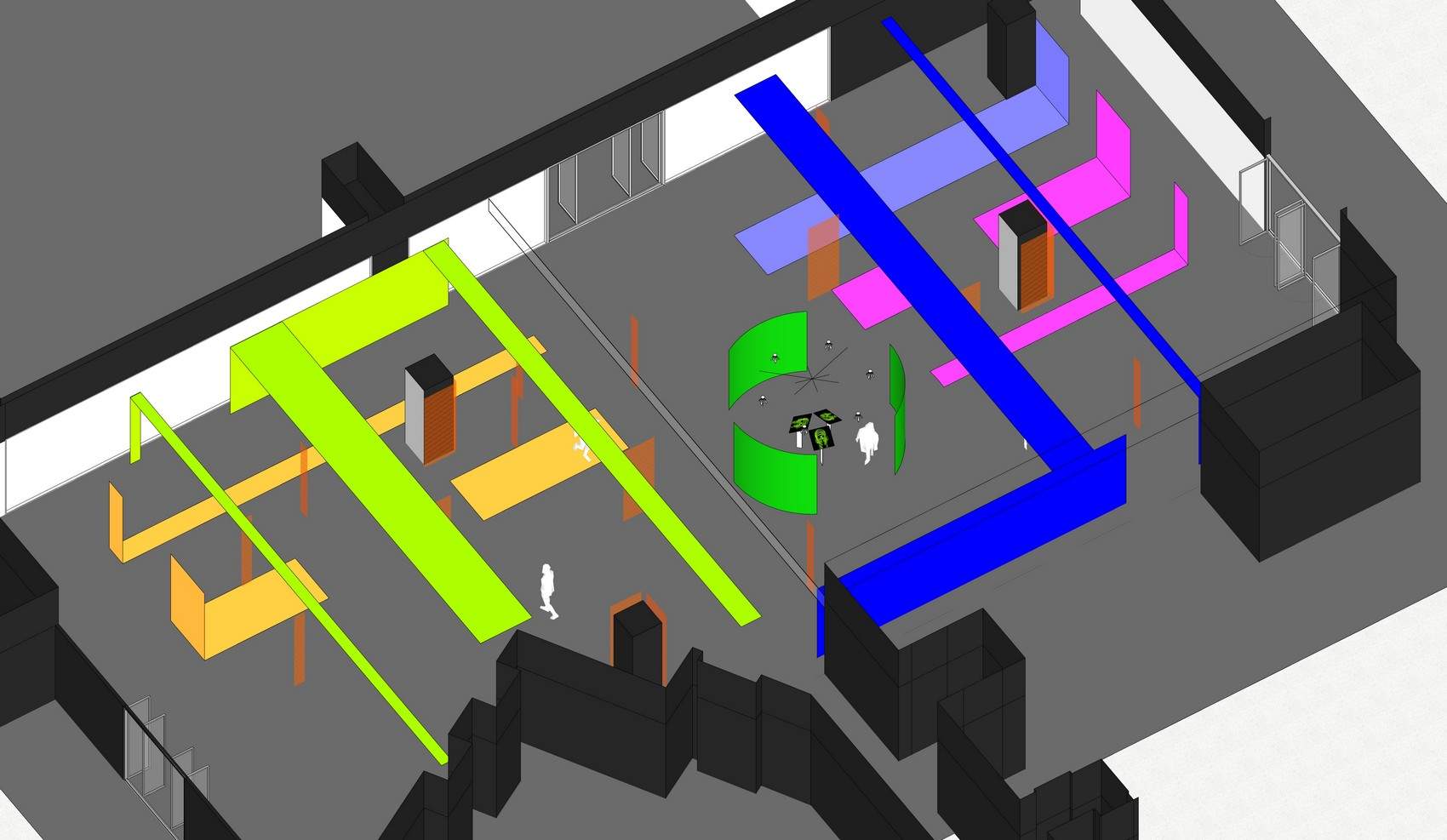
Realm of Thinking – Public Metaverse
We are constructing the public metaverse space of Beijing City Library, where users can explore via a “third-person perspective” on large screens and experience & interact through a “first-person perspective” on mobile devices.
In the public metaverse, the space is reimagined based on Beijing City Library’s spatial features. Readers’ digital avatars can enter four themed scenarios—”Children’s Library”, “Ancient Books Repository”, “Art Literature Hall”, and “Intangible Cultural Heritage Repository (Local Literature Hall)”—interact with the scenes, converse with NPCs, access in-library events and book reviews, and send emojis/messages within the metaverse.

Reading Dimension – Personal Metaverse
Every reader is a universe. Here, using provided tools, readers can build their ideal study spaces—reflecting each person’s ideal reading environment and serving as an expression of their state of mind while reading.

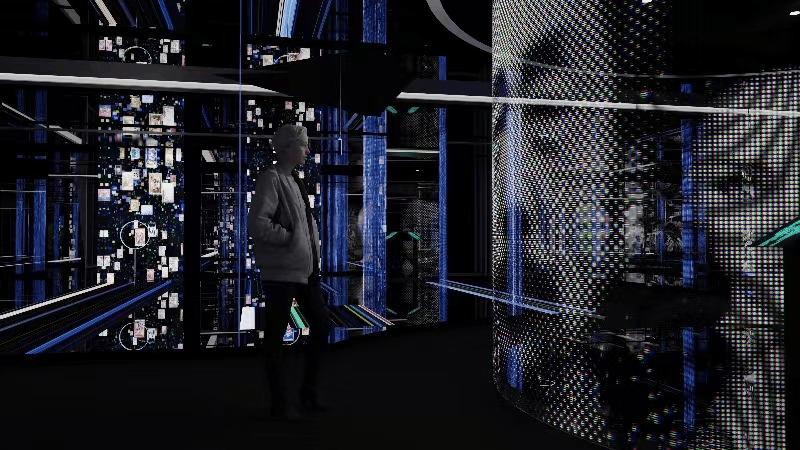
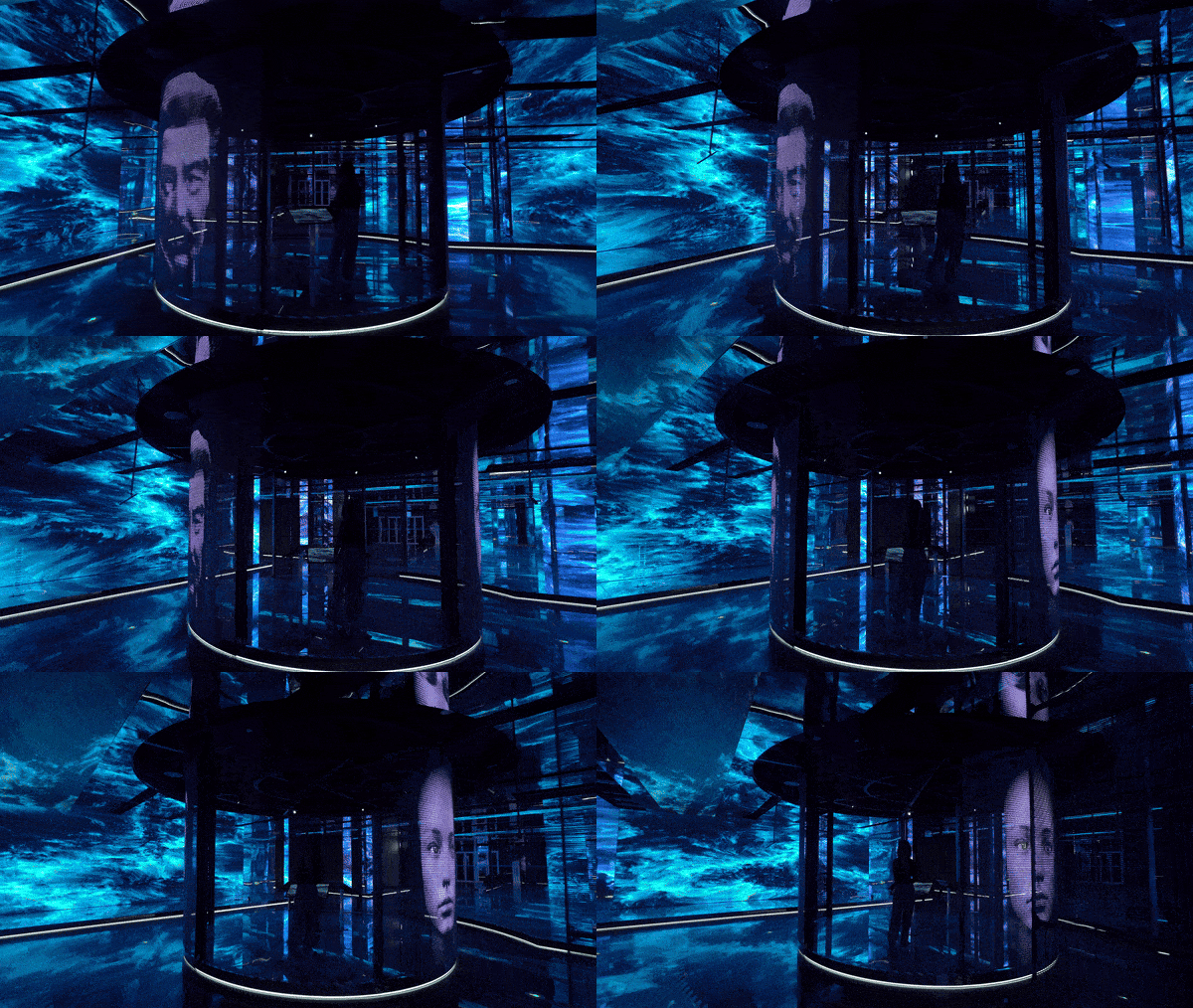
Realm of Expression – Public Digital Human
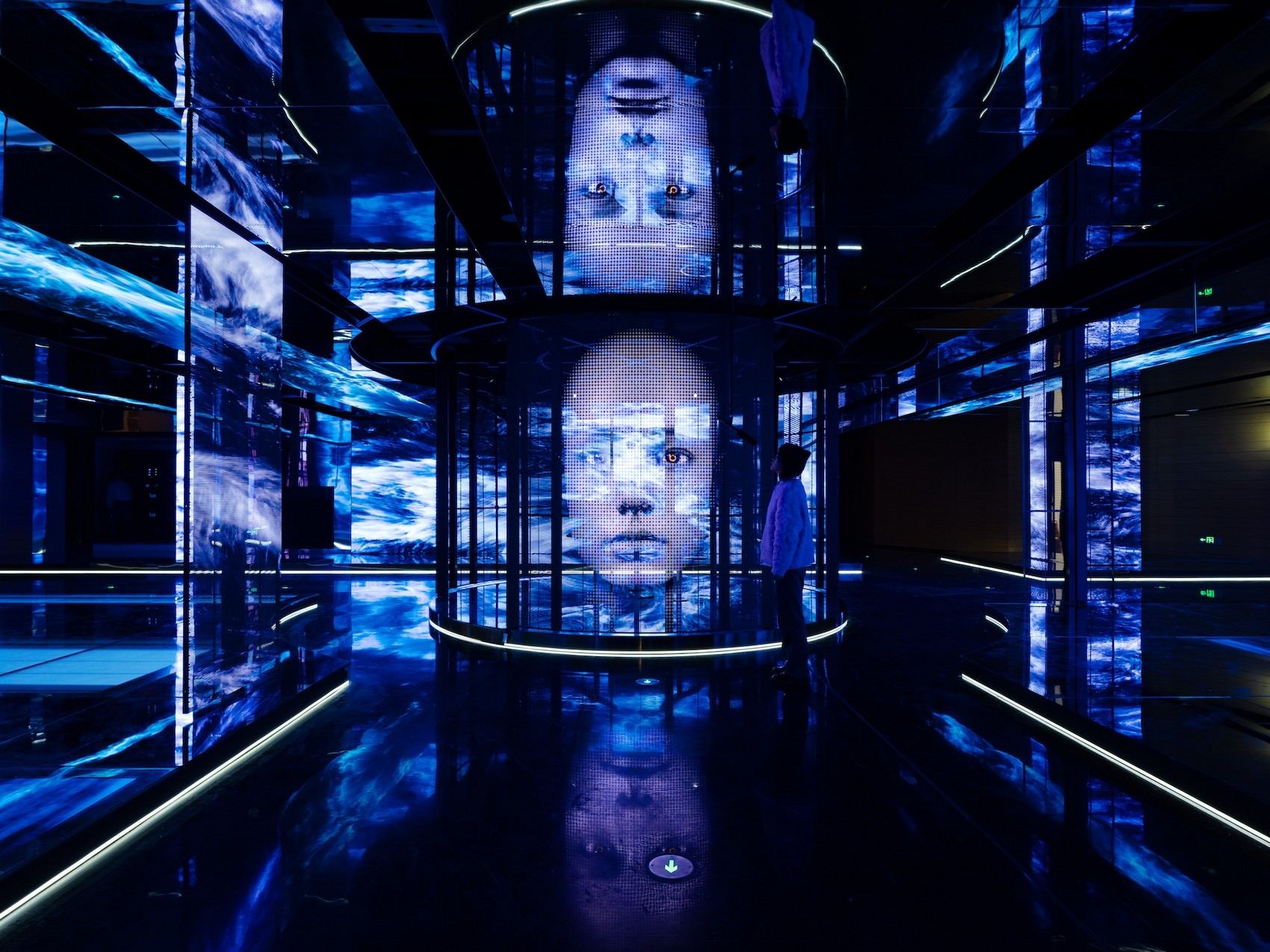
Features three figures: Lu Xun, a child, and a future human. Readers can engage in voice conversations with different digital humans.
Transformed Self – User Digital Human
Readers can create their own digital human identities here and log into the public metaverse to interact.
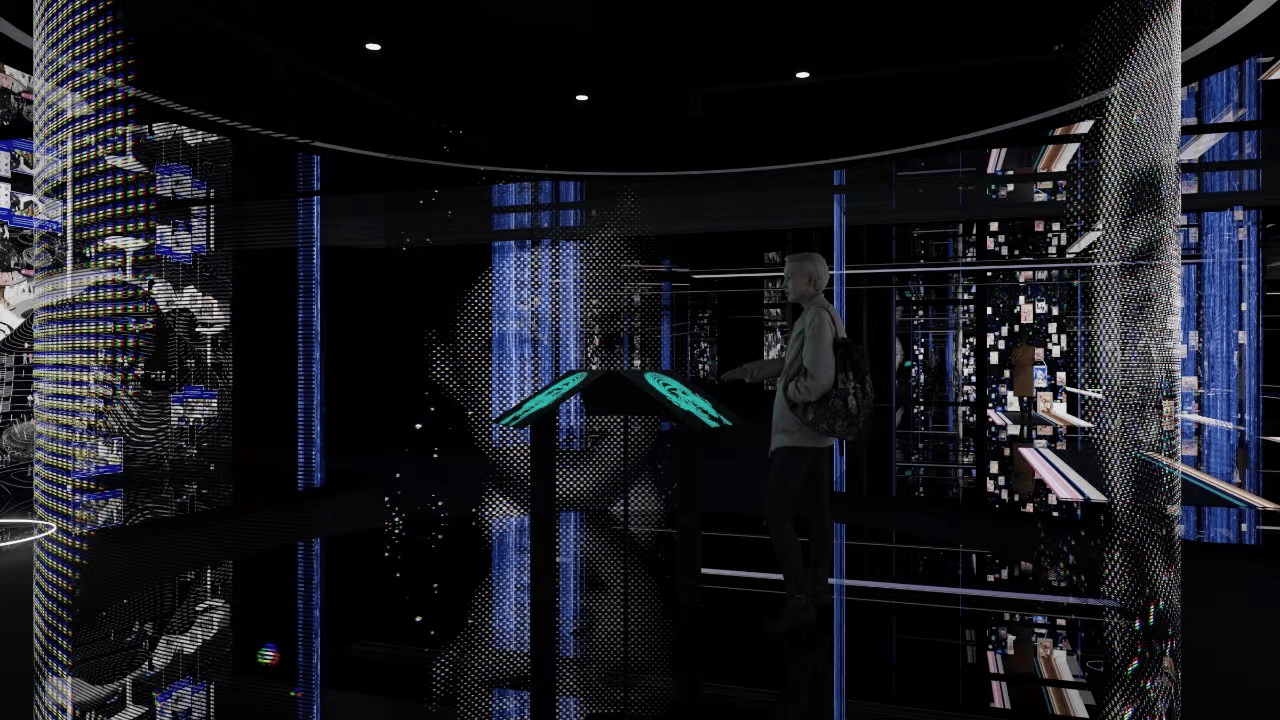
Data Sea – Sea of Data
The library’s digital collections are presented imaginatively, forming visualized data images that flow as dynamic visuals throughout the space.
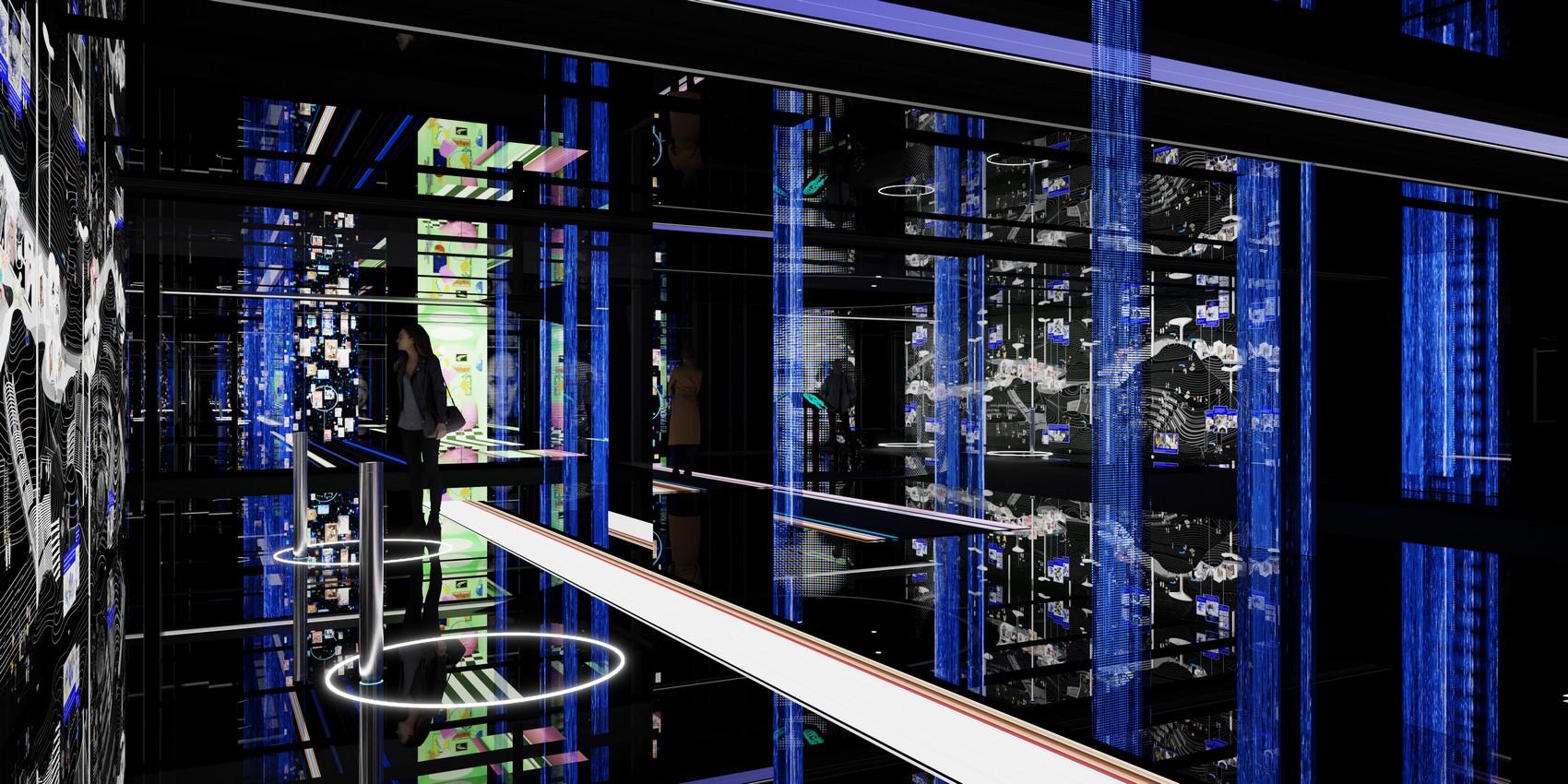
On-site Photos
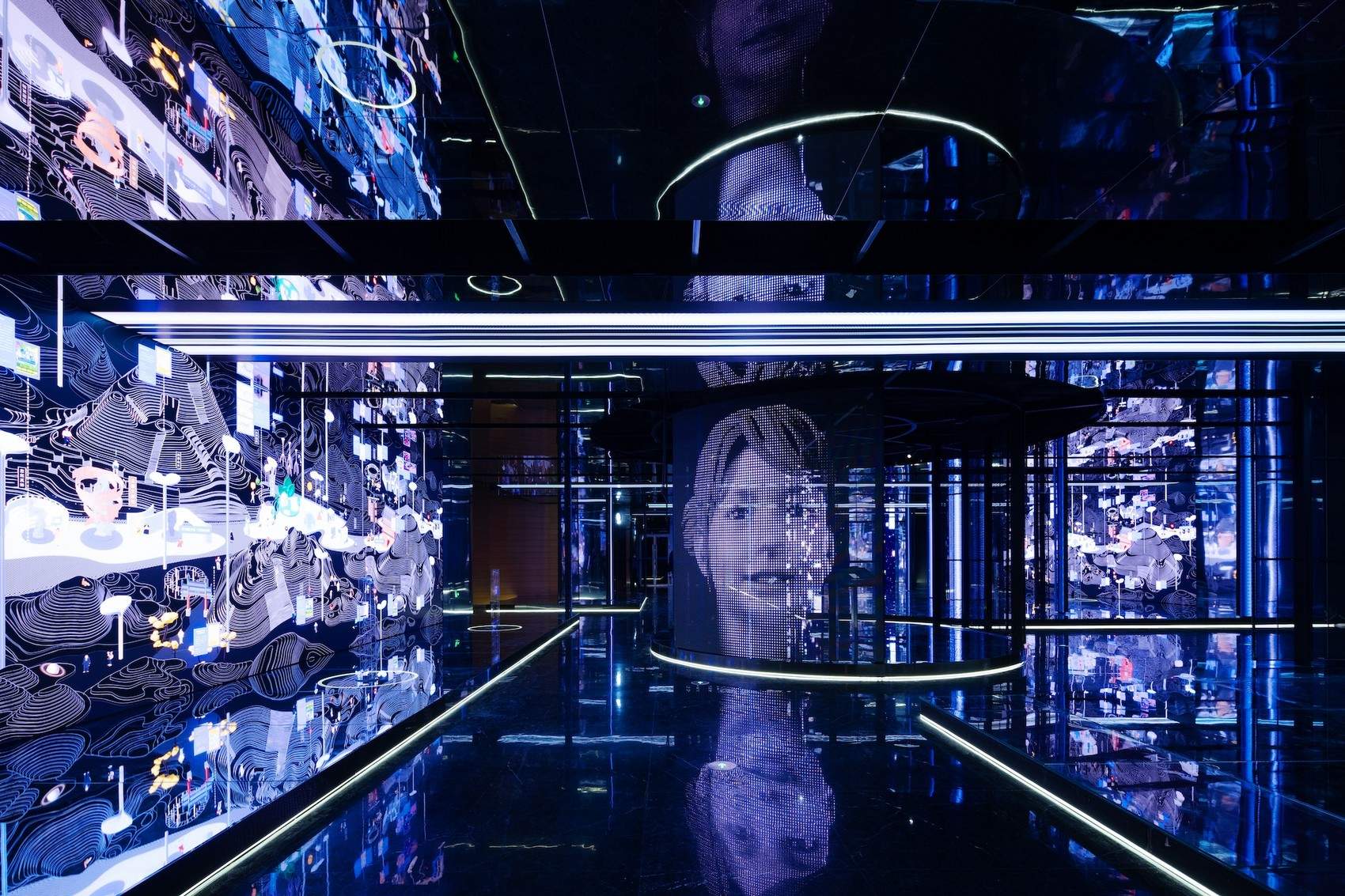

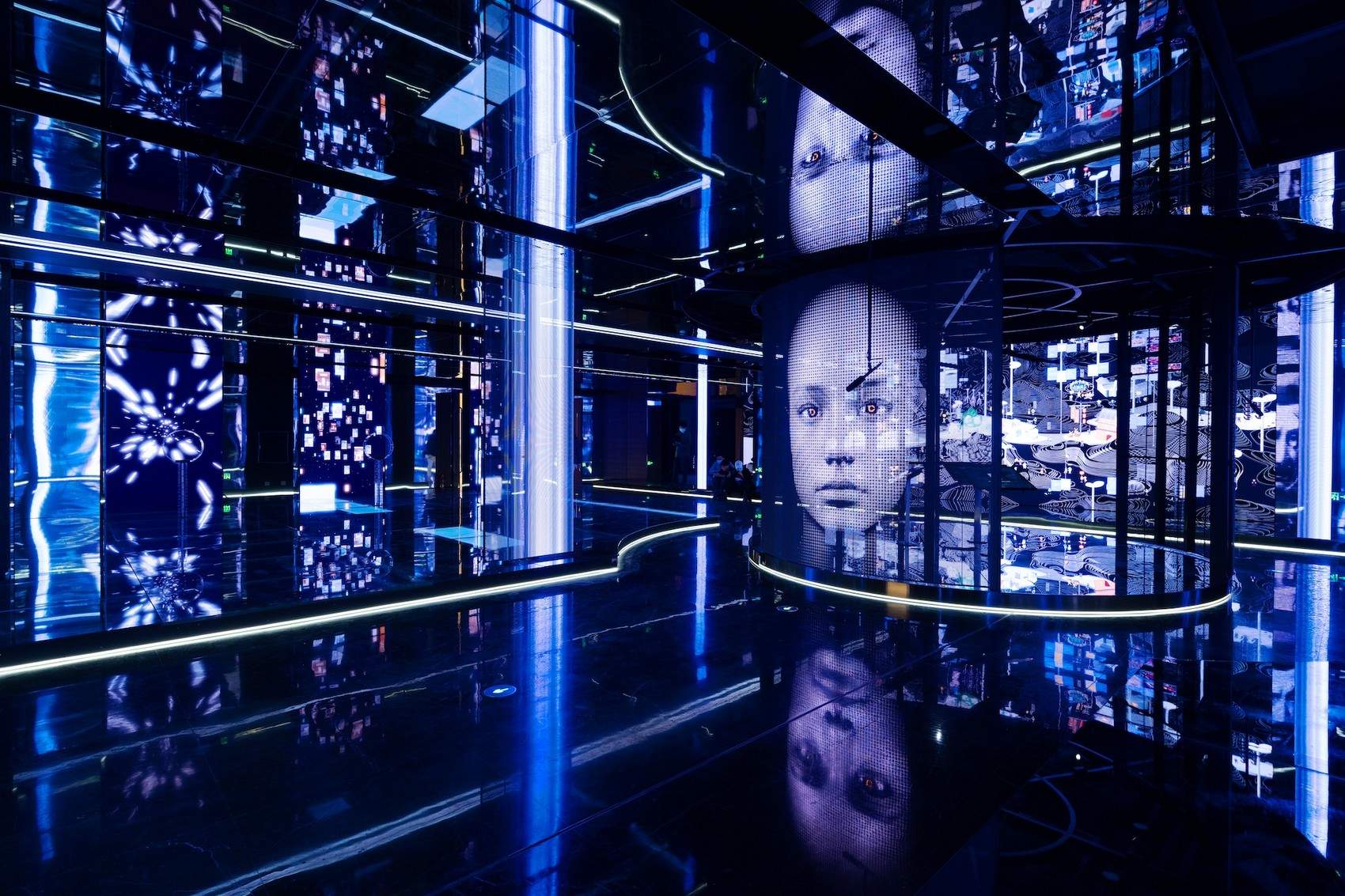
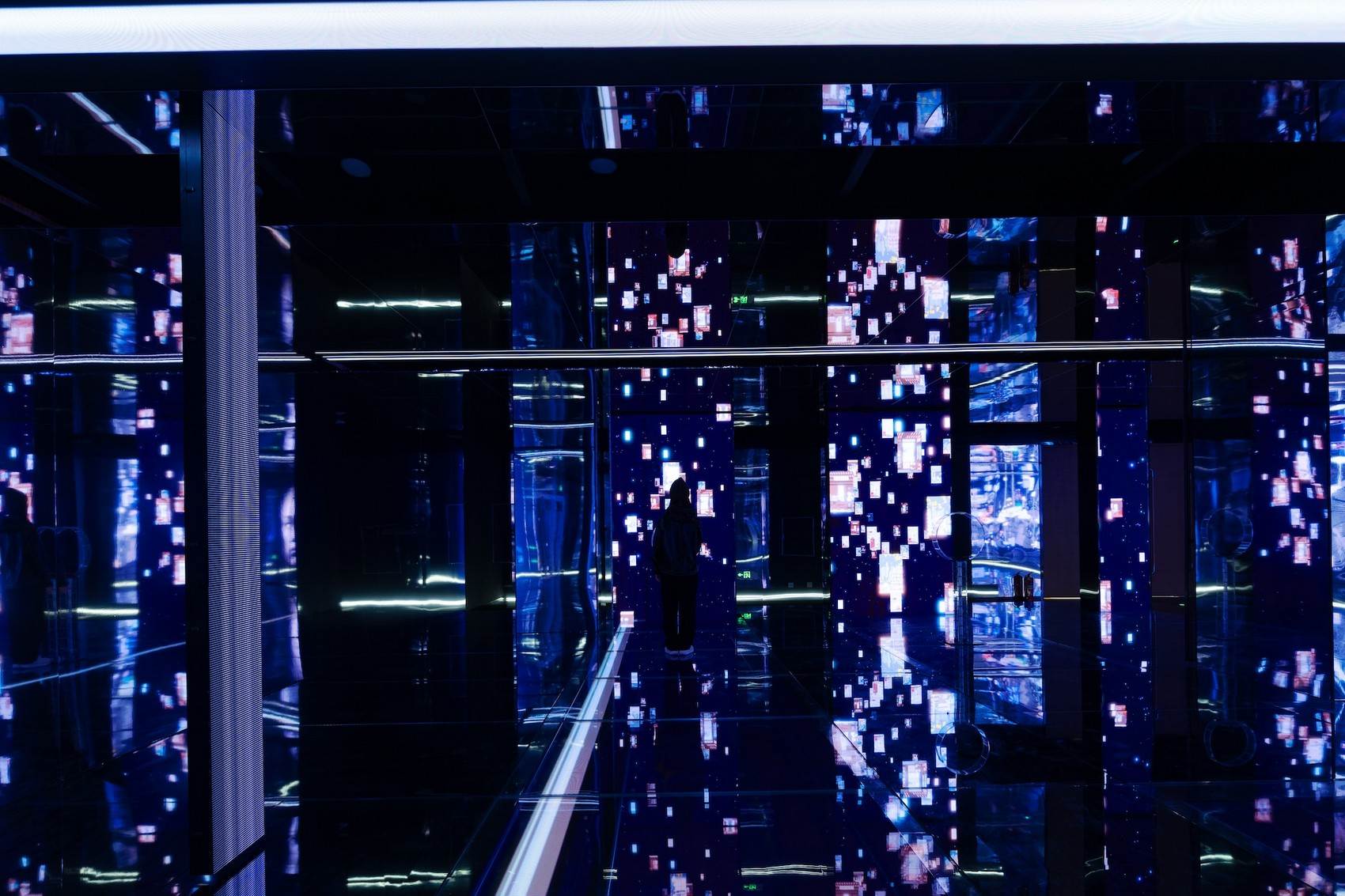


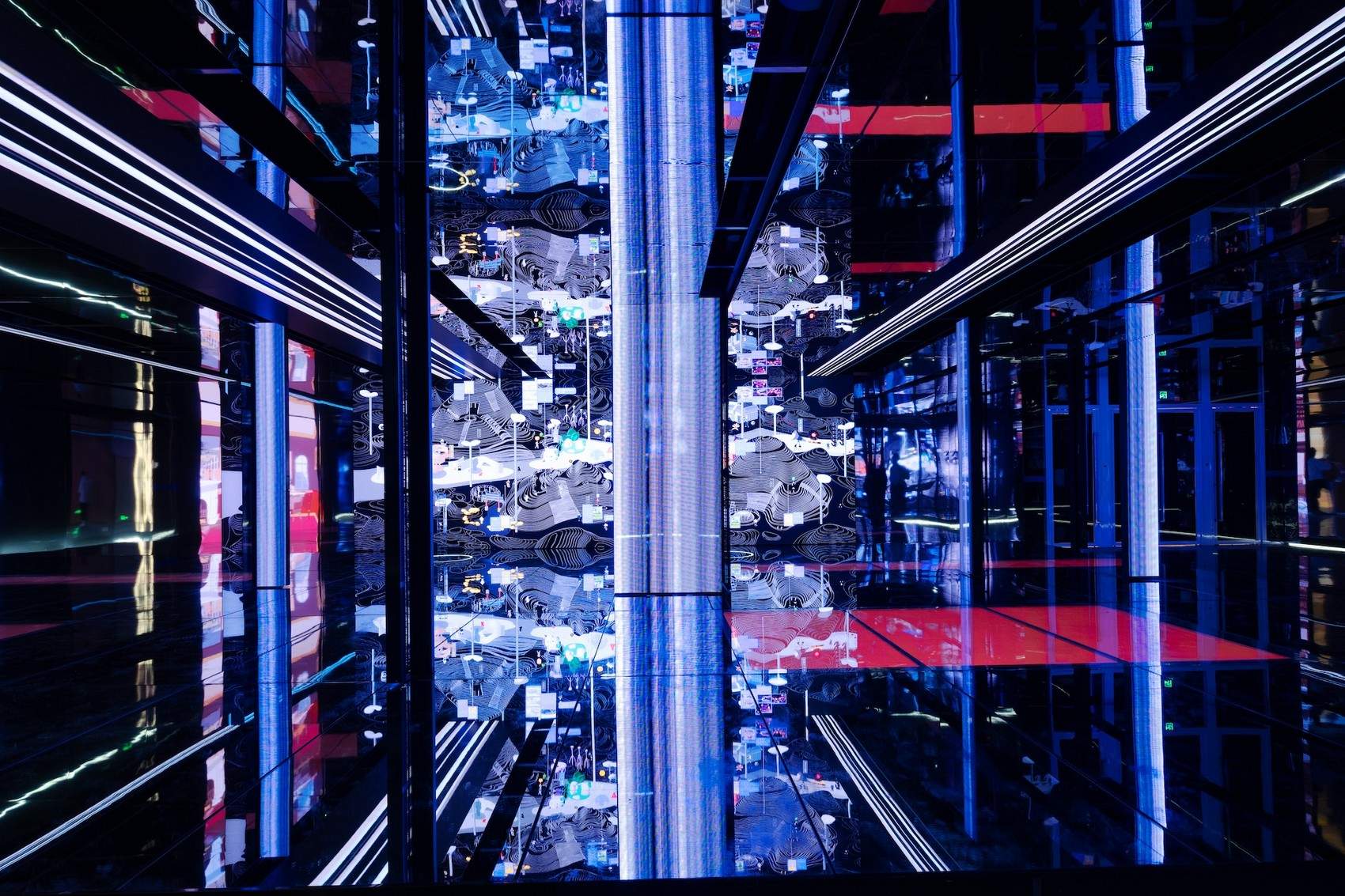

Immersive Mode


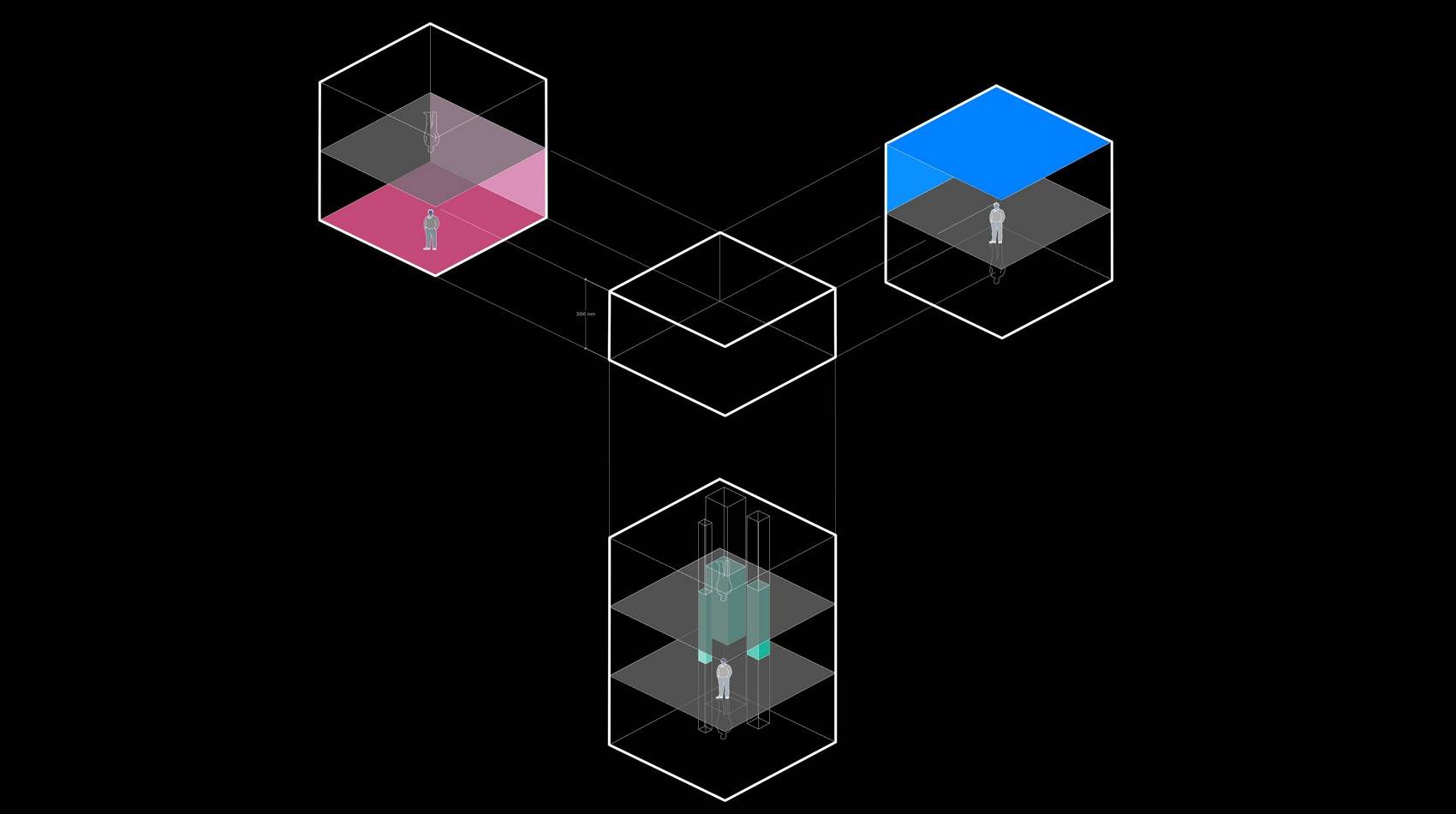
Spatial Structure Design
Through the use of display media such as vertical screens (positioned on walls), floor screens (positioned on the ground), ceiling screens (positioned on ceilings), transparent screens (positioned on columns, structural pillars), and mirrors (positioned on the ground, ceilings), visual effects of extended imagery, mutual reflection, and multi-dimensional interweaving are created.
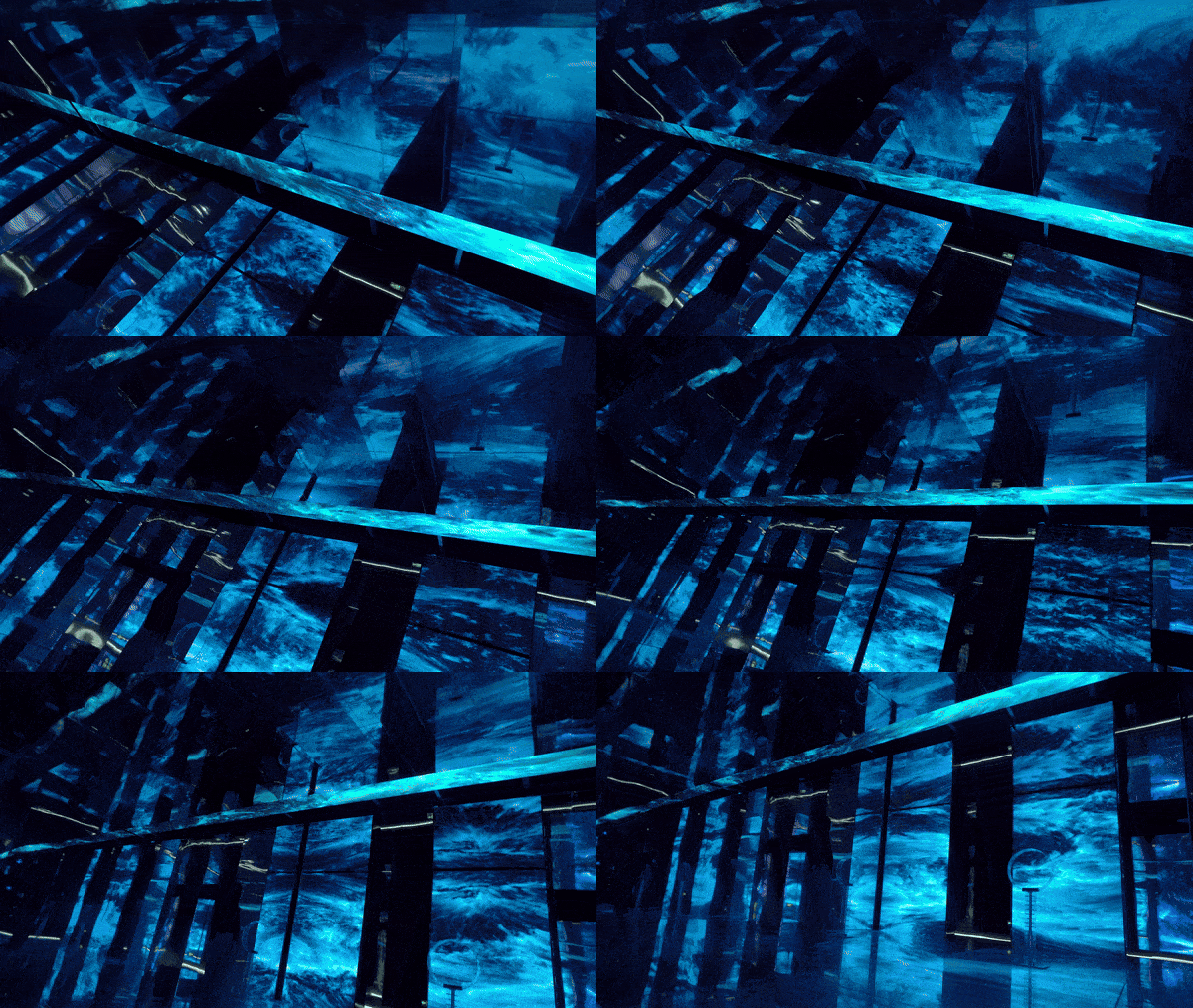
How to Access the Metaverse
Practical Cases of the Metaverse Concept
Current discussions on the “metaverse” mostly remain at the conceptual or technical levels, with few high-quality practical cases. What exists more are interactive experiences emerging from smart library construction processes, or forums, competitions, and exhibitions held on various metaverse platforms—all of which largely stay at the level of digital twins. The construction of the Capital Library’s Metaverse Experience Zone aims to become a practical case of libraries under the “metaverse” concept, serving as a “first-generation metaverse” in the library’s exploration of the metaverse.
Launchpad for Digital Avatars
The Capital Library Metaverse Immersive Space transforms online scenes into offline experiences and online interactions into immersive ones. By reinforcing the overall concept and diversified services of the Capital Library Metaverse through this immersive setup, it serves as a launchpad for readers’ digital avatars. This launchpad can be defined as a space where reality transitions into the virtual and the virtual transitions into reality simultaneously.
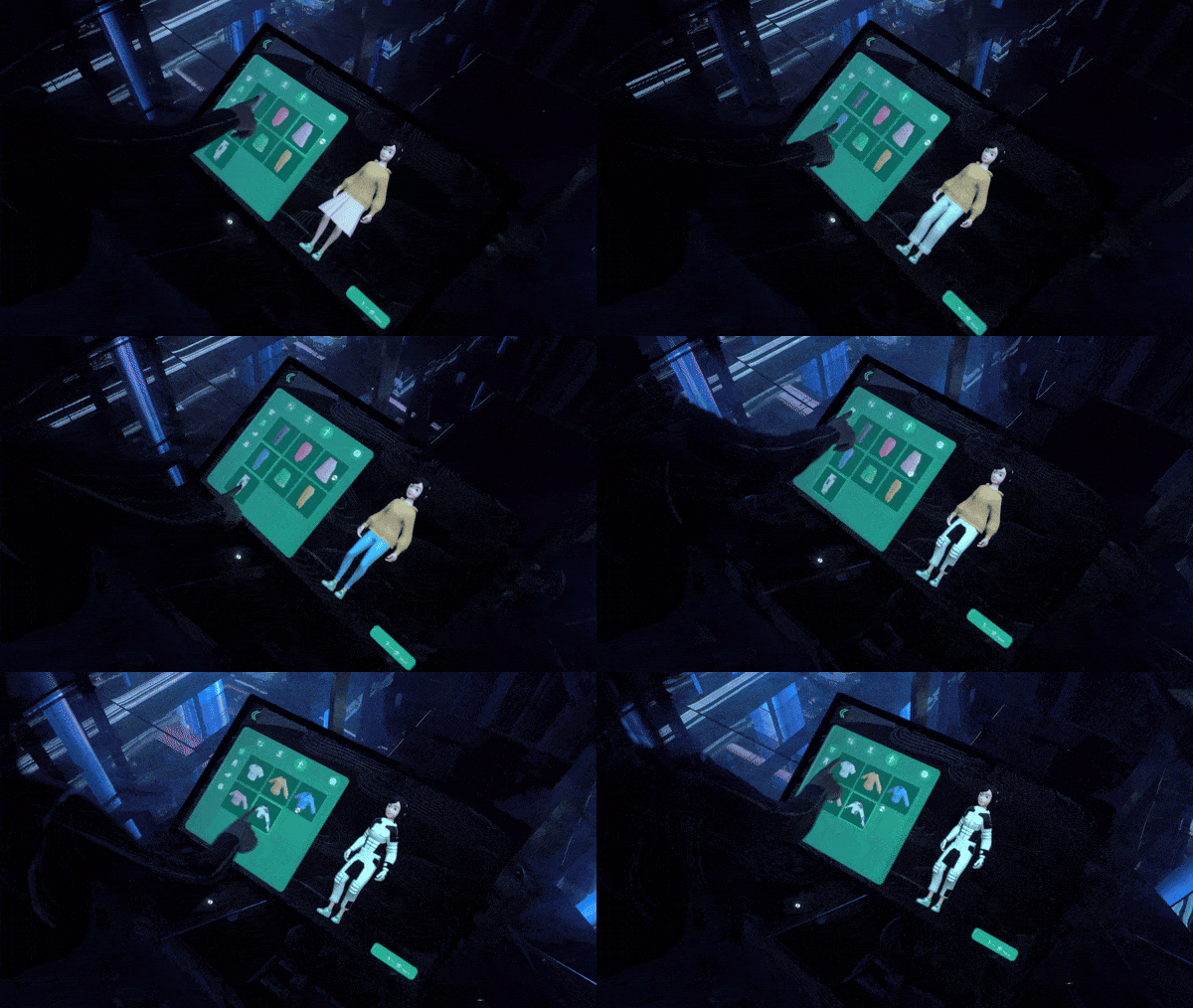
Hub of the Capital Library Metaverse
The Experience Zone serves as a dual-space interchange connecting offline and online. It transcends mobile devices to deliver immersive offline experiences of online content, while the online platform requires a modeled space to track participants’ positions, traffic flow, and behaviors in the offline space in real time—enabling bidirectional connectivity between the physical and digital worlds.
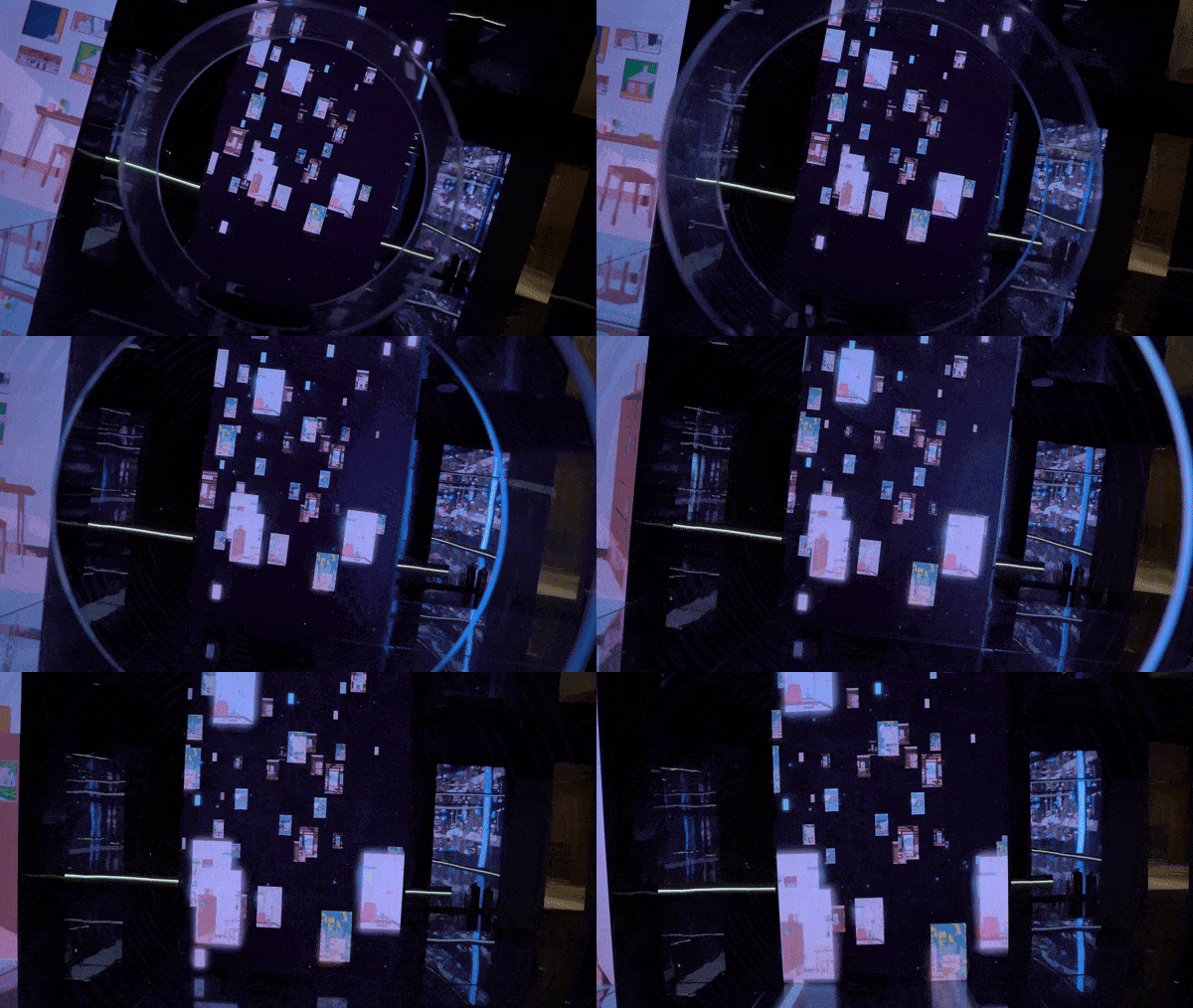
Hybrid Space from Entry to Immersion
The online metaverse is not a virtual exhibition hall, nor is the offline metaverse merely an interactive exhibit. Therefore, this experience zone aims not only to let readers “enter” and engage with digital content through interactive formats and digital technologies, but also to enable them to “immerse” themselves in the digital world. Within this hybrid space, real-world actions are designed to drive actions within the digital space—allowing tangible exploration of the virtual world and supporting readers’ digital avatars in accessing library services more conveniently and enjoyably.
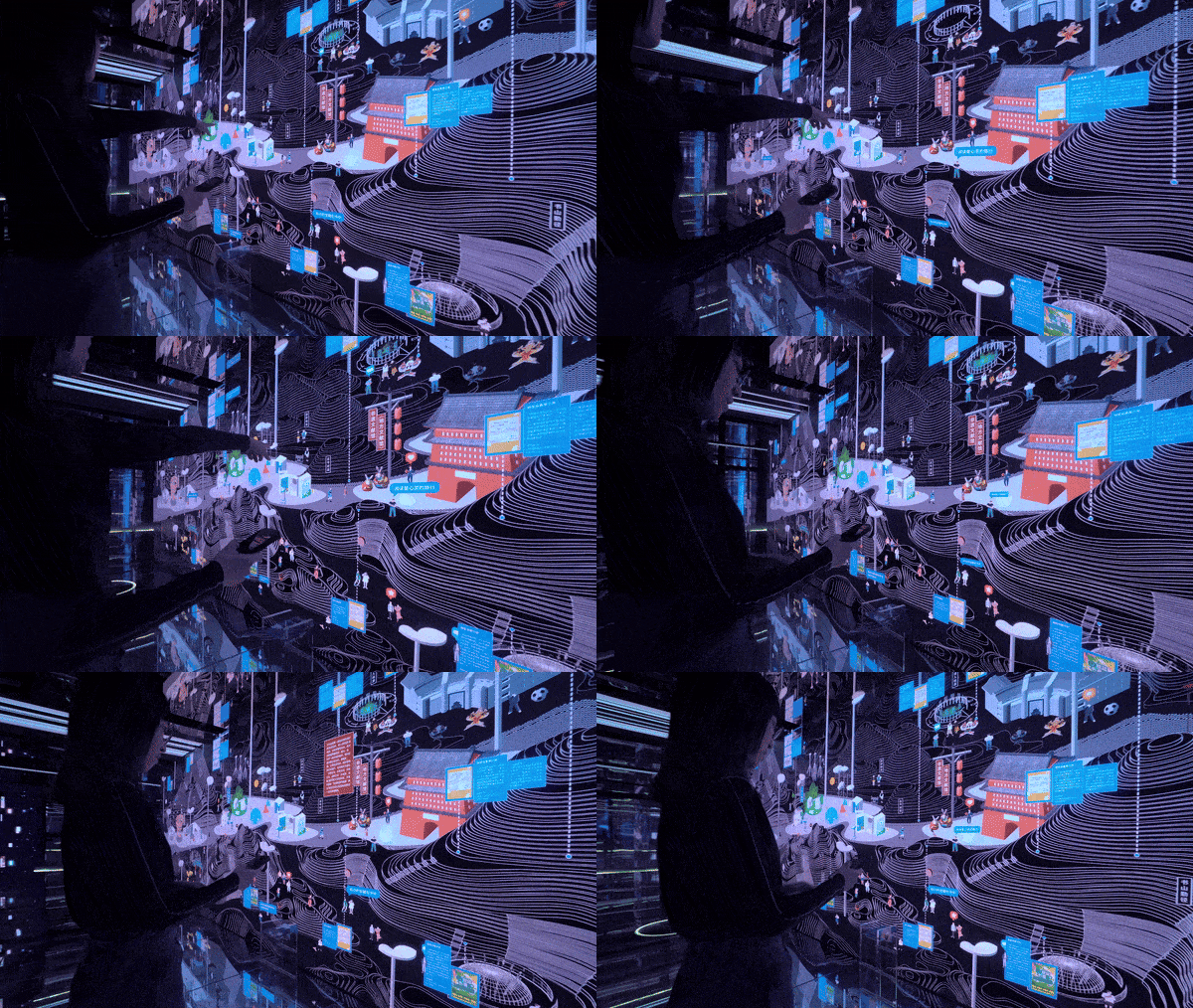
Open "Digital Storytelling"
Breaking free from constraints of time, space, and physical conditions, readers within the Metaverse Experience Zone—under the overarching context of the hybrid space—can engage with open digital storytelling enabled by technology. In physical settings, digital terminals can carry richer information and present content through “narrative” formats, yet they remain constrained by visitor flow, largely adhering to linear storytelling logic. Within the Metaverse Experience Zone, however, readers can access and immerse themselves in the metaverse regardless of their location. They receive personalized feedback based on their identities, are brought into metaverse scenes as digital avatars, and engage in non-linear digital storytelling within the online metaverse environment.
The content of this article was provided by 某集体ART+TECH or sourced from their official media channels, and has been curated and edited by WeHow. All copyrights to images, videos, and related design works remain with their respective creators or design firms. Reproduction, republication, or commercial use of the WeHow-edited version in any form is prohibited without prior written permission from both WeHow and the respective copyright holders.