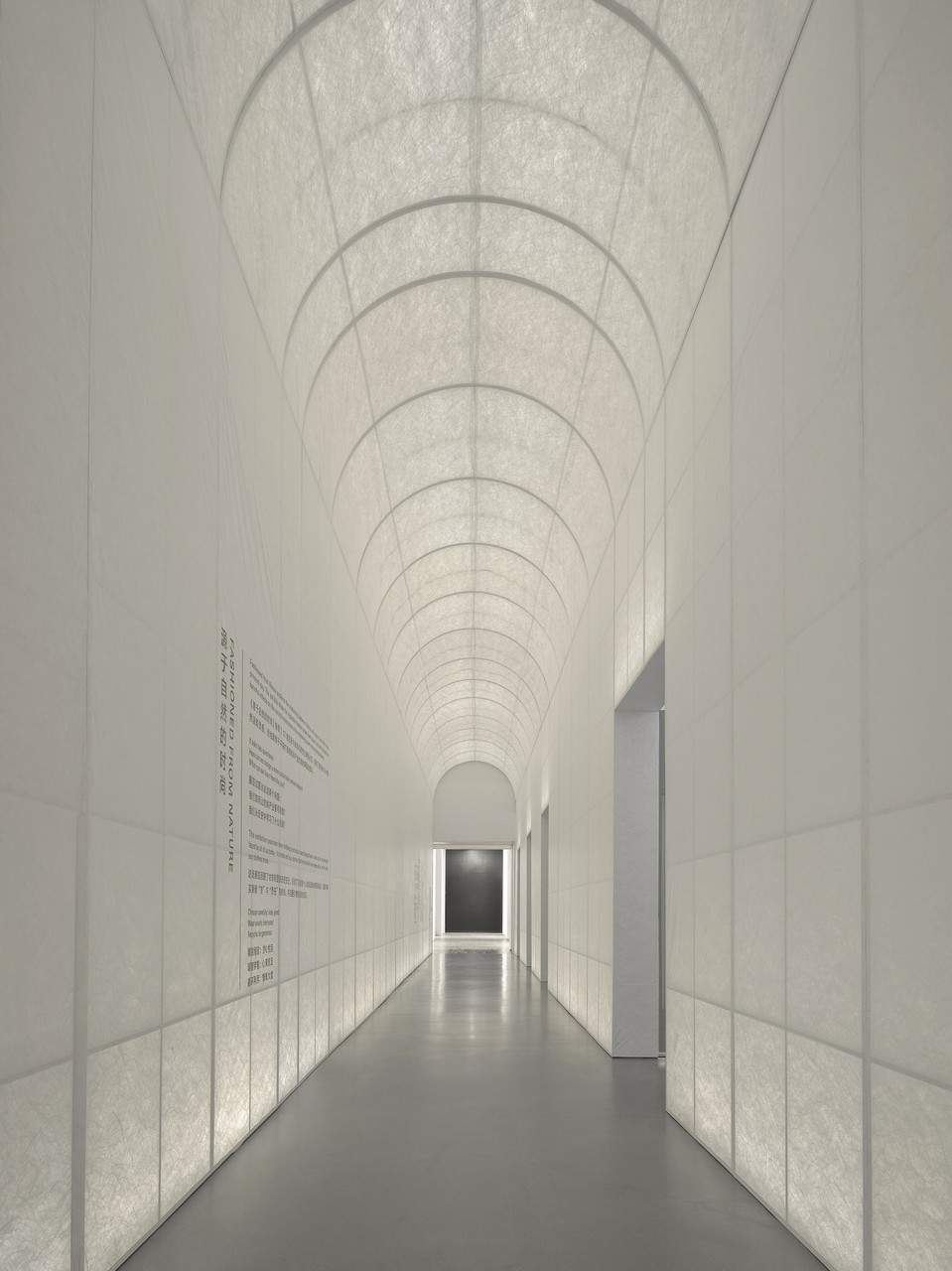
The “Fashion from Nature” exhibition constructs a cross-temporal and spatial dialogue of natural aesthetics between the East and the West through a unique spatial narrative. The exhibition consists of two major theme sections: the Western exhibition area, jointly organized by the V&A Museum and China Merchants Shekou | Design Society, shows the interactive trajectory of human beings and nature through the evolution of clothing since the 16th century; the Eastern exhibition area presented by the China National Silk Museum and Zhang Ximei’s team interprets the ecological wisdom of “harmony between man and nature” through silk culture. The two exhibition areas jointly explore the eternal proposition of the fashion industry and the natural environment with differentiated spatial languages.

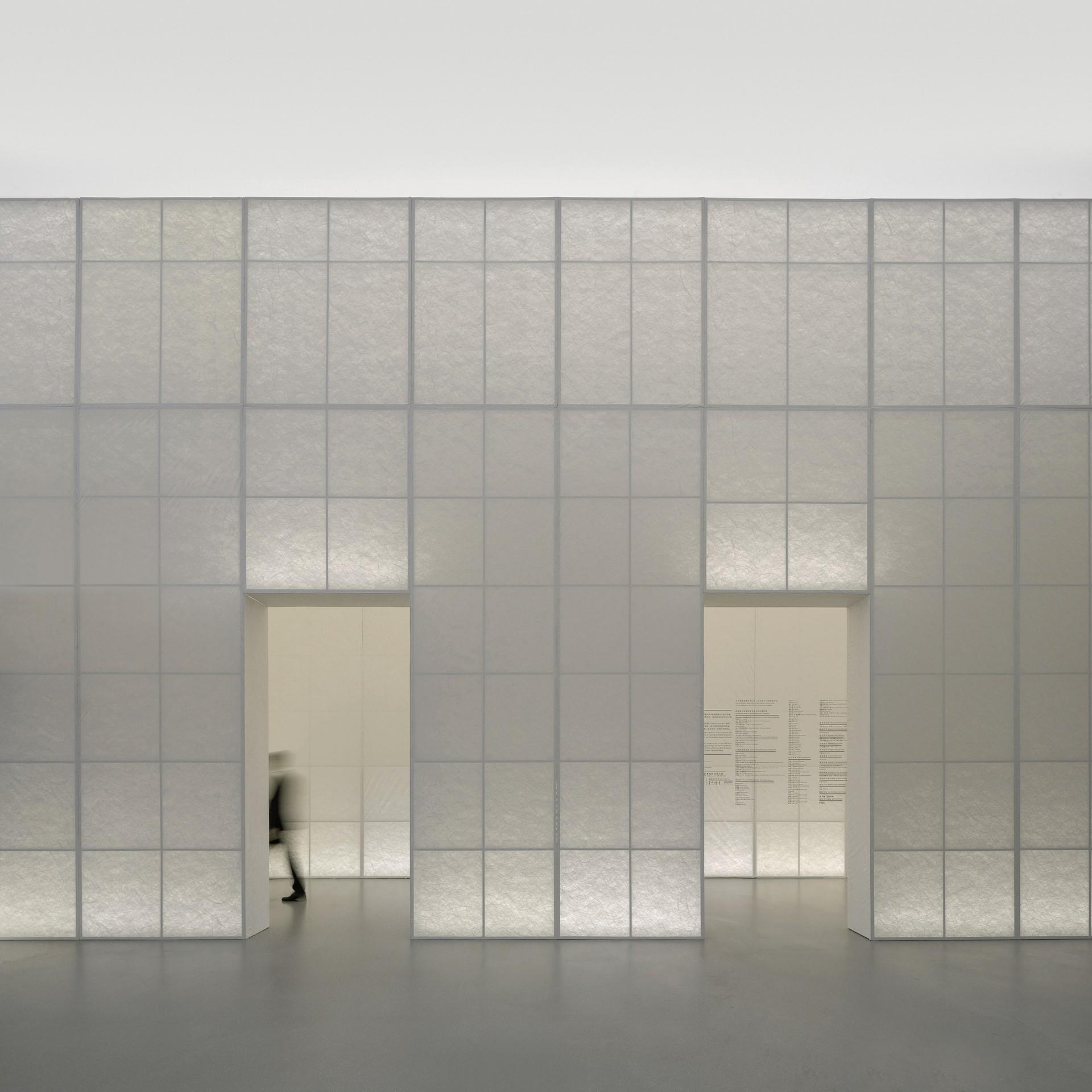
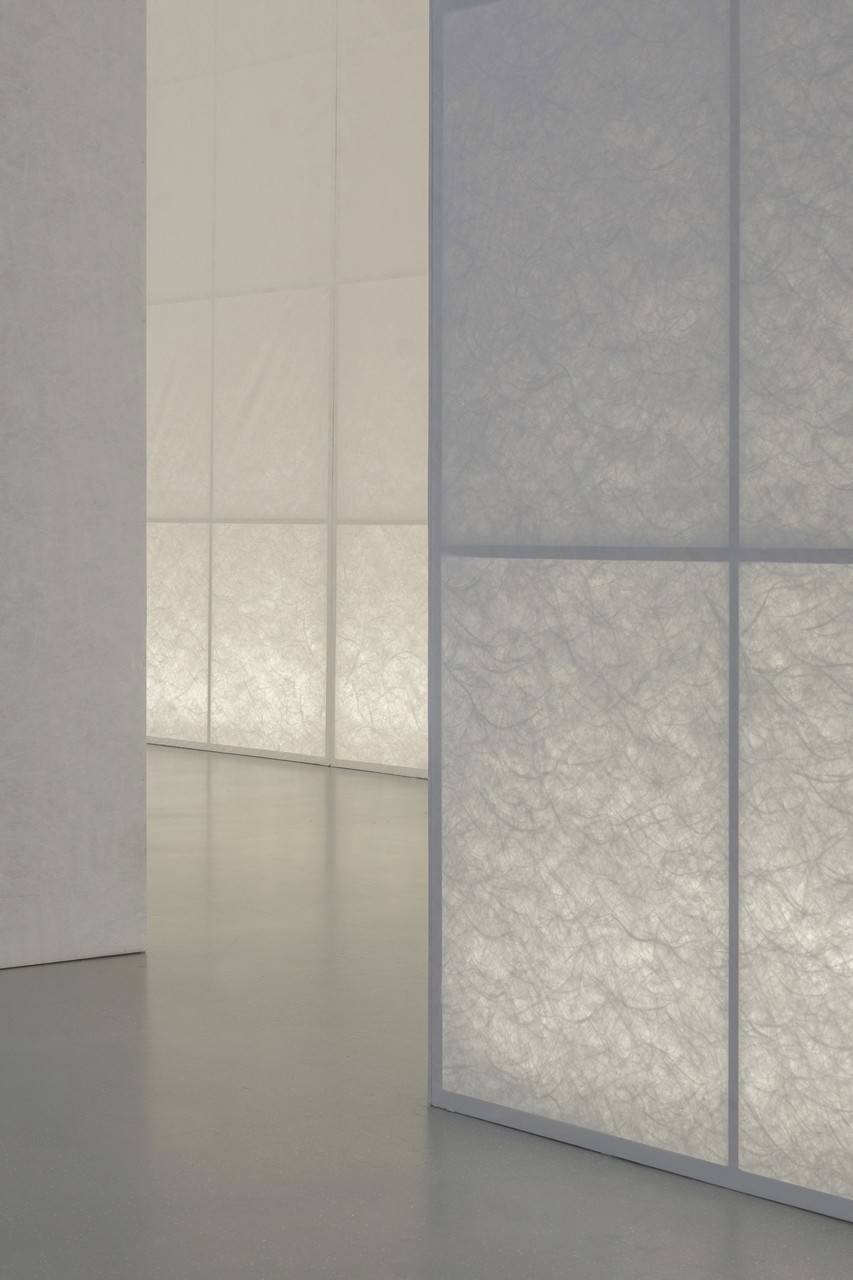
The exhibition takes “garden” as the spatial theme and explores the aesthetic connotation of “third nature” at the philosophical level. The DuPont paper archway at the entrance interweaves vine textures through light and shadow, constructing a “green corridor” field that symbolizes the dialogue between civilizations, and cleverly metaphorically implies the similarities and differences between the East and the West in the cognition of nature. This design that transforms the artistic conception of the garden into a contemporary exhibition language not only presents the aesthetic pursuit of human beings to reshape nature through fashion and gardening art, but also builds a poetic space for viewers to think about ecological relationships.
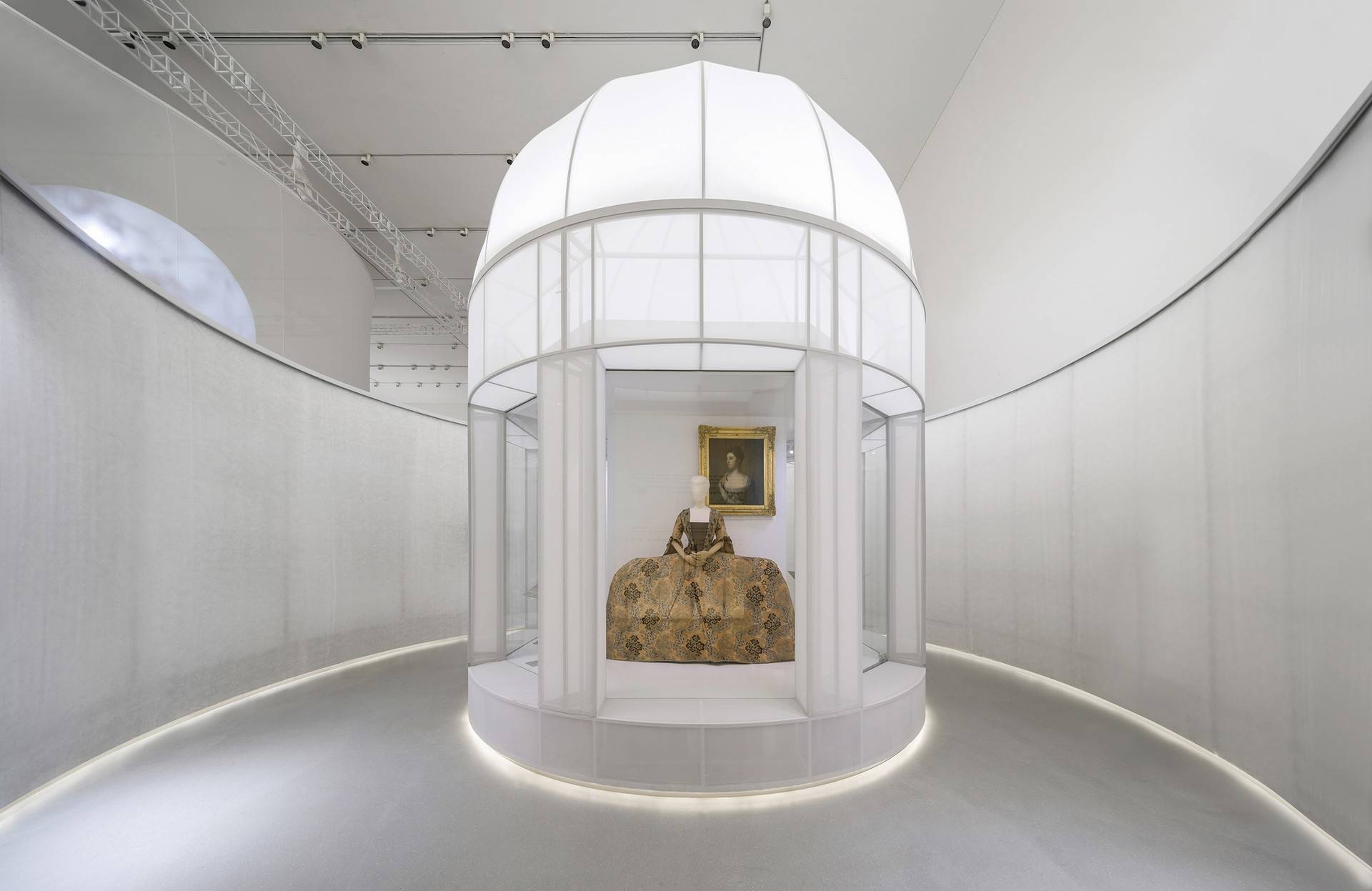
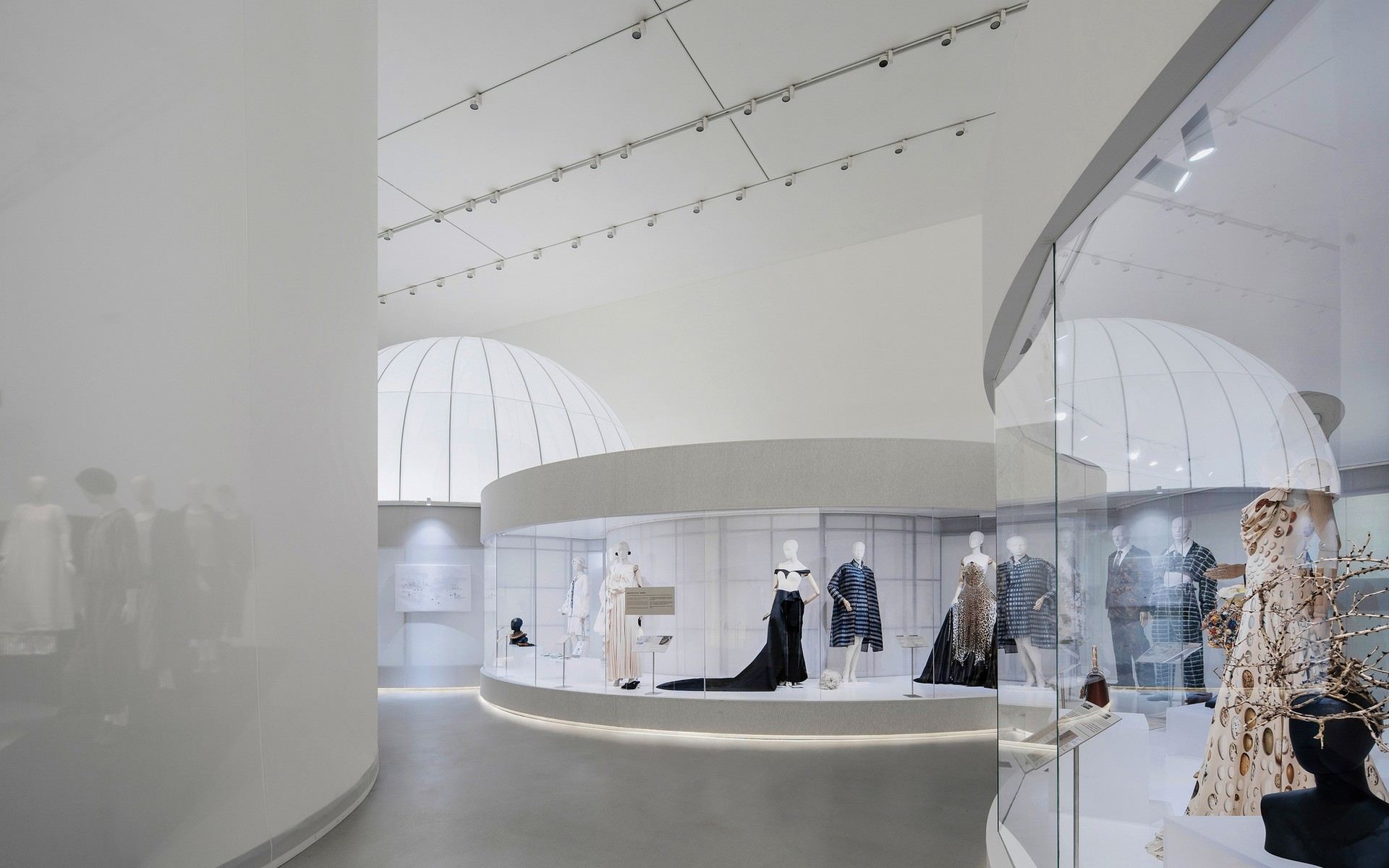
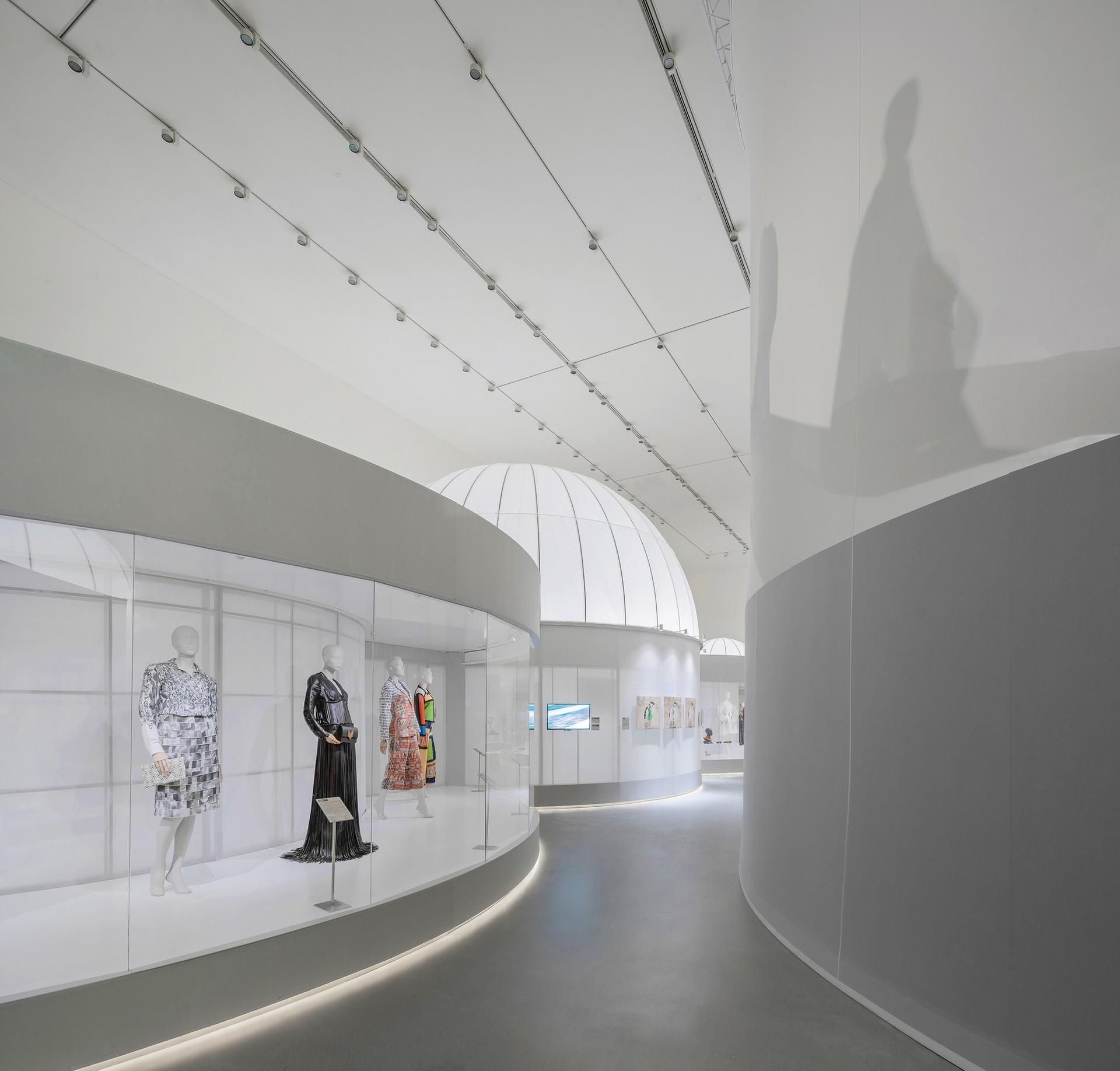
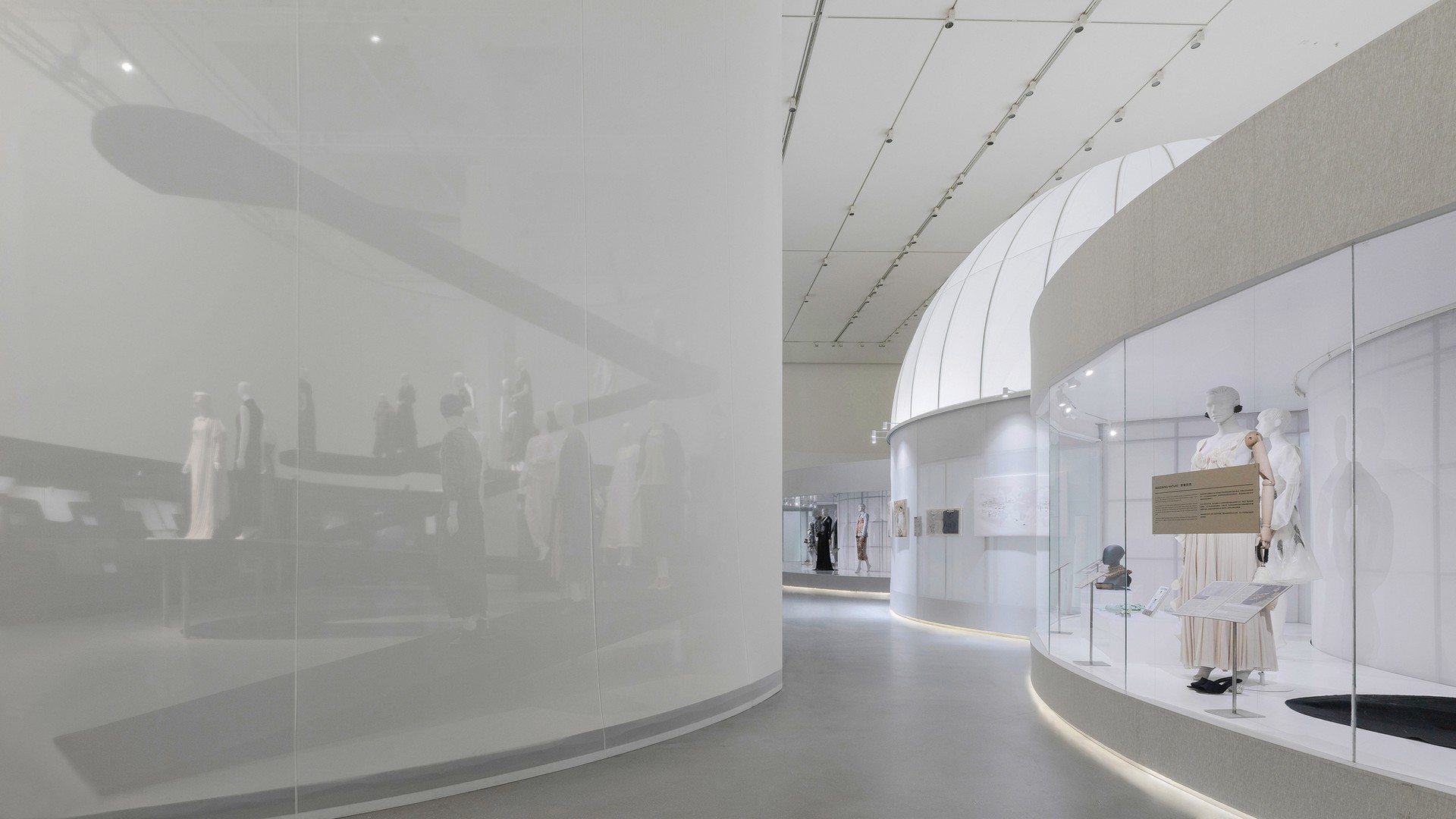
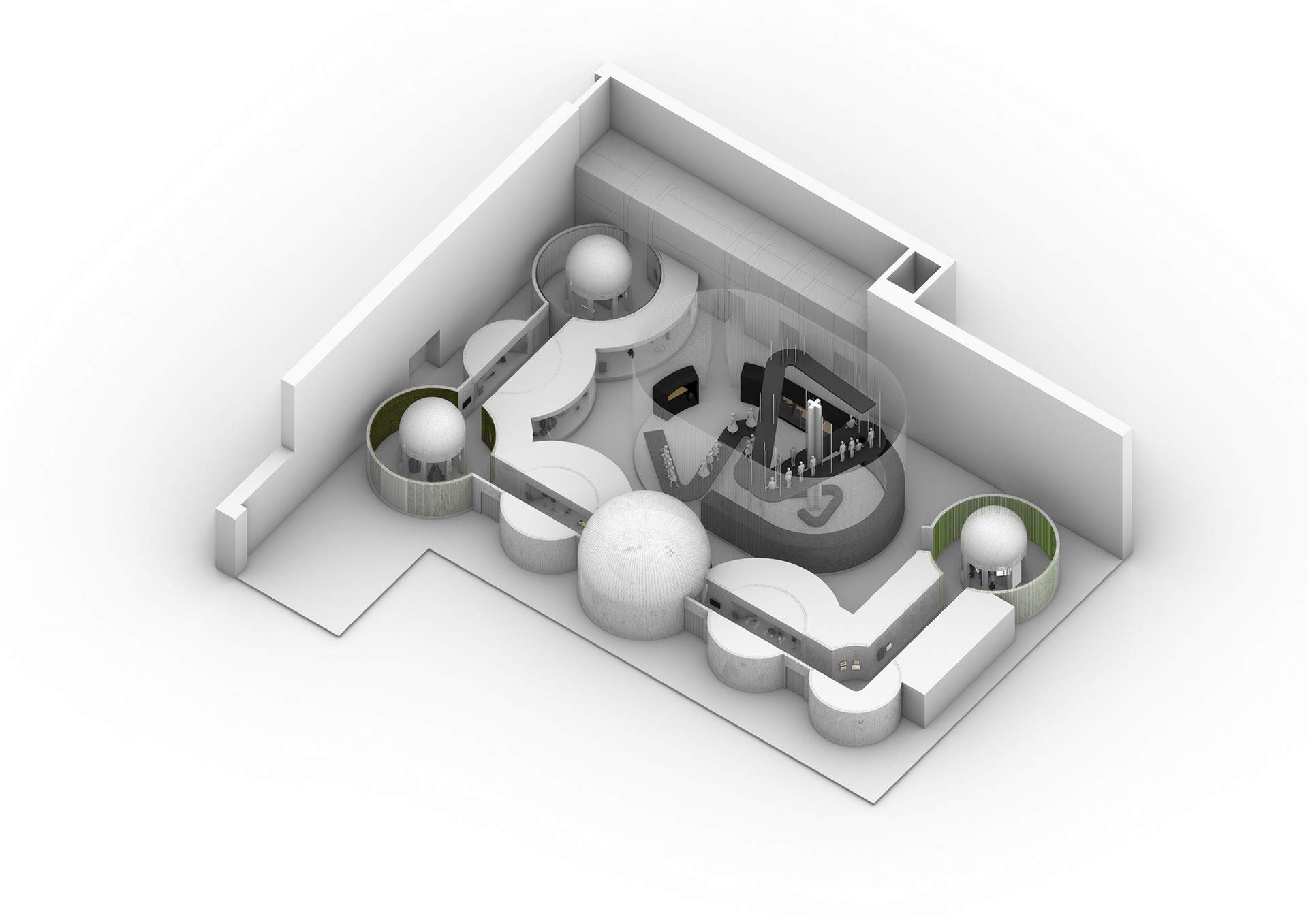
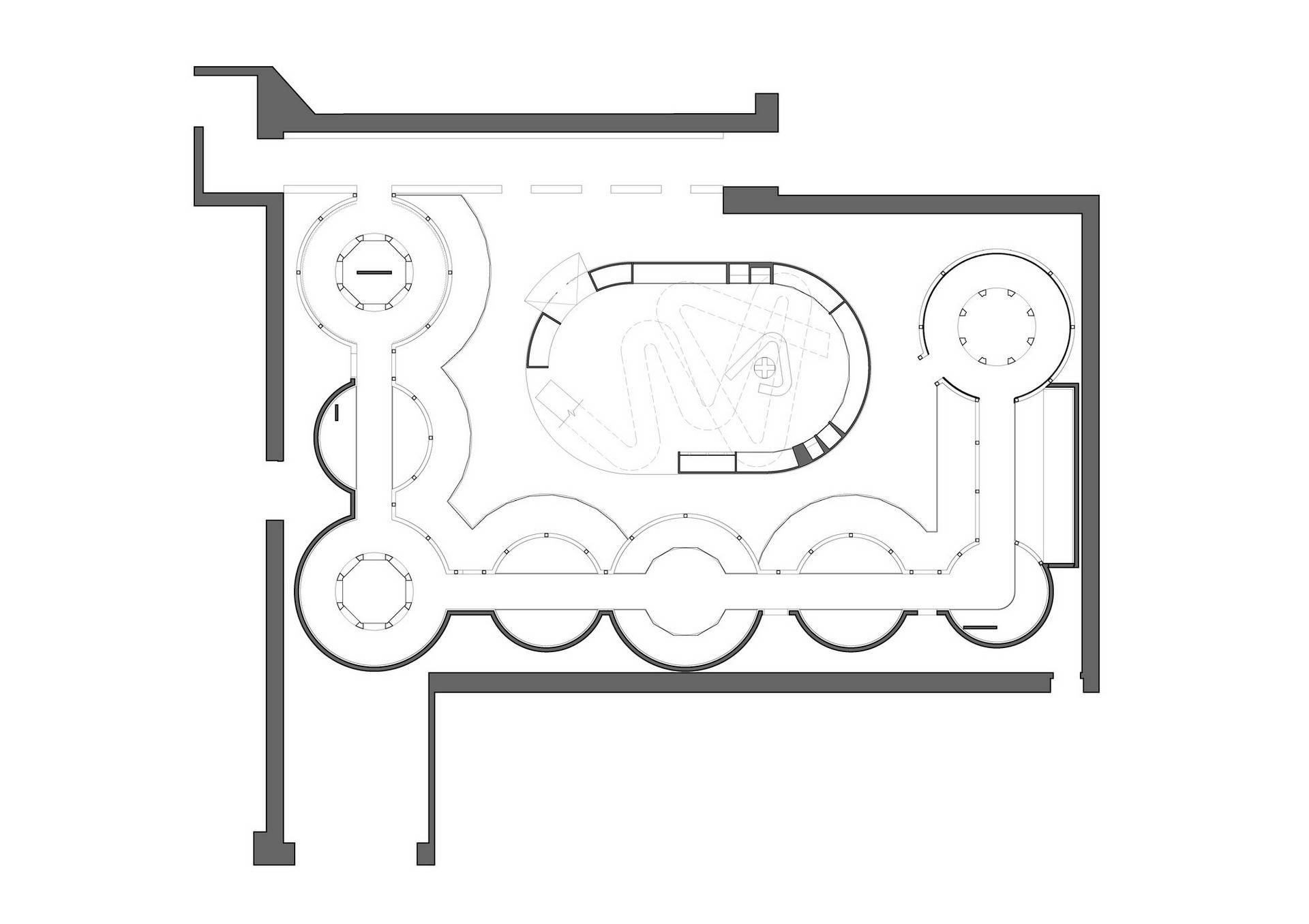
Passing through the green corridor, the British exhibition area uses translucent fabrics to construct a geometric aesthetic image of a Western garden. On the rigorous central axis, the circular exhibition areas are connected like pearls, and finally converge into three 360-degree panoramic display cabinets – they are like pavilions in classical gardens, which are both a contemporary interpretation of the Palladian order and an art installation for displaying core exhibits. This design, which transforms Western gardening rules into exhibition language, completes the aesthetic translation from garden to fashion in the interweaving of reality and illusion.


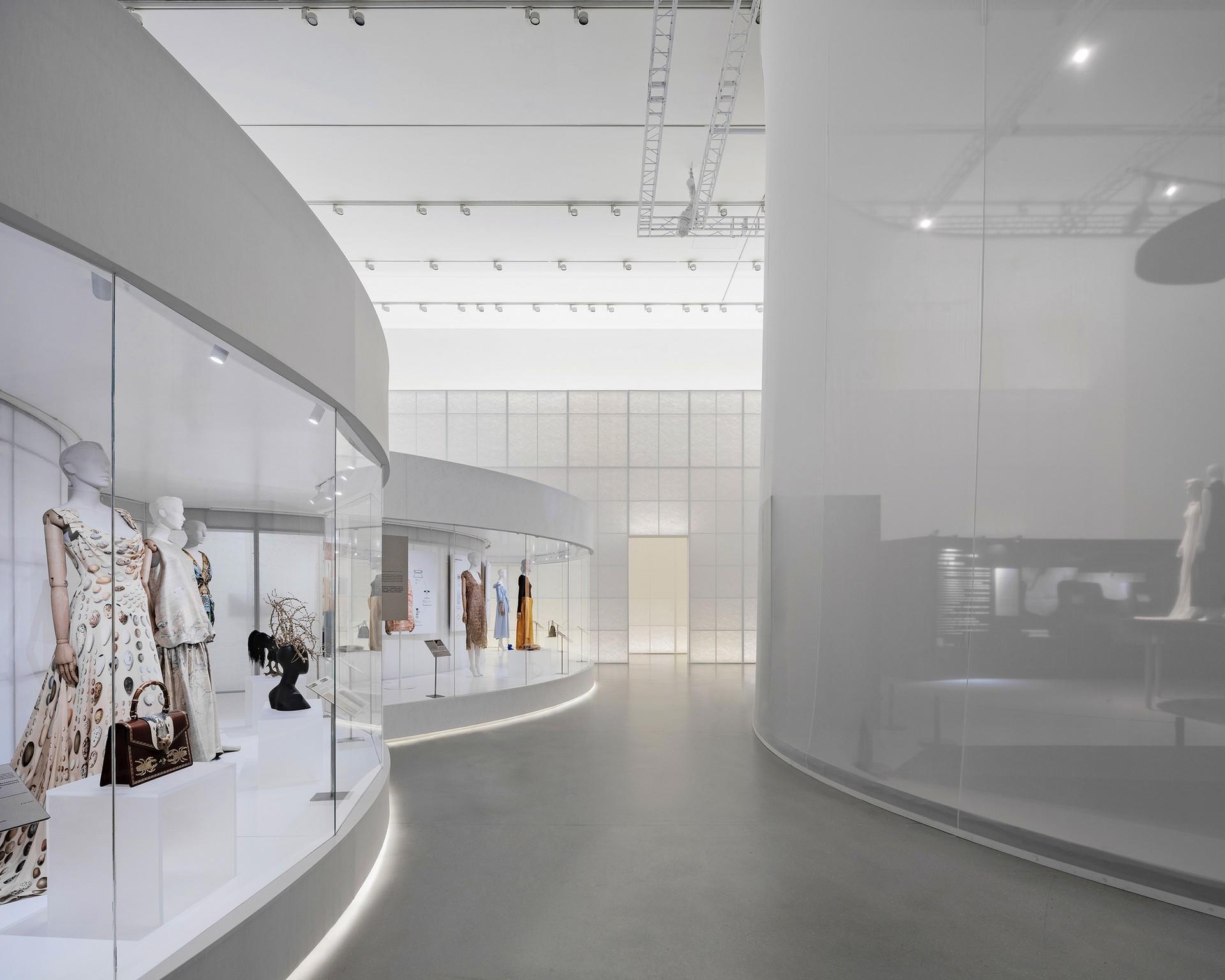
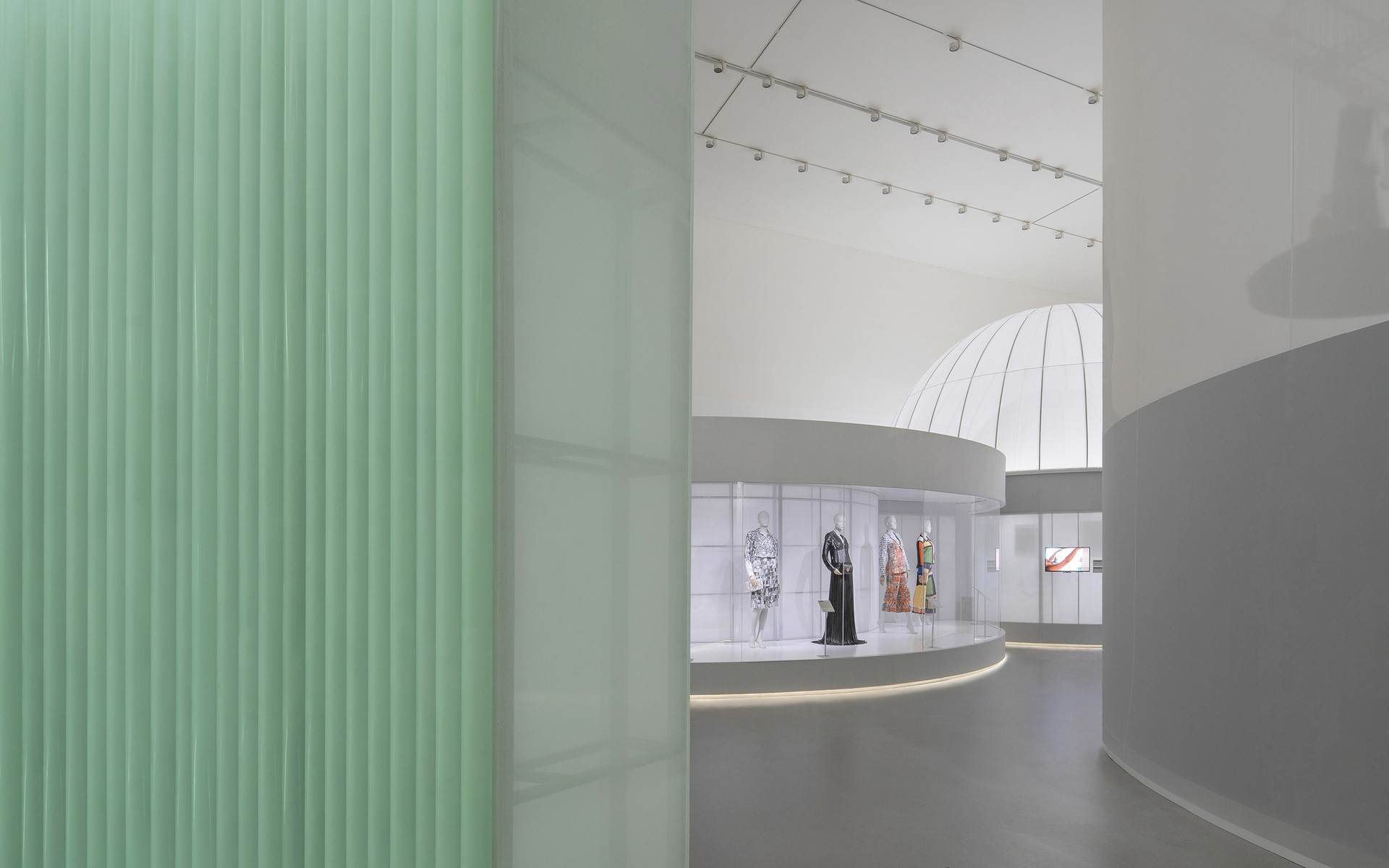
The exhibition uses a modern “garden” constructed with an array of acrylic tubes as the final chapter of the classical exhibition area. The transparent material language indicates that the narrative is turning to the contemporary. When the audience passes through this futuristic transitional space, the exhibition form immediately undergoes a dramatic evolution – the original rigorous geometric order melts into a smooth organic surface, forming an open and flowing display system. This spatial translation from regular to free is not only a metaphor for the innovation of human cognition of nature, but also foreshadows the future vision of fashion and ecology to achieve harmonious coexistence under the concept of sustainable development.

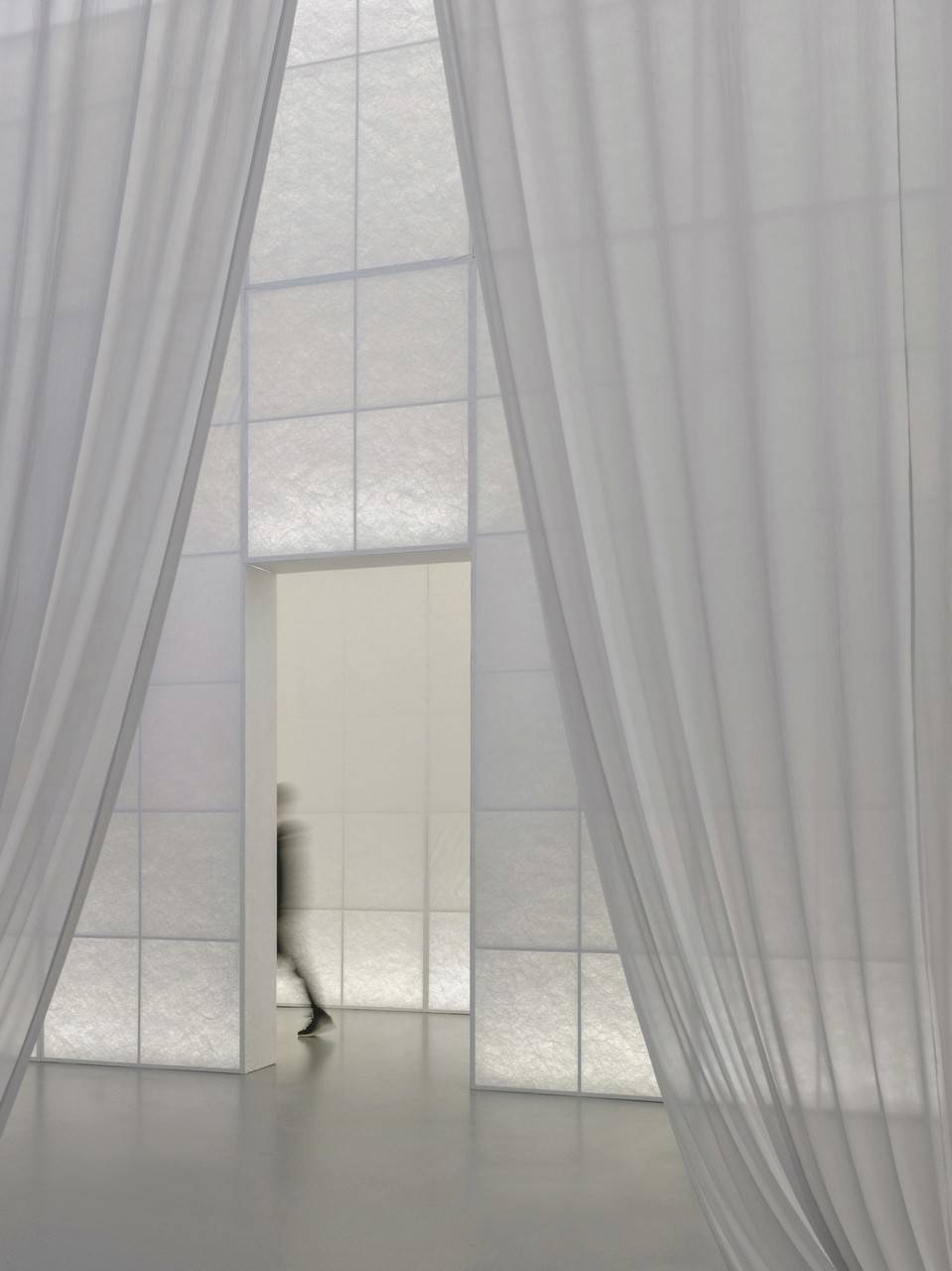
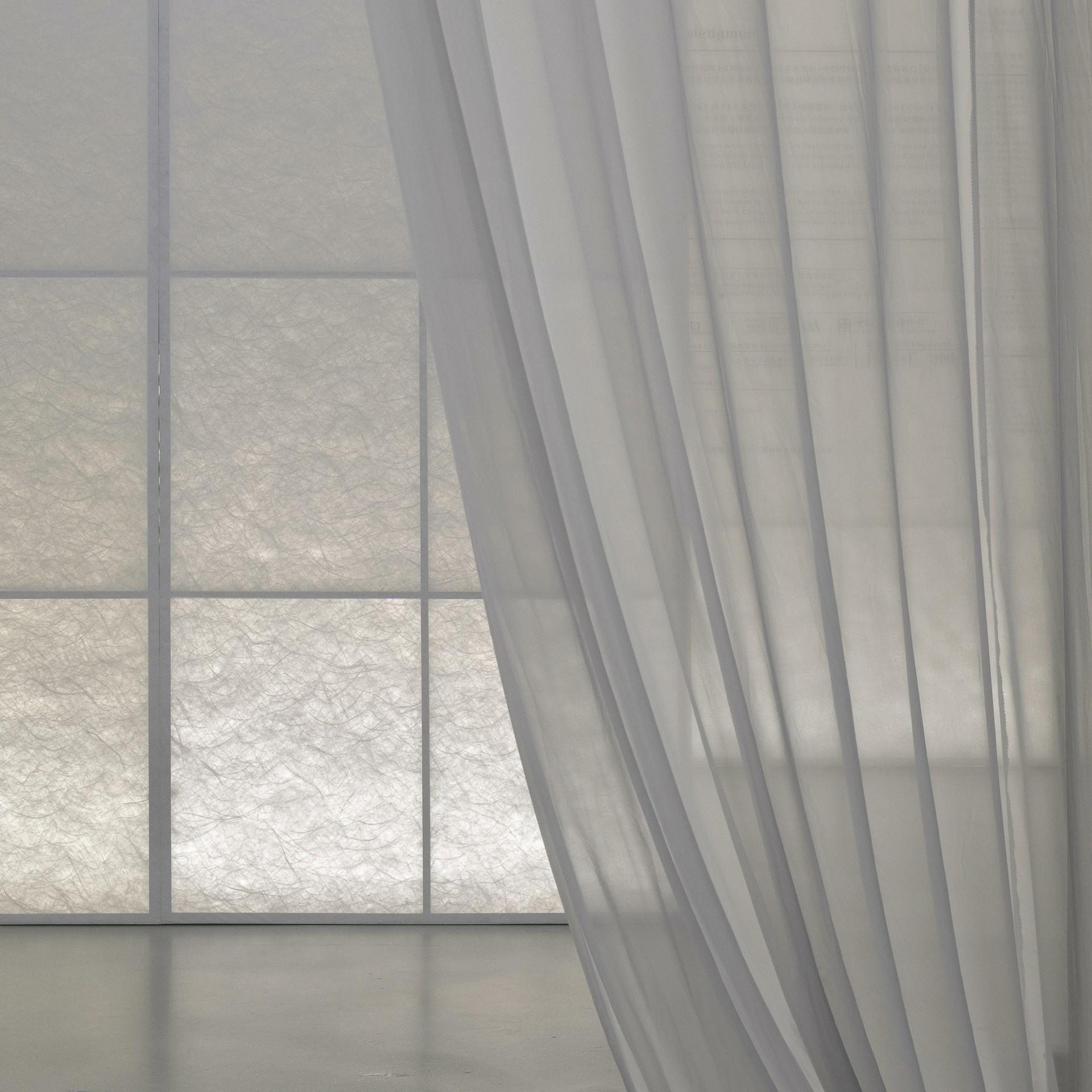
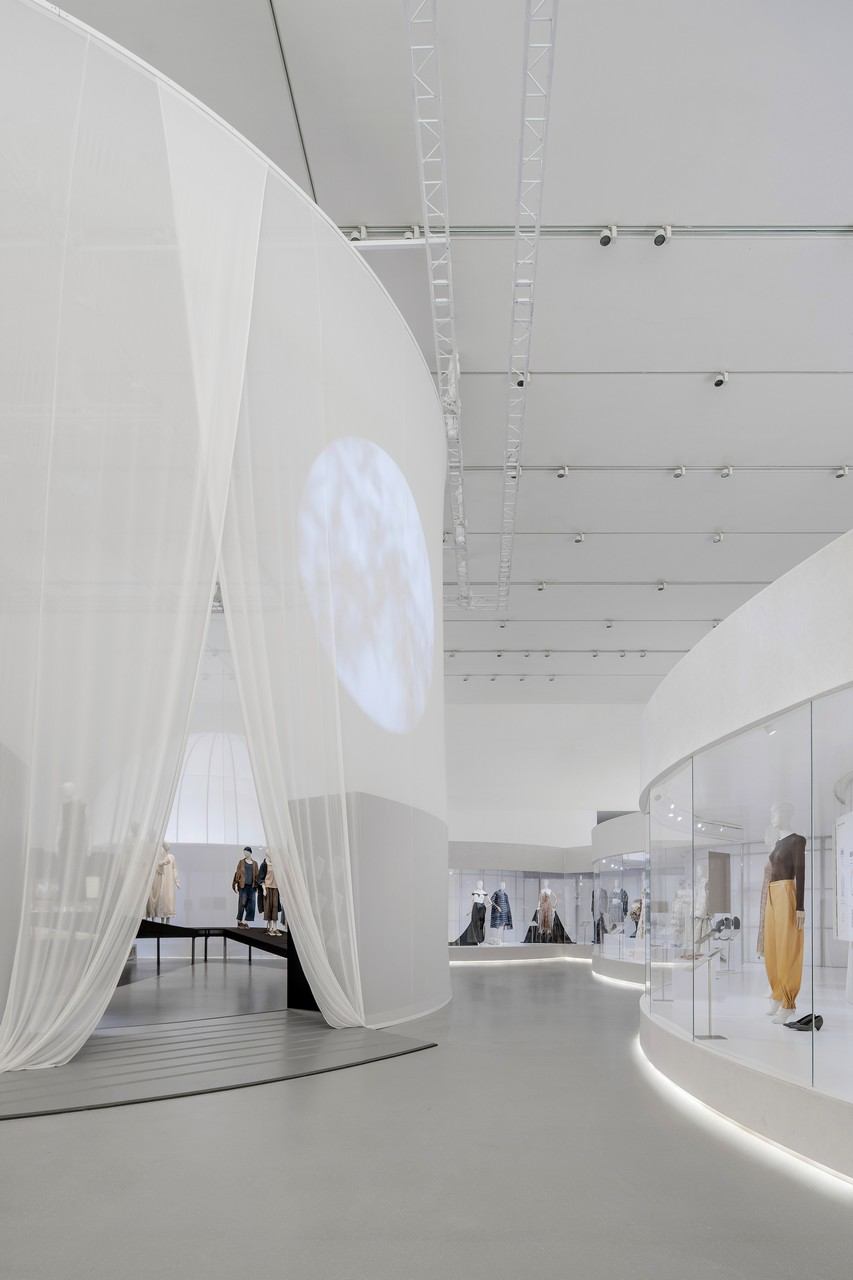
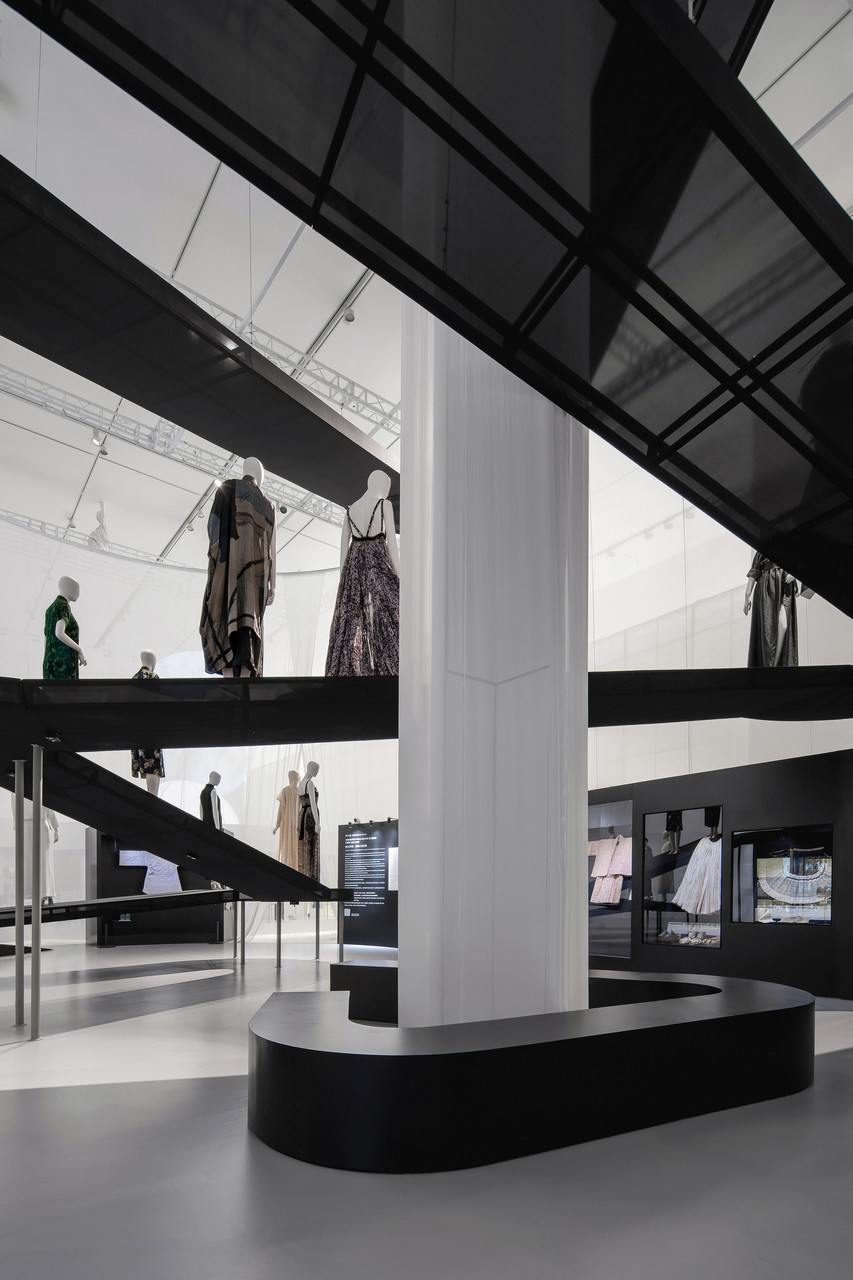
As the final chapter of the exhibition, the Chinese exhibition area ends with a space design full of oriental artistic conception. The light gauze curtains create a hazy landscape painting, and the winding suspended trails are like paths in the clouds, leading the audience to start a free-roaming garden walk. Models dressed in fashion are transformed into mountain tourists, and together with the space, they form a dynamic “garden map”. This design that breaks the axis and abandons fixed rules perfectly interprets the philosophical essence of the Chinese garden “Tao follows nature”, making the exhibition a poetic experience that moves at will.
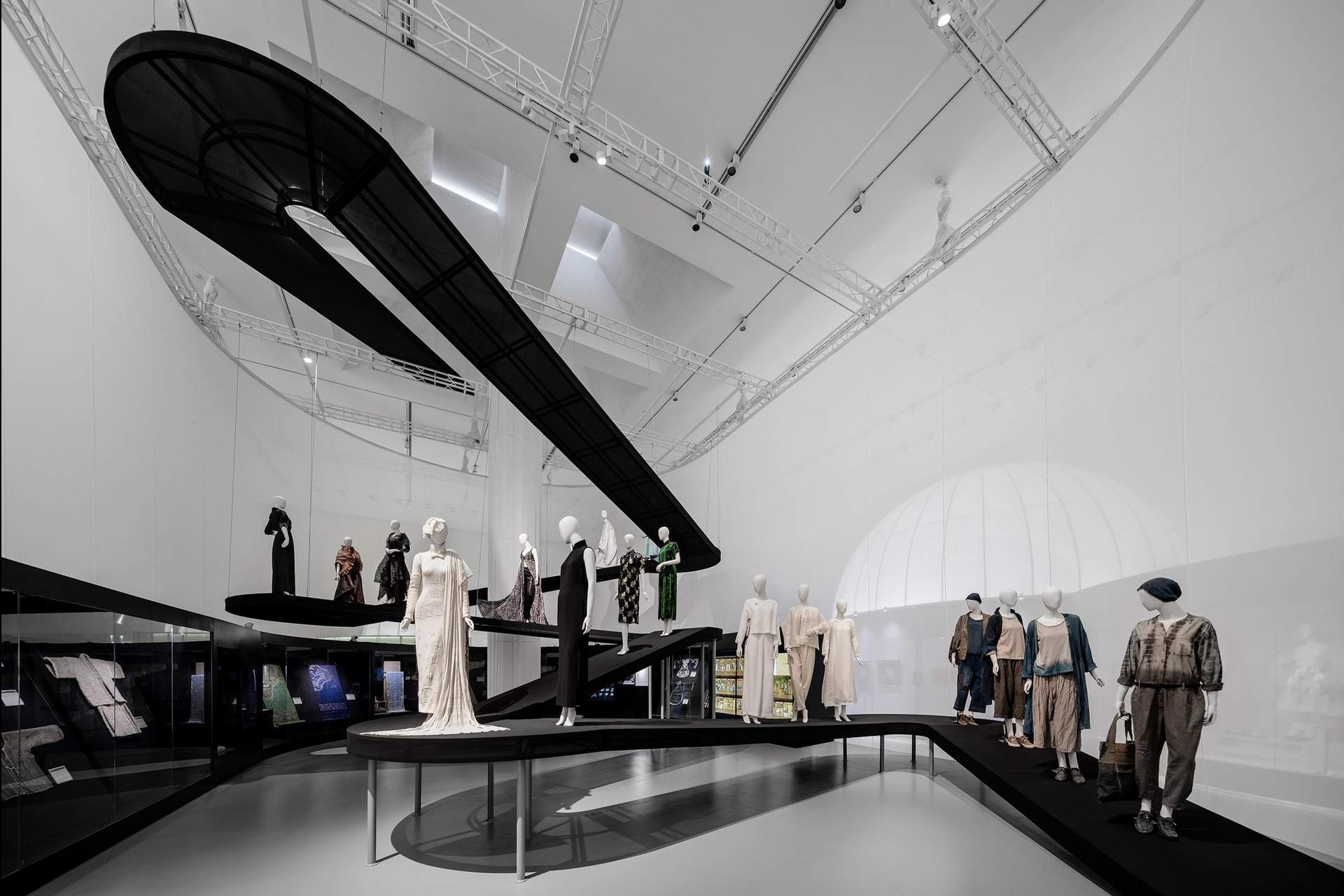
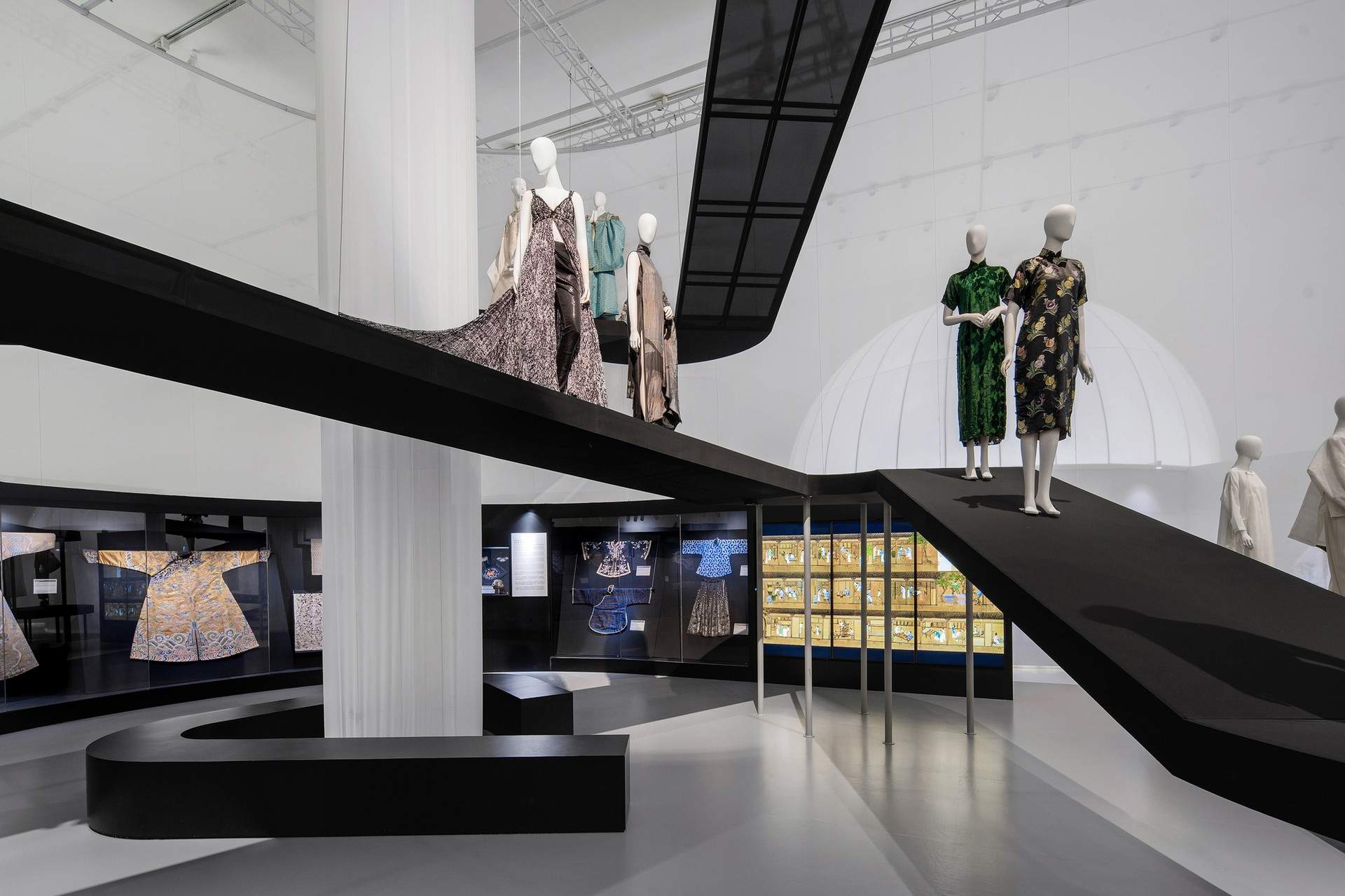
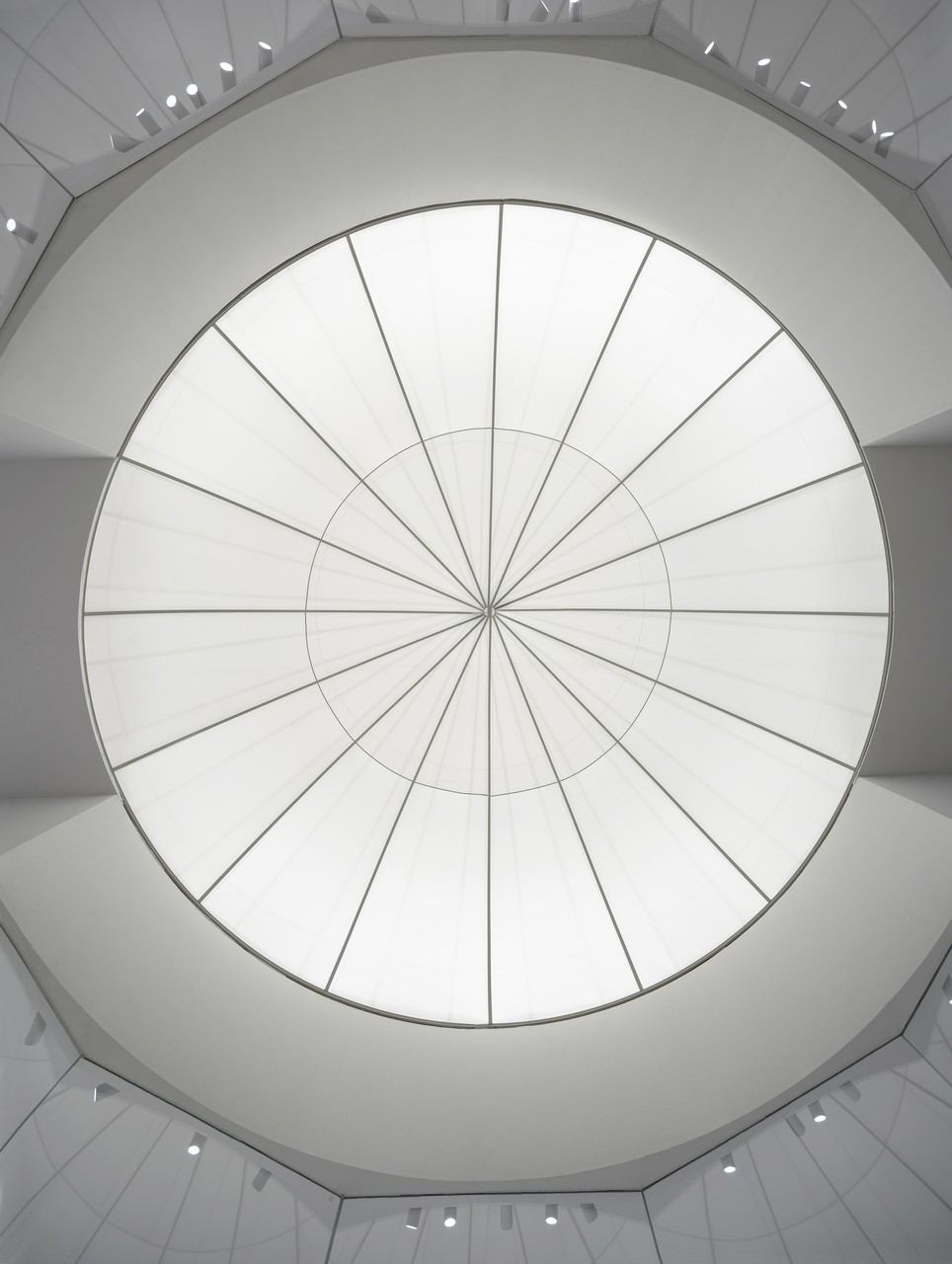
The exhibition uses translucent materials to construct a poetic space of virtuality and reality, and creates a unique “transparency” experience through the layering of innovative materials such as fabrics and acrylic. This ethereal aesthetic language is not only a contemporary translation of the spirit of Eastern and Western gardens, but also forms an exhibition narrative that transcends physical boundaries – the fragility and transparency of the material itself is an appropriate metaphor for the intimate and subtle relationship between man and nature, guiding viewers to think about the deep meaning of sustainable development in the interweaving of light and shadow.
▼More images ©张超






This article has been independently edited and written by WeHow based on publicly available online sources. All copyrights to the images and videos featured belong to their original photographers, creators, or respective organizations. If you believe any content infringes upon your copyright, please contact us at service@wehow.cn, and we will promptly remove the material in question. This content is provided solely for industry learning and knowledge sharing and is not intended for commercial use. Reproduction or republication of the WeHow-edited version is prohibited.