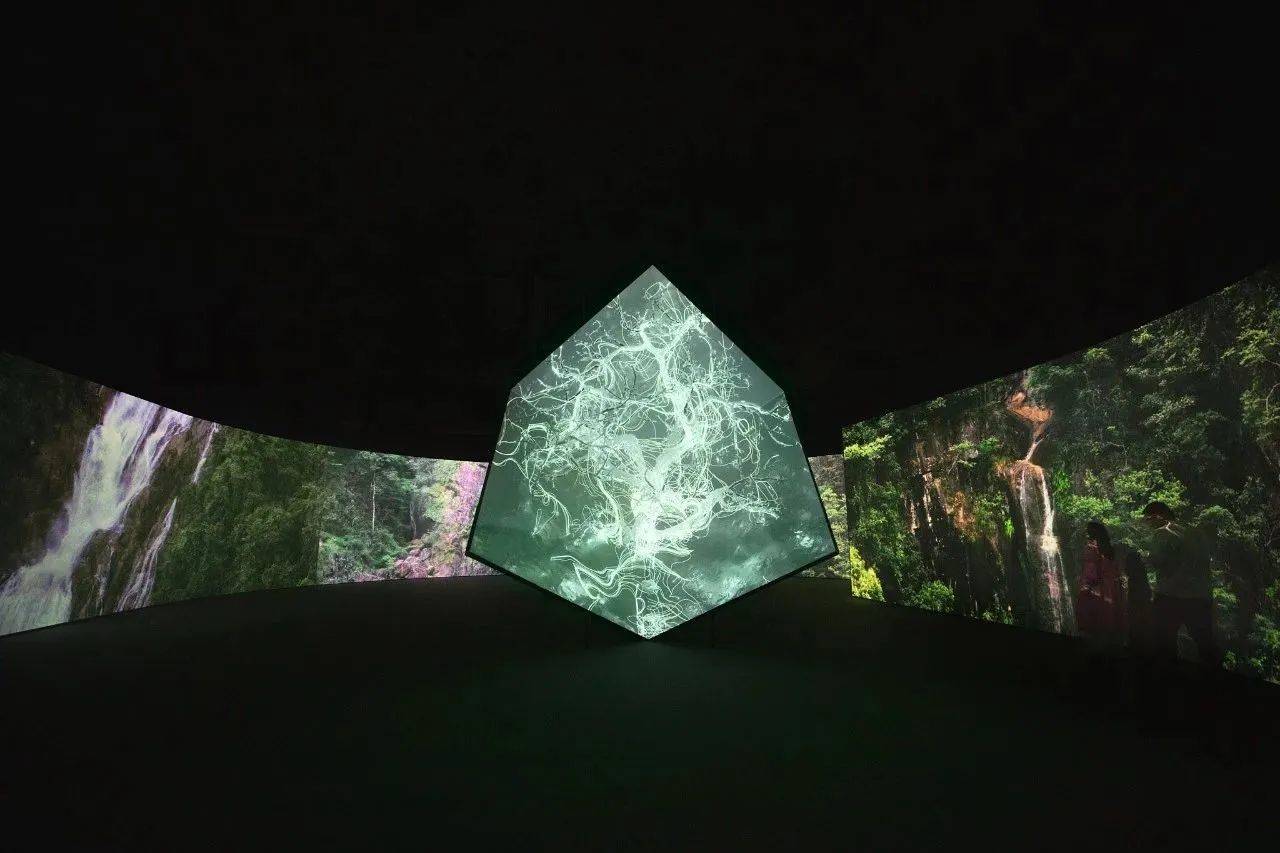
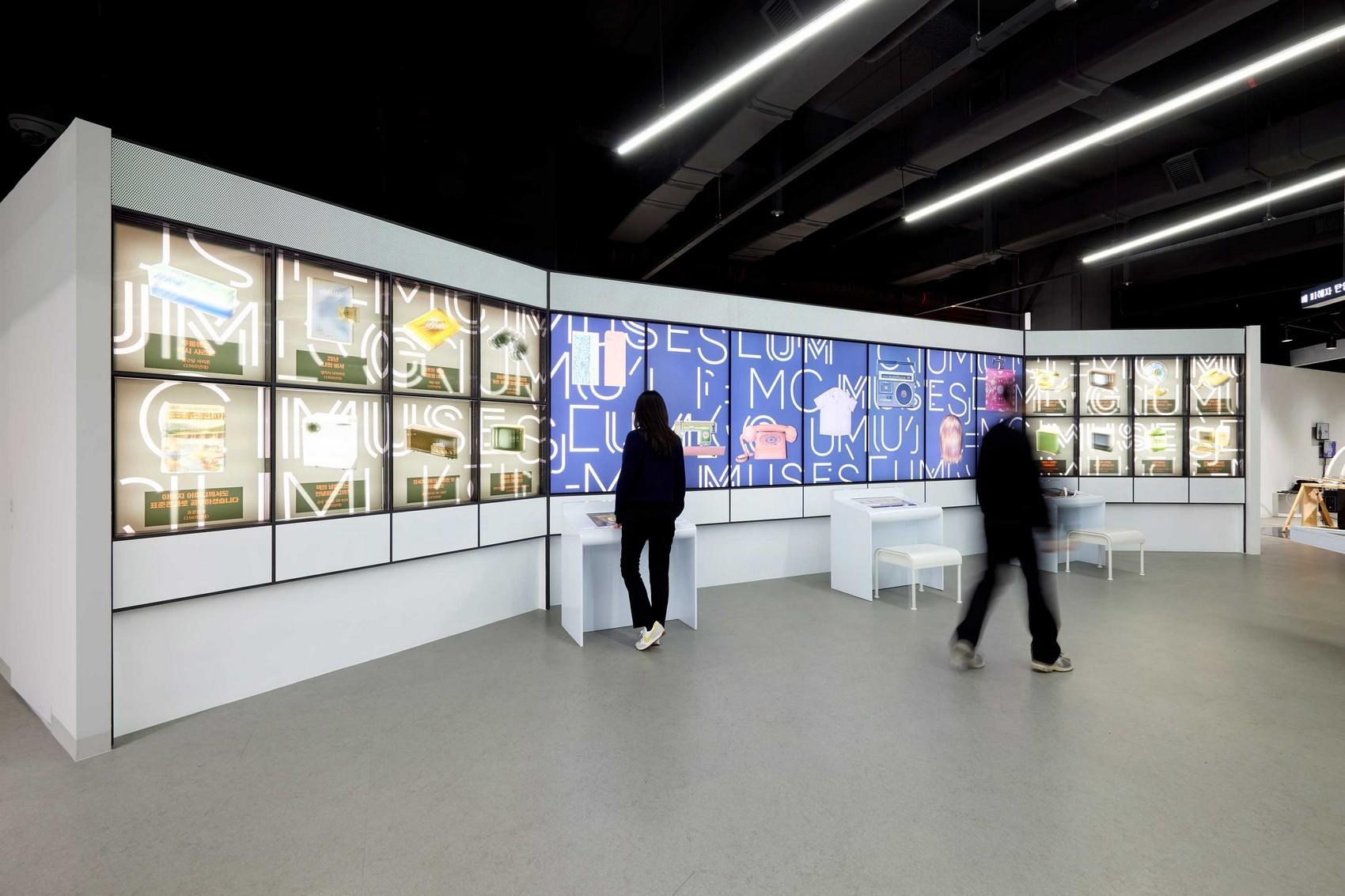
In the exhibition and display industry, teamLab has long been recognized as one of the world’s most representative digital art collectives. Renowned for breaking down the boundaries between art and technology, nature and audience, they create real-time generative works that immerse people in an ever-changing artistic ecosystem. For WeHow, teamLab’s creations are more than art installations—they stand as exemplary models of exhibition design and spatial storytelling.
On October 7, 2025, teamLab will open its new permanent museum, teamLab Biovortex Kyoto, in Japan. Encompassing over 10,000 square meters, it will be teamLab’s largest museum in the country to date and a groundbreaking artistic experiment exploring the theme of “life and vortex.” The first six unveiled works feature dynamic generation, interactive feedback, and immersive spatial narratives, together forming an entirely new “universe of life.”
1. Massless Amorphous Sculpture
The work is composed of bubbles formed from soap, water, and air. From this sea of foam emerges a massive floating form, suspended in midair—neither rising nor falling. Its outline is indistinct; it fractures, merges, and can heal itself, yet once the damage exceeds its limits, it vanishes completely. Viewers cannot push it; even a breeze is enough to shatter it.
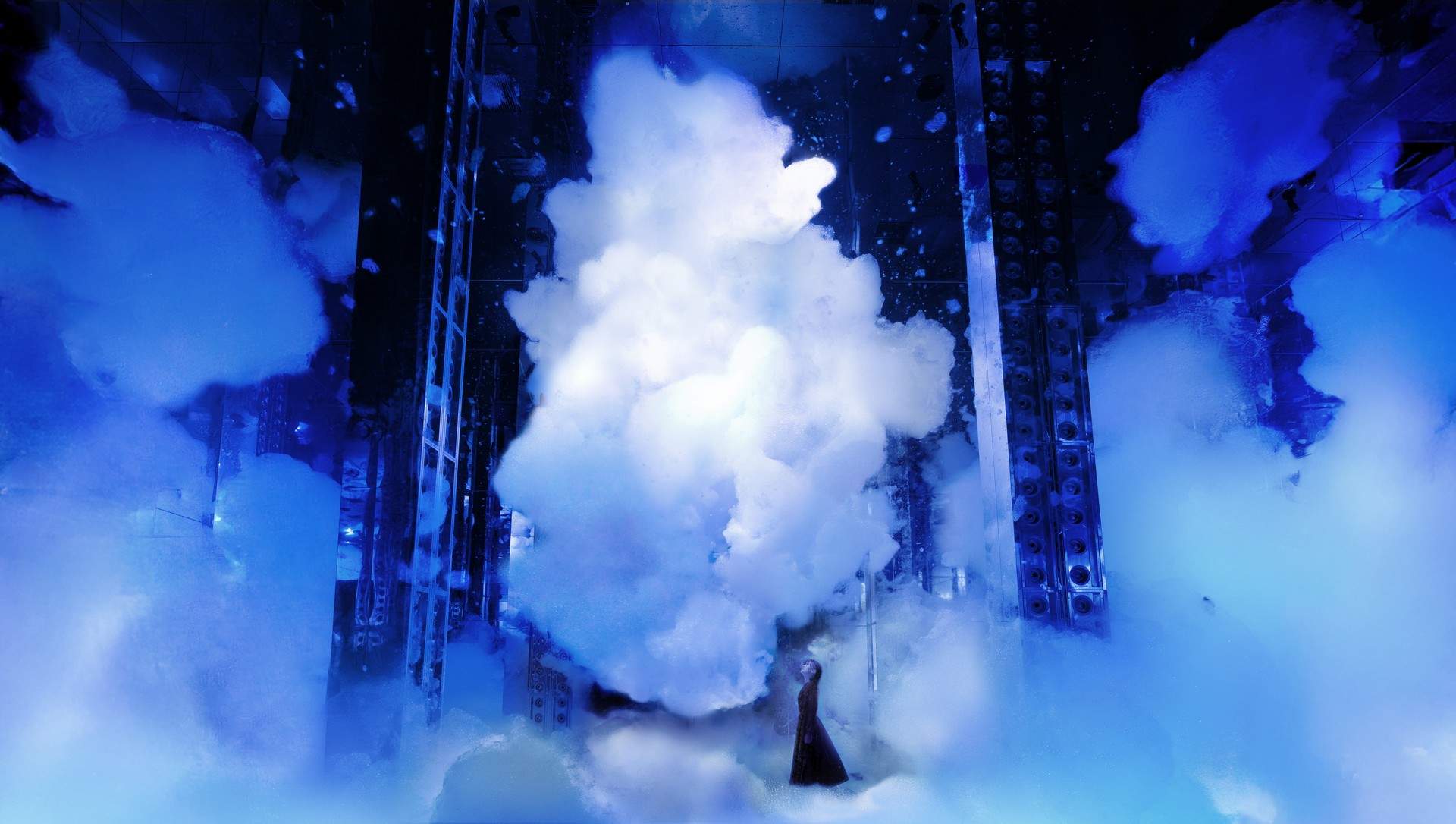
This sculpture is not a solid object but a “higher-order sculpture” generated by the energetic order of its environment. It coexists with and evolves alongside its surroundings. The bubble membrane resembles the structure of a cell membrane, symbolizing the fundamental unit of life. Like a vortex, life itself exists within the flow of matter and energy, its boundaries blurred, sustained only by energetic order. Perhaps life, at its core, is a miracle born from movement and flux.
2. Morphing Continuum
This is an immersive space made up of countless bubbles, as if one were surrounded by a floating ocean of foam. At its center, a massive form drifts slowly in midair—untethered to the ground, untouched by the ceiling—defying gravity yet remaining perfectly stable.
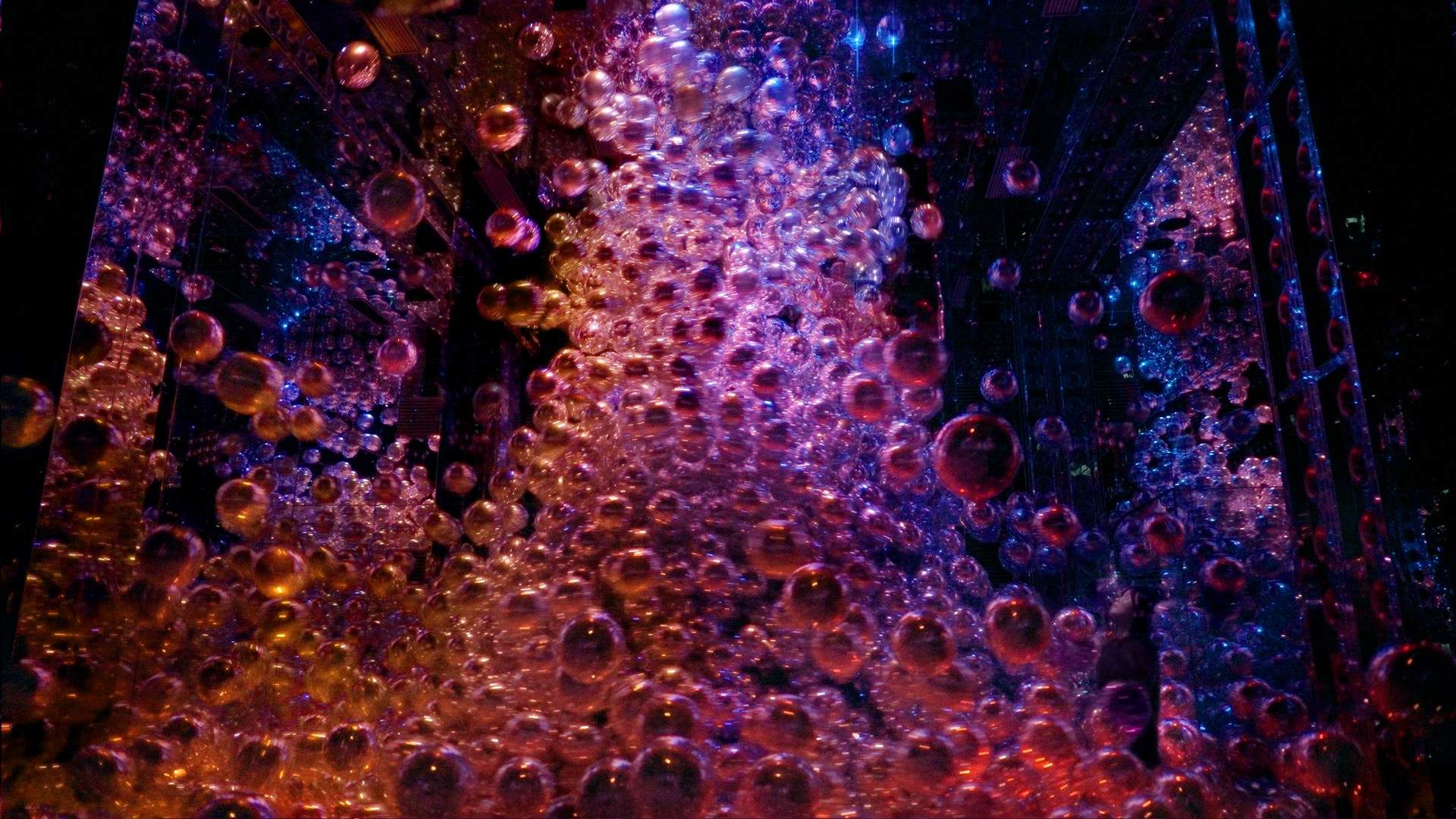
The boundaries of this floating form are indistinct. It constantly shifts—splitting, merging, and reforming—as though it were breathing. Visitors can step inside it, even become fully immersed within, yet it continues to maintain its shape. When disturbed, it naturally repairs itself; but once external damage exceeds its capacity to recover, it collapses and vanishes irreversibly.
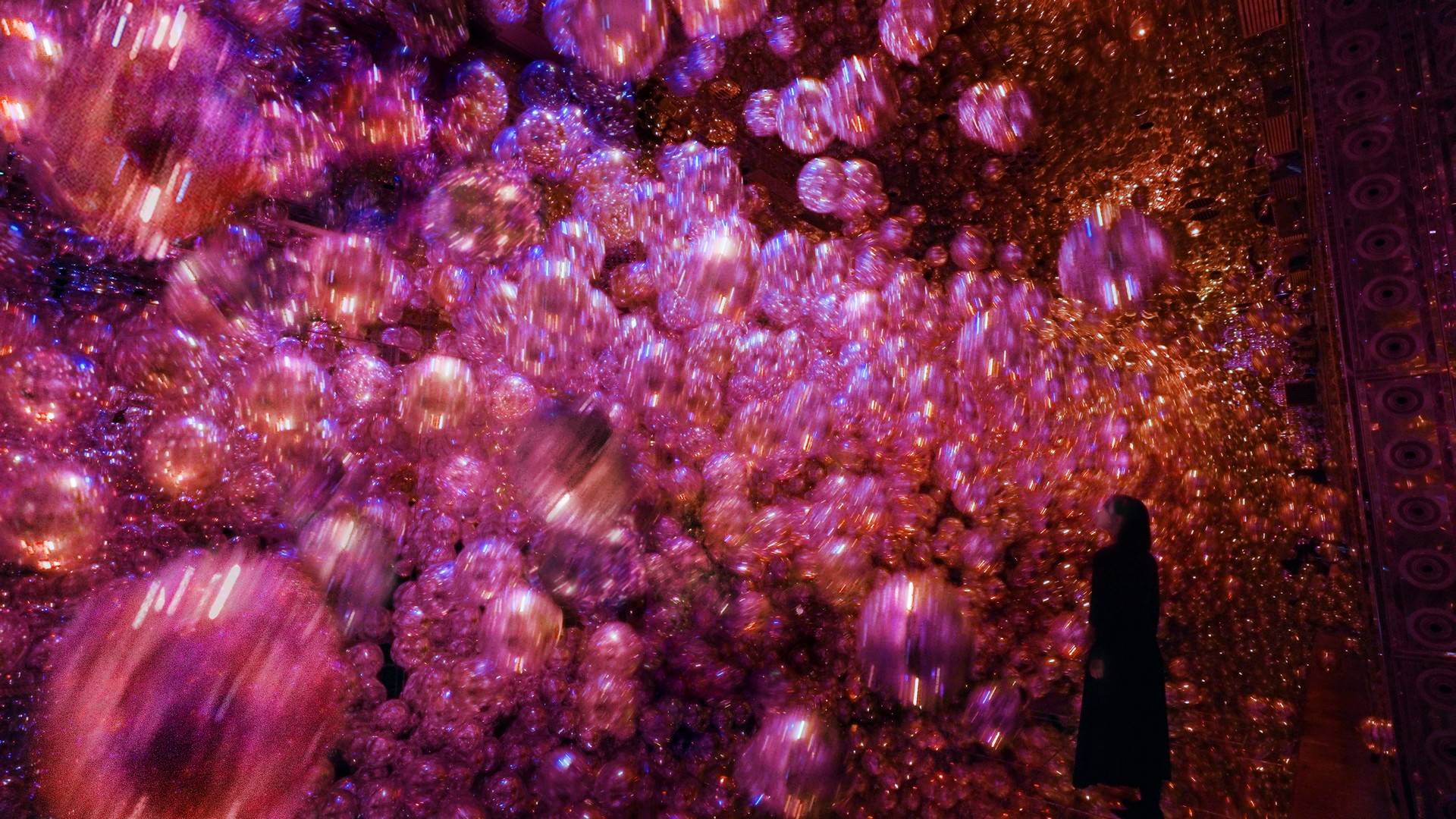
Unlike solids such as stone or steel, this sculpture is not sustained by physical matter. Instead, it is shaped and supported by the energetic order of its environment. For this reason, it is called a “higher-order sculpture.” It relies on the unique conditions created by the surrounding bubbles, inseparable from them, and evolves continuously as the environment itself changes.
This work challenges the conventional notion of sculpture: it is not a fixed, immutable object, but a dynamic existence born from the interplay of energy and environment. It evokes the nature of life itself—maintaining order within the constant flow of matter and energy, fragile yet fleeting.
3. The Way of Birds
Hundreds of thousands of birds soar through the sky, their flight paths both magnificent and mysterious, merging into the presence of a vast living entity.
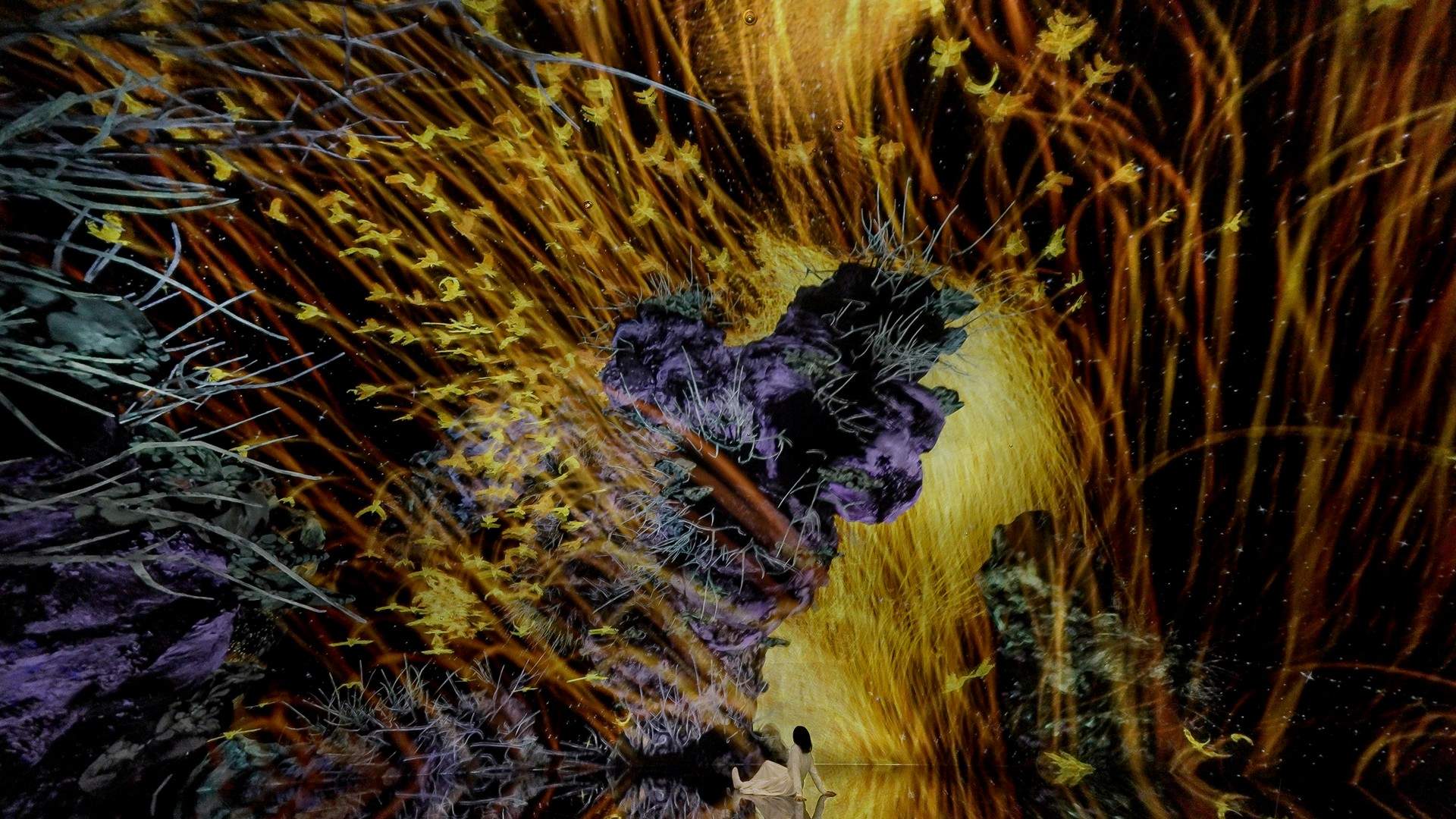
In this work, even though each bird exists separately in space and time, once they move in unison a greater order emerges—perceived as a single existence that transcends time and space. No matter how its outward form or scale changes, even as individual birds are replaced, this sense of wholeness remains, recognized as one and the same entity.

This mode of existence in time and space differs fundamentally from material objects; it reveals another possibility that transcends the physical world. This work is an artistic expression of that very idea—a vision of a “collective existence” that surpasses time and space.
4. Forest of Resonating Lamps: One Stroke – a Year in the Mountains
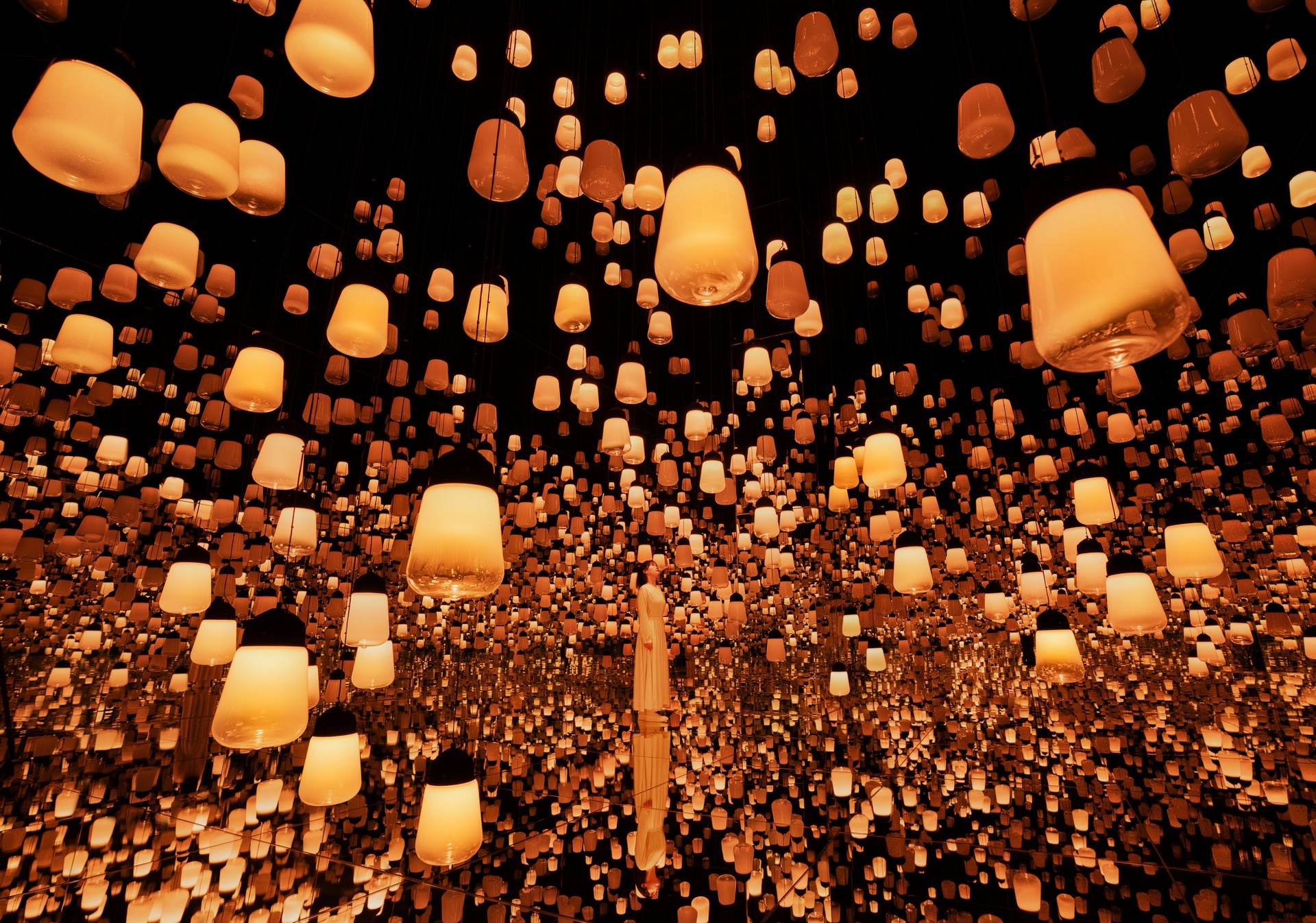
This work draws inspiration from Japan’s ancient culture of “layered colors,” where overlapping silks and interwoven threads created rich tonal variations imbued with seasonal imagery.
At first glance, the piece appears to be a random arrangement of lamps. In reality, they respond to viewers and their interactions, together forming a continuous trajectory of light that embodies the beauty of continuity itself.
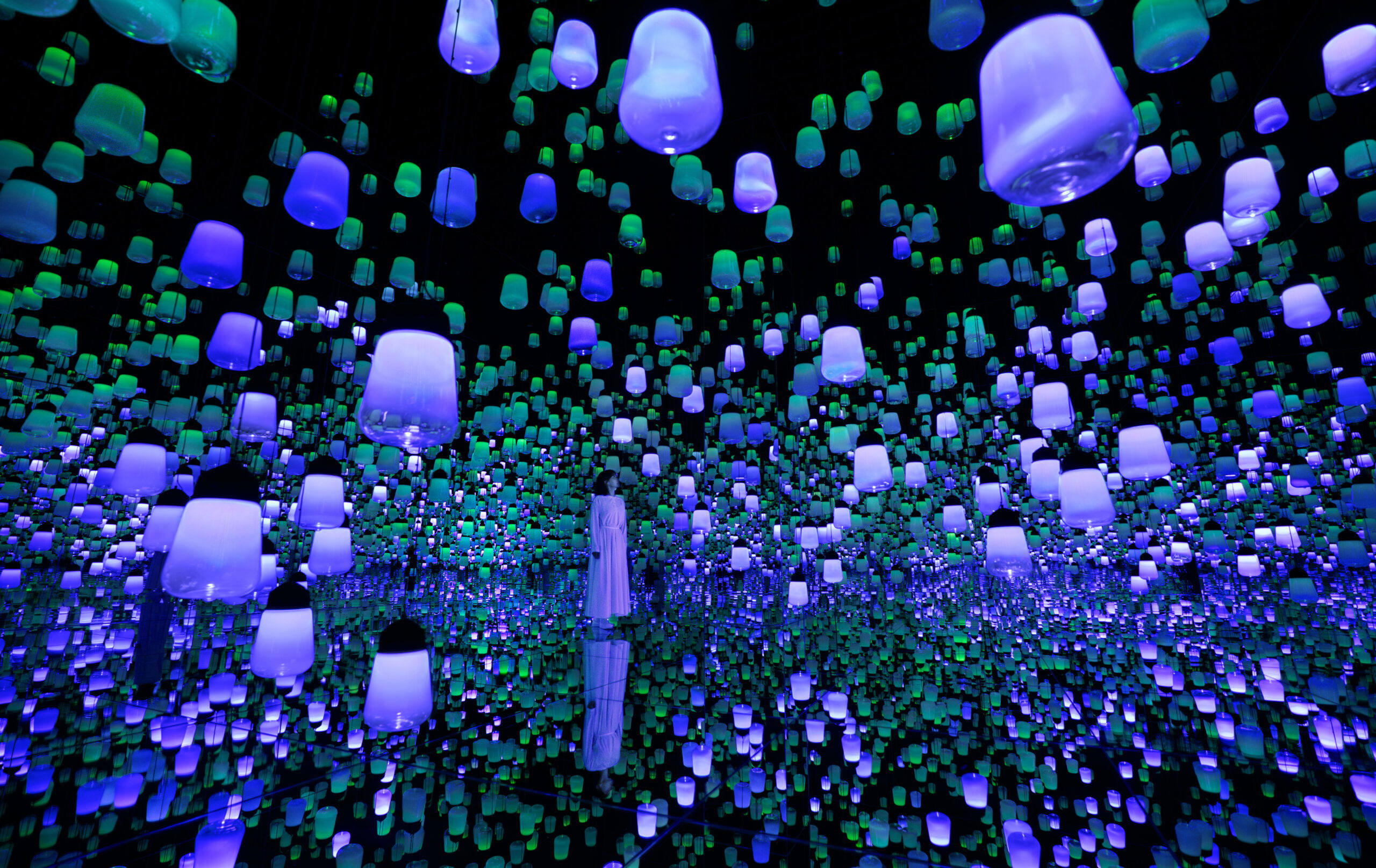
As a person approaches, the nearest lamp illuminates and emits a tone. The light then passes sequentially to the next lamp, each only once, until the entire field is traversed in a single unbroken stroke. Meanwhile, light triggered by others intersects and weaves together, creating a flowing continuity of illumination.
What seems like a casual arrangement is in fact based on precise mathematical logic, ensuring the path of light will always cover all lamps in one continuous stroke. By engaging with the installation, visitors activate this endless circulation of light, reflecting not only the resonance between people but also the beauty of continuity and the cyclical nature of the seasons.
5. Forest of Resonating Lamps: One Stroke – Fire
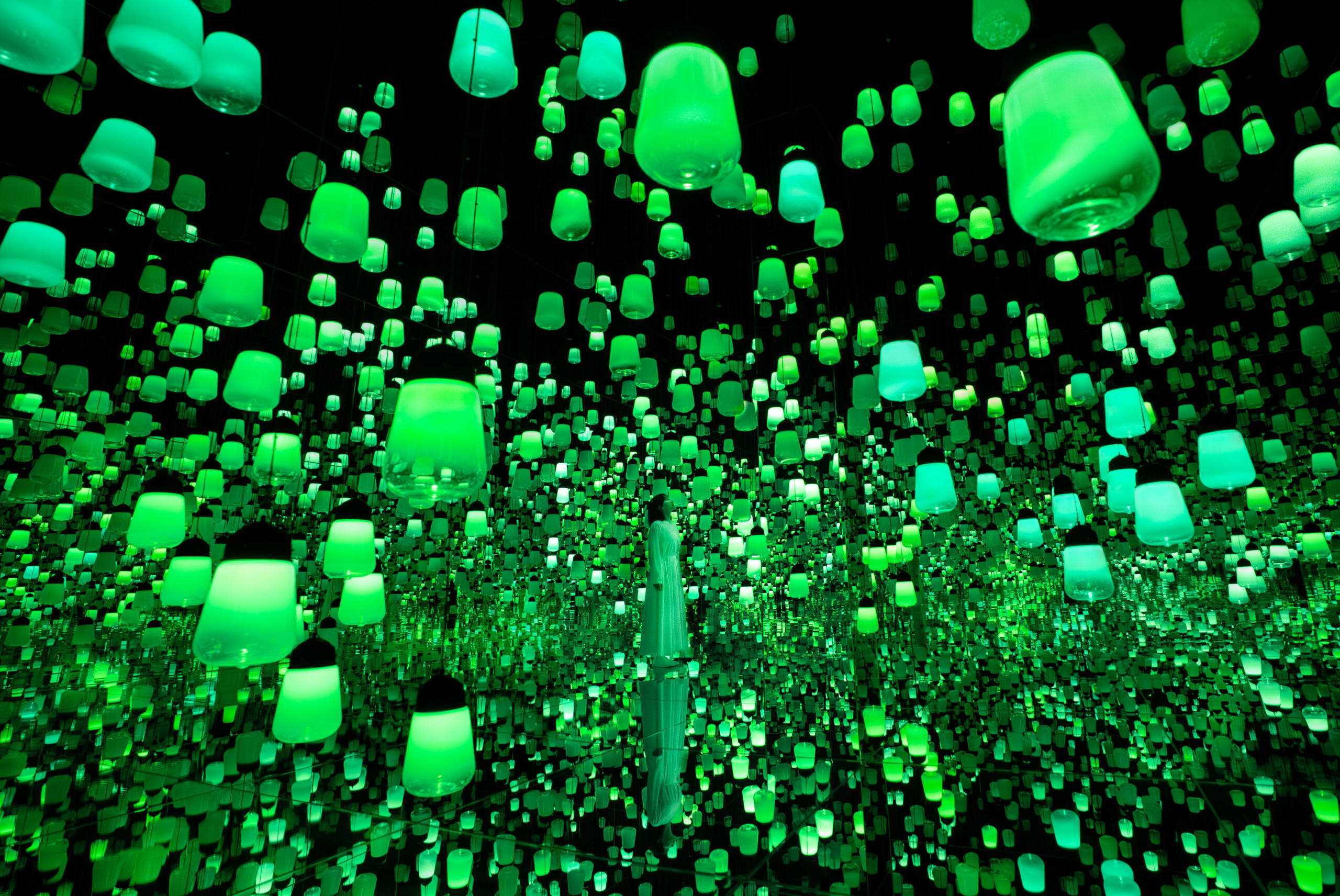
On the surface, this installation appears to be a forest of countless lamps, seemingly arranged at random yet in fact following a precise spatial order. The presence of viewers becomes the essential trigger: as someone approaches, the nearest lamp suddenly lights up, radiating flame-like color and sound. The glow then spreads sequentially to the next lamp, cascading throughout the space.
This chain of illumination is not random, but based on mathematical logic—a “single-stroke” arrangement in which the light passes through each lamp only once, ultimately traversing the entire installation. The resulting paths of light sway and flow like fire, intersecting with those triggered by others to form a collective resonance.
The work reveals the beauty of continuity itself: the passing of light from lamp to lamp symbolizes the connections between people, while their interwoven glow reflects the interplay of energy and existence. It is both an immersive interactive environment and a poetic exploration by teamLab of the relationships between people, nature, and one another.
6. The Eternal Universe of Words
This work was first created in 2021 during the “Prayer” exhibition, held under COVID-19 restrictions and presented without an audience. It represents teamLab’s exploration of spirituality and spatial perception.
The piece transforms the calligraphy of Kūkai (Kōbō Daishi) into an endlessly unfolding spatial script. Characters continuously emerge and expand within what seems to be an infinite universe, each producing its own sound. These tones overlap and intertwine, converging into a ceaseless chant.
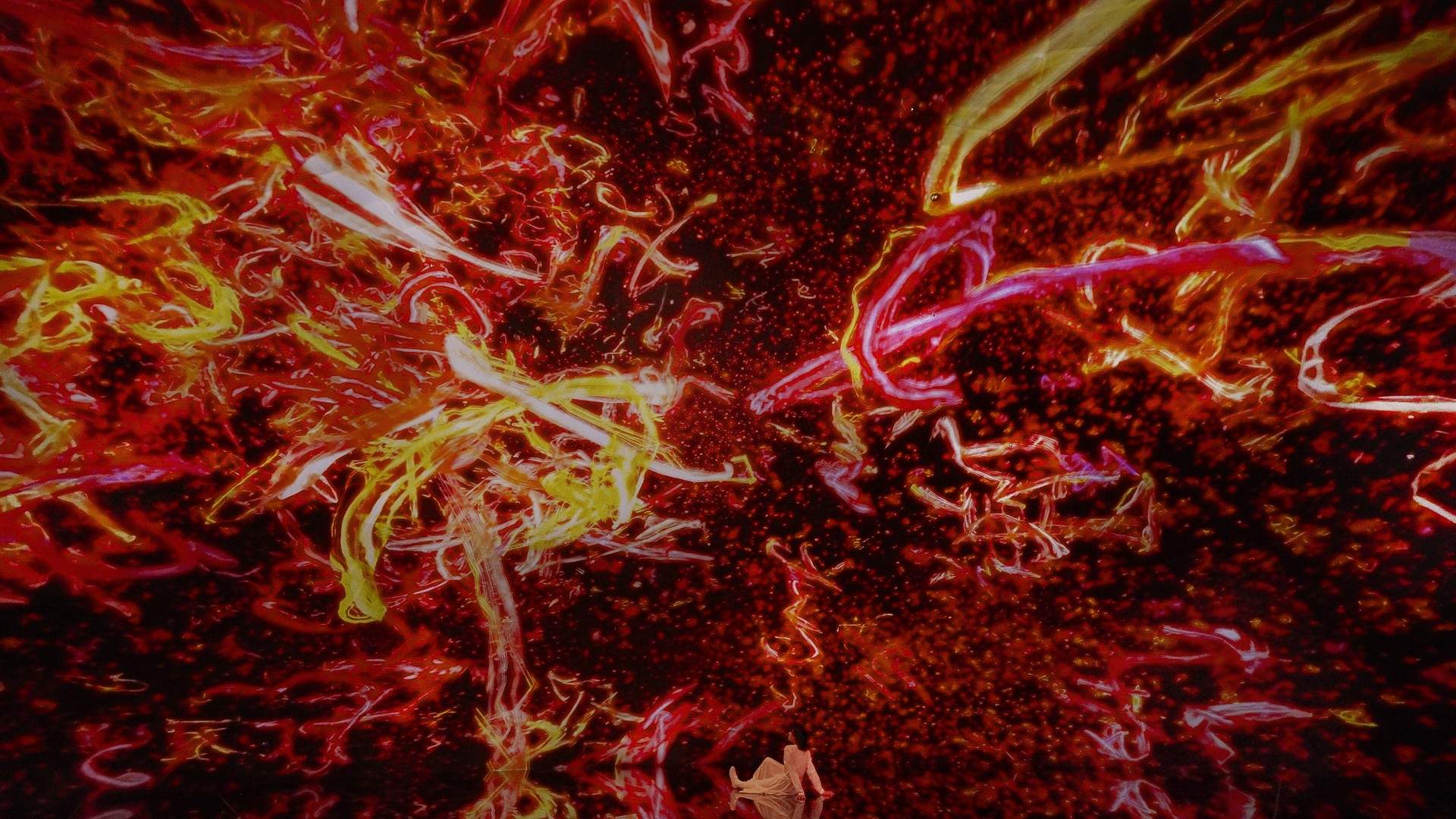
Visitors are invited to sit or lie down, immersing themselves in this “universe of sound and writing” in a state of calm and reflection. It is more than visual spatial calligraphy—it is an auditory and spiritual experience, symbolizing the eternal flow of language and culture across time.
As teamLab’s largest permanent museum in Japan to date, teamLab Biovortex Kyoto is not merely an exhibition space but a digital art laboratory centered on the theme of “life and vortex.” The first six unveiled works weave together nature, technology, and human presence into immersive sensory encounters. From floating higher-order sculptures to the collective flight of birds, from forests of light to eternal calligraphy, the museum offers not just art, but poetic spaces where humans, nature, and one another resonate in profound dialogue.
Visitor Information
Opening date: October 7, 2025
Location: 21-5 Higashikujo Higashiiwamotocho, Minami-ku, Kyoto, Japan
Opening hours: 09:00–21:00 (last entry at 19:30)
Admission: Adults (18 and over): from JPY 3,400; teenagers (13–17): JPY 2,800; children (4–12): JPY 1,800; children aged 3 and under: free; visitors with disabilities: 50% off the adult ticket price; flexible pass (no fixed entry time): JPY 12,000.
This article has been independently edited and written by WeHow based on publicly available online sources. All copyrights to the images and videos featured belong to their original photographers, creators, or respective organizations. If you believe any content infringes upon your copyright, please contact us at service@wehow.cn, and we will promptly remove the material in question. This content is provided solely for industry learning and knowledge sharing and is not intended for commercial use. Reproduction or republication of the WeHow-edited version is prohibited.