On the shores of Lake Poroto in Shiraoi, Hokkaido, Japan, stands a cultural landmark that embodies the vision of respect, understanding, and coexistence – the National Ainu Museum. As Japan’s first and northernmost national museum dedicated to ethnic groups, it serves not only as the core facility of the ethnic coexistence symbol space “UPOPOY” (ウポポイ), but also as a profound endeavor to reconstruct historical narratives from the perspective of the Ainu people themselves.
From “being viewed” to “self-expression”: An innovation in exhibition paradigm
Traditional ethnographic museums often present indigenous culture from the perspective of the “other”, whereas the National Ainu Ethnographic Museum completely overturns this paradigm. The entire permanent exhibition unfolds around six themes: “Our Language”, “Our World”, “Our Life”, “Our History”, “Our Means of Livelihood”, and “Our Communication”. All text descriptions, audio guides, and even signs inside the museum use Ainu as the primary language (supplemented by Japanese, English, Chinese, and other languages), with both katakana and Romanization used to highlight the linguistic characteristics.
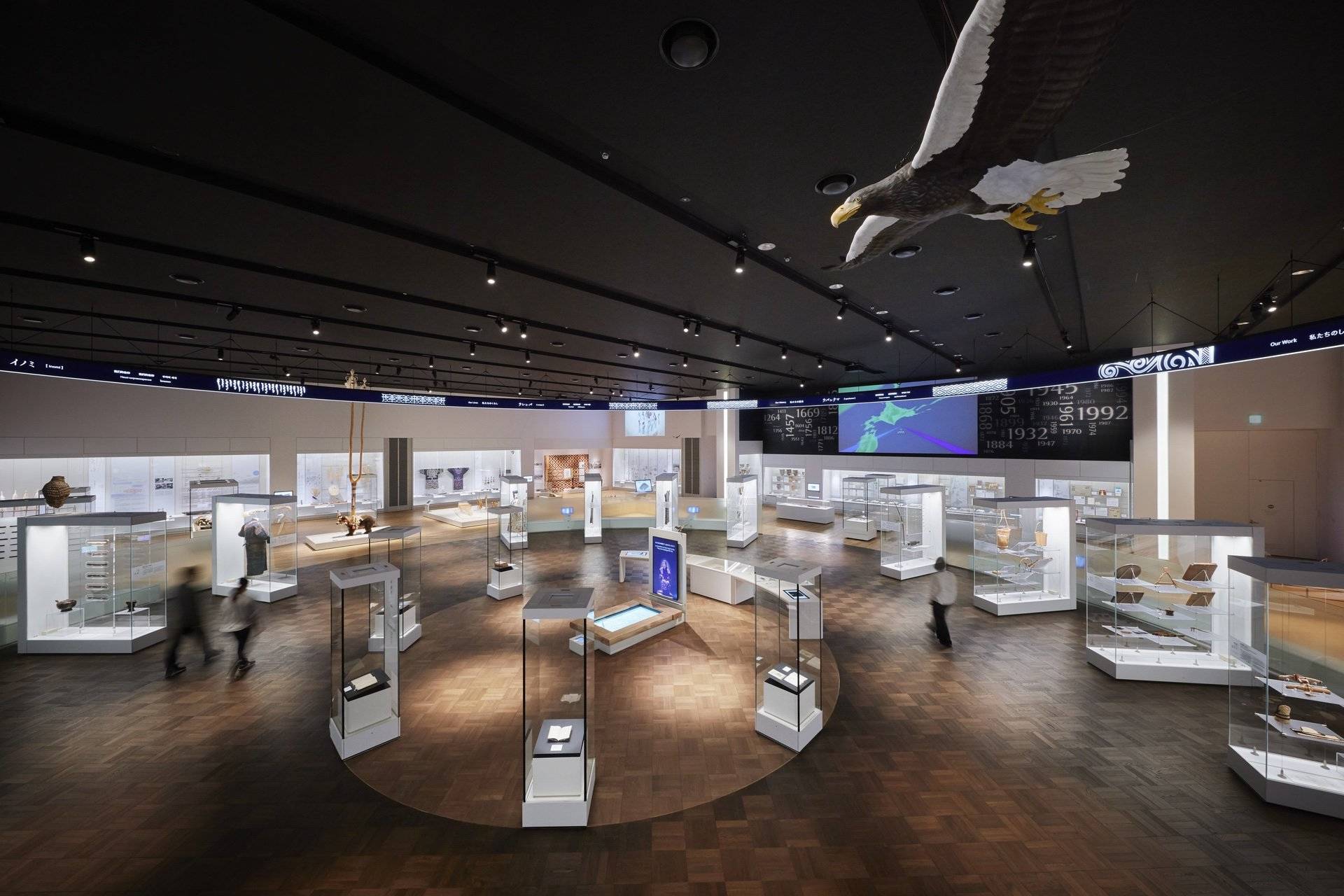
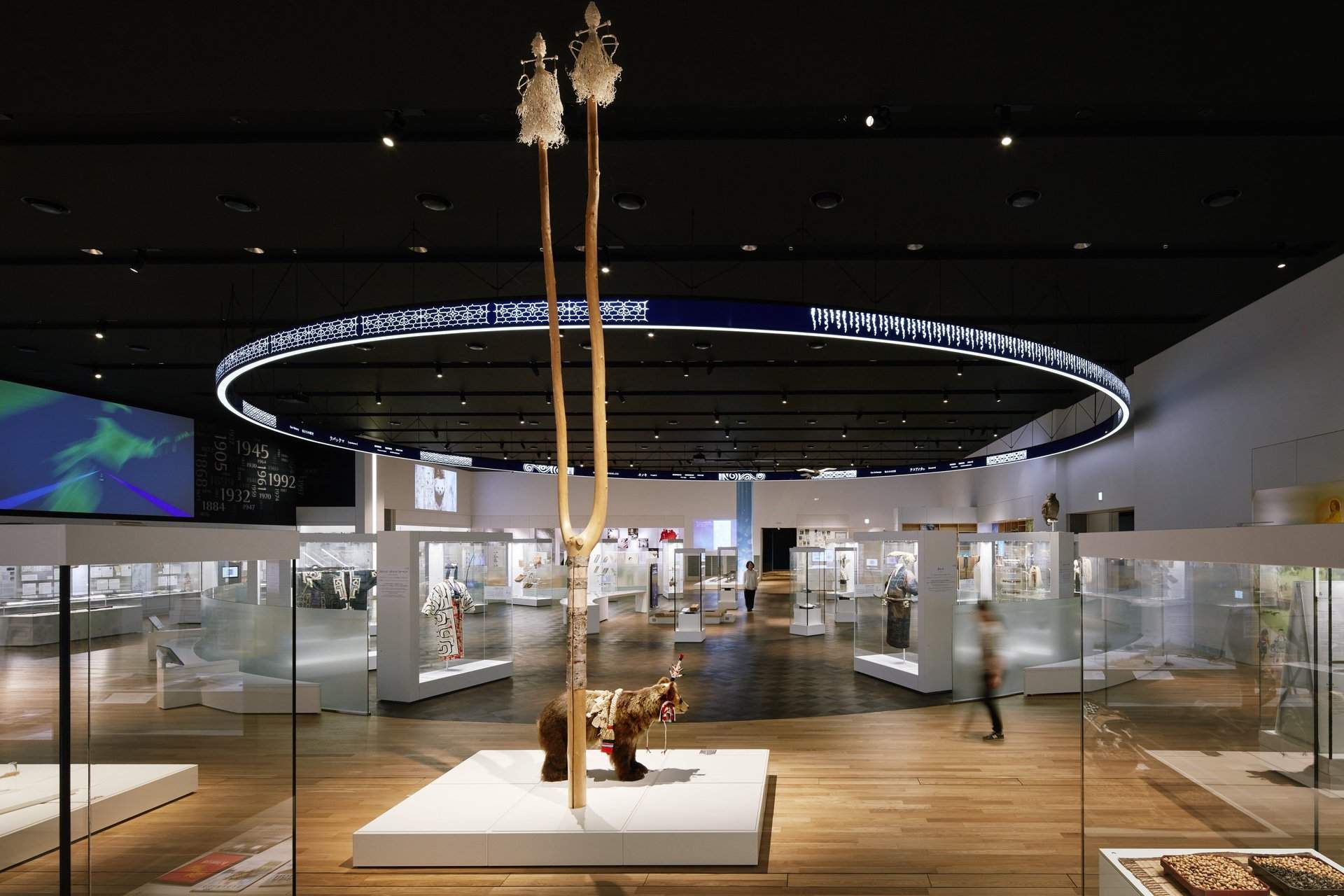
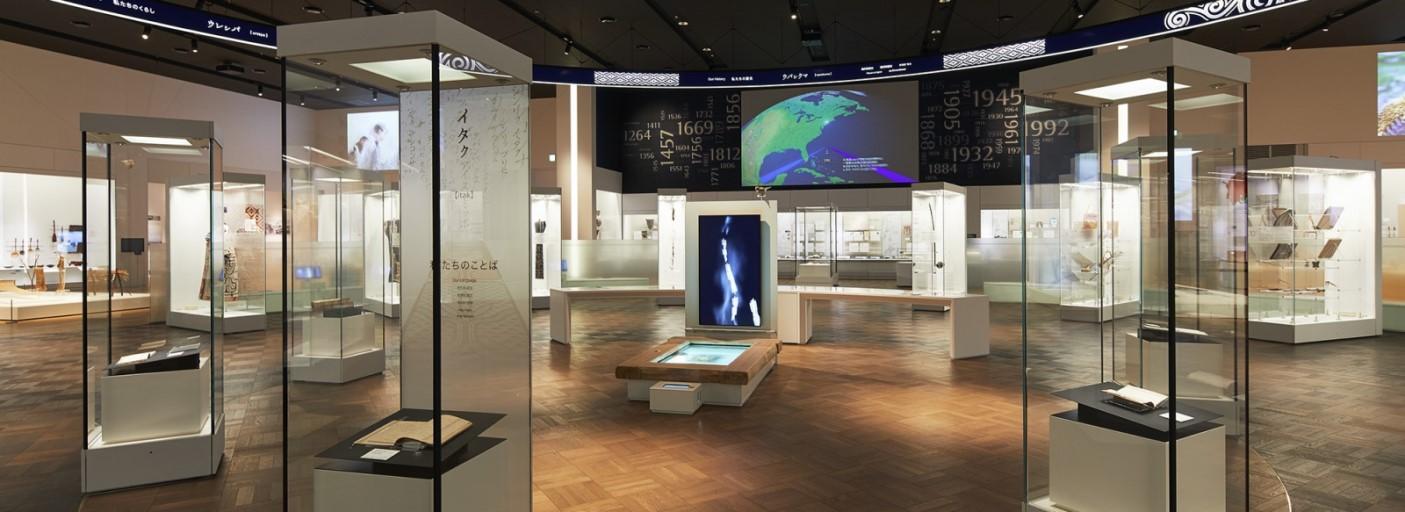
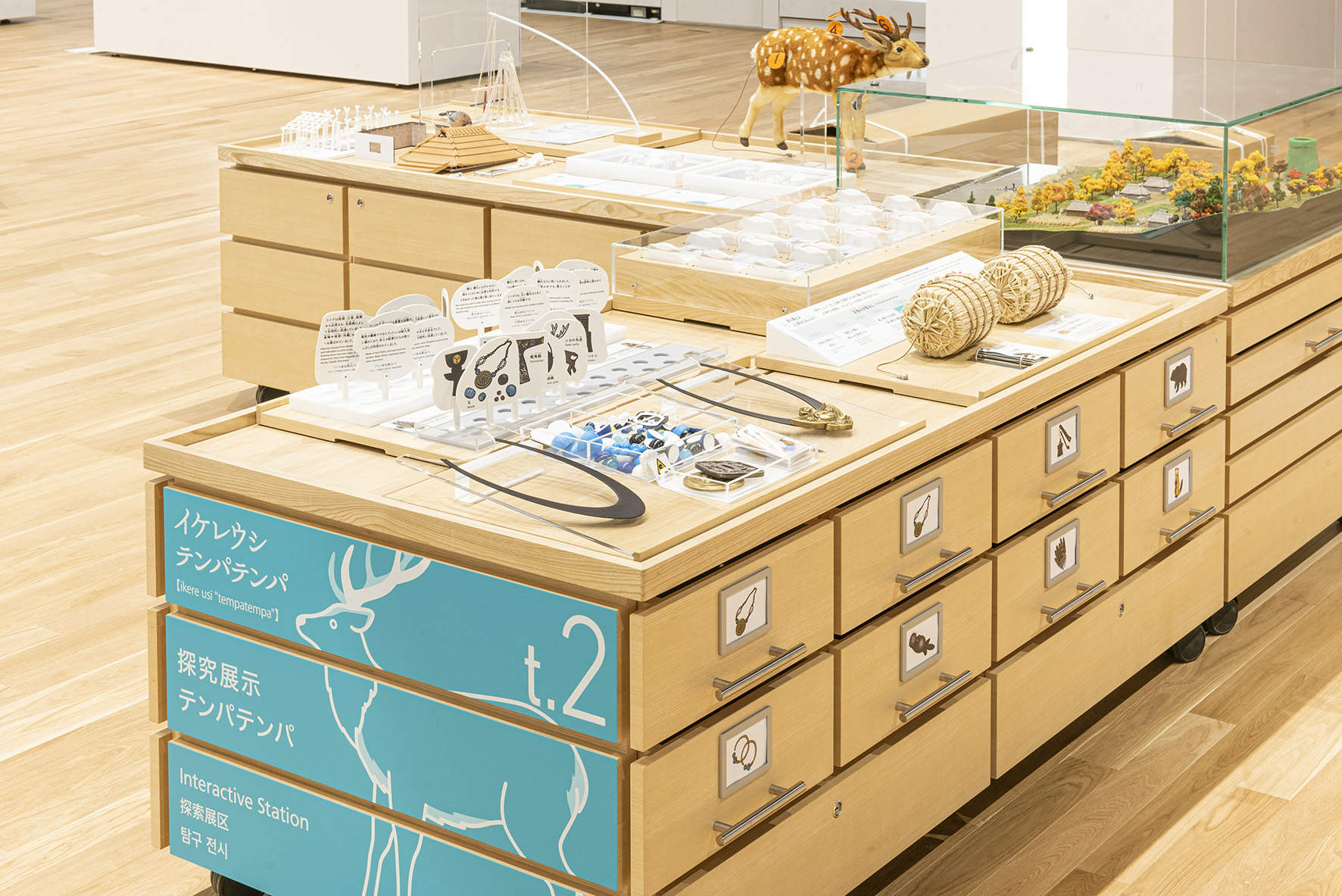
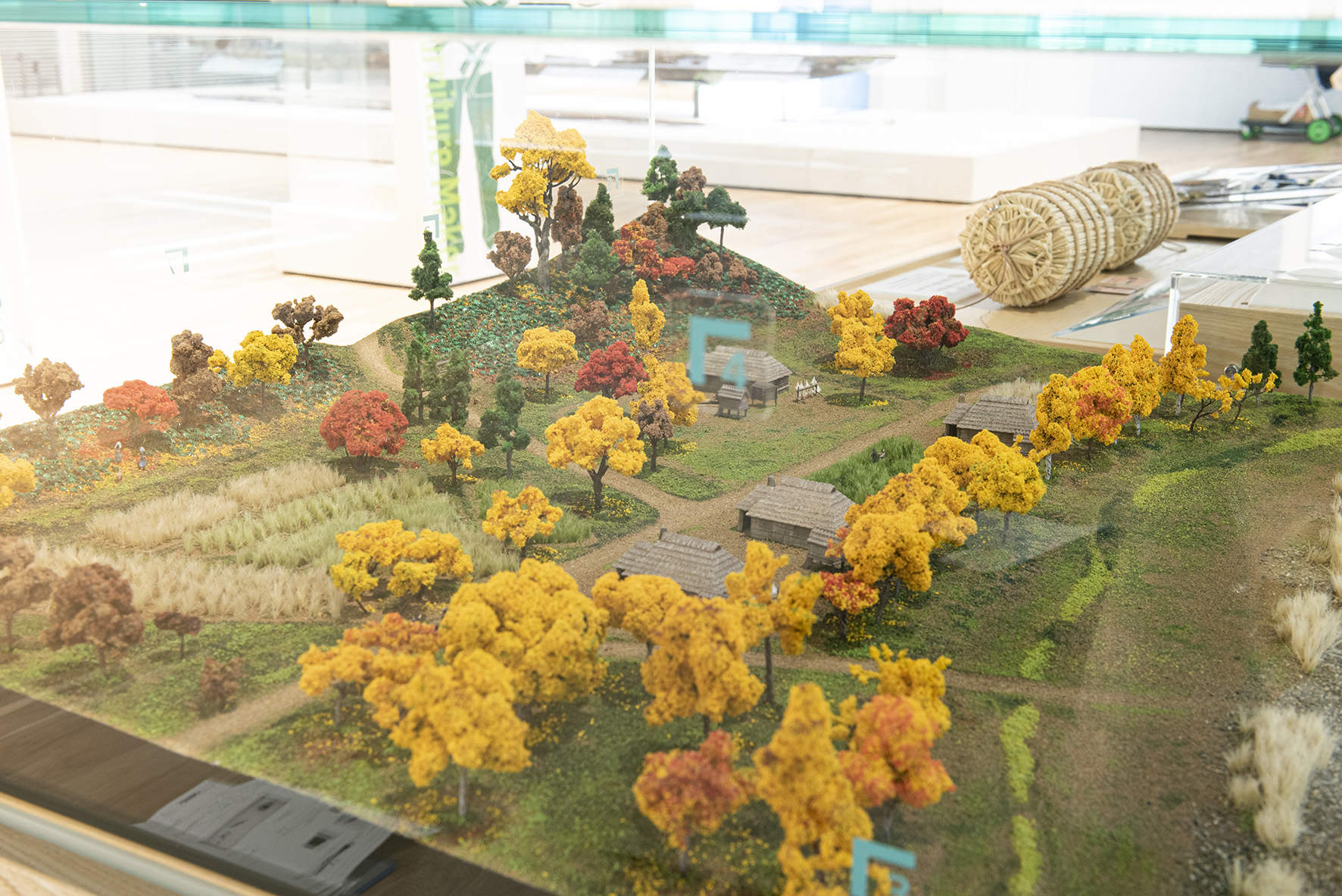
The exhibition hall adopts an open “square-type” layout without fixed visiting routes. The central circular exhibition stand focuses on showcasing the artistic essence of Ainu culture. Visitors can freely shuttle between the six themed exhibition areas, forming a personalized exploration path. The specially designed “Exploration Exhibition Tempa Tempa” (meaning “please touch” in Ainu language) area integrates 18 sets of interactive experience devices into the main exhibition hall – whether it’s children assembling salmon models or adults operating miniature landscapes, they can feel the warmth of culture through touch.
An immersive experience that blends tradition and modernity
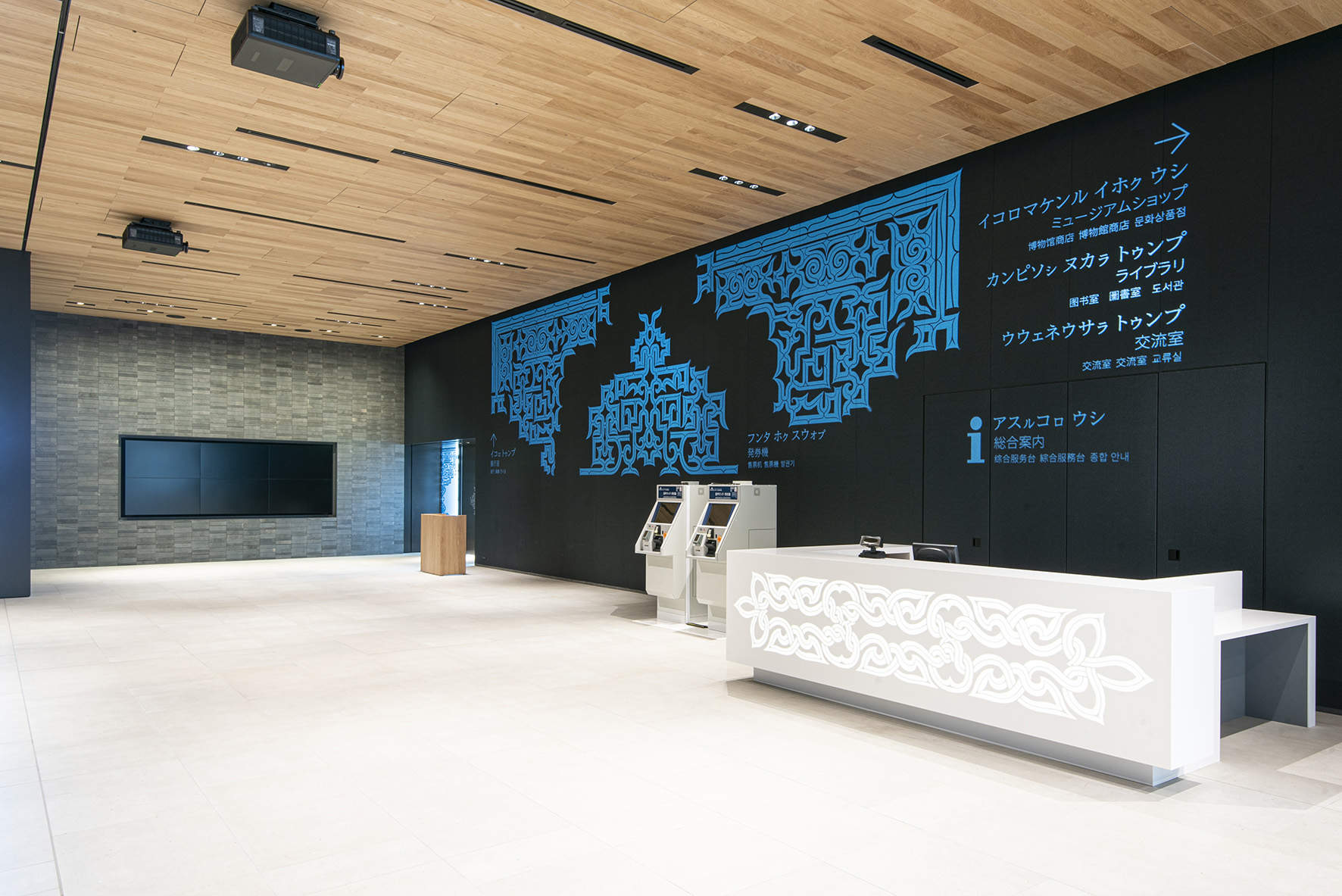
Entrance Lobby (1F)
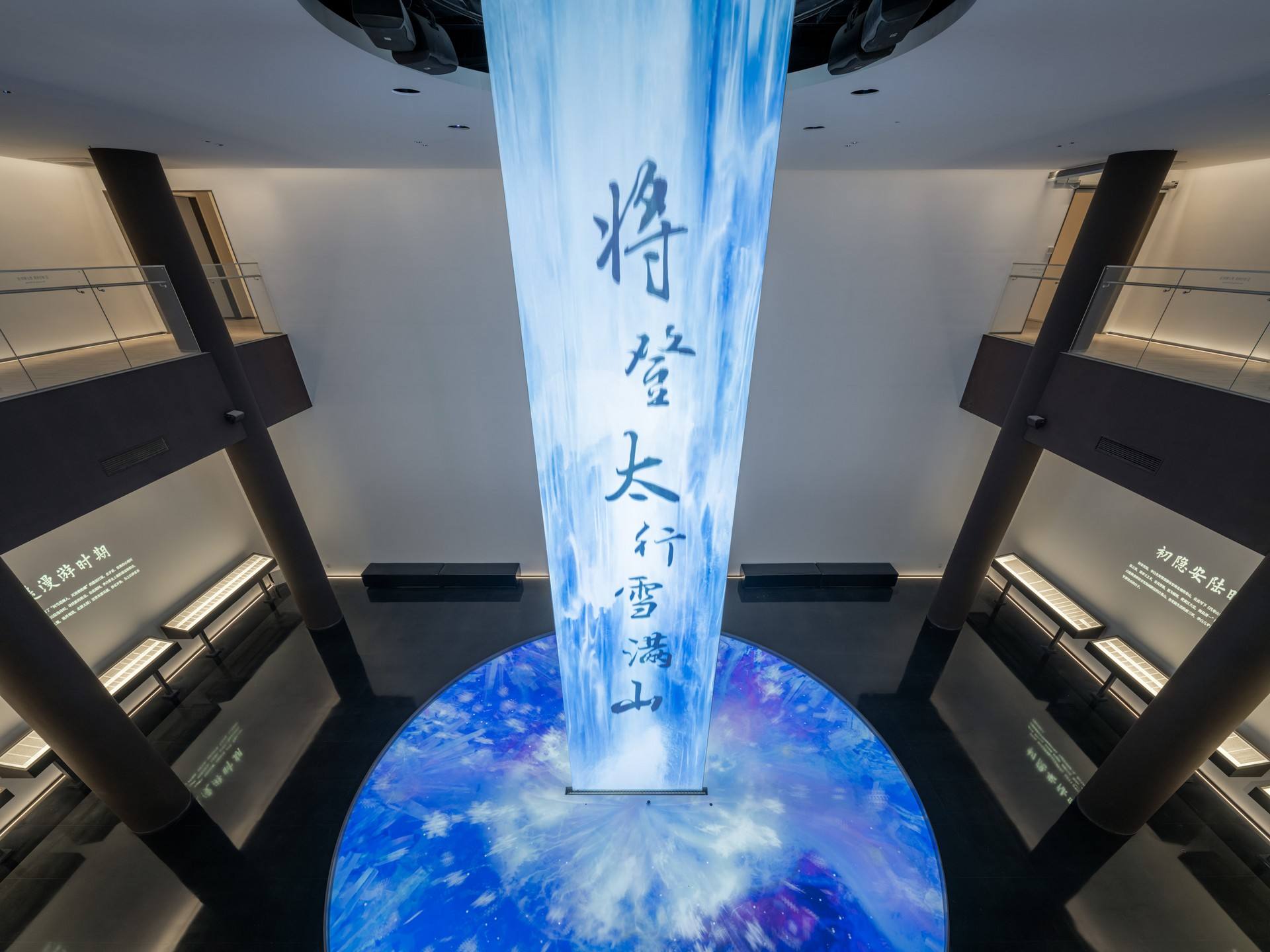
The six-screen interactive video “The Origin of Ainu Culture” invites viewers into the Ainu worldview through poetic imagery.
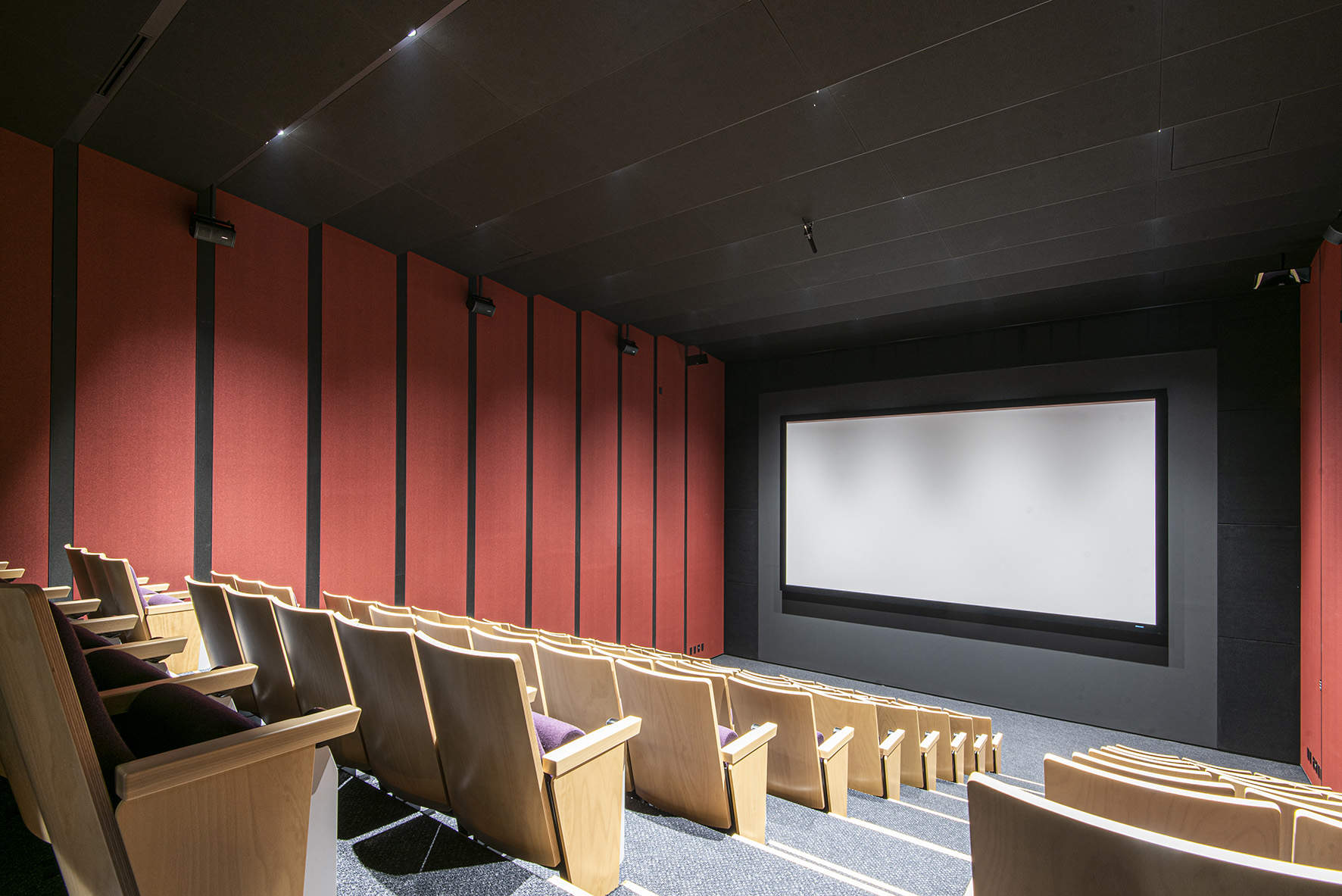
Theater (1F)
Three films will be shown for free, covering 30,000 years of ethnic history, global museum collections of craft treasures, and the daily life of the contemporary Ainu people.
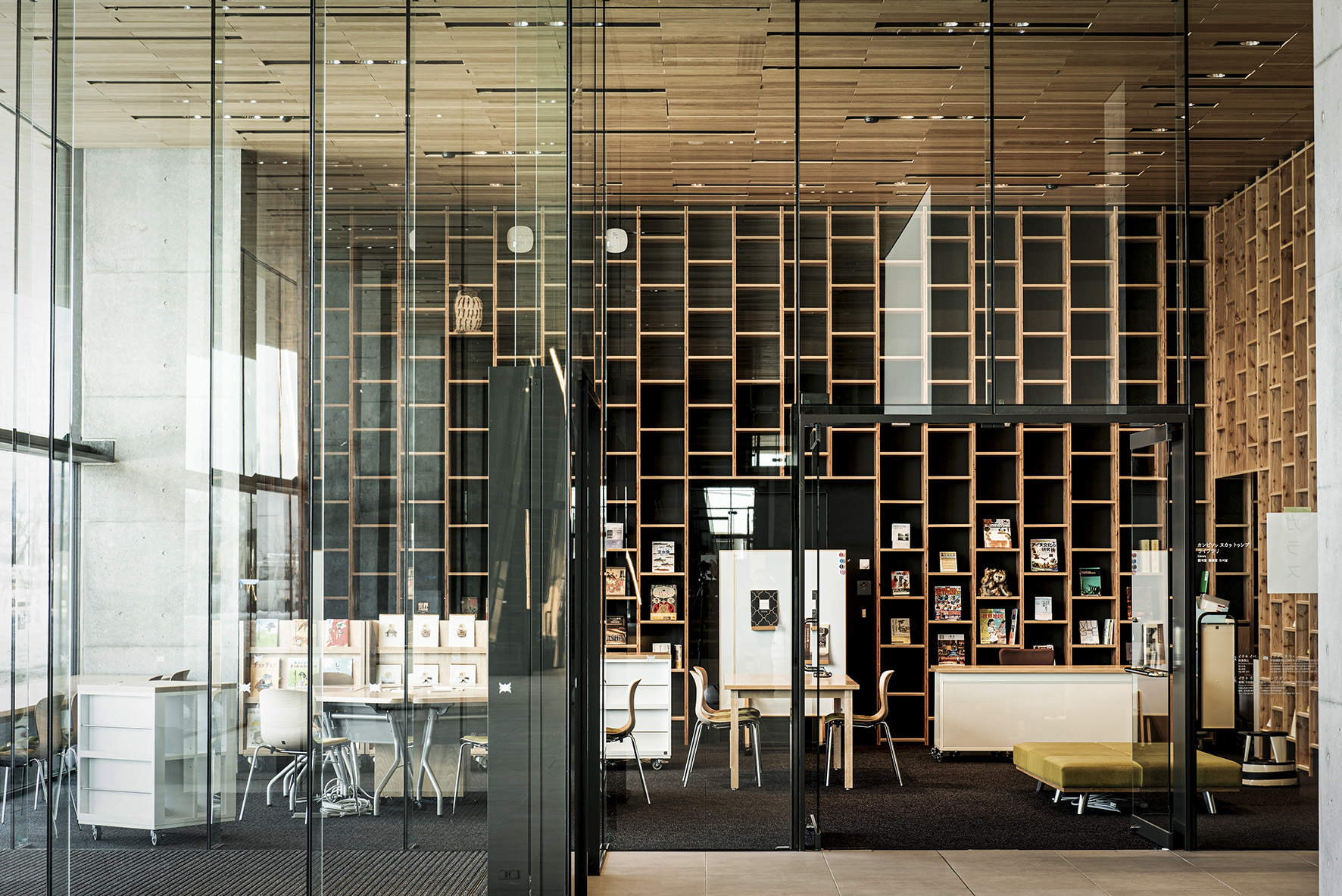
Library (1F)
An open professional reading space, housing global indigenous research literature, picture books, and academic works.
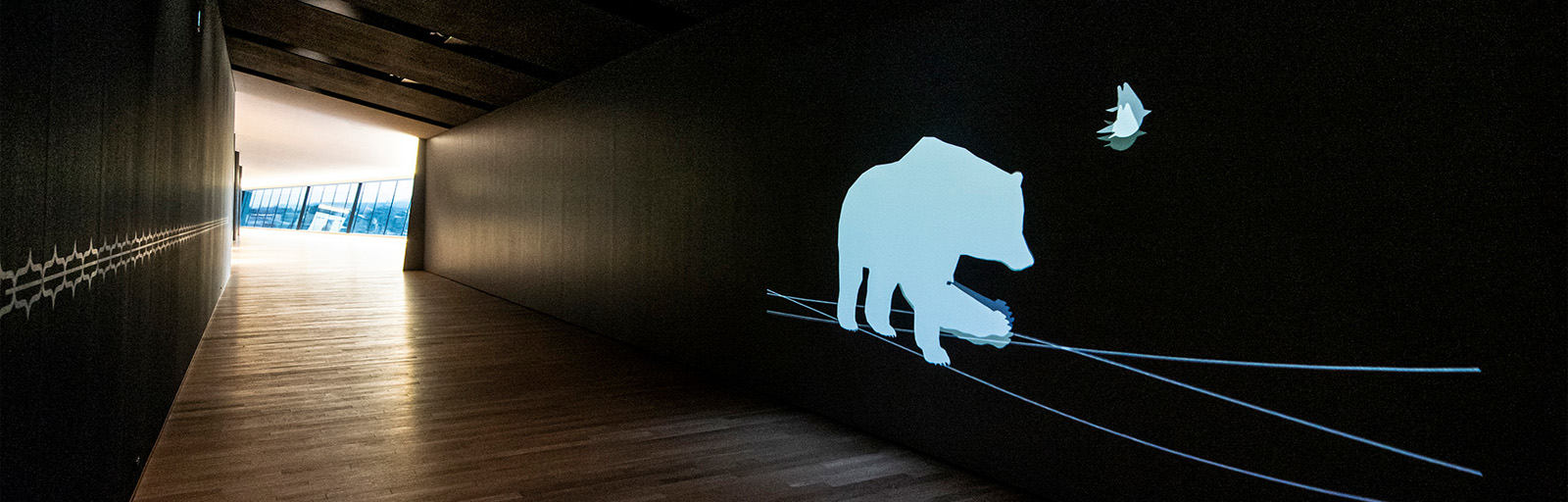
Introduction(2F)
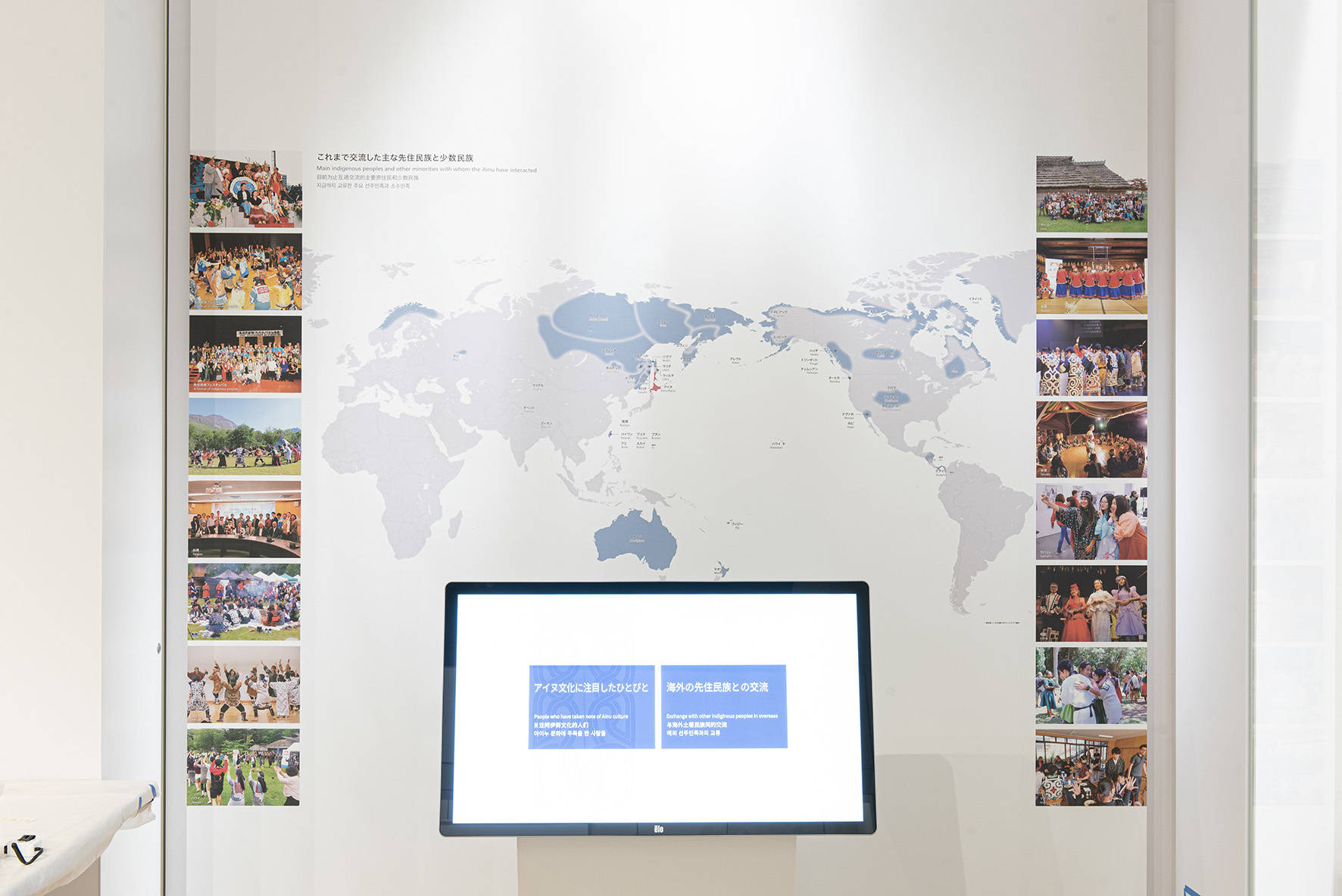
As you pass through the observation hall where you can gaze upon the beautiful scenery of Lake Paloto, you will see the images displayed on the passageway. Here, people from different ethnic groups around the world meet you. As a member of the world’s ethnic family, the Ainu people sincerely invite you to enter the exhibition hall.
Central Exhibition Area (2F)
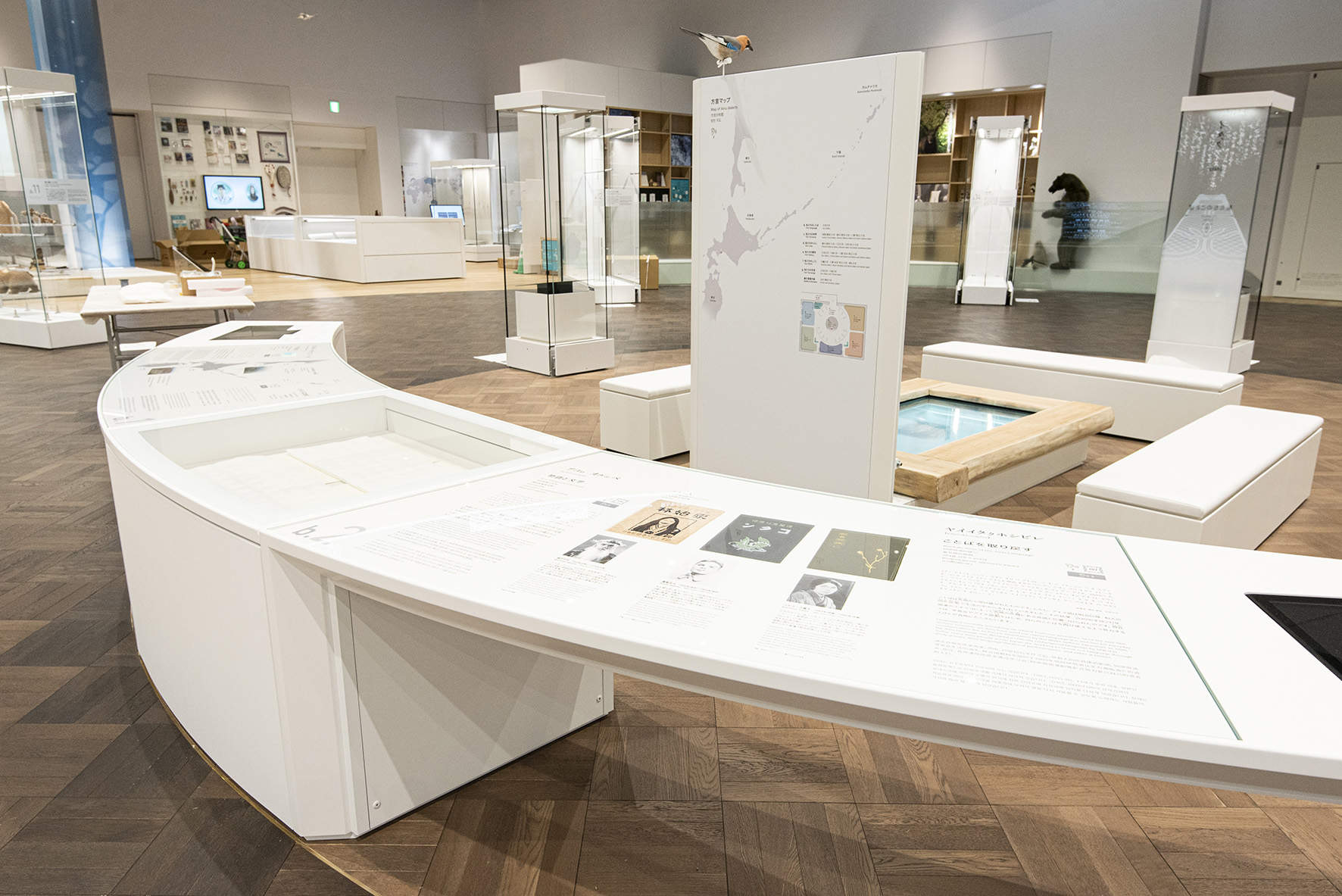
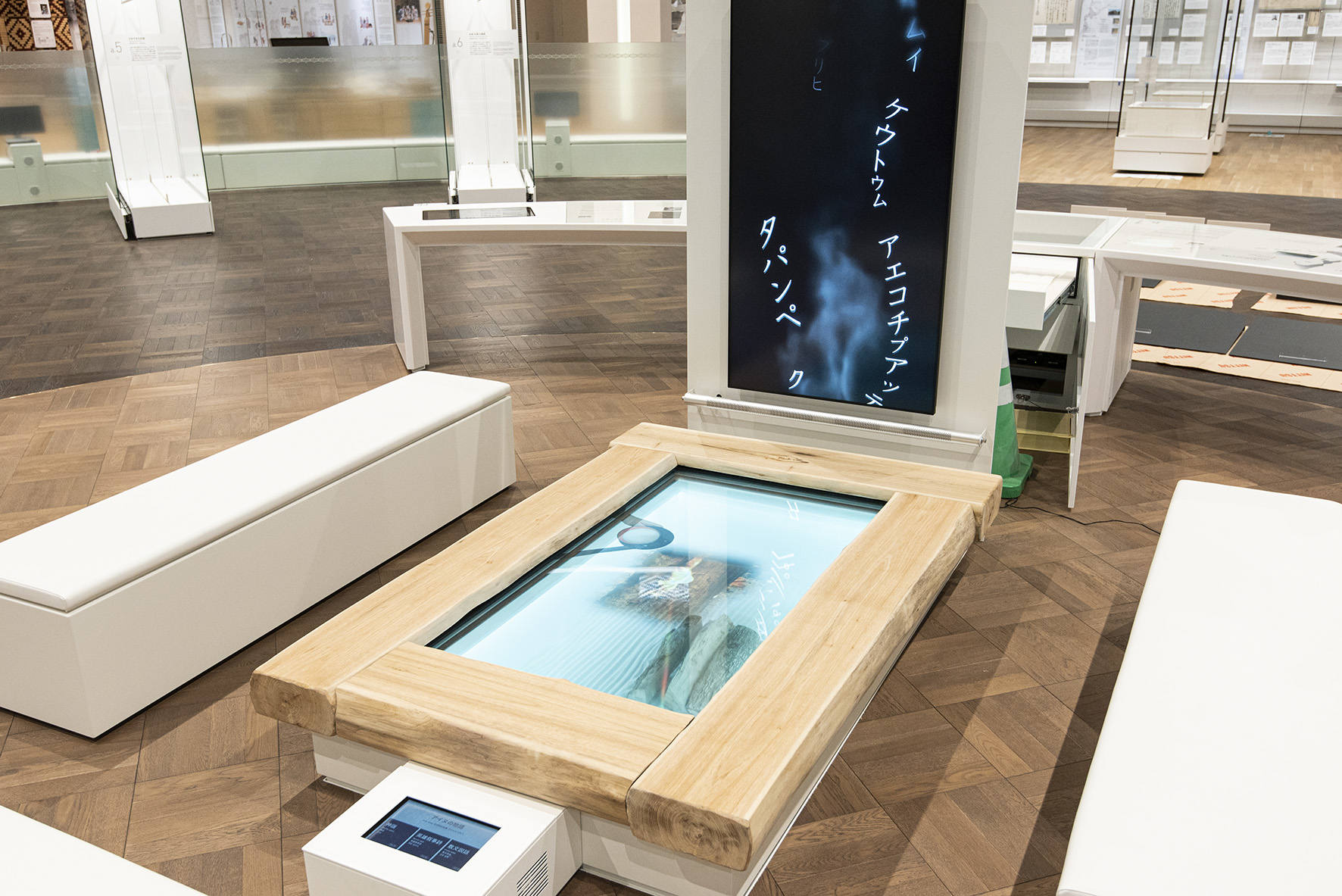
Create a oral literature listening corner based on the prototype of the underground furnace, combined with interactive games to learn Ainu language pronunciation and grammar.
The museum employs an open layout for its exhibits, allowing visitors to freely explore from the center of the exhibition hall and choose their own viewing routes to experience the charm of the displays. At the heart of the permanent exhibition hall, the central area showcases the essence of Ainu culture. Here, high-level artworks are displayed, offering a quick glimpse into the overview and outstanding artistic qualities of Ainu culture. For those seeking a deeper understanding of Ainu culture, further exploration of the surrounding thematic sub-exhibitions is recommended to appreciate the rich connotations of Ainu culture.
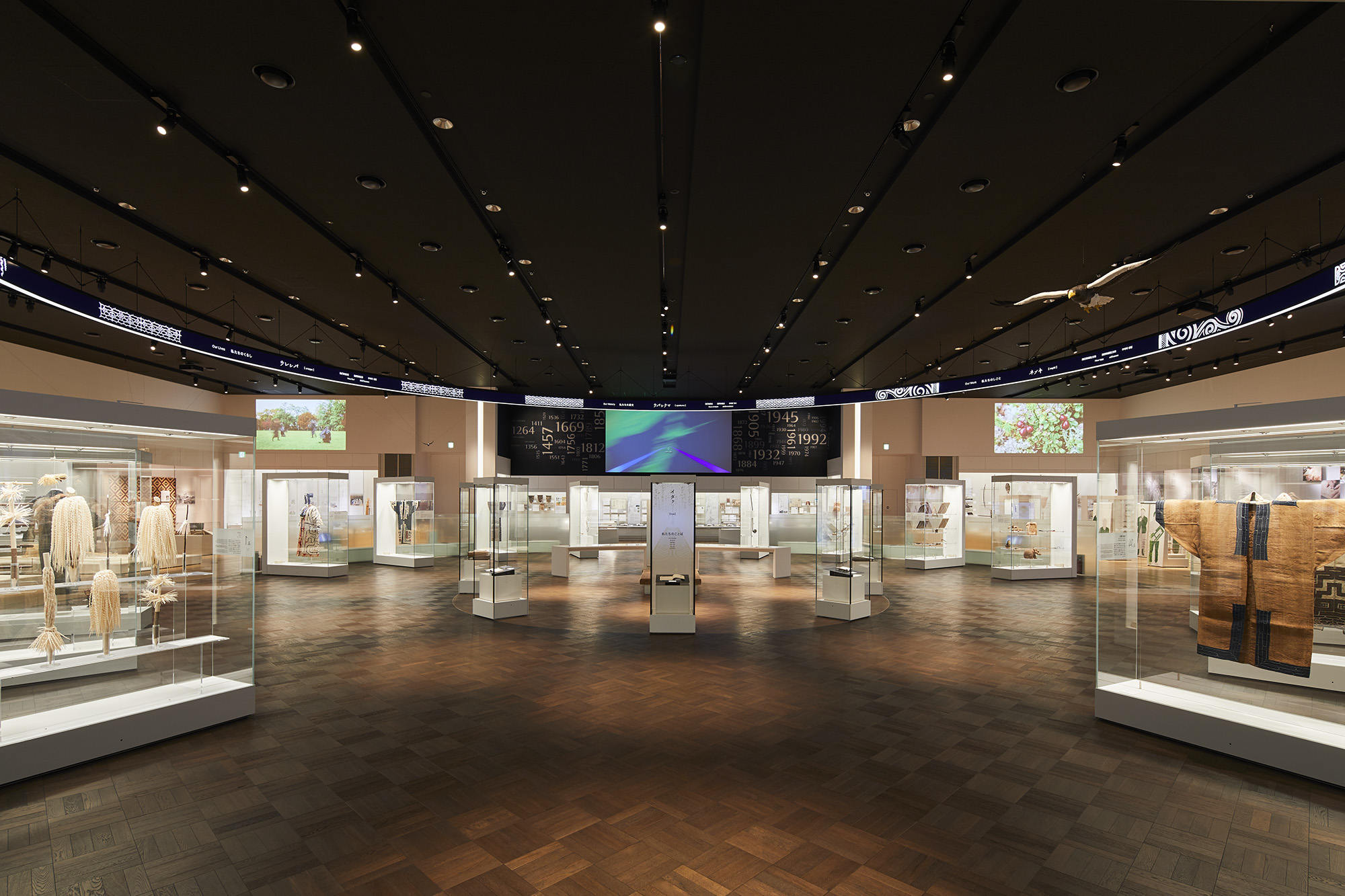
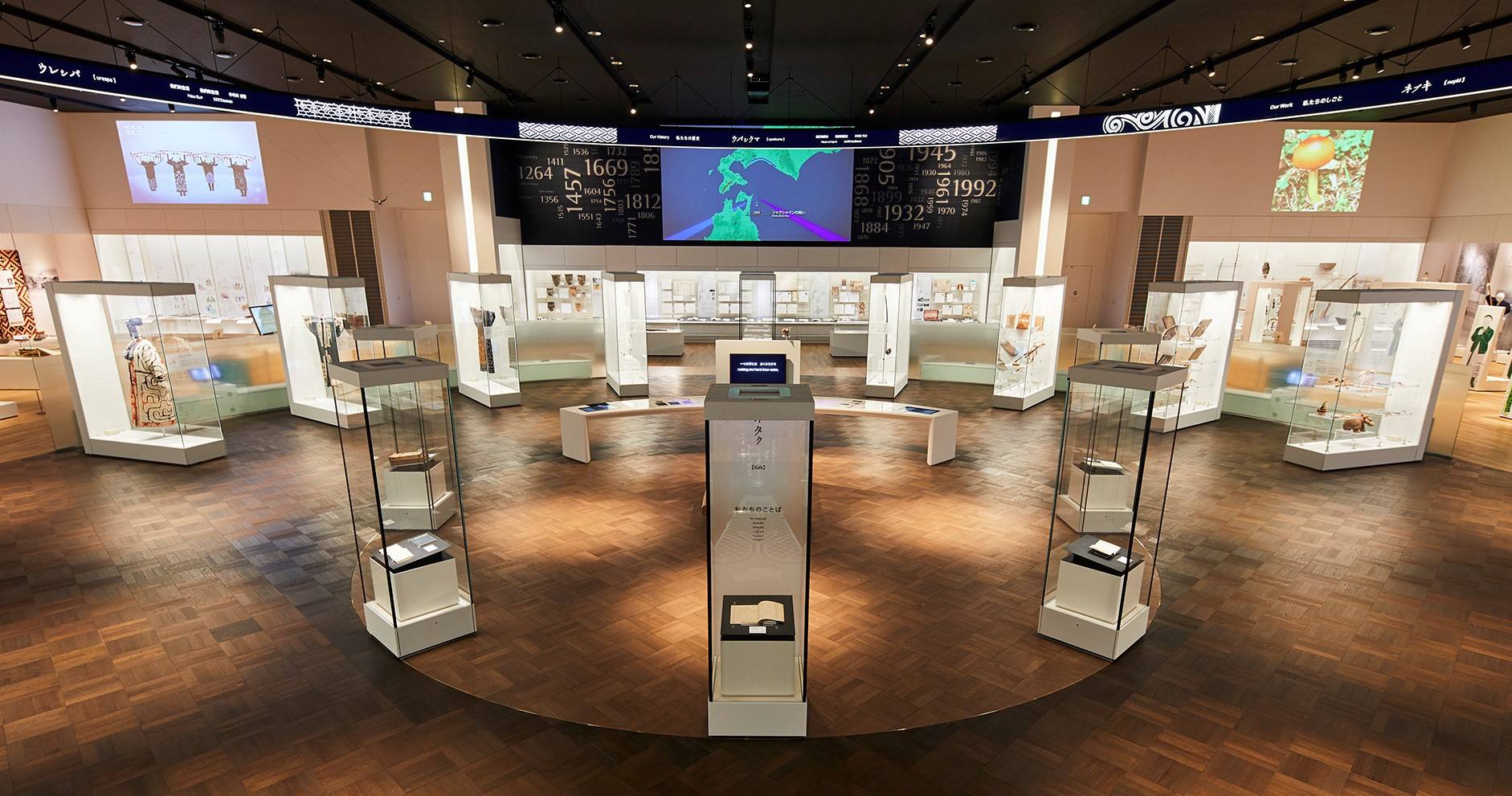
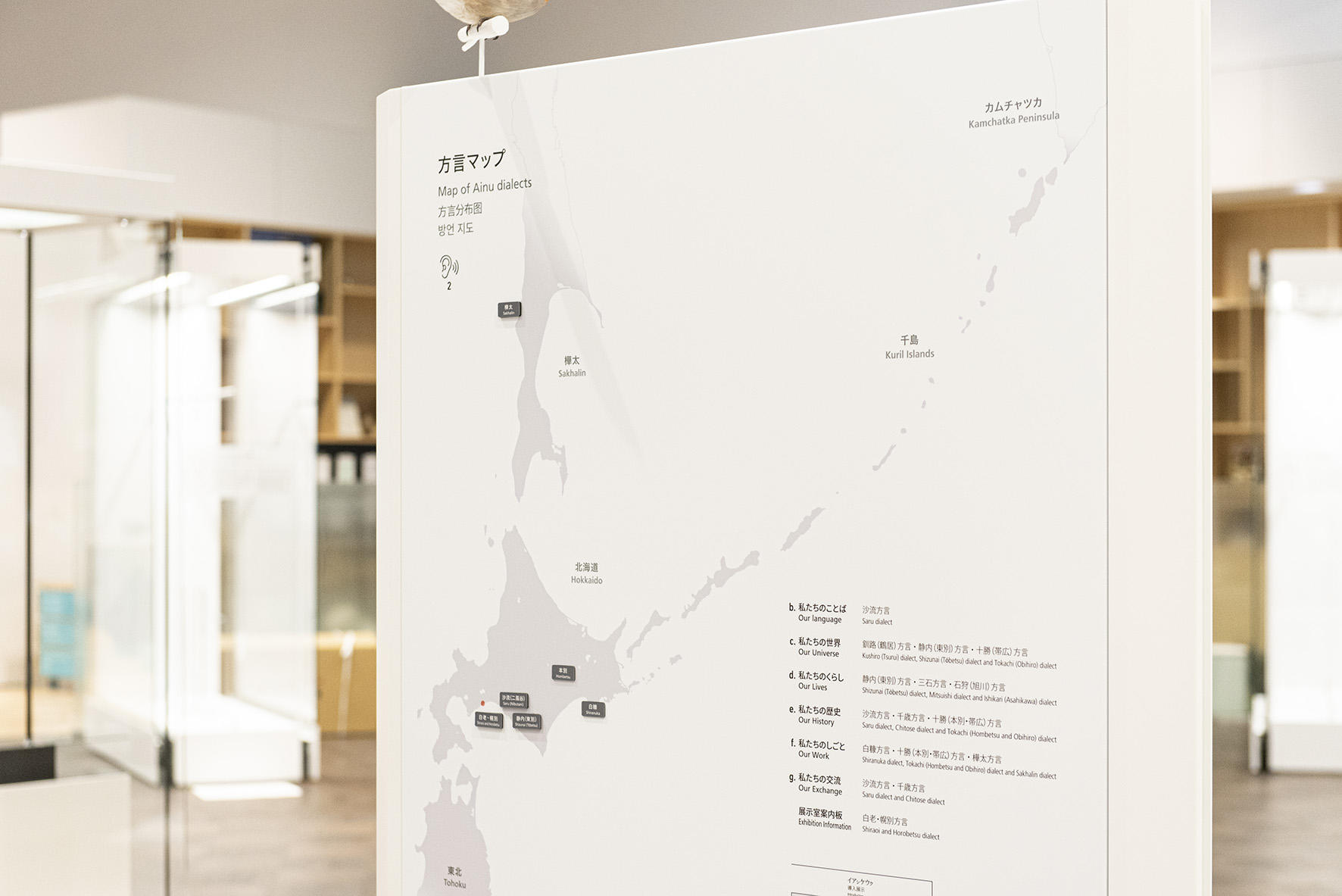
1.Our Language: This section introduces the Ainu language, Ainu storytelling, Ainu place names, and various initiatives aimed at preserving and revitalizing Ainu culture. Visitors can not only view exhibition materials but also have an up-close encounter with the Ainu language. In the Ainu Language Interactive Space, visitors can sit by the fireplace and listen to Ainu oral literature; learn Ainu grammar and pronunciation through fun and engaging games; and watch videos to understand Ainu place names and dialects.
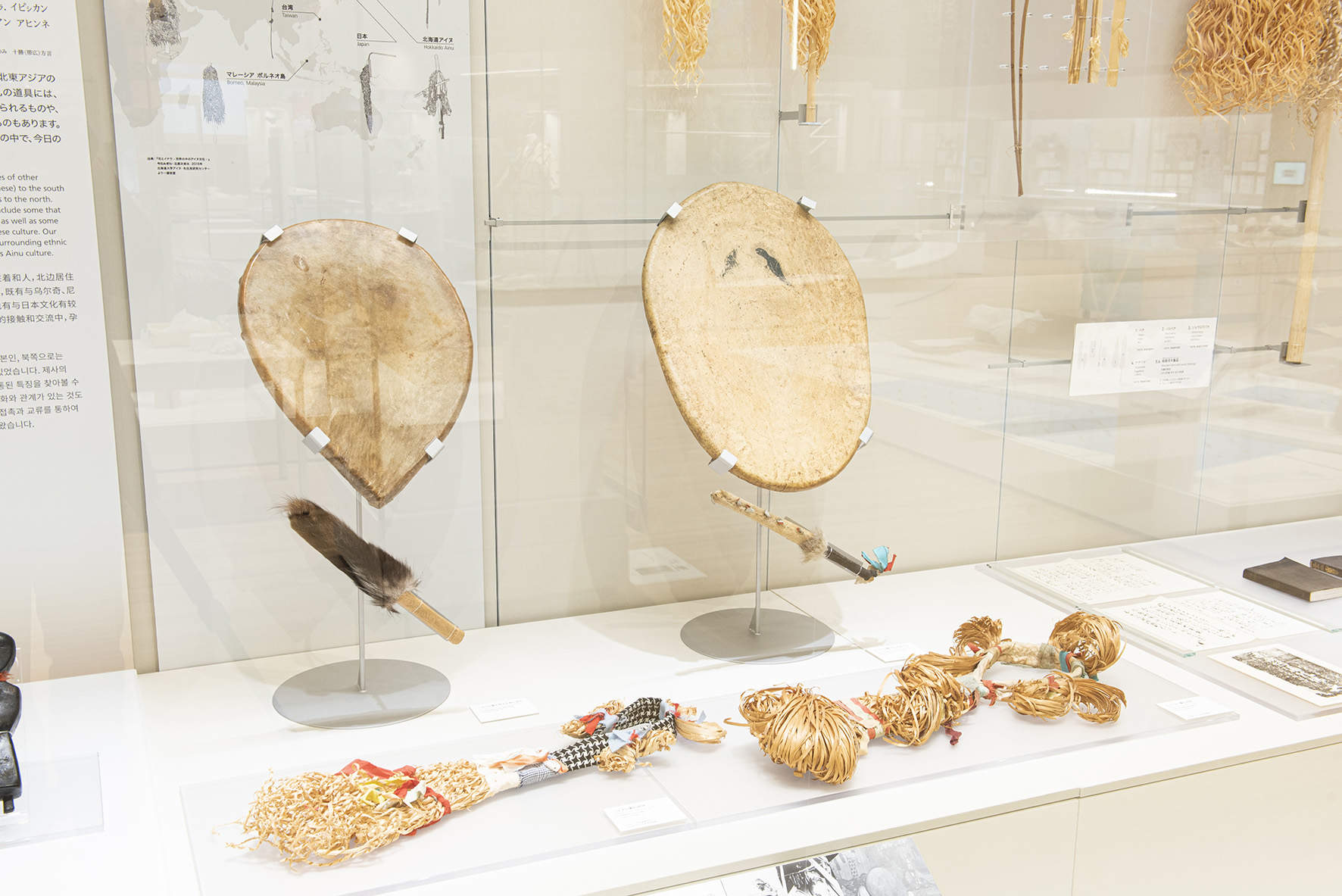
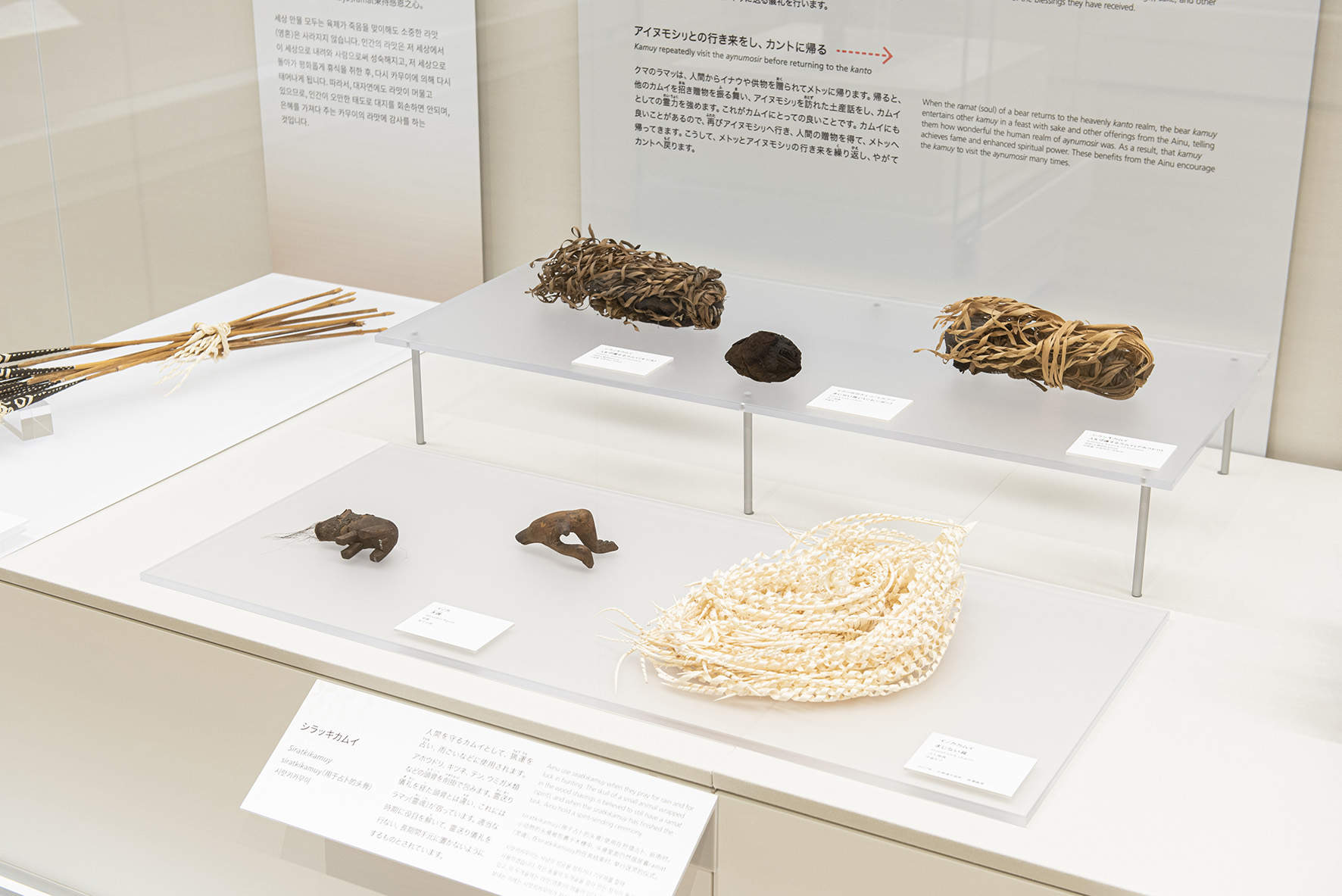
2.Our Universe: Spirituality is a central aspect of Ainu culture. The exhibition includes graphics illustrating the Ainu belief that ramat (spirits) exist all around us. Various artefacts relating to a rage of Ainu rituals are also on display, such as a 6m-long wooden pole used to hold bears during the iyomante ritual from Sakhalin.
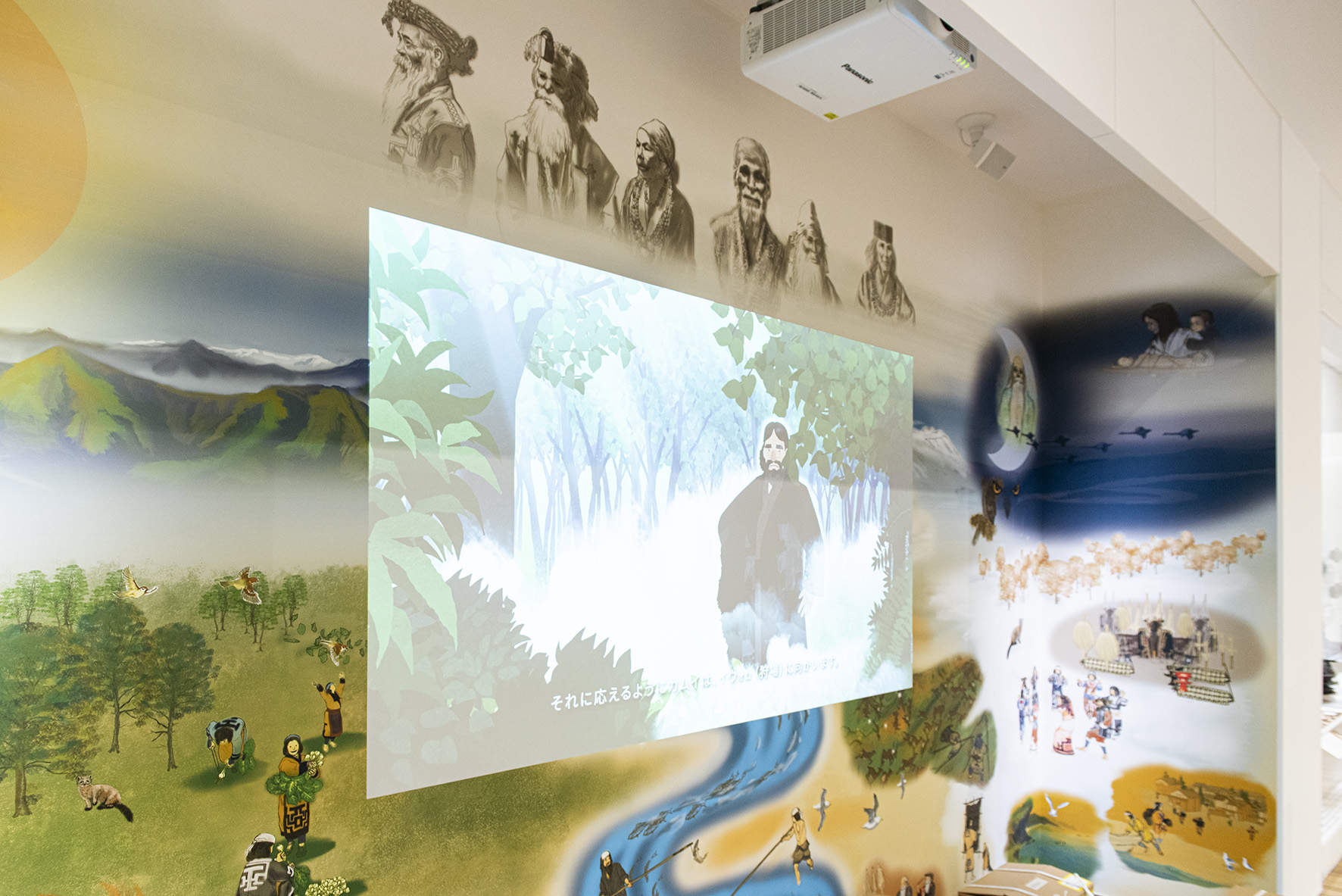
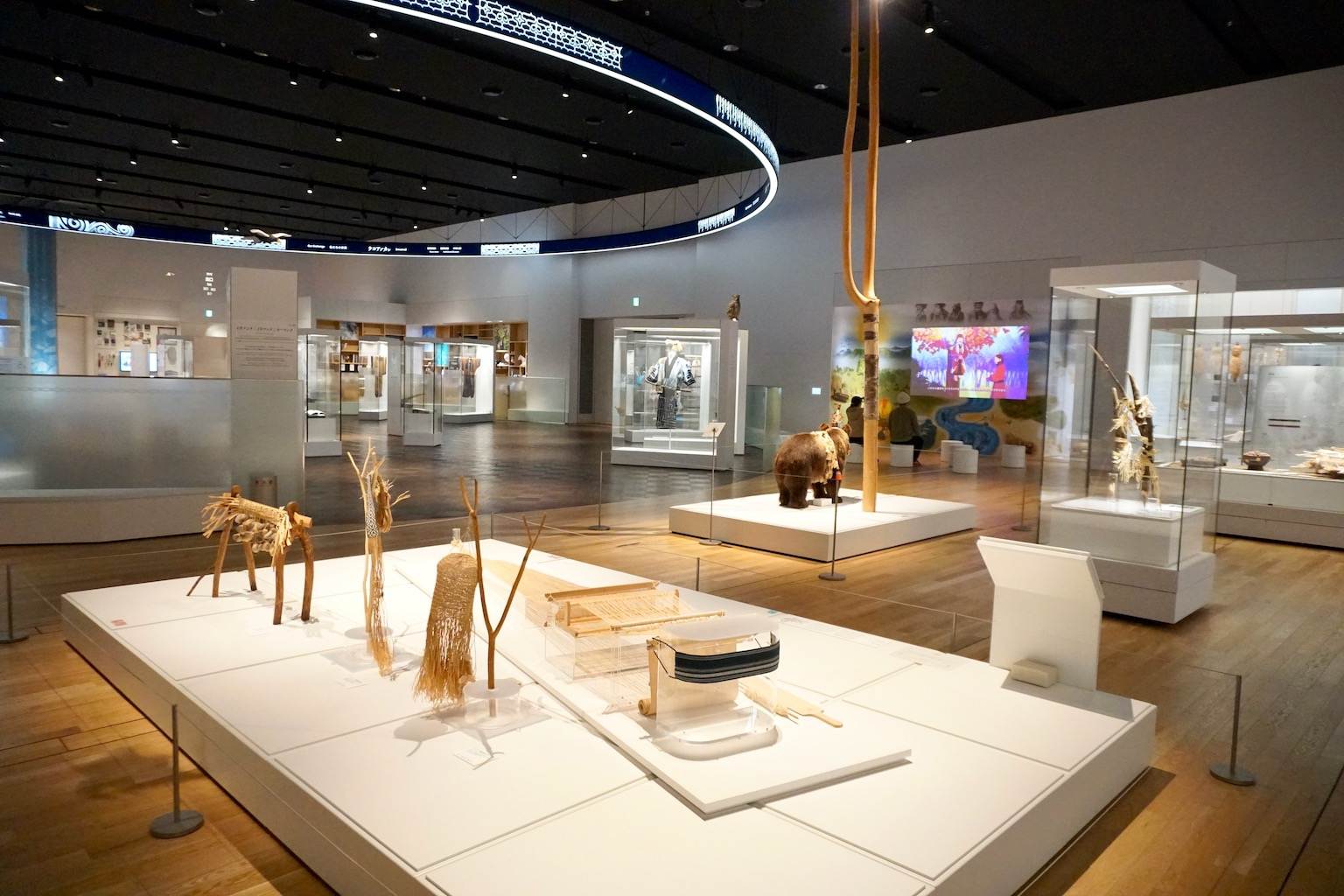
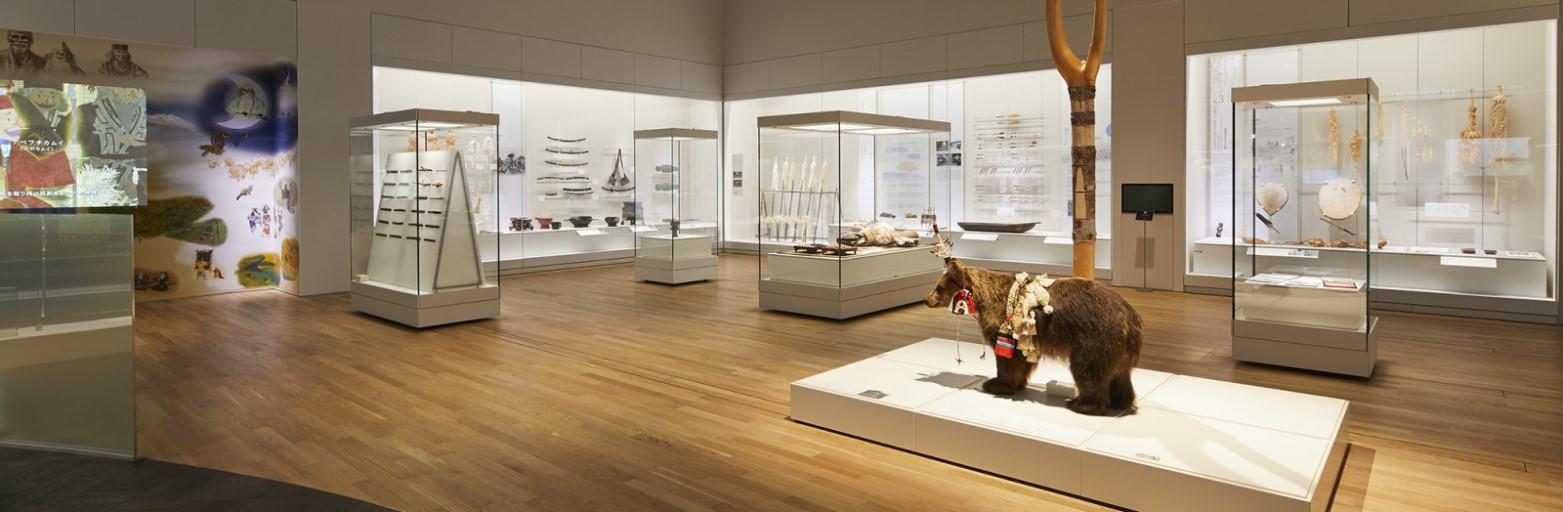
3.Our Life: Introducing the Ainu people’s daily life, including their clothing, food, housing, transportation, music, dance, children’s games, and more. Through physical exhibits and videos, we will showcase the Ainu people’s living culture. In terms of clothing, we display bark clothing, as well as the process of twisting threads from the bark of the elm tree and the actual loom used for weaving. We also introduce the activities carried out by the inheritors of Ainu culture.
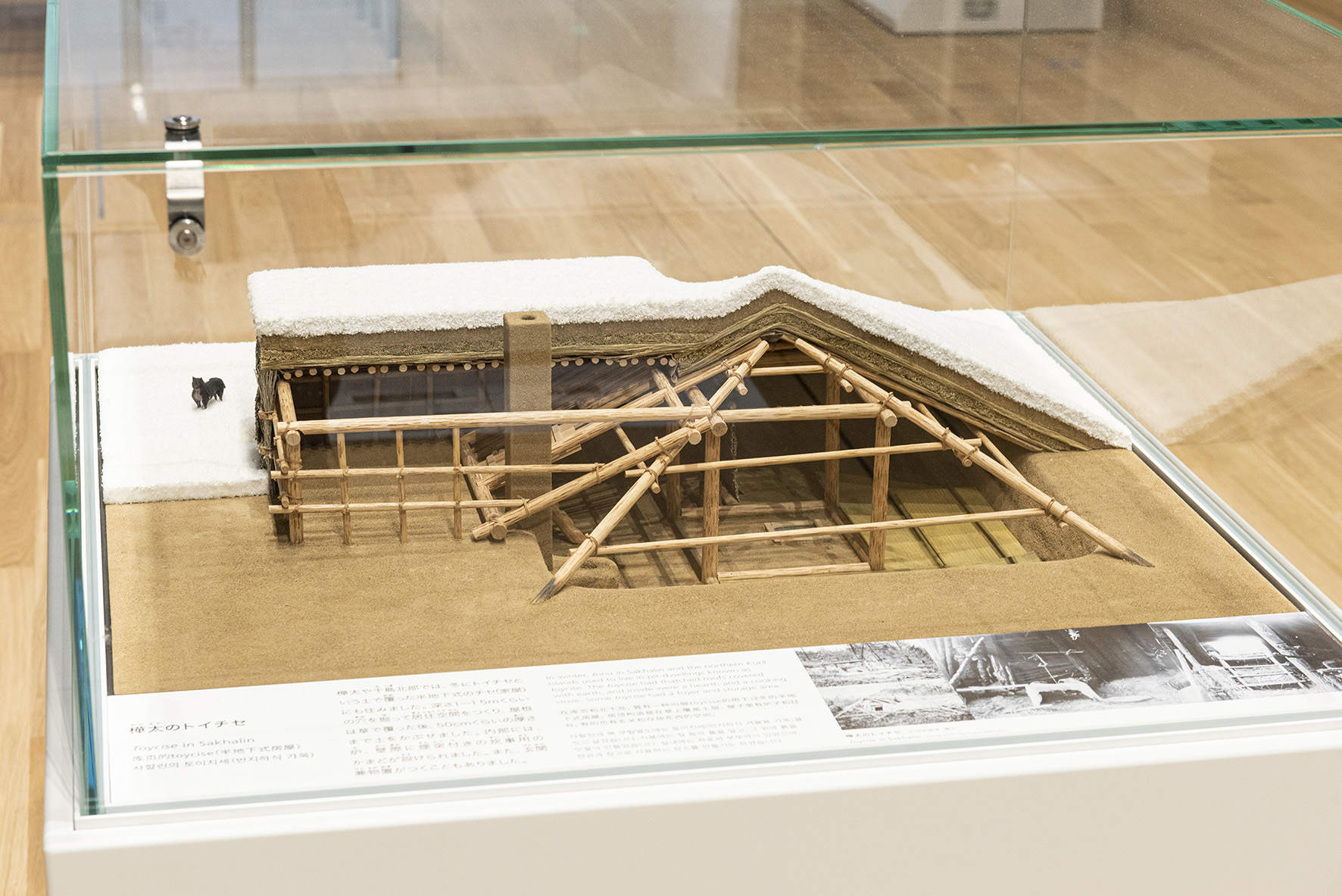
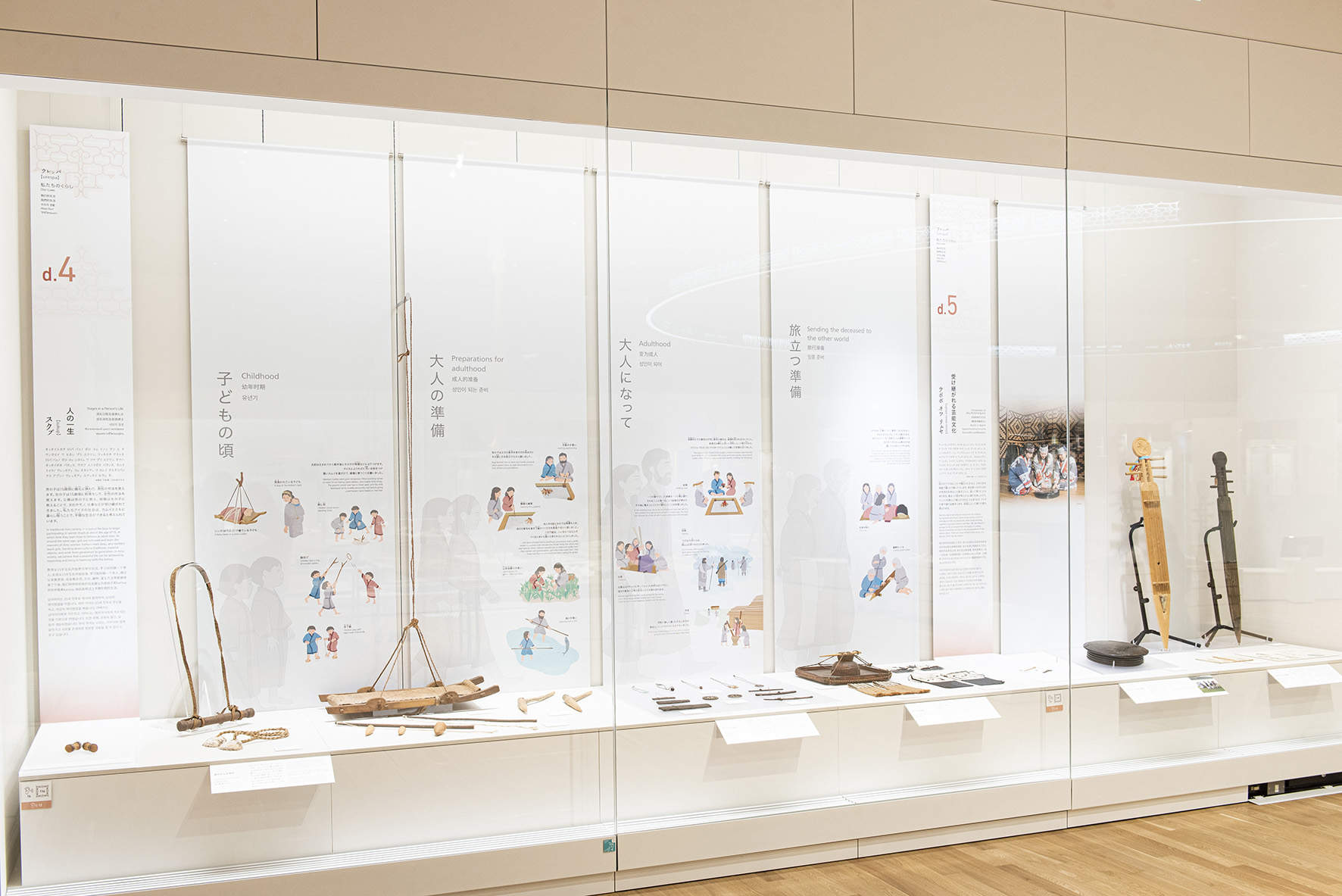
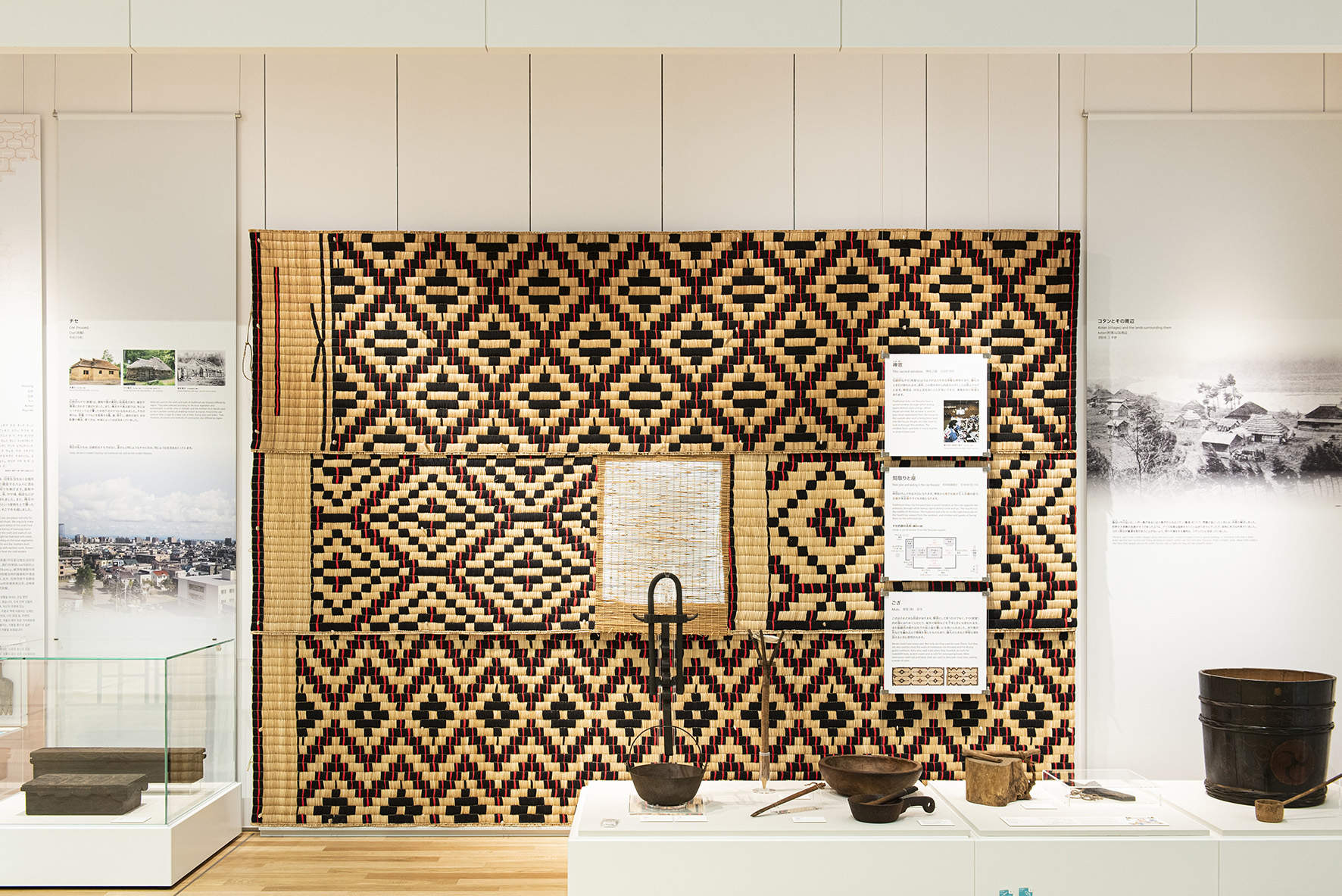
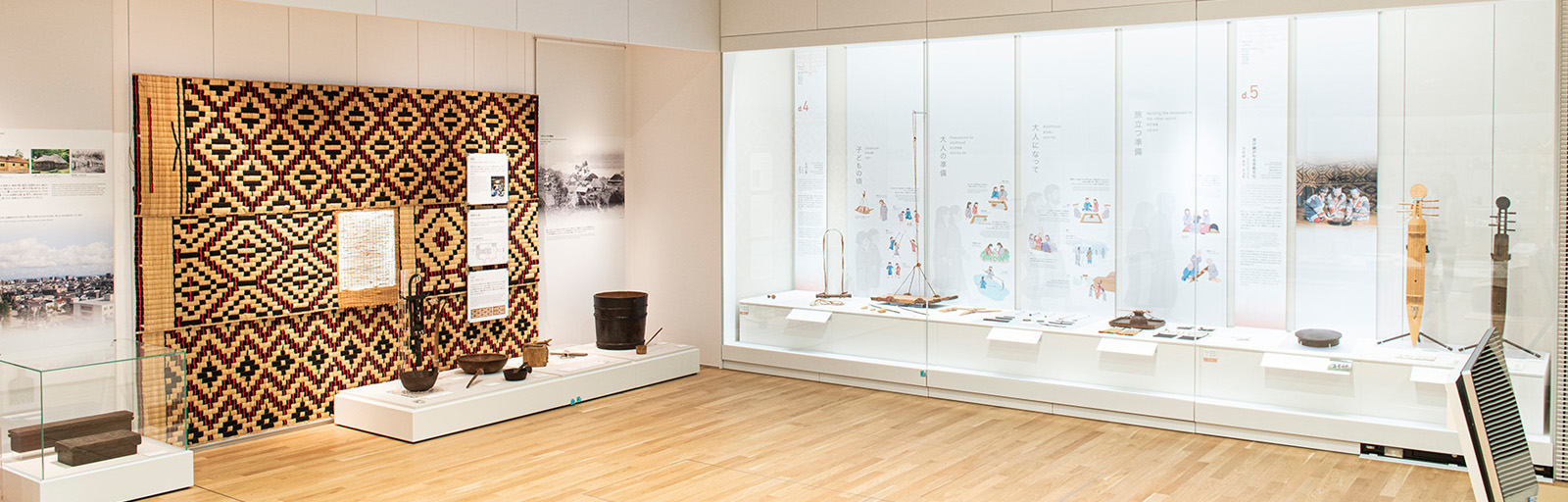
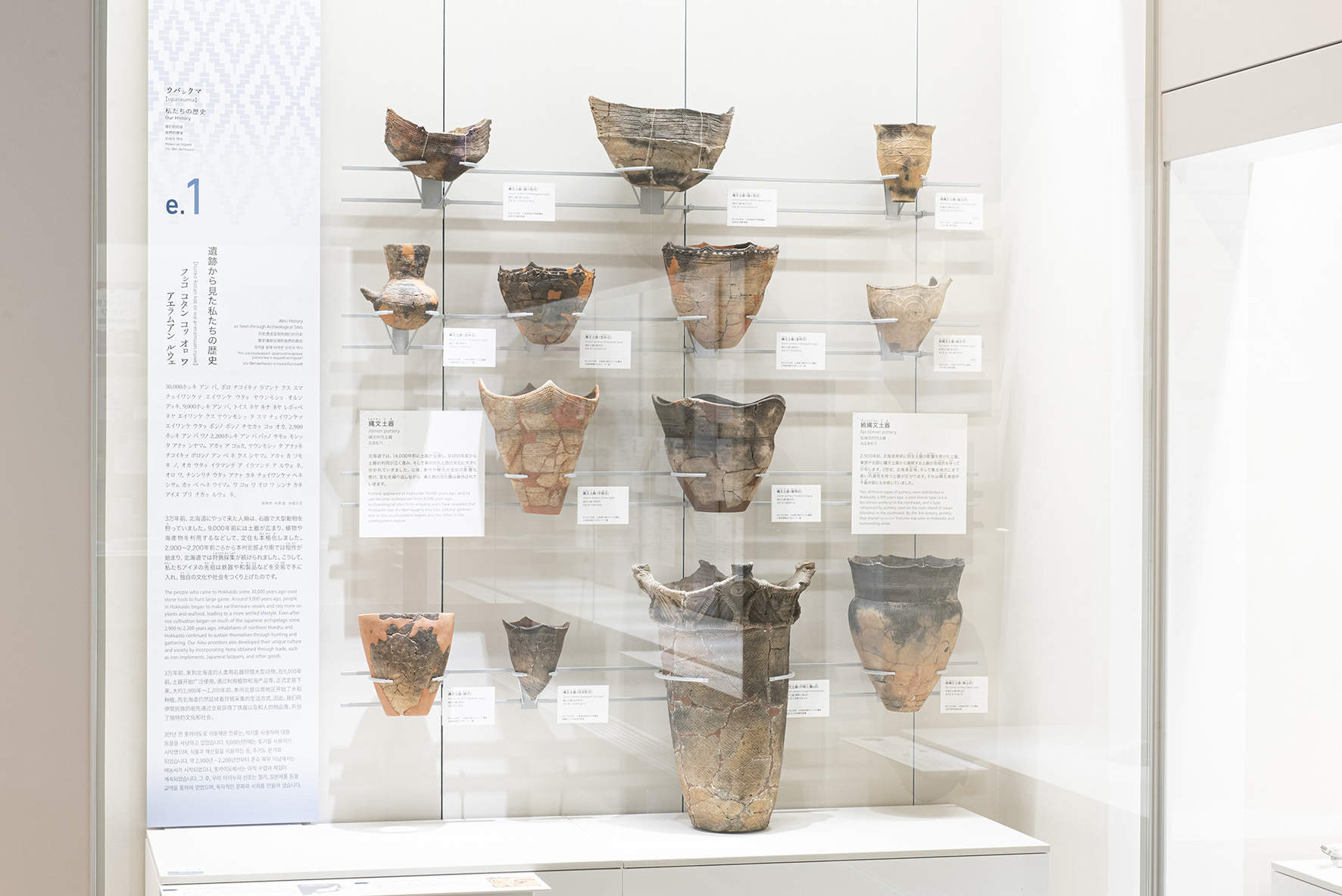
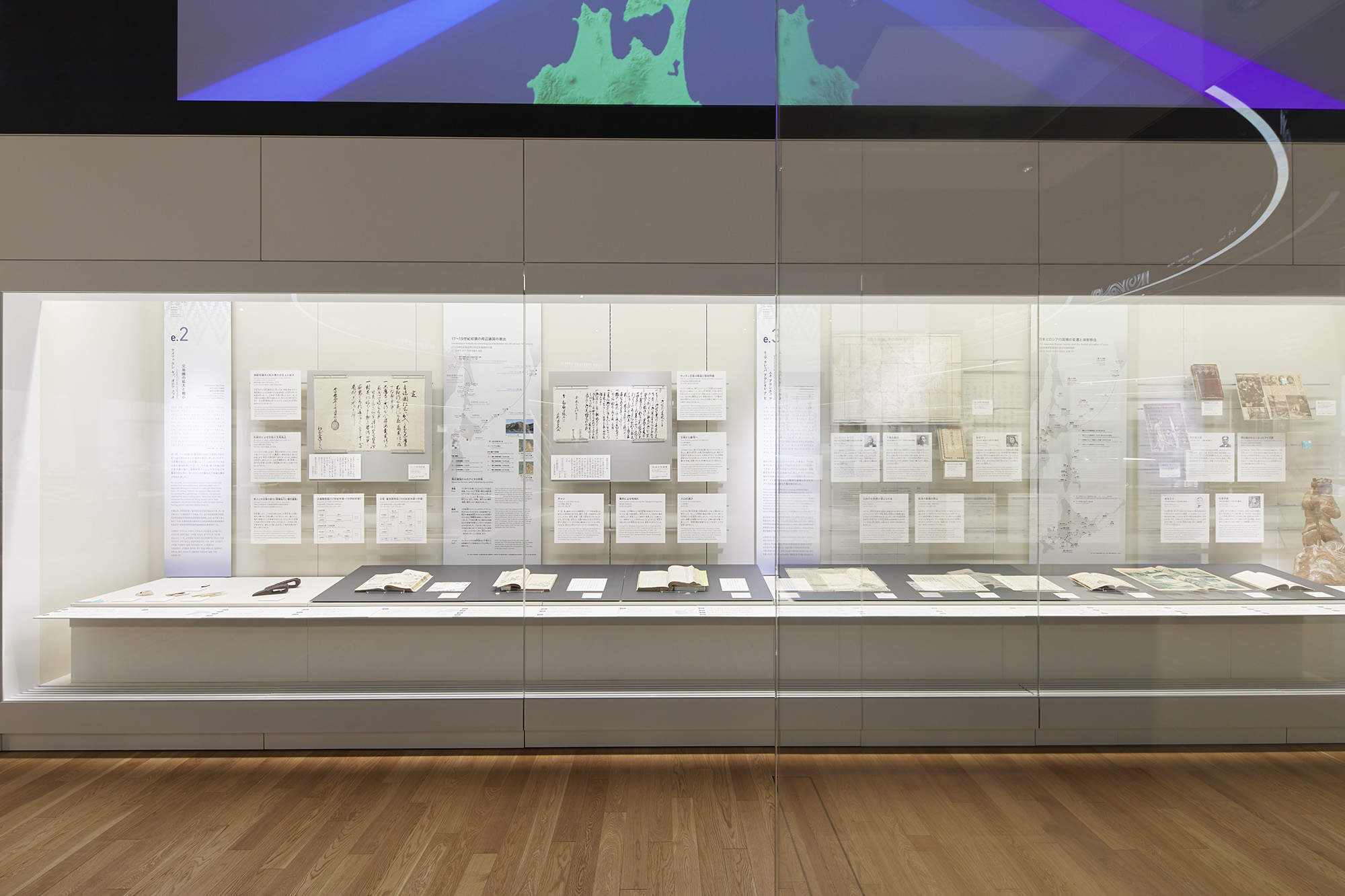
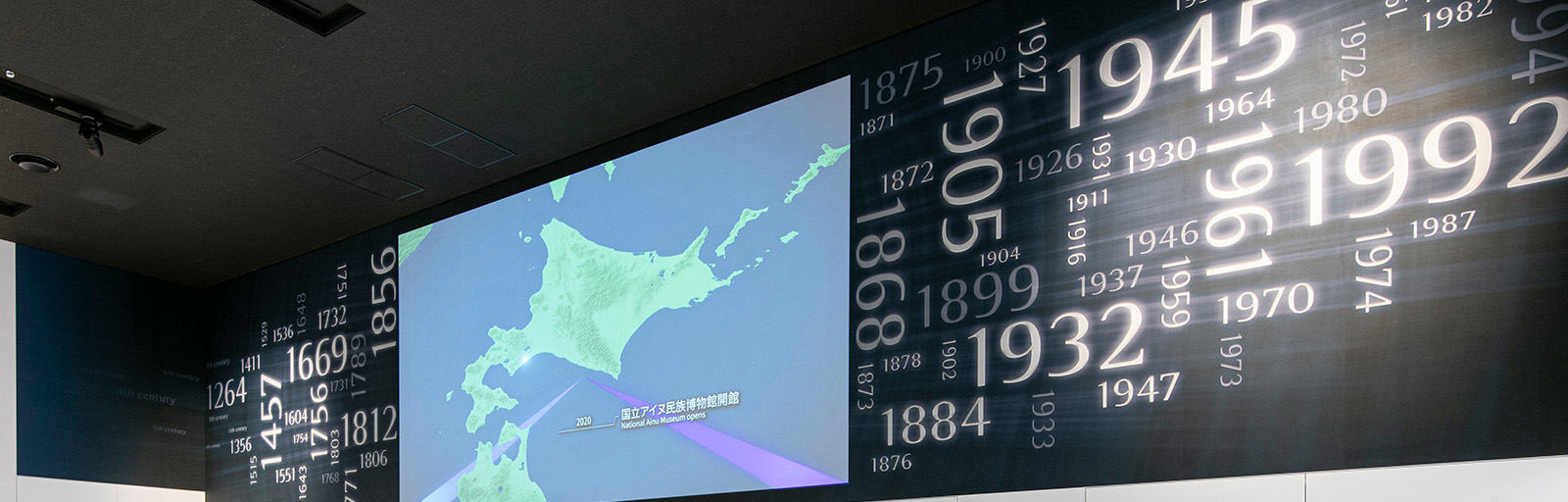
4.Our History: Showcasing the ancient history of the Ainu people that has been passed down through generations, as well as the footprints left by surrounding peoples on the Ainu people. Upon entering the exhibition area, the first thing that catches your eye is the grand electronic chronology displayed on the wall above. It shows major events and their occurrence dates, with map changes connected to historical context, taking you back to the major events of the Ainu people.
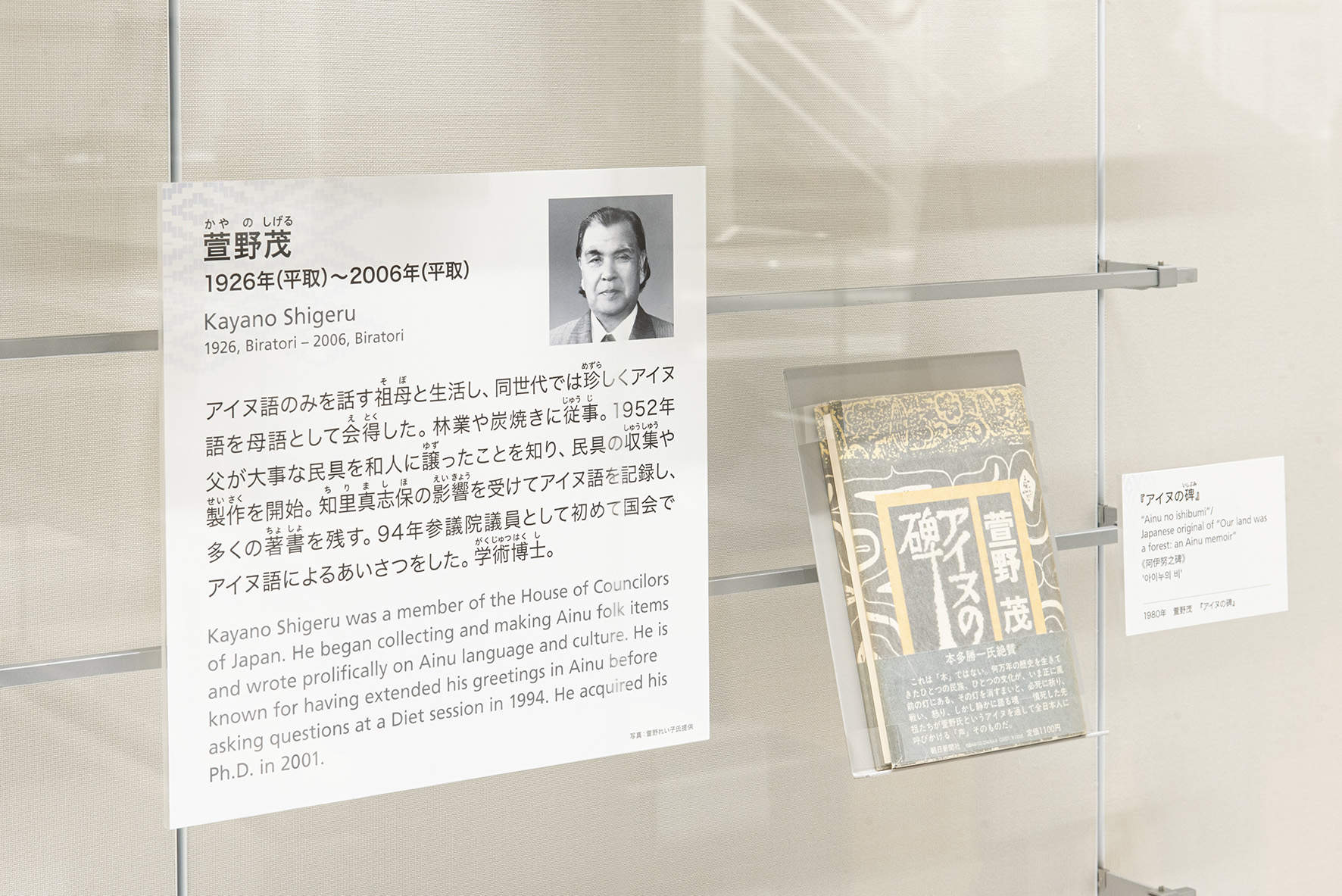
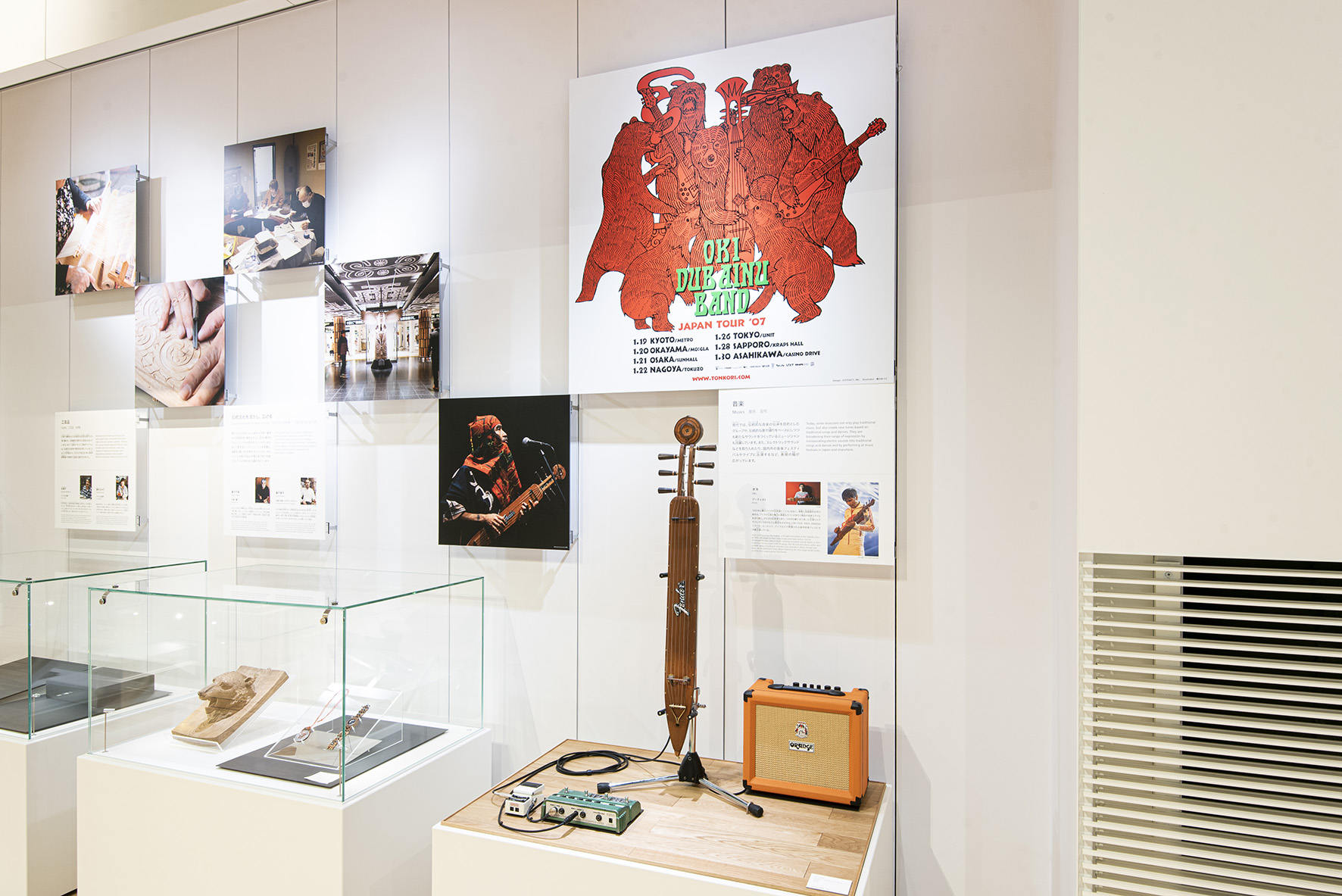
5.Our Way of Making a Living: Exhibits the traditional ways of making a living passed down through generations by the Ainu people. The first half introduces tools and principles used in production activities such as hunting, fishing, farming, and gathering. Visitors can also learn about the Ainu people’s work throughout the year through touchscreen content. The second half focuses on ways of making a living and crafts since the Meiji period. Through labor tools and handicrafts, it showcases the modern life of the Ainu people.
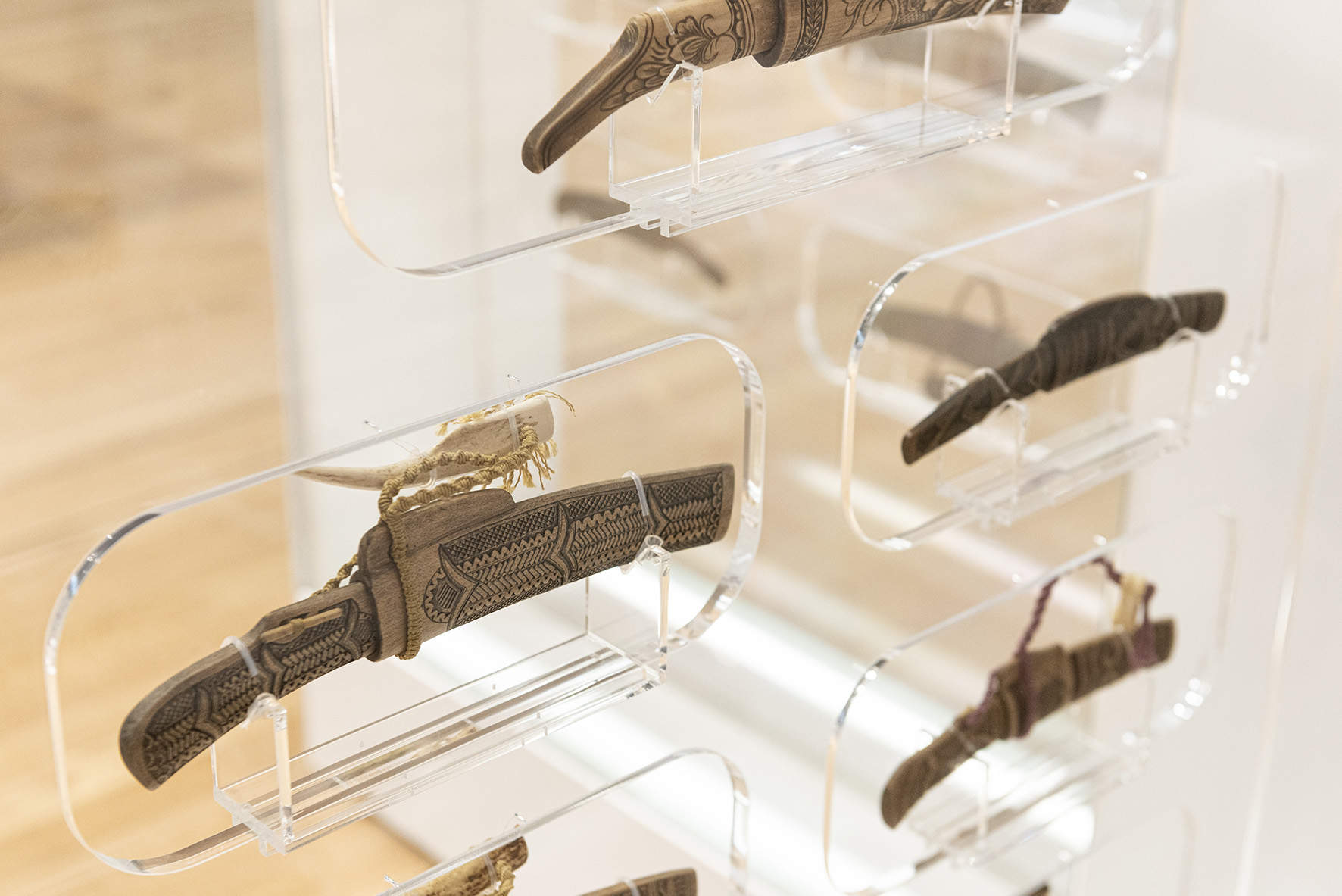
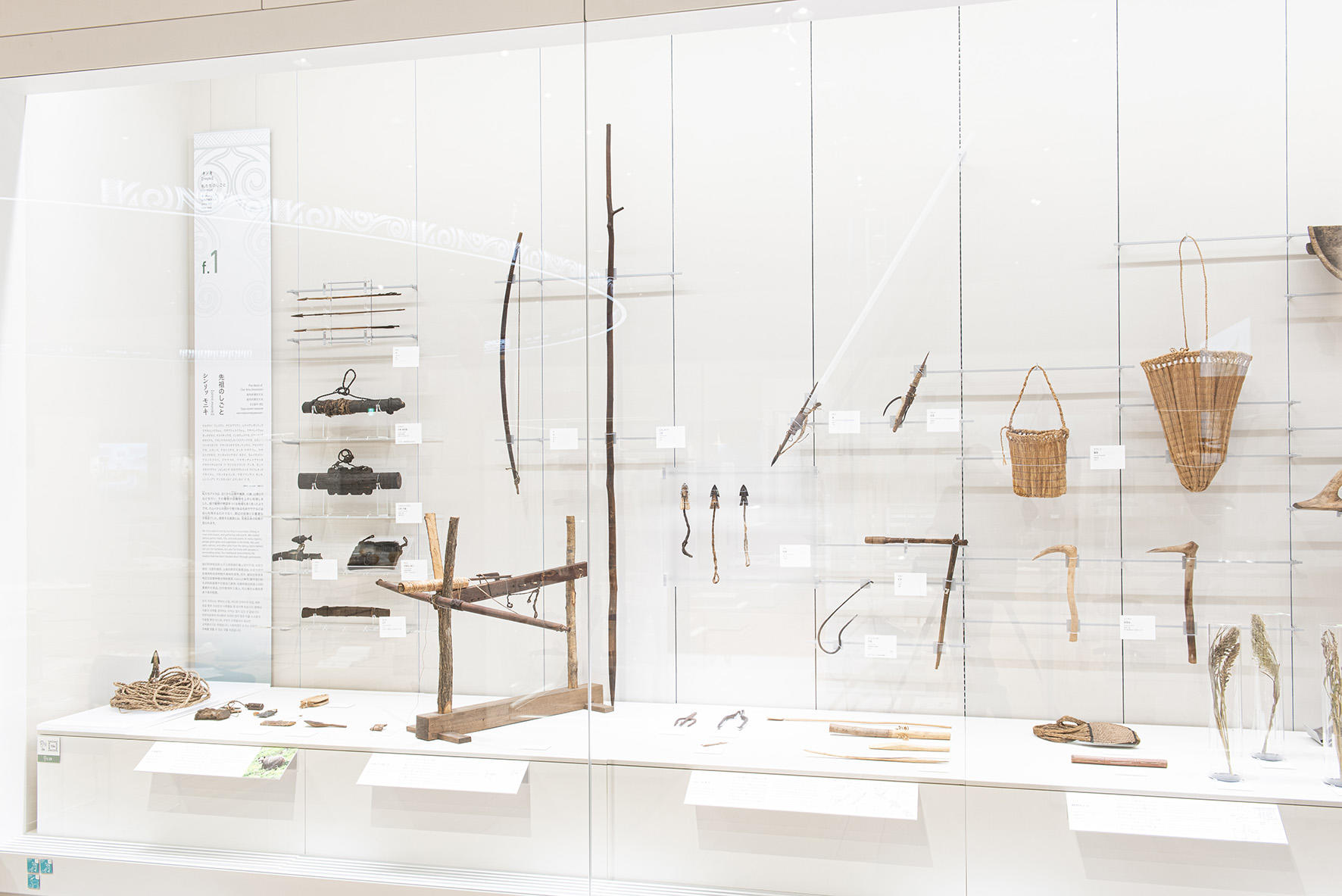
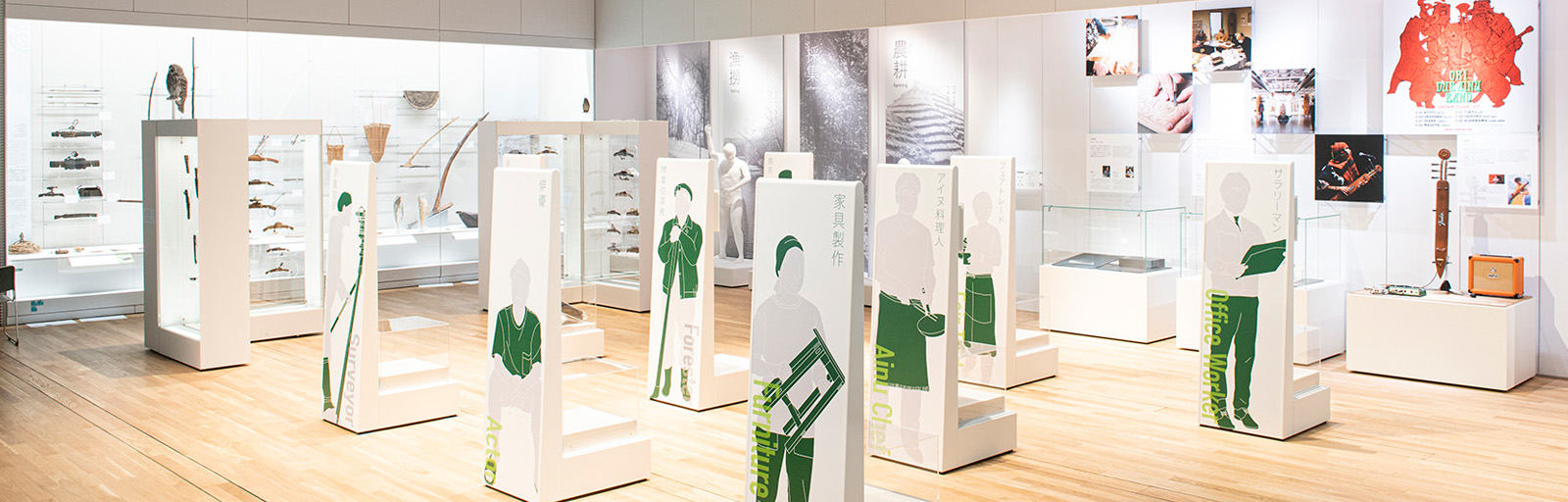
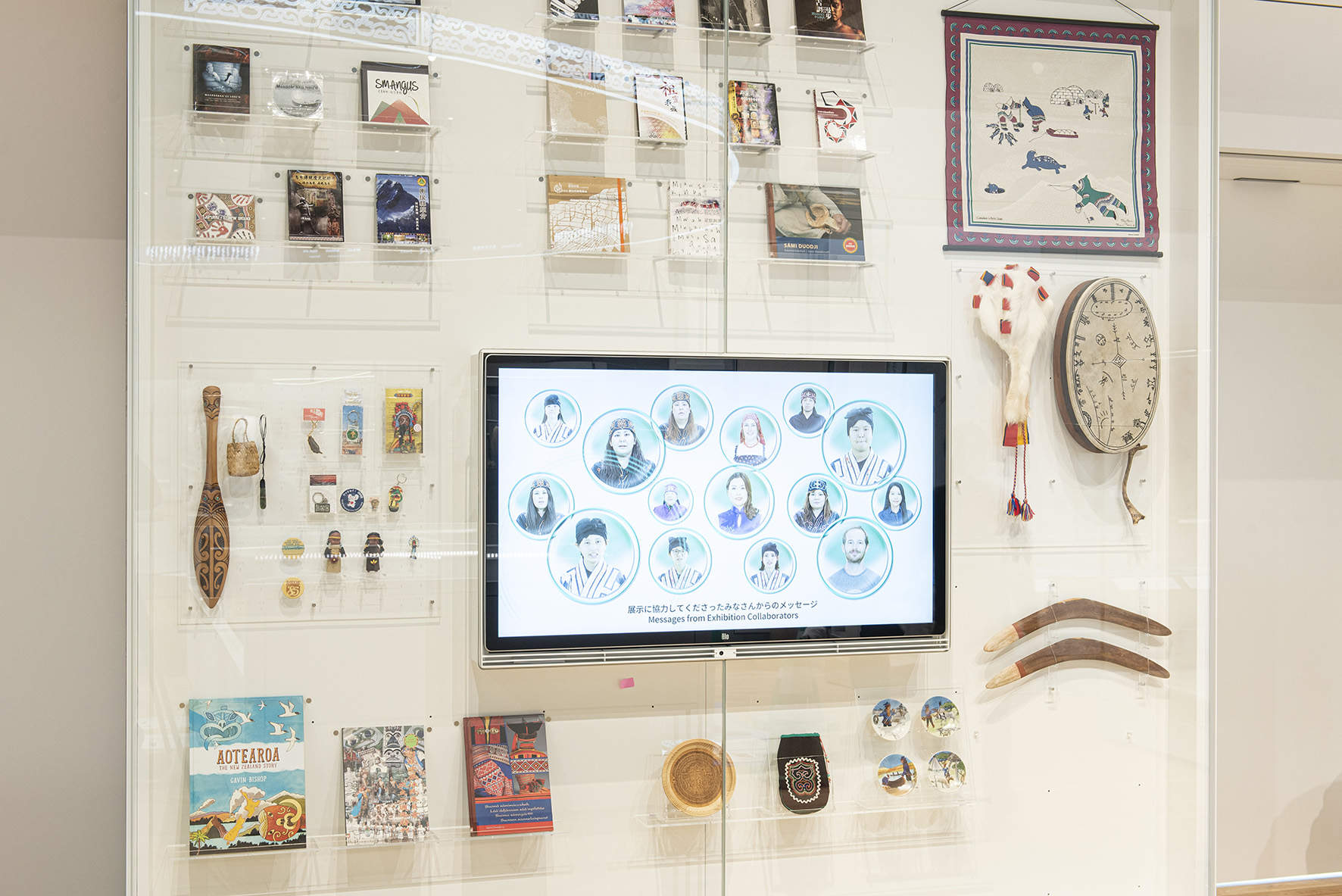
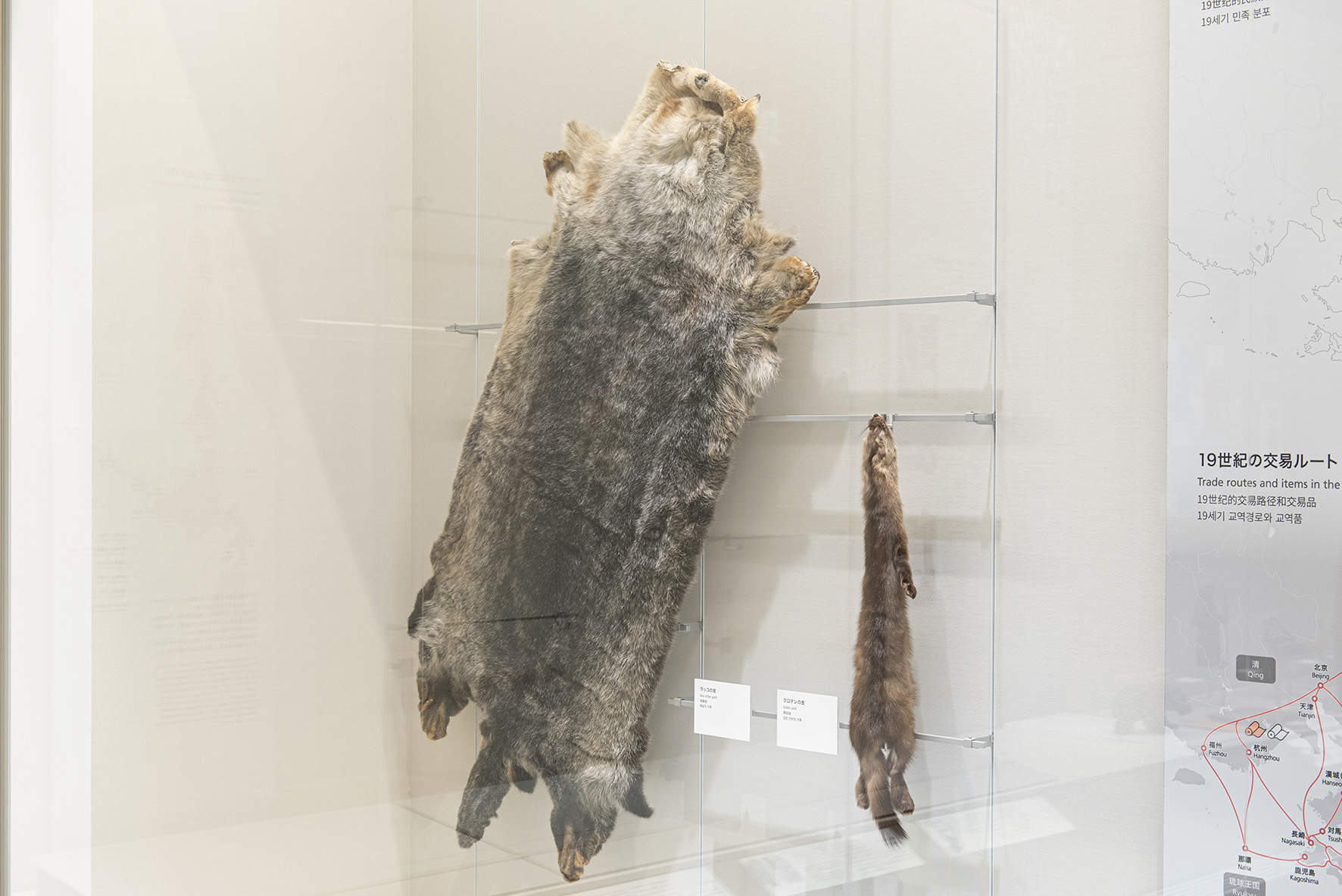
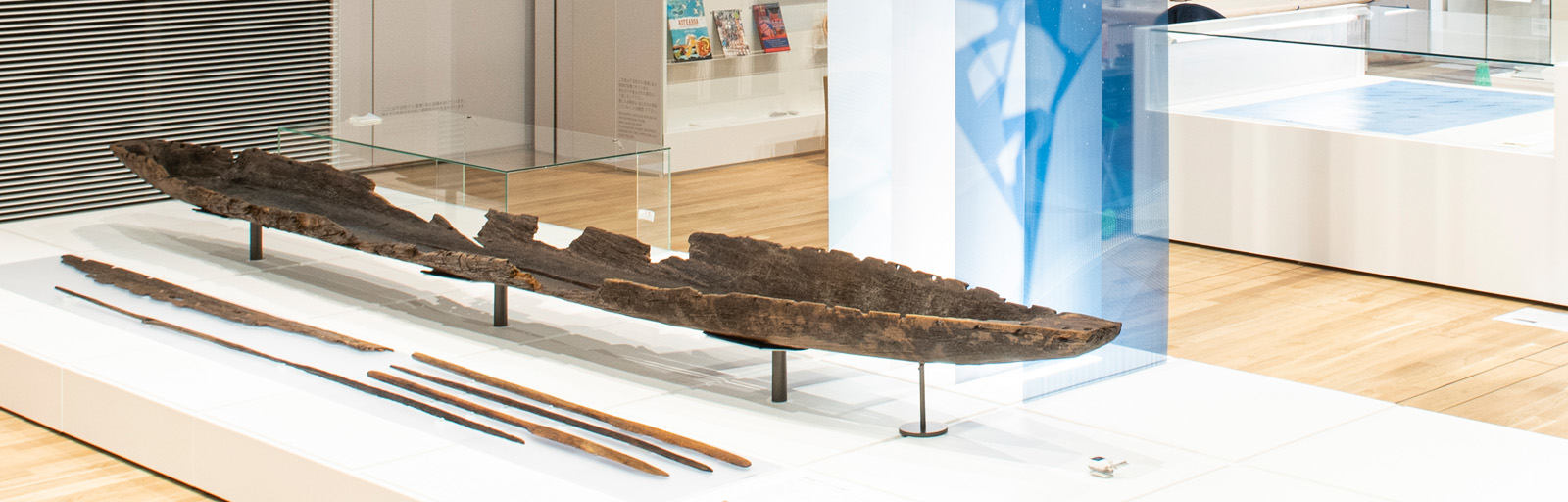
6. Our Interaction: Introducing the interactions between the Ainu people and other surrounding peoples from ancient times to the present. The wooden plank-spliced boat unearthed in Atsugi-cho, Hokkaido (collected by Atsugi-cho) is a representative exhibit of this exhibition. After being cleaned in Atsugi-cho, the exhibit was transported to Shirahama-cho and underwent detailed cleaning and reinforcement to ensure its display effect.
Interactive Station “tempatempa”(2F)
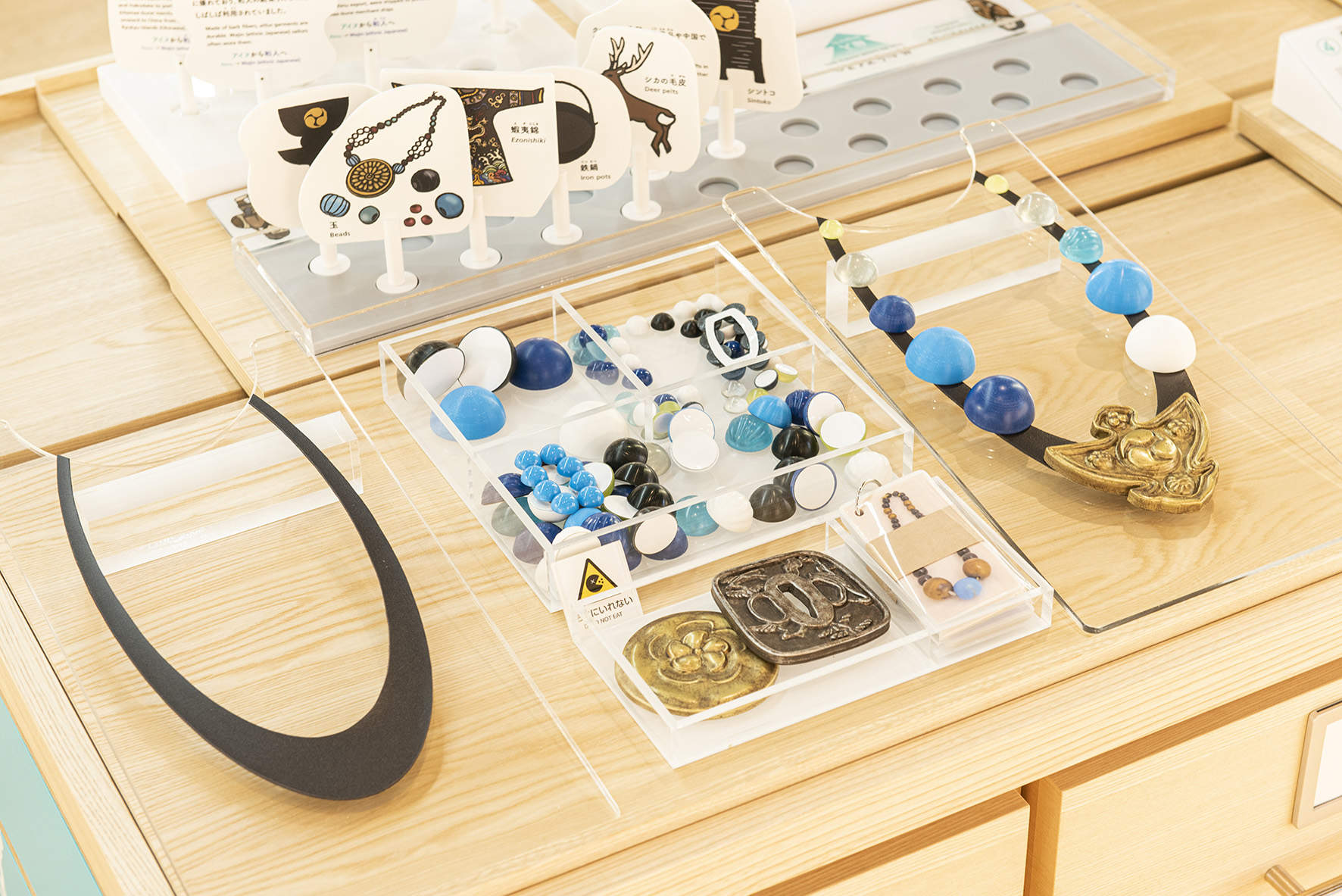
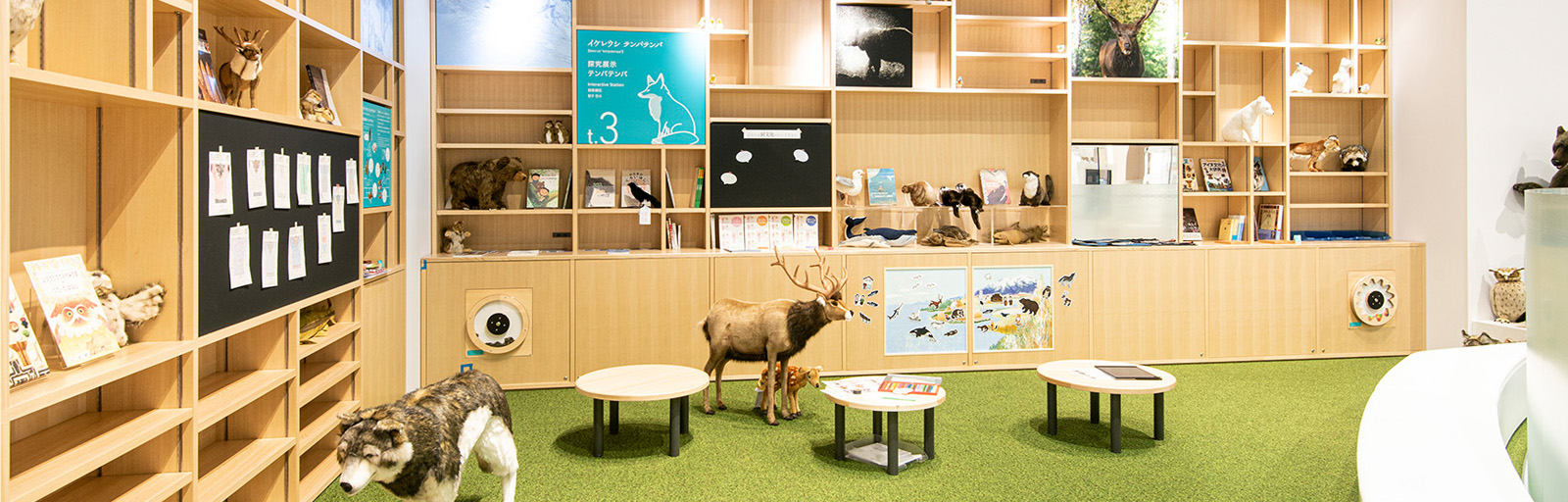
In this area, you can experience the unique charm of Ainu culture through various activities. There are as many as 18 experience units here, providing a space for adults and children to experience Ainu culture through miniature landscapes, models, necklaces, three-dimensional puzzles of salmon and deer, etc. The exploration exhibition area is intertwined with six surrounding theme displays, immersing the audience in the ocean of Ainu culture. (※ “Tempatempa” means “please touch” in Ainu language.)
This article has been independently edited and written by WeHow based on publicly available online sources. All copyrights to the images and videos featured belong to their original photographers, creators, or respective organizations. If you believe any content infringes upon your copyright, please contact us at service@wehow.cn, and we will promptly remove the material in question. This content is provided solely for industry learning and knowledge sharing and is not intended for commercial use. Reproduction or republication of the WeHow-edited version is prohibited.