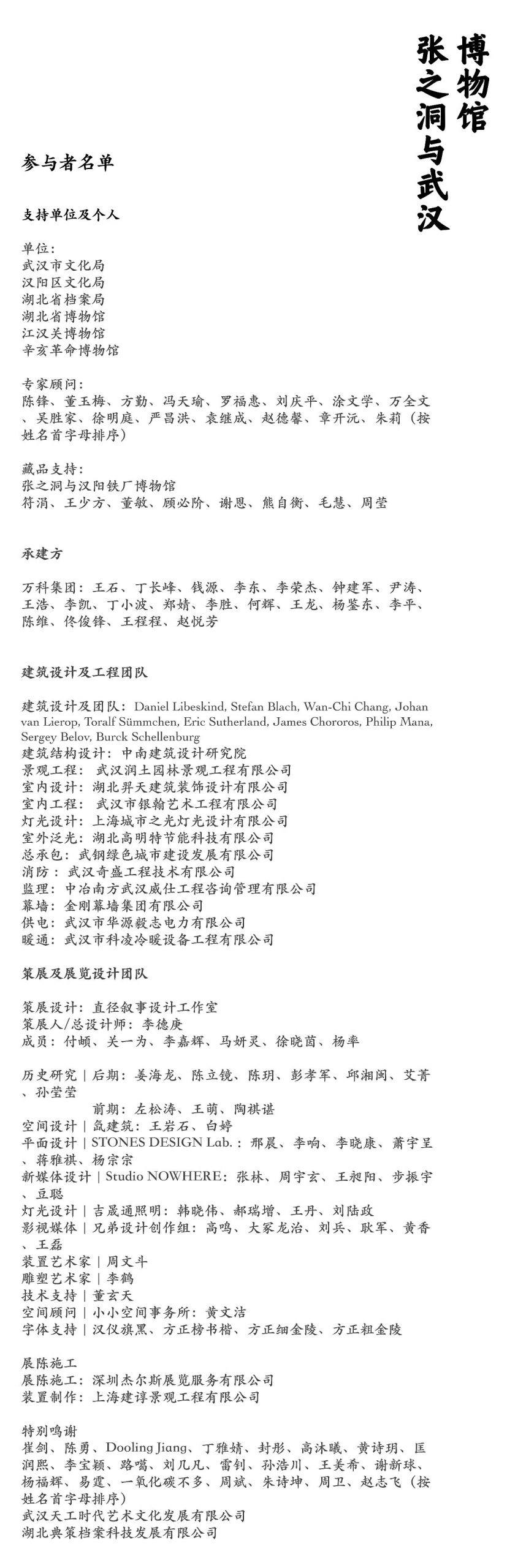
非常感谢 直径叙事设计 分享内容给 WeHow。
Thanks to Diameter Narrative Design for sharing with WeHow.
项目 / Project
项目始于万科地产计划在武汉的汉阳铁厂旧址建一个与张之洞有关的博物馆,直径叙事设计受万科负责人的委托承担了展馆内部的策展叙事设计。当我们接手项目时,对于张之洞本人及当时历史背景的了解还停留在浅层,因此,在接下来近一年的时间里,我们围绕张之洞展开了相关内容研究。
The project began with Vanke Real Estate’s plan to build a museum related to Zhang Zhidong at the former site of the Hanyang Ironworks in Wuhan. Diameter Narrative Design was commissioned by the person in charge of Vanke to undertake the curatorial narrative design of the exhibition hall’s interior. When we took over the project, our understanding of Zhang Zhidong himself and the historical background at that time was still superficial. Therefore, in the following nearly one year, we conducted research on related content centered around Zhang Zhidong.
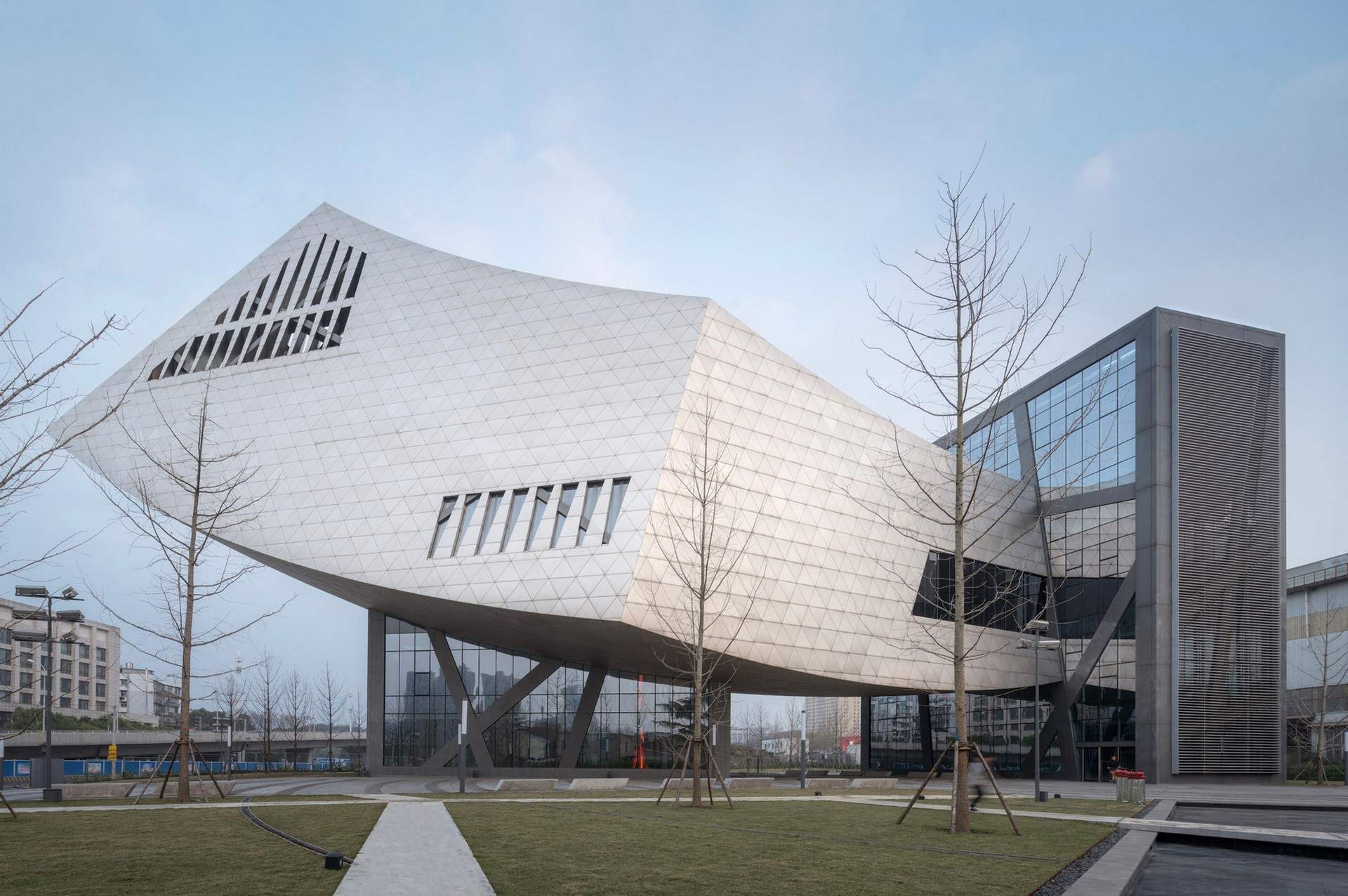
张之洞于1863年高中进士,在清朝末年,同许多沉浮乱世的文人士子一样,辗转为官之地,以求施展自己的思想政治理念。而在武汉的这十九年正是他人生中无比重要的岁月,他将自己的政治抱负,与为国为民的信念投身于湖广总督的职责之中。因此,当我们考虑在武汉建一个张之洞相关的博物馆时,这段时光就是重点。但如果只讲述他的生平故事,似乎不太合适。他的家乡在河北南皮,那里已有张之洞个人的展馆,且张之洞的人生也并不仅仅落脚在武汉。当我们做了大量研究工作后发现,在武汉迈向近现代的城市化进程中,张之洞为代表的改革有着不可磨灭的贡献。城市散落的建筑遗迹,现代生活的点滴,老人历经的悠悠岁月,朗朗读书声的课堂中,也满是那场改革留下的有形无形的印迹。因此,我们取馆名为张之洞与武汉博物馆,在展馆中设立两条叙事线索:“张之洞的身份与角色”,“张之洞与武汉近代化改革”,意在讲述张之洞与武汉城市的故事。
Zhang Zhidong became a high-ranking jinshi (successful candidate in the highest imperial examinations) in 1863. In the late Qing Dynasty, like many literati who experienced the ups and downs of the troubled times, he traveled from place to place in search of official positions to implement his political and ideological beliefs. The nineteen years he spent in Wuhan were an extremely important period in his life, during which he devoted his political aspirations and belief in serving the country and the people to his duties as the Governor of Huguang. Therefore, when we consider building a museum related to Zhang Zhidong in Wuhan, this period is the focus. However, it seems inappropriate to only tell his life story. His hometown is Nanpi, Hebei Province, where there is already a personal exhibition hall dedicated to Zhang Zhidong. Moreover, Zhang Zhidong’s life did not solely revolve around Wuhan. After conducting extensive research, we found that Zhang Zhidong, as a representative, made an indelible contribution to the modernization process of Wuhan. The scattered architectural remains of the city, the drip of modern life, the long years experienced by the elderly, and the classrooms filled with the sound of reading, are all imprinted with tangible and intangible marks left by that reform. Therefore, we have named the museum Zhang Zhidong and Wuhan Museum and established two narrative threads in the exhibition hall: “Zhang Zhidong’s Identity and Role” and “Zhang Zhidong and the Modernization Reform of Wuhan”, intended to tell the story of Zhang Zhidong and the city of Wuhan.
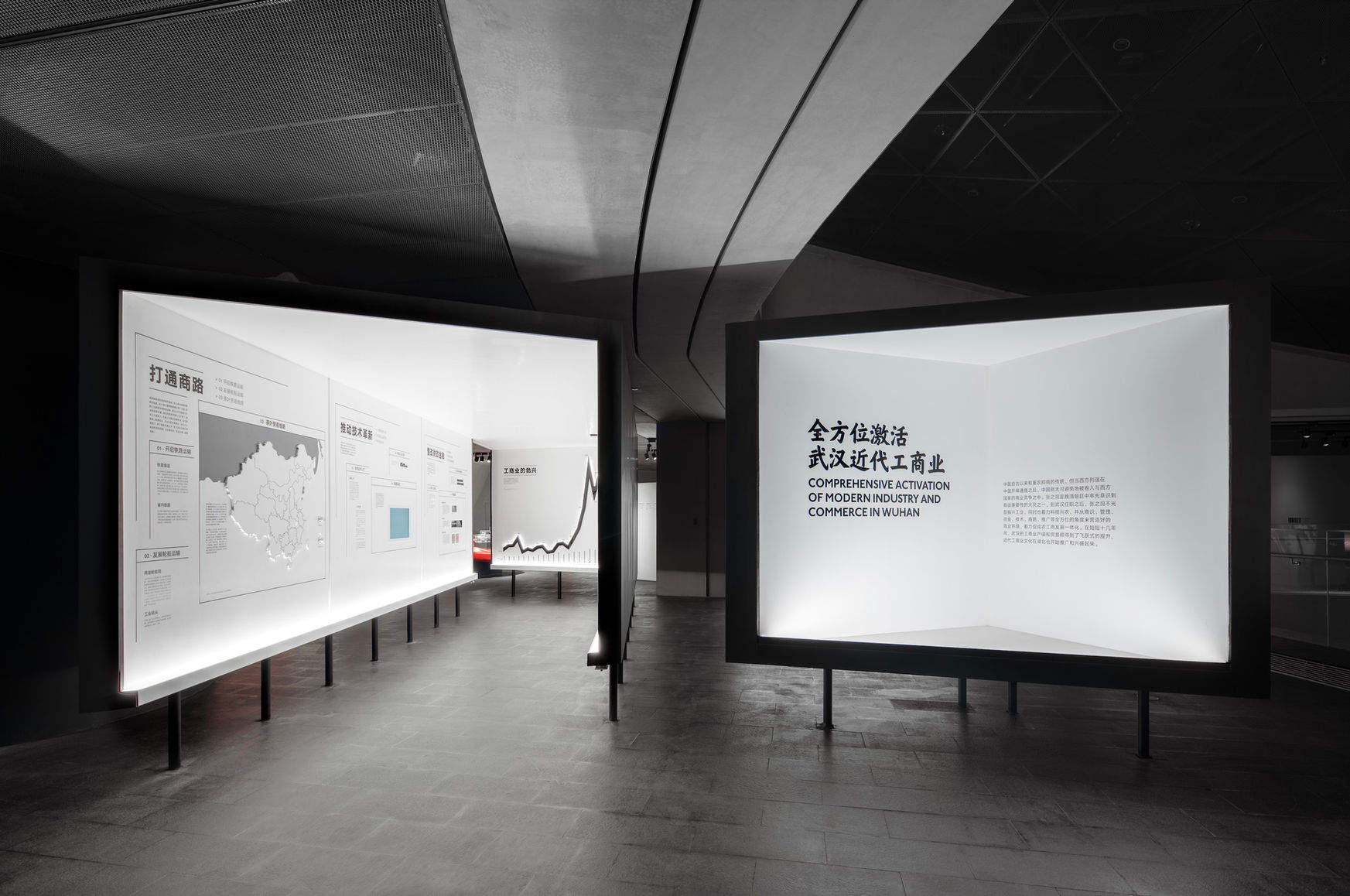
总的线索已定,如何将晨星般零散的知识碎片放在巨大的博物馆空间,是一个难题。我们吸纳了各方的资源,实地走访,收集有关的书籍,采访高校的中国近代史专家,查阅国内外博物馆的资料,整合后依照线索梳理成了具体的主题。
With the overall thread established, the challenge lay in arranging the scattered fragments of knowledge like morning stars within the vast museum space. We harnessed resources from various sources, conducted on-site visits, gathered relevant books, interviewed experts on modern Chinese history from universities, and reviewed materials from museums both domestically and internationally. After integrating these resources, we organized them into specific themes following the established thread.
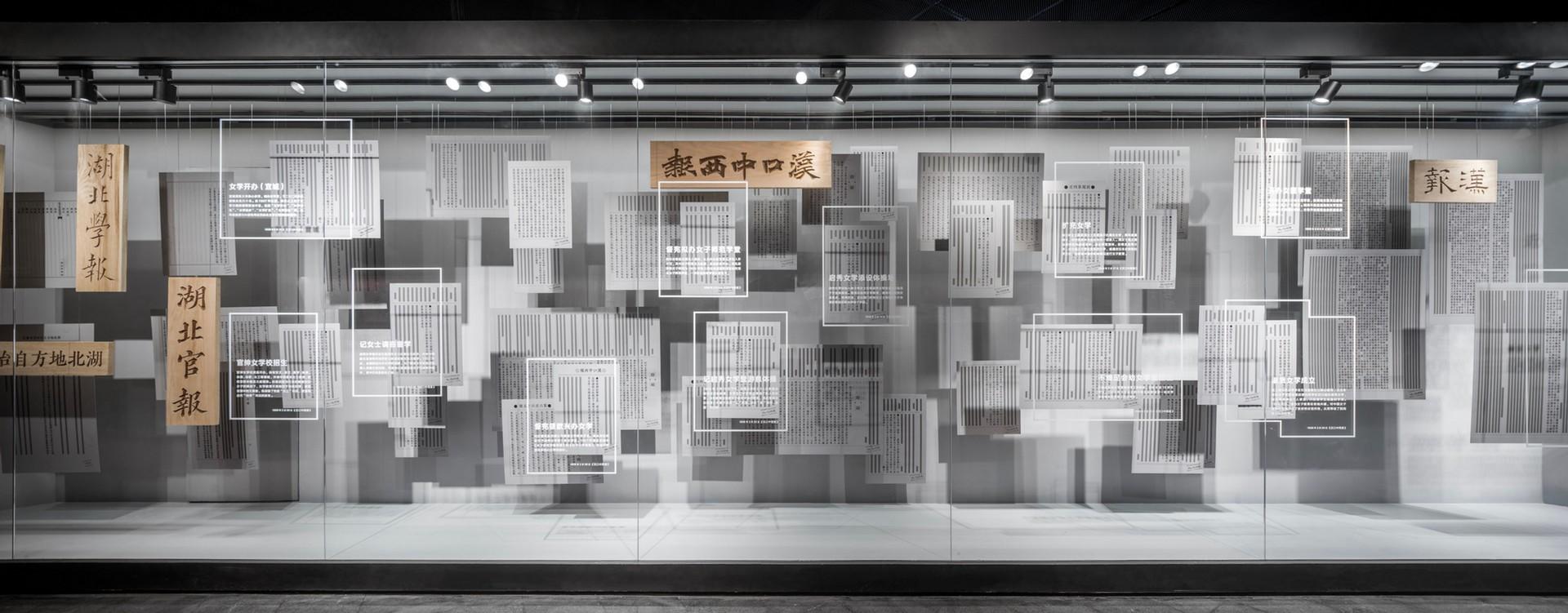
在每一个具体的主题中,我们也倾向于选择具有代表性,能引起当代观众共鸣的信息。比如“近代武汉报刊业与城市公共文化”展区,张之洞“湖北新政”的重要一环就是推进中西文化的融合,他兴办报刊以启民智。我们选取报刊中关于“兴办女学堂”的报道,悬挂的报纸是当时刊物的复制品,玻璃上的文字是对应的白话文翻译,这一话题在当今也是社会热点,张之洞作为开明督抚引导社会自由风气、倡现代文明的作风由此可见。
In each specific theme, we also tend to select information that is representative and can resonate with contemporary audiences. For example, in the exhibition area of “Modern Wuhan Newspaper Industry and Urban Public Culture”, an important aspect of Zhang Zhidong’s “Hubei New Deal” was to promote the integration of Chinese and Western cultures. He established newspapers to enlighten the public. We selected reports about “establishing women’s schools” from the newspapers. The newspapers hung are replicas of the publications at that time, and the text on the glass is the corresponding vernacular translation. This topic is also a social hotspot today, and Zhang Zhidong’s style as an enlightened governor in guiding social freedom and advocating modern civilization can be seen from this.
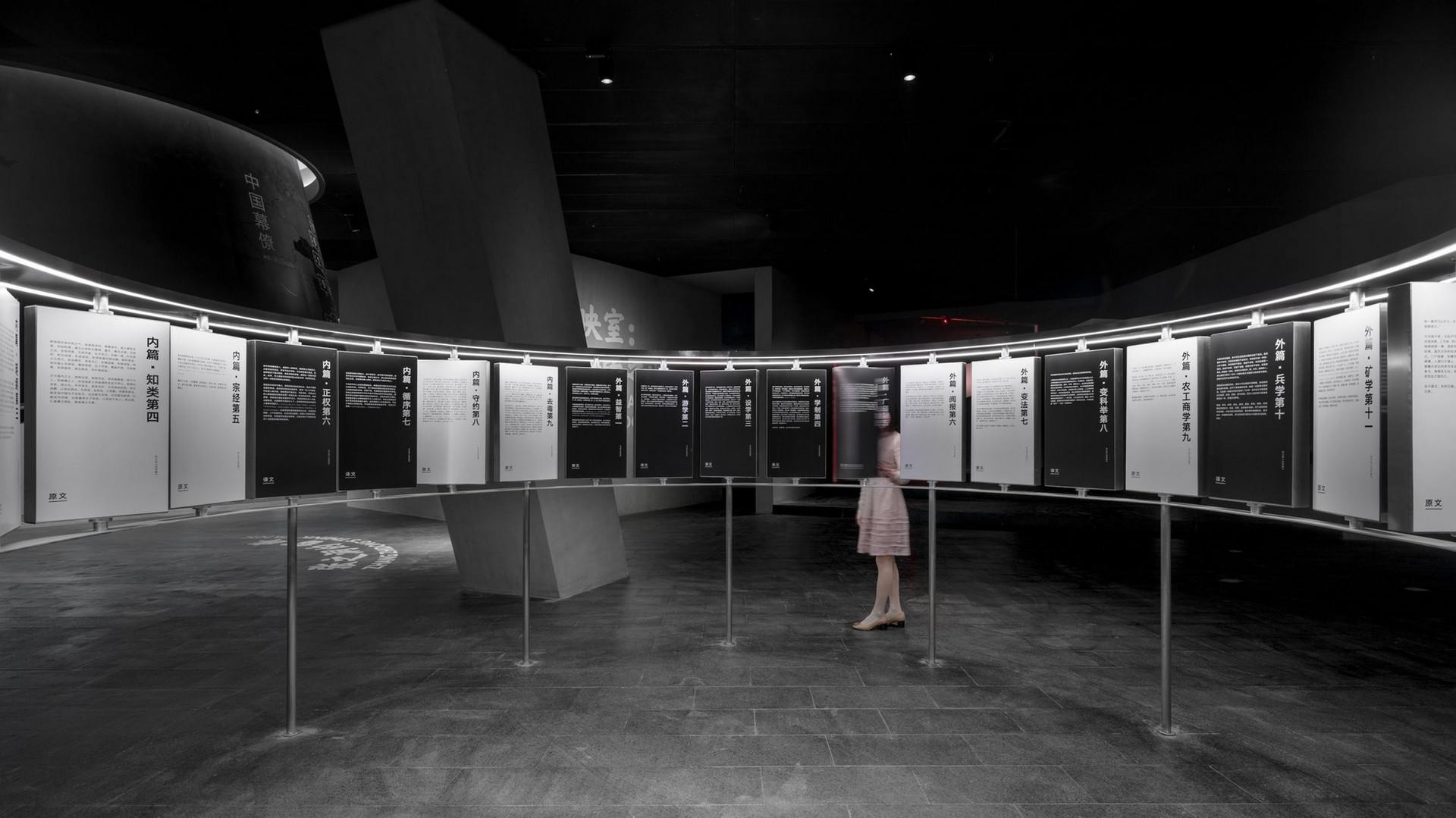
展览始终是一种当代文化产品,服务于观众,因此我们在略微晦涩的历史信息与普通观众之间搭建一层简明的解释。张之洞的《劝学篇》写于1898年,呈现了他本人的复杂思想。一黑一白可翻转的版面分别是此书的部分原文节选及白话译文,简繁转换间似是观众与古人在对话。重视语言还体现在我们对标题的命名中,如上文的报刊业、公共文化都是现代的词汇,“放映室:寻找张之洞”展区用寻找这个动作,拉近武汉的过去与现在,平缓朴实的镜头展开两代人对历史的理解对话。
Exhibitions have always been a contemporary cultural product that serves the audience, so we have built a concise explanation between slightly obscure historical information and ordinary audiences. Zhang Zhidong’s “Exhortation to Study” was written in 1898, presenting his own complex thoughts. The flipping layout of one black and one white is a partial excerpt of the original text and a vernacular translation of this book, and the transition between simplicity and complexity seems to be a dialogue between the audience and the ancients. The emphasis on language is also reflected in our naming of titles, such as the modern vocabulary used in the newspaper industry and public culture mentioned earlier. The “Screening Room: Searching for Zhang Zhidong” exhibition area uses the act of searching to bring Wuhan’s past and present closer, and to unfold a dialogue between two generations’ understanding of history through a gentle and simple lens.
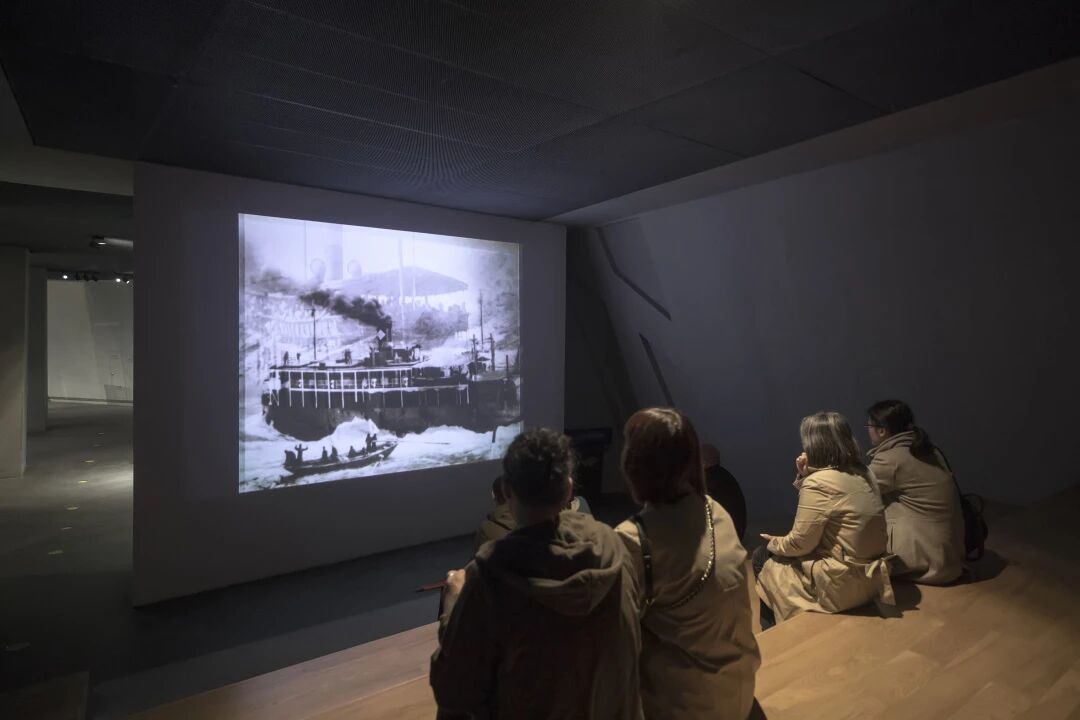
这场武汉迈向近代化的改革,在张之洞离开之后并未结束,它化为种子促使了辛亥革命的爆发,这得益于武汉对新思潮的接纳以及具备合适的政治经济条件。湖北新政的结果也影响至今,修建的京汉铁路使武汉延续九州通衢的美誉,泽被今天的百姓。历史的走向是螺旋式前进的,今天的人们总要受到过去的影响。因此,我们在策展叙事时,习惯于寻找过去与今天的联系,无论是一个人,一个企业,还是一座城市,都不是孤立的个体。我们将要叙述的单体与当时的世界结成细密的网,中间穿插的小孔连接细网之外的现实世界,内外之间交叉串联,共同构成叙事的内容。
The reform that ushered Wuhan into modernization did not end after Zhang Zhidong’s departure. It transformed into a seed that spurred the outbreak of the Xinhai Revolution, thanks to Wuhan’s embrace of new ideologies and the availability of suitable political and economic conditions. The outcomes of the Hubei New Deal continue to influence today. The construction of the Jinghan Railway has maintained Wuhan’s reputation as a thoroughfare connecting nine provinces, benefiting the people of today. History progresses in a spiral manner, and people today are inevitably influenced by the past. Therefore, when we curate narratives, we are accustomed to seeking connections between the past and the present, whether it be a person, a company, or a city, none of which are isolated entities. The individual we are about to narrate forms a dense network with the world of that time, with small holes interspersed to connect the real world outside the network. The interplay between the inside and outside constitutes the narrative content.
空间 / Spatial
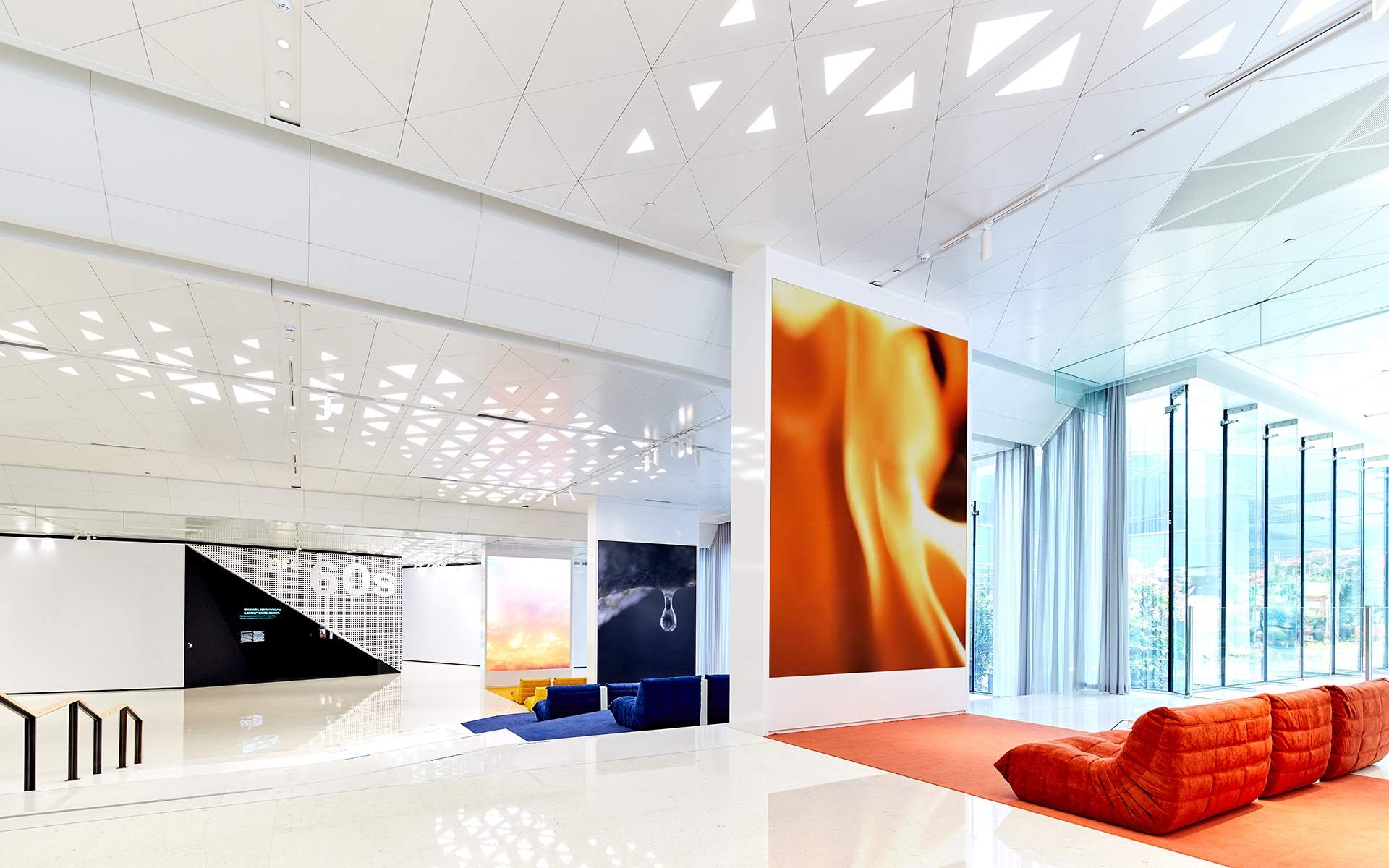
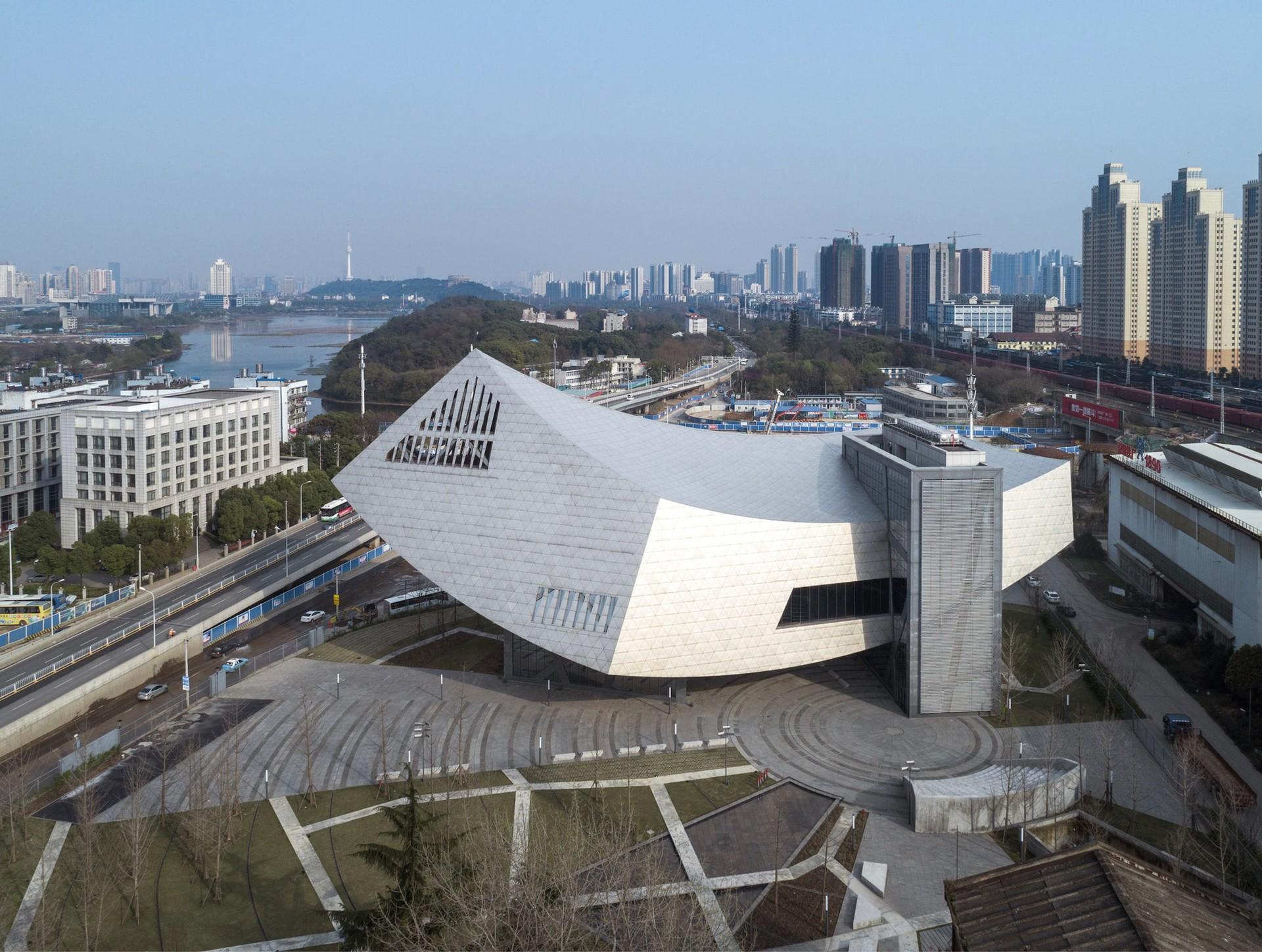
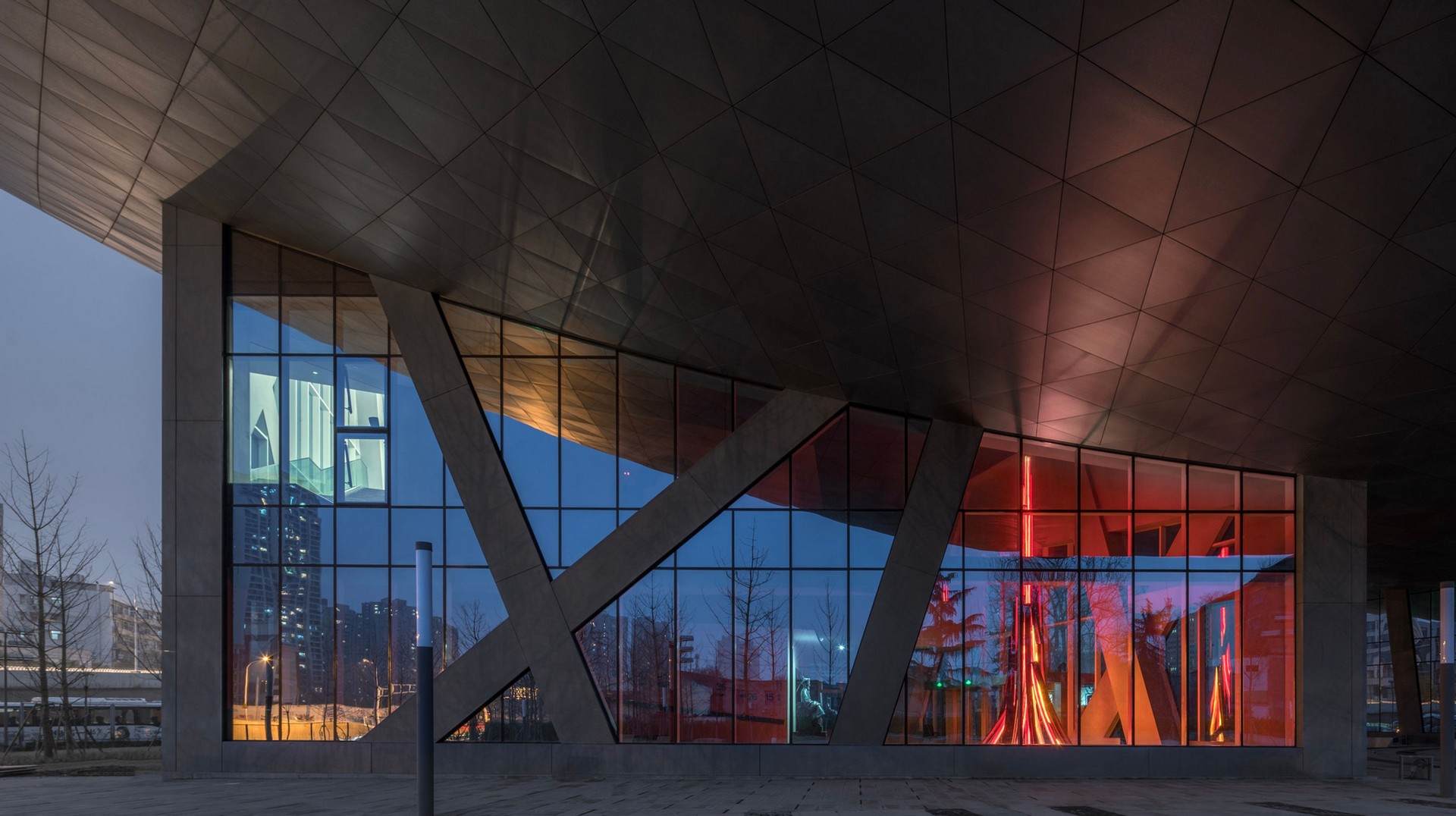
在我们接受万科地产委托之前,博物馆已由建筑师丹尼尔 · 里伯斯金建成。当我们踏进展馆内部空间时,才意识到其复杂性。不同于一般的博物馆,在建筑师的设想下,这个空间更像一个开放式剧院,展厅集中在三四五层,三层基本上是个半圆形,四层和五层则是扇形,绕同心圆而展开。面对现实条件,我们顺势而为思考了空间与展品的关系。实物展品只有在被放置于博物馆内时似乎才是展品,被放置馆内这个条件同时也限制了可选择的实物大小。文献记载和相关专业研究,也往往并没有被作为有效的展品呈现在博物馆中。在张之洞与武汉博物馆里,我们扩宽了展品的外延,观众观展的目的是为了获取知识,学习历史,得到认识,因此,能够使观众实现这一想法的方式都可以在某种意义上被叫做展品,而融合了所有展品的博物馆就是一个更大的展品。
Before we accepted the commission from Vanke Real Estate, the museum had already been built by architect Daniel Libeskind. When we stepped into the interior space of the pavilion, we realized its complexity. Unlike typical museums, under the architect’s vision, this space is more like an open theater, with the exhibition halls concentrated on the third, fourth, and fifth floors. The third floor is basically a semi-circle, while the fourth and fifth floors are fan-shaped, unfolding around a concentric circle. Faced with the actual conditions, we took advantage of the situation and thought about the relationship between space and exhibits. Physical exhibits only seem to be exhibits when they are placed in a museum, and this condition of being placed in the museum also limits the size of the physical objects that can be chosen. Documentation and related professional research are often not presented as effective exhibits in museums. In Zhang Zhidong and Wuhan Museum, we broadened the extension of exhibits. The purpose of the audience to visit the exhibition is to acquire knowledge, learn history, and gain understanding. Therefore, any way that can enable the audience to achieve this idea can be called an exhibit in a certain sense, and a museum that integrates all exhibits is a larger exhibit.
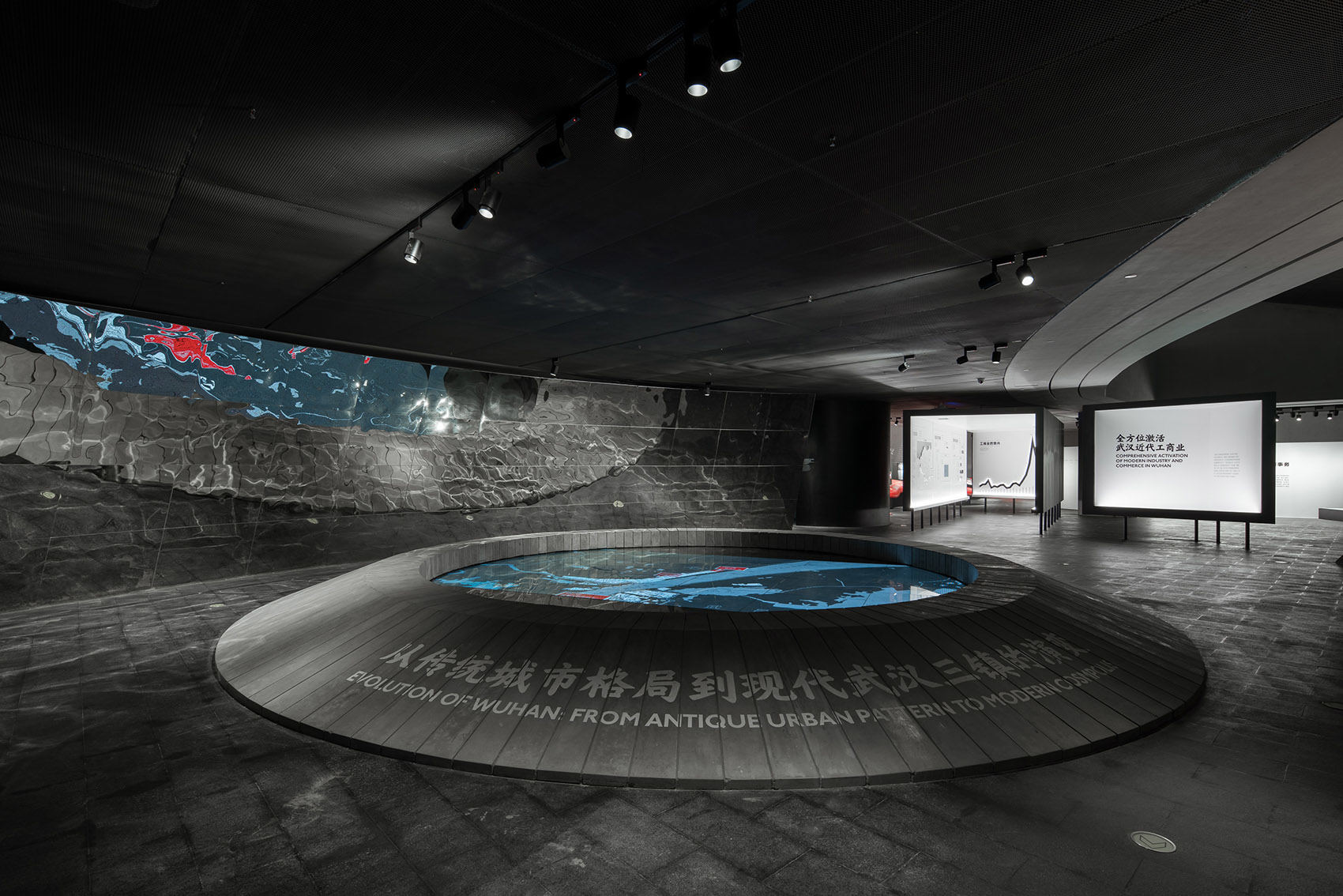
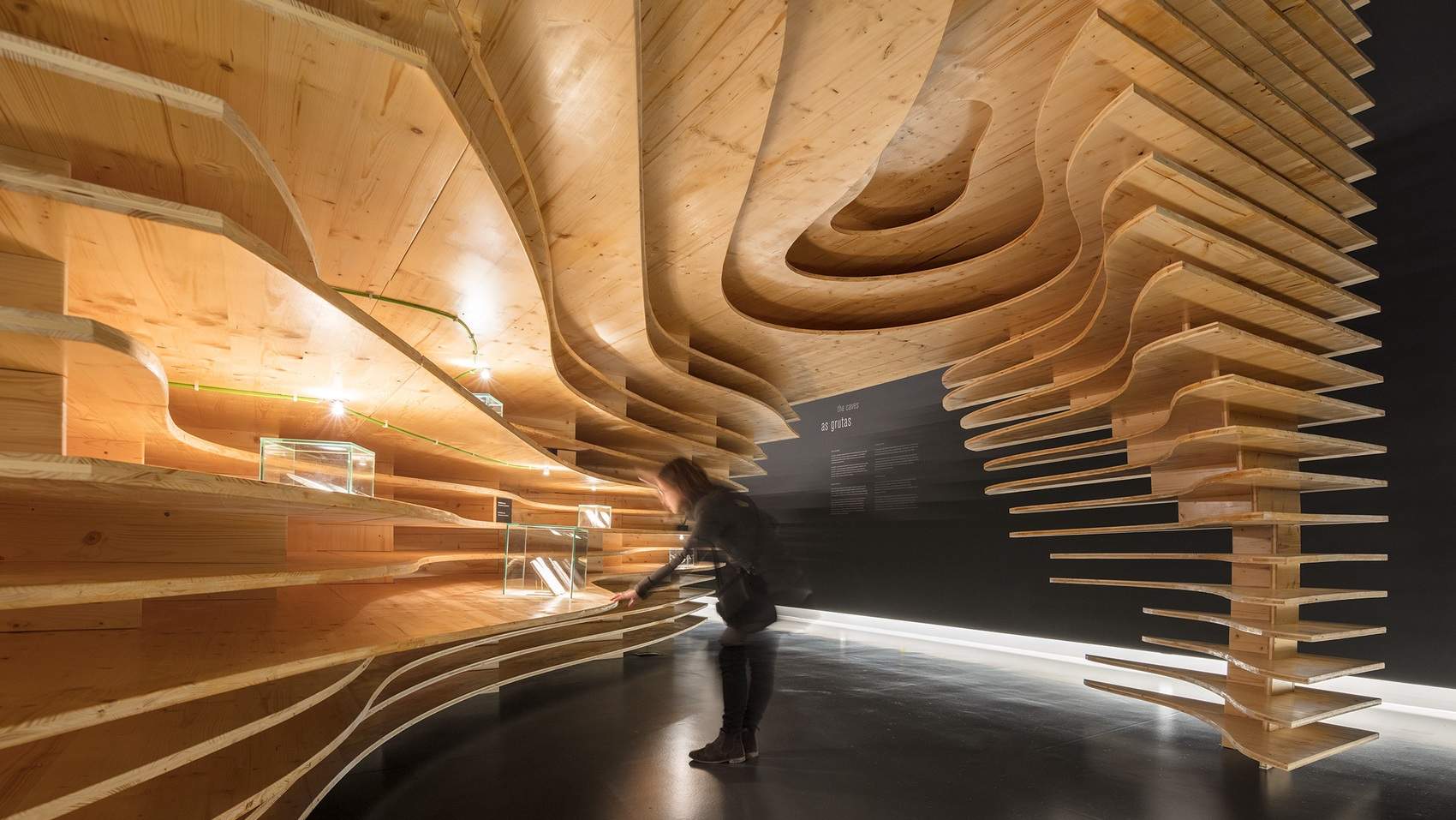
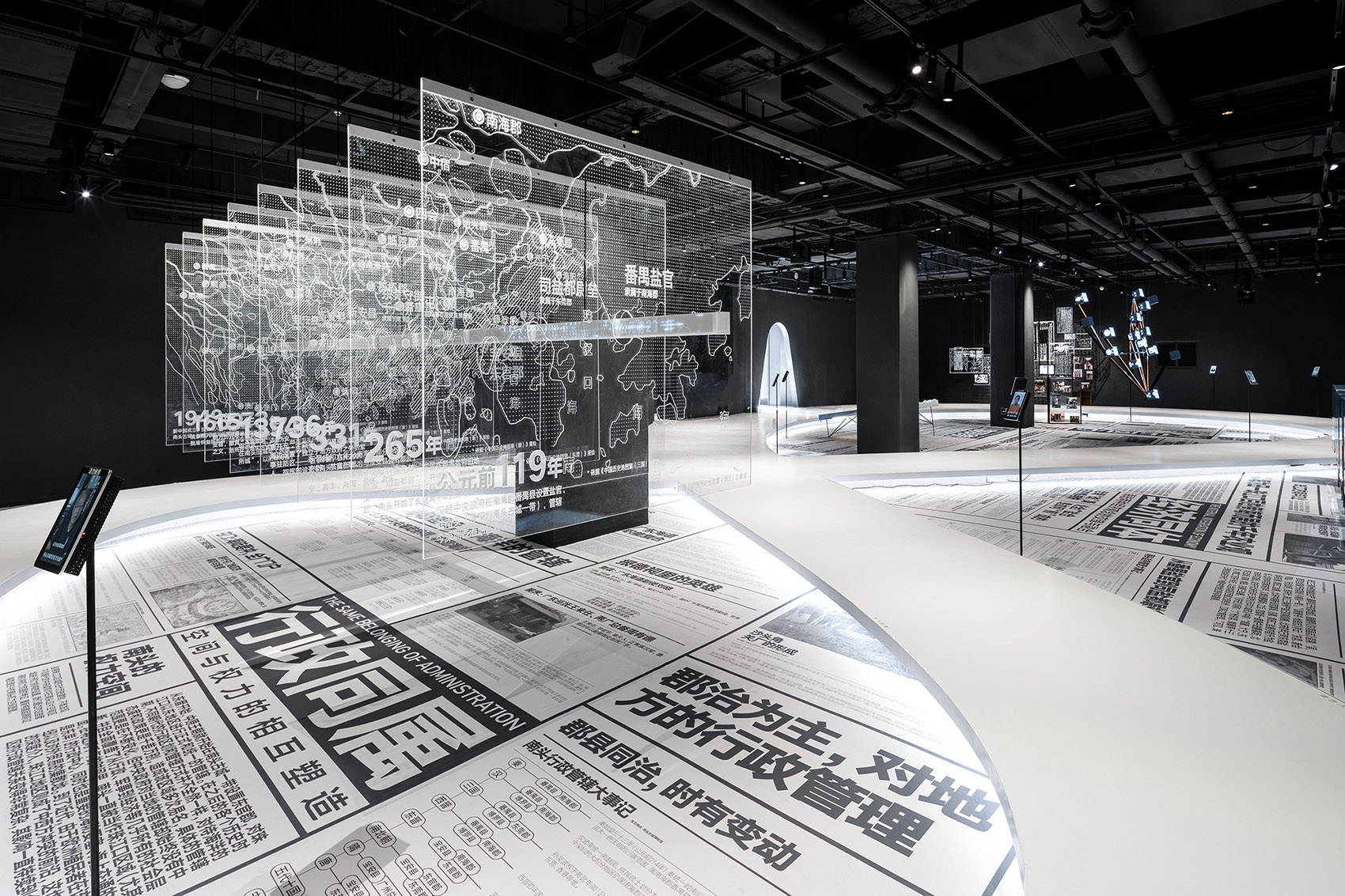
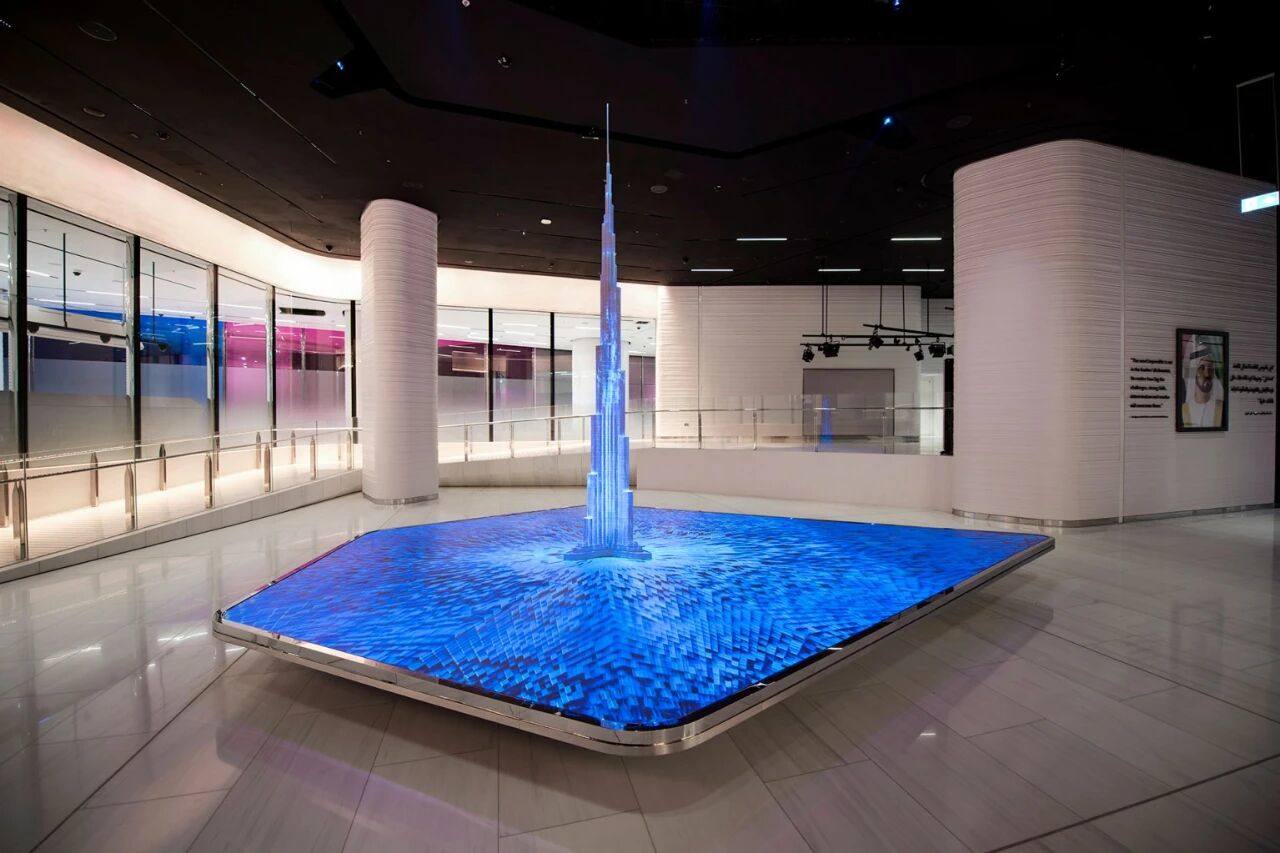
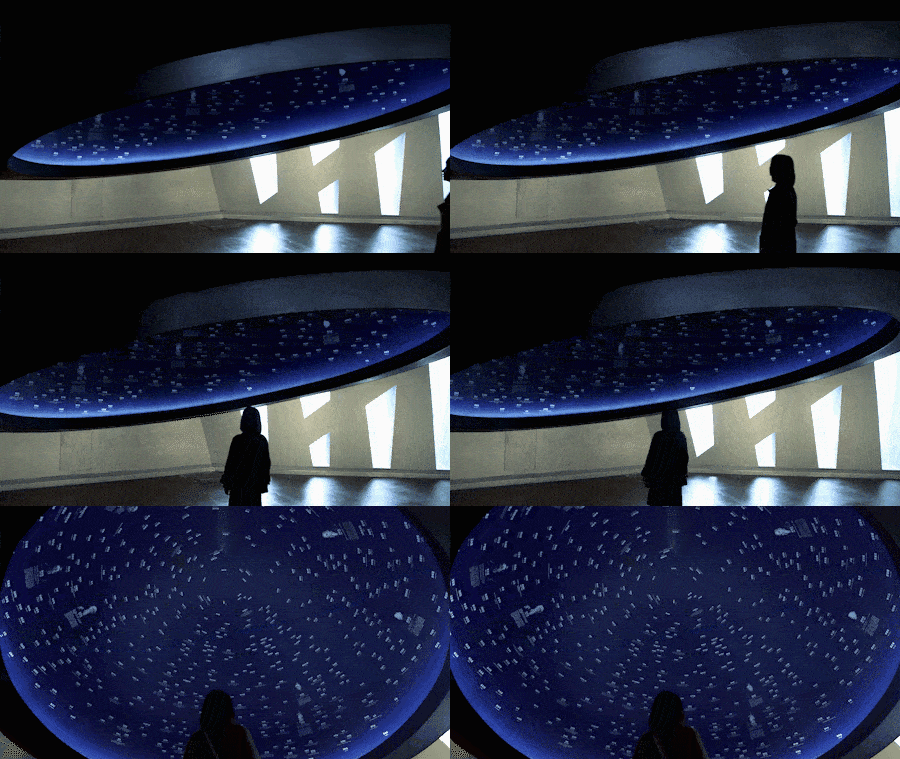
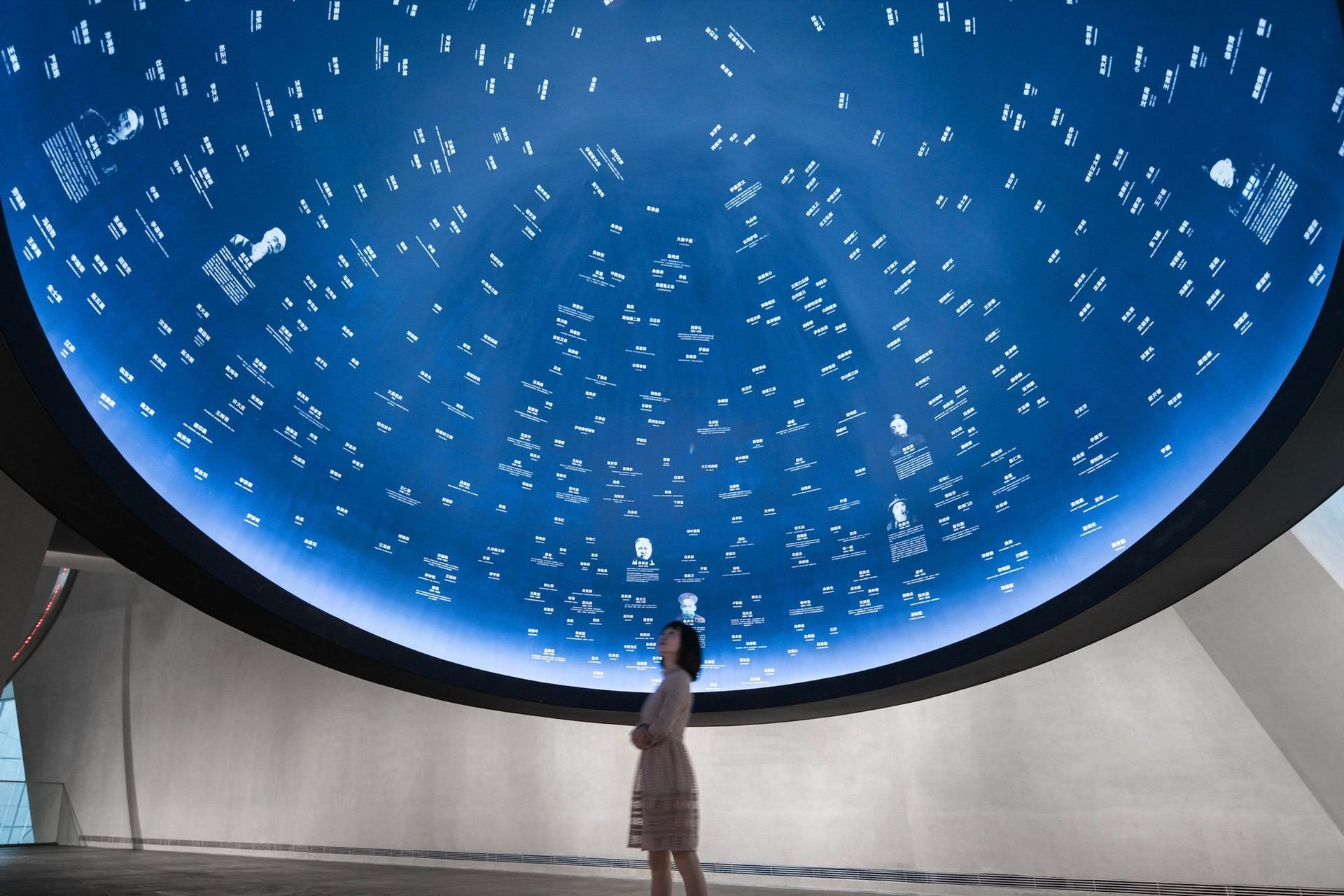
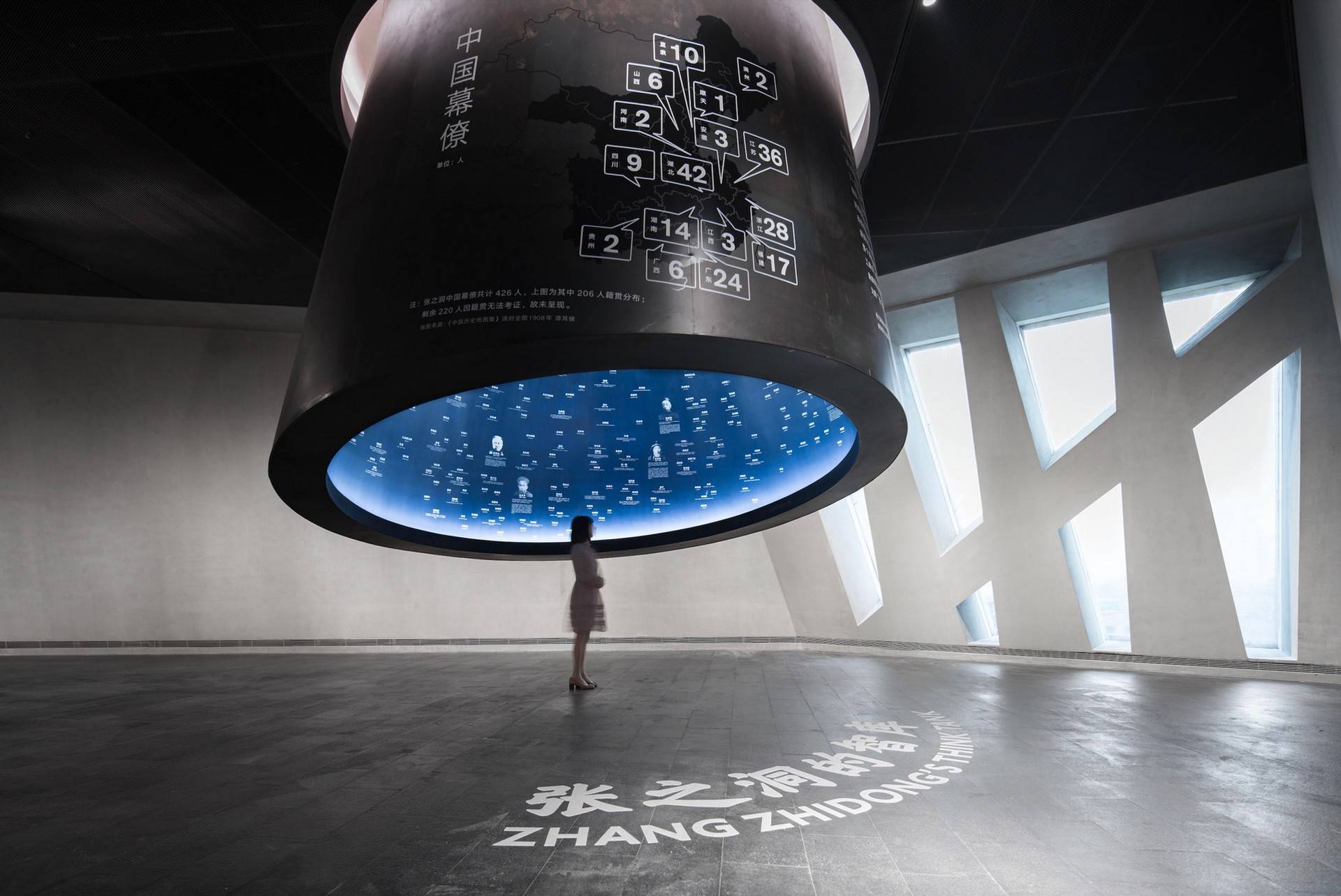
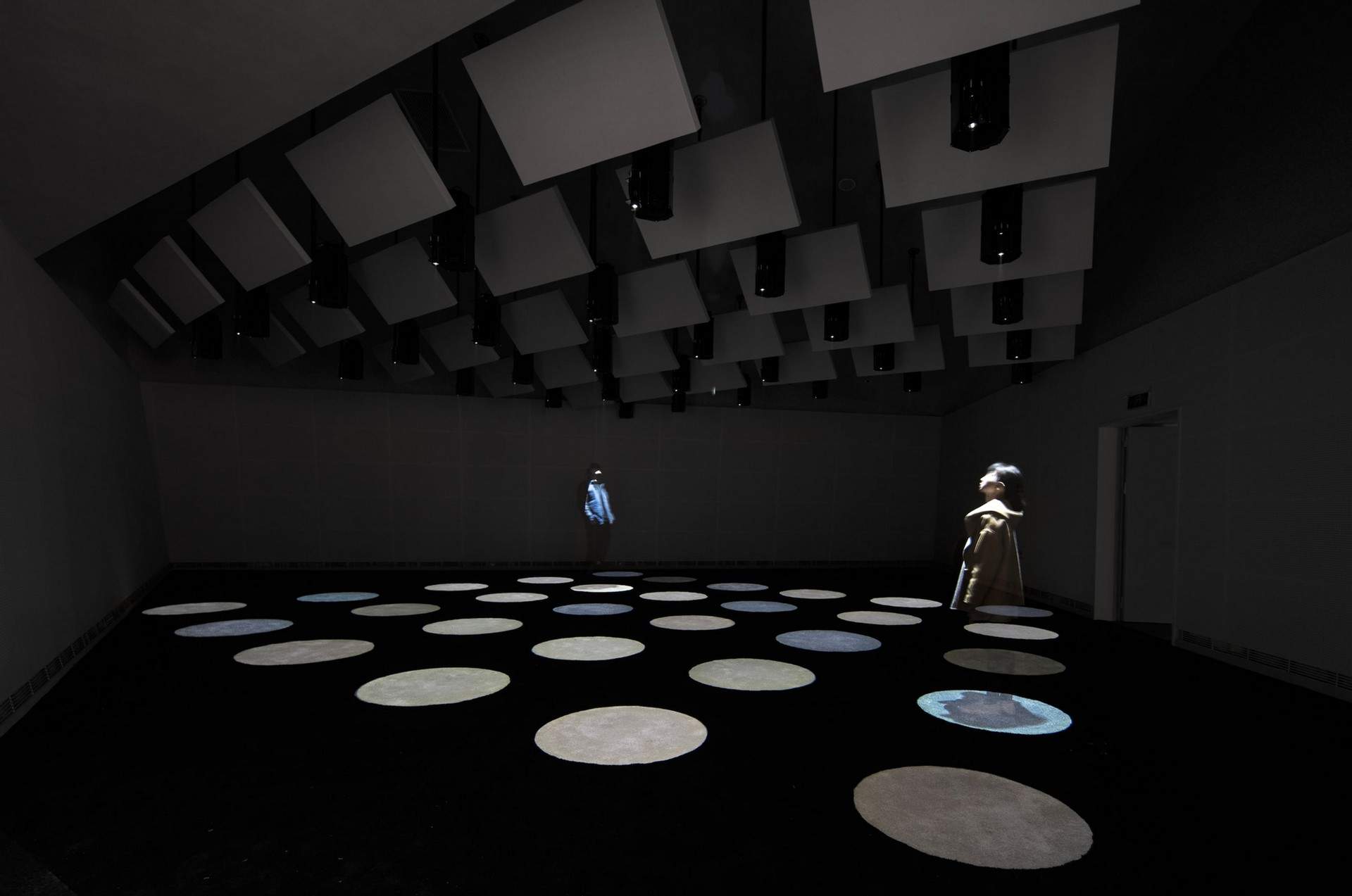
于是我们新建了叙事装置,比如“从传统城市格局到现代武汉三镇的演变”展区等。一些装置还可以衍生出场景感很强的空间,在“张之洞的智库”展区中,观众站在半球形星空的装置下,抬头仰望看见的是张之洞的众多幕僚。他能在武汉进行如此全方位且深刻的改革,有赖于国内外有识之士的出谋划策,这些名字无序地排列在星空中,构成了一个“张之洞+”的智慧大脑。观众可以借由这个有意味的展品展开想象。
Therefore, we have created new narrative installations, such as the “Evolution from Traditional Urban Pattern to Modern Three Towns of Wuhan” exhibition area. Some installations can also create spaces with a strong sense of scene. In the “Zhang Zhidong’s Think Tank” exhibition area, visitors stand under a hemispherical starry sky installation and look up to see Zhang Zhidong’s numerous advisors. His ability to carry out such comprehensive and profound reforms in Wuhan relied on the advice and strategies of insightful people both domestically and internationally. These names are arranged disorderly in the starry sky, forming a “Zhang Zhidong+” brain of wisdom. Visitors can use this meaningful exhibit to expand their imagination.
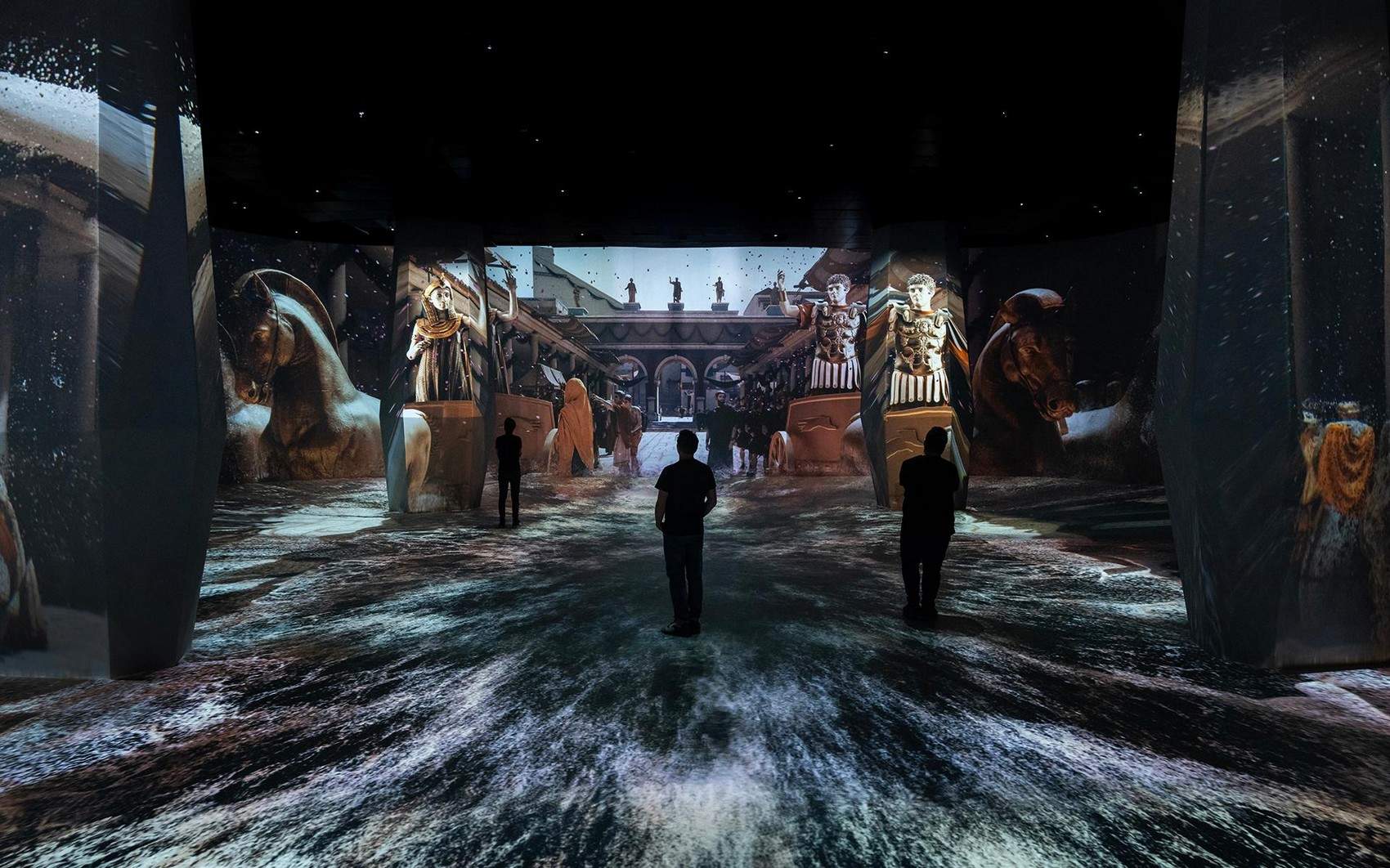
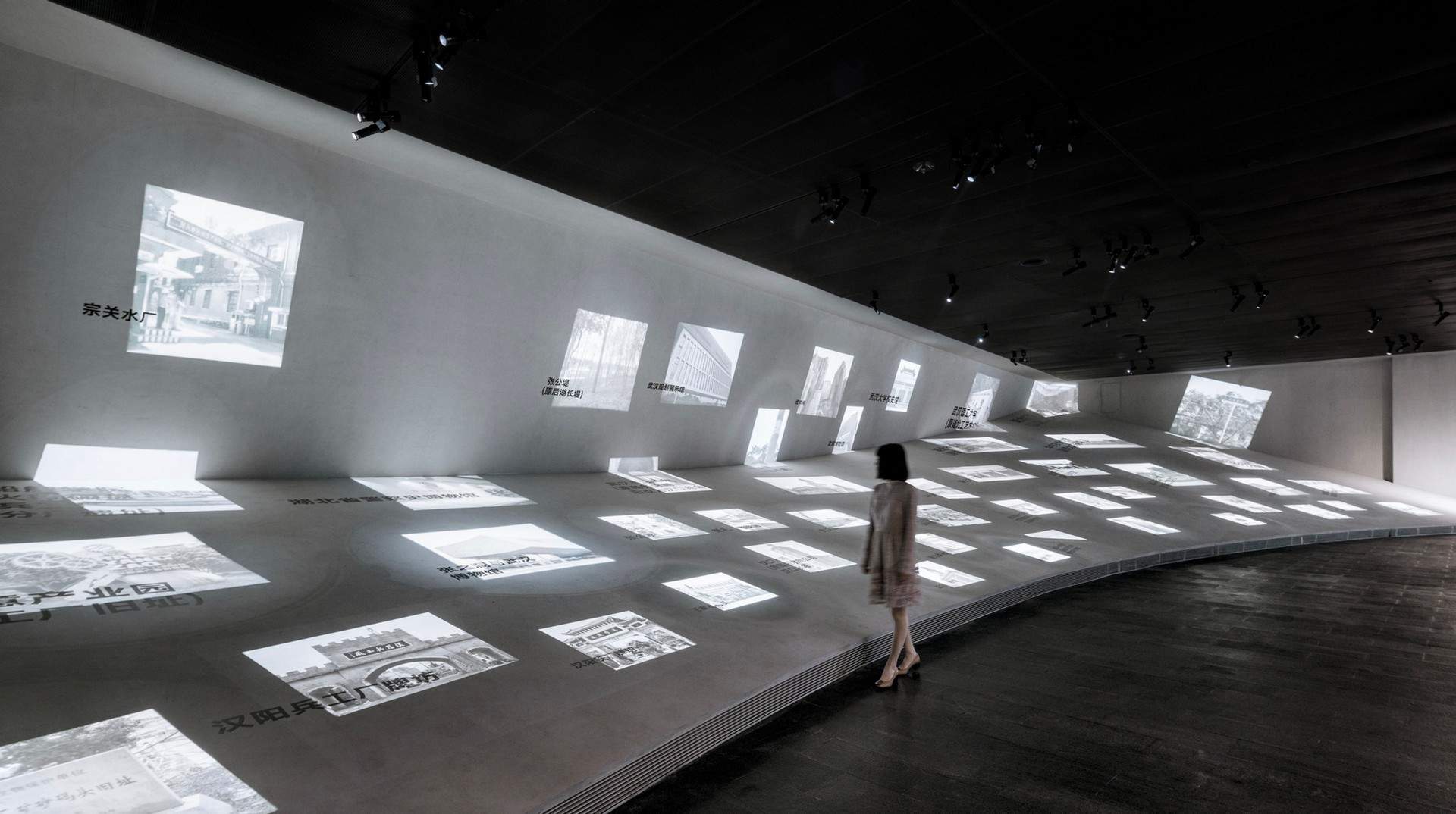
此外,博物馆本身存在的剧场式异形空间,大量的斜坡与倾斜外墙塑造的边角料空间,也被我们用合理有效的设计营造出不同寻常的观展体验。“地图”展区中,我们在面对广场的最大扇形斜坡均匀布下几十个投影。尽管今日的武汉相比改革时期已有新面貌,但城市中依旧存在遗留的建筑。观众通过投影一一走过城市遗迹,而后面对广场,隔窗之外就是张之洞组织筹建的汉阳铁厂旧址。人类本身如沧海一粟,唯有思想及其产生的实践能让后世有所感悟,武汉这座城市才是真正的“张之洞博物馆”。
In addition, the museum itself features a theater-like, irregular space, with numerous leftover spaces created by slopes and slanted exterior walls, which we have transformed into an extraordinary exhibition experience through reasonable and effective design. In the “Map” exhibition area, we evenly placed dozens of projections on the largest fan-shaped slope facing the square. Although Wuhan today has taken on a new look compared to the reform period, there are still remnant buildings in the city. Visitors walk through the urban relics one by one through the projections, and then face the square, with the former site of the Hanyang Iron Works, organized and built by Zhang Zhidong, just outside the window. Human beings themselves are like a drop in the ocean, and only thoughts and the practices they generate can inspire future generations. Wuhan is truly a “Zhang Zhidong Museum”.
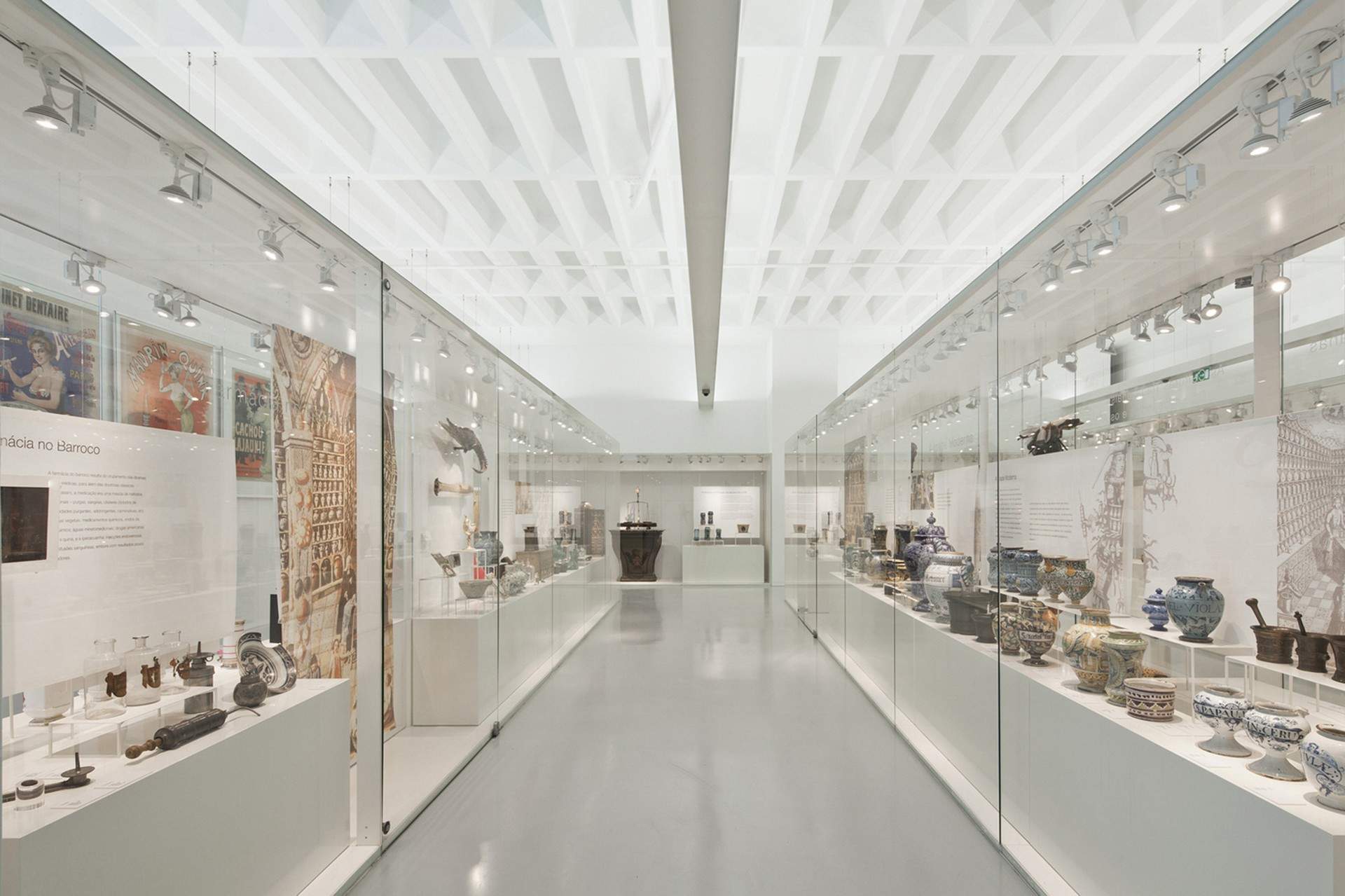
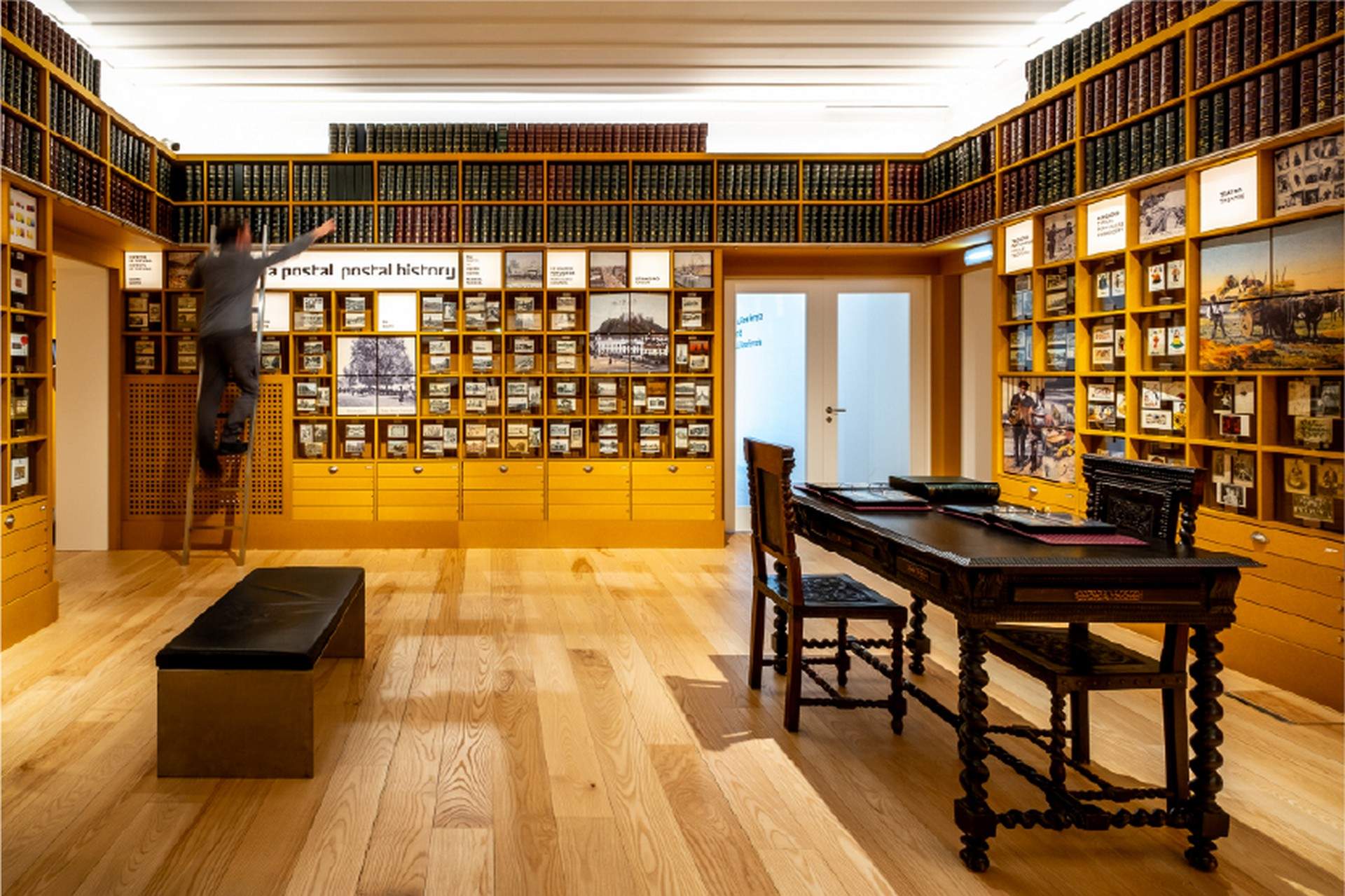
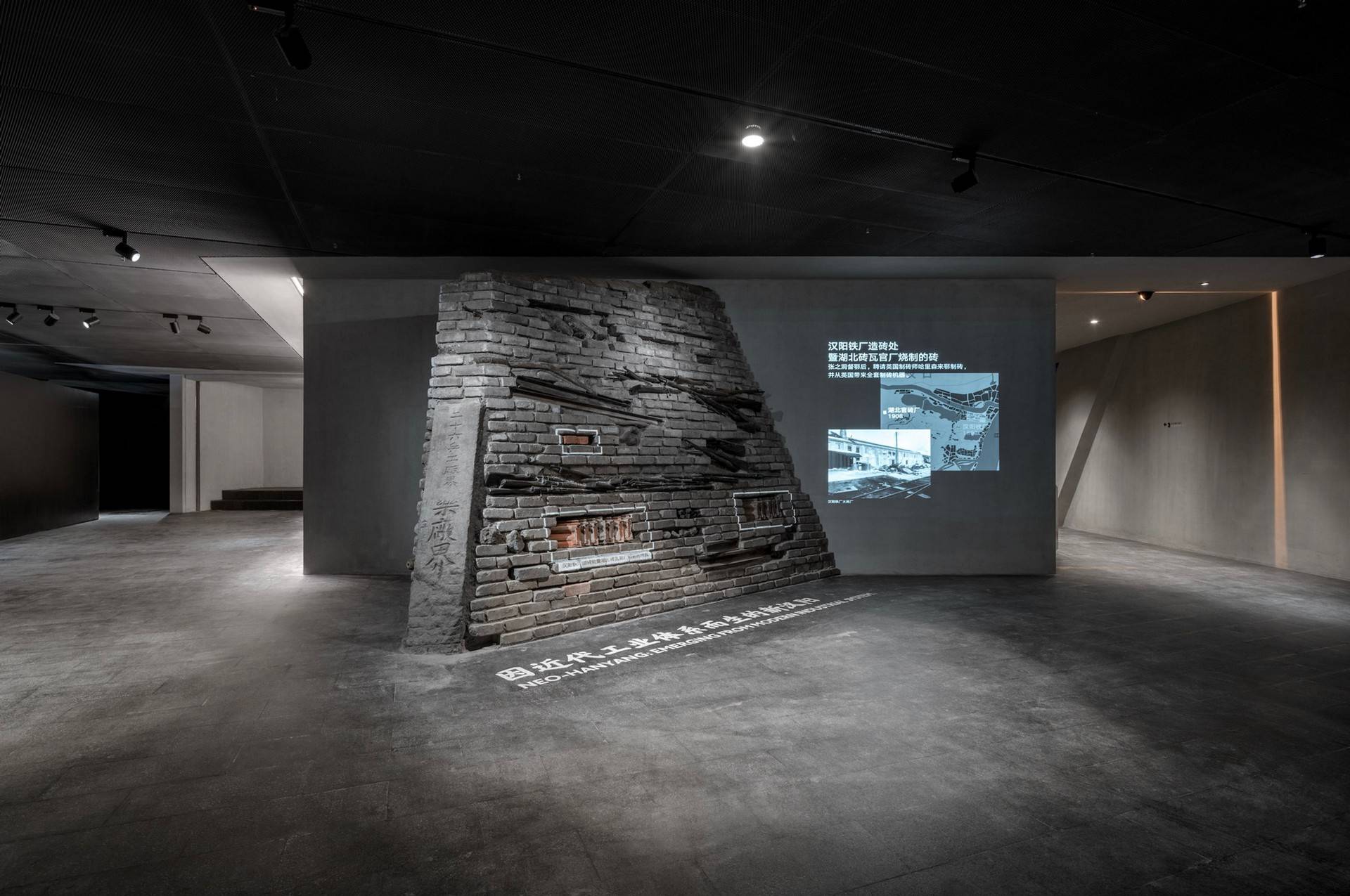
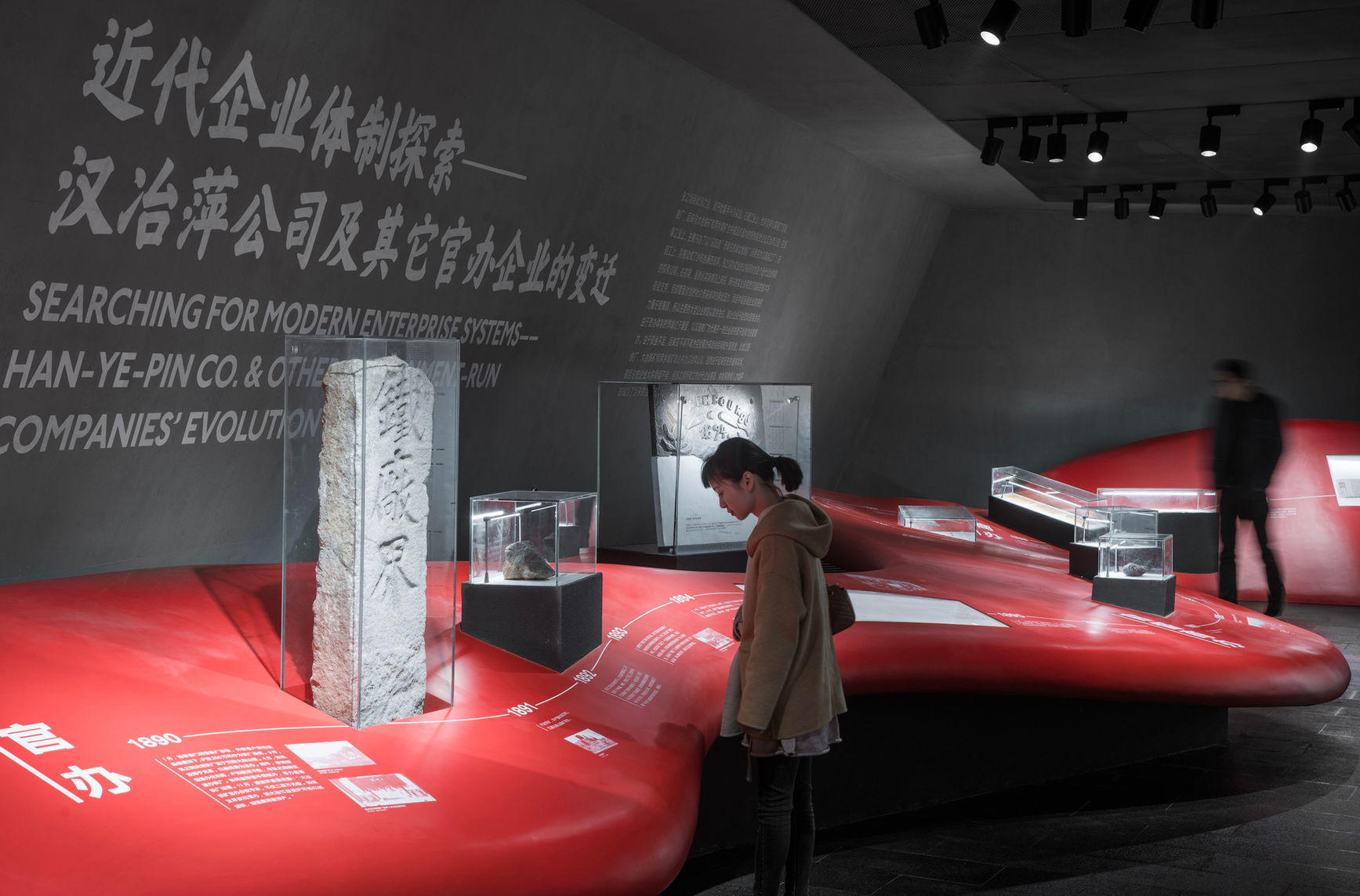
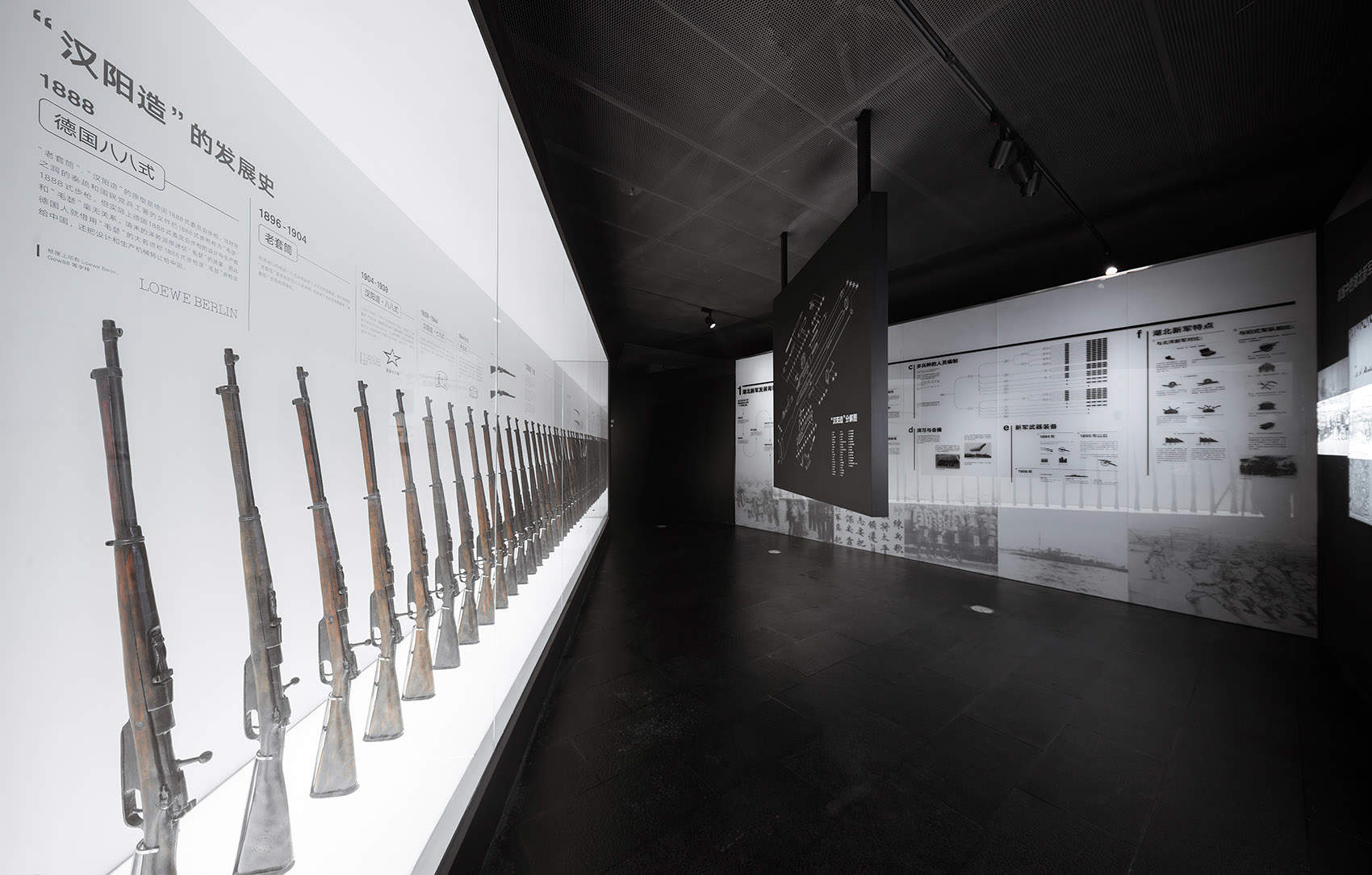
传统意义上的展品,我们也并没有忽视或放弃。在讲述张之洞对武汉进行的军事改革中,我们复刻了当时汉阳兵工厂所生产的“汉阳造”。在“近代企业体制探索”展区中,实物界碑以及老旧照片、纸质文物等被插入到历史线索中,我们用展品和文字结合讲述汉冶萍公司为主的企业改制过程。
We have not neglected or abandoned traditional exhibits. In narrating Zhang Zhidong’s military reforms in Wuhan, we replicated the “Made in Hanyang” products produced by the Hanyang Arsenal at that time. In the “Exploration of Modern Enterprise Systems” exhibition area, physical boundary tablets, old photographs, paper artifacts, and other items are integrated into historical narratives. We use a combination of exhibits and text to tell the story of the corporate restructuring process led by the Hanyeping Company.
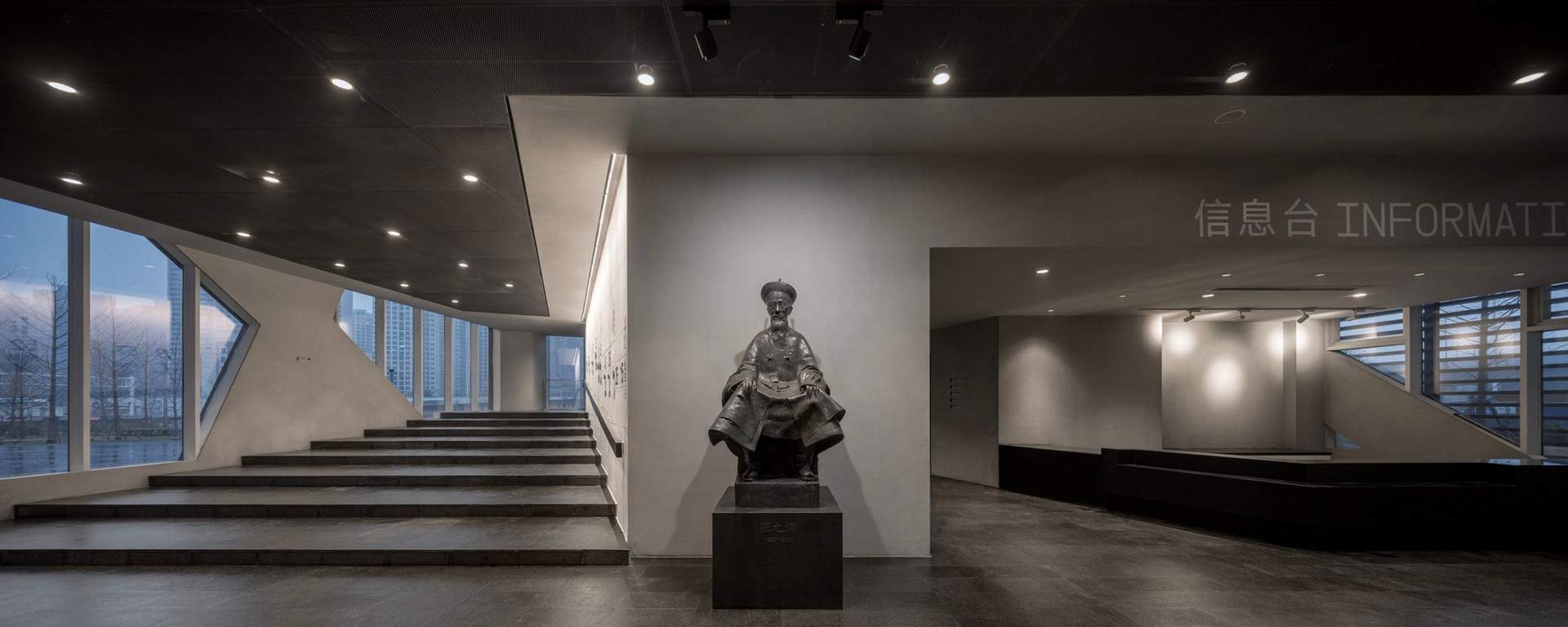
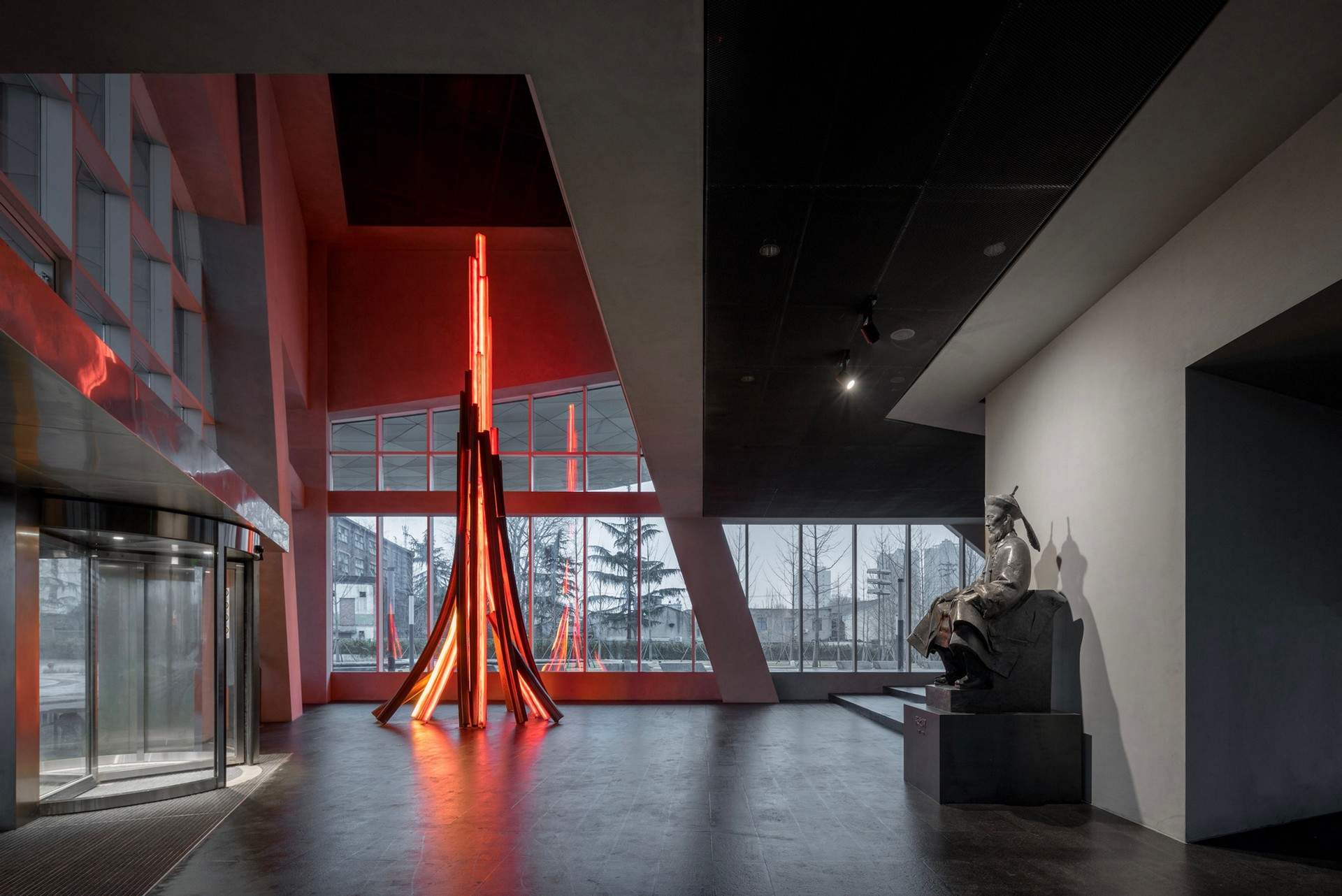
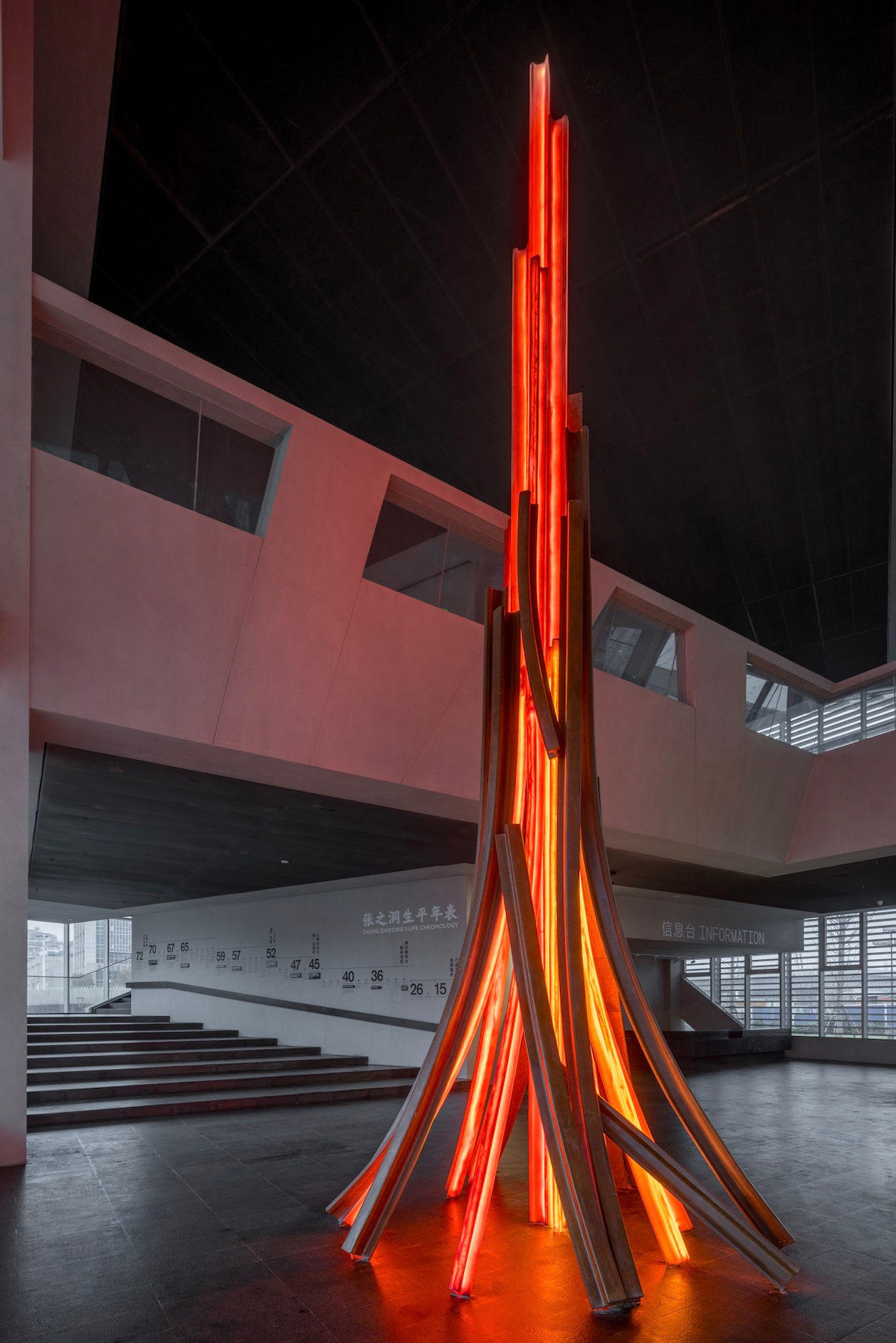
当观众踏进馆内三层空间时,会看见由雕塑家李鹤创作的张之洞铜像,以及装置艺术家周文斗创作的通衢之光装置,都是他们特意为博物馆制作的展品。
When visitors step into the three-story space inside the museum, they will see the bronze statue of Zhang Zhidong created by sculptor Li He, as well as the “Light of the Thoroughfare” installation created by installation artist Zhou Wendou, both of which are specially crafted exhibits for the museum.
我们将项目中各方人员参与工作的形式称为“展览剧组”,用展览讲故事就像是剧组拍摄电影。我们的切入点在于首先有一个核心团队,其背景来自设计和内容的不同专业,内部间的工作会交叉融合,与专家写成文本而后寻找设计形式的常规展览方式有差别。这就像是电影剧组,编剧导演摄像美指演员灯光录音等组成交错复杂的结合体。大家在团队之内互相协调,但当对主题的专业知识缺乏了解时,也会链接外面的专家或相应的创作资源。
We refer to the form of participation by all parties involved in the project as the “exhibition crew”. Telling stories through exhibitions is akin to a film crew shooting a movie. Our starting point is to have a core team with backgrounds from different design and content disciplines. The internal work will be cross-integrated, which differs from the conventional exhibition approach of writing texts with experts and then seeking design forms. This is like a film crew, where screenwriters, directors, cinematographers, art directors, actors, lighting technicians, sound recordists, and others form a complex and intertwined combination. Everyone coordinates within the team, but when there is a lack of understanding of the subject matter, external experts or corresponding creative resources will be linked.
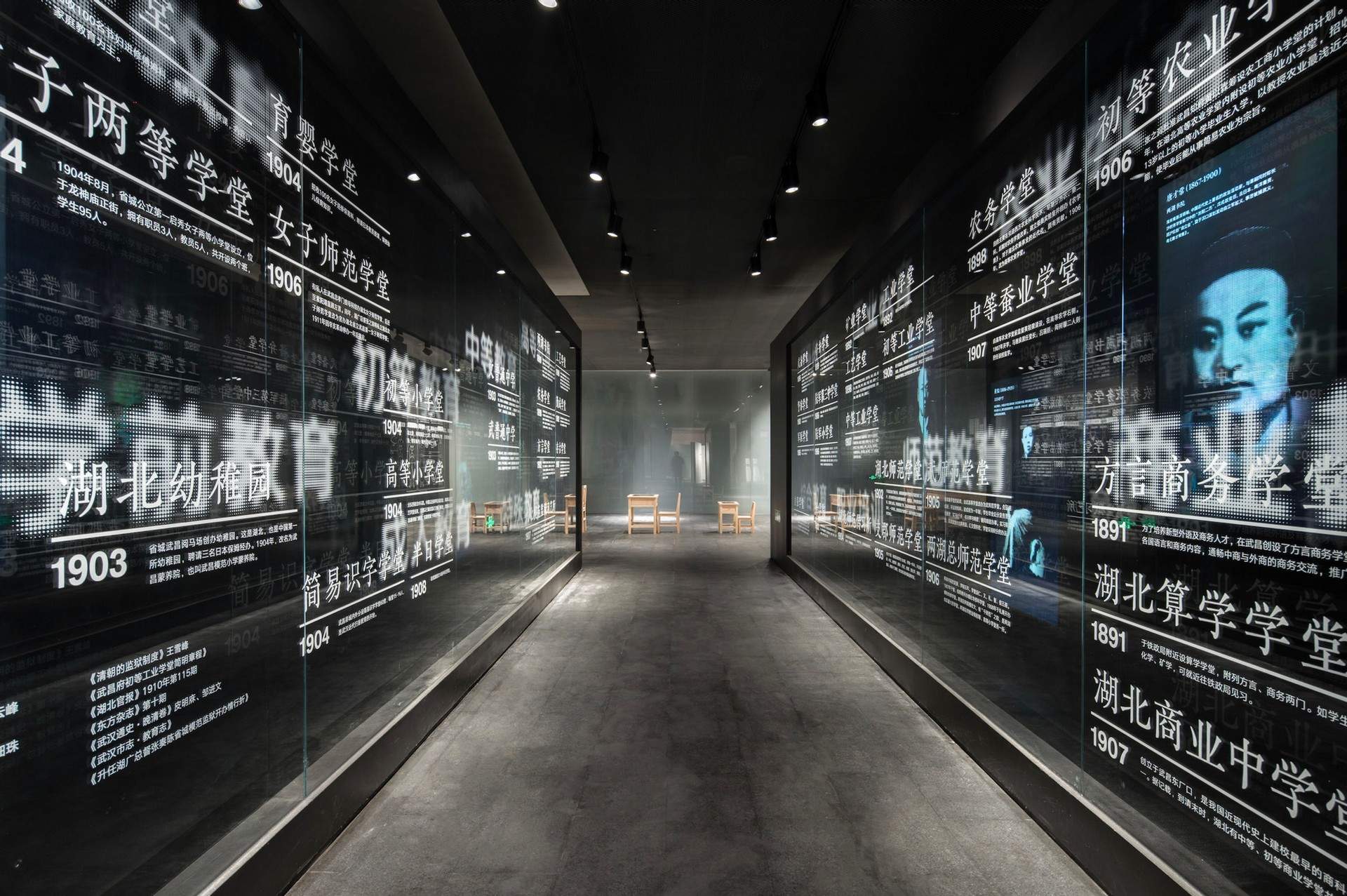
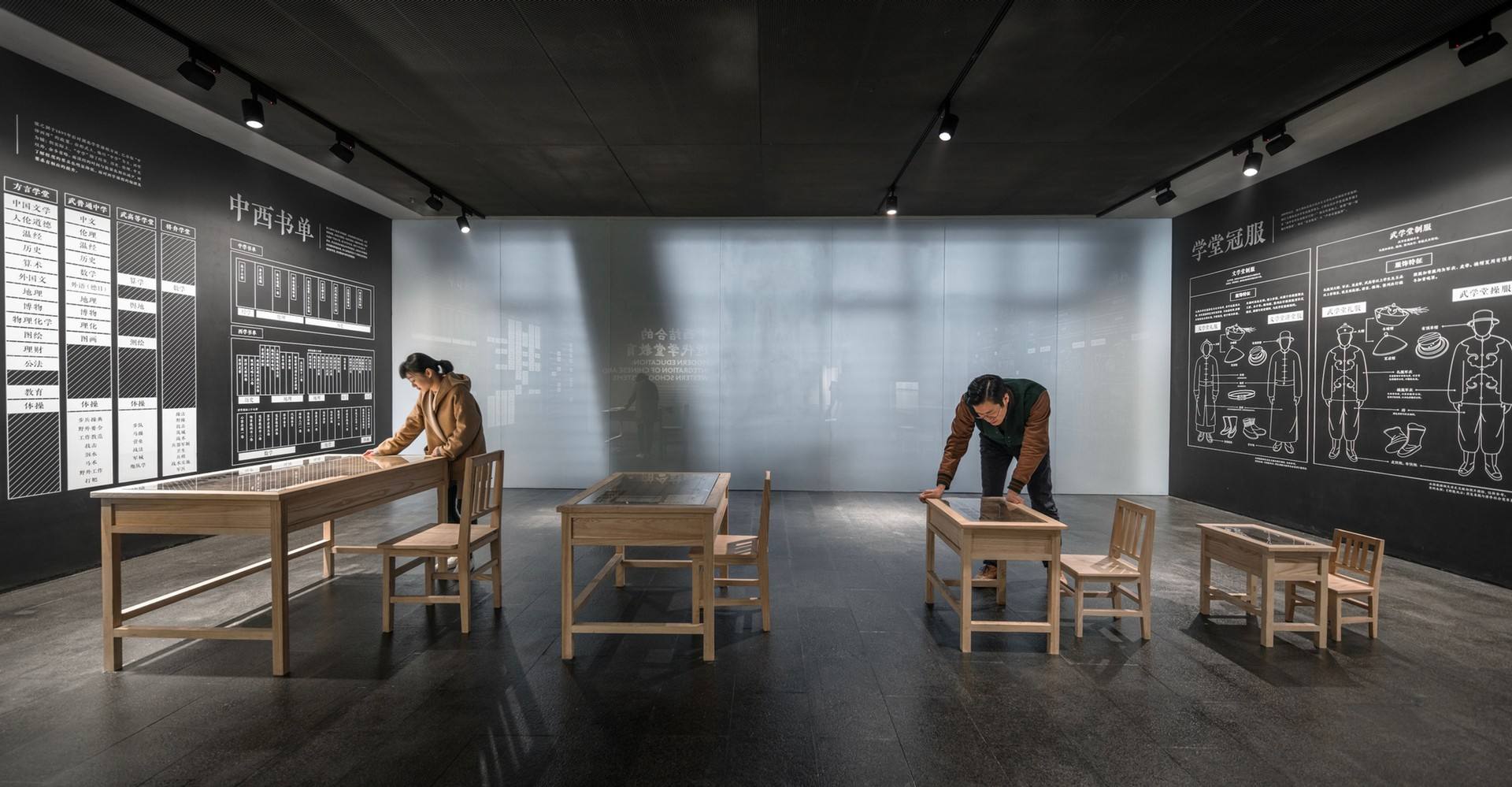
这种剧组式的策展工作模式,是我们基于自身情况所做的创新,由此实践设计出的展览也带有戏剧的张力。在“中西结合的近代学堂教育”板块,我们放置了代表幼儿园、小学、中学、大学的四张不同大小课桌。但是当观众真正坐在桌椅前会发现,大学的课桌比适恰成年人身材的课桌还要大,并不是实际中的尺寸,放大差距感是为了让处在空间中的观众更好地去想象不同的课堂情形。
This team-based curatorial work model is an innovation we have made based on our own situation, and the exhibitions designed through this practice also carry a dramatic tension. In the section of “Modern School Education Combining Chinese and Western Elements”, we placed four desks of different sizes representing kindergarten, primary school, middle school, and university. However, when the audience actually sits in front of the desks and chairs, they will find that the university desk is even larger than the desk that fits an adult’s body, which is not the actual size. The exaggerated disparity is intended to allow the audience in the space to better imagine different classroom scenarios.
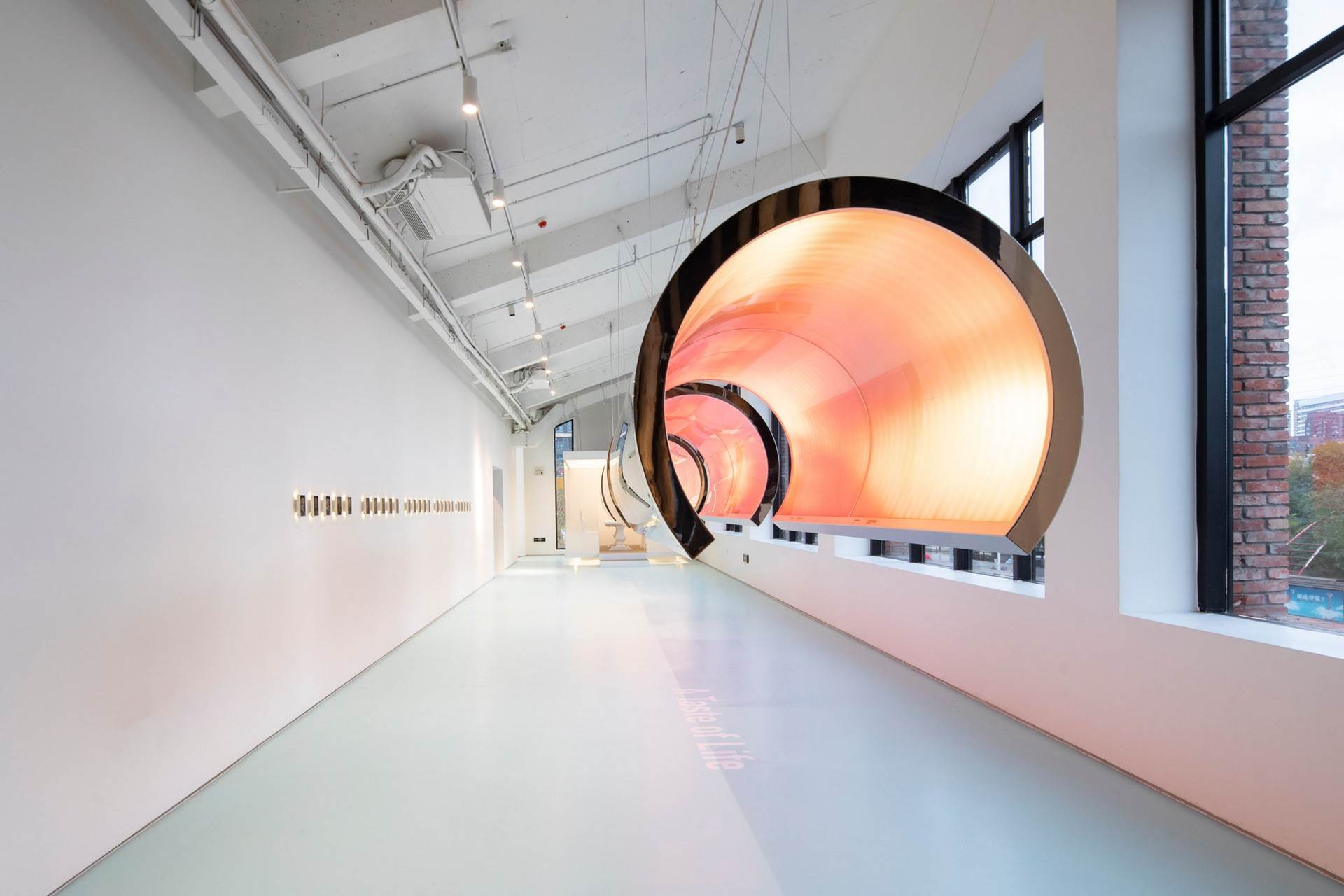
“京汉铁路行程环”贯穿了整个博物馆空间,铁环上刻有京汉铁路时刻表,每隔一段时间,时刻表随到站的“咔嗒”声亮起红光,模拟着铁路运行的场景,就像是整个展览的背景音乐。
The “Beijing-Hankou Railway Journey Ring” runs through the entire museum space, with the Beijing-Hankou Railway timetable engraved on the iron ring. At regular intervals, the timetable lights up in red with the sound of “click” as the train arrives, simulating the scene of railway operation, which serves as the background music for the entire exhibition.

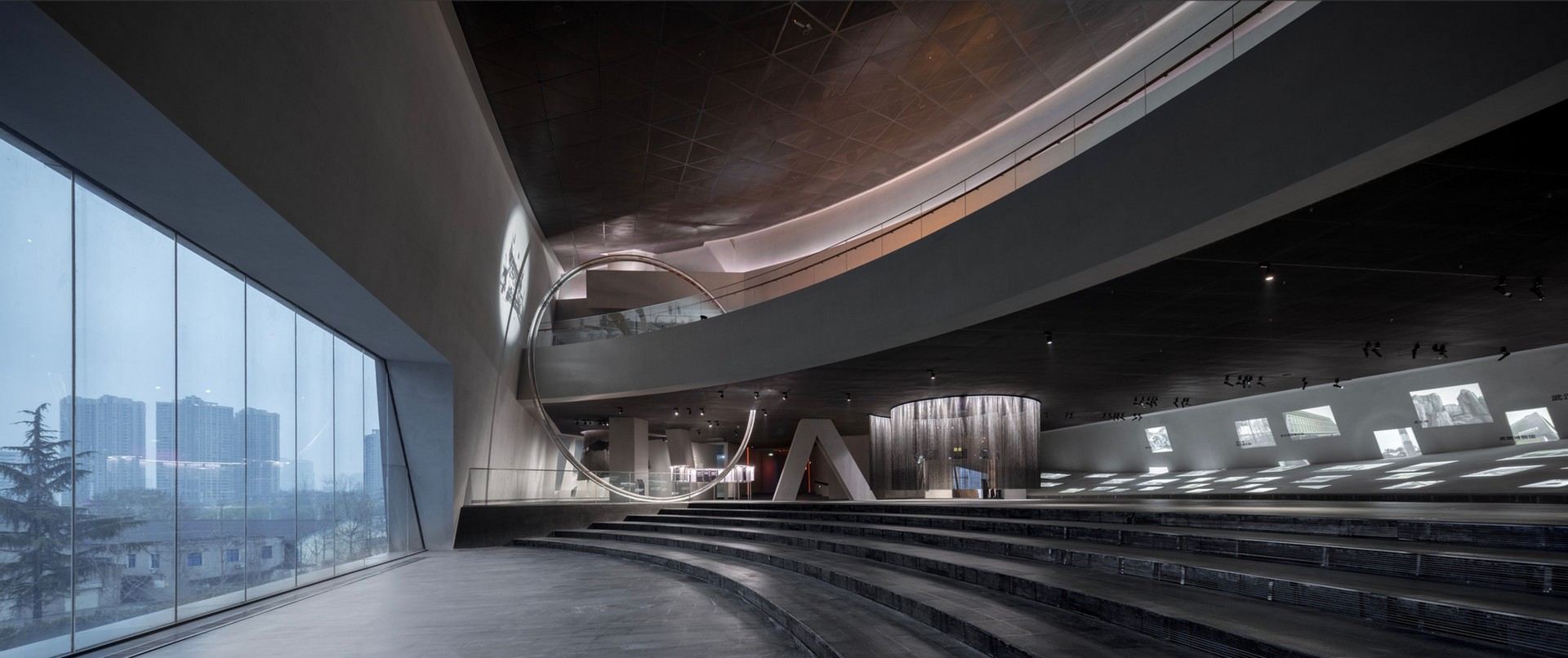
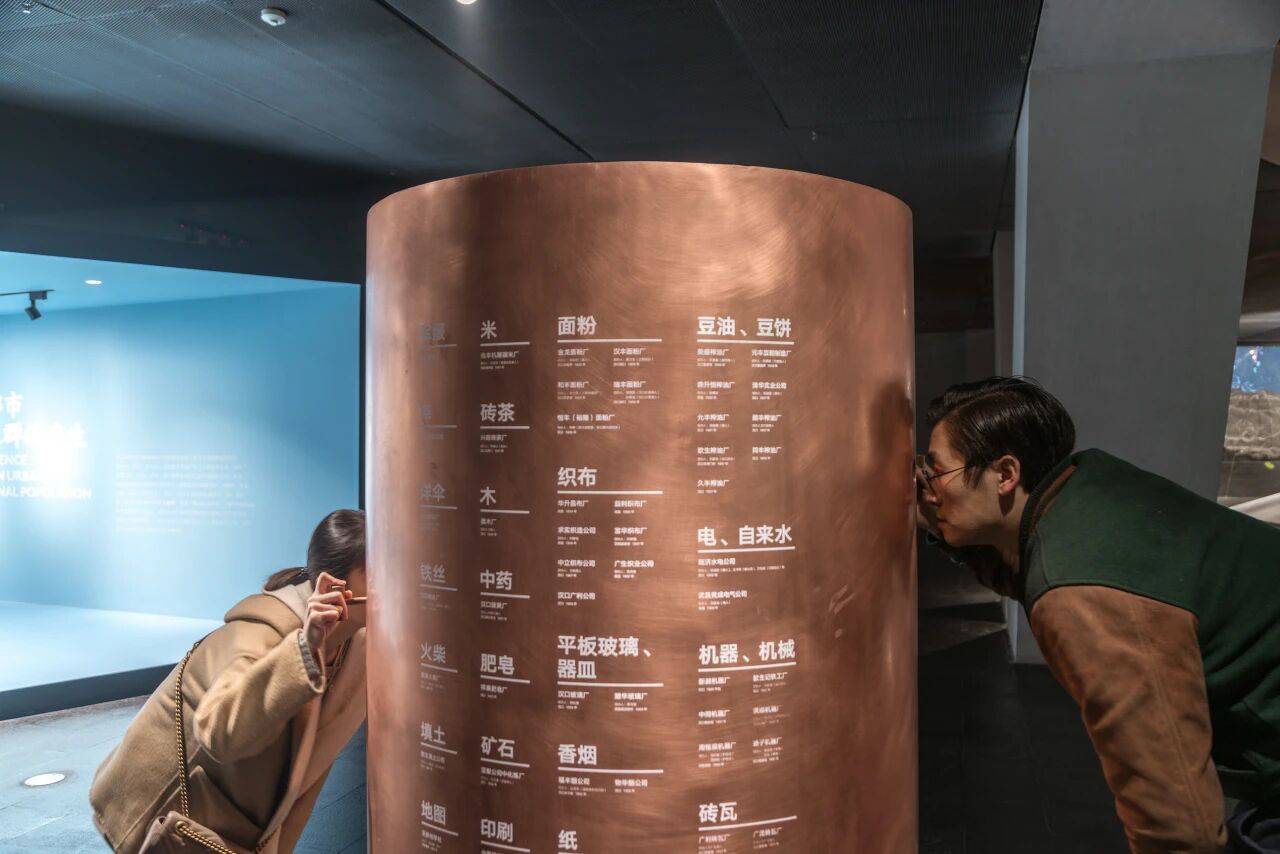
“近代都市职业人群”板块是一个向内纵深的三棱柱空间,观众可以随意走进,转动的钟表齿轮像是卓别林电影中的场景,表盘上的图像是不同的职业形象,外圈的表针显示该职业的工作时长,表盘大小对应着各行从业人数的数量。近代化改革打破了小农经济日落而息的生活规律,时间变成规则束缚着人们,而这又是迈向现代文明无法抵抗的步伐。
The “Modern Urban Professional Population” section is a triangular prism space with inward depth, which the audience can freely enter. The rotating clock gears resemble scenes from Charlie Chaplin’s movies, and the images on the dial show different professional images. The outer dial hands display the working hours of the profession, and the dial size corresponds to the number of employees in each industry. The modernization reform broke the life law of small-scale agricultural economy that rested at sunset, and time became a rule that bound people, which was an irresistible step towards modern civilization.
观众 / Audience
展览始终是要人去观看的,它建造在当代,也服务于当代。一个展览面世的时候,并没有就此实现自己的使命,而当观众参观完整个展览时,才算完满。博物馆是一个容器,观众看完展览后的心得体会,放在社交平台上的打卡照,后来持续的学习思考等,都是将新的东西放进了容器中。只要还有观众存在,展览就没有结束。我们在张之洞与武汉博物馆中,为观众设置了多样的参与方式。
Exhibitions are always meant for people to view, built in the contemporary era and serving the contemporary era. An exhibition does not fulfill its mission upon its debut, but rather when the audience has visited the entire exhibition. The museum is a container, and the audience’s reflections after viewing the exhibition, the check-in photos posted on social platforms, and subsequent continuous learning and thinking all represent new additions to the container. As long as there are audiences, the exhibition is not over. At the Zhang Zhidong and Wuhan Museum, we have set up diverse participation methods for the audience.
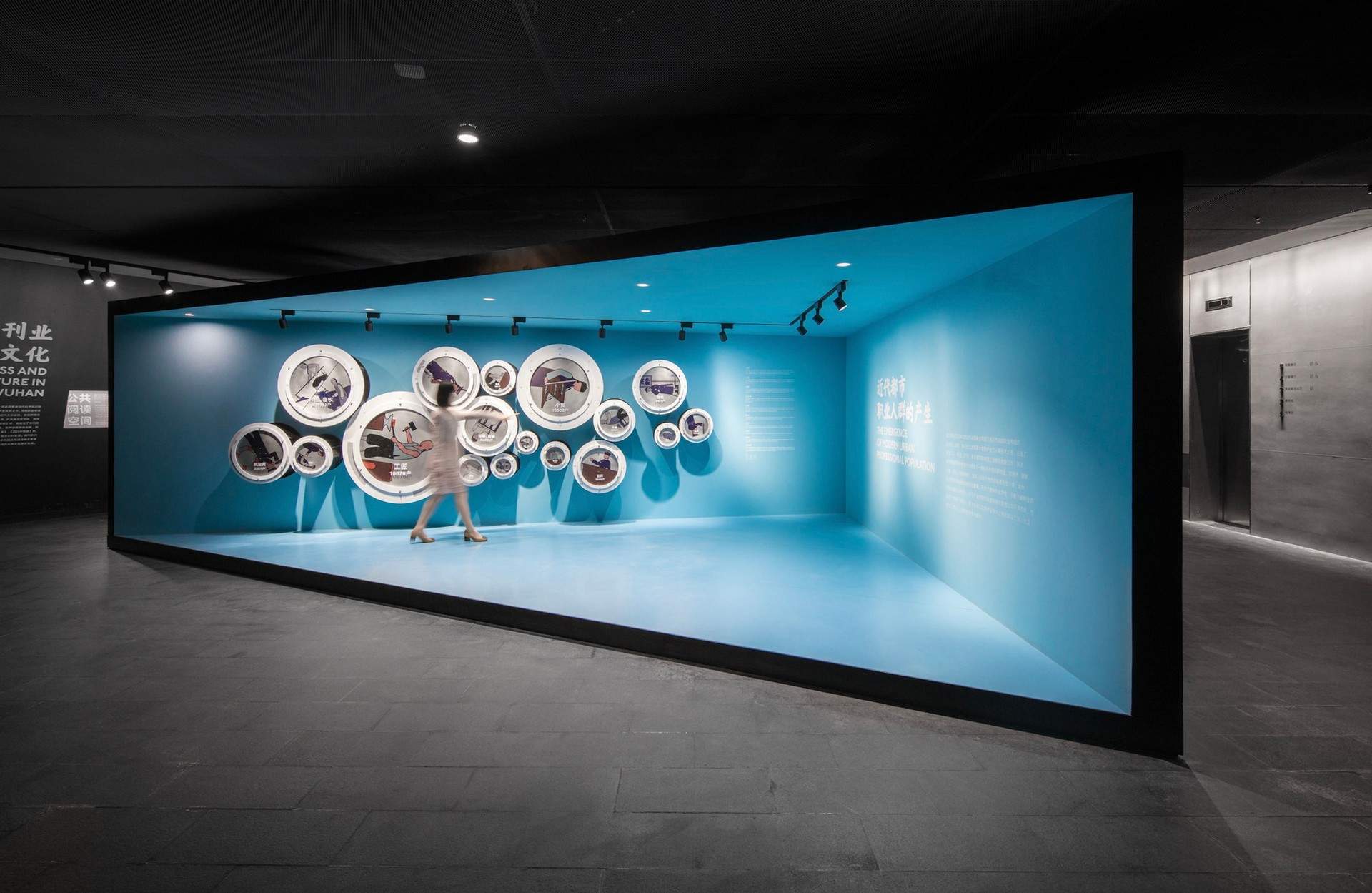
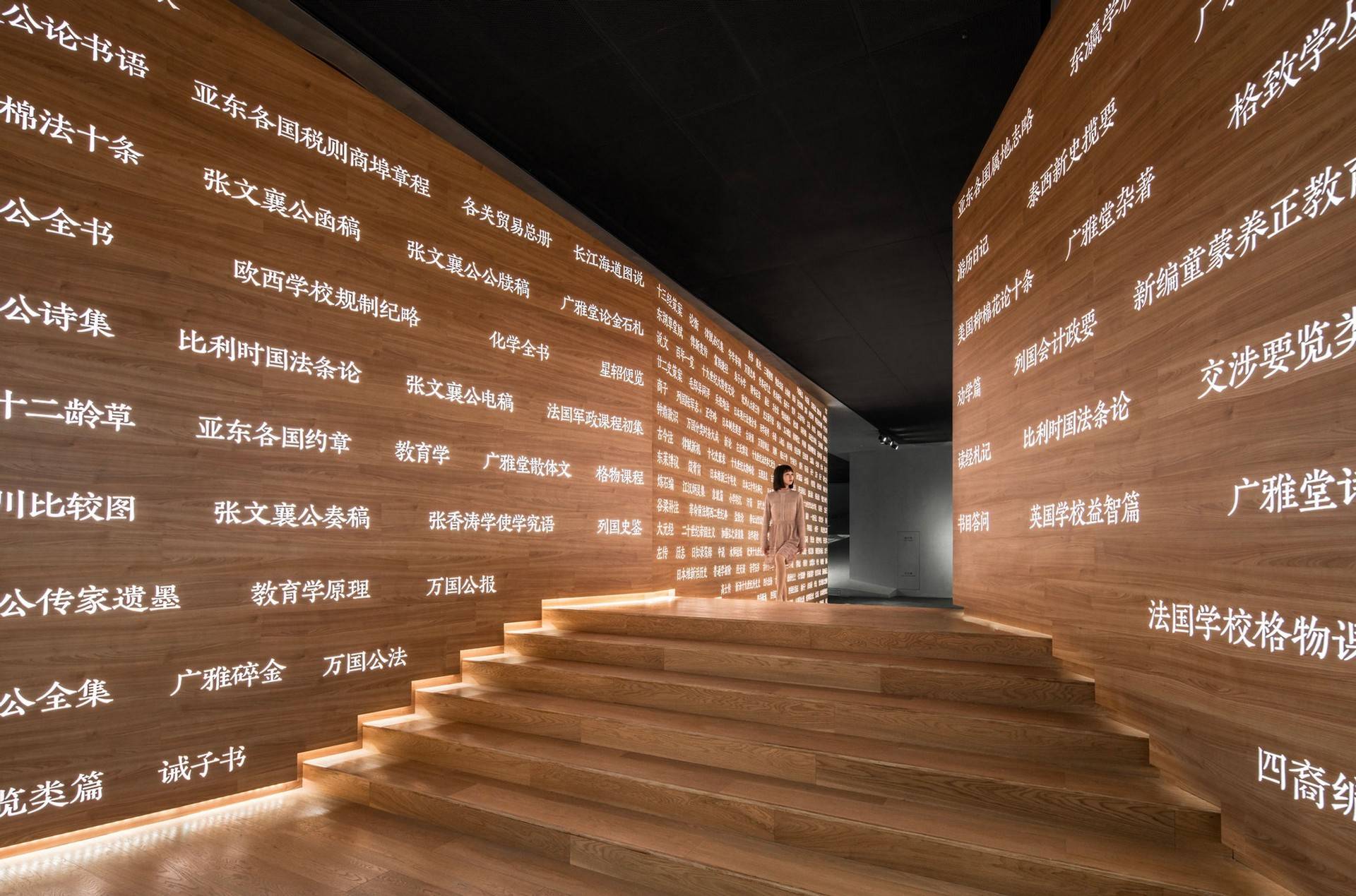
在“张之洞生平年表”中,我们将他的生平分段式讲述,并列出其中的重要时间节点。但这些节点并不是用纪年的形式表达,而是告诉观众此时张之洞的年龄。而立之后,三十六岁任四川学政,已过知命之年,五十二岁上任湖广总督,张之洞十八载的督鄂生涯也就此开始。观众在随着阶梯而上的时候,可以代入自己就是张之洞本人,墙上的事件就是亲身经历。身有止,命无境,观众或许可以从张之洞的一生中得到些许启示。
Immersive experience. In the “Timeline of Zhang Zhidong’s Life,” we narrate his life in stages and list important time nodes. However, these nodes are not expressed in the form of chronology, but rather inform the audience of Zhang Zhidong’s age at that time. After becoming an adult, he was appointed as the educational administrator of Sichuan at the age of 36, already past the age of 50 when one’s life is at its prime. At the age of 52, he took up the post of Governor-General of Huguang, marking the beginning of his 18-year tenure as the governor of Hubei and Guangdong. As the audience ascends the stairs, they can immerse themselves in the role of Zhang Zhidong himself, with the events on the wall representing his personal experiences. Life has limits, but destiny knows no bounds. Perhaps the audience can gain some inspiration from Zhang Zhidong’s life.
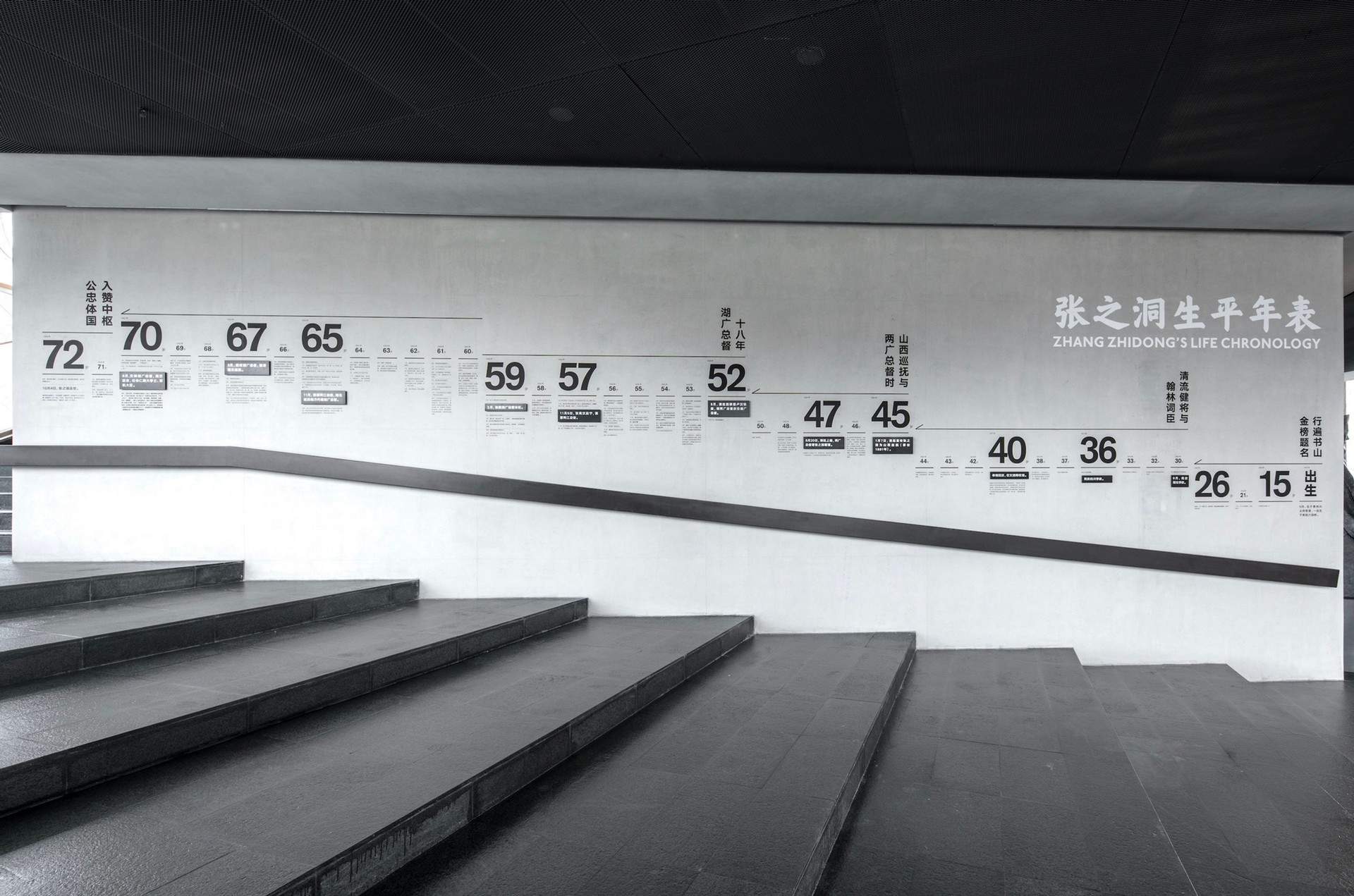
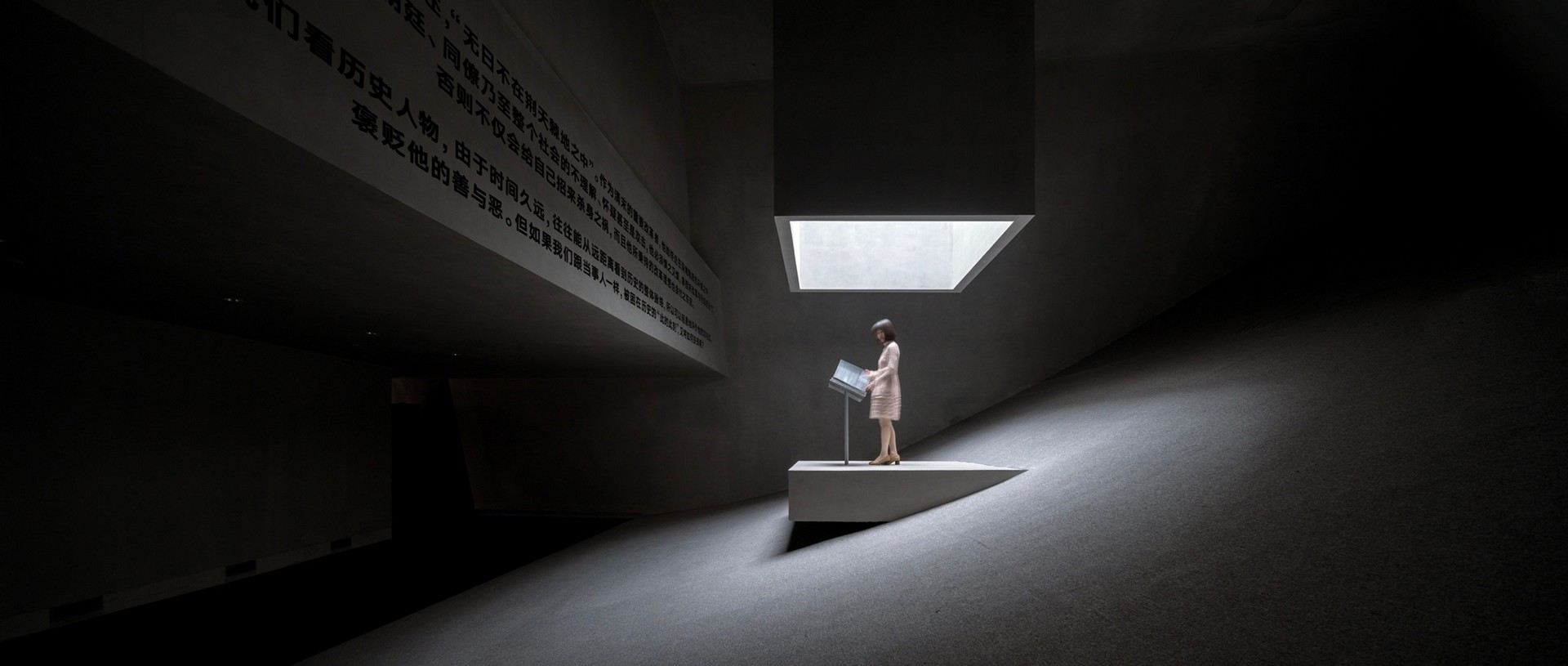
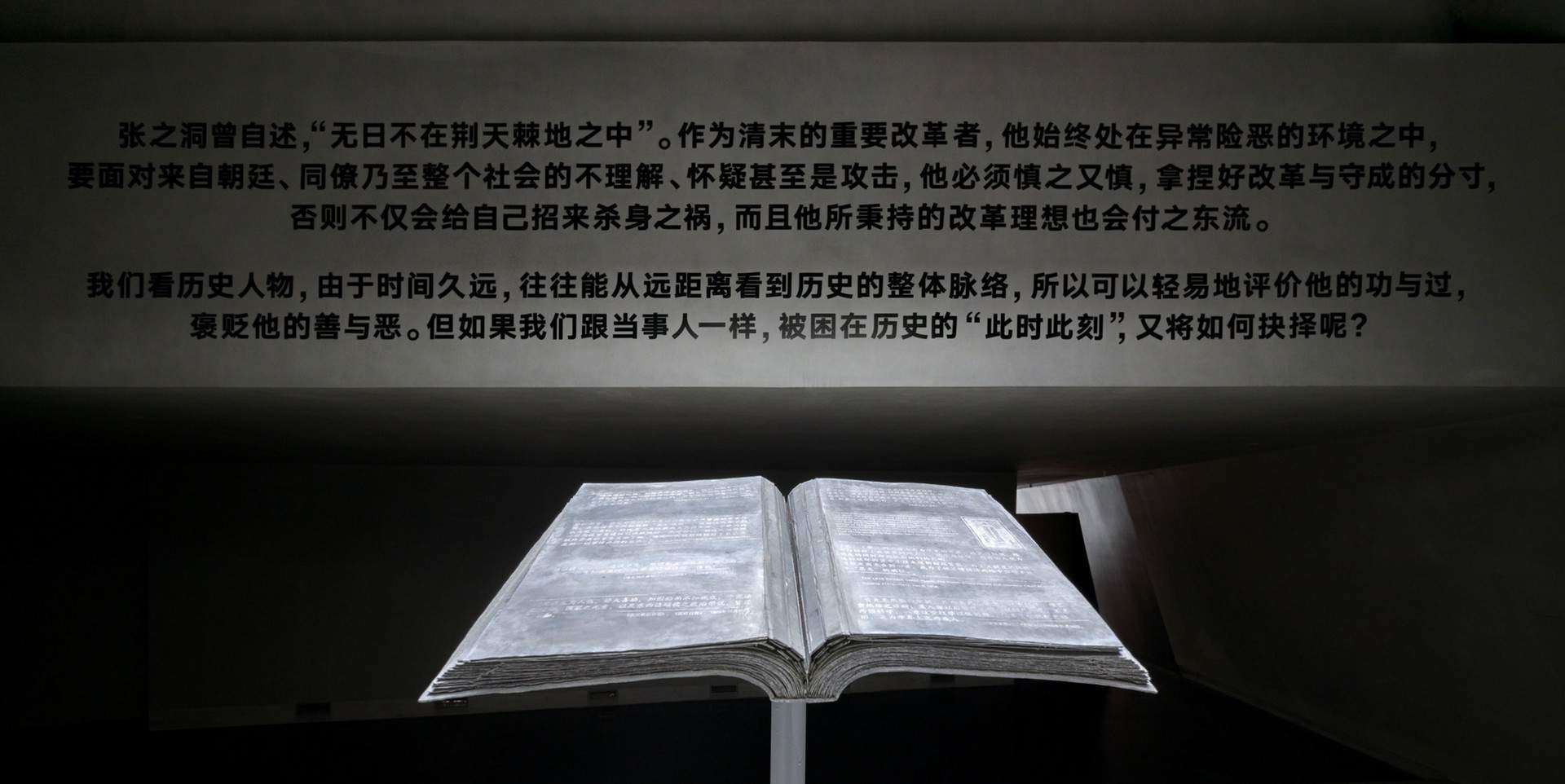
同样在整个博物馆的最后一个展区“一个改革者的孤独”中,我们也运用了这一手法。黑暗的空间仅留一束天光,一支架,一台阶,观众需要逆斜坡而上才能到达平台,支架上可翻阅的内容满是当时舆论对于张之洞的各种非议与谩骂。是非功过,后人可随意评说,但张之洞本人的心境,我们能否真正体会一二。
Similarly, in the final exhibition area of the entire museum, “The Loneliness of a Reformer”, we also employed this technique. The dark space is illuminated only by a beam of natural light, with a support and a staircase. The audience needs to ascend the ramp to reach the platform. The content that can be read on the support is full of various criticisms and insults directed at Zhang Zhidong by public opinion at that time. Whether it was right or wrong, future generations can freely comment, but can we truly understand Zhang Zhidong’s own feelings to any extent.
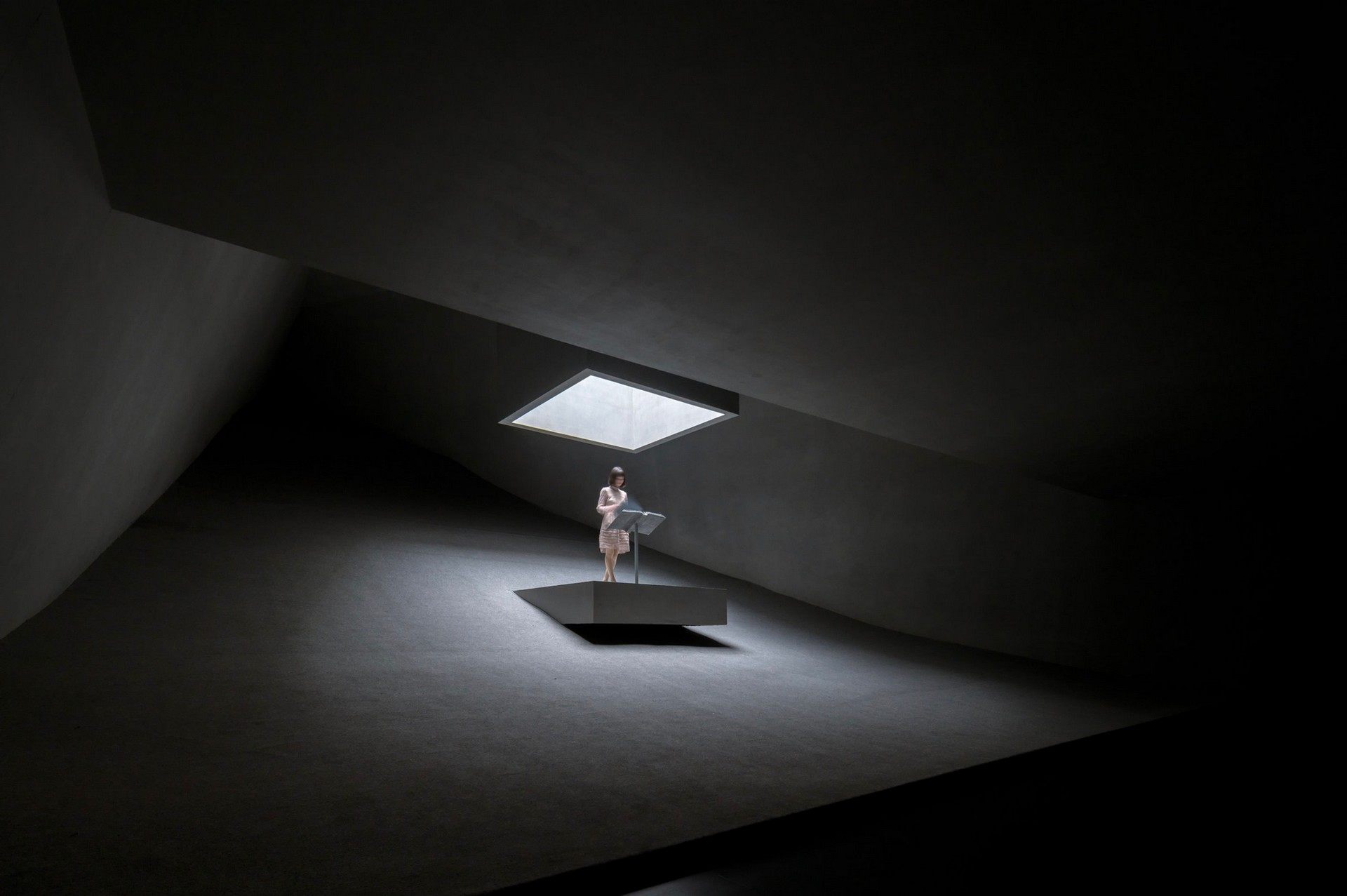
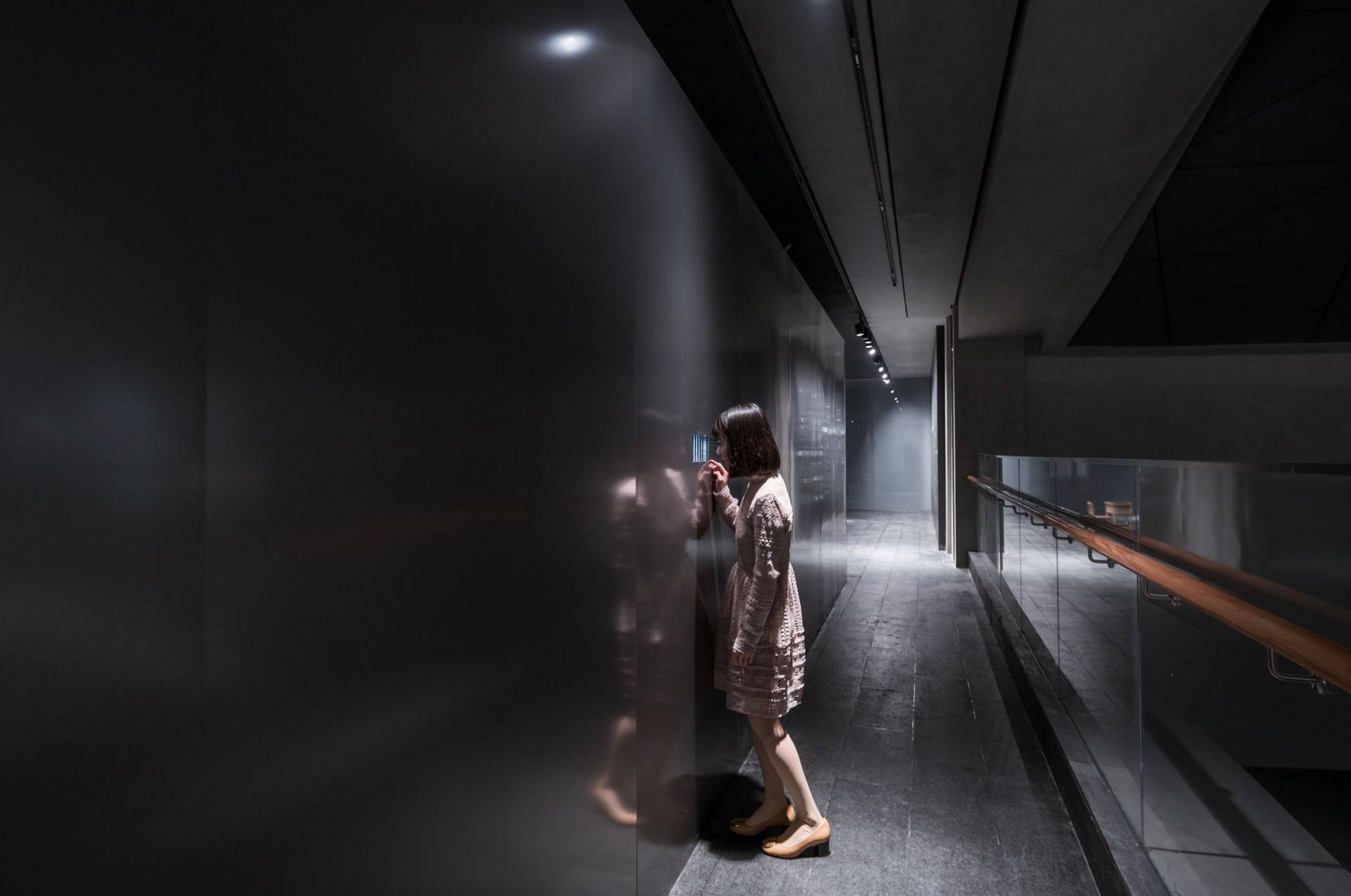
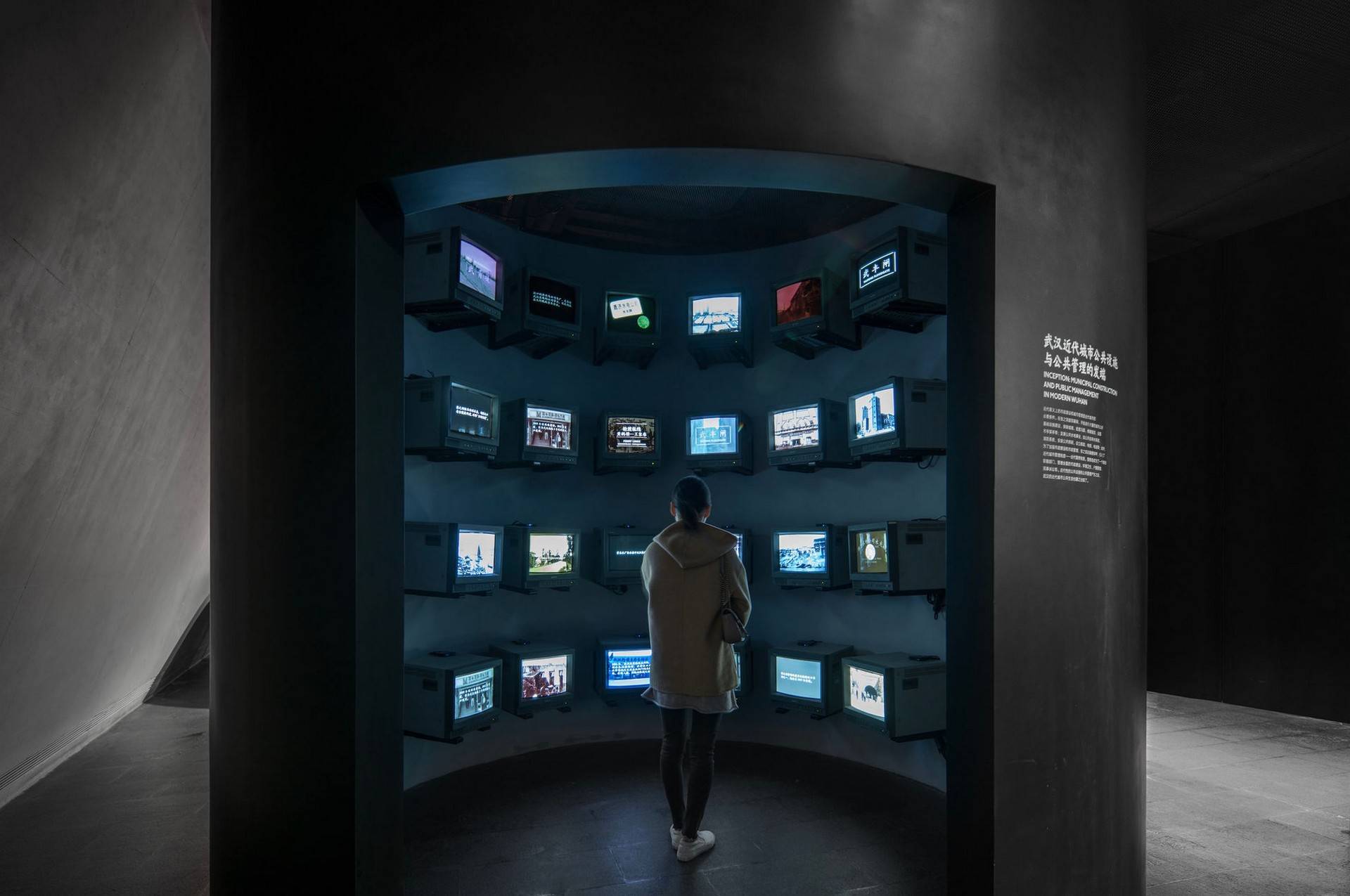
侧写。在“近代武汉的狱政改革”部分,观众弯下腰从监窗观察,一瞬间身影和监狱的狱卒重合,从而代入他们的视角,隔窗的一边则是讲述张之洞在武汉进行狱政改革的黑白动画。在“公共管理”展区,我们将老旧的监控系统放置在半圆形的围合中,观众代入当时的工作人员,通过眼前的屏幕观察张之洞所做的城市公共基础设施建设。
Side view. In the section of “Prison Administration Reform in Modern Wuhan”, the audience bends down to observe through the prison window, momentarily overlapping with the prison guards, thus entering their perspective. On the other side of the window is a black-and-white animation depicting Zhang Zhidong’s prison administration reform in Wuhan. In the “Public Management” exhibition area, we place the old surveillance system in a semi-circular enclosure, allowing the audience to enter the perspective of the staff at that time, observing through the screen in front of them the construction of urban public infrastructure by Zhang Zhidong.
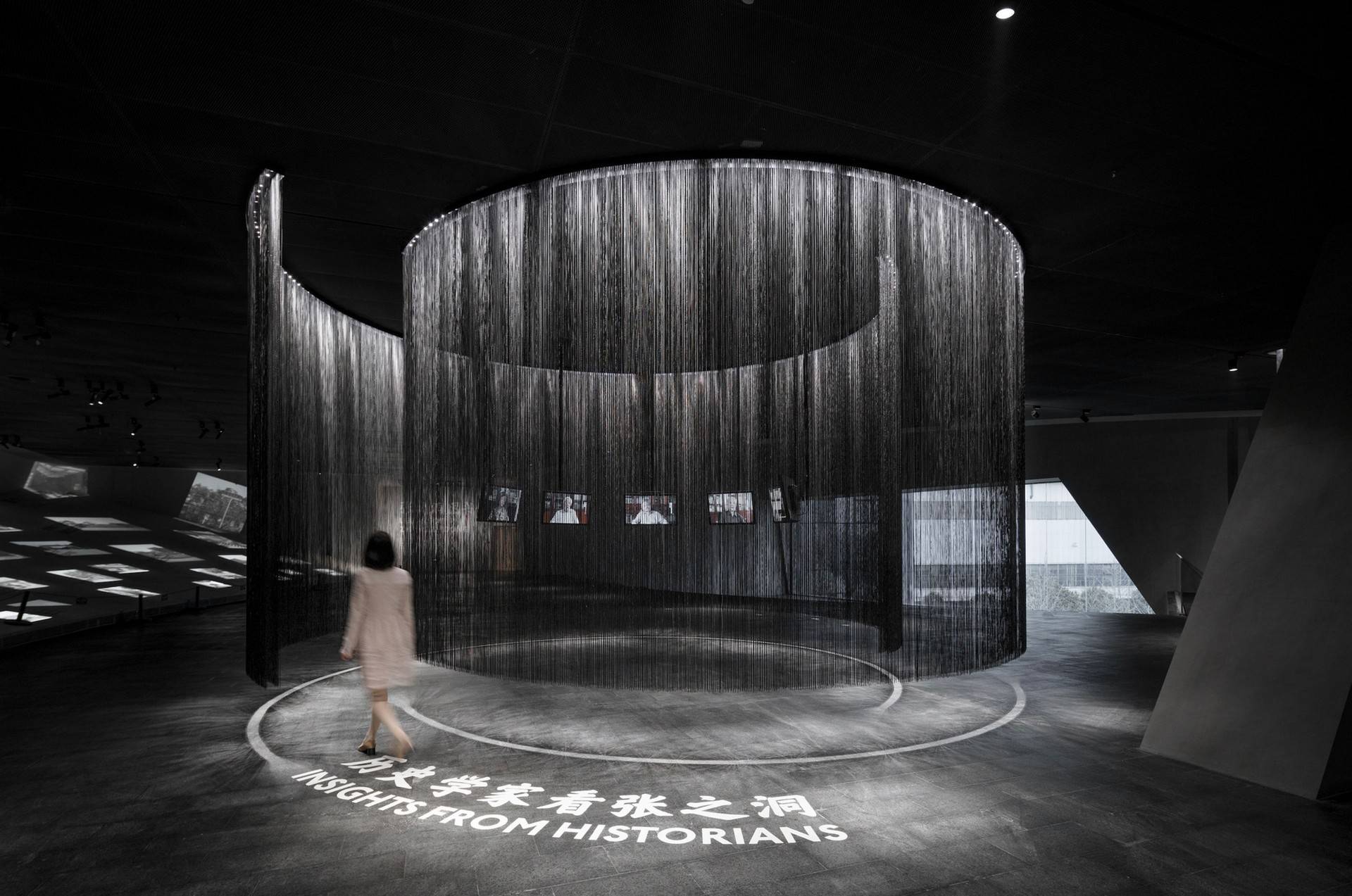
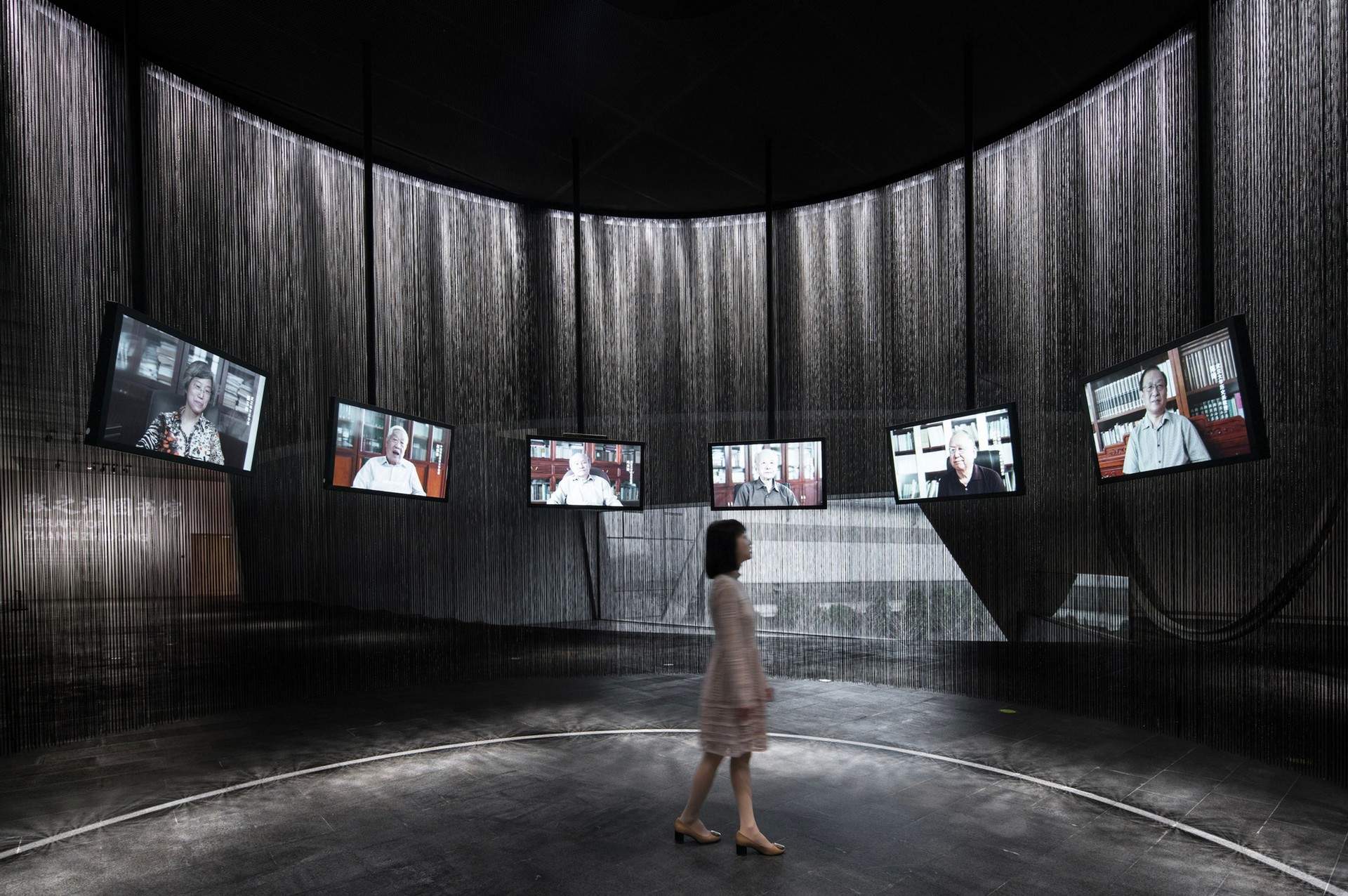
从庞大的知识中挑选合适的内容是我们的责任,但观众应该如何去理解消化是自己的事情。我们是叙事者,而不是权威者。因此,尽管策展时会融入自己的意识和判断,但我们并不希望这成为观众观展时的主导。在“历史学家看张之洞”展区,我们设置了一个半围合的空间,六位专家通过影像开展了一场虚拟的张之洞主题研讨会。“对张之洞的评价”板块,三十个声音装置收录了来自不同时代和国家关于张之洞的评价,我们希望由此拼合出一个相对完整而真实的张之洞。在“张之洞图书馆”展区,上下台阶两侧分别是他阅读过的书籍(输入)和与他有关的书籍(输出),张之洞的成长和思想变化或许可以从中窥见。
It is our responsibility to select appropriate content from the vast sea of knowledge, but how the audience understands and digests it is their own business. We are storytellers, not authorities. Therefore, although we incorporate our own consciousness and judgment into the curation process, we do not want this to dominate the audience’s viewing experience. In the “Historians’ Perspective on Zhang Zhidong” exhibition area, we have set up a semi-enclosed space where six experts conduct a virtual symposium on the theme of Zhang Zhidong through videos. In the “Evaluation of Zhang Zhidong” section, thirty sound installations include evaluations of Zhang Zhidong from different eras and countries. We hope to piece together a relatively complete and authentic portrait of Zhang Zhidong. In the “Zhang Zhidong Library” exhibition area, books that Zhang Zhidong read (input) and books related to him (output) are displayed on both sides of the stairs. From these, we may glimpse Zhang Zhidong’s growth and ideological changes.
世界在规则之内,与有责焉。直径叙事设计的两个新项目同源馆和金山创想馆也即将落成,期待和大家的下一次见面。
The world operates within rules and bears responsibilities. Two new projects of Diameter Narrative Design, namely the Tongyuan Pavilion and the Jinshan Chuangxiang Pavilion, are also nearing completion. We look forward to meeting everyone again soon.
本文内容由 直径叙事设计 提供或来源于其官方媒体渠道,由 WeHow 整理编辑。图片、视频及相关设计作品的版权归原作者/设计方所有。未经 WeHow 及版权方书面许可,禁止以 WeHow 编辑版本进行任何形式的转载或商业使用。