在日本北海道白老町的波罗托湖畔,一座承载着尊重、理解与共生愿景的文化地标静静矗立——国立阿伊努民族博物馆(National Ainu Museum)。作为日本首座、最北端的国立民族博物馆,它不仅是民族共生象征空间“UPOPOY”(ウポポイ)的核心设施,更是一次以阿伊努民族自身视角重构历史叙事的深刻实践。
On the shores of Lake Poroto in Hakodate, Hokkaido, Japan, stands a cultural landmark that embodies the vision of respect, understanding, and coexistence – the National Ainu Museum. As Japan’s first and northernmost national museum dedicated to ethnic groups, it serves not only as the core facility of the ethnic coexistence symbol space “UPOPOY” (ウポポイ), but also as a profound endeavor to reconstruct historical narratives from the perspective of the Ainu people themselves.
从“被观看”到“自我言说”:一场展览范式的革新
From “being viewed” to “self-expression”: An innovation in exhibition paradigm
传统民族志博物馆常以“他者”视角呈现原住民文化,而国立阿伊努民族博物馆则彻底颠覆这一模式。整个常设展以 “我们的语言”“我们的世界”“我们的生活”“我们的历史”“我们的谋生方法”“我们的交流” 六大主题展开,所有文字说明、语音导览乃至馆内标识,均以阿伊努语为第一语言(辅以日语、英语、中文等多语种),片假名与罗马字并用,彰显语言特色。
Traditional ethnographic museums often present indigenous culture from the perspective of the “other”, whereas the National Ainu Ethnographic Museum completely overturns this paradigm. The entire permanent exhibition unfolds around six themes: “Our Language”, “Our World”, “Our Life”, “Our History”, “Our Means of Livelihood”, and “Our Communication”. All text descriptions, audio guides, and even signs inside the museum use Ainu as the primary language (supplemented by Japanese, English, Chinese, and other languages), with both katakana and Romanization used to highlight the linguistic characteristics.
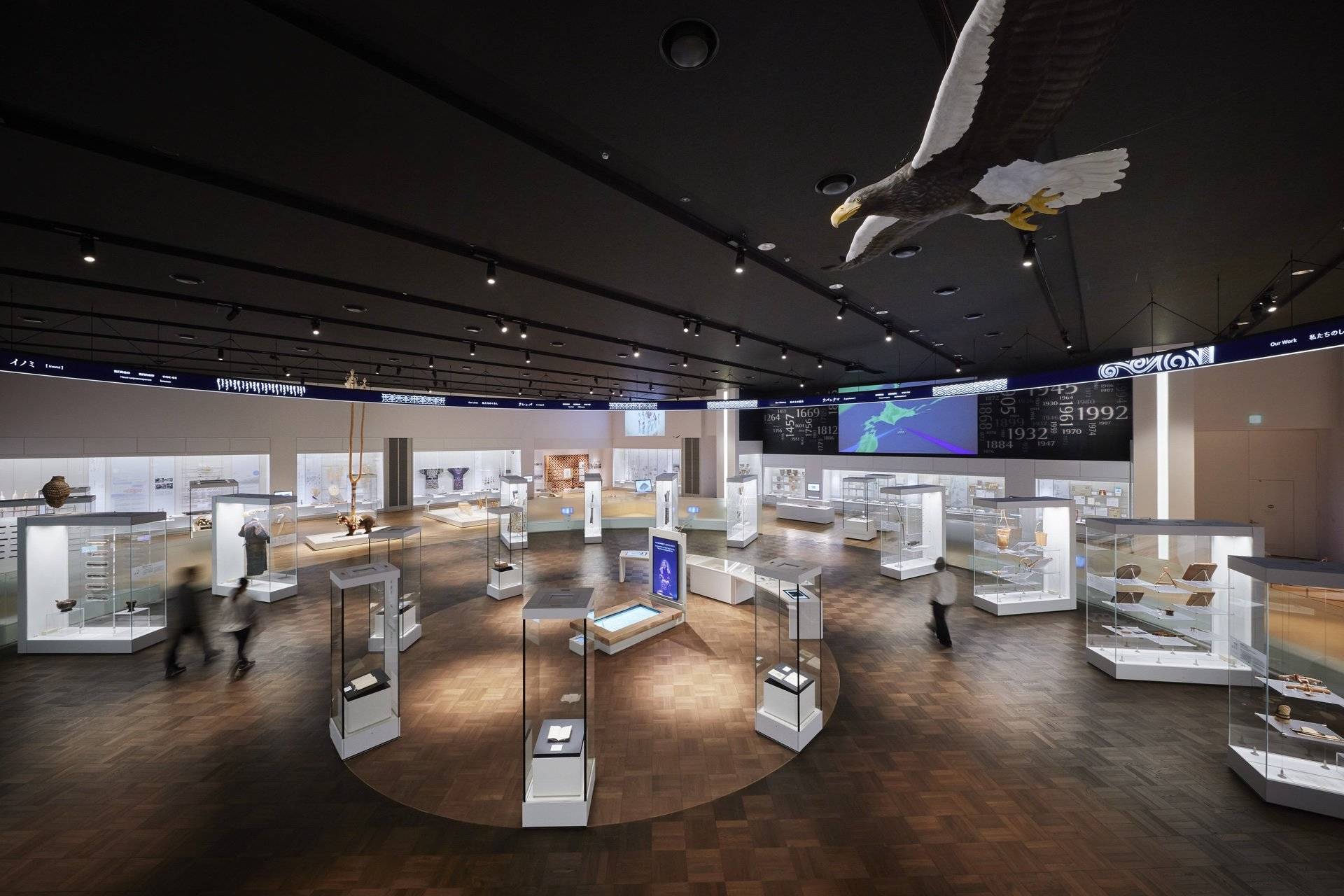
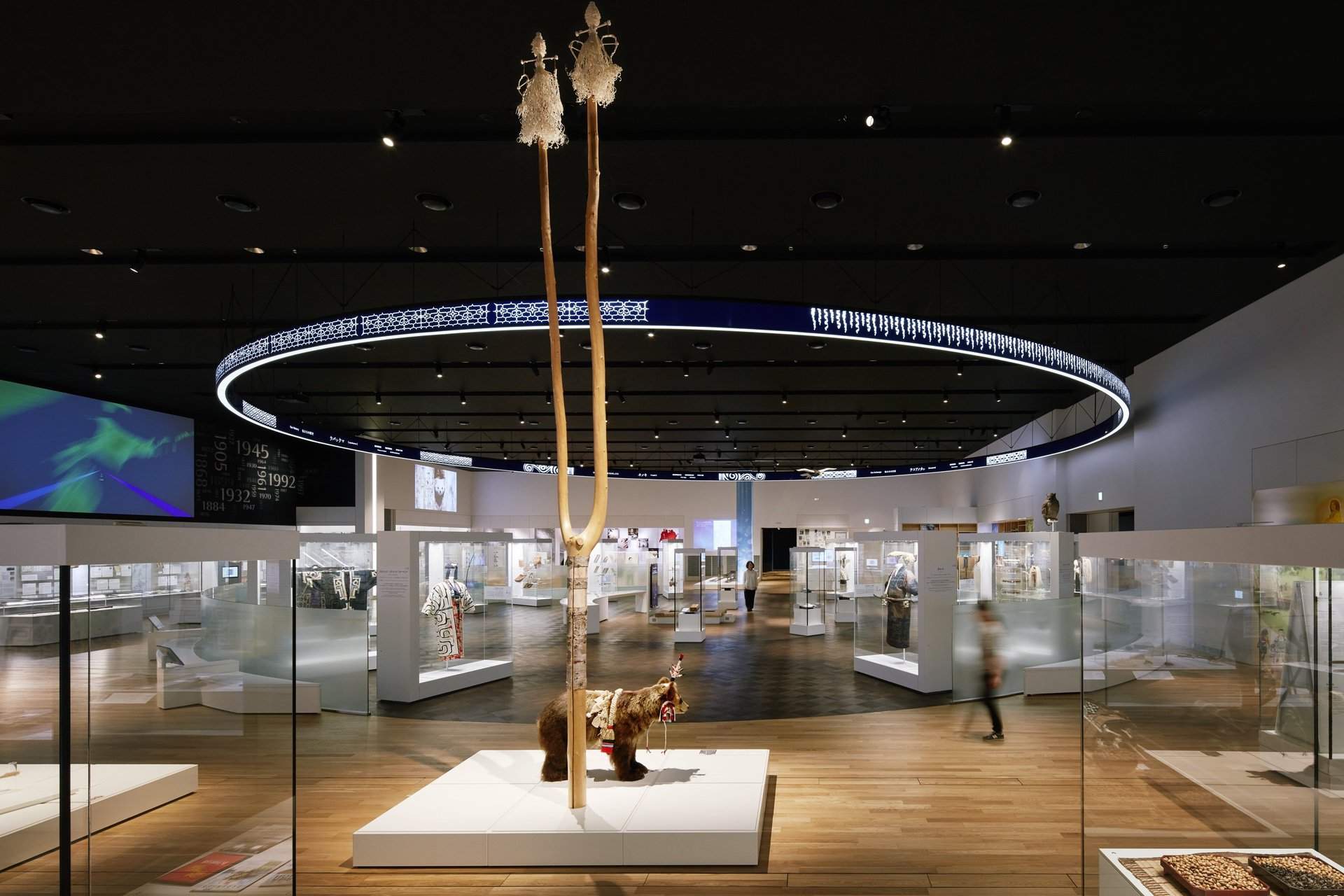
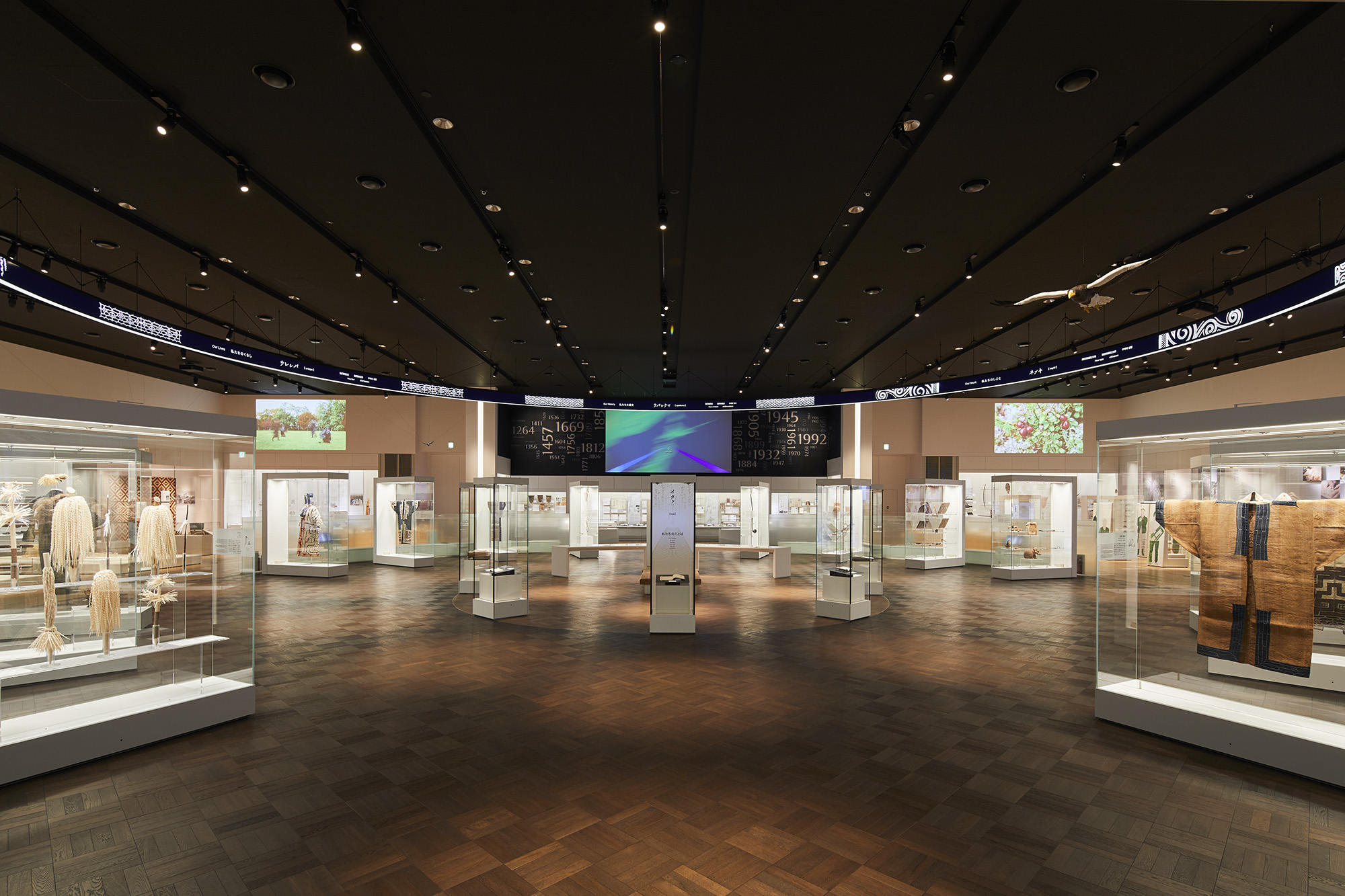
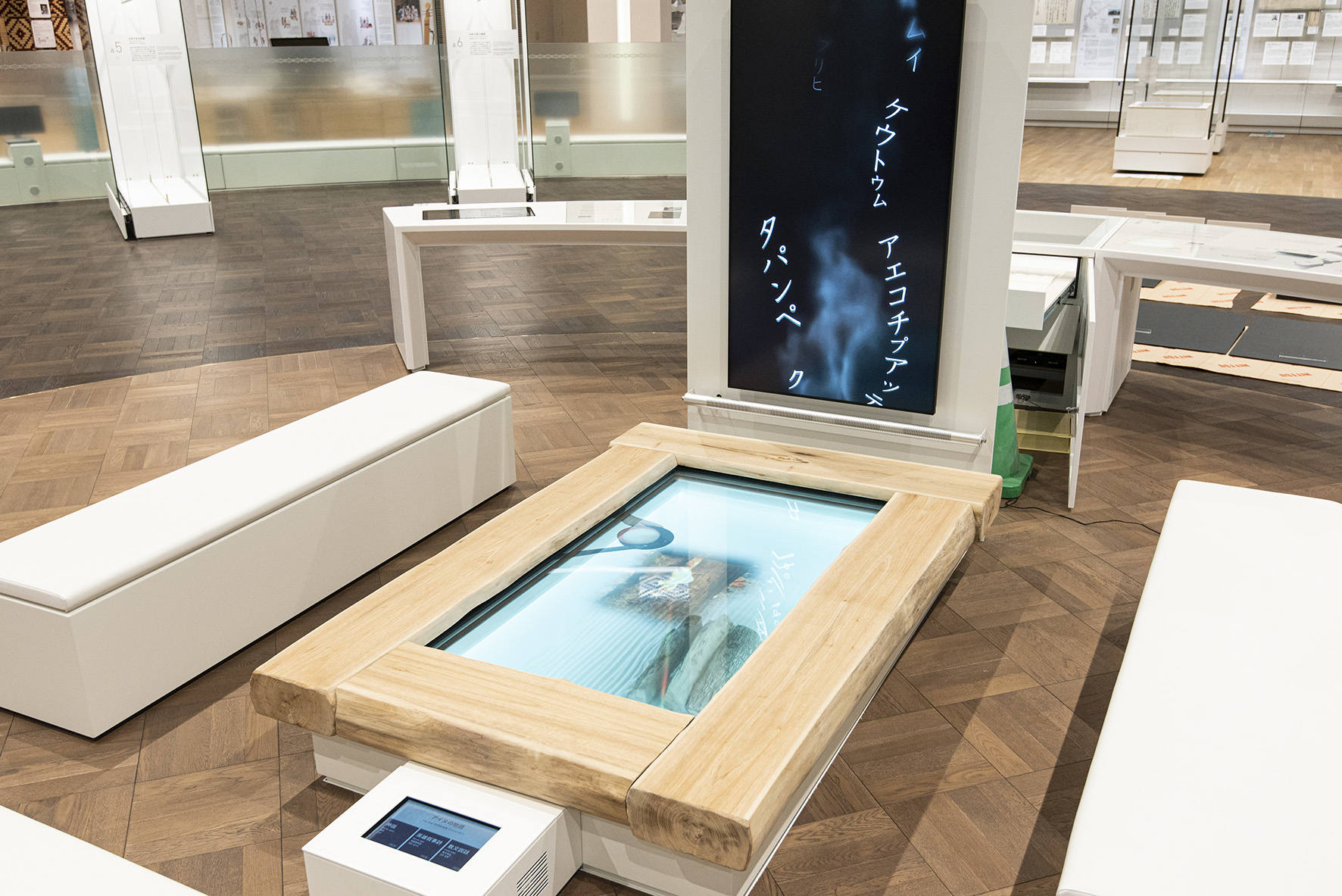
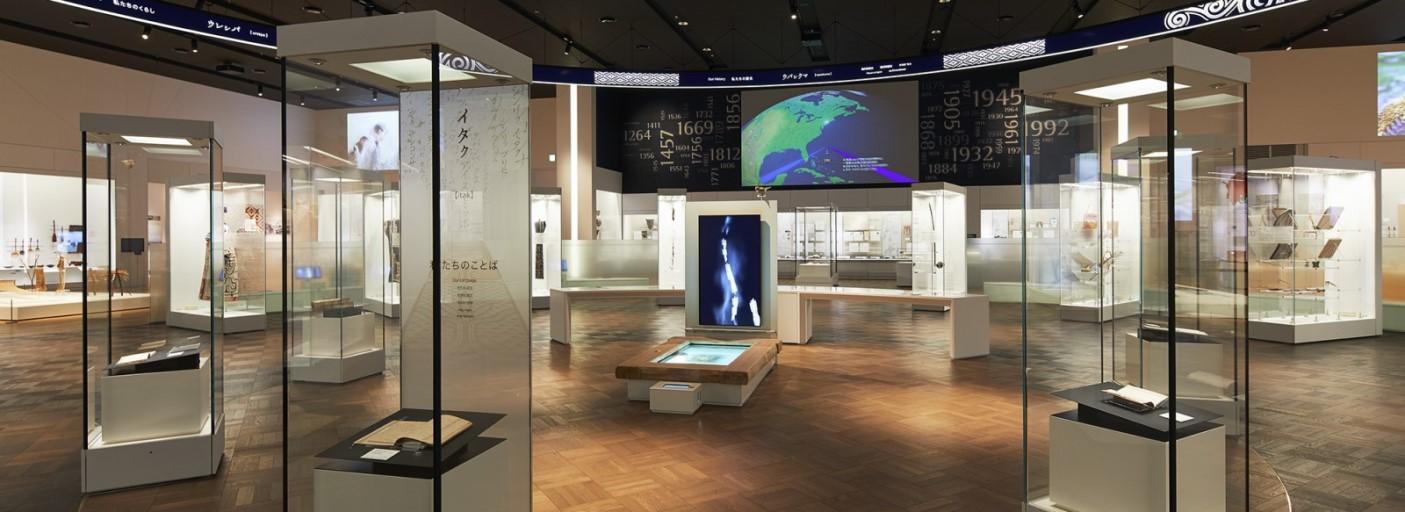
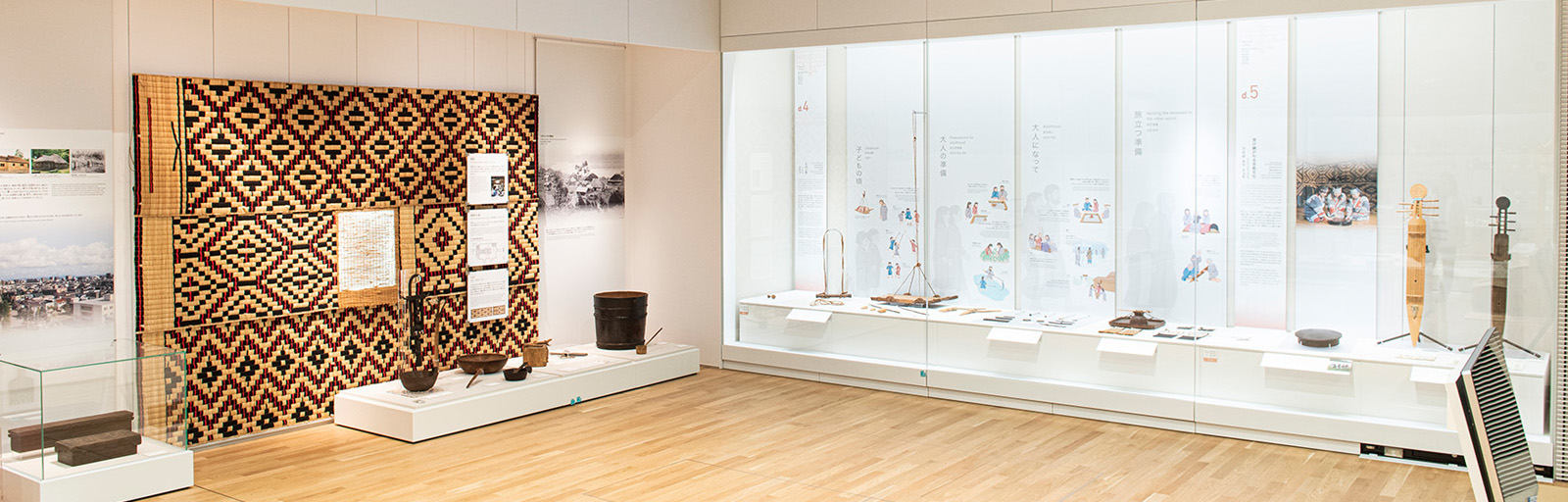
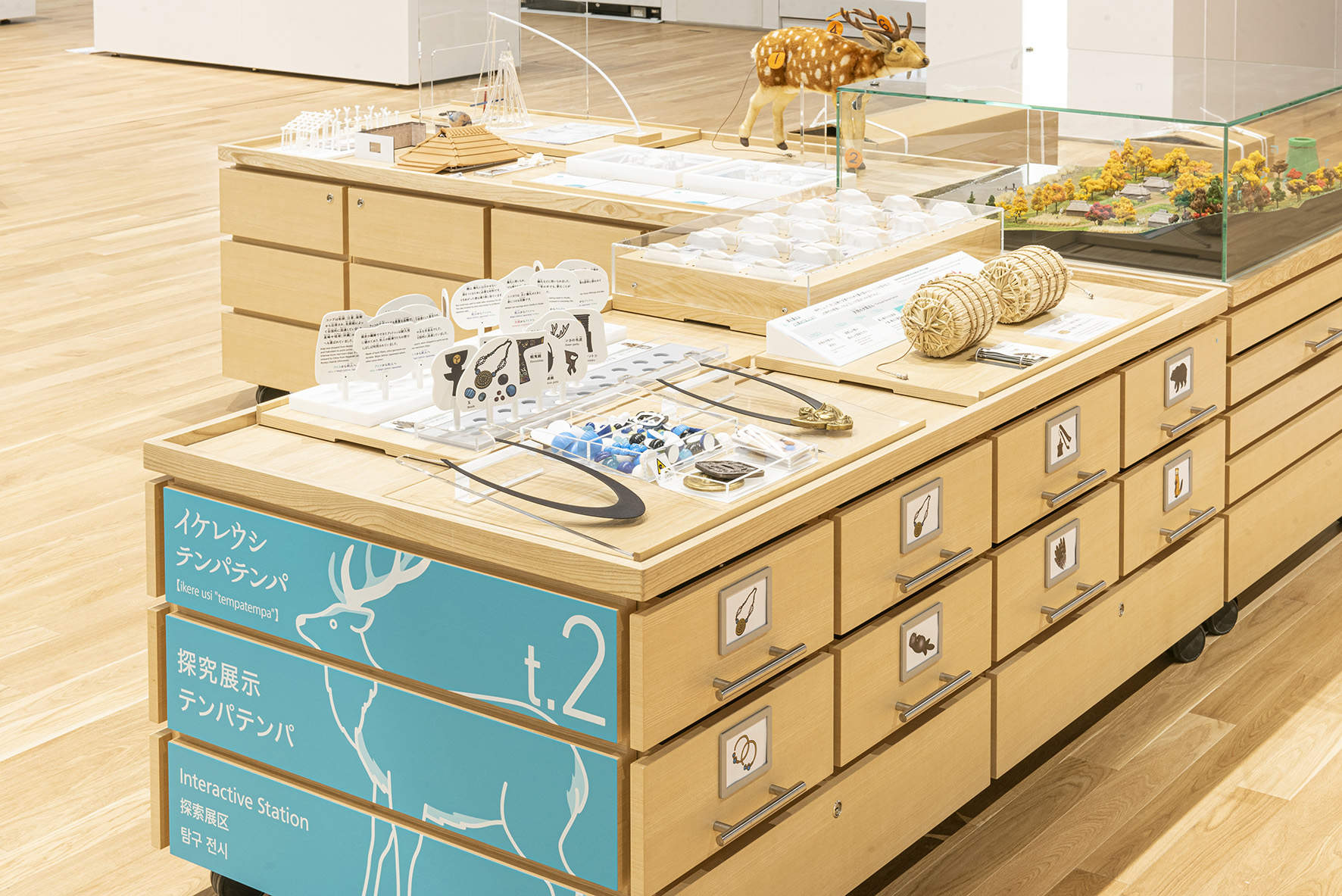
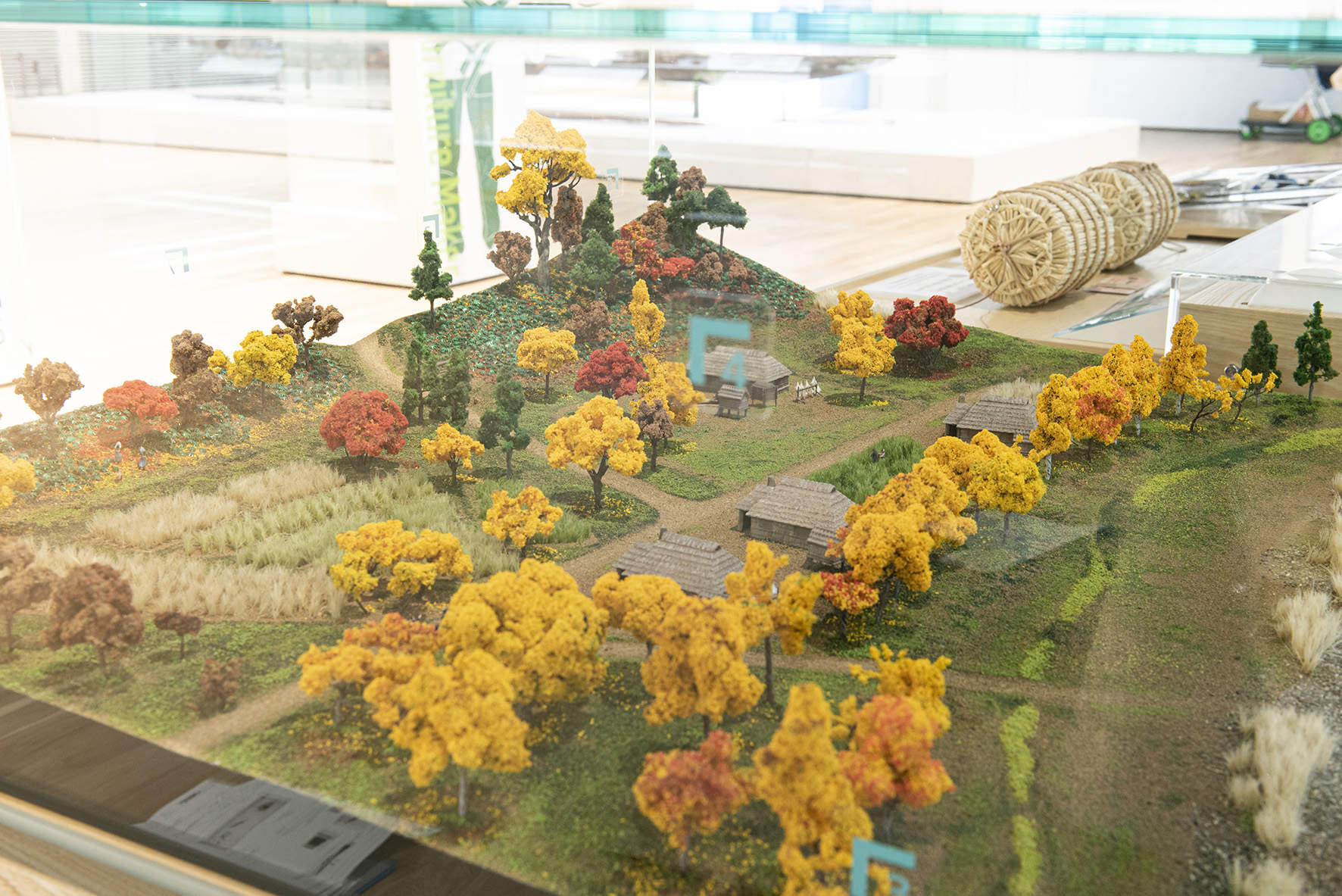
展厅采用开放式的“广场型”布局,不设固定参观动线。中央圆形展台集中展示阿伊努文化的艺术精华,观众可自由穿梭于六大主题展区之间,形成个性化的探索路径。特别设置的 “探究展示 Tempa Tempa”(阿伊努语意为“请触摸吧”)区域,将18组互动体验装置融入主展厅——无论是儿童拼搭鲑鱼模型,还是成人操作微缩景观,都能在触碰中感受文化的温度。
The exhibition hall adopts an open “square-type” layout without fixed visiting routes. The central circular exhibition stand focuses on showcasing the artistic essence of Ainu culture. Visitors can freely shuttle between the six themed exhibition areas, forming a personalized exploration path. The specially designed “Exploration Exhibition Tempa Tempa” (meaning “please touch” in Ainu language) area integrates 18 sets of interactive experience devices into the main exhibition hall – whether it’s children assembling salmon models or adults operating miniature landscapes, they can feel the warmth of culture through touch.
融合传统与当代的沉浸式体验
An immersive experience that blends tradition and modernity
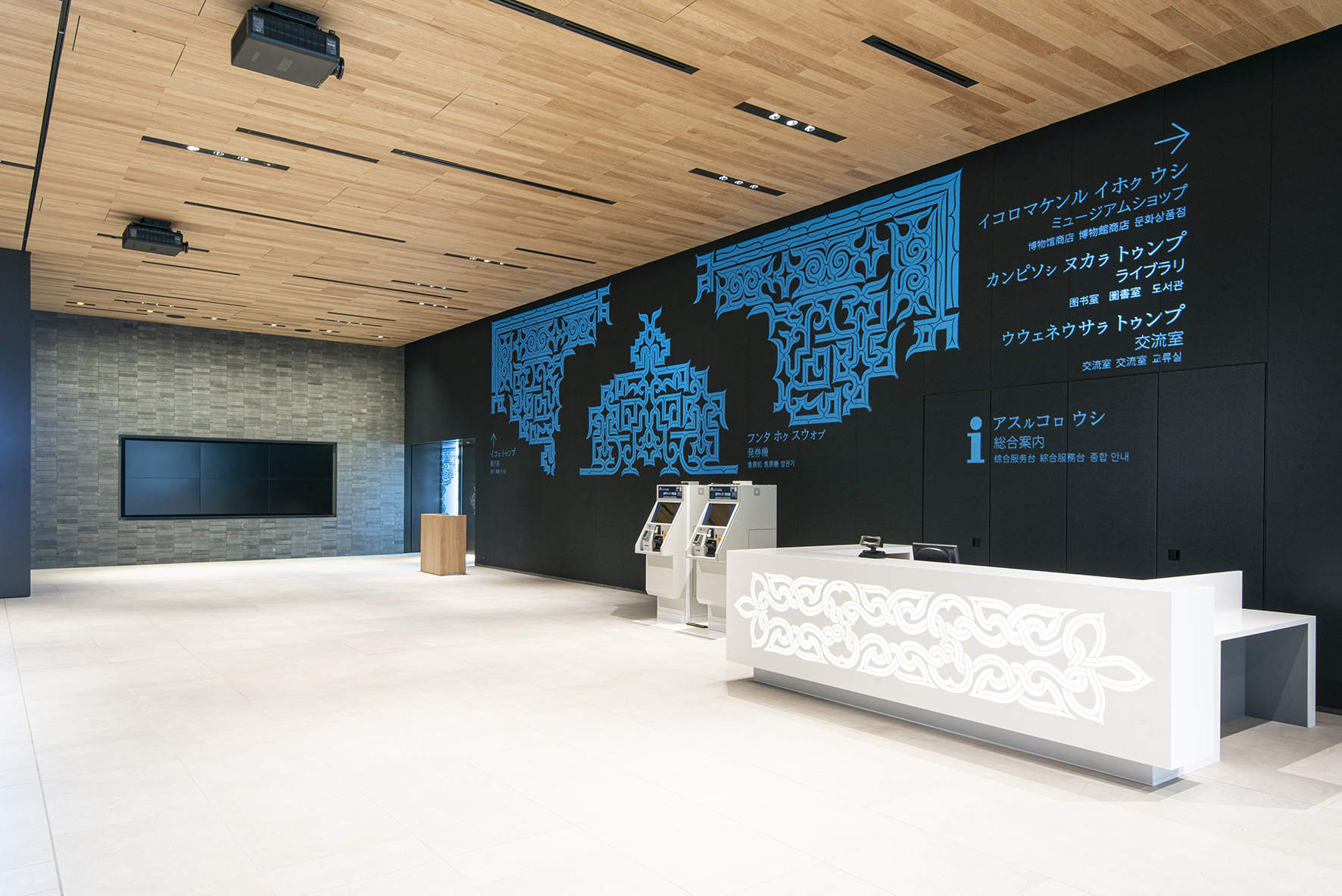
入口大厅(1F) / Entrance Lobby (1F)
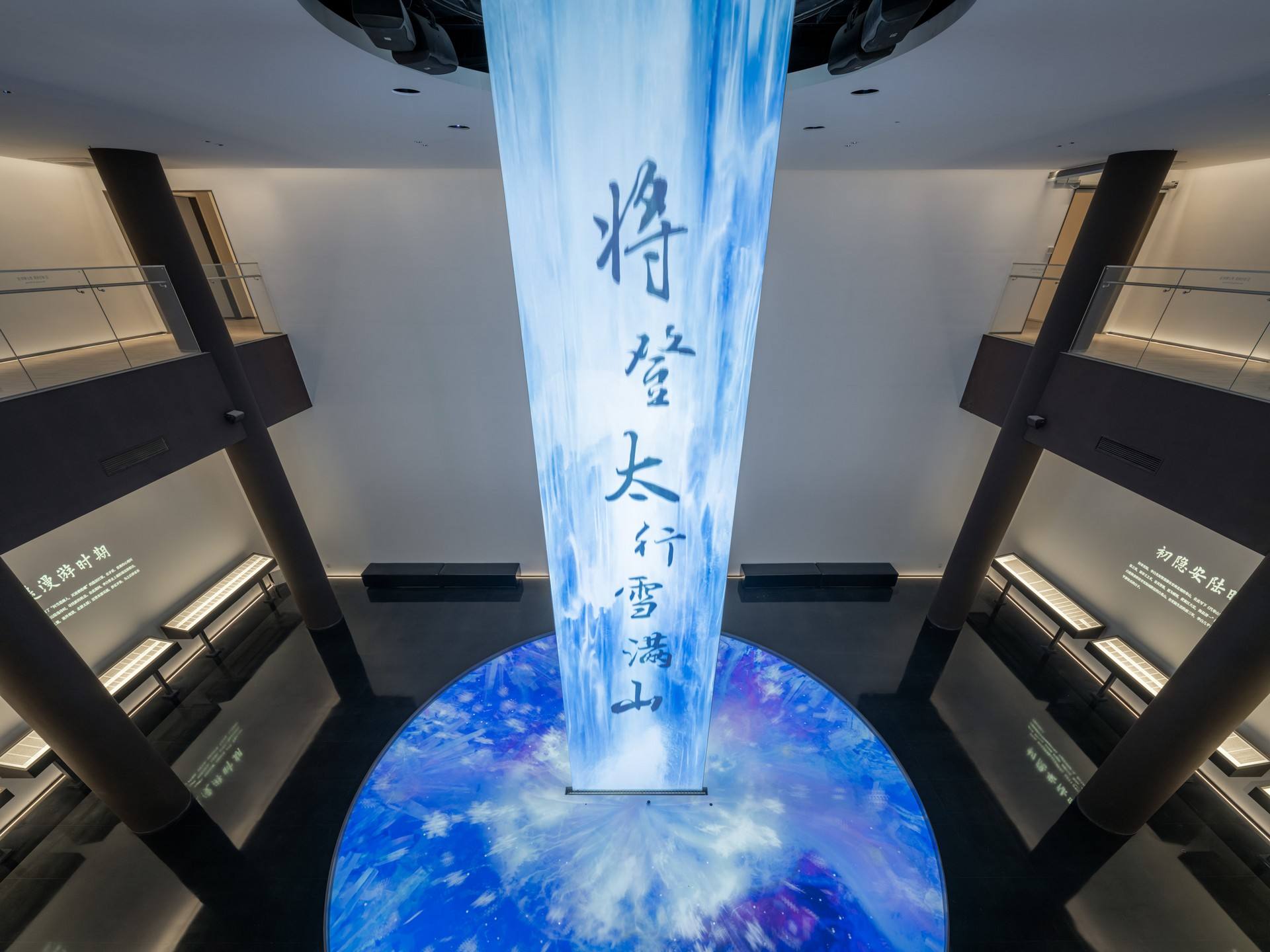
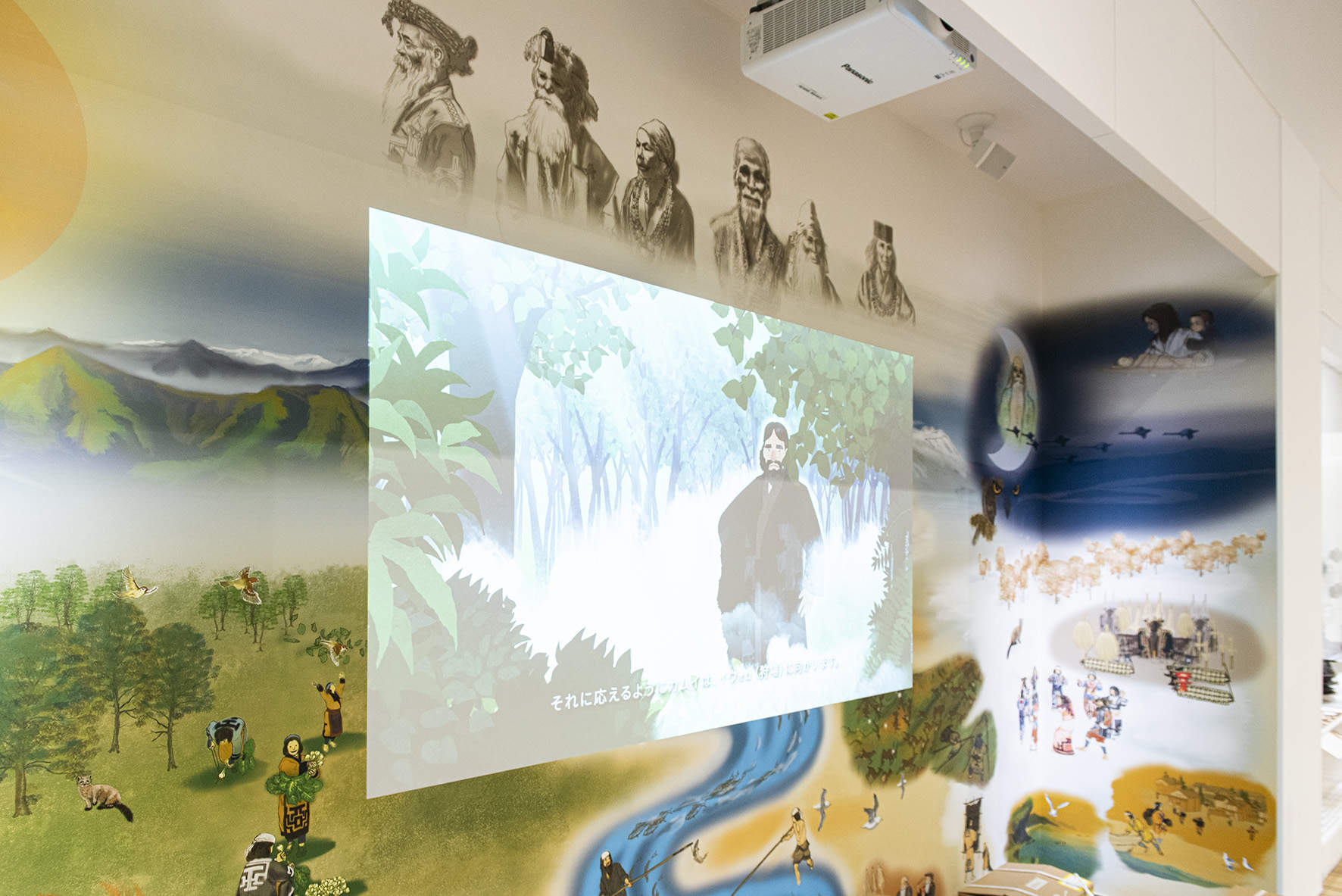
六屏联动影像《阿伊努文化的缘起之地》,以诗意画面邀请观众进入阿伊努世界观。
The six-screen interactive video “The Origin of Ainu Culture” invites viewers into the Ainu worldview through poetic imagery.
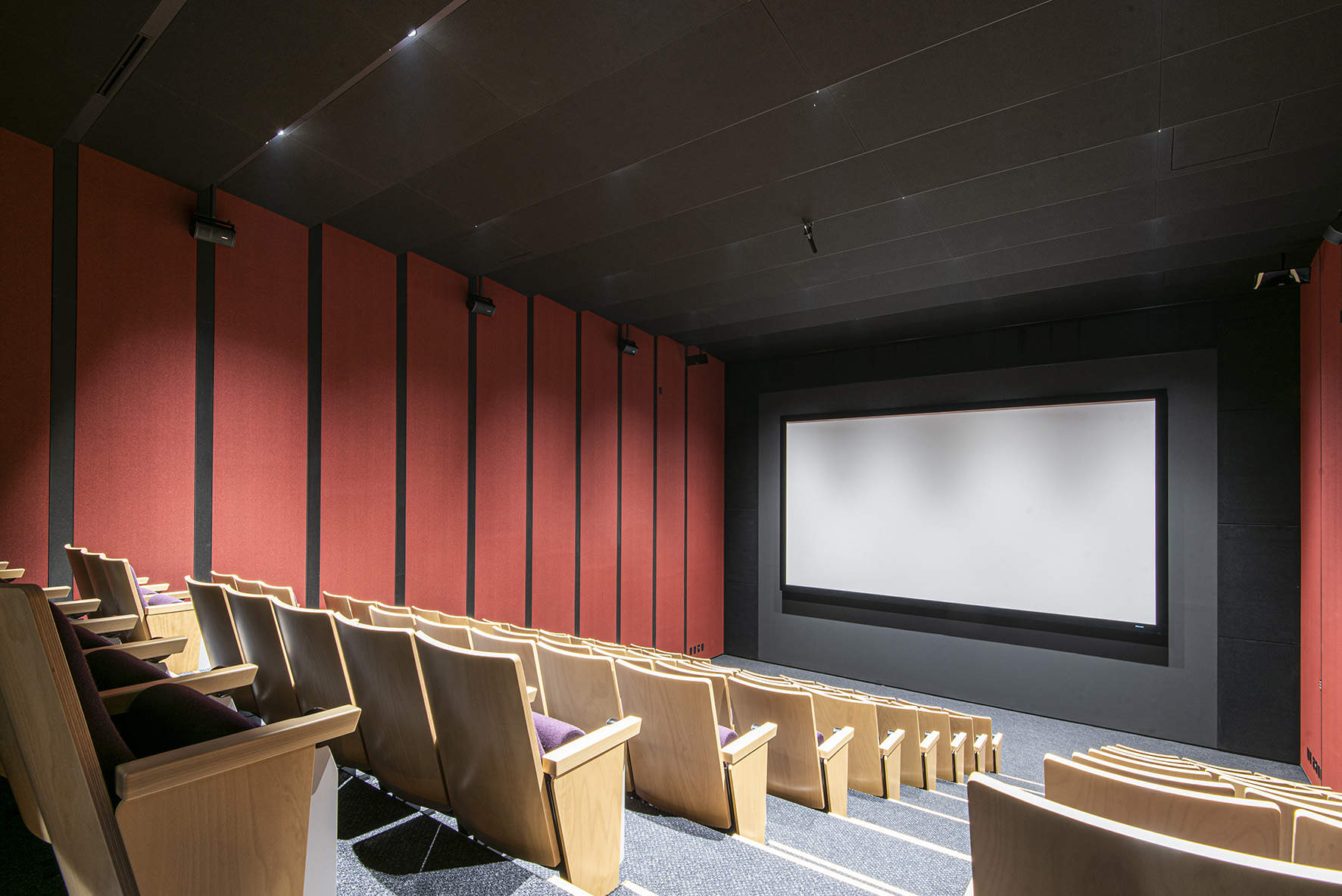
影视区(1F)/ Theater (1F)
免费放映三部影片,涵盖3万年民族史、全球馆藏工艺珍品,以及当代阿伊努人的日常生活。
Three films will be shown for free, covering 30,000 years of ethnic history, global museum collections of craft treasures, and the daily life of the contemporary Ainu people.
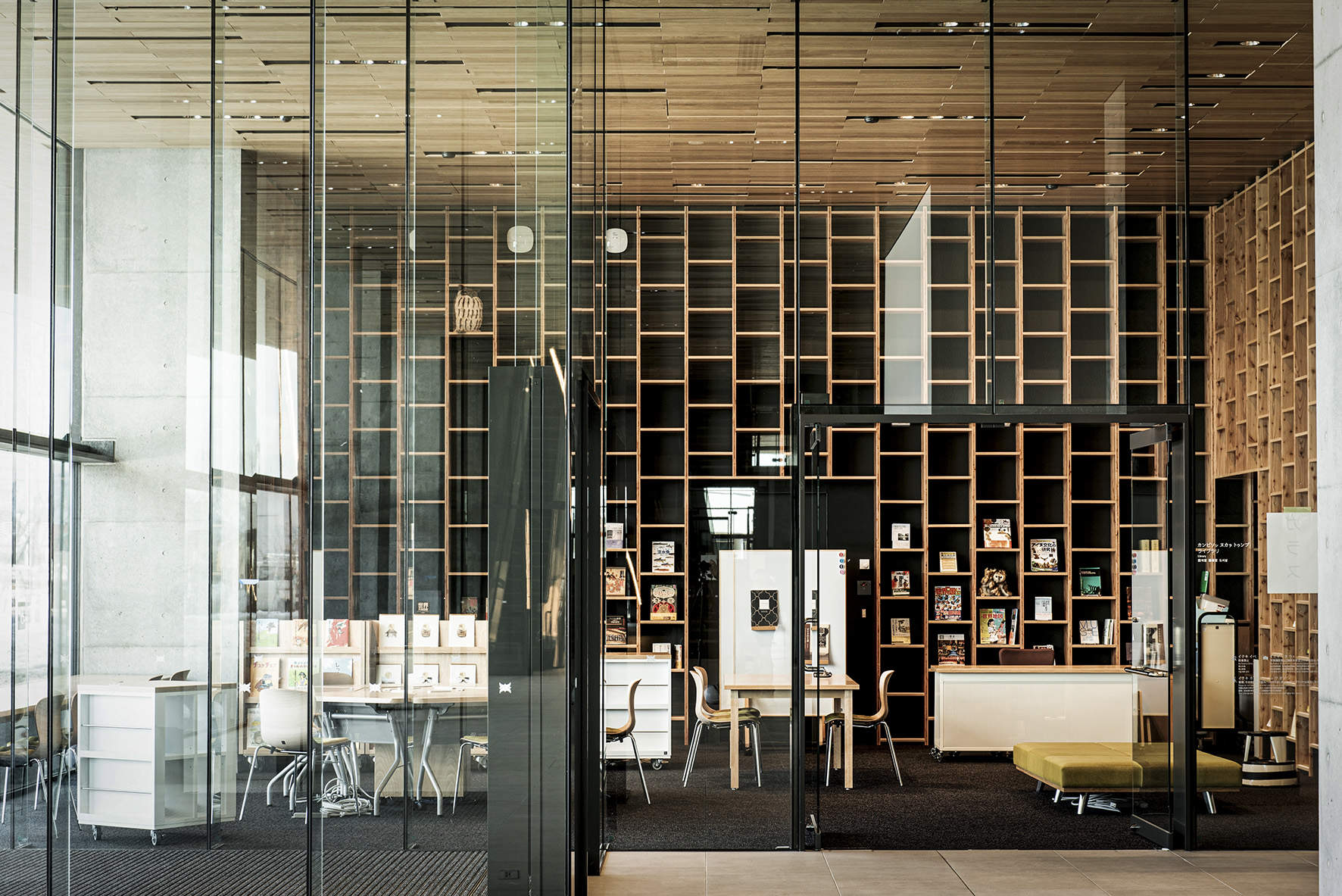
图书室(1F)/ Library (1F)
开放式专业阅览空间,收藏全球原住民研究文献、绘本与学术著作。
An open professional reading space, housing global indigenous research literature, picture books, and academic works.
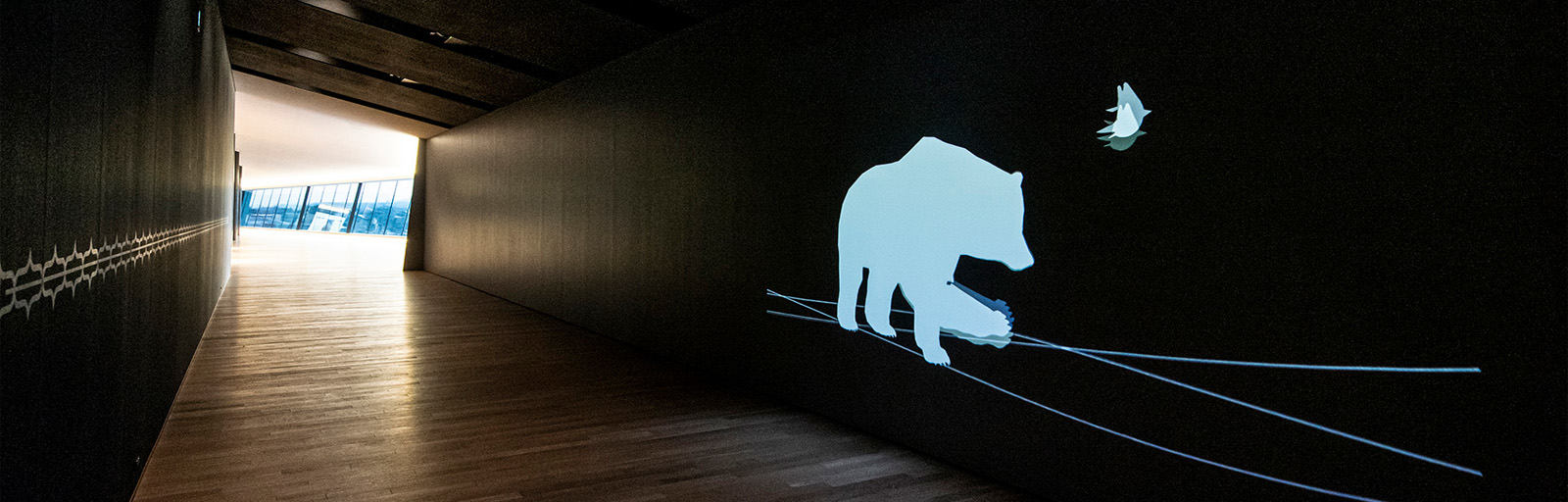
引言展示(2F)/ Introduction(2F)
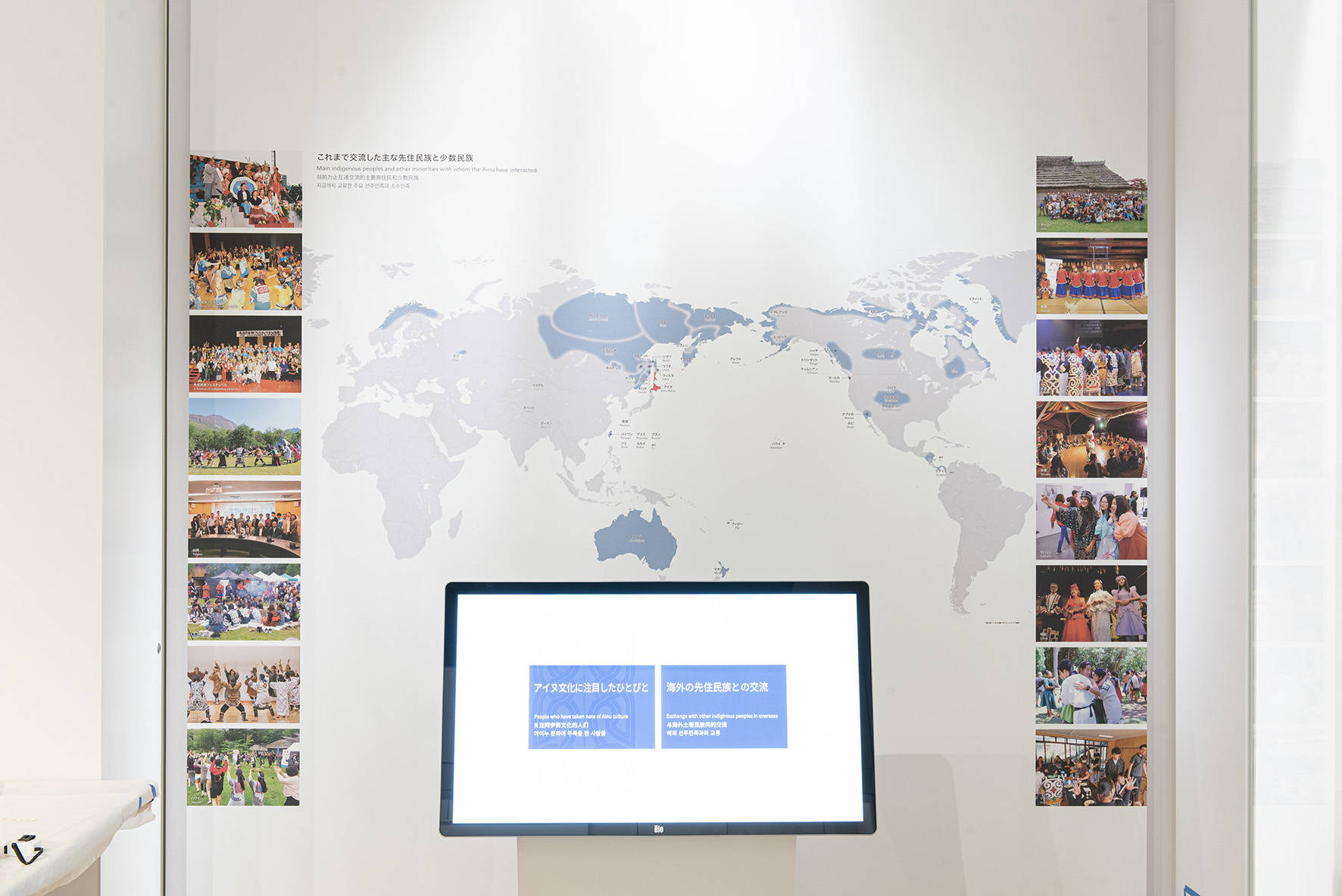
穿过可以眺望帕洛托湖美景的观景厅,就看到了引言展示的影像,在这里,世来自世界各地不同民族的人与您相会,与您相会,阿伊努民族作为世界民族大家庭的一员,诚挚邀请您走进展厅。
As you pass through the observation hall where you can gaze upon the beautiful scenery of Lake Paloto, you will see the images displayed on the passageway. Here, people from different ethnic groups around the world meet you. As a member of the world’s ethnic family, the Ainu people sincerely invite you to enter the exhibition hall.
中央展区(2F) / Central Exhibition Area (2F)
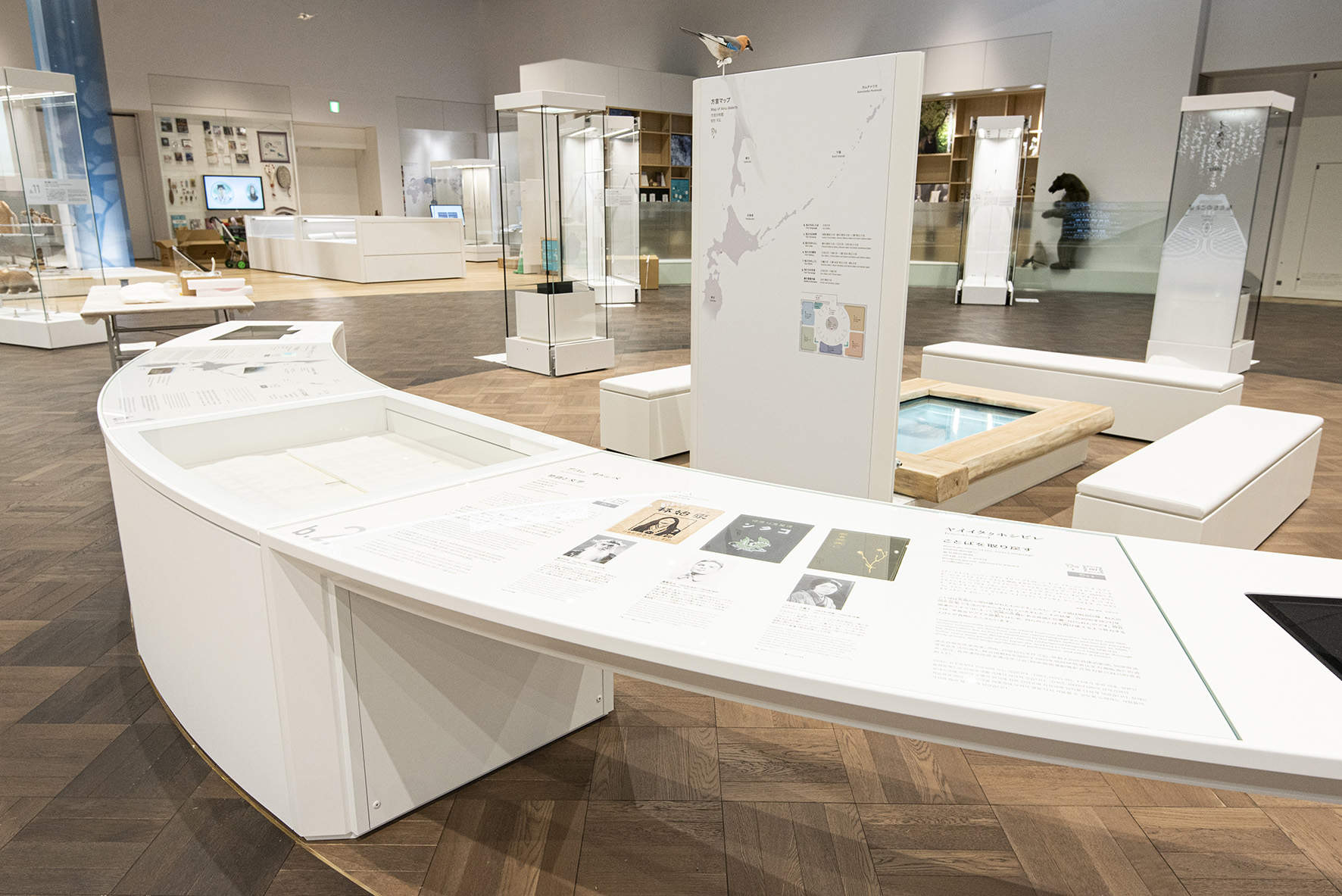
以围炉里(地炉)为原型打造口承文学聆听角,结合互动游戏学习阿伊努语发音与语法。
Create a oral literature listening corner based on the prototype of the underground furnace, combined with interactive games to learn Ainu language pronunciation and grammar.
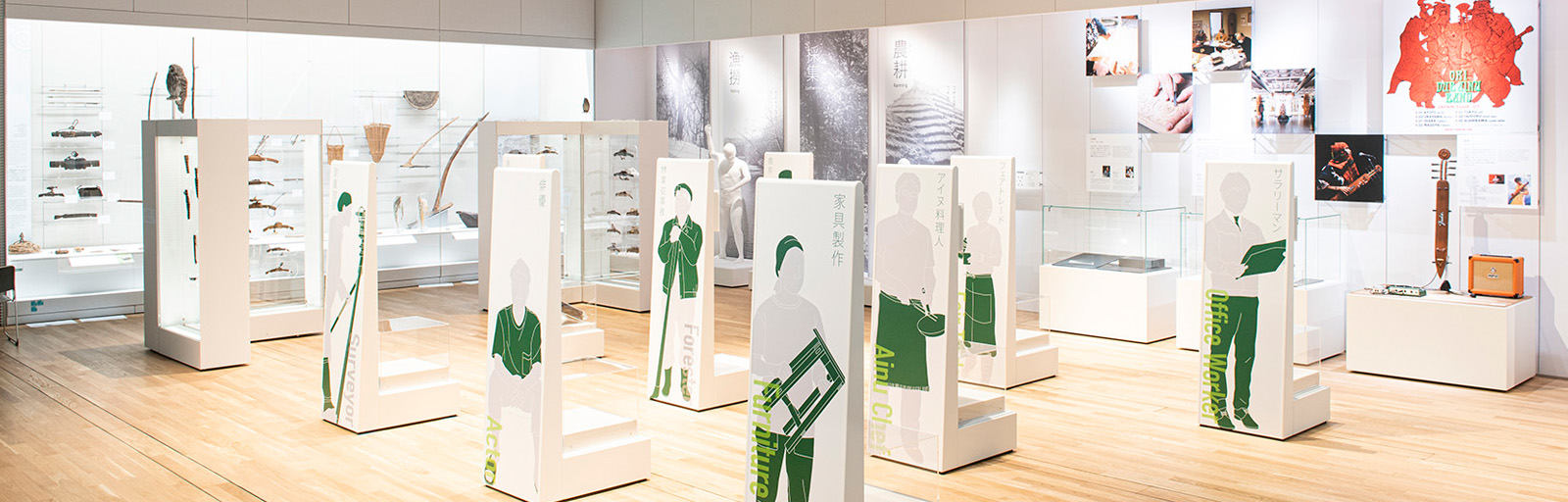
博物馆的展示采用了开放式布局,让观众可以从展厅中心自由出发,自主选择观展路线,感受展览的魅力。位于常设展展厅中央展区集中展示了阿伊努文化的精华。在这里,这里展示了具有较高水平的艺术作品,可以快速领略阿伊努文化的概貌与其出色的艺术性。对于想要深入了解阿伊努文化的人来说,可以继续探索周围的分主题展览,体会体会阿伊努文化的丰富内涵。
The museum employs an open layout for its exhibits, allowing visitors to freely explore from the center of the exhibition hall and choose their own viewing routes to experience the charm of the displays. At the heart of the permanent exhibition hall, the central area showcases the essence of Ainu culture. Here, high-level artworks are displayed, offering a quick glimpse into the overview and outstanding artistic qualities of Ainu culture. For those seeking a deeper understanding of Ainu culture, further exploration of the surrounding thematic sub-exhibitions is recommended to appreciate the rich connotations of Ainu culture.
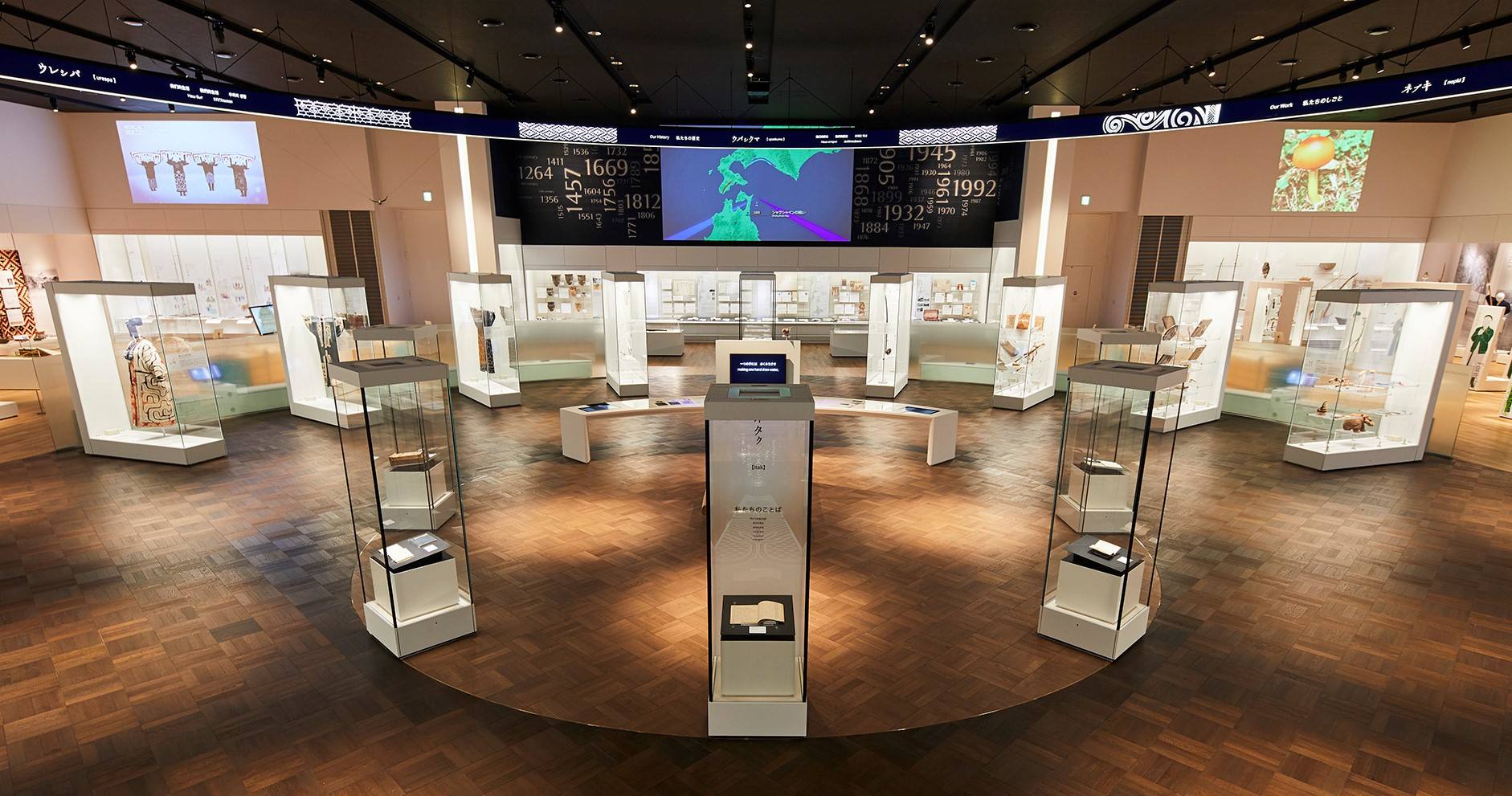
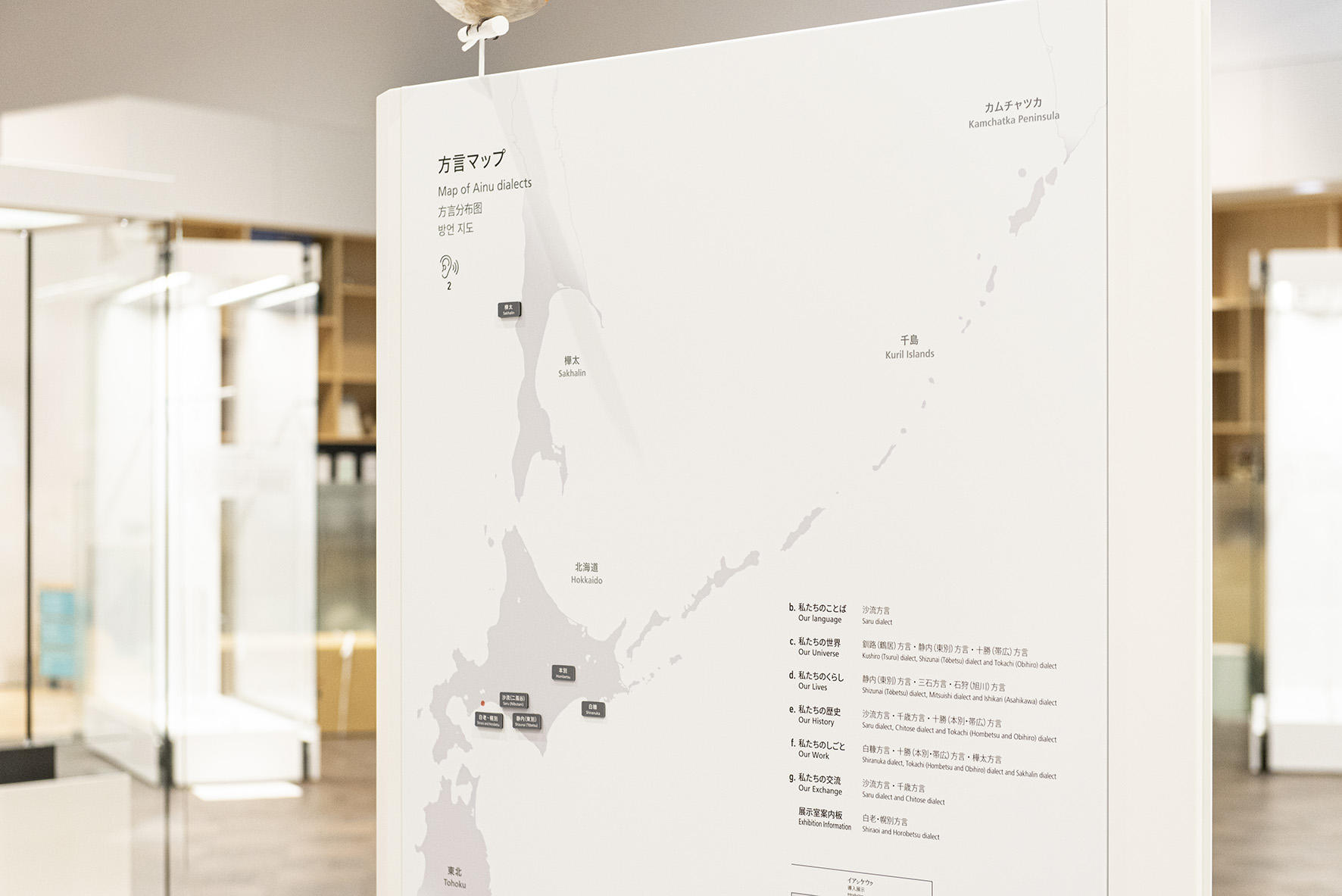
1.我们的语言:在这里介绍阿伊努语、阿伊努的故事文学、阿伊努地名以及传承振兴阿伊努文化的各种举措。不仅可以观看展览资料,还可以近距离接触阿伊努语。在阿伊努语互动空间中,可以坐在火塘边聆听阿伊努语的口承文学;通过小游戏轻松愉快地学习阿伊努语的语法和发音;观看视频来了解阿伊努地名和方言。
1.Our Language: This section introduces the Ainu language, Ainu storytelling, Ainu place names, and various initiatives aimed at preserving and revitalizing Ainu culture. Visitors can not only view exhibition materials but also have an up-close encounter with the Ainu language. In the Ainu Language Interactive Space, visitors can sit by the fireplace and listen to Ainu oral literature; learn Ainu grammar and pronunciation through fun and engaging games; and watch videos to understand Ainu place names and dialects.
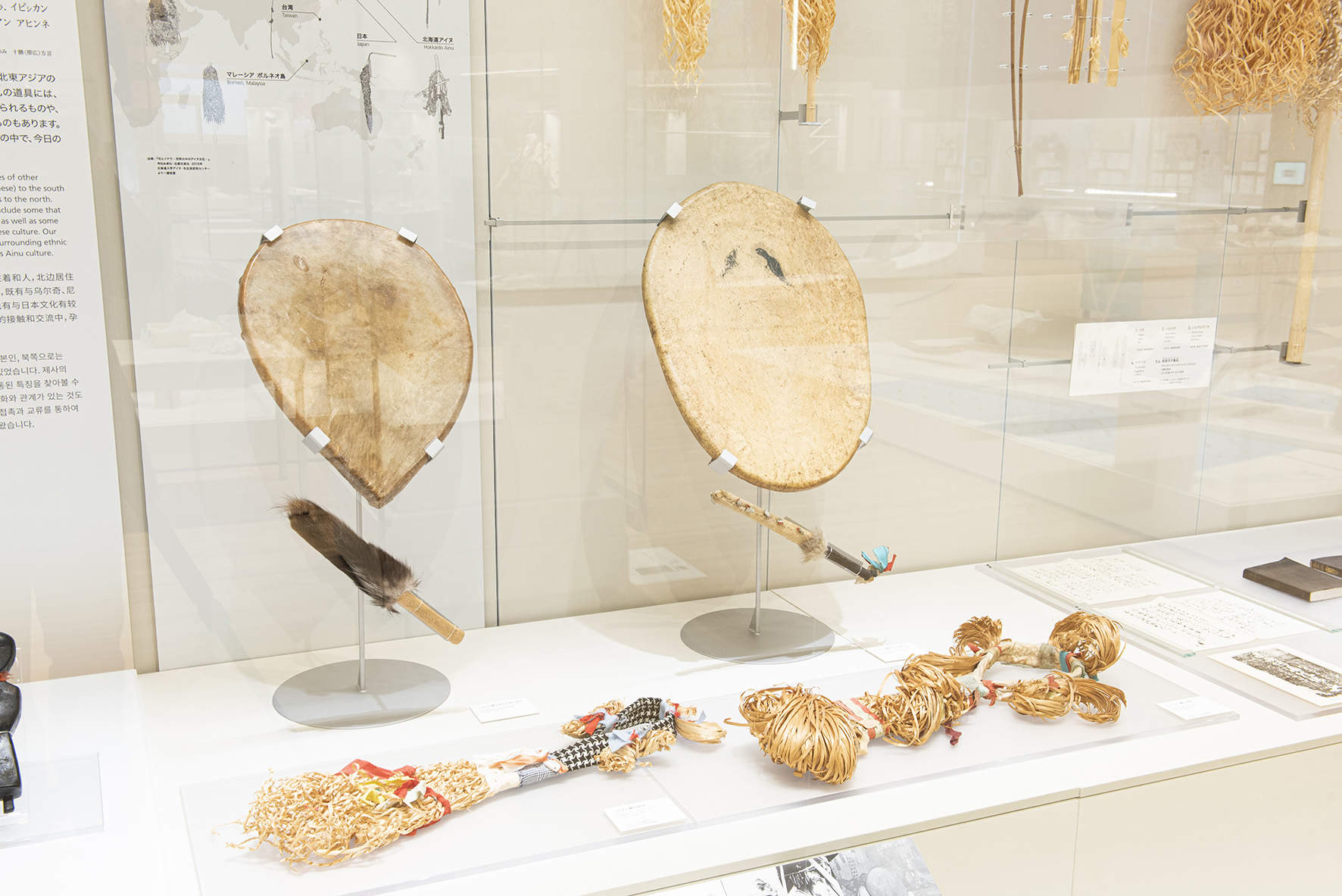
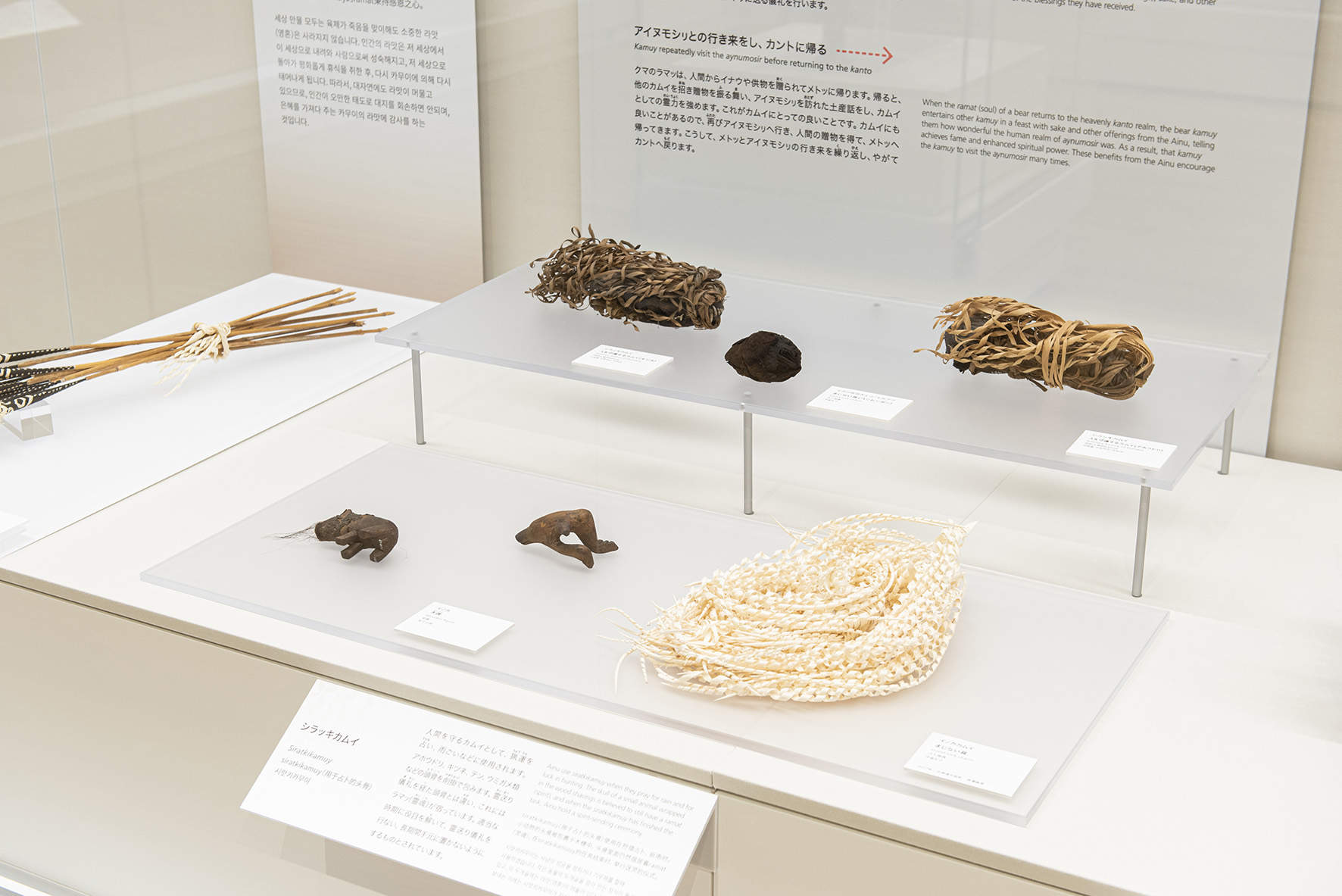
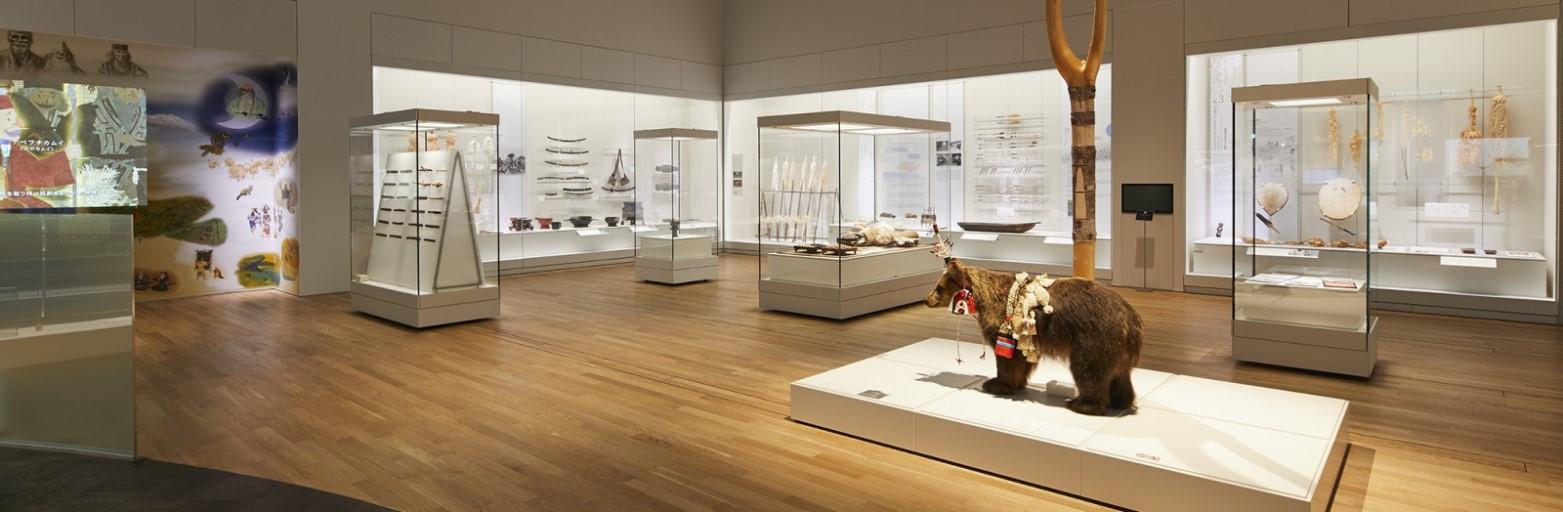
2.我们的世界:介绍在阿伊努文化中具有重要意义的精神文化元素。通过图文并茂的方式,介绍阿伊努民族的精神世界里,万物皆有灵性 “ramat”(灵魂)的世界观。库页的熊祭仪式中用来拴熊的木桩,高度超过6米,非常具有标志性。还介绍了各种祭礼上使用的工具及使用方法。
2.Our Universe: Spirituality is a central aspect of Ainu culture. The exhibition includes graphics illustrating the Ainu belief that ramat (spirits) exist all around us. Various artefacts relating to a rage of Ainu rituals are also on display, such as a 6m-long wooden pole used to hold bears during the iyomante ritual from Sakhalin.
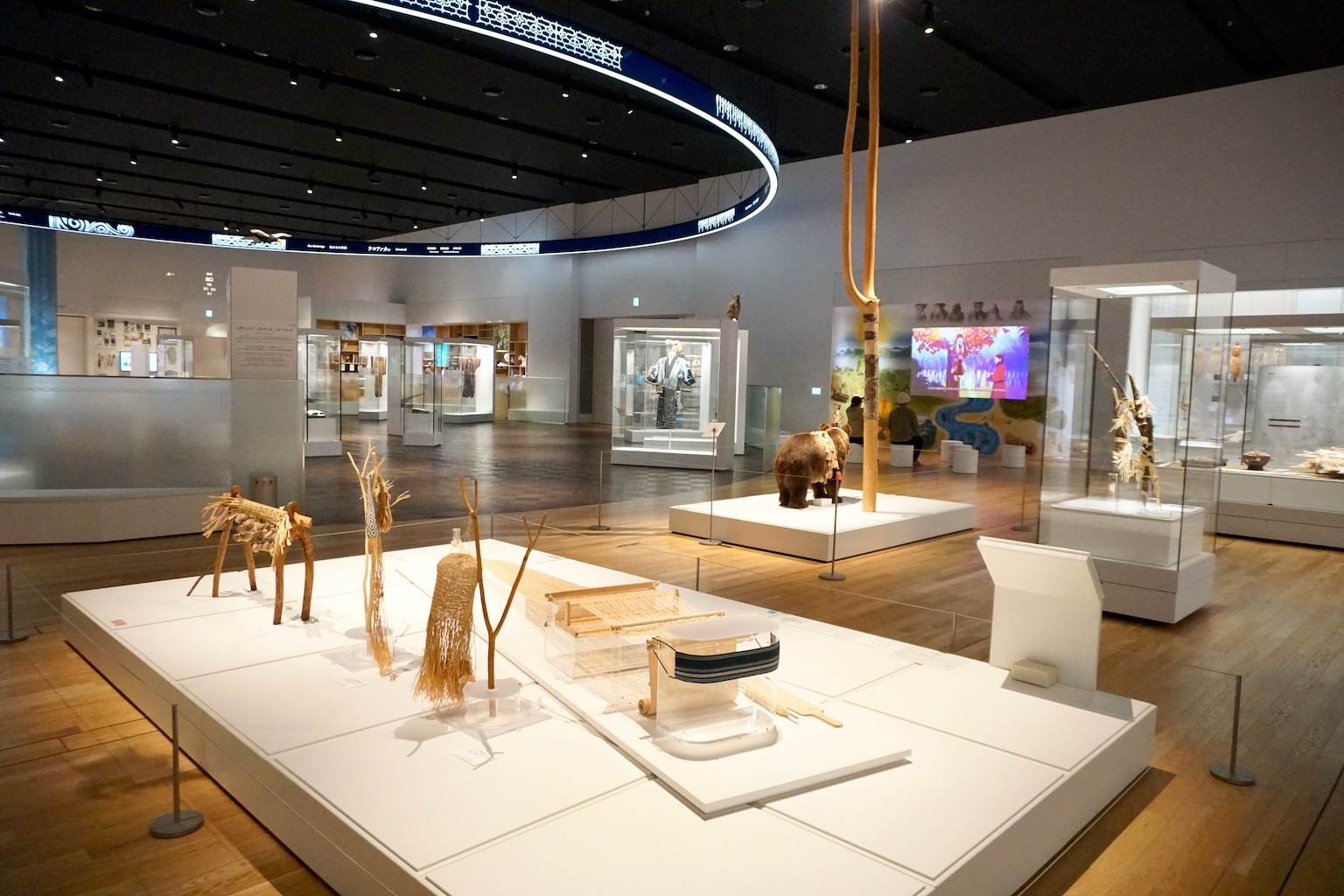
3.我们的生活:介绍阿伊努人的衣食住行,音乐舞蹈以及儿童游戏等等。用实物展品与影像共同为您展示阿伊努人的生活文化。在服装方面,展示了树皮衣,以及用裂叶榆的树皮捻线纺织的过程和实际使用的织机,同时介绍了阿伊努文化传承者们开展的活动。
3.Our Life: Introducing the Ainu people’s daily life, including their clothing, food, housing, transportation, music, dance, children’s games, and more. Through physical exhibits and videos, we will showcase the Ainu people’s living culture. In terms of clothing, we display bark clothing, as well as the process of twisting threads from the bark of the elm tree and the actual loom used for weaving. We also introduce the activities carried out by the inheritors of Ainu culture.
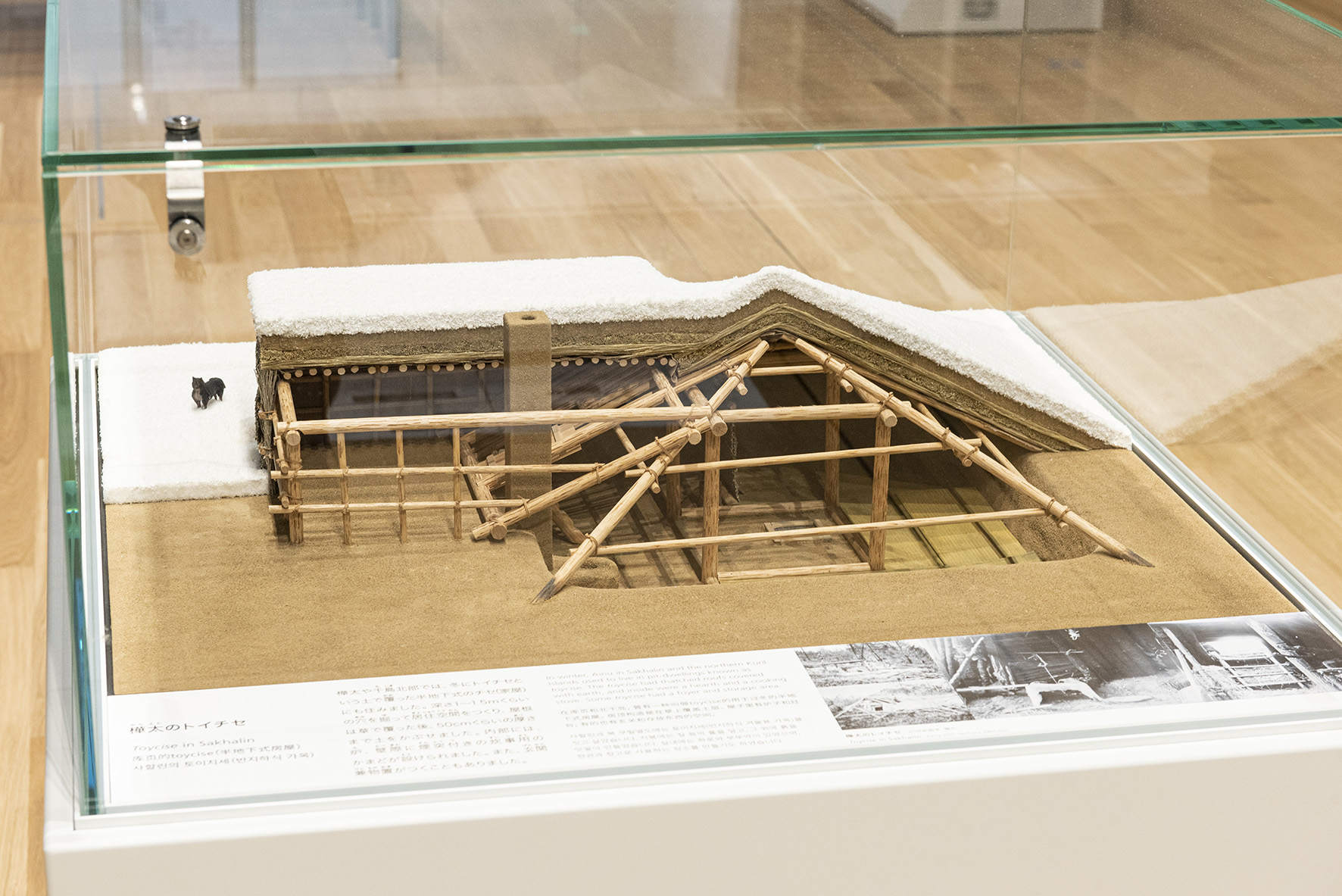
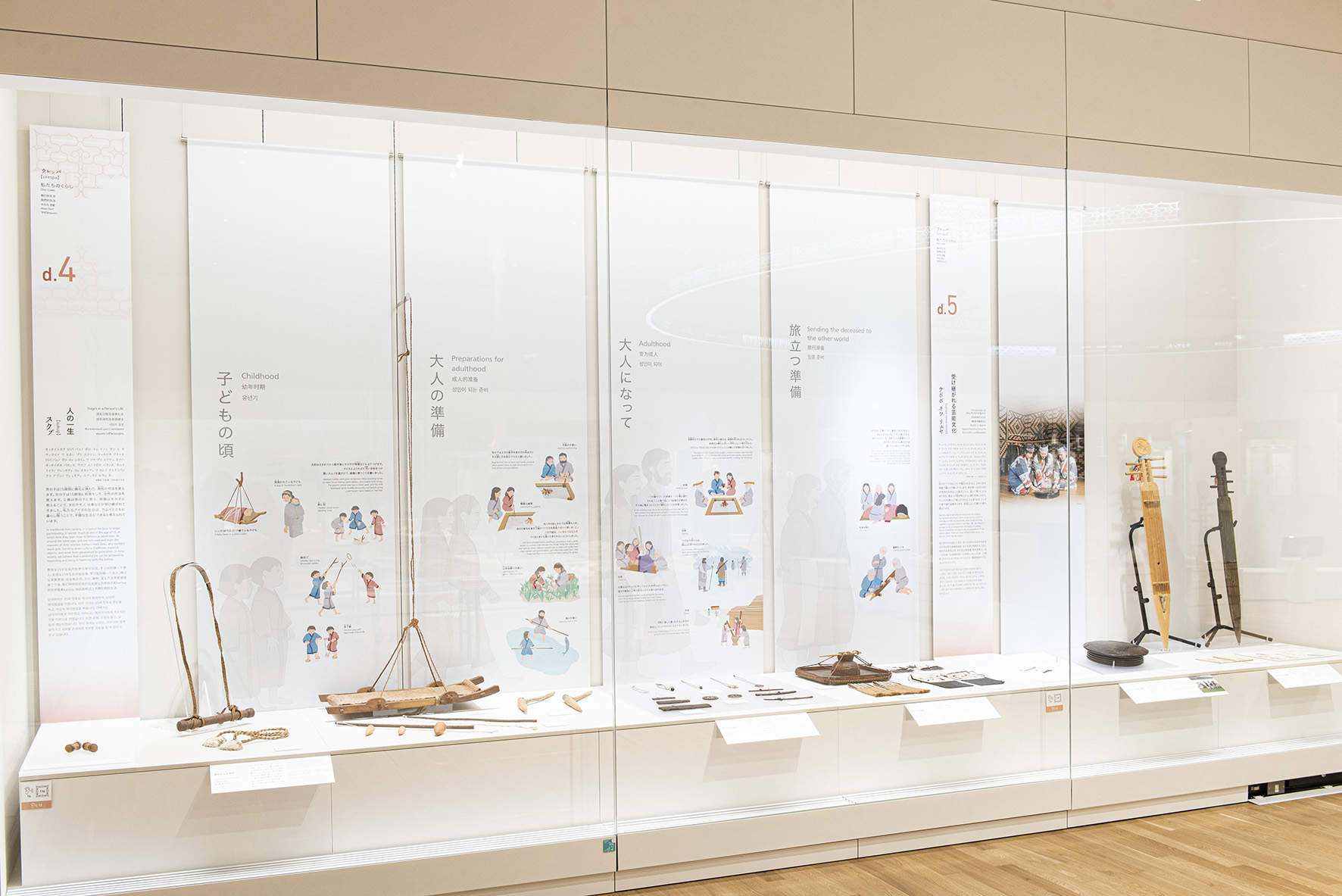
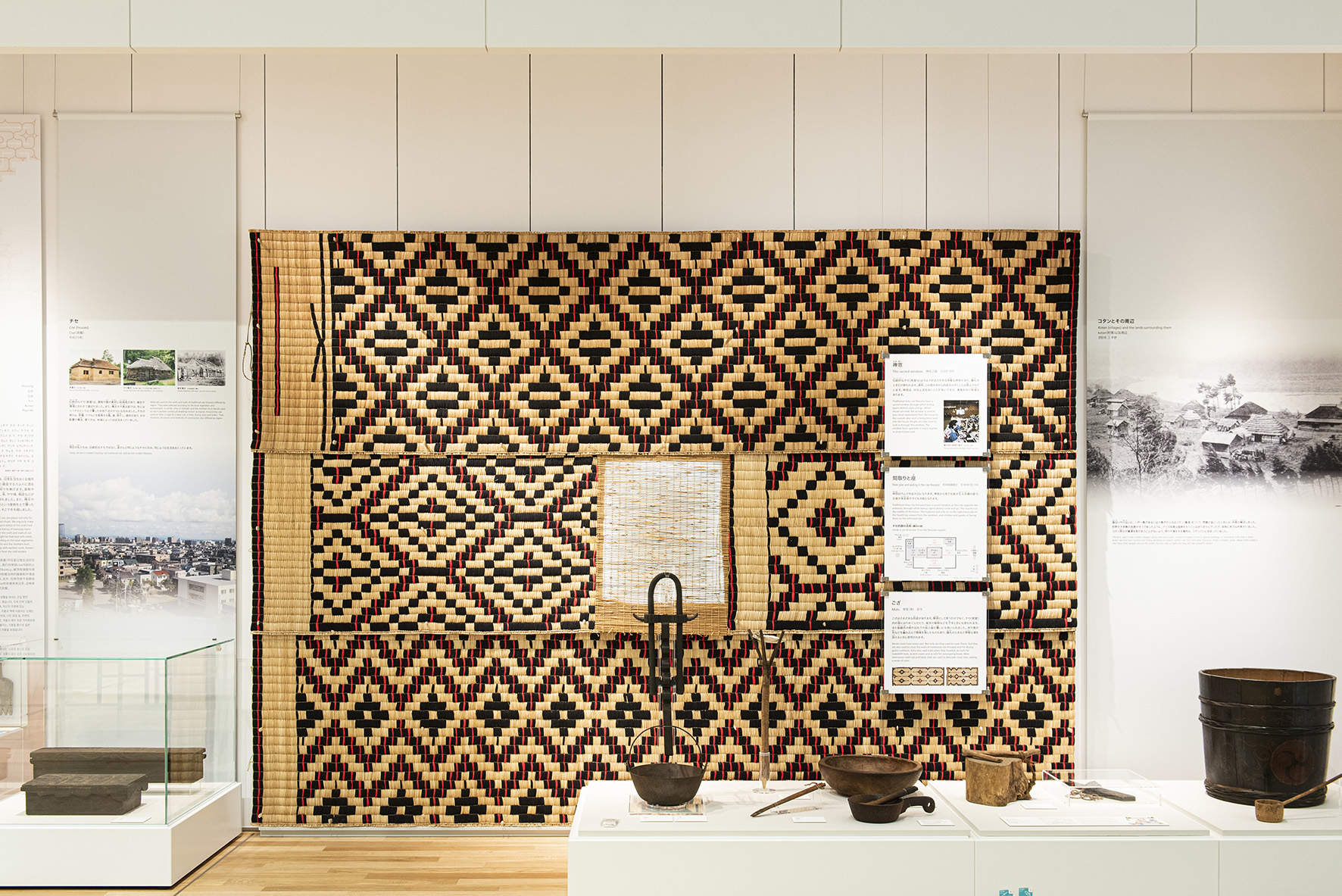
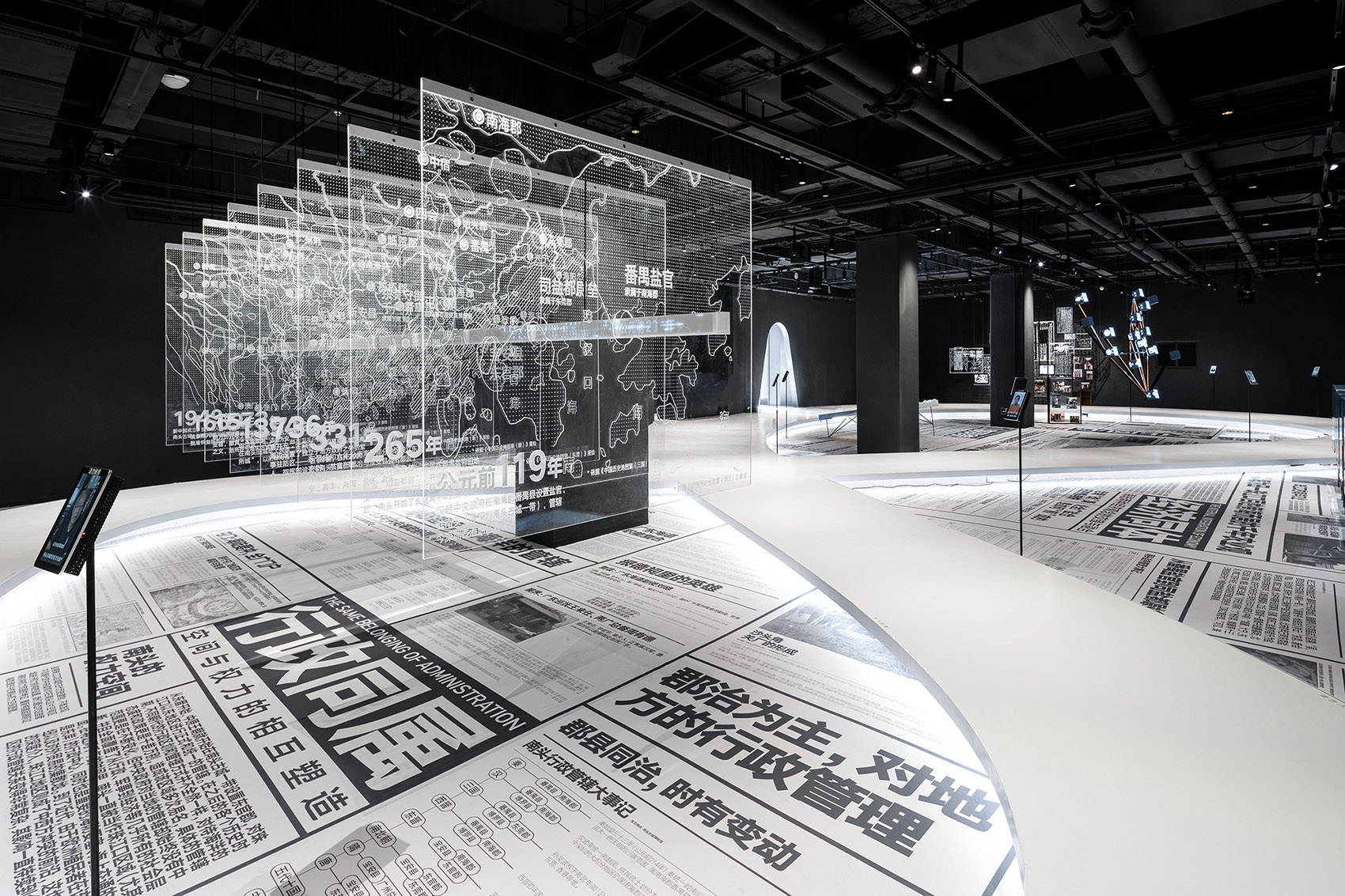
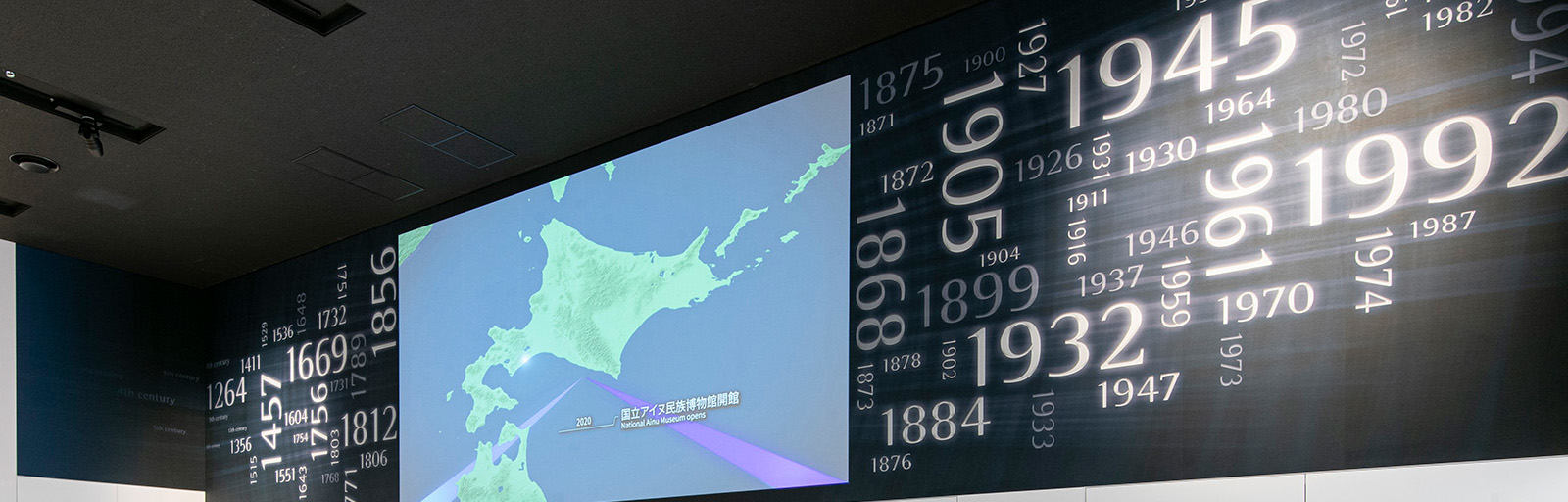
4.我们的历史:展示阿伊努民族传承至今的古老历史以及周围民族留下的阿伊努民族足迹。踏入展区,首先映入眼帘的是上方墙面上恢弘的电子年表。显示了大事记与发生的年代,地图变迁与历史脉络相连,带您回溯阿伊努民族的大事件。
4.Our History: Showcasing the ancient history of the Ainu people that has been passed down through generations, as well as the footprints left by surrounding peoples on the Ainu people. Upon entering the exhibition area, the first thing that catches your eye is the grand electronic chronology displayed on the wall above. It shows major events and their occurrence dates, with map changes connected to historical context, taking you back to the major events of the Ainu people.
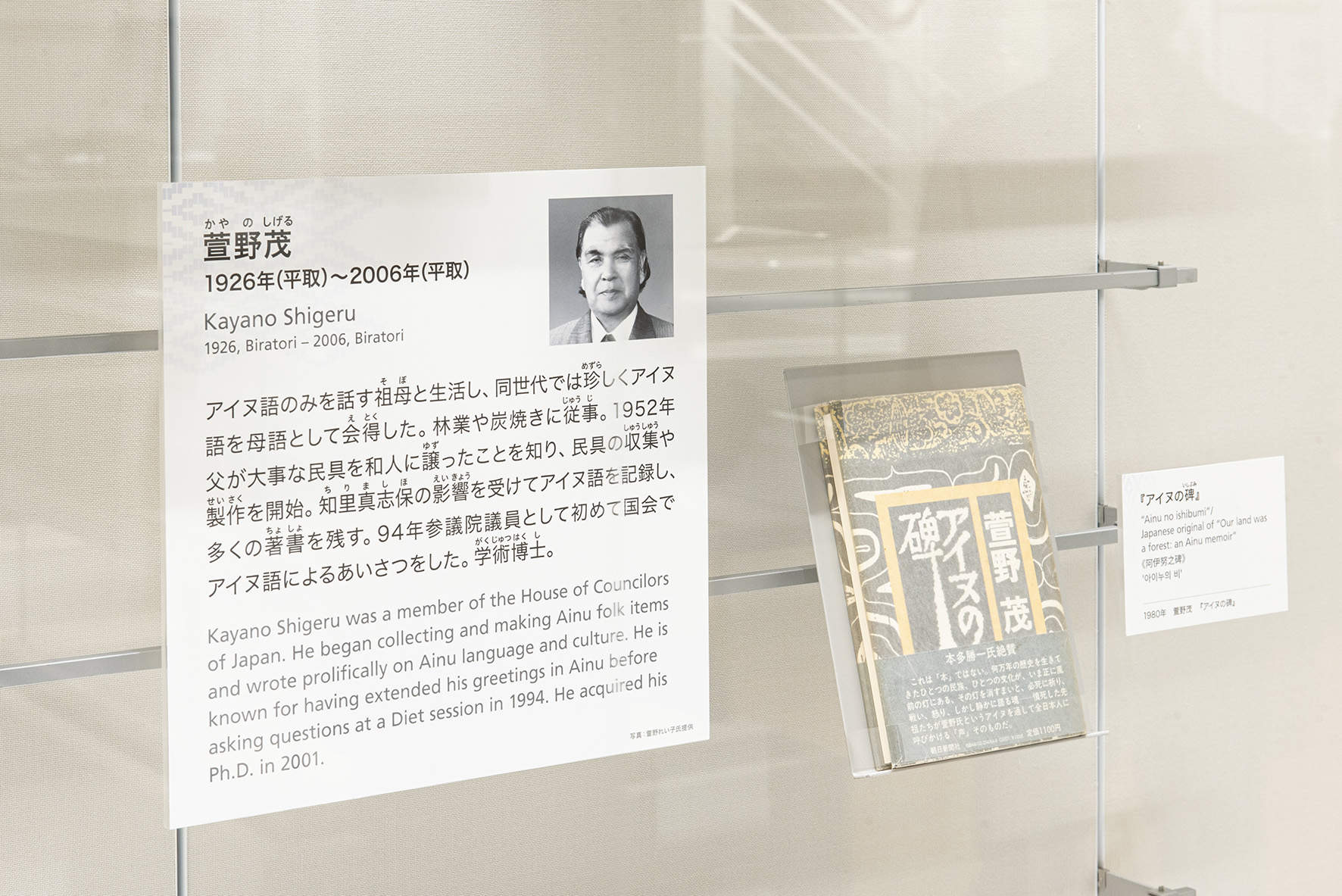
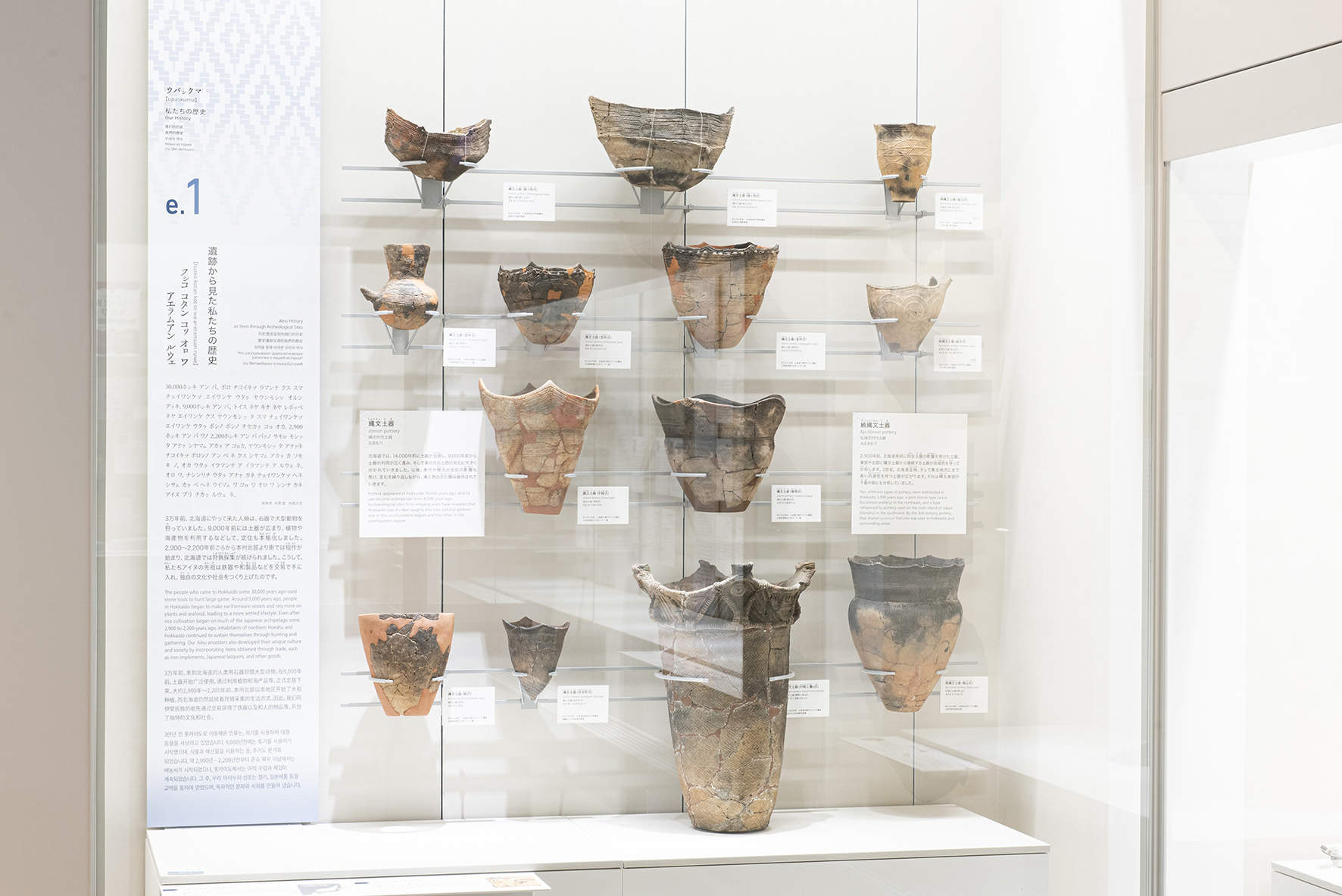
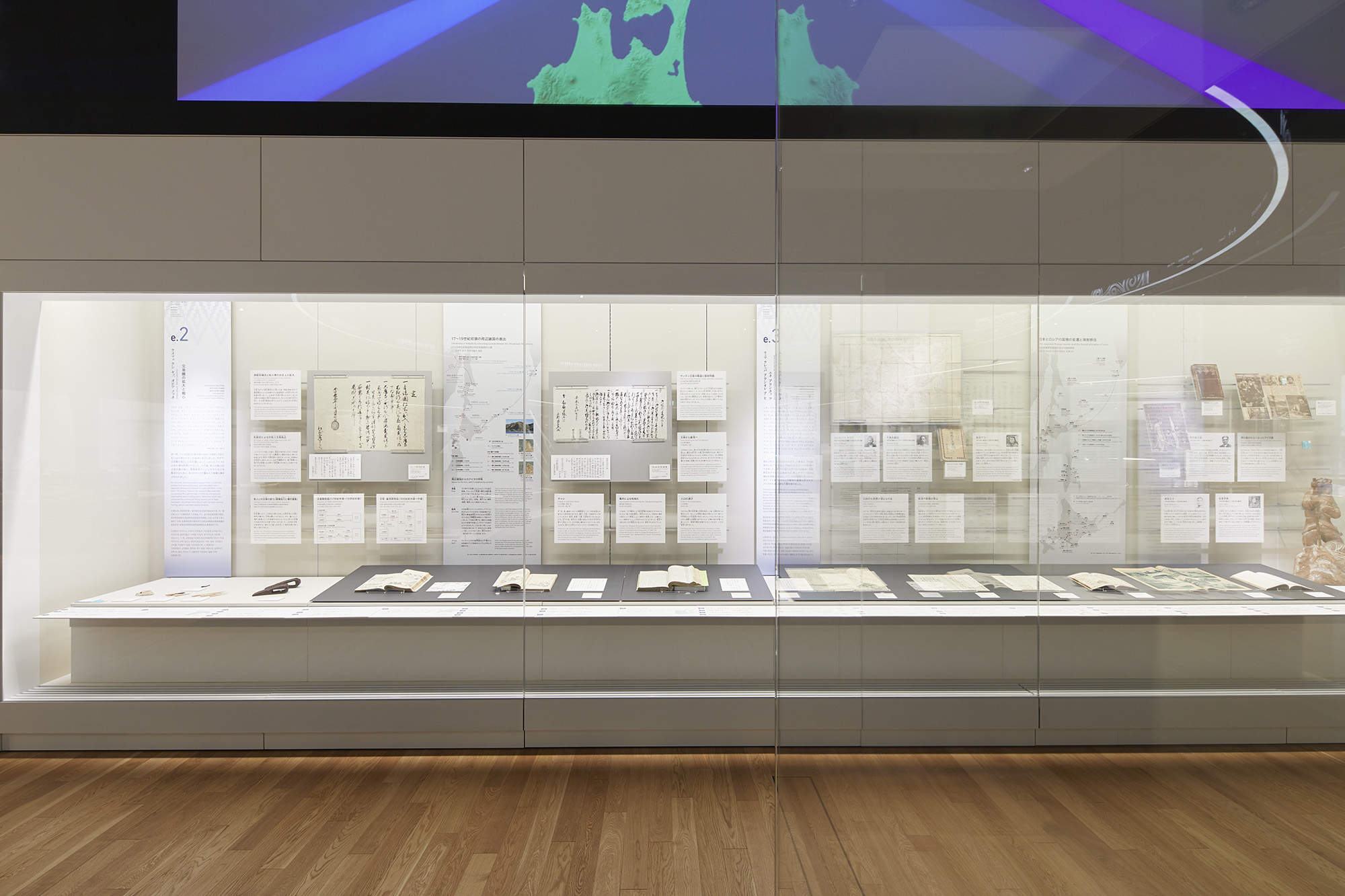
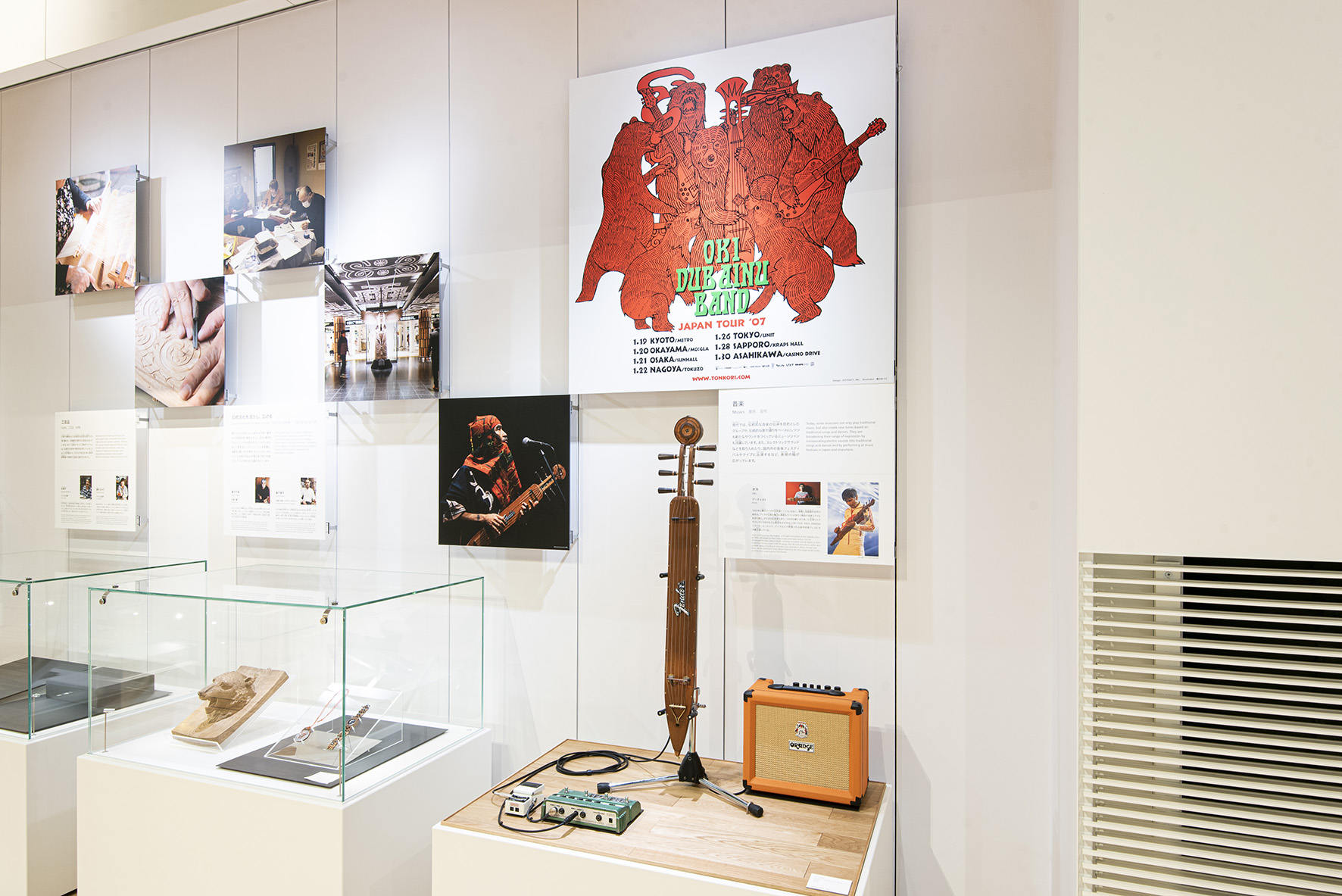
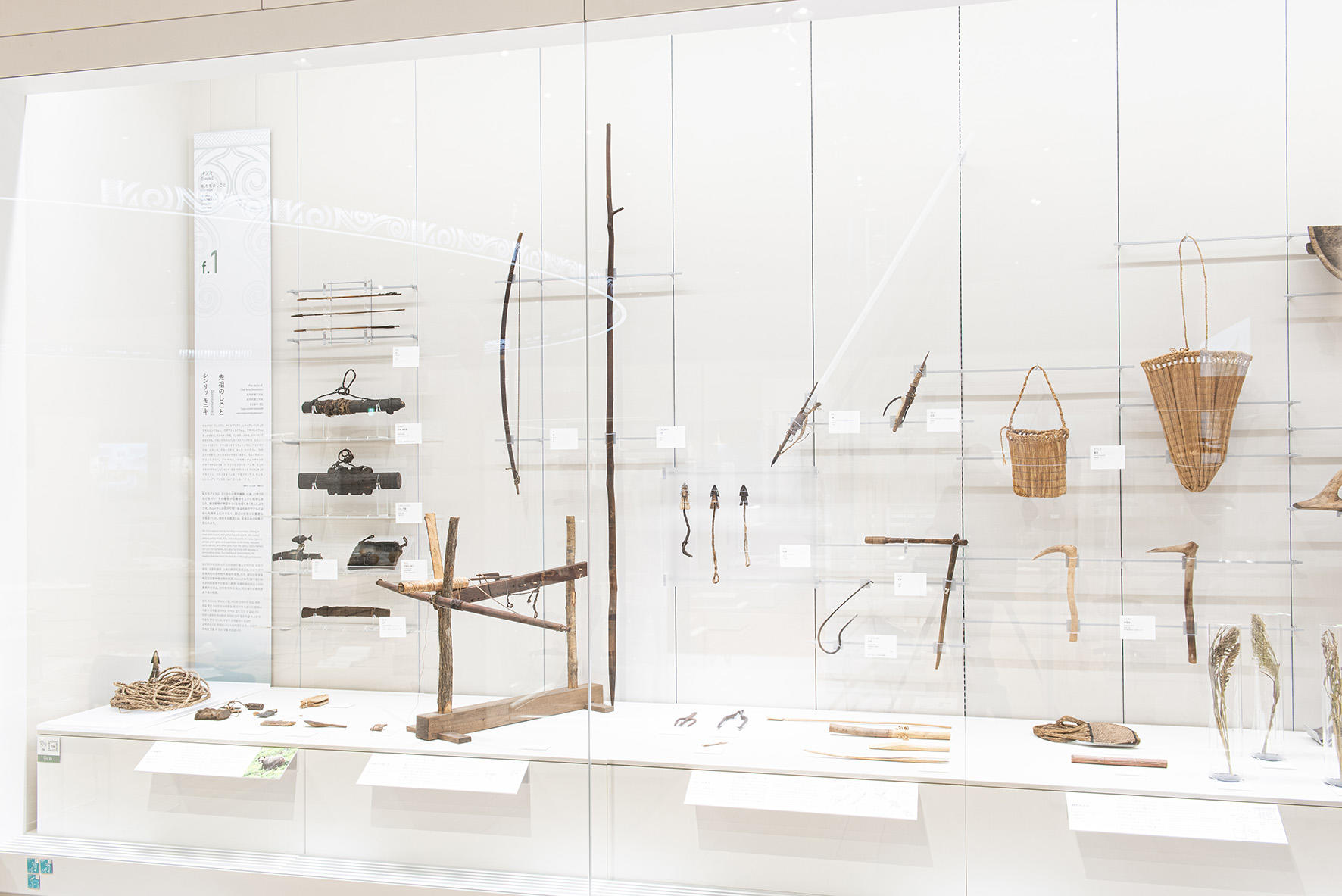
5.我们的谋生方法:展出阿伊努民族代代相传的谋生方法。前半部分介绍狩猎、捕鱼、农耕、采集等生产活动中使用的工具及原理。还能通过触摸屏内容了解阿伊努民族一年四季的劳作。后半部分聚焦明治时期以来的谋生方法和工艺品等。通过劳动工具和手工艺品等,为您展现现代阿伊努民族的生活。
5.Our Way of Making a Living: Exhibits the traditional ways of making a living passed down through generations by the Ainu people. The first half introduces tools and principles used in production activities such as hunting, fishing, farming, and gathering. Visitors can also learn about the Ainu people’s work throughout the year through touchscreen content. The second half focuses on ways of making a living and crafts since the Meiji period. Through labor tools and handicrafts, it showcases the modern life of the Ainu people.
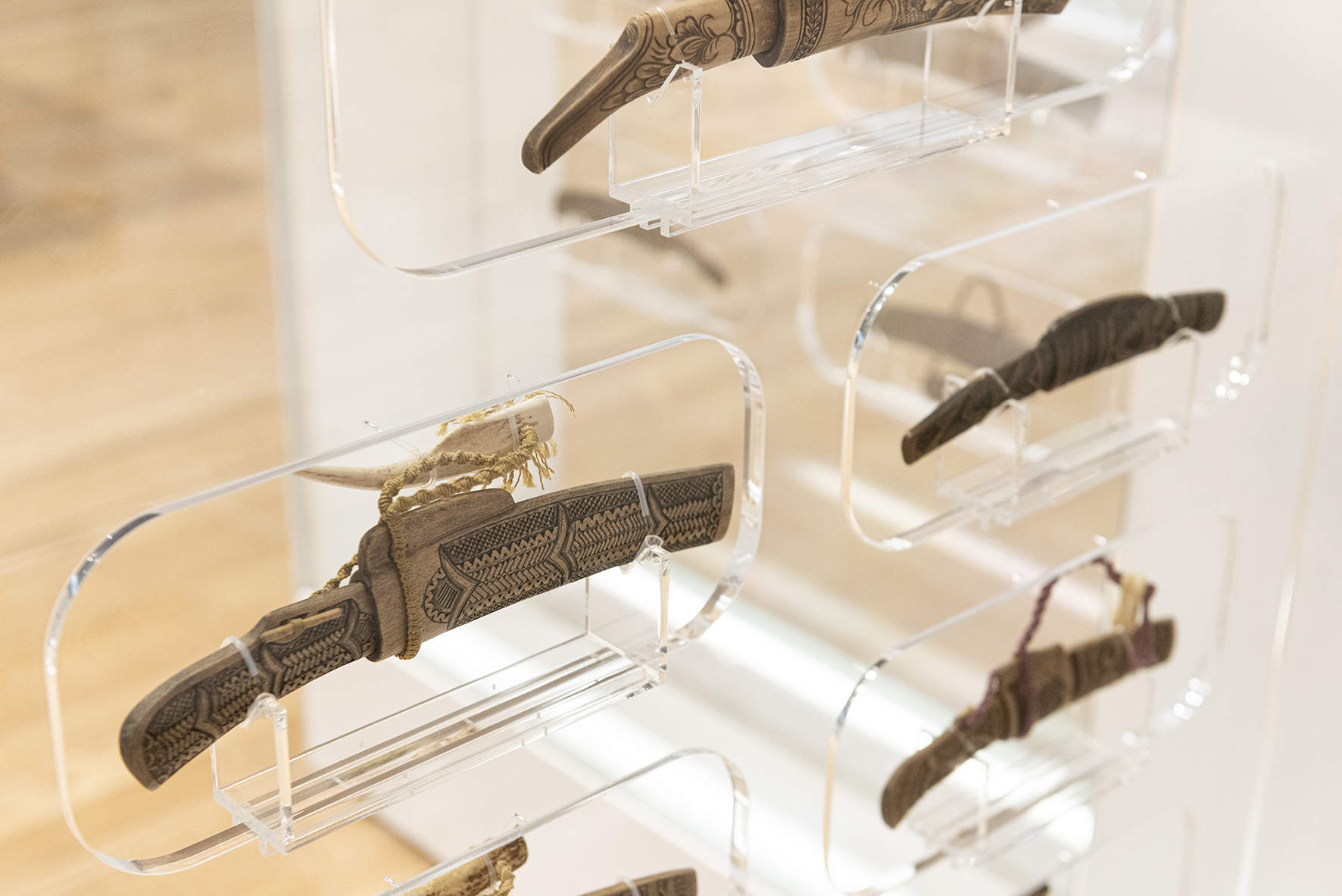
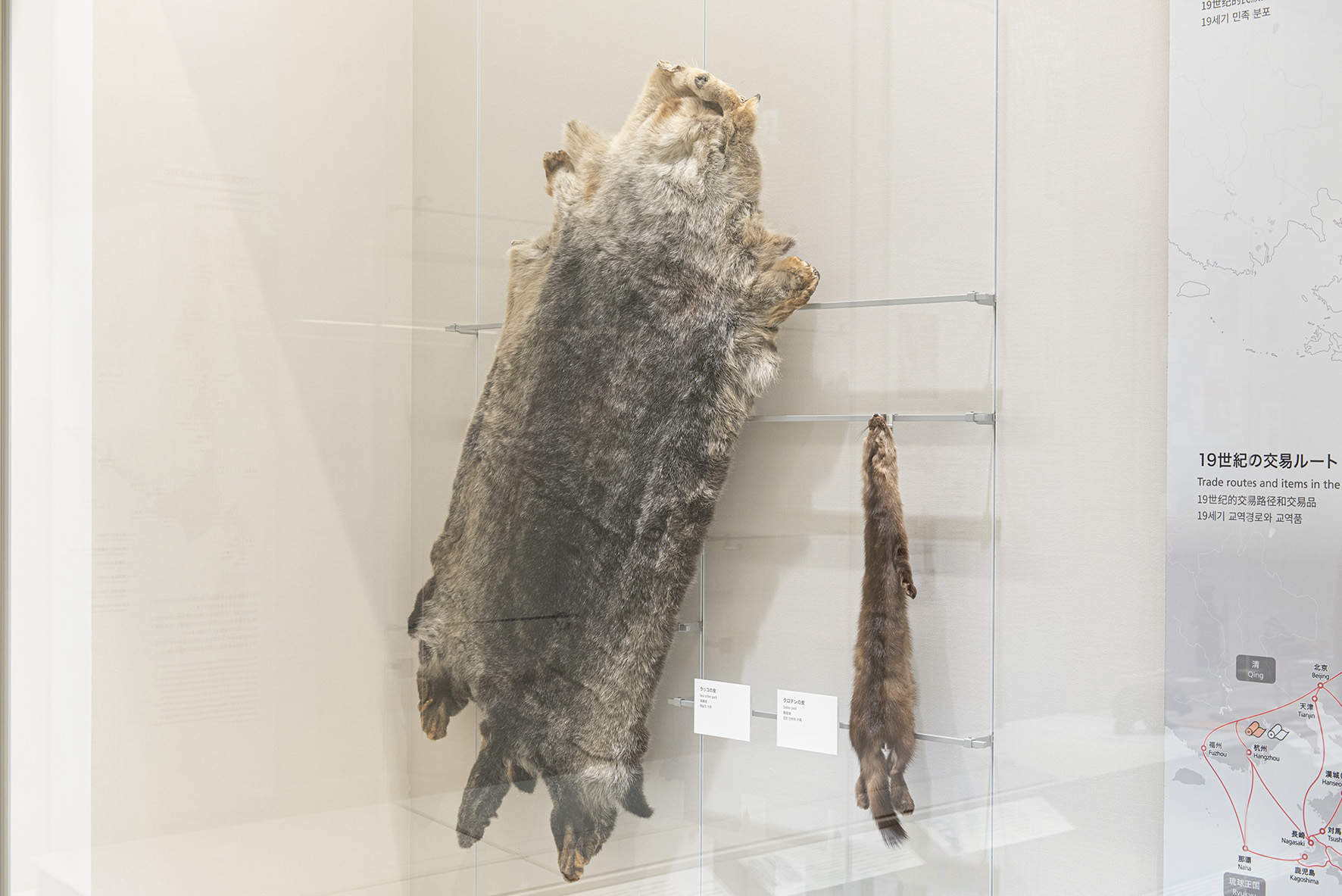
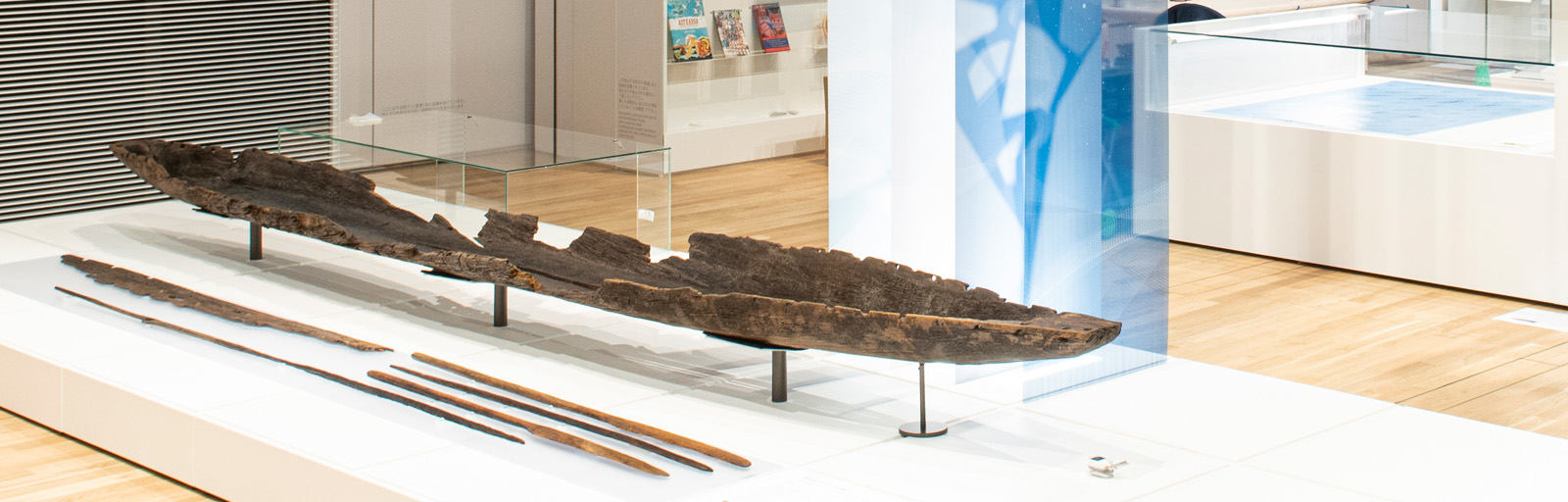
6.我们的交流:介绍阿伊努民族与周围其他民族从古至今的交流。北海道厚岸町出土的木板拼接船(厚岸町收藏)是本次展览的代表性展品。该展品在厚岸町完成清洁处理后,运送至白老町,并进行了细部的清洁和加固处理,以确保展出效果。
6. Our Interaction: Introducing the interactions between the Ainu people and other surrounding peoples from ancient times to the present. The wooden plank-spliced boat unearthed in Atsugi-cho, Hokkaido (collected by Atsugi-cho) is a representative exhibit of this exhibition. After being cleaned in Atsugi-cho, the exhibit was transported to Shirahama-cho and underwent detailed cleaning and reinforcement to ensure its display effect.
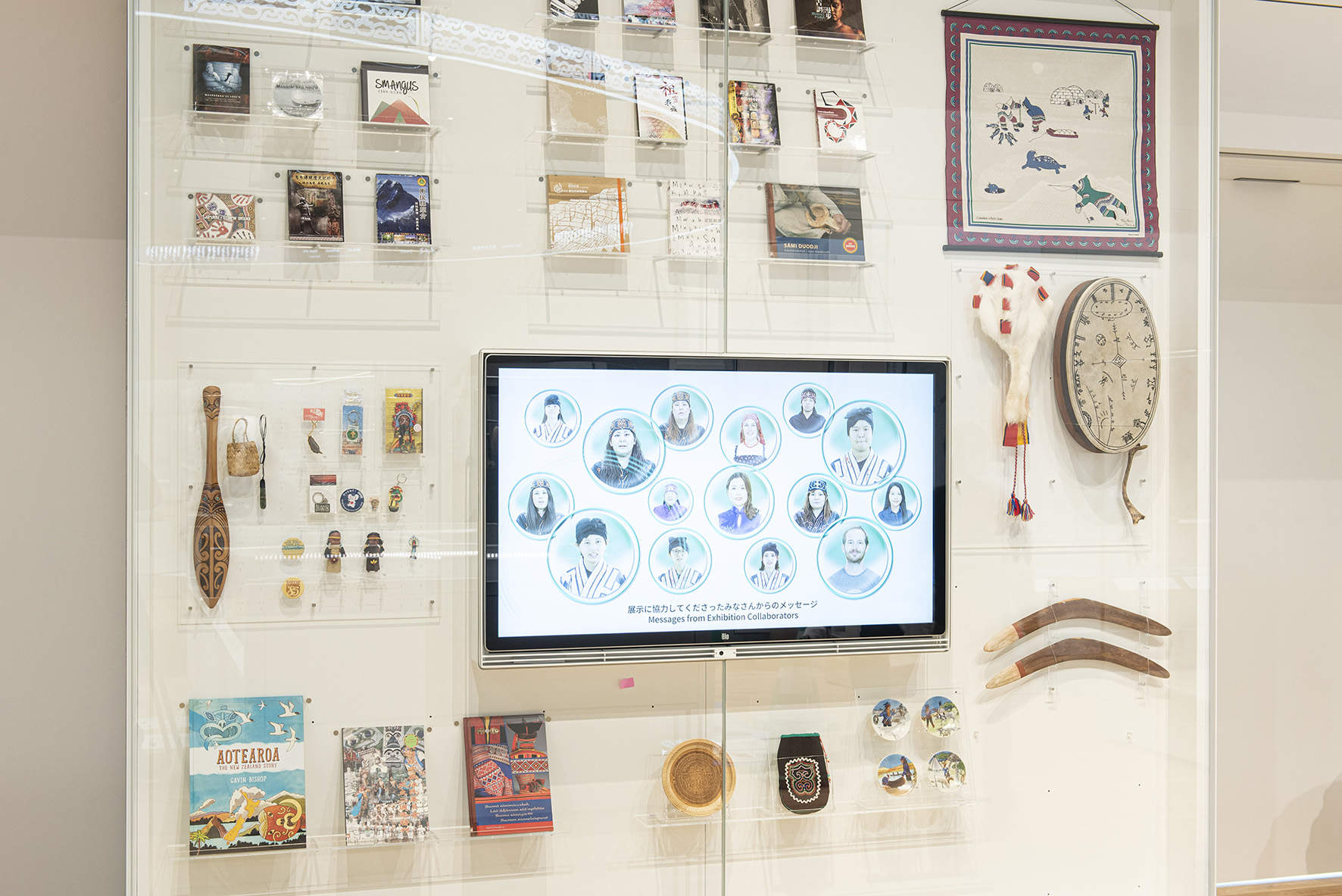
探索展区“探吧探吧(2F)/ Interactive Station “tempatempa”(2F)
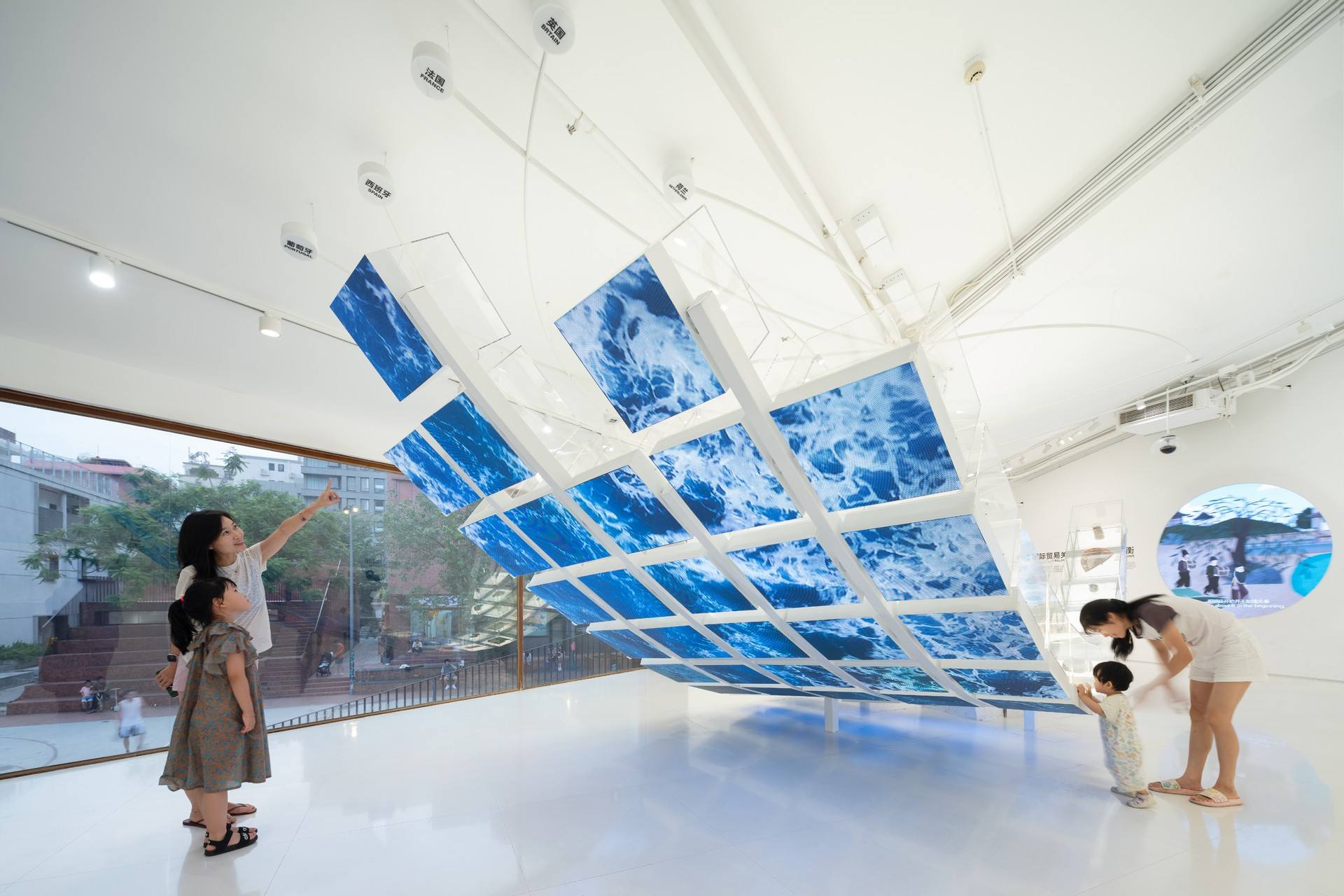
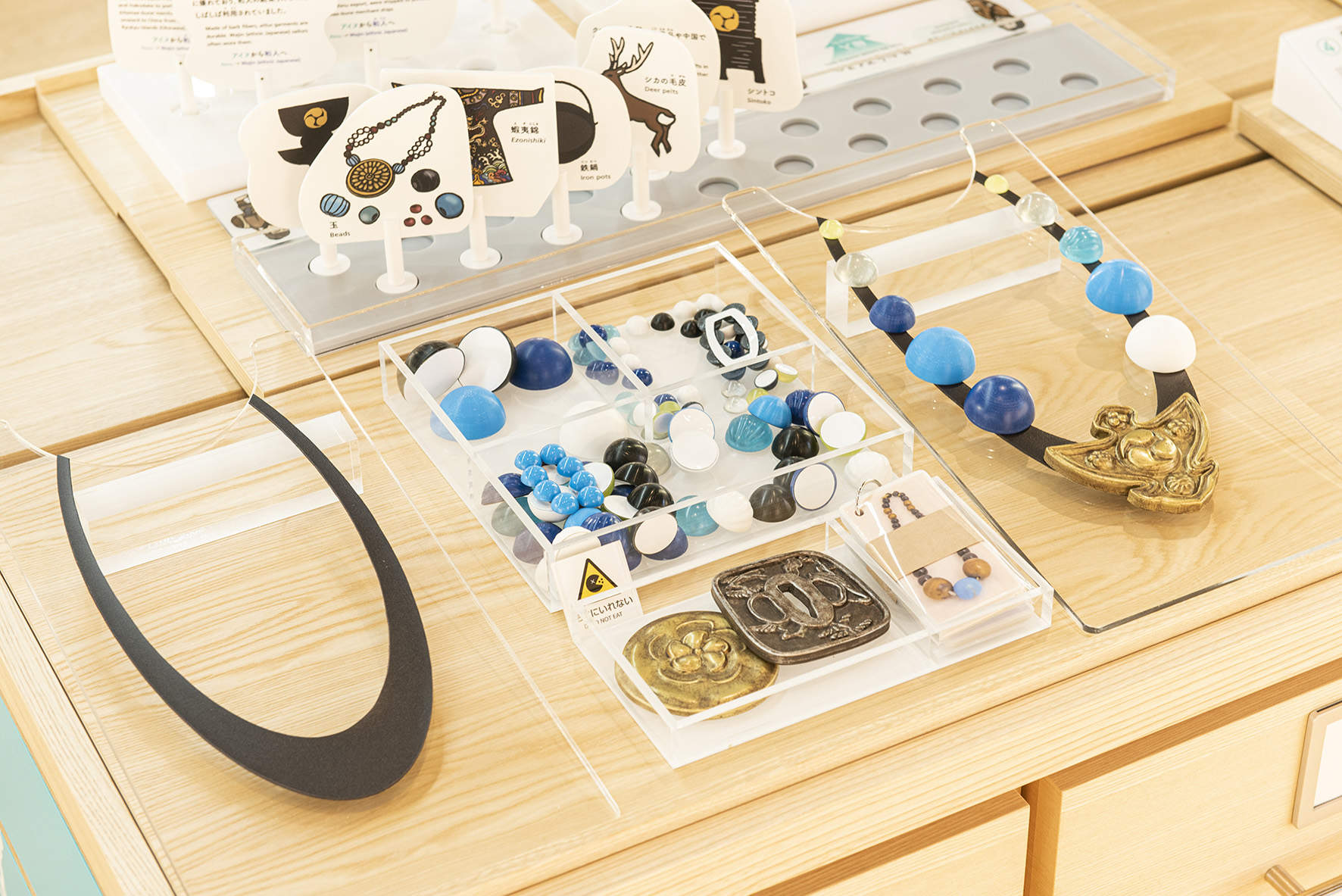
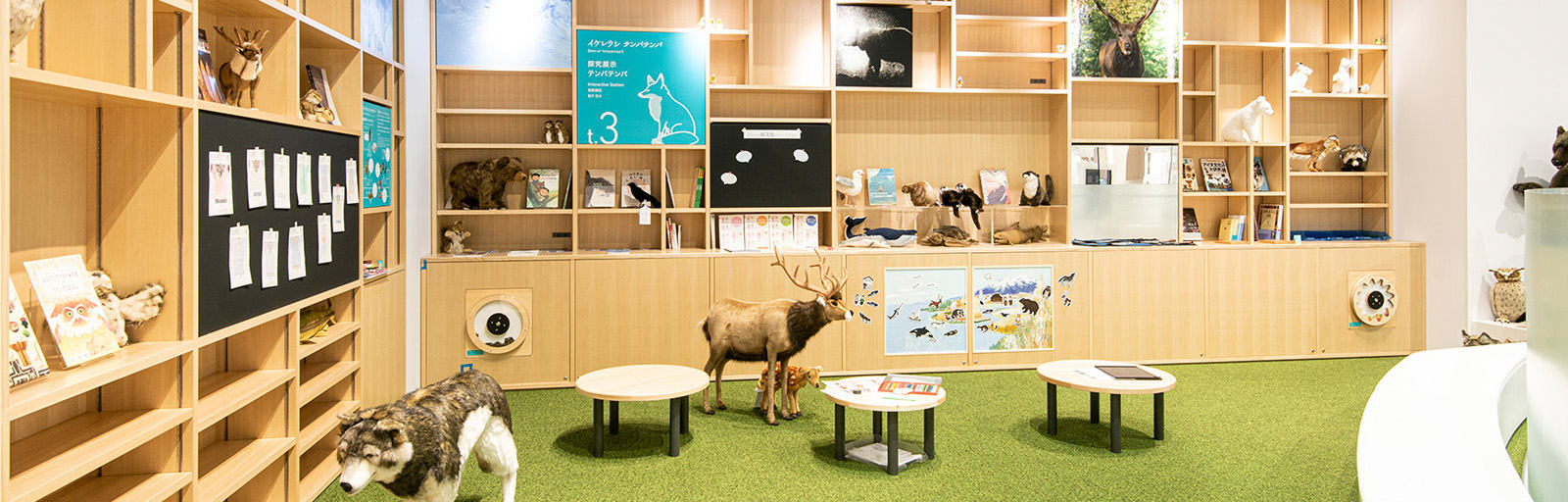
在这个区域,可以通过各种体验,感受阿伊努文化的独特魅力。这里有多达18个体验单元,通过微缩景观、模型、项链、鲑鱼和鹿的立体拼图等,为成年人和儿童提供一个体验阿伊努文化的空间。探索展区与周围6个主题展示相互交织,让观众沉浸在阿伊努文化的海洋中。(※“探吧探吧(tempatempa)”在阿伊努语中是“请触摸吧”的意思。)
In this area, you can experience the unique charm of Ainu culture through various activities. There are as many as 18 experience units here, providing a space for adults and children to experience Ainu culture through miniature landscapes, models, necklaces, three-dimensional puzzles of salmon and deer, etc. The exploration exhibition area is intertwined with six surrounding theme displays, immersing the audience in the ocean of Ainu culture. (※ “Tempatempa” means “please touch” in Ainu language.)
创意指导 / Creative Direction:和田 明彦(Akihiko Wada)
策划 / Planning:鬼澤 優子(Yuko Onizawa)、善野 英恵(Hidee Yoshino)、﨑山幸子(Sachiko Sakayama)、大木美枝子(Mieko Oki)
创意、设计 / Design:小山 将史(Masashi Koyama)、高井 諒(Ryo Takai)
设施保管规划 / Collection Storage Planning:小林宜文(Yoshifumi Kobayashi)、一ノ瀬裕行(Hiroyuki Ichinose)
影像系统设计 / Video System Design:塩田達郎(Tatsuro Shiota)
模型、造型 / Model & Scenography:中井 弘志(Hiroshi Nakai)、吉田 康寛(Yasuhiro Yoshida)
项目管理 / Project Management:山崎鋭児(Eiji Yamazaki)、森川 佳喜(Yoshiyuki Morikawa)、藤原 康生(Yasuo Fujiwara)
本文内容由WeHow基于公开网络资料重新编辑撰写,所用图片和视频版权归原拍摄者或相关机构所有,如涉及您的版权权益,请联系我们(邮箱:service@wehow.cn),将第一时间删除。本内容仅用于行业学习与交流,不用于商业用途。禁止使用WeHow编辑版本进行转载。