In museums, landmark buildings, world expos, and technology pavilions, we are often moved by spatial experiences that touch the soul.
Who is it that enables a palace to tell the story of a nation’s rise?
Who allows audiences to become heroes from Star Wars?
And who, at the very top of the 828-meter Burj Khalifa in Dubai, equipped visitors with a “digital telescope”?
Behind all of this stands a quiet yet profoundly influential international design firm — GSM Project.
A Design Pioneer That Puts the Audience at the Center
The Hidden Champion of Global Experience Design
Founded in 1958 and headquartered in Montreal, Canada, GSM Project is one of the few companies in the world that integrates creative design, content curation, engineering execution, and global exhibition implementation into a complete end-to-end process.
With offices in Montreal, Singapore, Paris, and Dubai, the company has completed over 1,000 projects across more than 120 cities worldwide.
Their core philosophy is crystal clear:
Put the visitors at the center of everything we do.
This is not just a slogan — it’s a design ethos that runs through every project. They believe that:
A true experience
is not about seeing, but about participating;
not about displaying, but about resonating.
Today, let’s explore the essence of GSM Project’s design through four iconic works — including the Qasr Al Watan Presidential Palace in Abu Dhabi and the France Pavilion at Expo 2025 Osaka.
1. Qasr Al Watan (2019)
As the official working palace of the President of the United Arab Emirates, Qasr Al Watan opened to the public in 2019, becoming a national symbol of culture. GSM Project was responsible for the concept and design of its core permanent exhibitions, creating an immersive journey into the nation’s spirit around three central themes — Governance, Knowledge, and Craftsmanship.

Design Highlights
Dialogue Between Culture and Architecture
Drawing inspiration from traditional Arab geometric patterns and light-and-shadow art, the exhibition design resonates visually with the palace architecture.
Disappearing Exhibition Display System
With the palace still in use as a working site, GSM Project’s innovative modular exhibition stands—quickly disassemblable in 24 hours—work like a theater stage: protecting cultural relics while enabling flexible function changes.
Immersive Optical Installation
At the four corners of the “Grand Auditorium”, four 6-meter-high mirrored cubes play with light—using infinite reflections and prismatic perspectives to let the audience “discover” the dome and floor patterns’ beauty from every angle.
The nighttime Light and Shadow Show A Palace in Motion
In collaboration with the UK-based company 59 Productions, it has created the world’s largest-scale permanent 3D projection show, transforming the building’s facade into a dynamic canvas and telling the nation’s history.


This marks an elegant transformation of a political space into a public cultural space. With exceptional cultural sensitivity and technical precision, GSM Project has turned national narratives into perceivable and interactive experiences, allowing the audience to understand governance wisdom with awe.
2. At the Top Burj Khalifa (2018)
The world’s tallest building (828m) Burj Khalifa welcomes millions of tourists yearly to its observation deck. GSM Project designed the full visitor experience—from ground to the 148th floor—and gave it a complete upgrade back in 2015.
Design Highlights
Progressive Narrative Journey
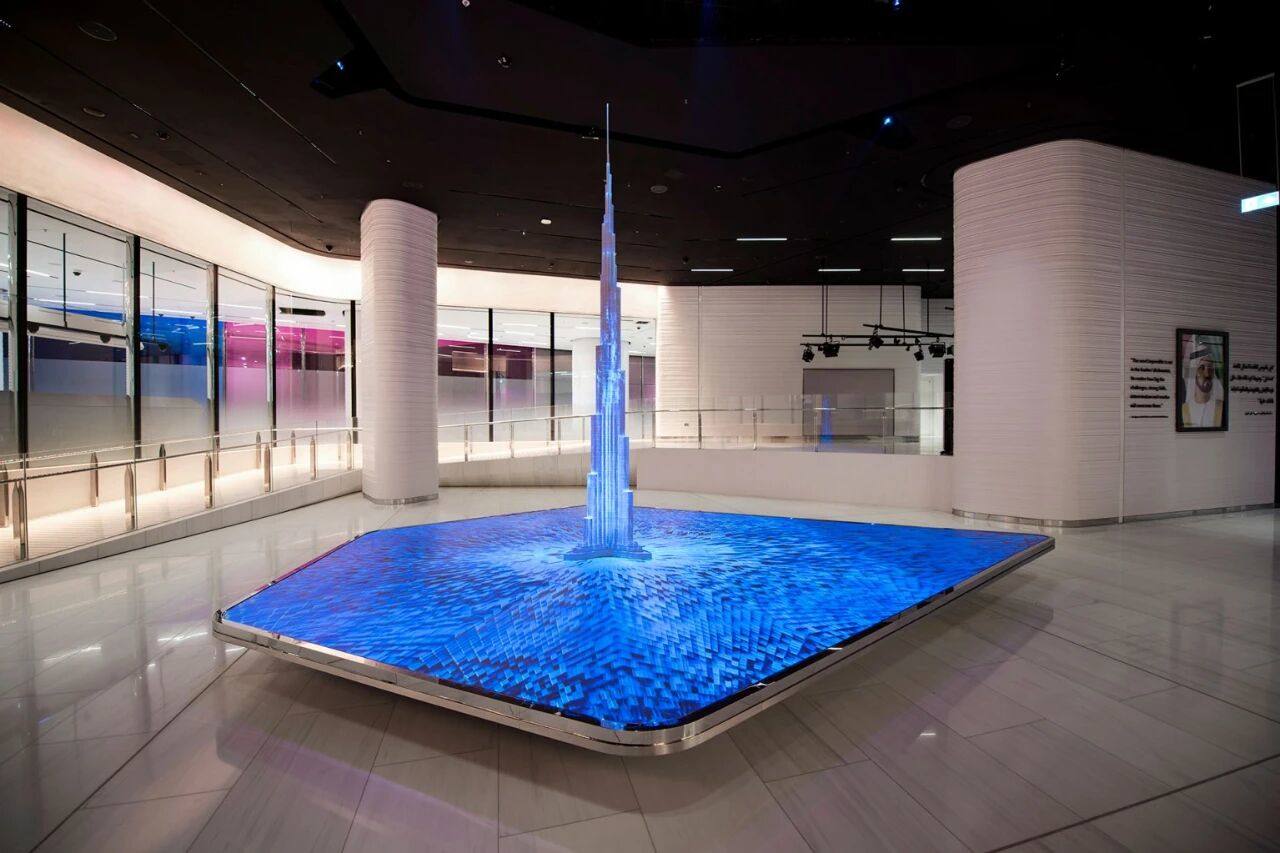
From the reception area, light-and-shadow model, and immersive tunnel to the multimedia experience inside custom-designed elevators, it gradually guides the audience “from the ground to the sky”.
Augmented Reality (AR) Telescope
To address the issue of sand and dust affecting high-altitude visibility, GSM Project independently developed the AR digital Tellscope. It allows real-time switching between “Sunny Mode”, “Night Mode”, and “Historical Footage”, enabling tourists to “see through the weather” and view Dubai.
148th Floor VIP Interactive Tour
Through Kinect motion-sensing control and a curved giant screen, tourists can “teleport” to four major Dubai landmarks—including Dubai’s Old Town, desert tents, mosques, and Dubai Marina—realizing “virtual roaming”.
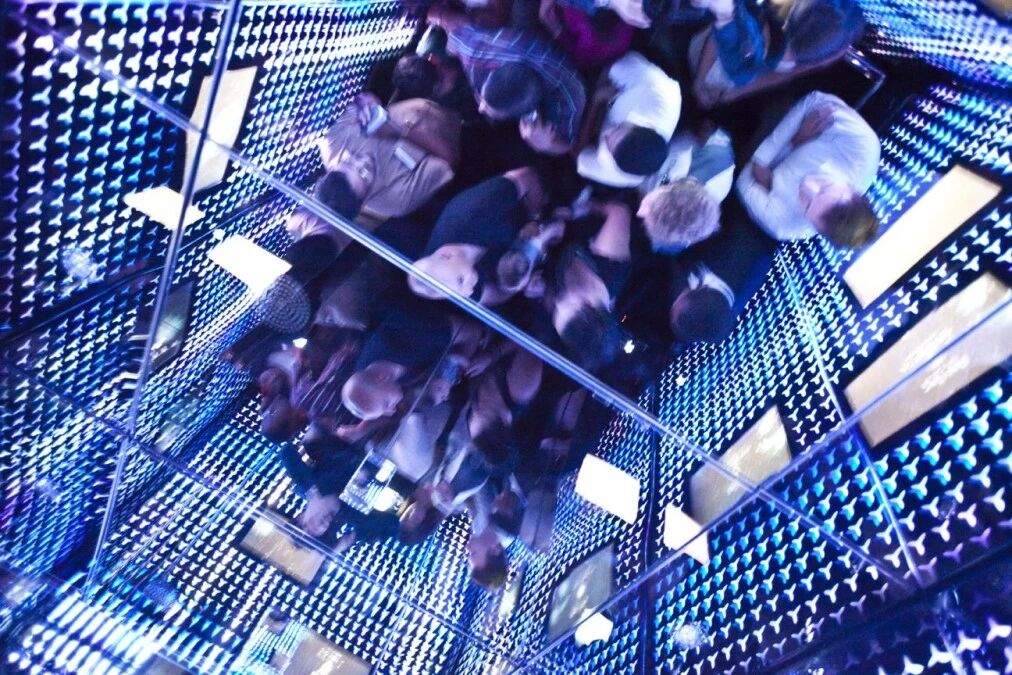
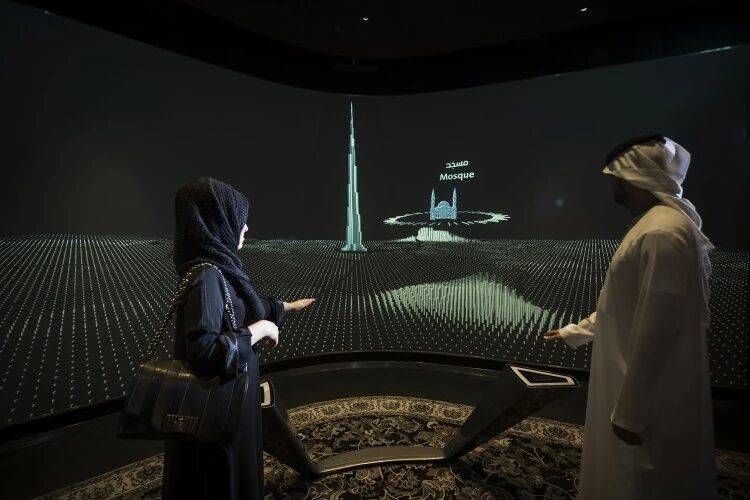

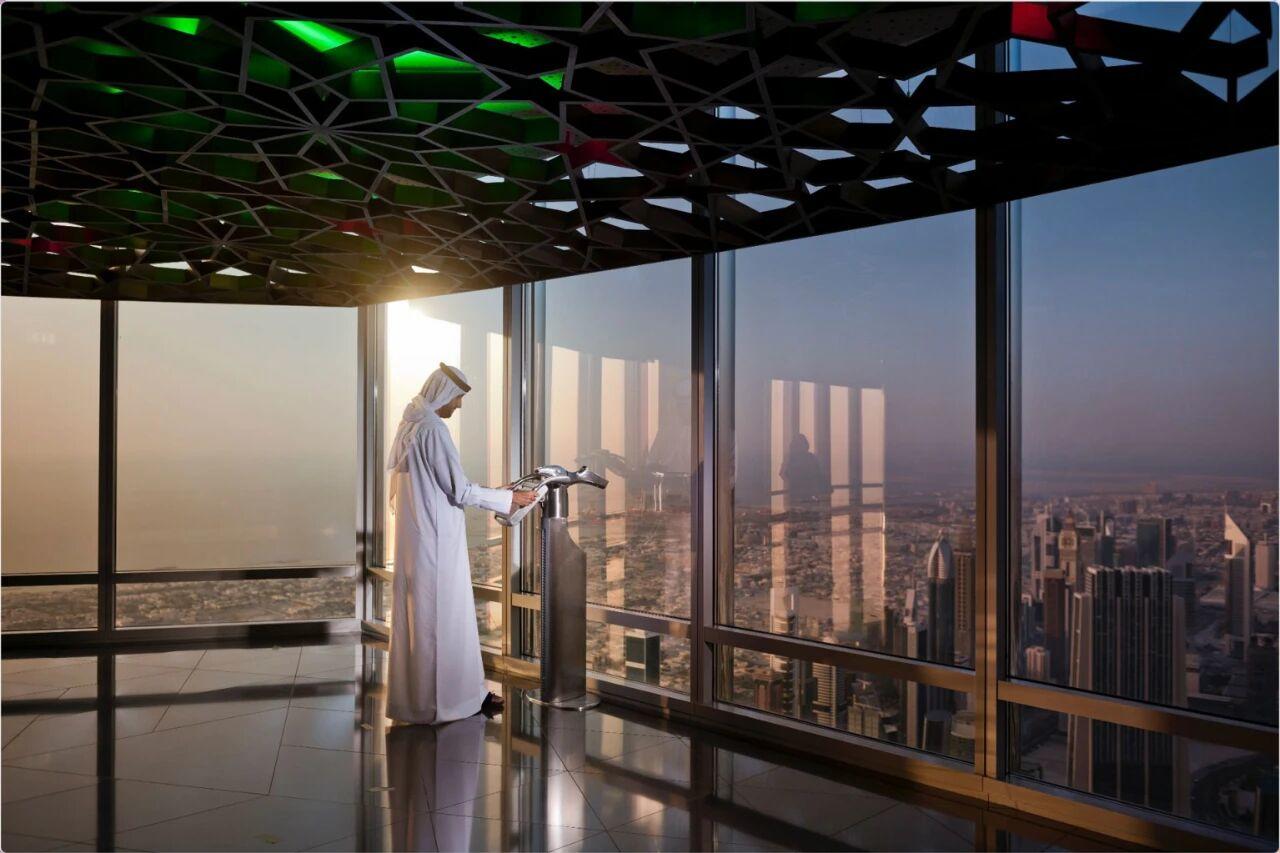
In this project, GSM Project demonstrated its exceptional ability to seamlessly integrate technology into experiences. The multimedia experience inside the elevator cabins is not an isolated element, but a carefully crafted prelude—laying emotional groundwork for the stunning views of Dubai that await visitors after reaching the top. This progressive experience design gradually builds up visitors’ sense of anticipation, which is finally released at the summit.
3. Pavillon France – Expo 2025
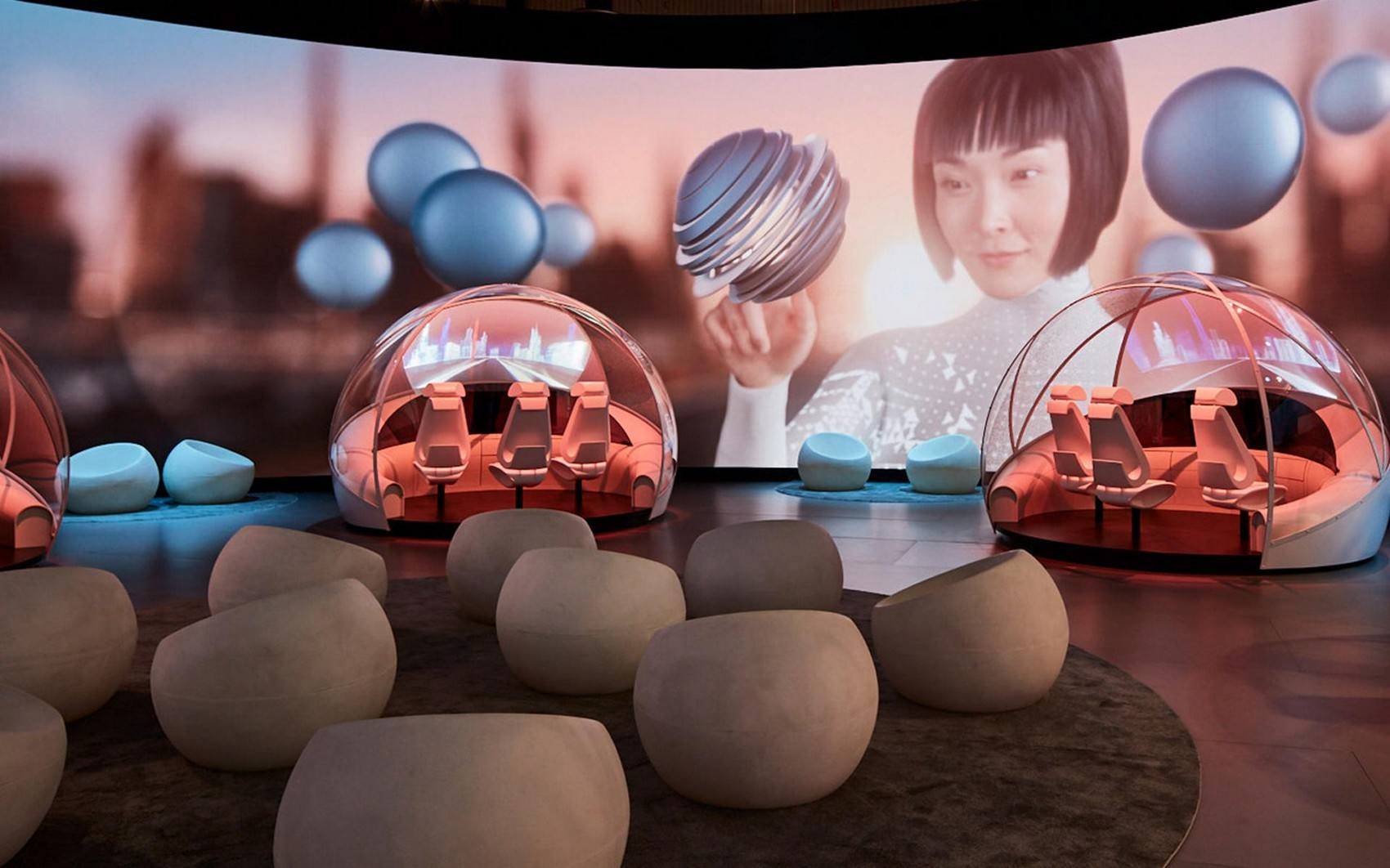
For the French Pavilion at the 2025 Osaka World Expo, GSM Project has created a permanent exhibition titled Pulsations. In collaboration with visual artist Justine Emard, the exhibition takes “Ode to Love” as its theme and explores the resonance between humans, nature, and technology.
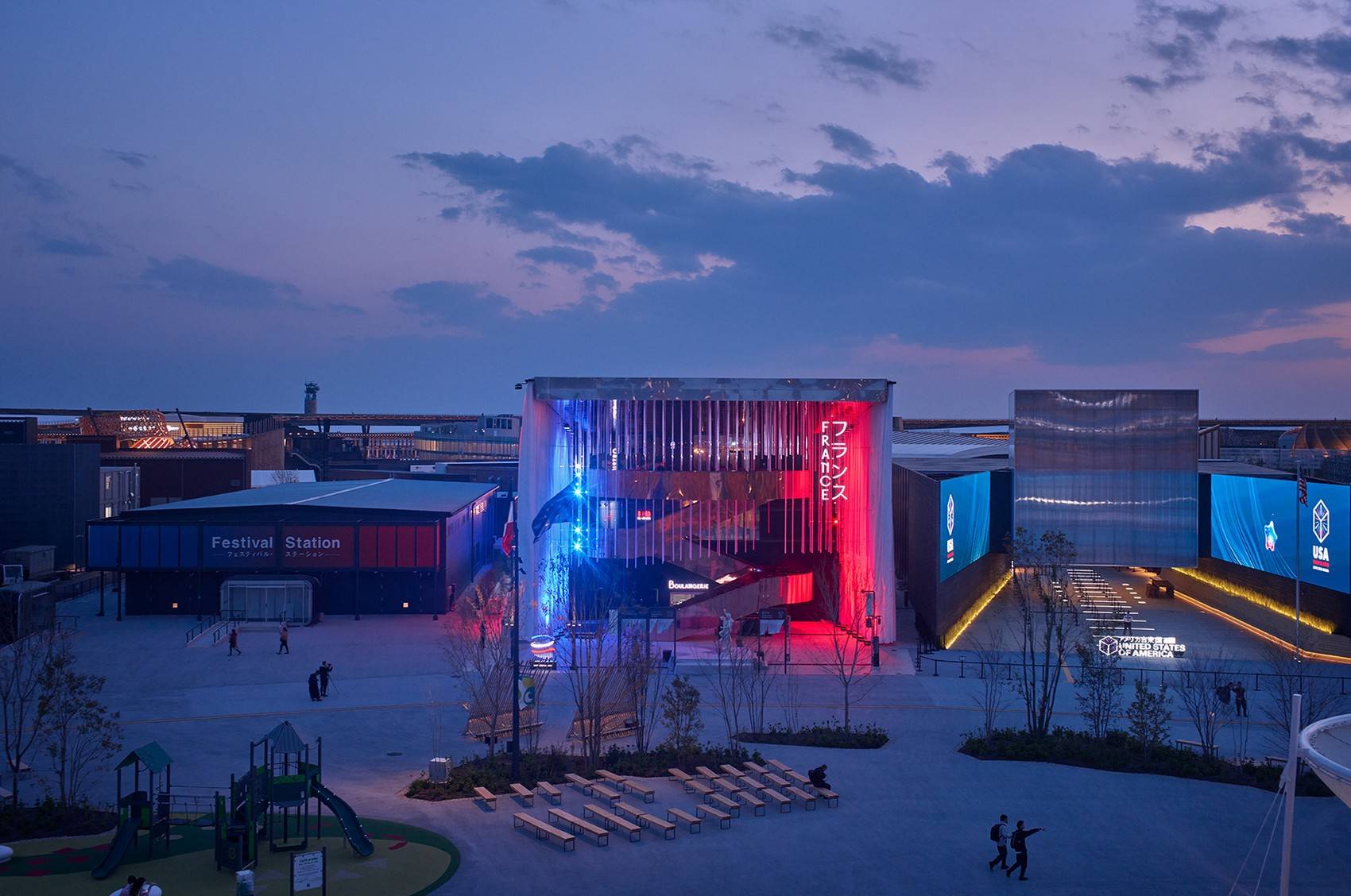
GSM Project demonstrated its exceptional ability to transform abstract concepts into experiential environments in this project. The entire exhibition revolves around the core theme of “love”, but not through direct statements—instead, it allows visitors to feel and experience [the theme] through spatial atmosphere, light and shadow changes, and soundscapes.
This design approach embodies GSM Project’s consistent narrative design philosophy: it is not content with simply displaying information, but rather creates an environment that can evoke emotional resonance and deep reflection.
Design Highlights
The “Red Thread” Concept Running Through
Inspired by Japan’s “Akai Ito” (Red Thread Legend), it symbolizes the connection of fate and runs through the entire spatial narrative.
Heartbeat as Rhythm
Taking “pulse” as the core metaphor, it represents not only the rhythm of life and the beat of music, but also the resonance between people.
A Symphony of Art and Technology
GSM Project transformed the French Pavilion’s spiral structure into a sensory journey. Through the exquisite arrangement of light, images, and sound, it guides visitors through emotional ups and downs. Meanwhile, Justine Emard, with her unique artistic perspective, created a series of video installations and immersive environments to explore the relationship between humans, technology, and nature.
The exhibition’s centerpiece is a 6.6-meter-high sphere composed of Louis Vuitton (LV) suitcases, suspended in a double-height space. As the video installation rotates and moves vertically, visitors are immersed in dynamic light, shadow, and sound, as if participating in a futuristic theatrical performance.
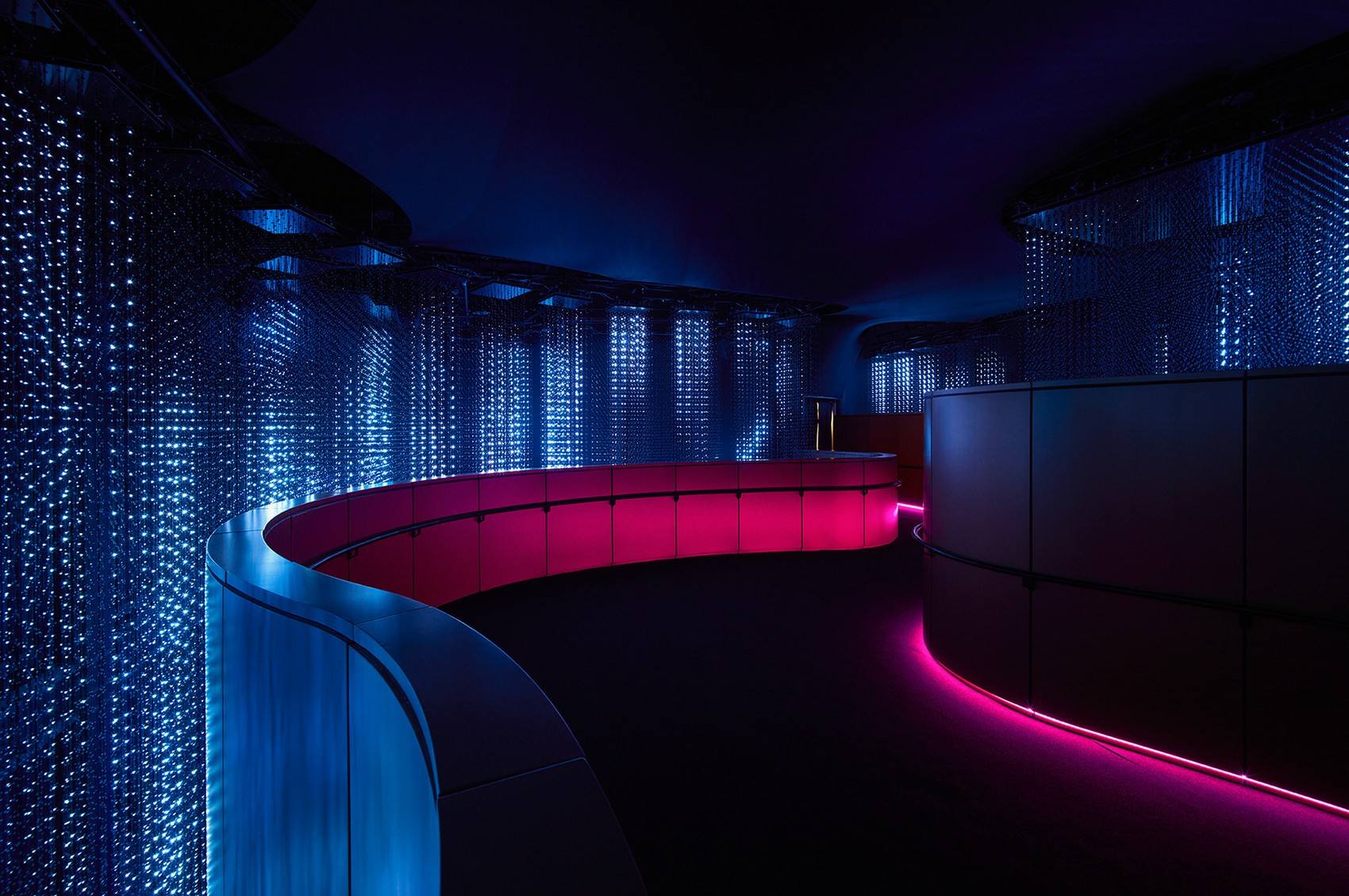
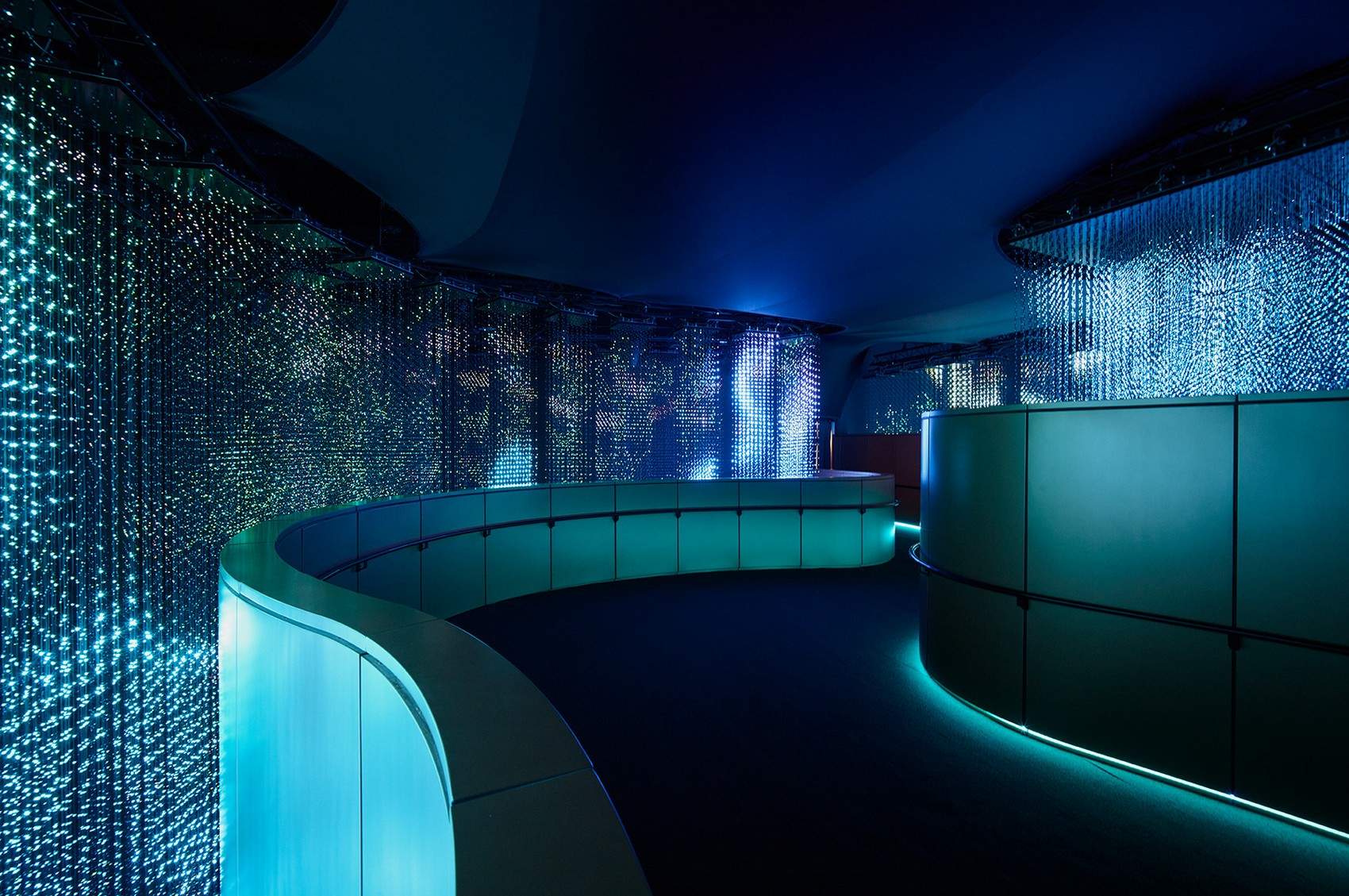

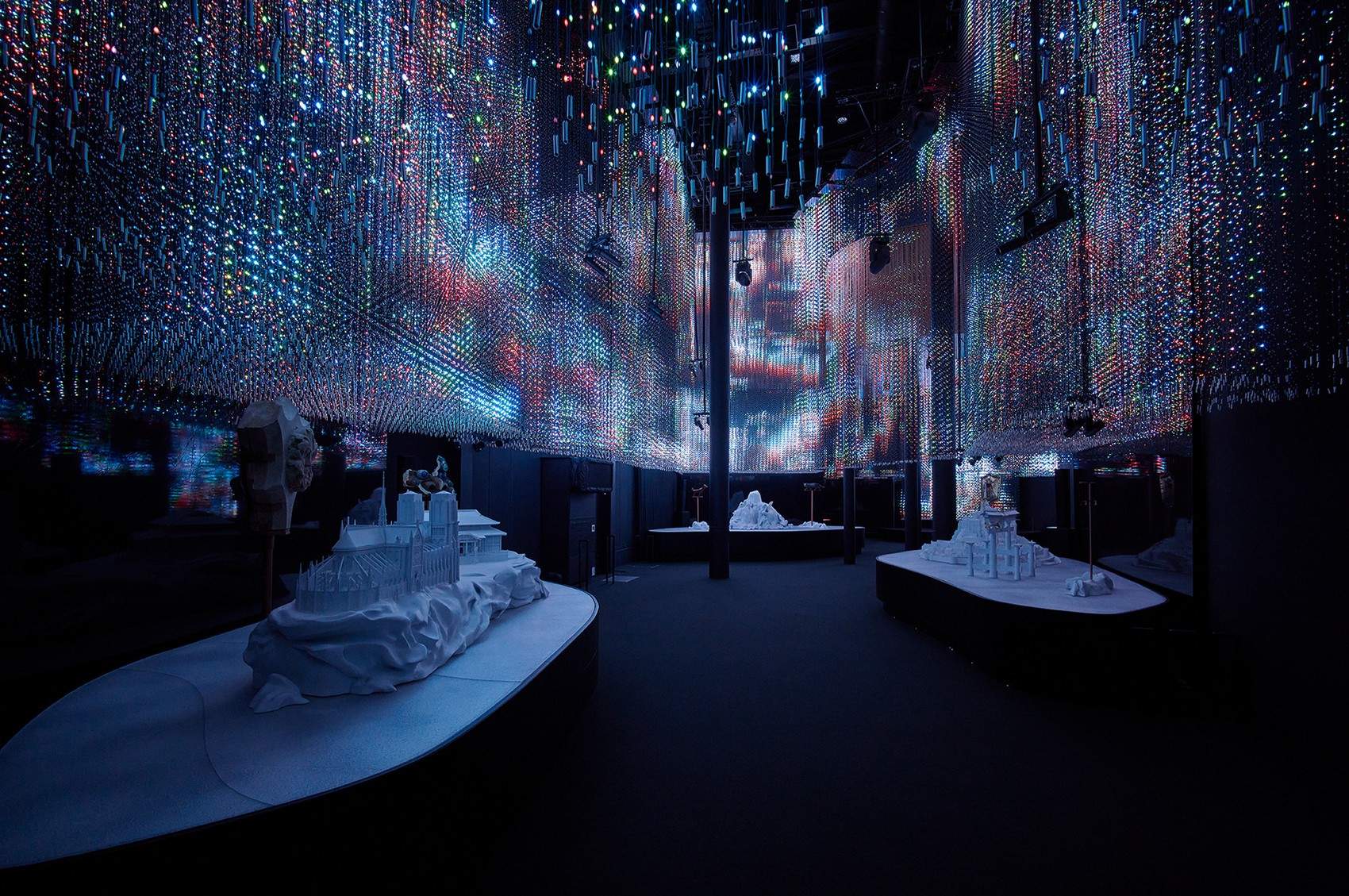
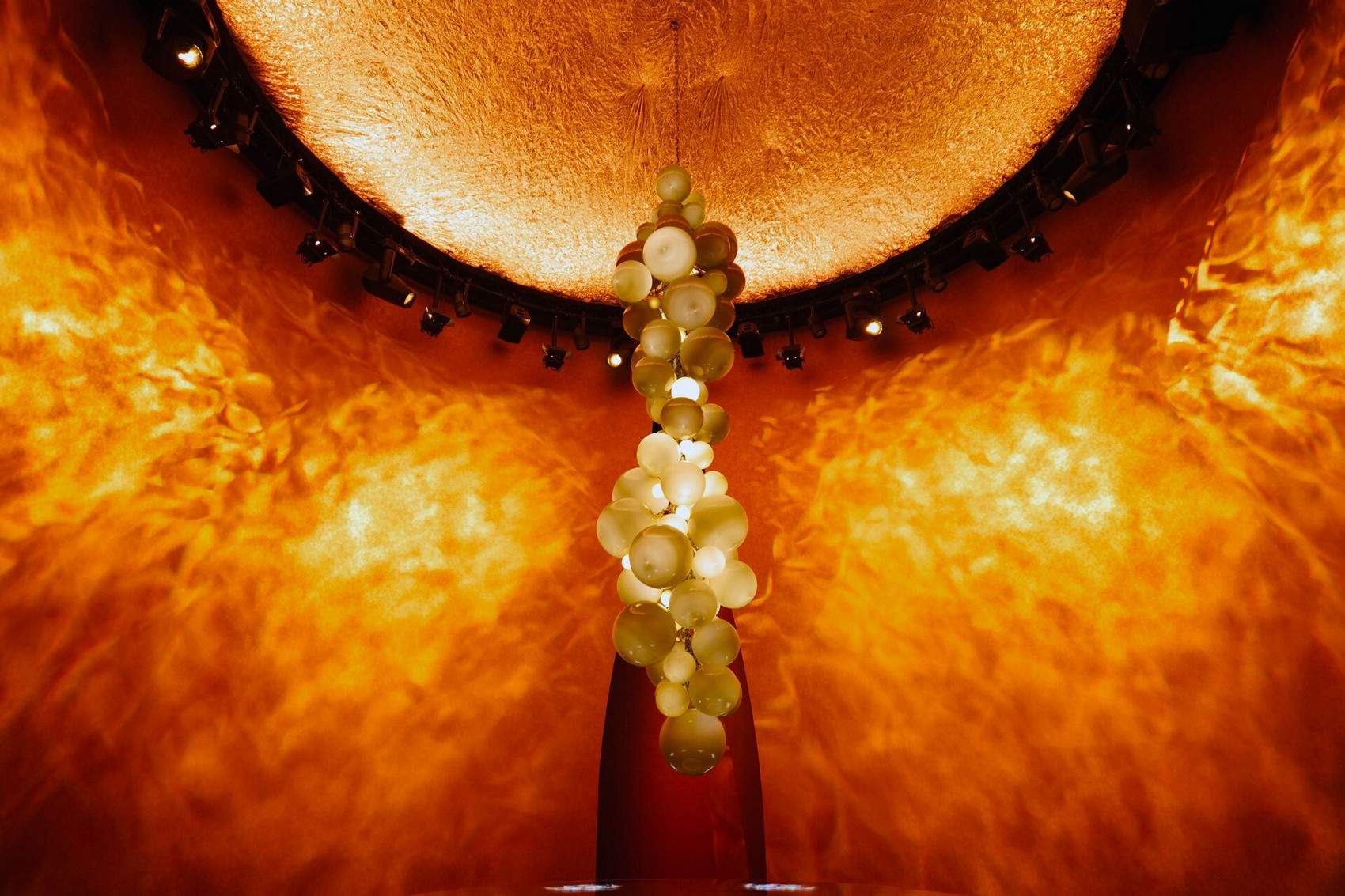
This is a futuristic expression of emotion. GSM Project once again demonstrates that even the most abstract theme—”love”—can be transformed into perceptible “Pulsations” through design.
4. STAR WARS™ Identities(2012-2021)
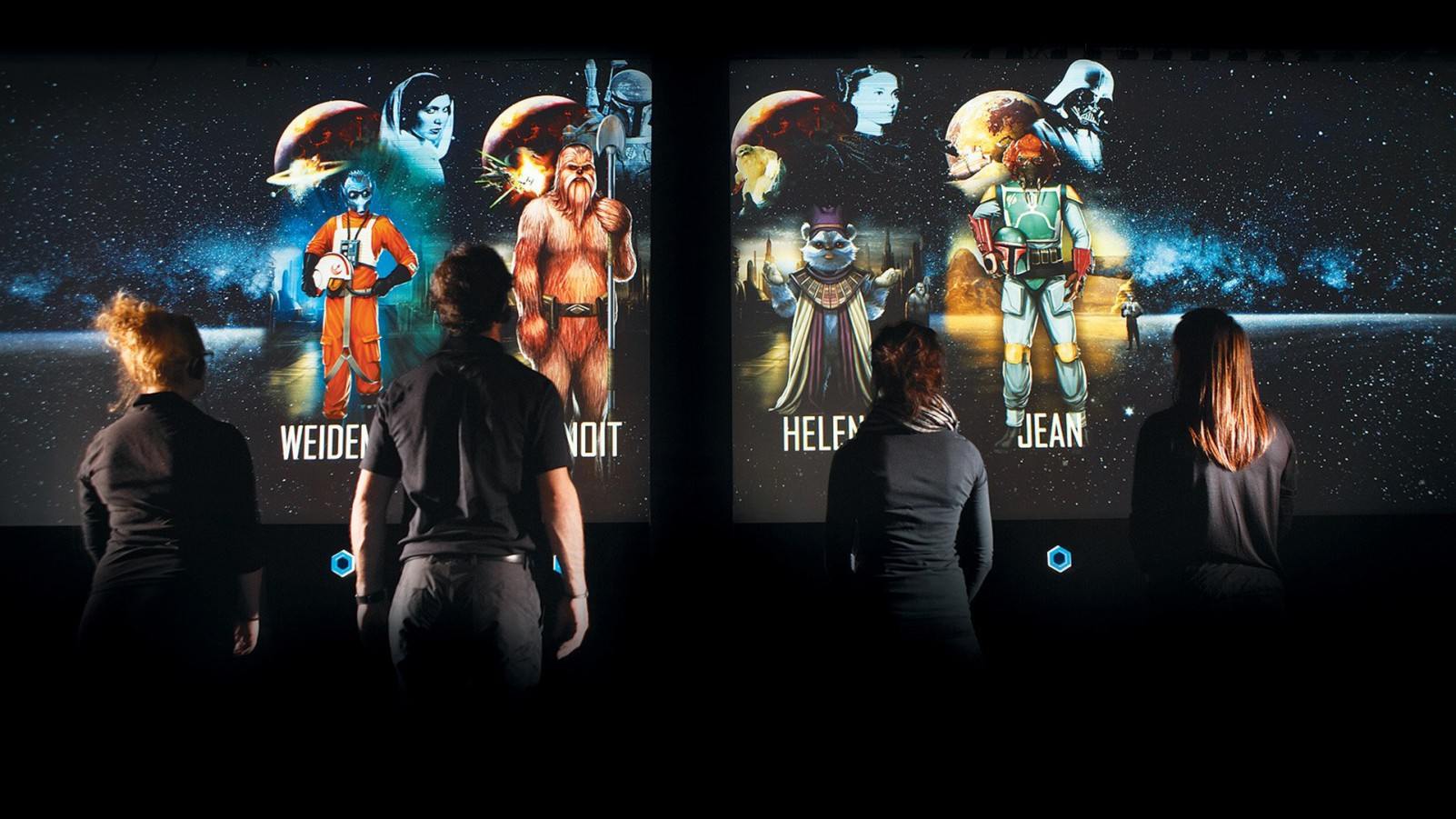
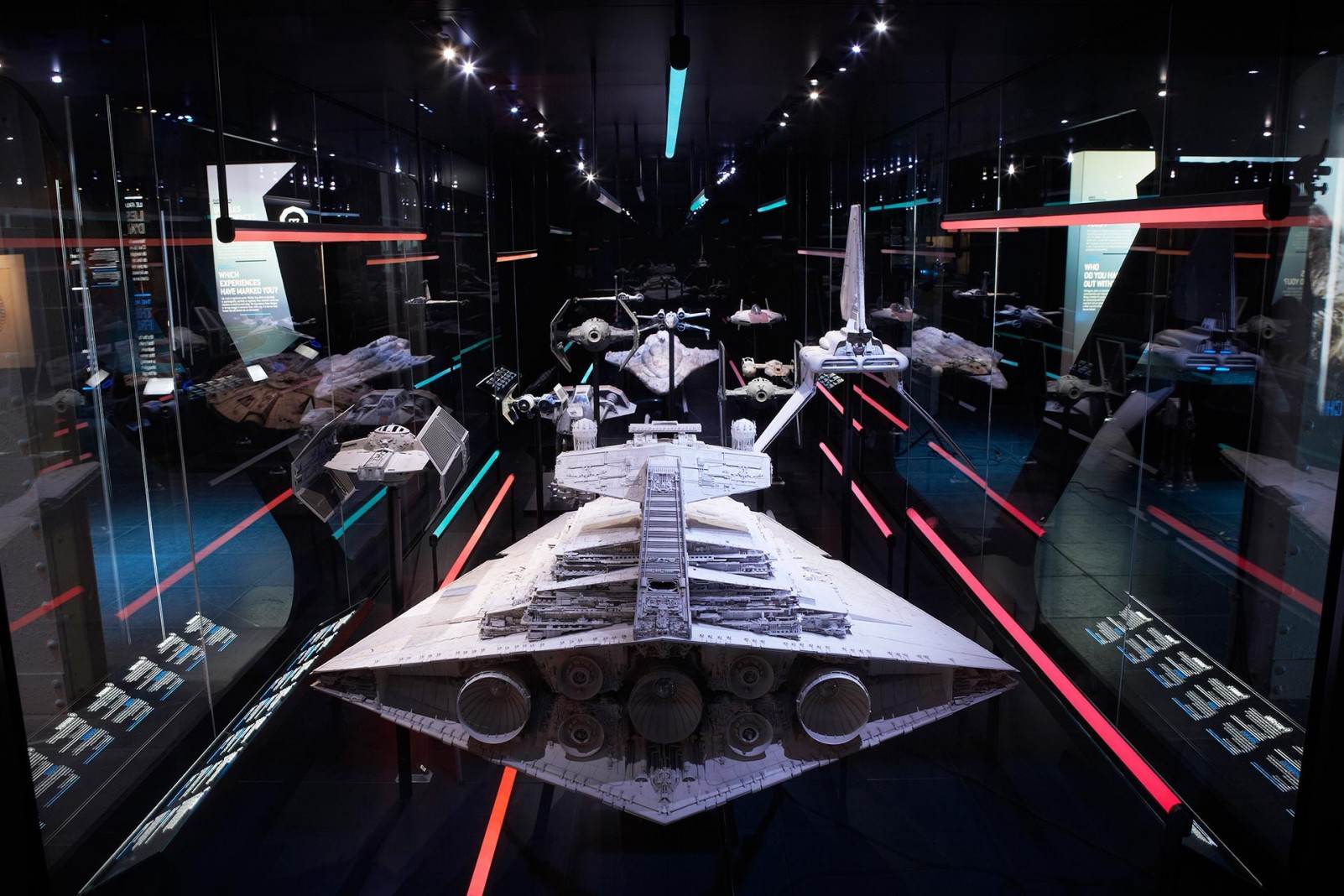
In a deep collaboration with Lucasfilm, GSM Project planned, designed, and executed the entire global Star Wars exhibition—spanning 14 cities and nearly a decade—which has drawn over 2 million visitors. With “Identity” as its core theme, the exhibition integrates over 200 original film props, costumes, and artworks, along with multidisciplinary knowledge such as genetics and psychology, to guide visitors in exploring the composition of their own identities.

Design Highlights
Personalized Identity
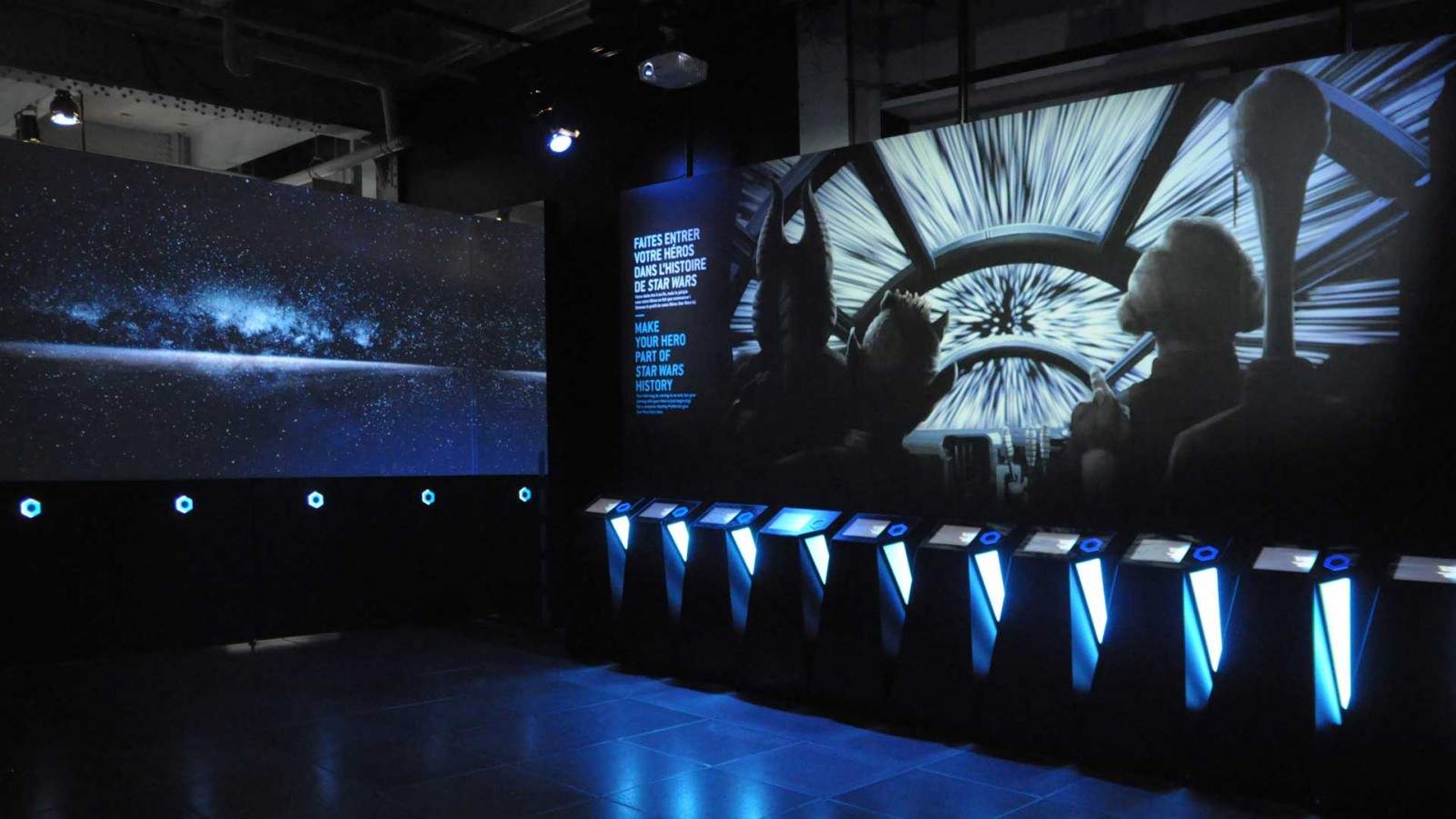
Each visitor is provided with an electronic wristband. Through interactive quizzes (covering personality, values, and choices), they gradually build their own “Star Wars character,” and finally generate an exclusive hero avatar that can be shared.
Dual-Line Structure of Science + Narrative
On one side, there are 200 precious props, costumes, and original artworks provided by Lucasfilm; on the other side, there are interpretations of “identity formation” from neuroscience and psychology. This cleverly connects fiction and reality.
Immersive Scene Reconstruction
From the sandstorms of Tatooine to the mechanical corridors of the Death Star, the film’s atmosphere is highly recreated through lighting, sound effects, projections, and spatial layout.
After learning about the four projects by GSM Project, we wonder if you, like us, have begun to ponder this question beyond the amazement:
As the tech tide surges and AI/multimedia do almost everything—what’s the truly irreplaceable core of experience design?
GSM Project has offered their answer through decade-spanning projects:
It is empathy, storytelling, and a profound understanding of and respect for human nature.
- Technology may become obsolete, but the emotions carried by a good story never will.
- Installations may age, but the resonance created by a space can last a long time.
- Content may be replicable, but a personalized journey tailored for “you” is irreplaceable.
All their technology, art, and investment ultimately lead to the same end goal:
To let every visitor who steps into their spaces become the true protagonist of the story.
This is perhaps why GSM Project has become a global leader—and why it should be the original aspiration upheld by all exhibition designers. In the future, those who tell stories better will connect with people’s hearts better.
This article is original content published by WeHow. Unauthorized reproduction, republication, excerpting, or use of any part of this content is prohibited. For reprint permissions, licensing, or collaboration inquiries, please contact service@wehow.cn to obtain formal authorization.