The Museum of Contemporary Art and Urban Planning in Shenzhen is located on the north side of the Civic Center. It represents the final major public cultural project in the city’s central district. The building consists of two distinct yet harmoniously integrated parts: the Museum of Contemporary Art and the Urban Planning Exhibition Hall.
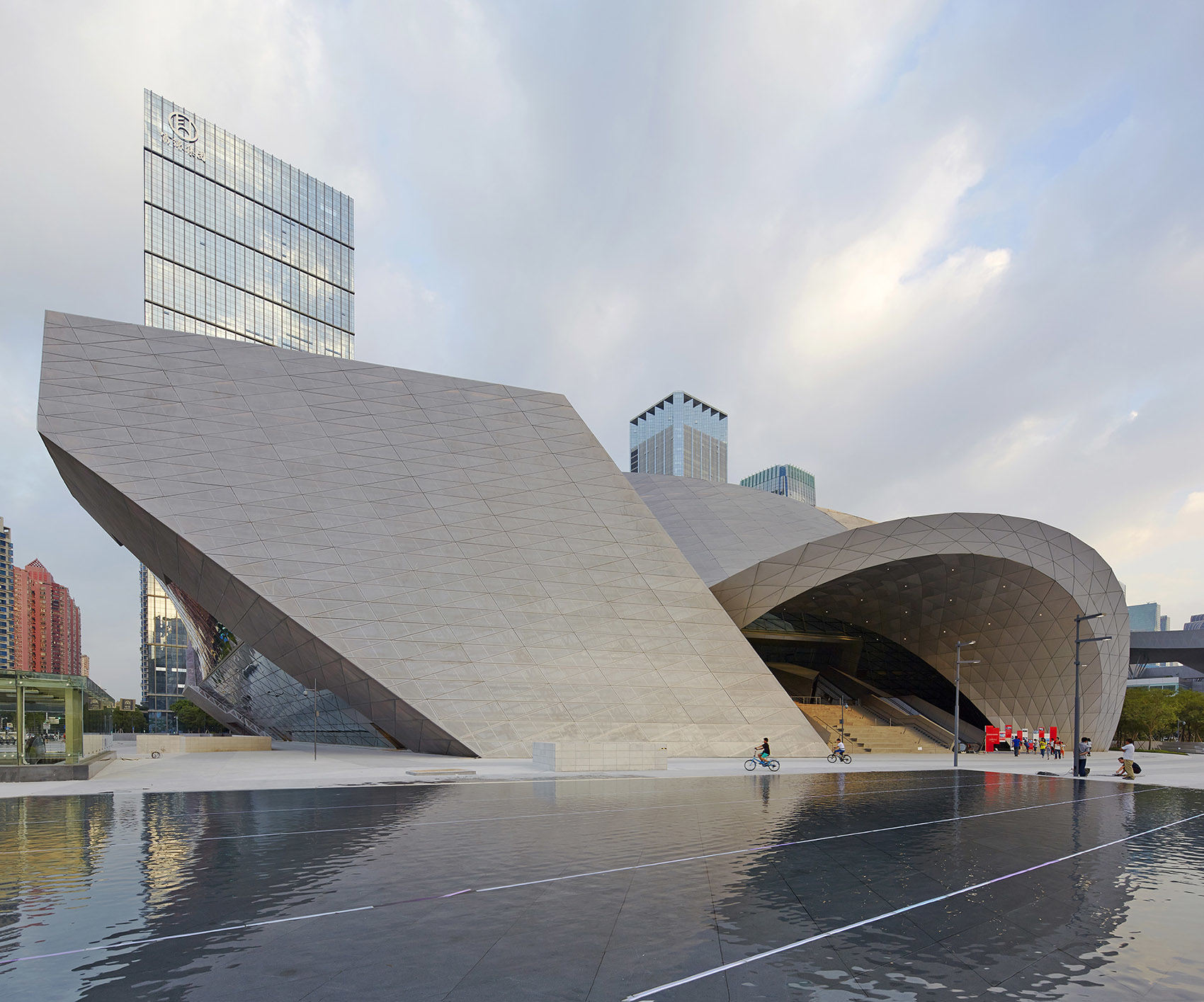


The city of Shenzhen, a metropolis in South China with more than 12 million inhabitants, has an attraction to offer: the MOCAPE – Museum of Contemporary Art & Planning Exhibition, designed by the Austrian architect Coop Himmelb(l)au. It consists of two parts, which are dedicated to contemporary art and urban planning. ATELIER BRÜCKNER designed the exhibition, which concerns the topic of urban planning and is set out over an area of just under 8,500 square metres.
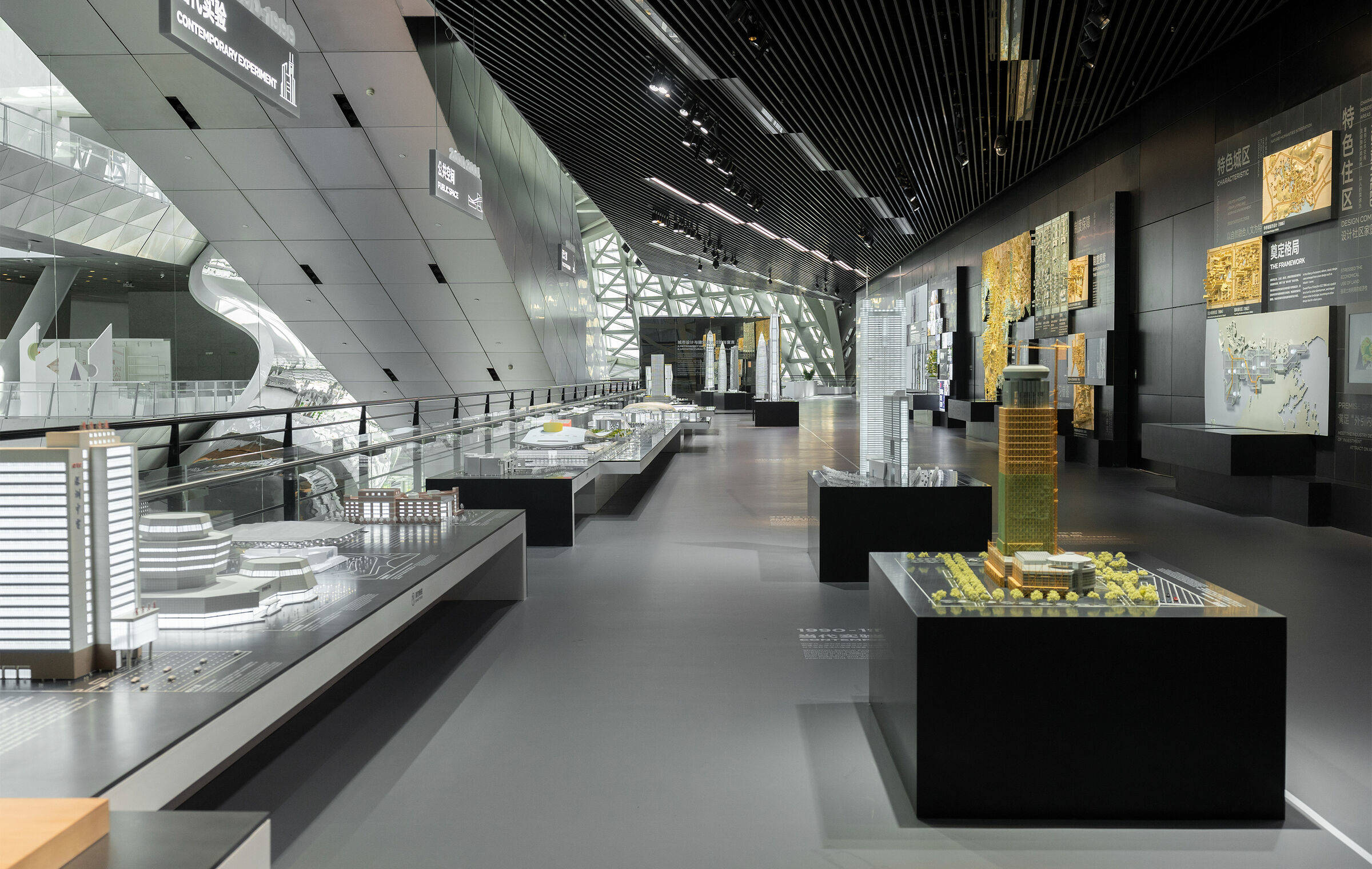
Following the motto “Shenzhen is Vitality”, the permanent exhibition is divided into three large areas, each with a specific theme: “City Co-Existence”, “City Co-Construction” and “City Co-Wish”. A floor is dedicated to each theme. The basic design concept is a grid system – a symbol for the abstract process of urban planning. Within the grid, visitors gradually get closer and closer to the city.
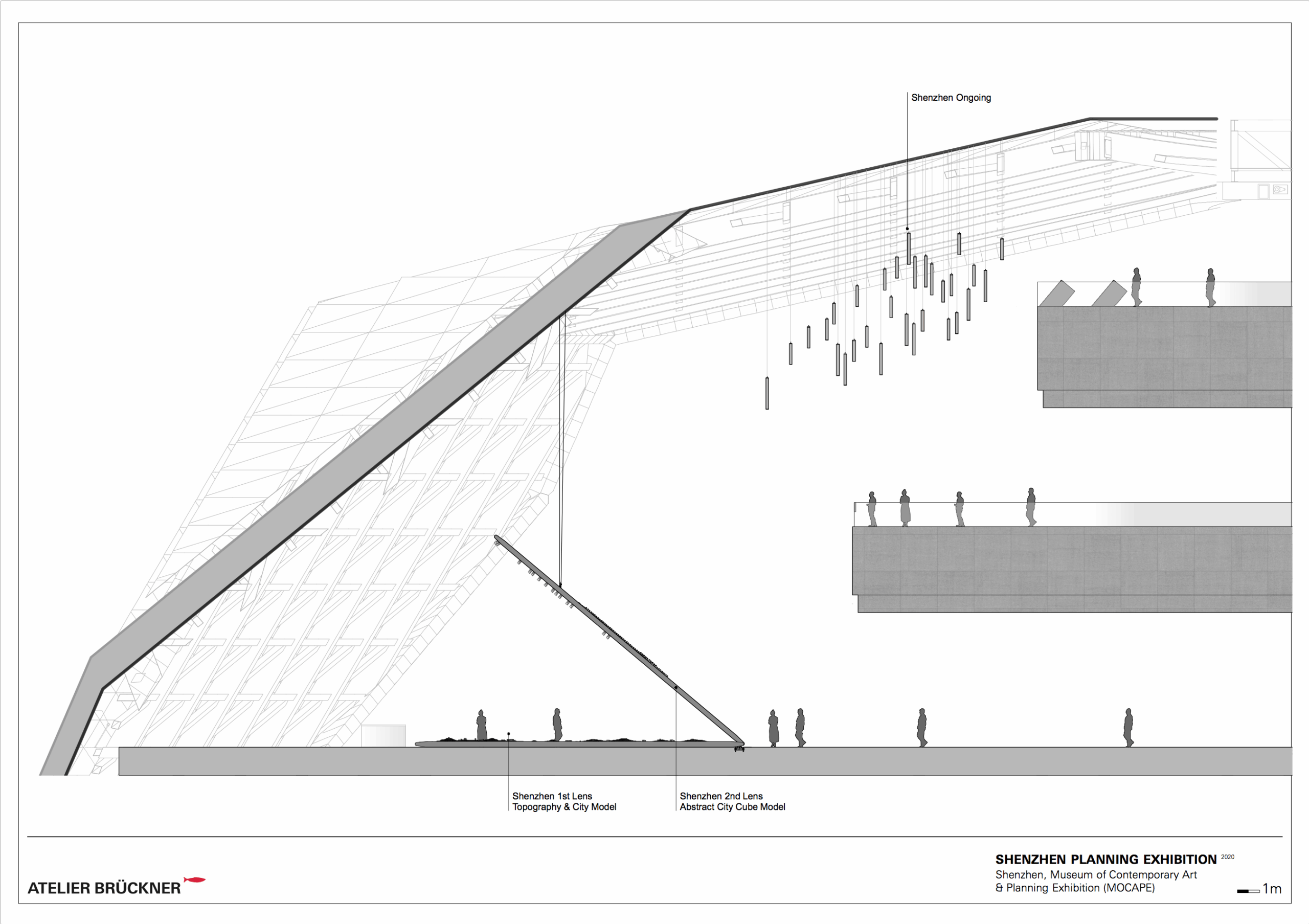
All the floors and the contents are connected to each other by the “Shenzhen Lens”, an impressive, multi-media installation with a diameter of 15 metres that is located in the atrium, which goes 50 metres right up to the top of the building.
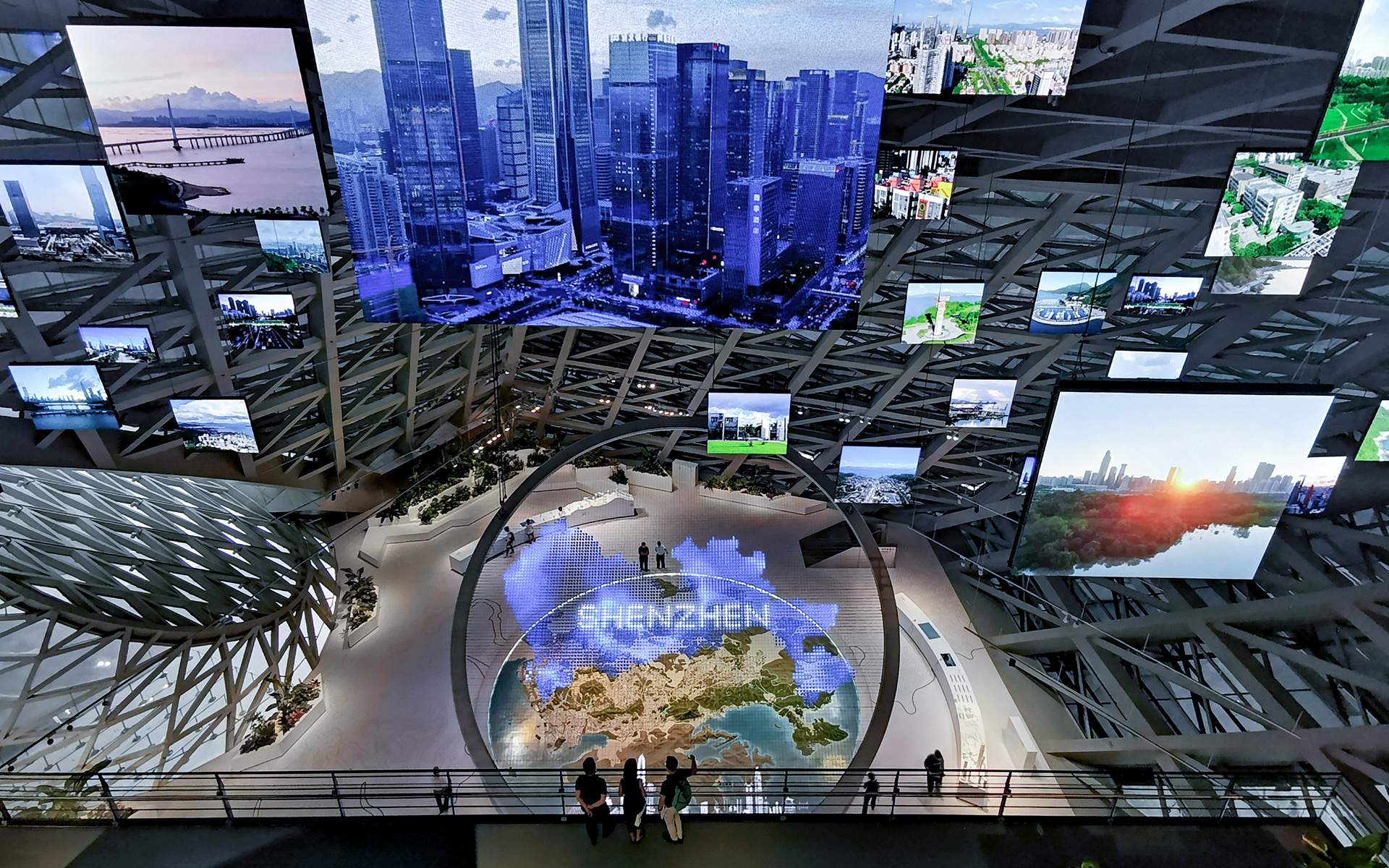

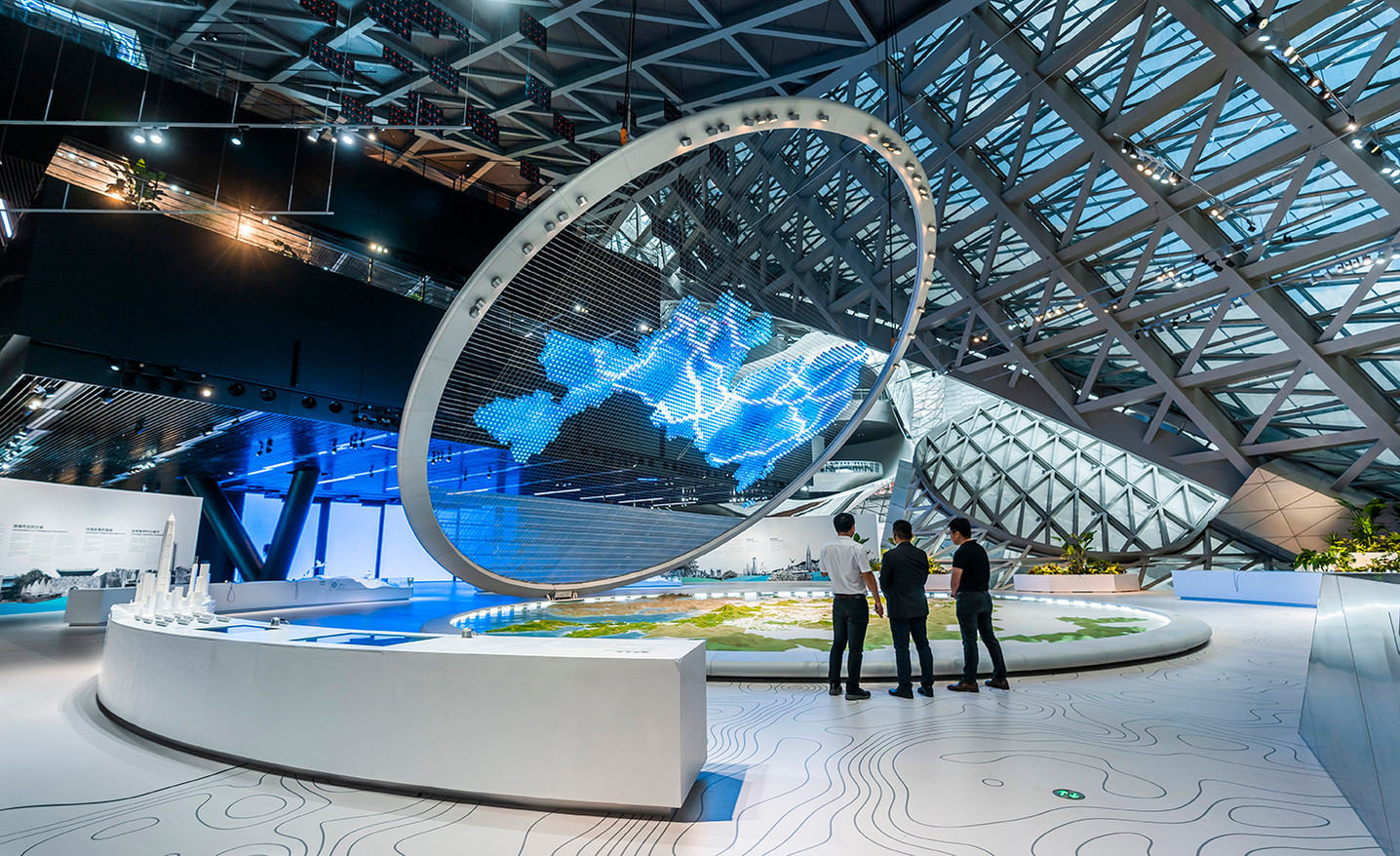
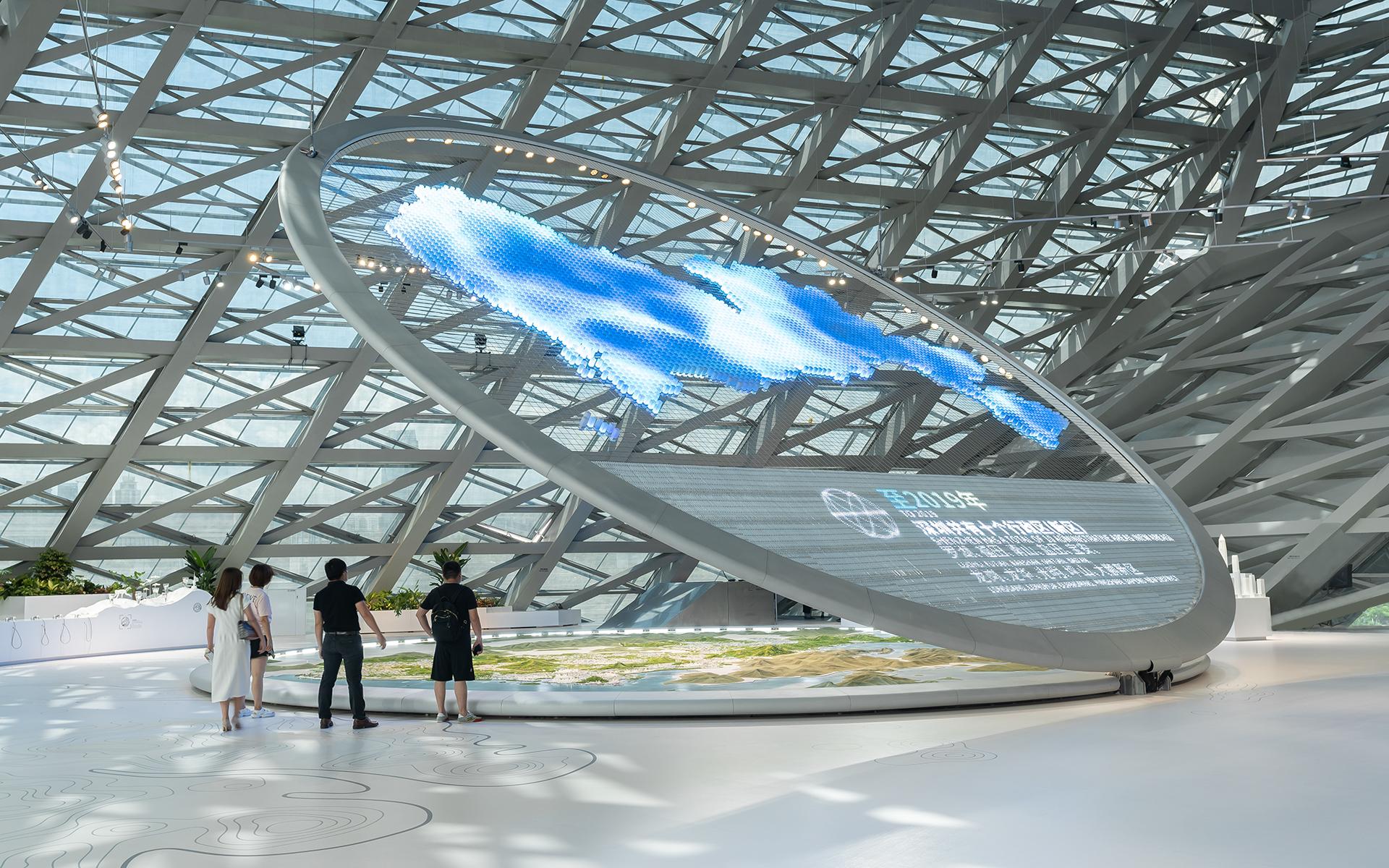
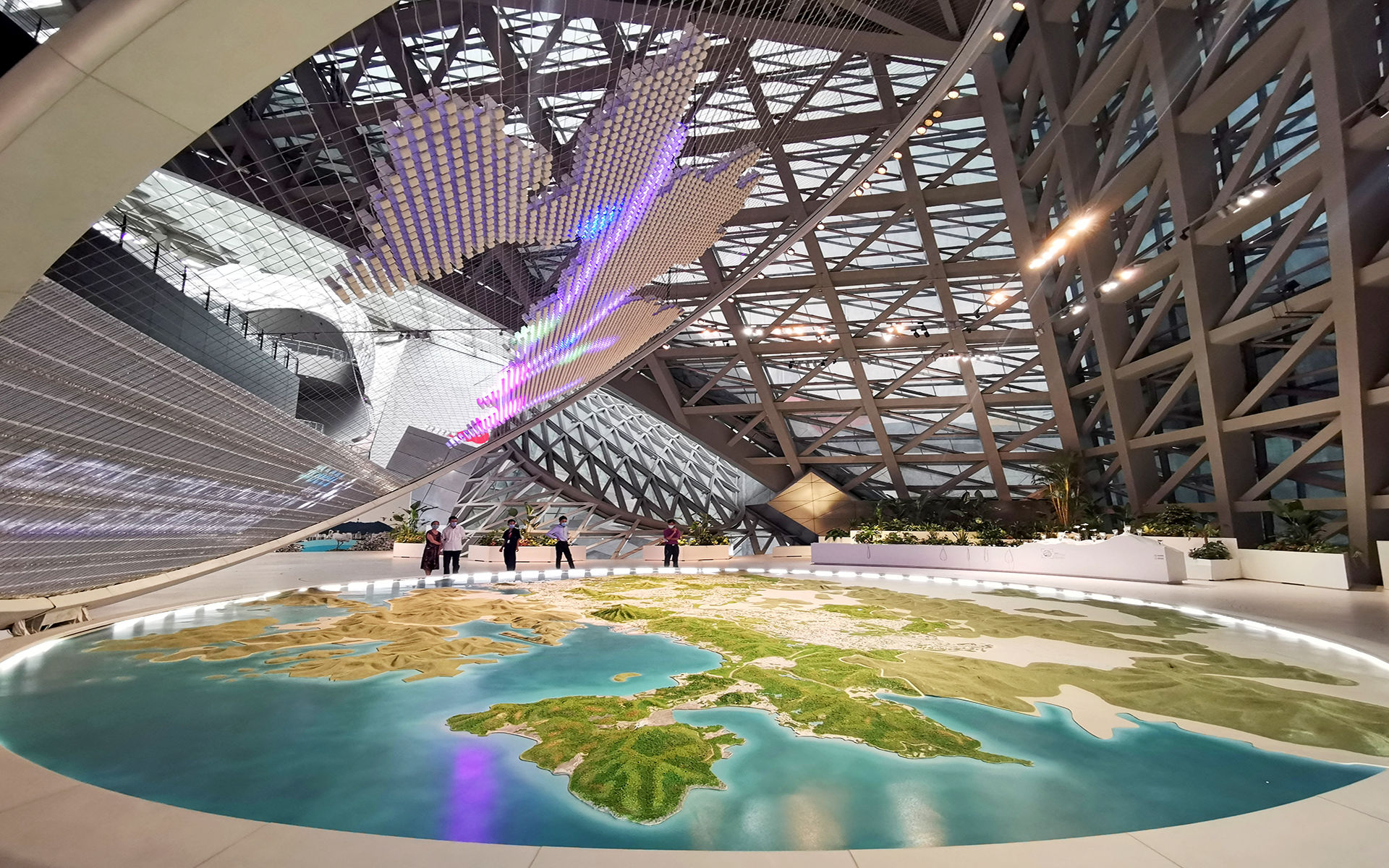
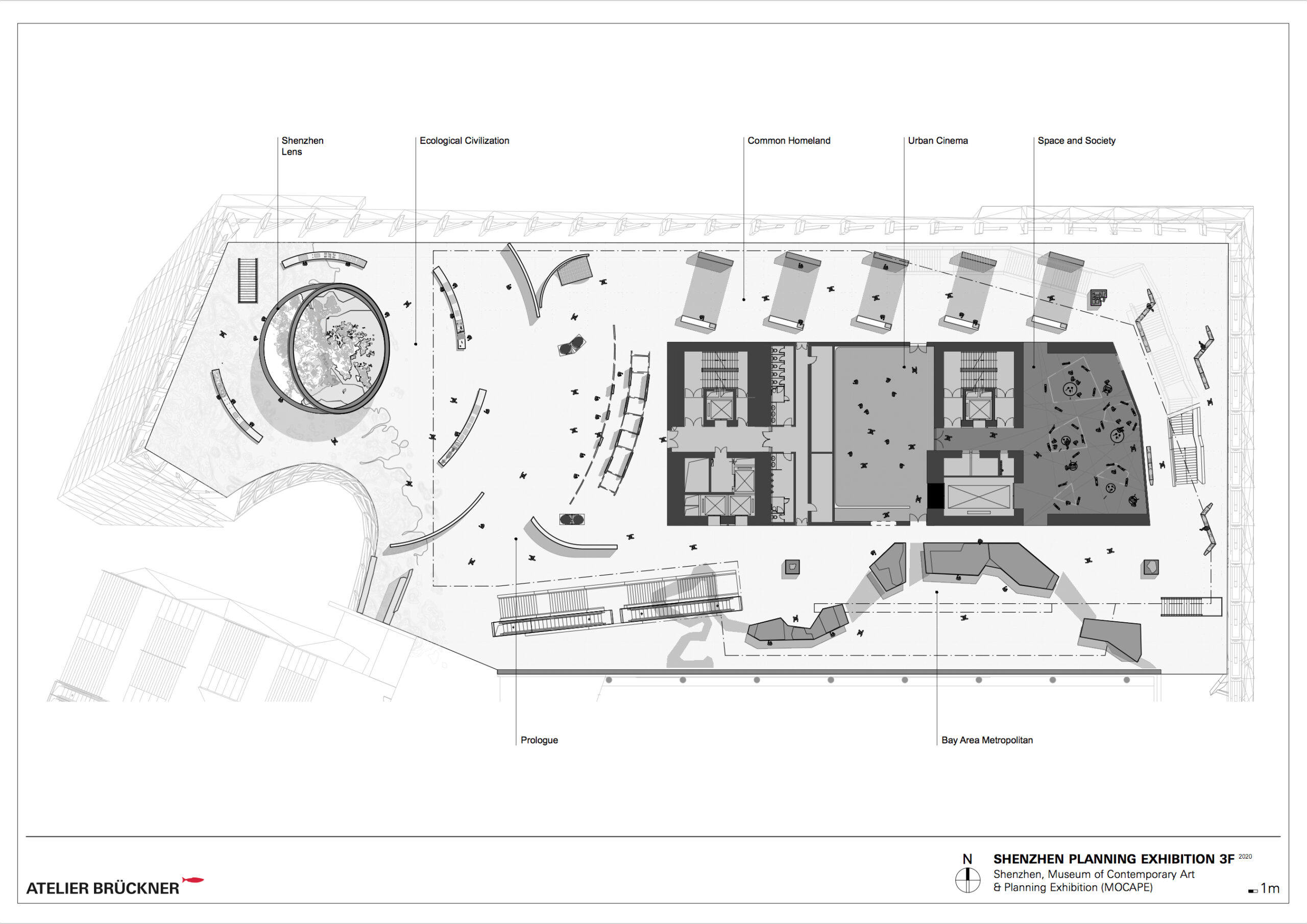
In the “City Co-Existence” area, visitors initially view the city of Shenzhen from a distance. An extensive floor graphic illustrates the scenic interrelationships: the coastline and the surrounding mountainous area. White models show parts of the landscape and convey the idea of abstractly conceived urban planning in relation to the given geographical reality and the pre-existing resources. Augmented reality breathes life into the models: the landscape changes due to its inhabitants; animals begin to stir and colours shown on the display motivate people to obtain further information.


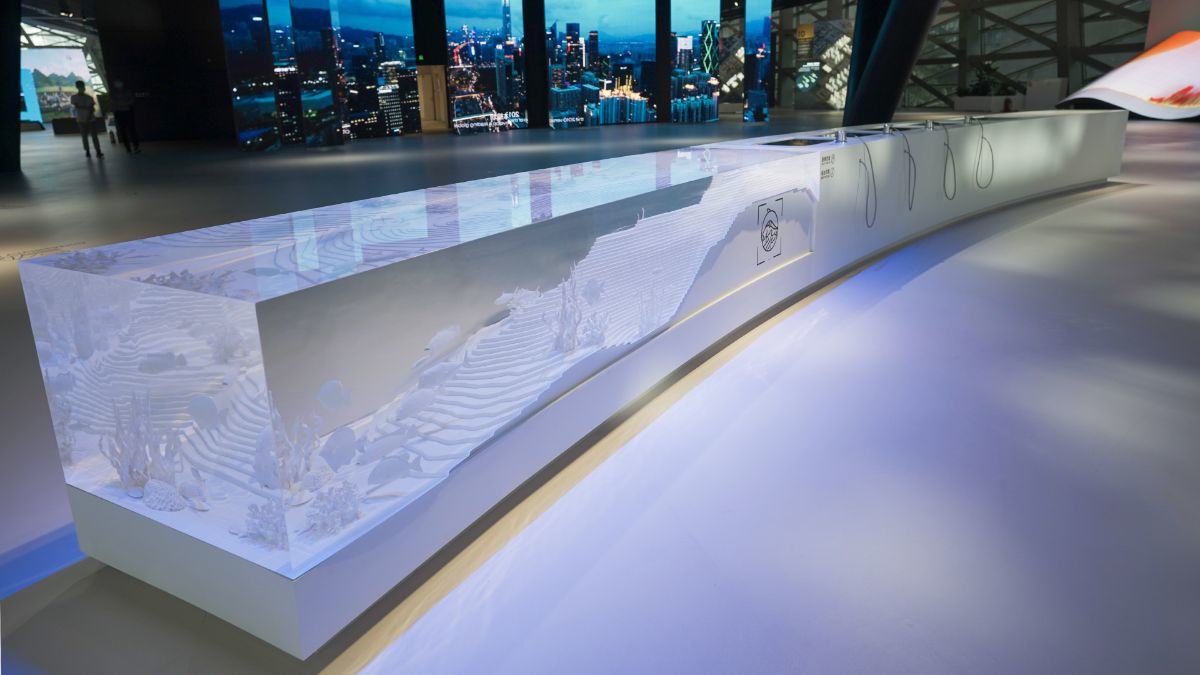

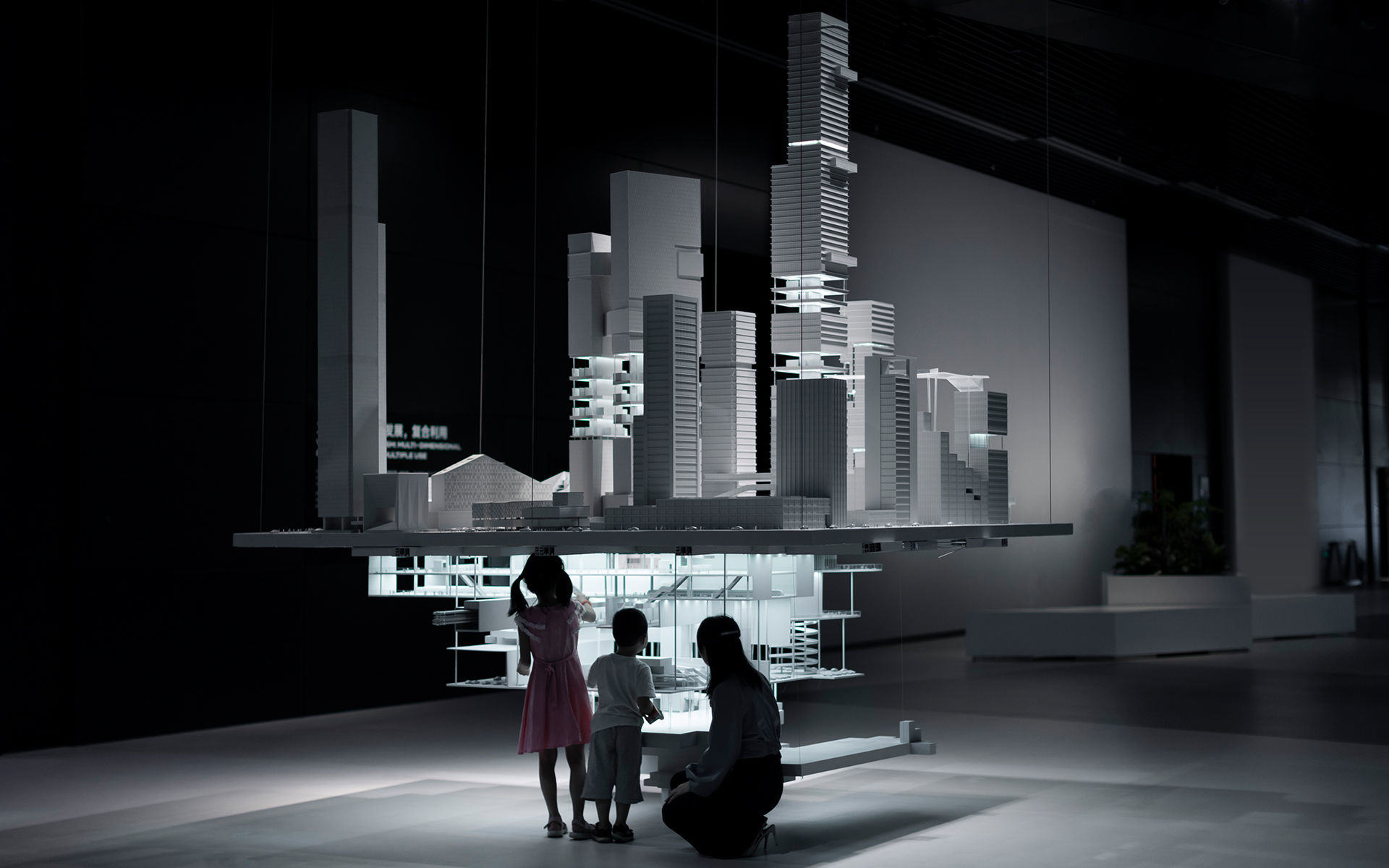
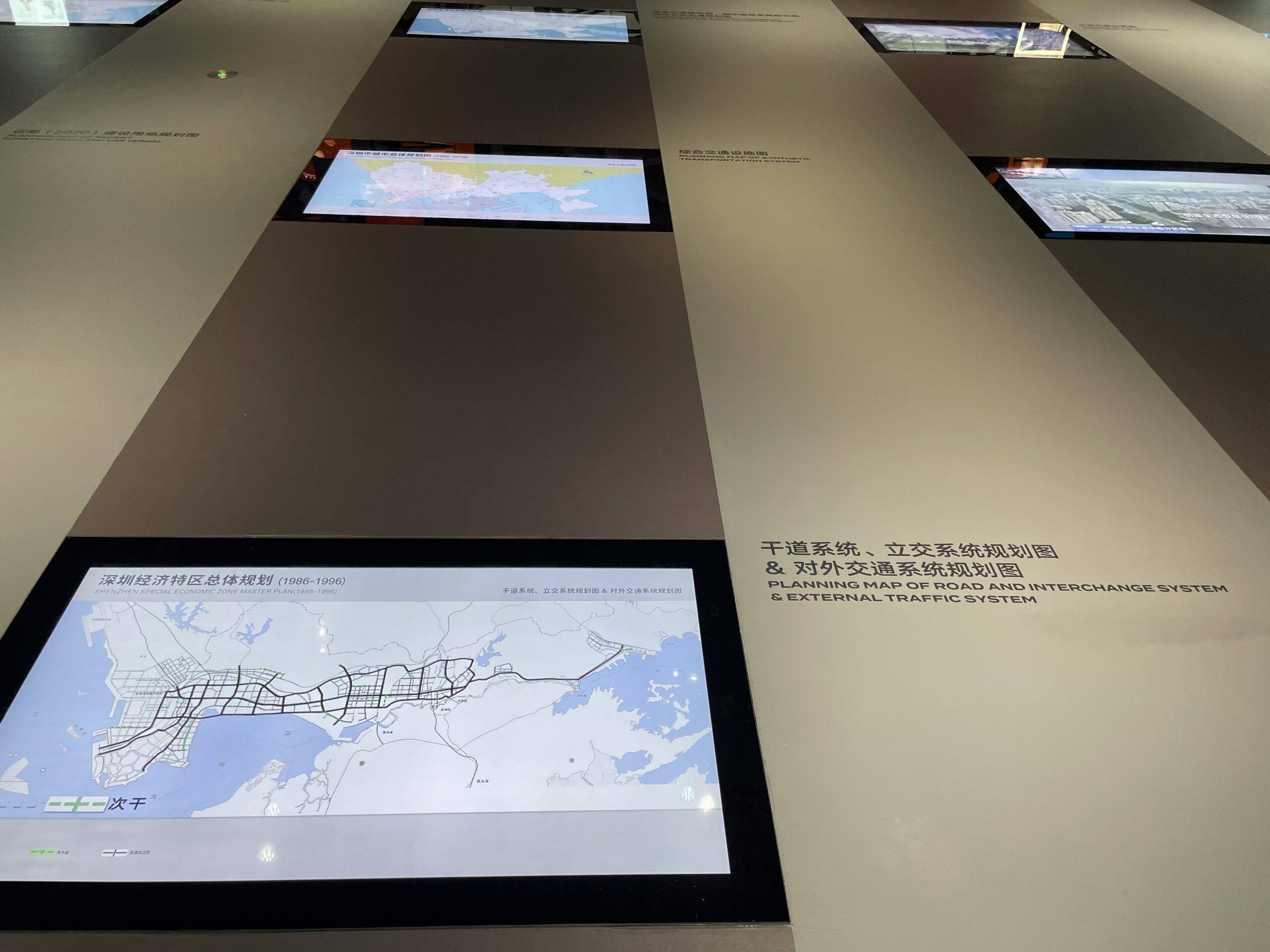
In the second themed area as well, the museum visitors approach the city of Shenzhen step by step. The “City Co-Construction” aspect concerns concrete urban planning, whereby the exhibition presents the master plan of Shenzhen from the year 1979 and relates it to the city’s present-day appearance.
Monitors let into the floor give the impression of observing Shenzhen from a bird’s eye perspective. They are arranged in four rows, each with seven screens, and show individual aspects of the planning phases 1986, 1996–2010, 2010–2020 and 2017¬–2035, for instance the number and location of public green areas.
Renowned urban planners share their thoughts on the master plan with the museum visitors in that their video statements can be seen on steles.




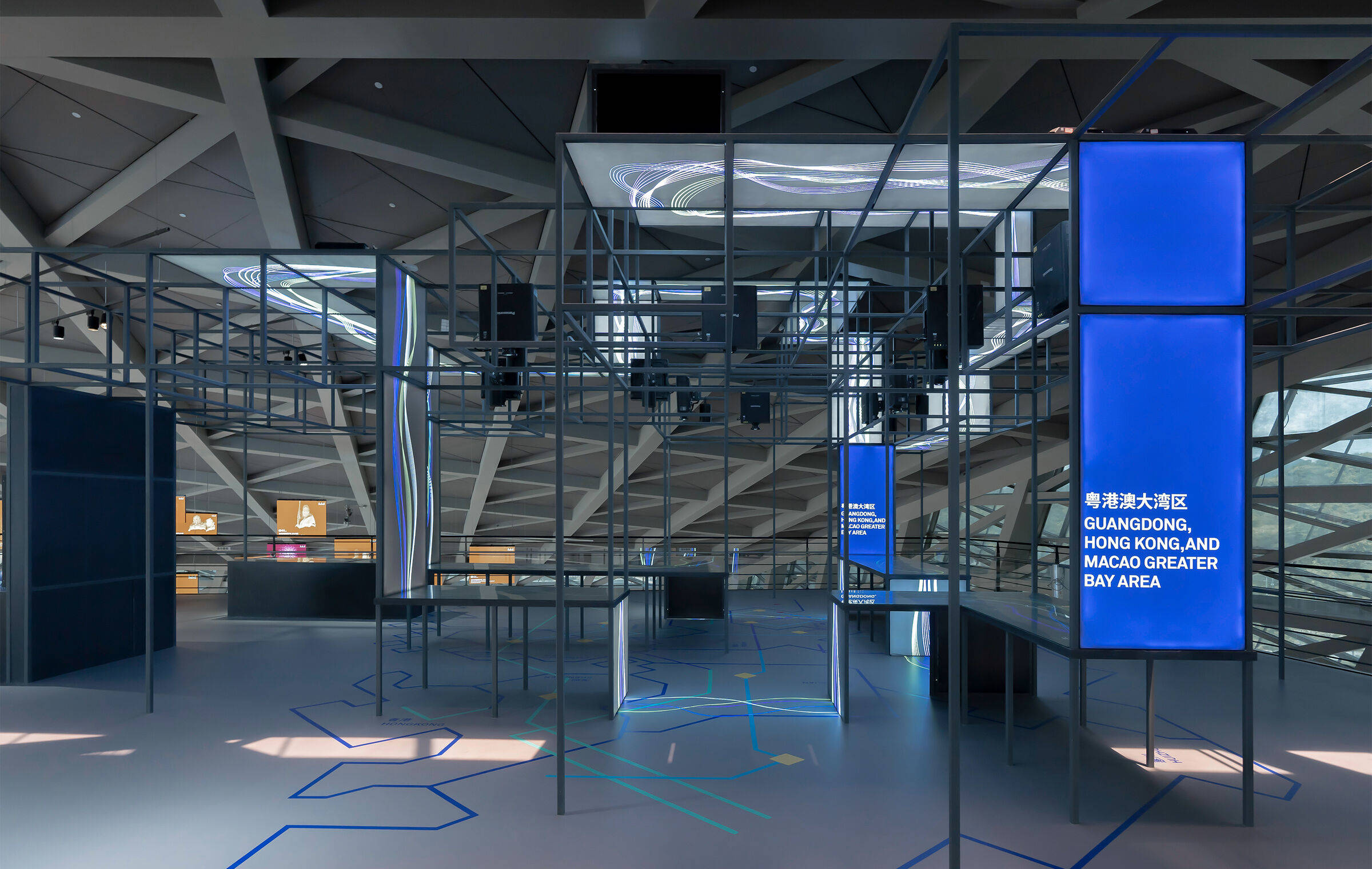
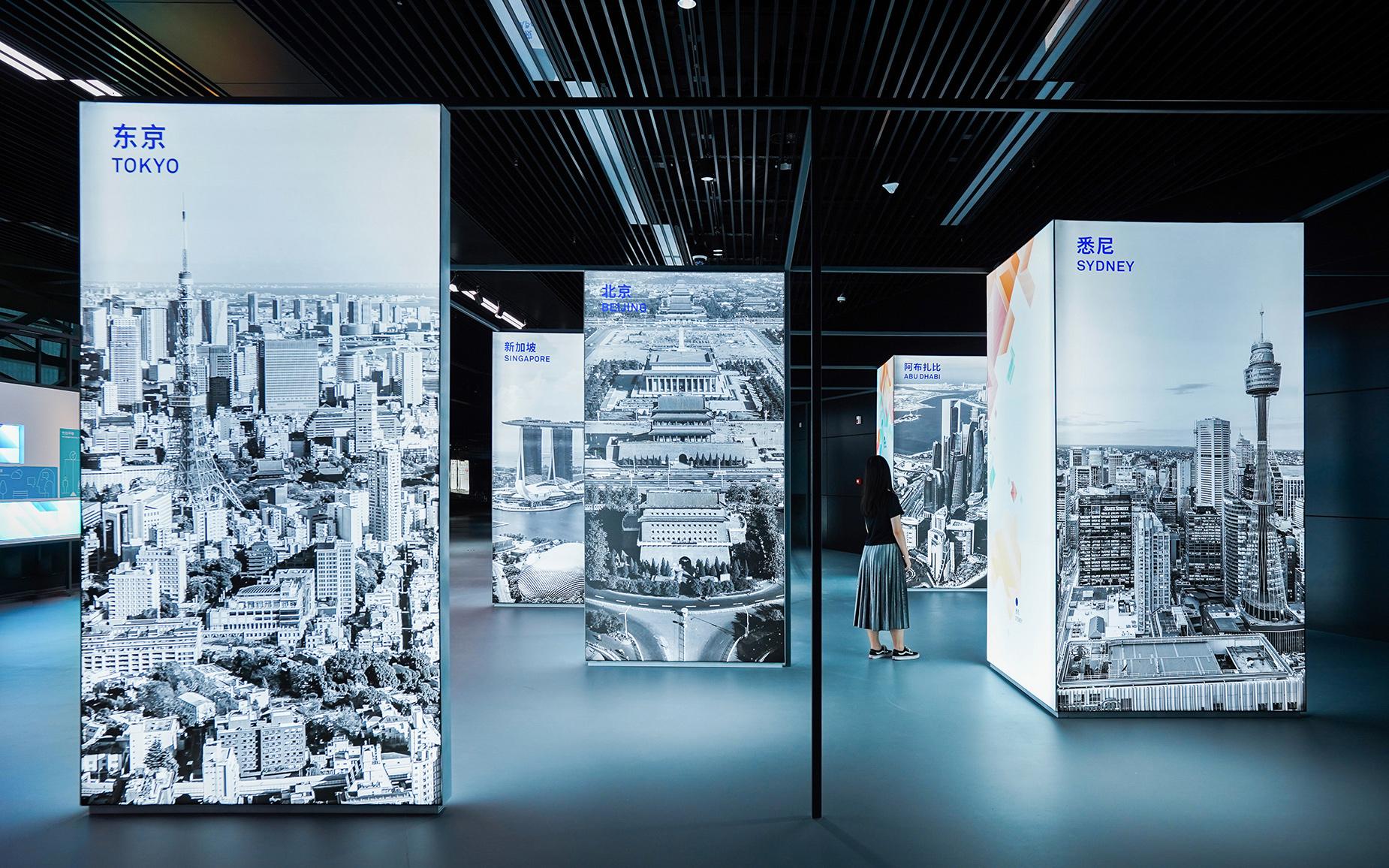
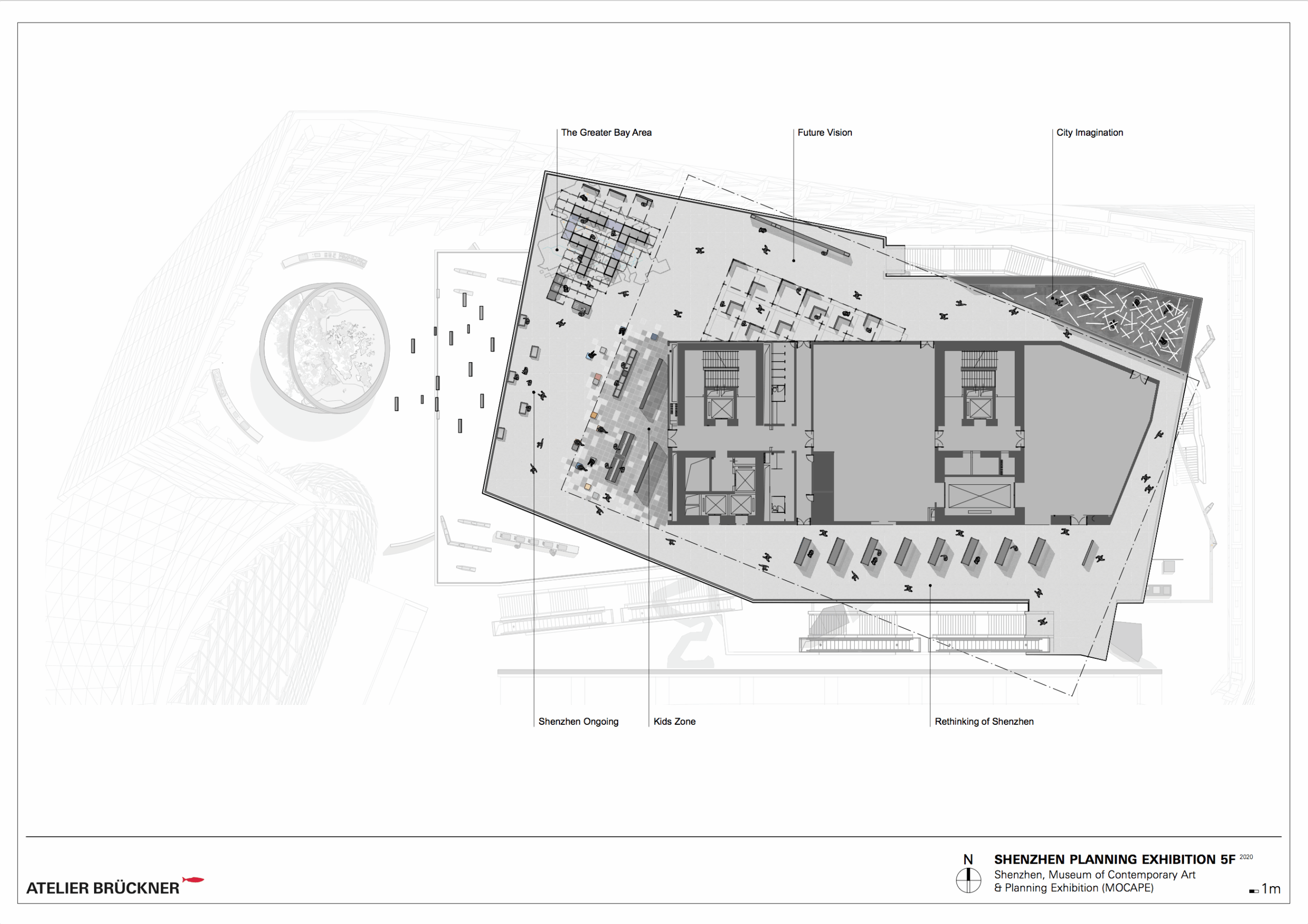
The third exhibition level presents the theme of “City Co-Wish”. In a rather abstract way, it deals with ideas and theories concerning all aspects of urban planning and traces an arc from the past to the present and then into the future. The design of the exhibition is reminiscent of building-site scaffolding; it conveys the transformation that Shenzhen is still undergoing. A comparison with other large cities is enabled in the “Future Vision” room. Three-metre-high steles form a skyline of the world’s most famous cities: London, Paris and New York provide the inspiration.


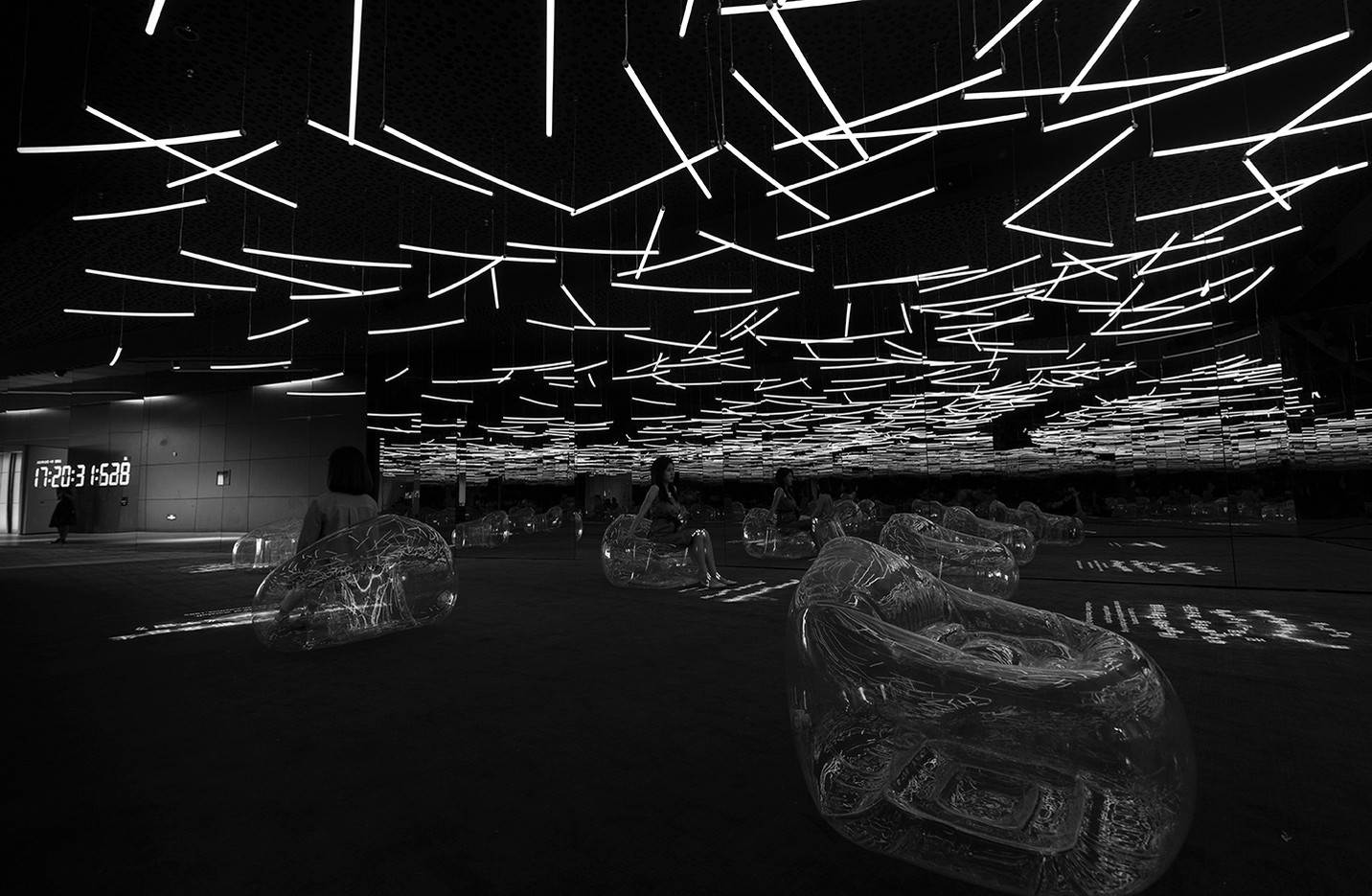
In the “City Imagination” room, the museum visitors immerse themselves in an abstract light and sound environment. The real-time weather information of Shenzhen, such as wind speed and temperature, is transformed into an art installation through algorithms, triggering the visitors’ imagination of a city of the future. In the colourfully designed “kids’ area”, the very young museum visitors can put their ideas into practice: the result is a city made of building blocks. Special exhibition spaces are dedicated to continuous further development and to the efforts being made to find new and improved approaches to urban planning.

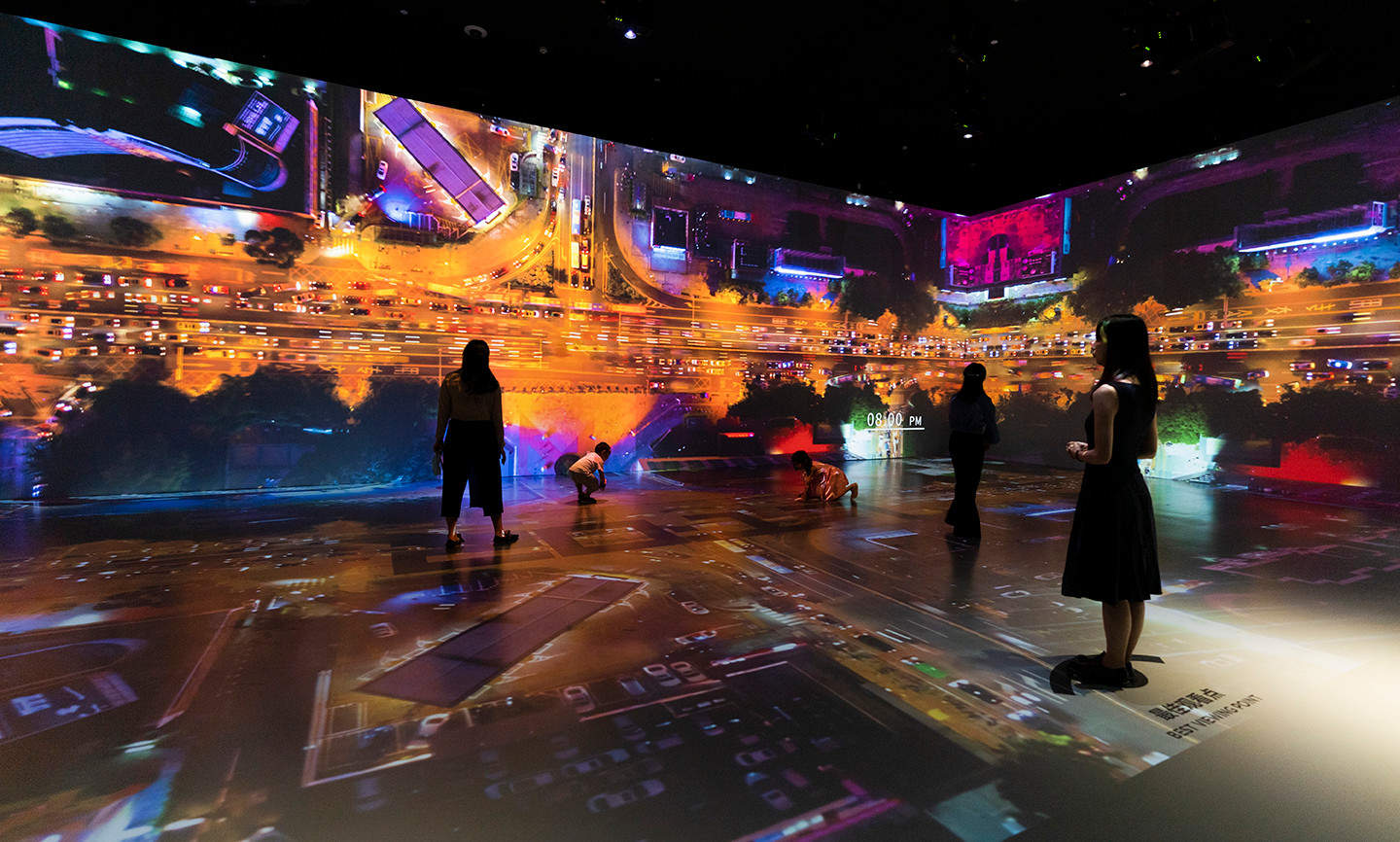
The Urban Cinema is a large immersive video installation consisting of a tri-fold wall screen and floor screen, with 21 projection units to show ultra-high resolution films, interpreting the 24-hour life of Shenzhen, allowing visitors to immerse themselves in the vitality and creativity of the city.
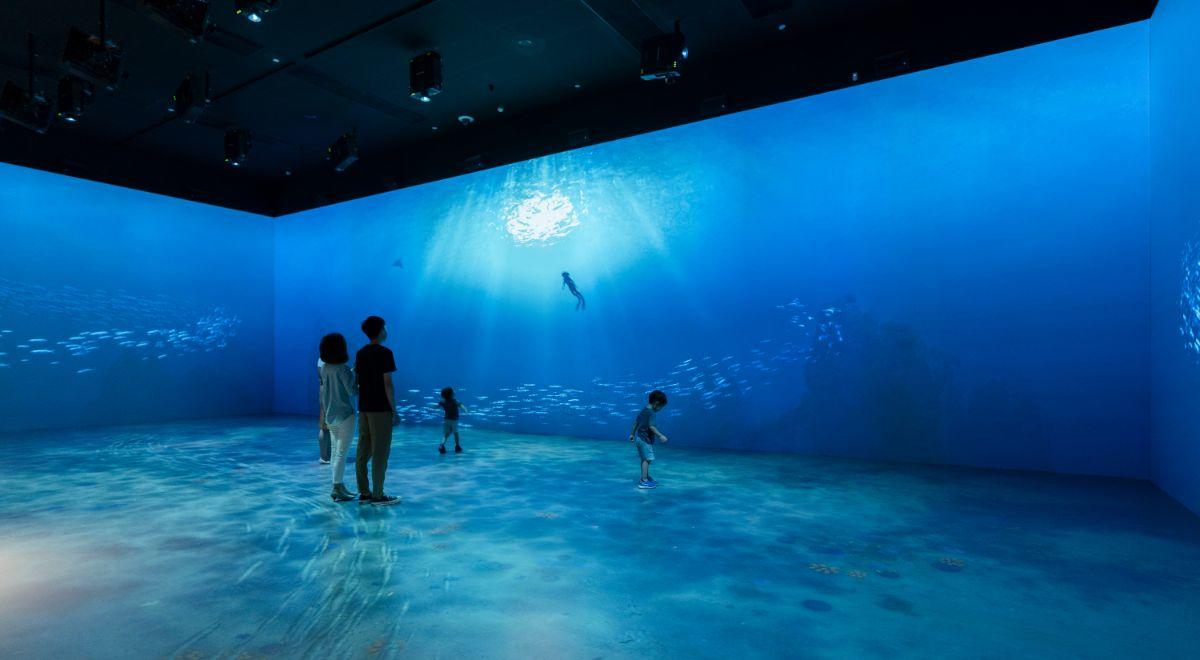
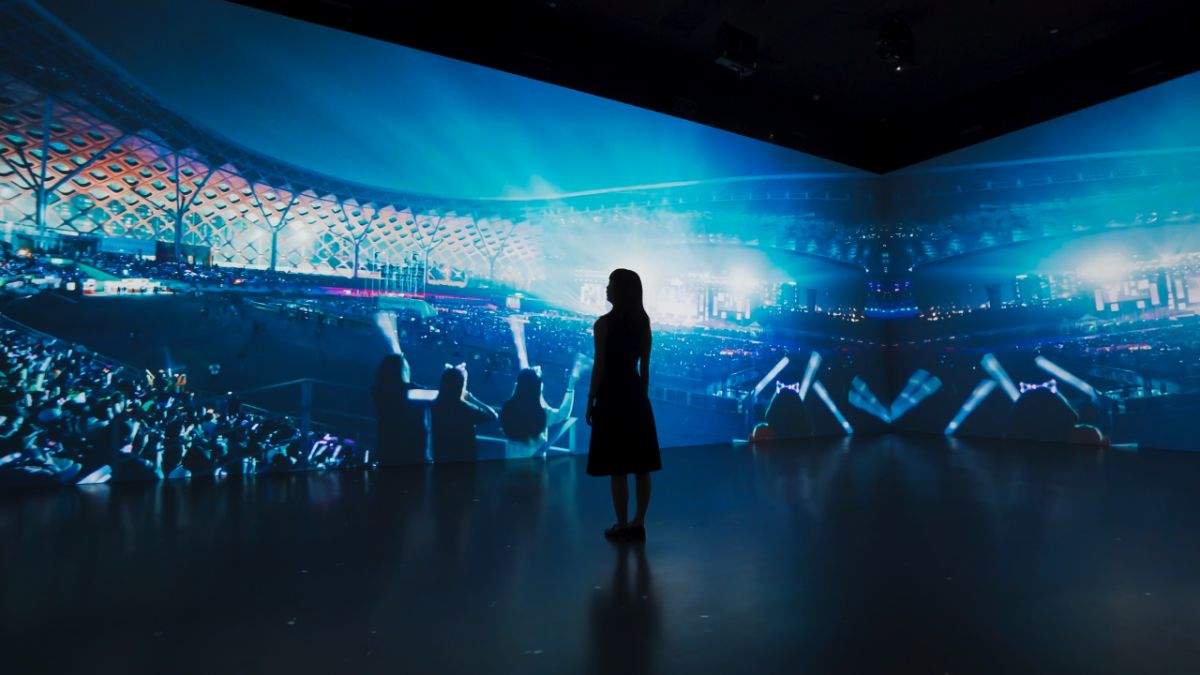

In addition, the 790-meter Greater Bay Area Urban Scroll showcases the coastal cityscapes of Shenzhen and other cities across the Guangdong-Hong Kong-Macao Greater Bay Area. The scroll is presented on a 72-meter-long inclined screen composed of 4,960 custom LED modules, enabling ultra-high-definition animation playback at a resolution of 310,060 — the highest level currently achieved in China.

Up until the late 1970s, today’s megacity was not much bigger than a village. In just a few decades, it has developed into a city of millions and become a high-tech centre with electronically based processes. The museum visualises the planning process itself and presents further visions.

This article has been independently edited and written by WeHow based on publicly available online sources. All copyrights to the images and videos featured belong to their original photographers, creators, or respective organizations. If you believe any content infringes upon your copyright, please contact us at service@wehow.cn, and we will promptly remove the material in question. This content is provided solely for industry learning and knowledge sharing and is not intended for commercial use. Reproduction or republication of the WeHow-edited version is prohibited.