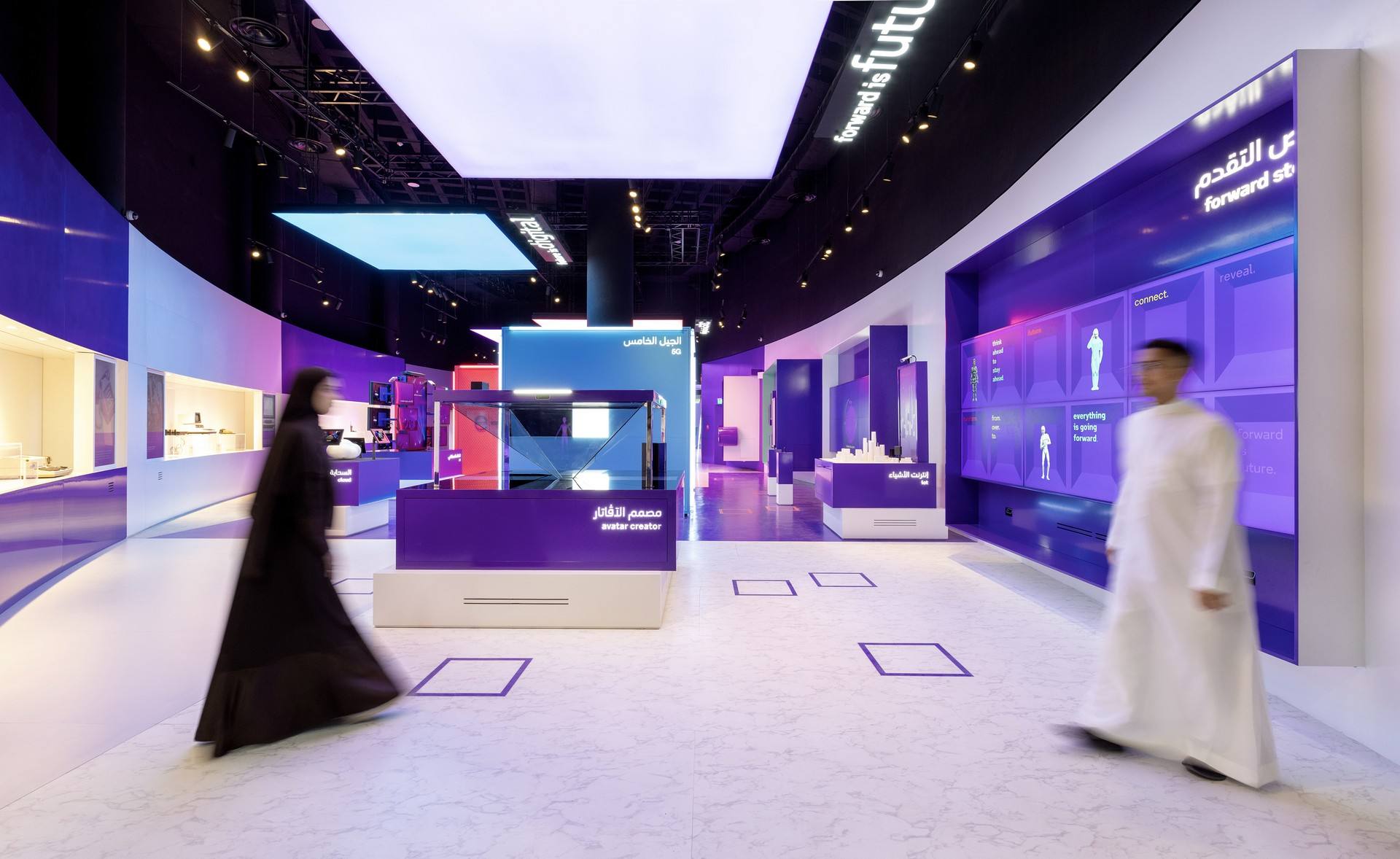
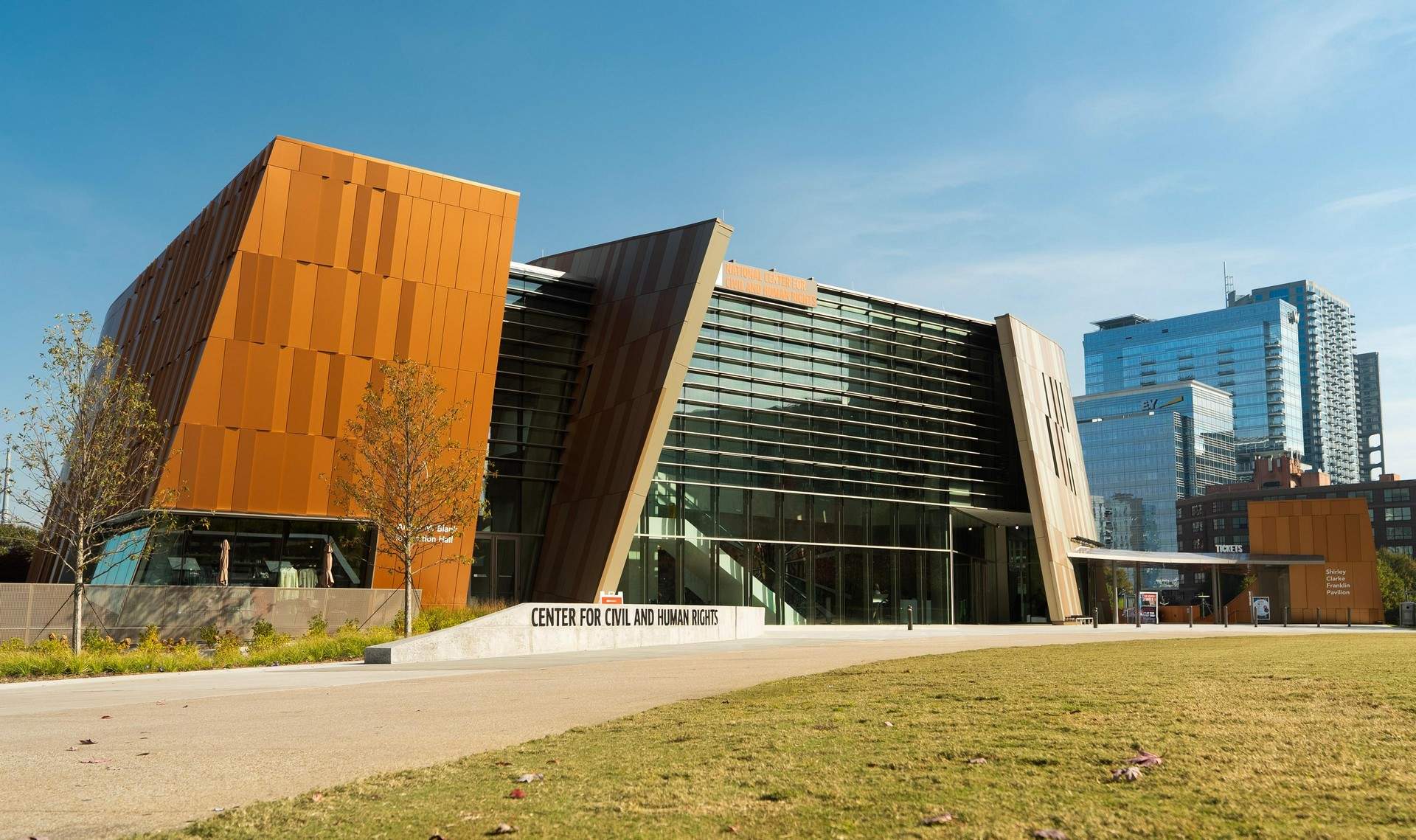
The National Center for Civil and Human Rights (NCCHR) in Atlanta has reinvented itself – and reopened on November 8, 2025. Eleven years after its founding, the building was expanded by fifty percent through an extension by Perkins & Will. But the real change lies inside: the house becomes a place where history, present, and personal action are connected.
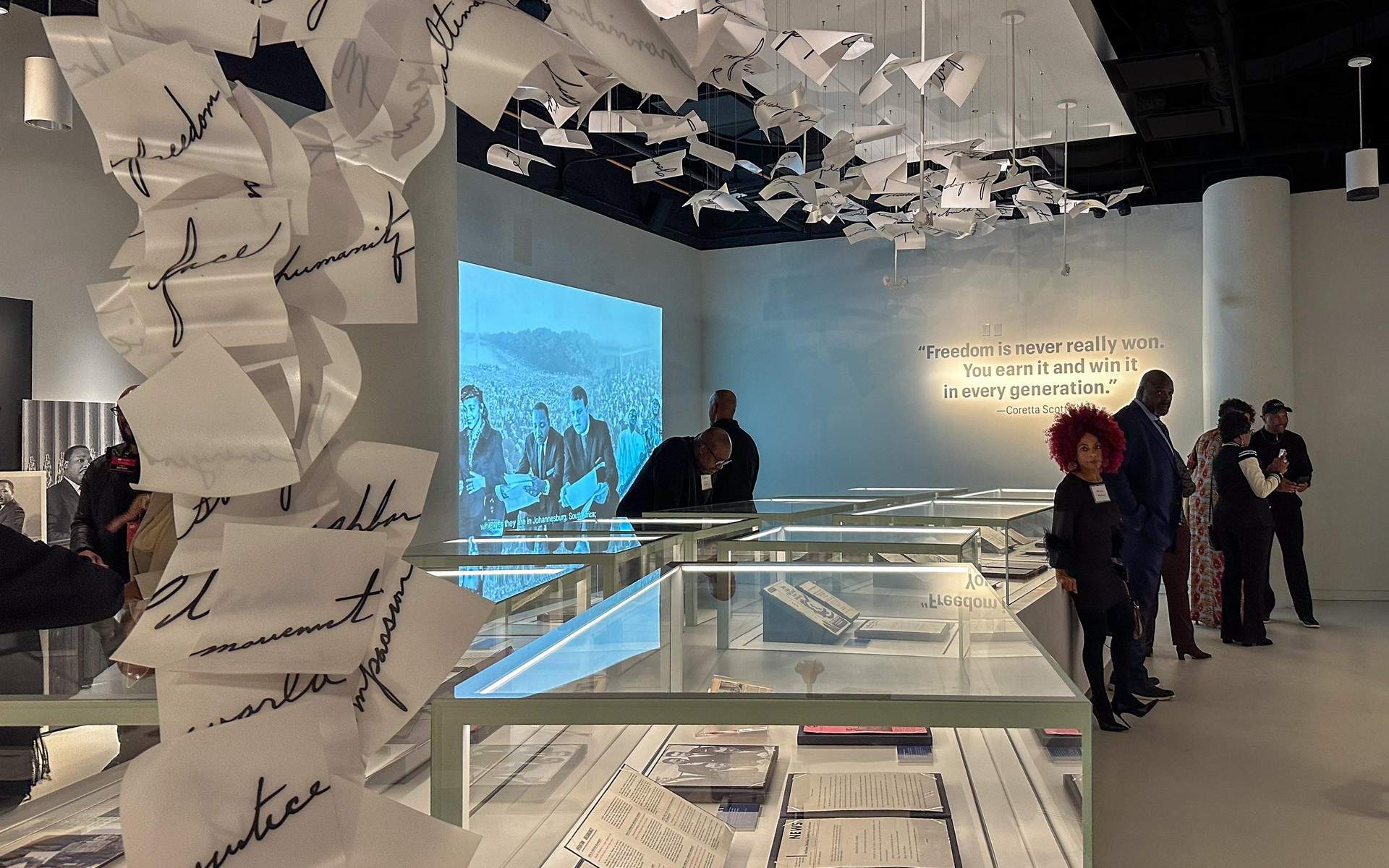
ATELIER BRÜCKNER developed an exhibition concept that understands participation as an attitude. The design combines the redesign of existing galleries with newly conceived immersive experiences. Each gallery has its own character, each emotion its space. Moments of empathy alternate with zones of rest and reflection. Newly introduced “Join-In” and “Reflection Zones” are integrated into the tour – recurring, clearly recognizable places that invite participation and pause. The goal of the new design is not only to tell history – including its shocking chapters – but to make it experienceable and to grow a sense of responsibility from it.
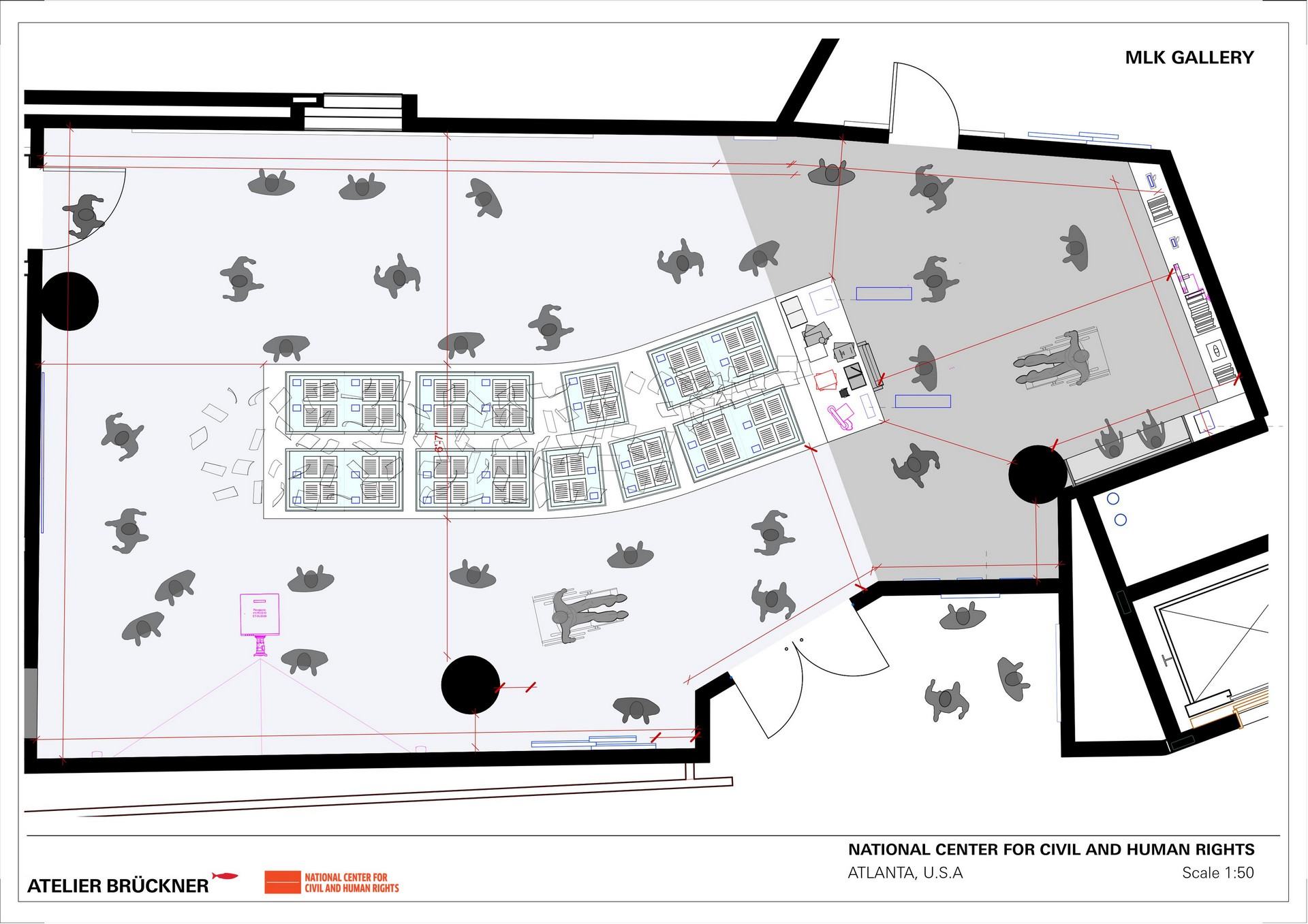
A focal point of the renovation is the Martin Luther King Jr. Gallery, which places King’s legacy spatially and emotionally at the center. The completely new exhibition shows the man behind the icon. In his reconstructed office, a telephone rings; when you pick up the receiver, you hear original voices of his companions, mentors, and friends – voices that carried his vision forward. Books, photographs, and handwritten notes provide insight into his world of thought. Above his desk, a floating cloud of pages rises from an empty sheet and flows into the bright main room of the MLK Collection, where original documents of King are displayed – a poetic metaphor for thoughts becoming deeds. The redesigned gallery conveys a message: Martin Luther King Jr. was one of us – and everyone can act.
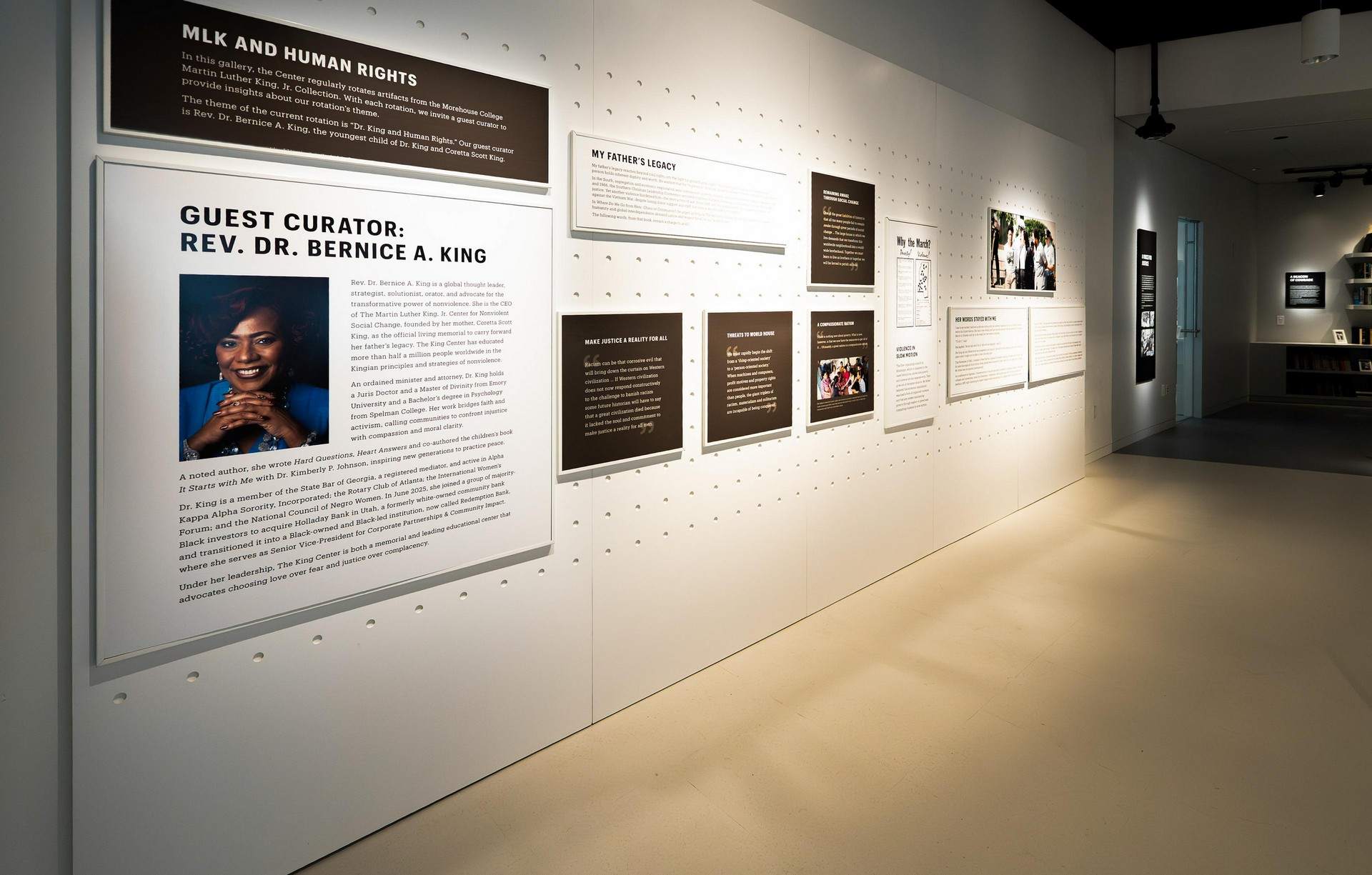
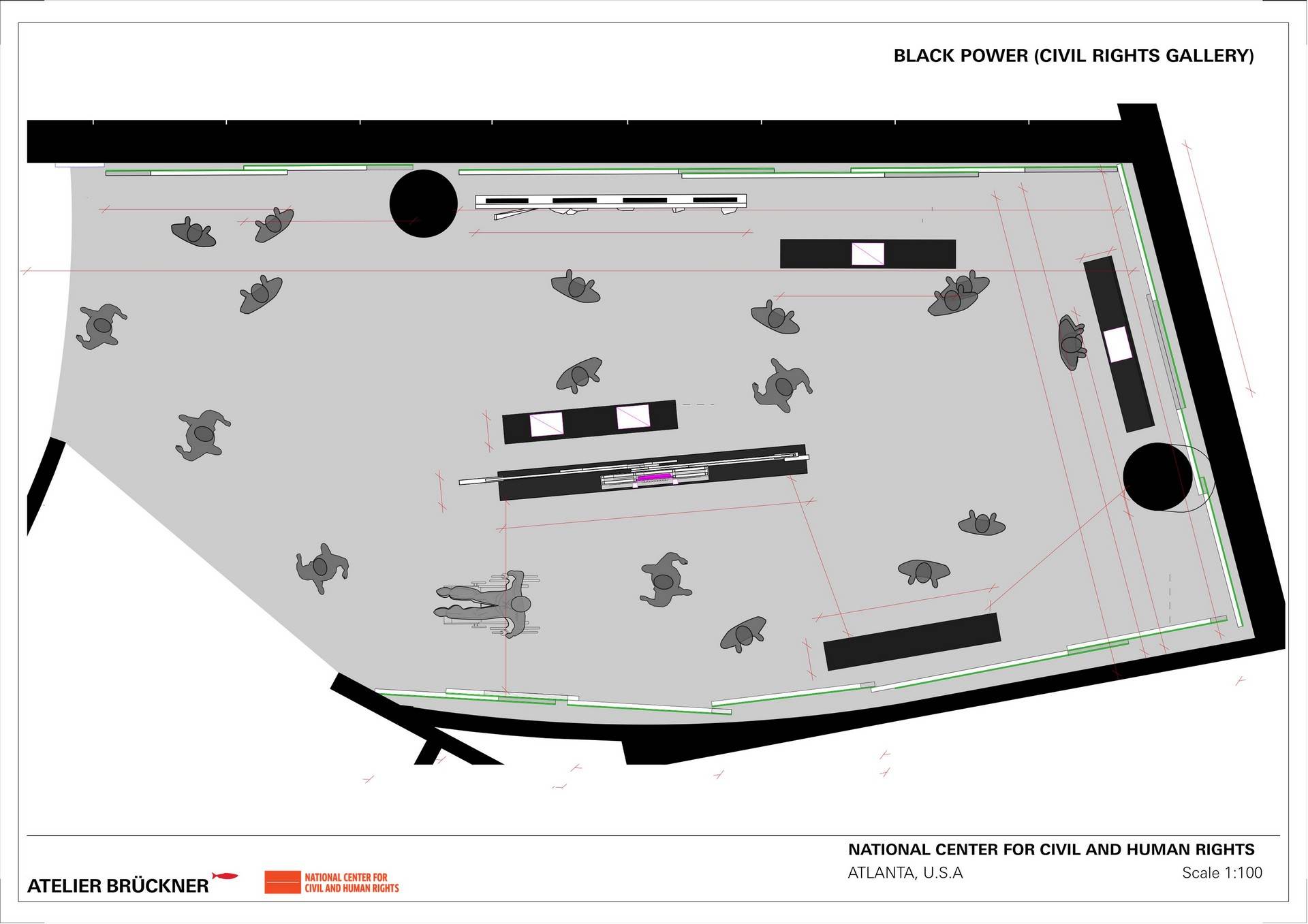
The core theme remains the struggle for civil rights, but the route through the exhibition is new. The narrative now follows a clear, intuitive path without detours or level changes. In the “Join-In” zones visitors discover what social engagement can look like; the “Reflection Rooms” offer retreats with chairs and tissues—quiet spaces where what has been seen can be processed, especially for those whose family history is part of the story.
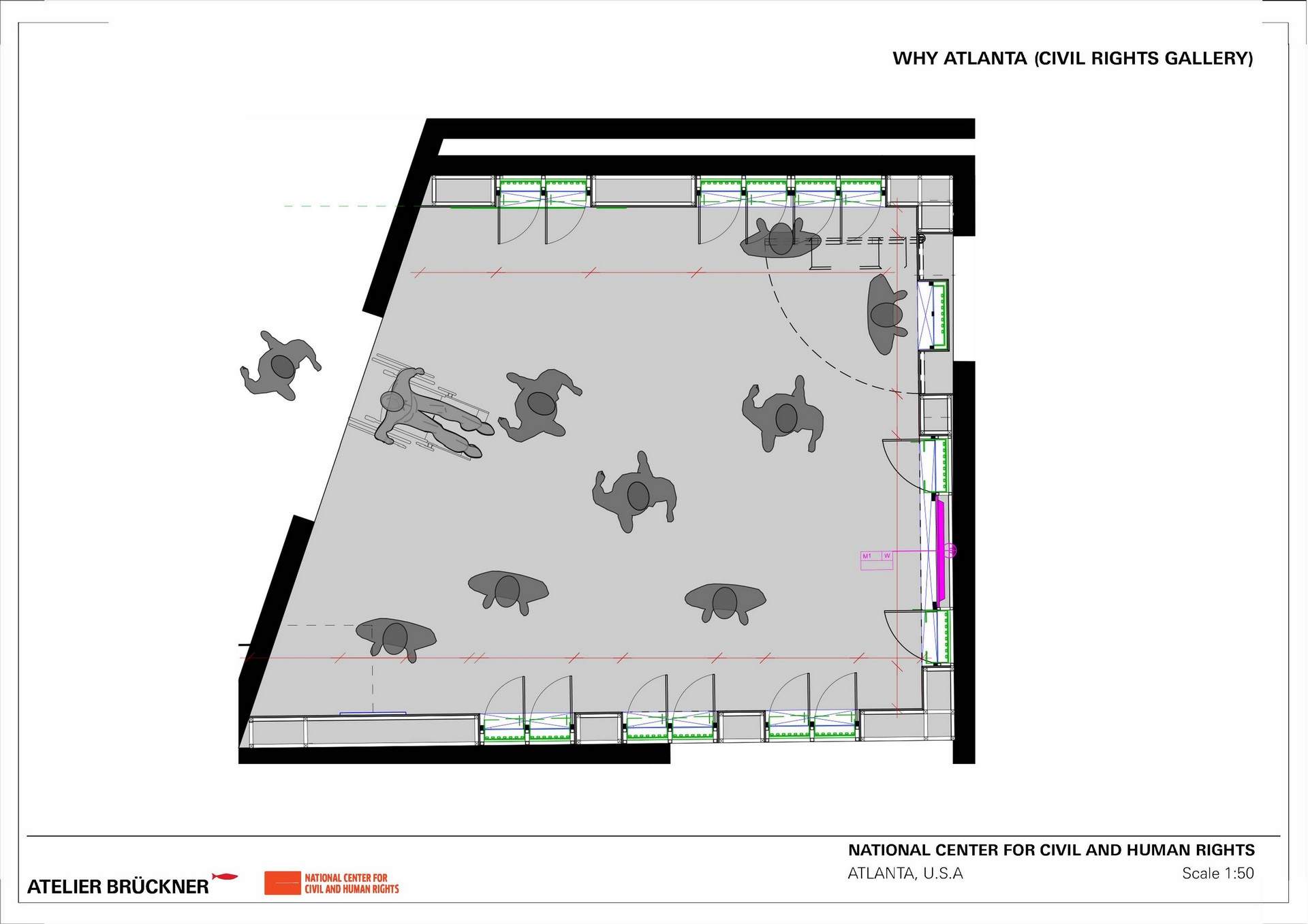
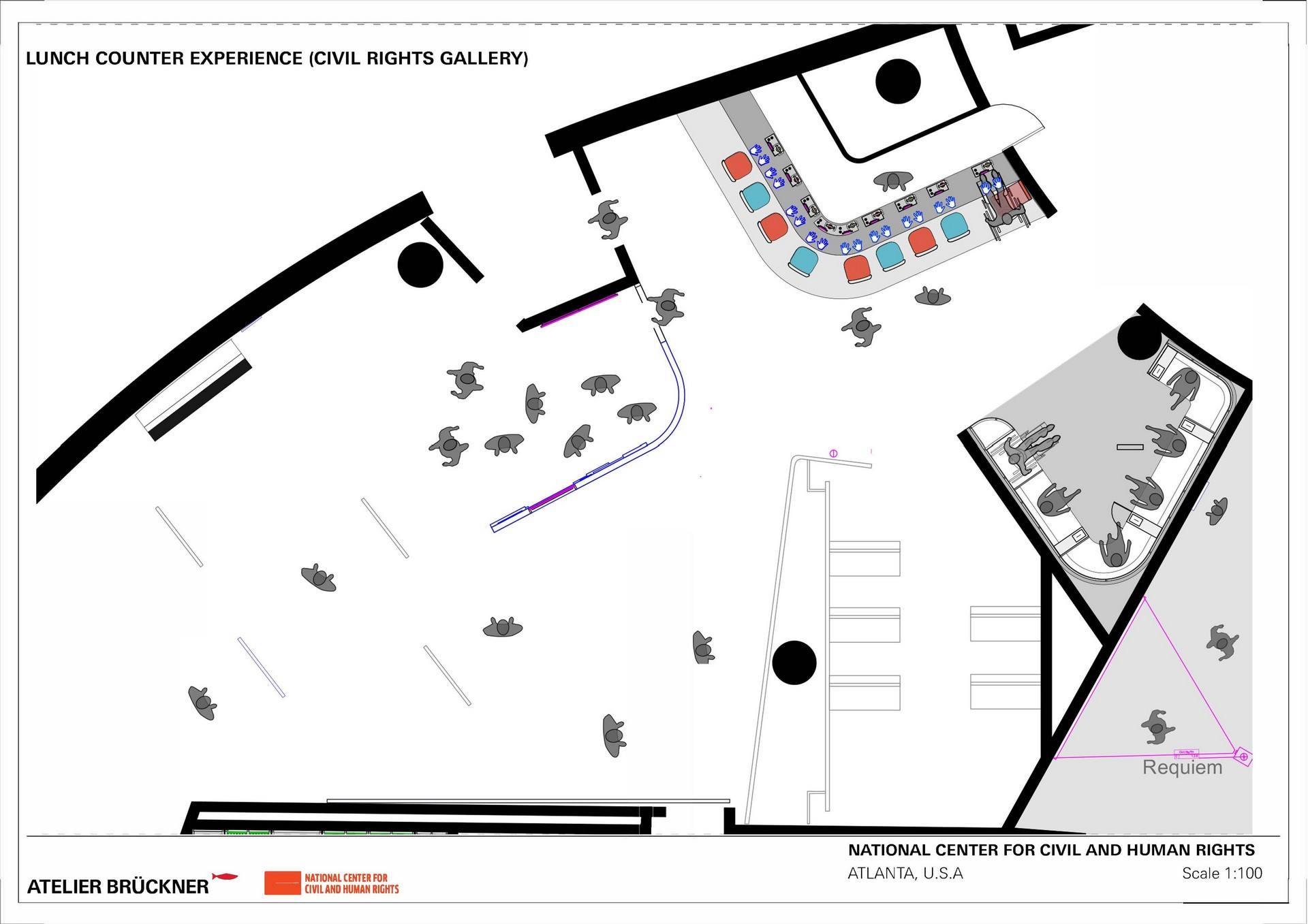
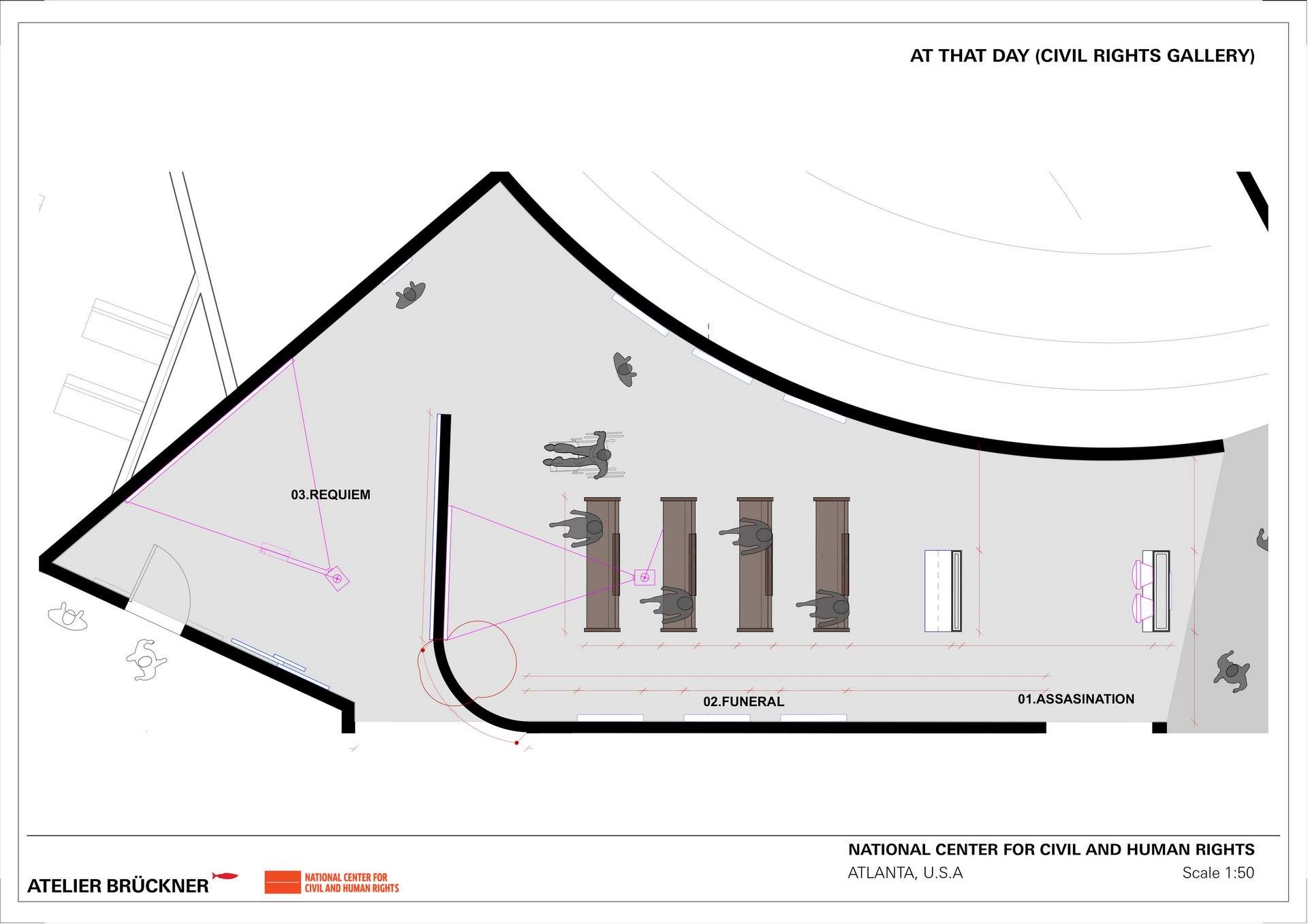
The redesigned Civil Rights Gallery leads from segregation and the fight for equality to the assassination of Martin Luther King. The tour begins with “Why Atlanta”: luminous city scenes show churches, universities and barber shops—seedbeds of the movement. A film bridges to the present; digital postcards send greetings from historic Atlanta. In the “Lunch Counter Experience” visitors sit on faithfully reproduced bar stools—the seats begin to vibrate while insults echo in the headphones. Like the activists of the 1960s, they experience what it means to stand firm.
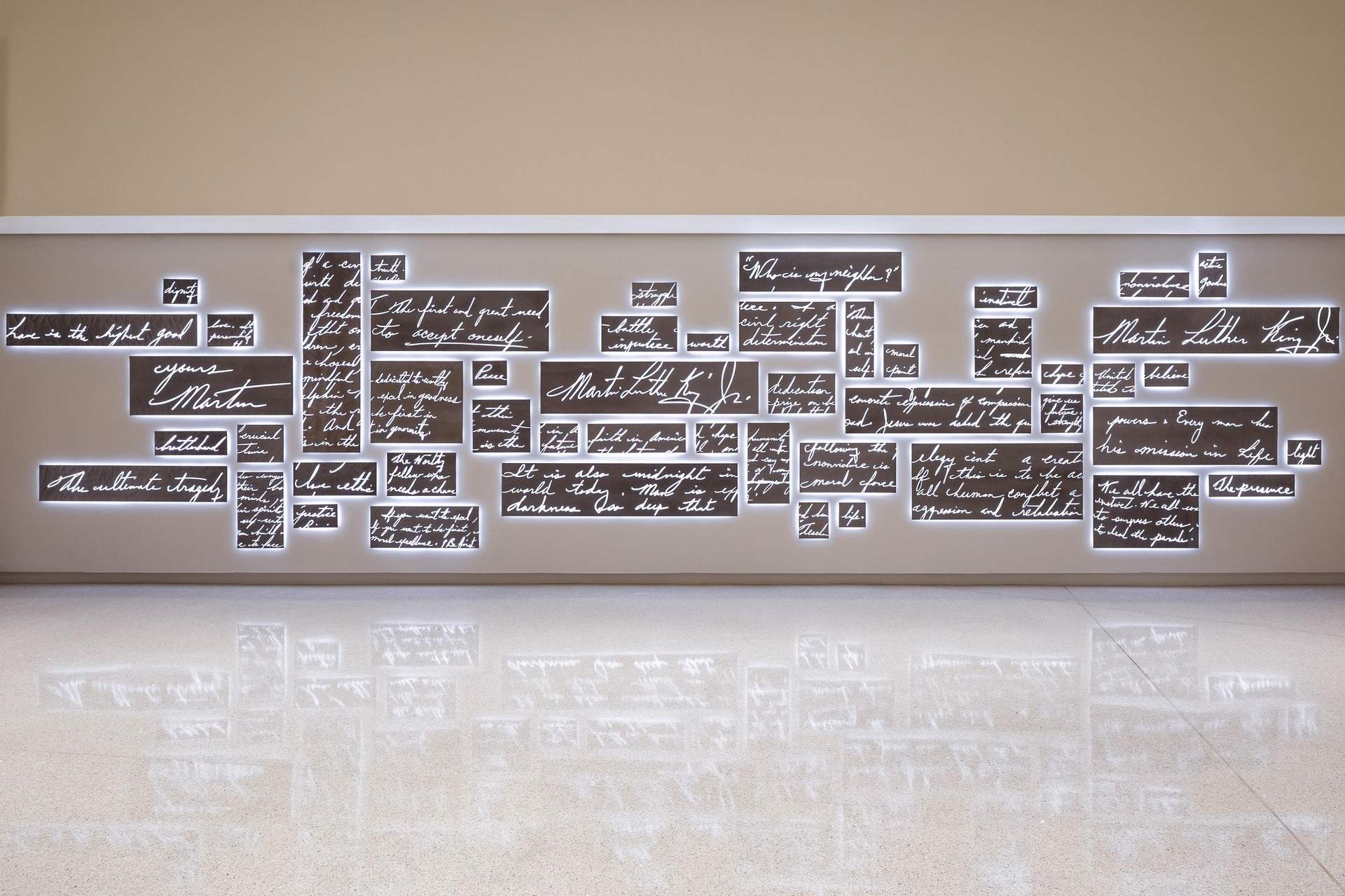
Graphics, light and media merge existing and new galleries into a coherent spatial experience. The visual identity continues with refined typography, a nuanced colour palette and King’s own handwriting as a luminous motif in the MLK Gallery.
In the “Join-In” zones interactive stations invite visitors to discover forms of engagement—for example, a jukebox where music and the civil-rights movement merge. Visitors hear songs of resistance and learn how art became activism. The “Reflection Zones”, in contrast, create calm—accompanied by quotes, warm light and a subdued atmosphere. Light guides emotion: gentle in moments of reflection, clear and precise when conveying information.
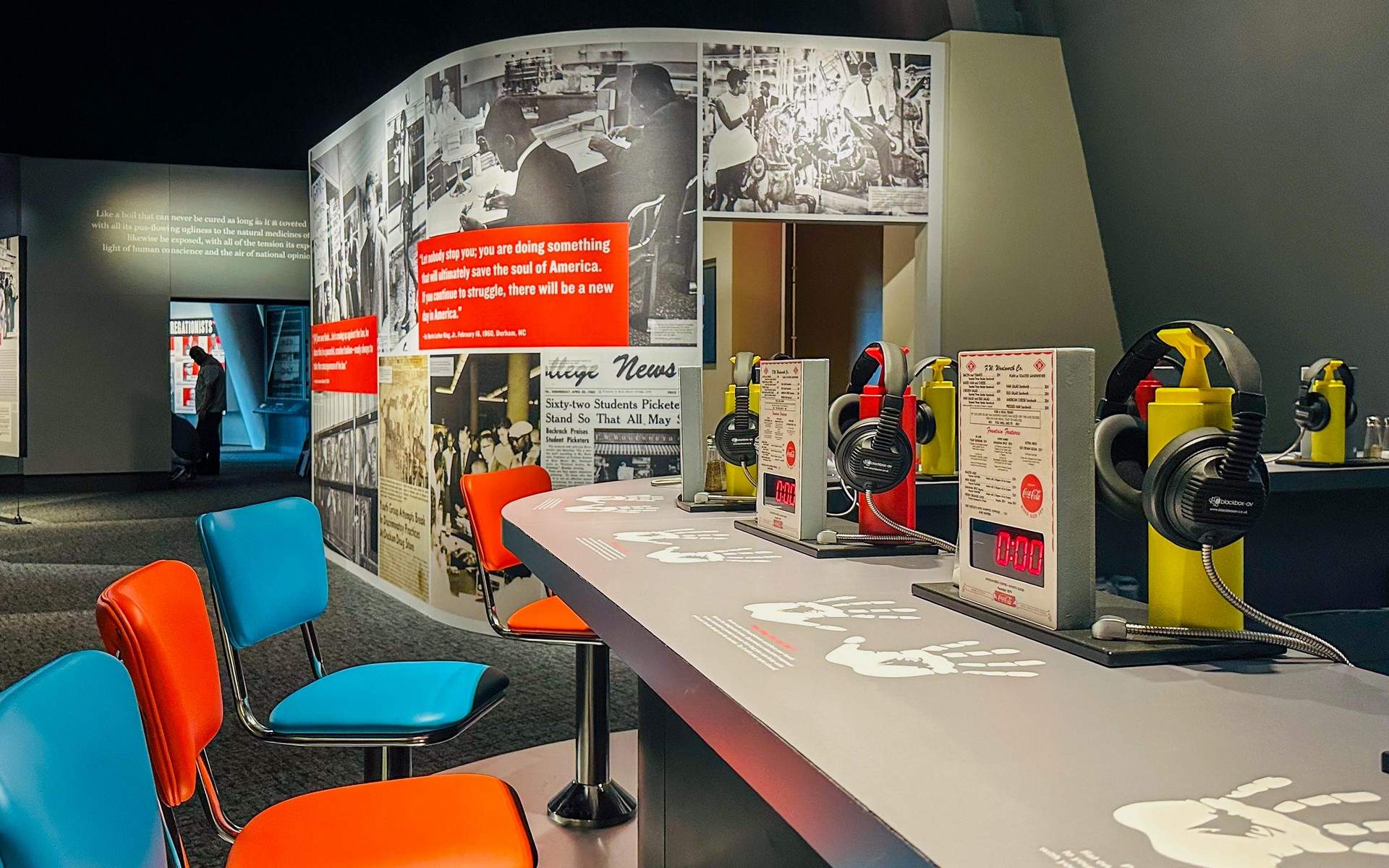
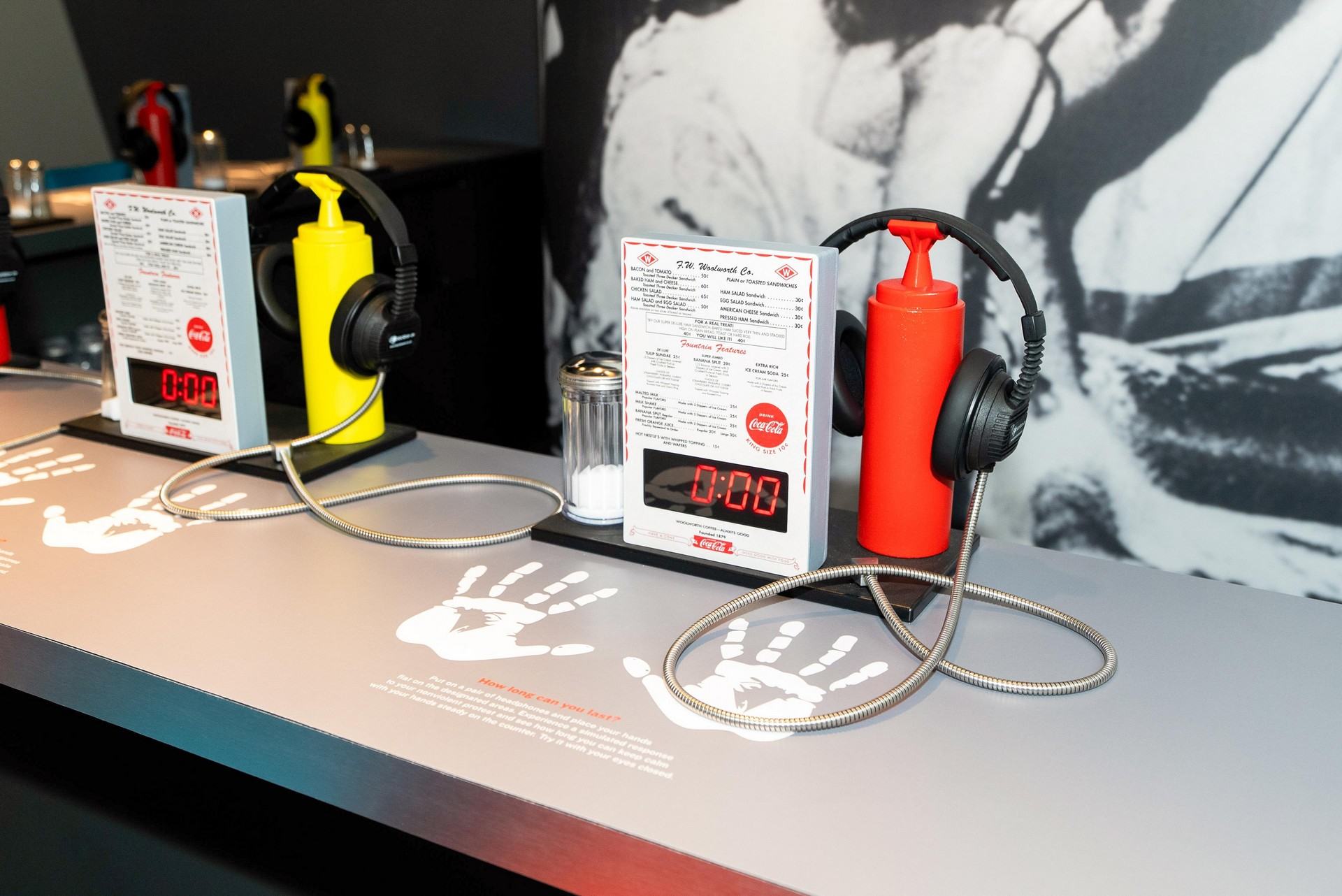
Media are purposefully embedded in the architecture. They deepen the narrative and create emotional transitions between rooms—through projections, sounds and cinematic sequences that bring history to life.
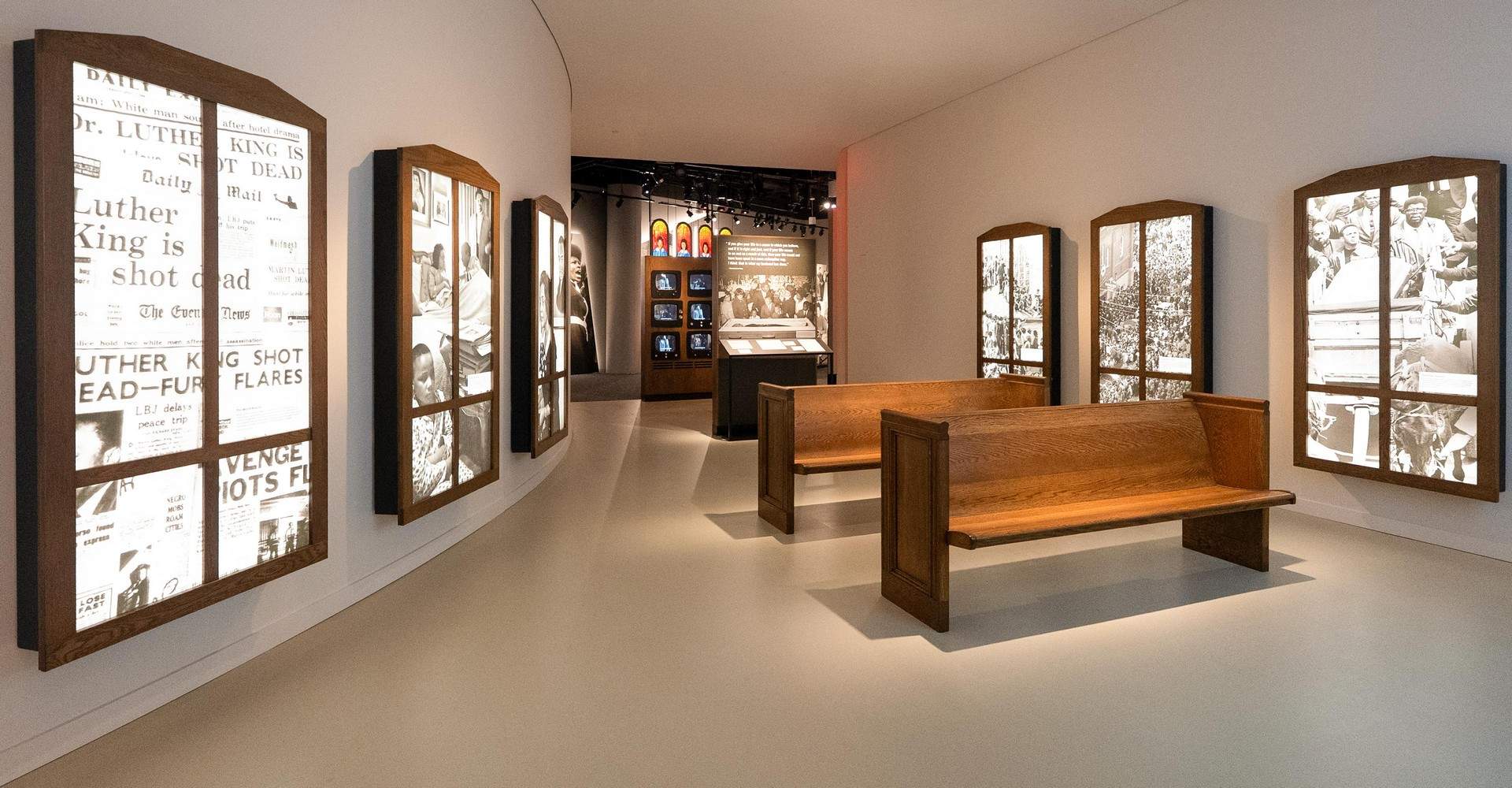
In December 2025 the centre will open the new gallery “Broken Promises” about unfulfilled promises in the history of social justice—an arc from the Reconstruction Era to the present. In spring 2026 the Family Gallery “The Change Agent Adventure” follows, where children playfully learn what it means to be a “change agent”.
With the expansion the impact of the NCCHR grows. The building is no longer a classic museum, but a place of encounter, learning and active participation. The spatial design fosters empathy—and calls on everyone to stand up for humanity.
The content of this article was provided by ATELIER BRÜCKNER or sourced from their official media channels, and has been curated and edited by WeHow. All copyrights to images, videos, and related design works remain with their respective creators or design firms. Reproduction, republication, or commercial use of the WeHow-edited version in any form is prohibited without prior written permission from both WeHow and the respective copyright holders.