本案例由 MVRDV 官方媒体频道提供,WeHow整理编辑。
Courtesy of MVRDV Press Room, curated by WeHow.
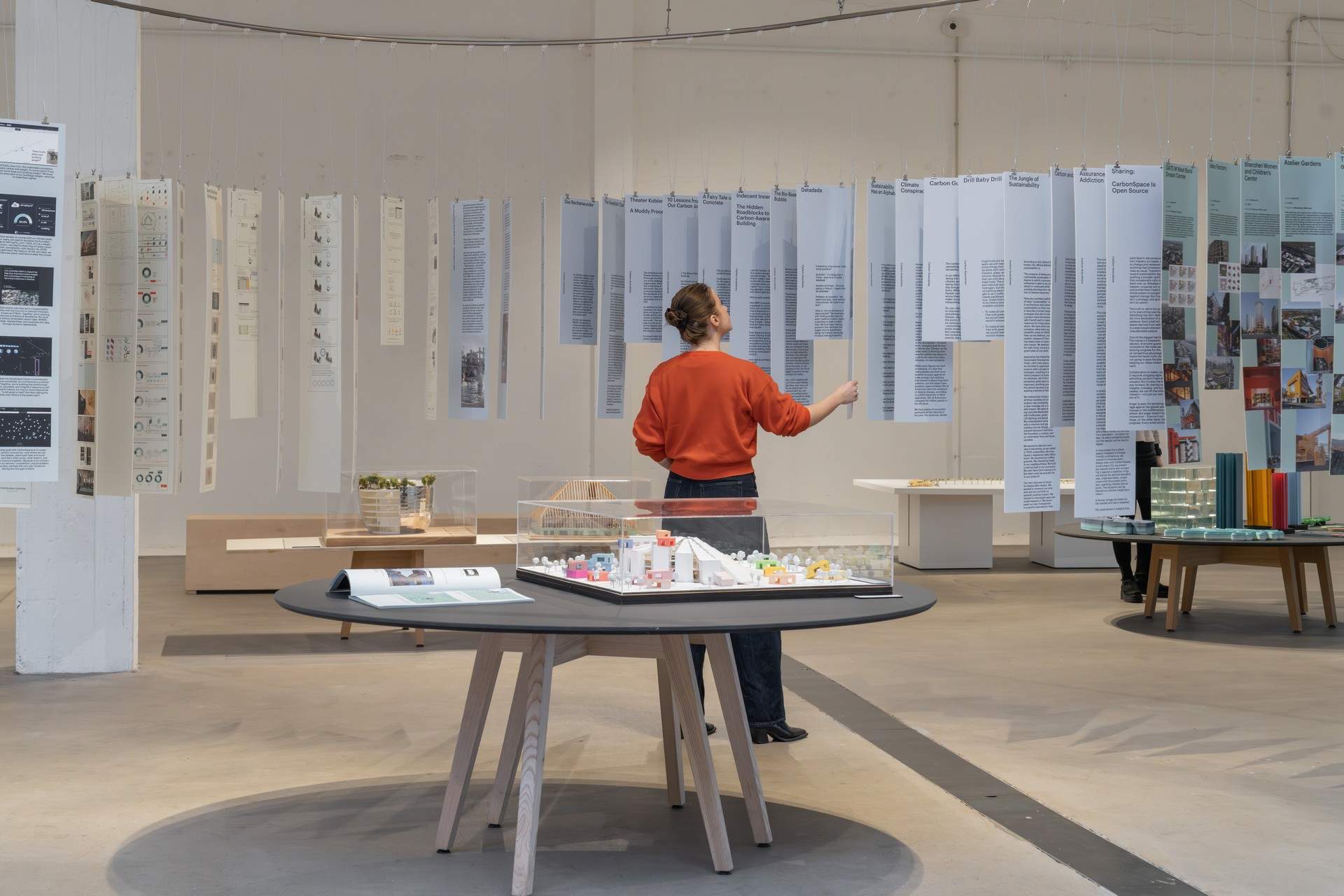
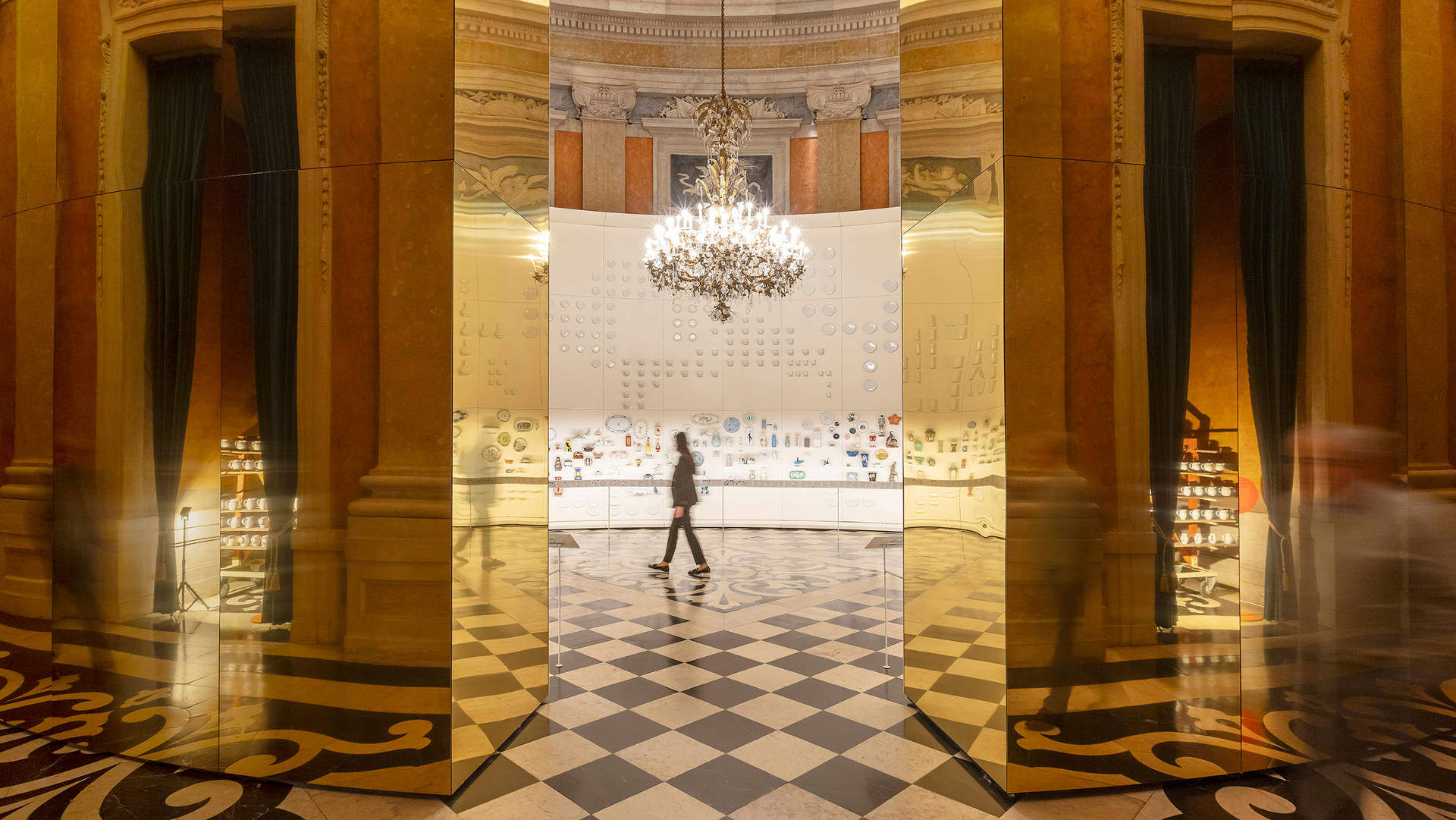
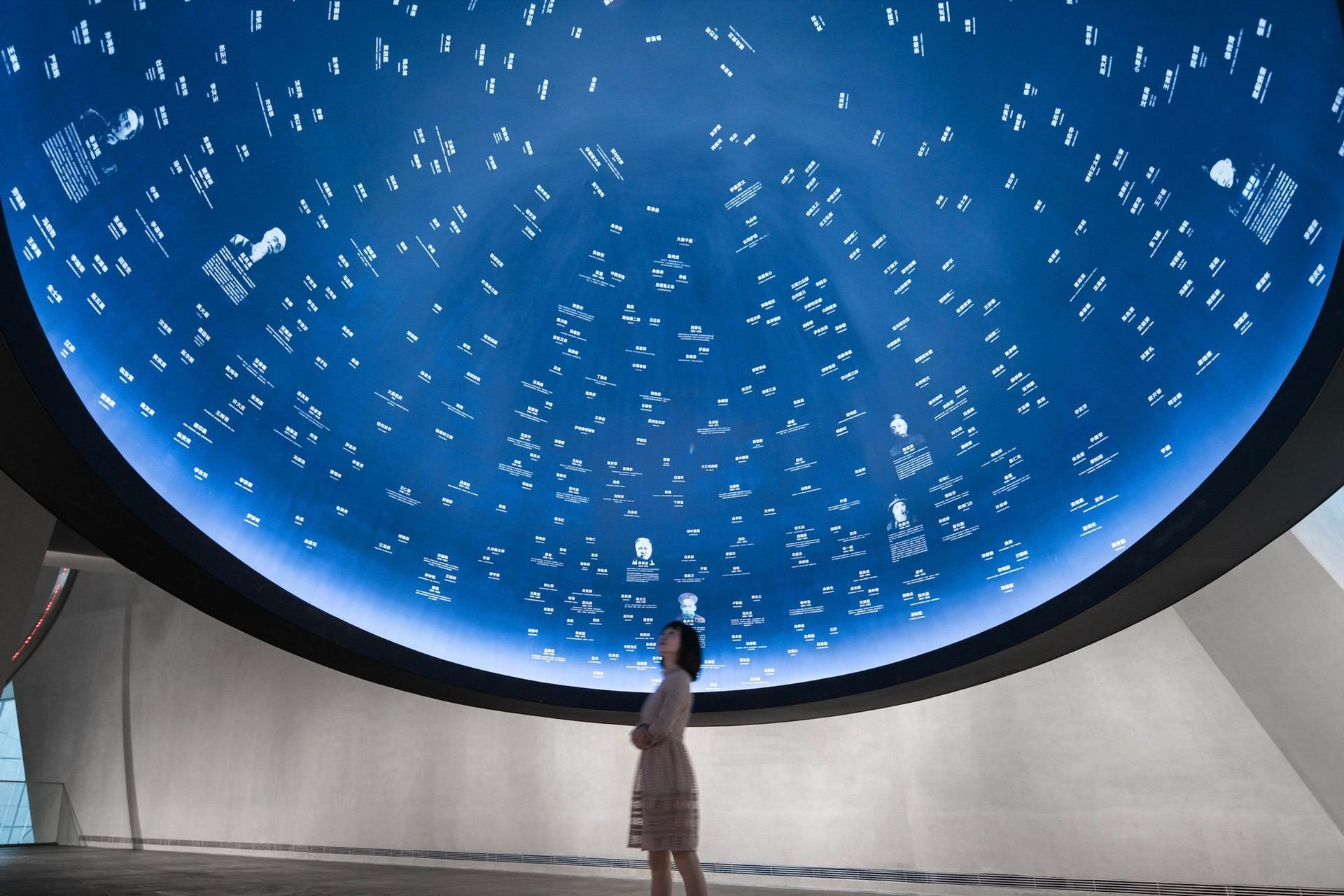
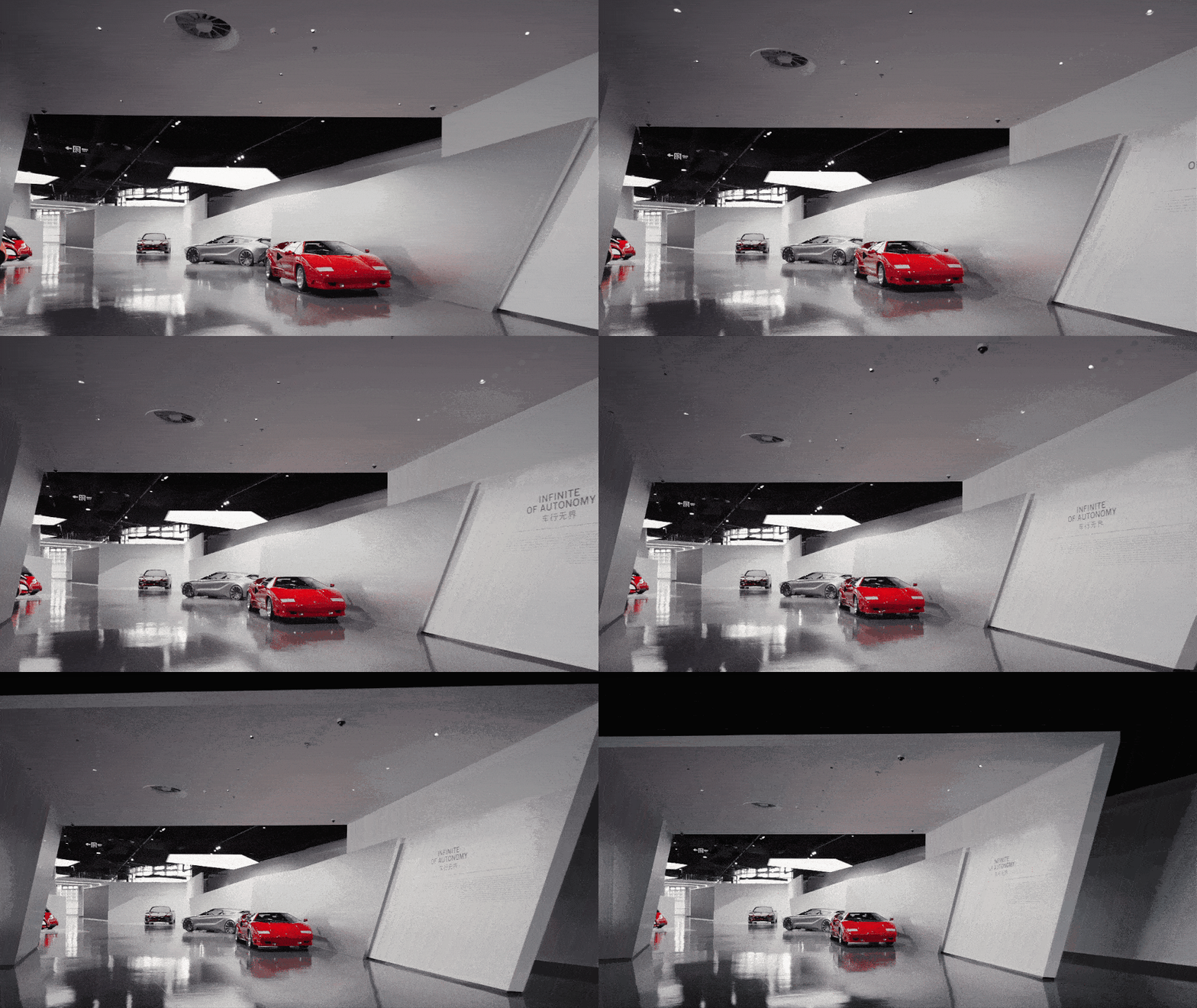
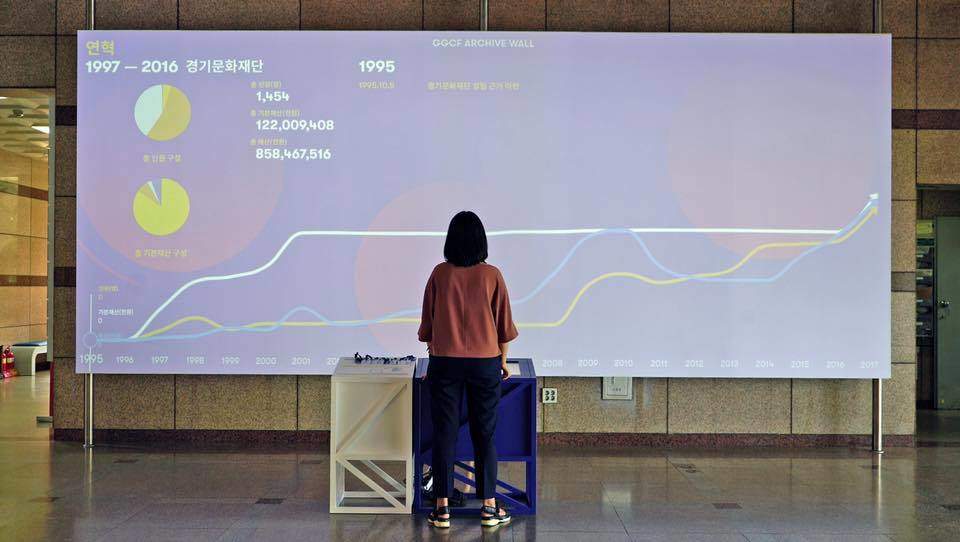
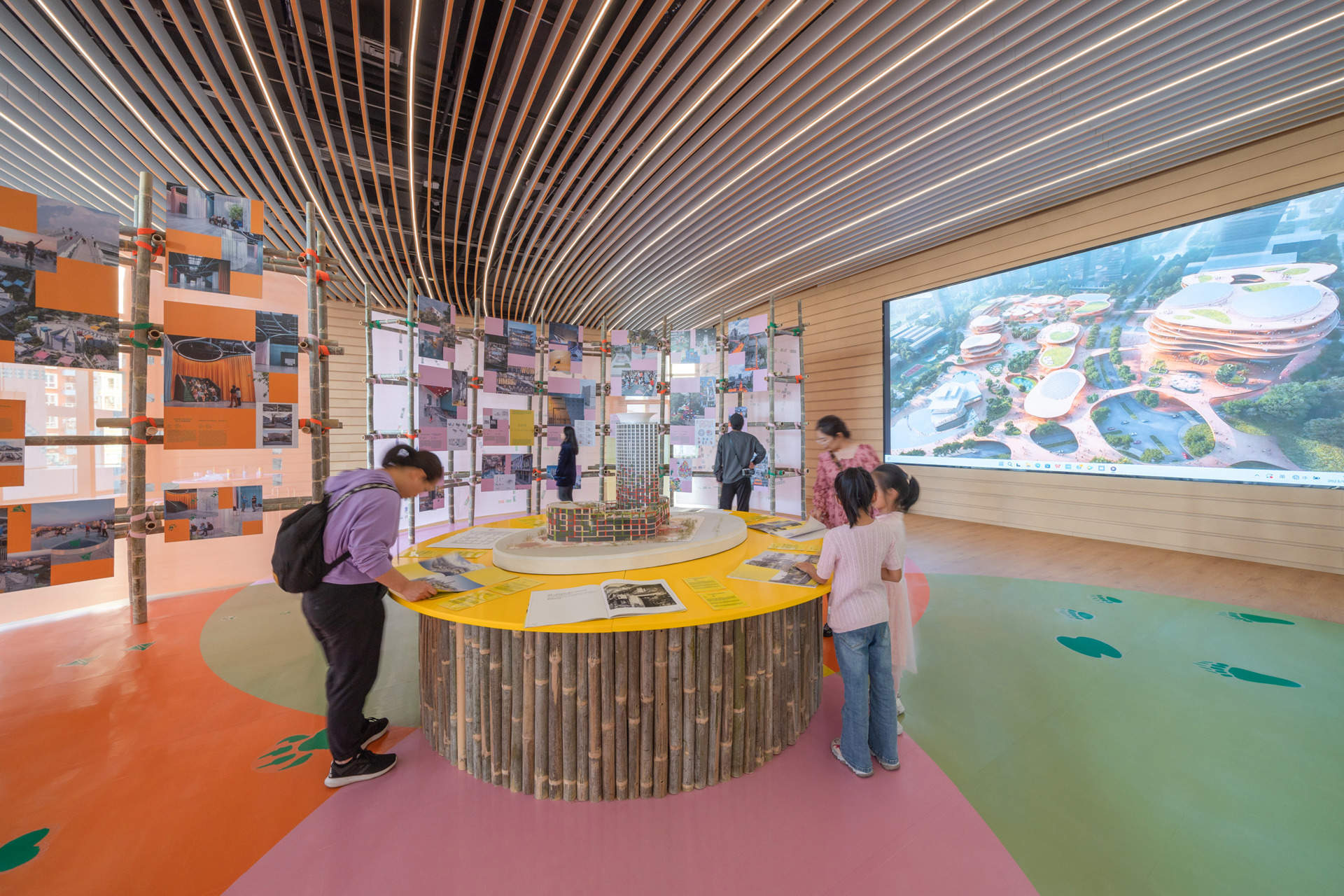
ReviveR展览在改造后的深圳妇女儿童中心举办,探索围绕这座建筑的多种叙事,从为各年龄段人群提供充满乐趣、社交互动的环境的重要性,到遵循循环经济原则,重新利用旧建筑和材料以减少碳排放的必要性。展览旨在为成人和儿童带来寓教于乐的体验,于2023年12月6日至2024年2月28日在中心五楼礼堂展出。
Hosted at the newly transformed Shenzhen Women & Children’s Centre, the ReviveR exhibition explores the diverse narratives surrounding the building—from the importance of creating playful, social environments for all ages to the necessity of reusing outdated structures and materials to reduce carbon emissions, guided by the principles of circularity. Designed to be both enjoyable and educational for adults and children alike, the exhibition is on display in the centre’s fifth-floor auditorium from December 6, 2023, to February 28, 2024.
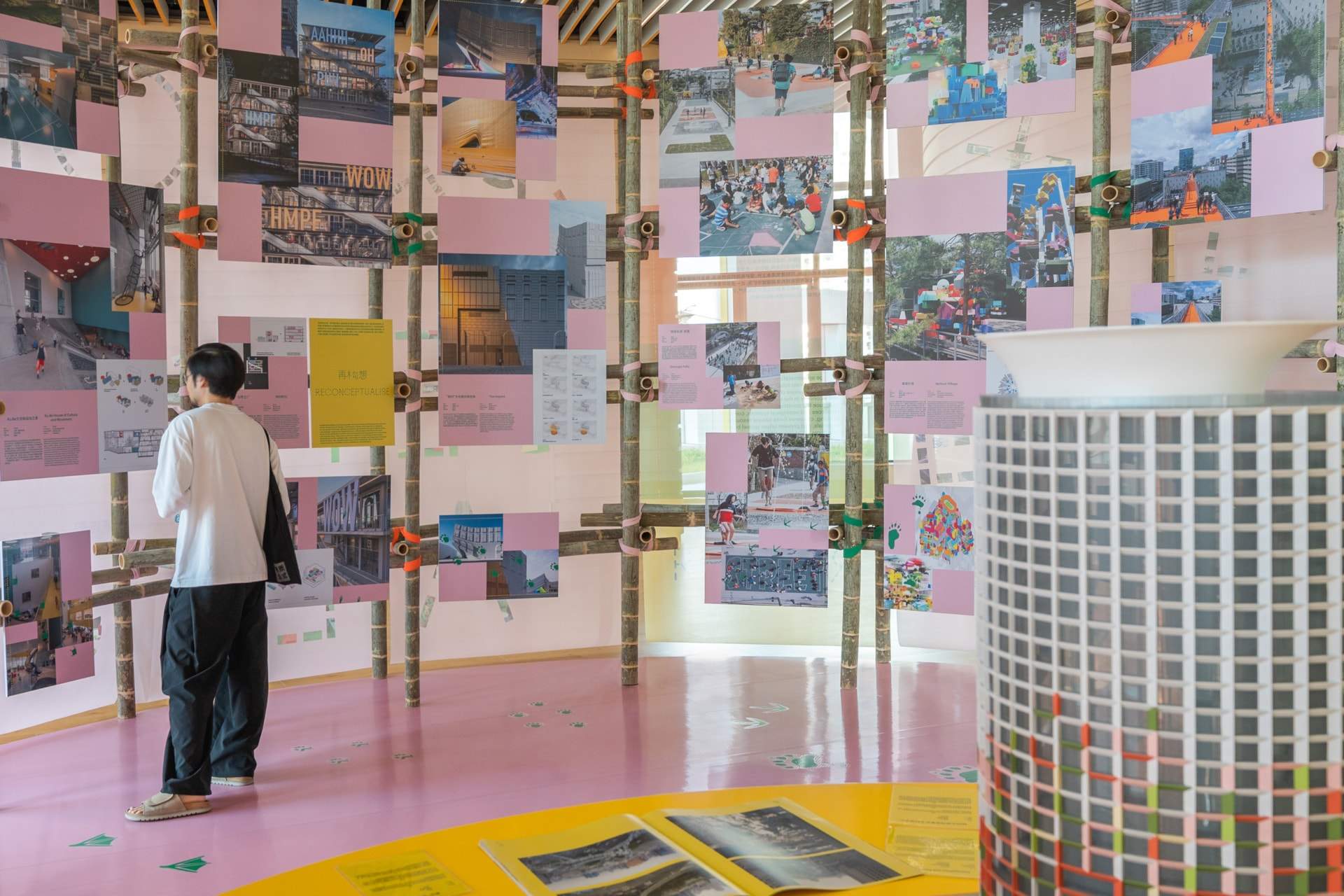
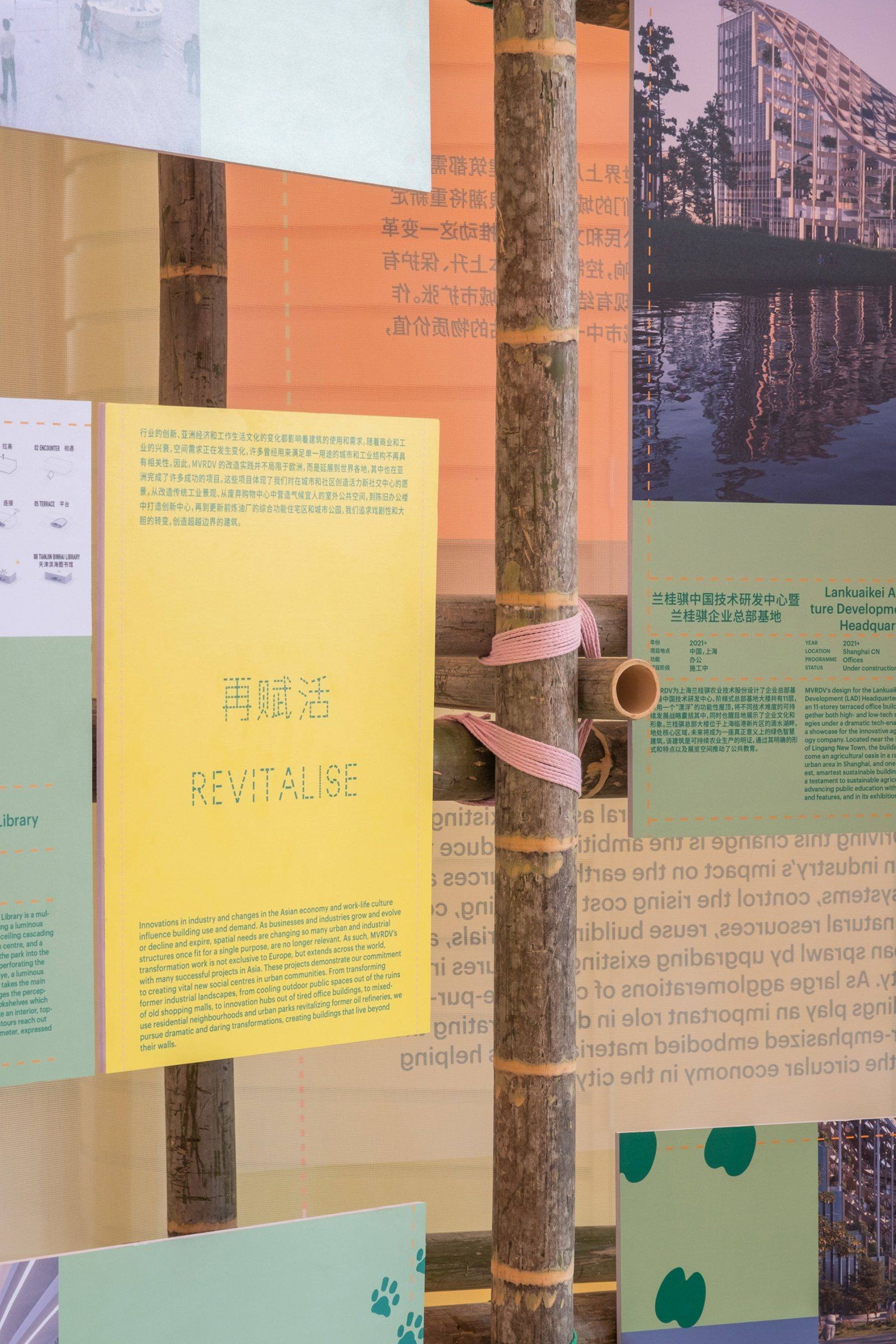
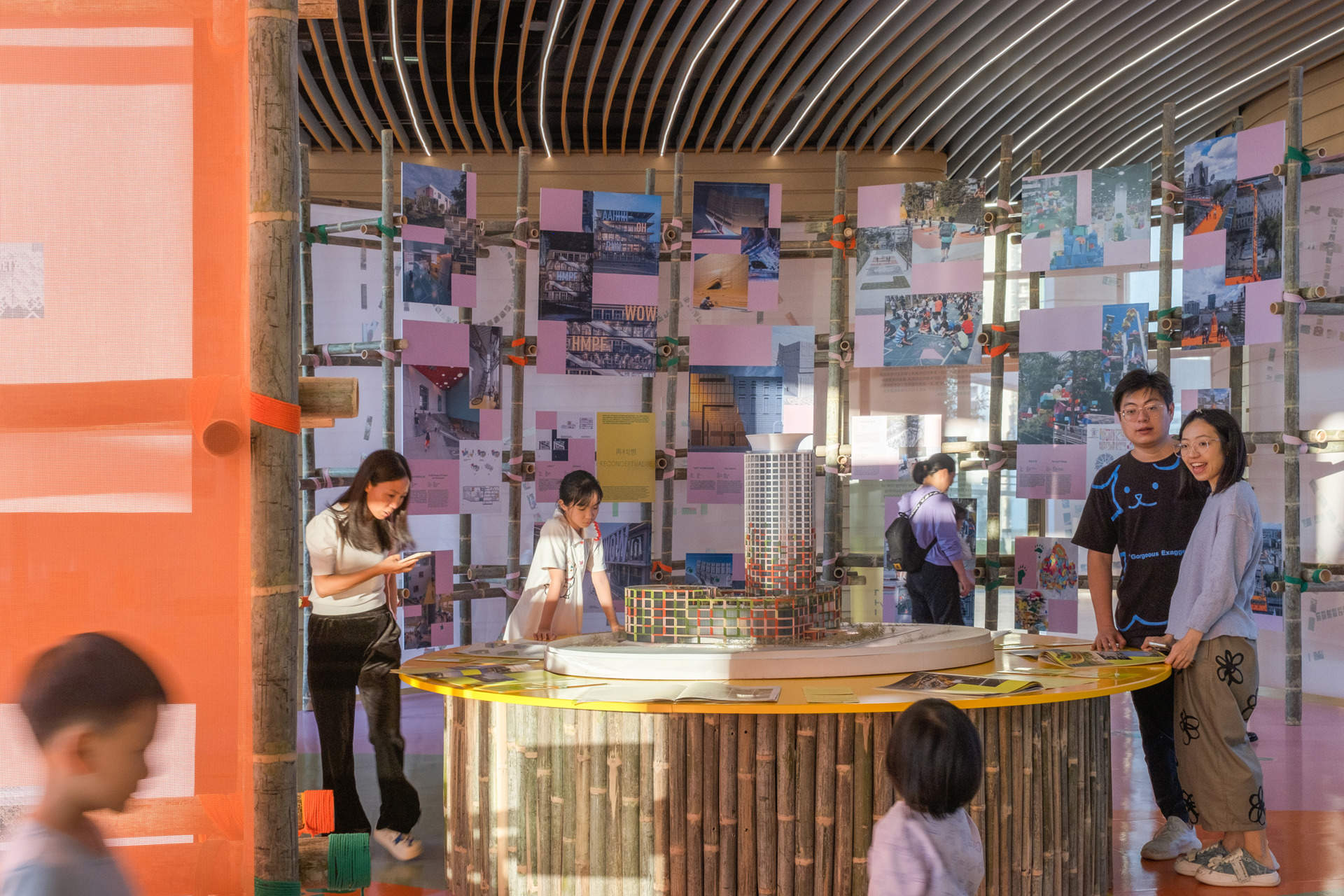
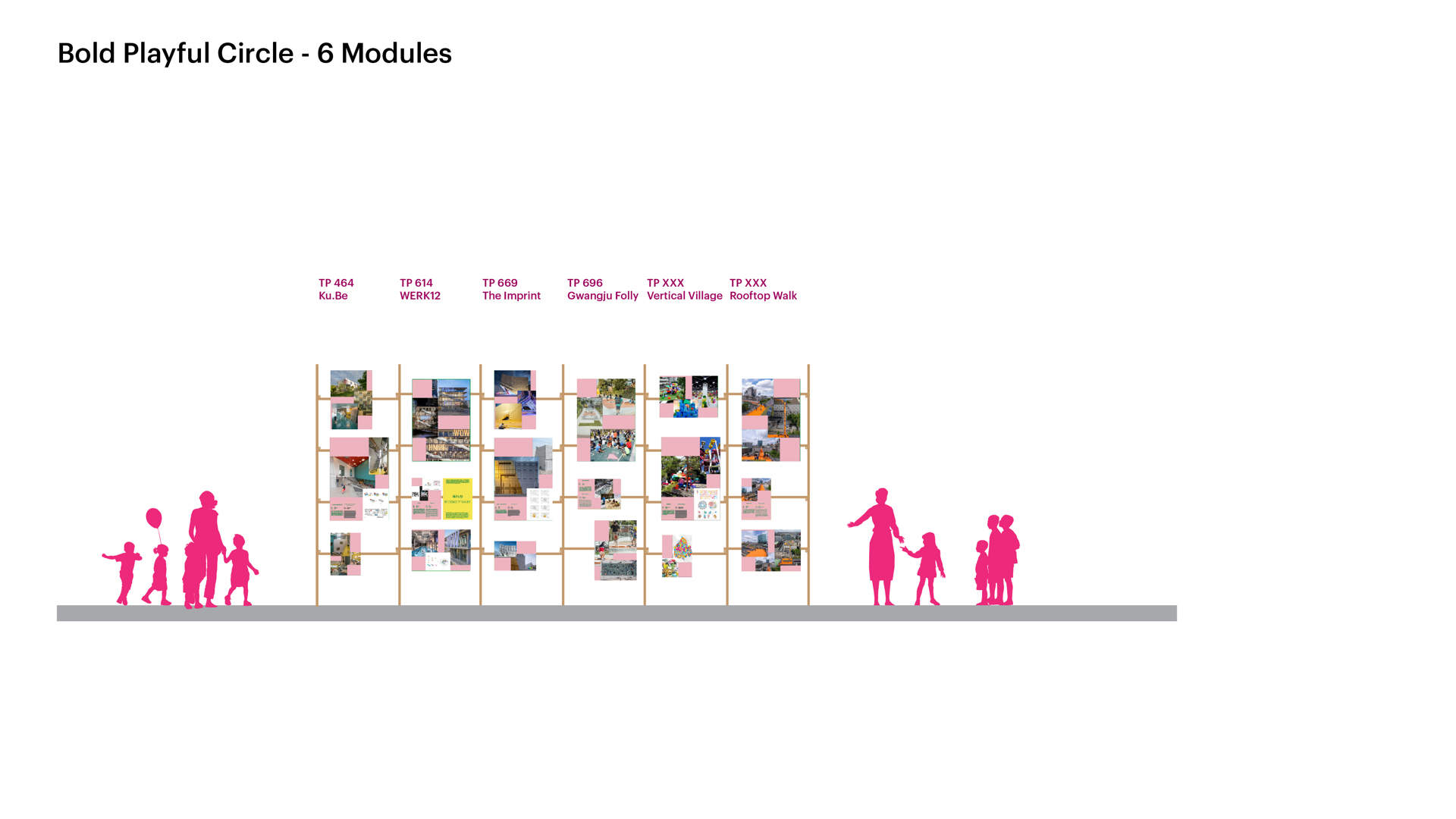
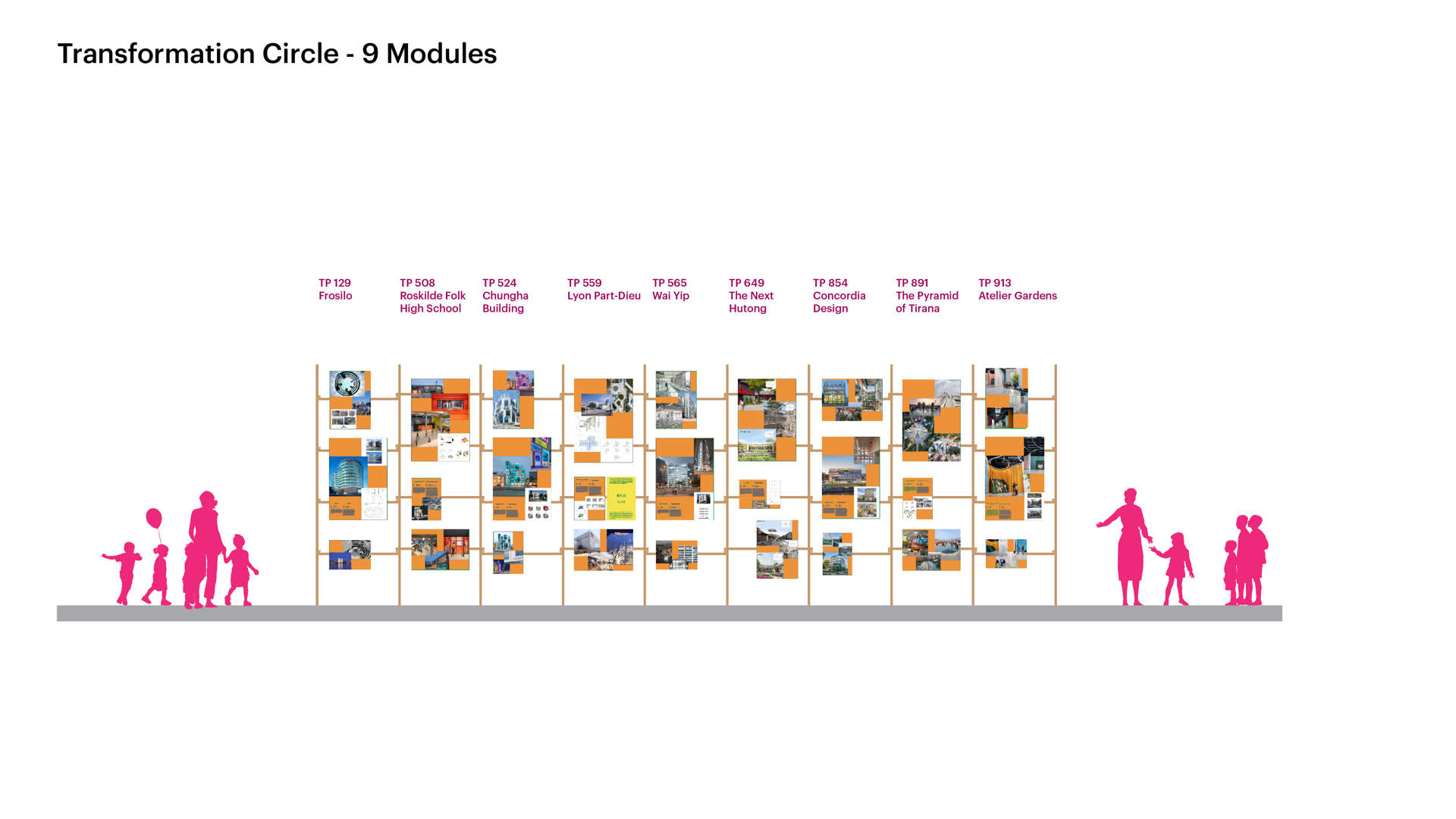
“再造(ReviveR)”展览将选址地——深圳妇女儿童中心视为一种宣言,追问道:“如果我们对所有既有建筑都进行类似这种兼具趣味性、社交性和可持续性的改造,我们的城市会变成什么样?”展览通过三个维度审视了 MVRDV 的 27 个重要设计作品:既有建筑改造项目、体现 MVRDV 大胆趣味风格的项目,以及东南亚地区的项目。展厅中心布置了 7 个“核心项目”,它们同时兼具上述三个类别的特征,其中也包括深圳妇女儿童中心本身。
ReviveR positions its host building, the Shenzhen Women & Children’s Centre, as a kind of manifesto, asking “what would our cities look like if we pursued similarly playful, social, and sustainable transformations of all existing buildings?” The exhibition examines 27 key MVRDV designs through three lenses: projects that transform existing buildings; projects that exemplify MVRDV’s bold and playful style; and projects in the Southeast Asia region. At the centre of the space are seven “core projects” that are representative of all three categories simultaneously, including the Shenzhen Women & Children’s Centre itself.
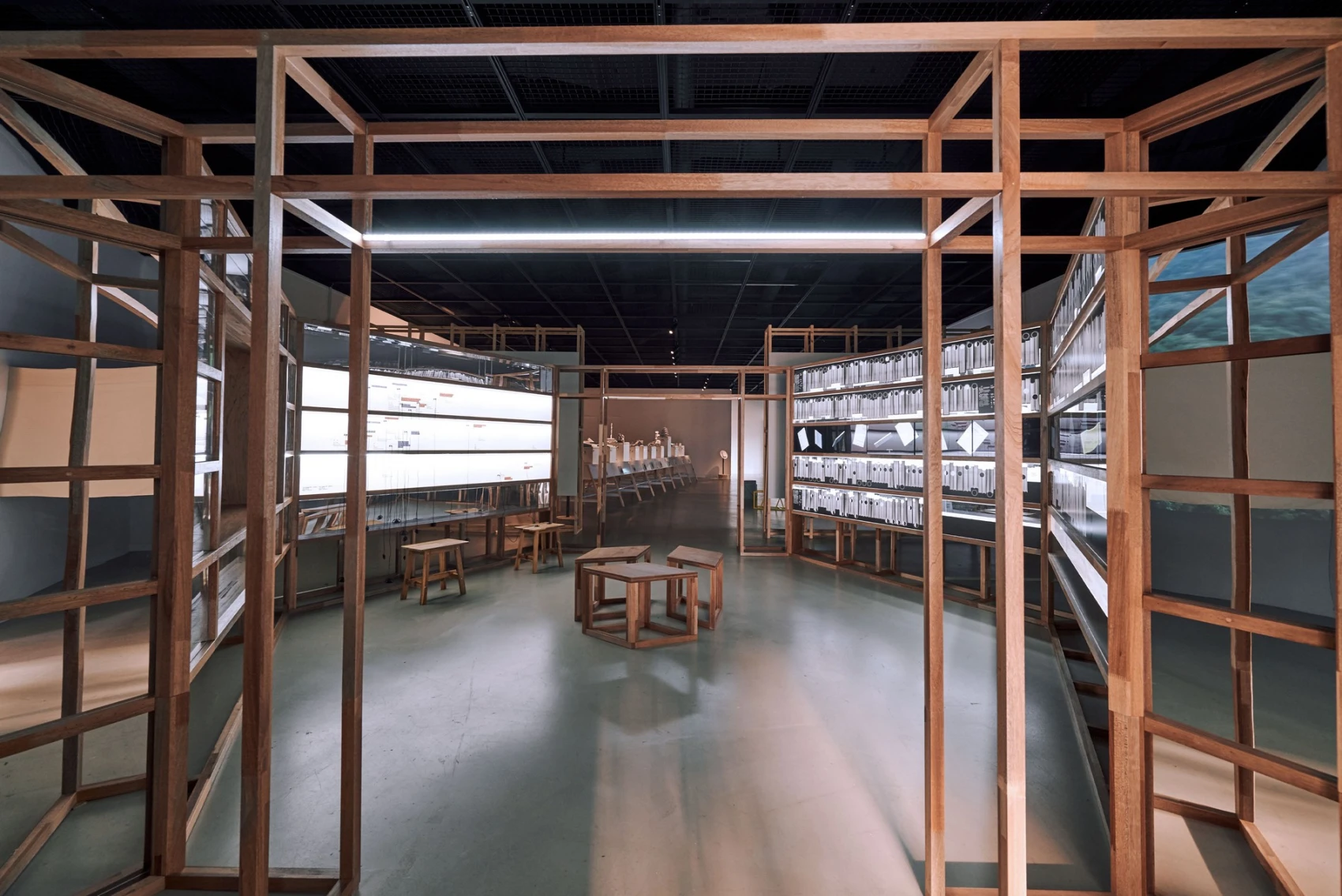
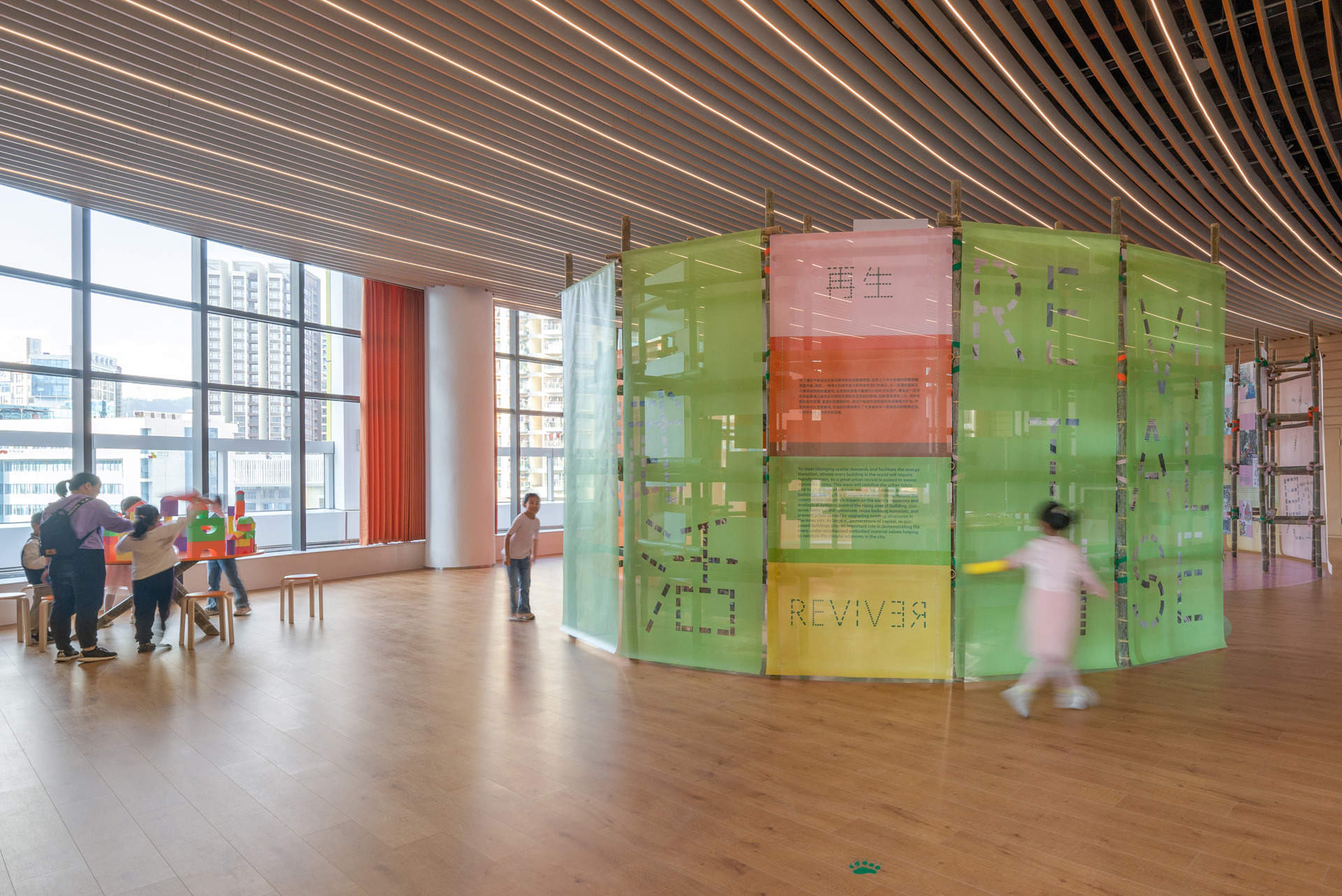
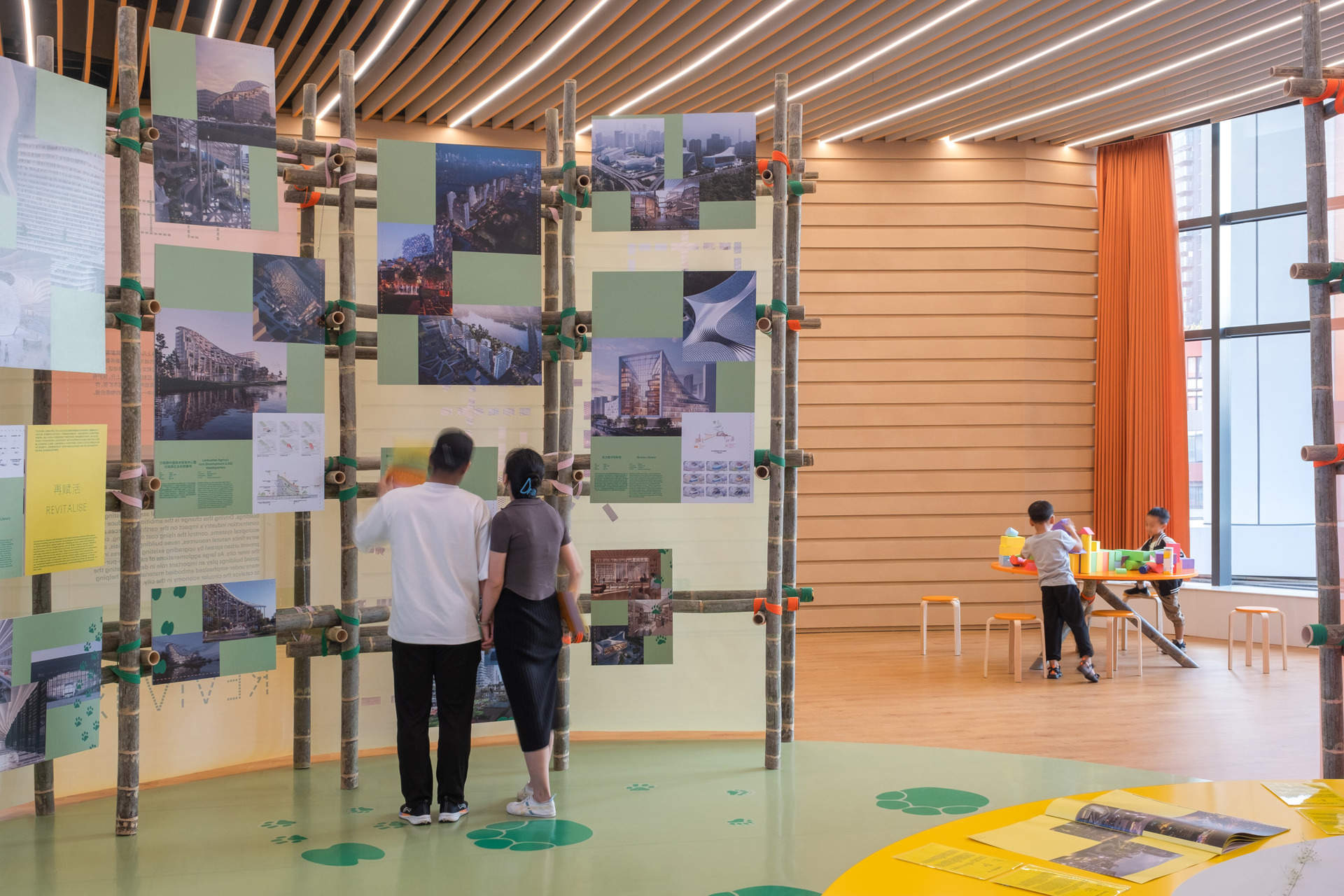
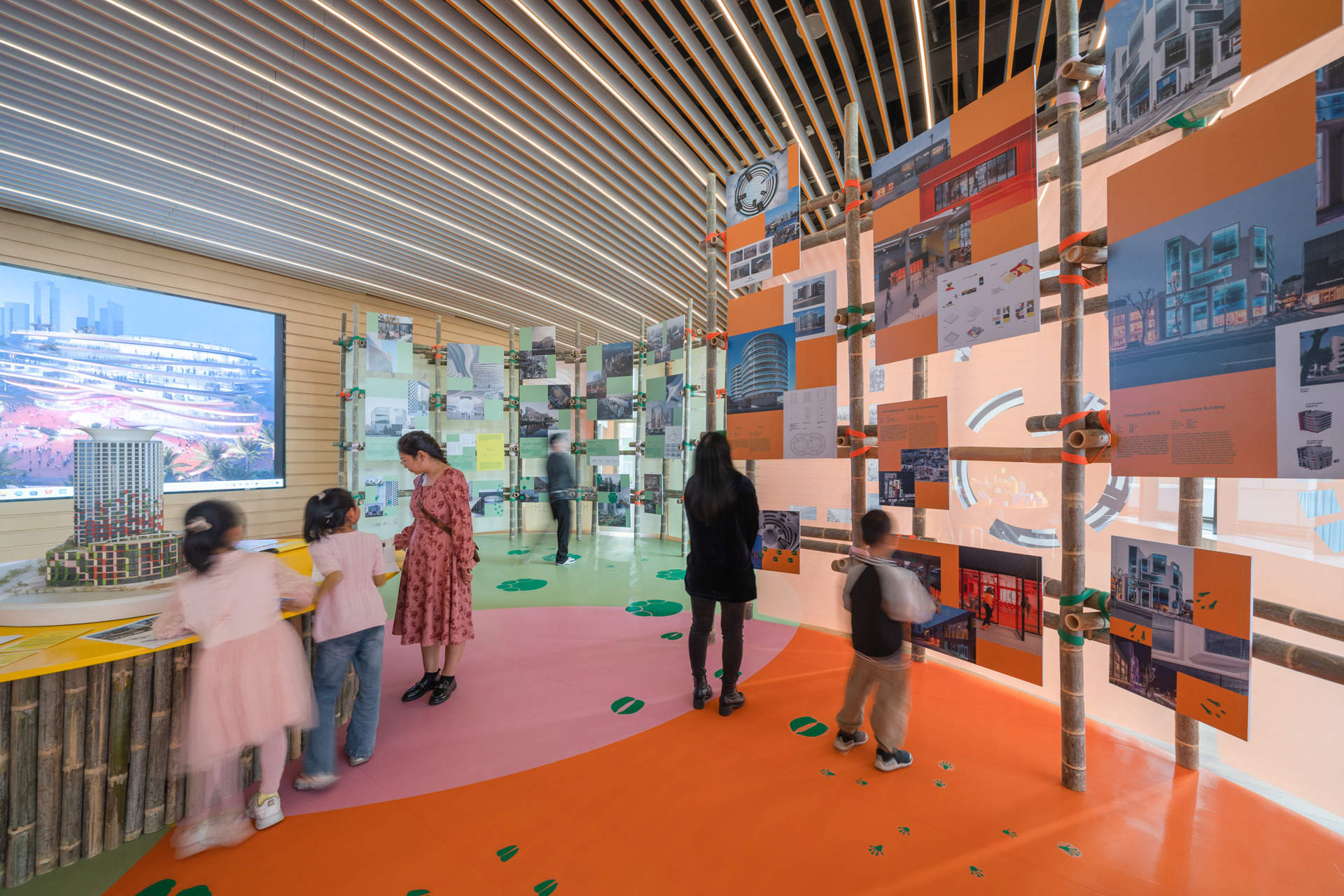
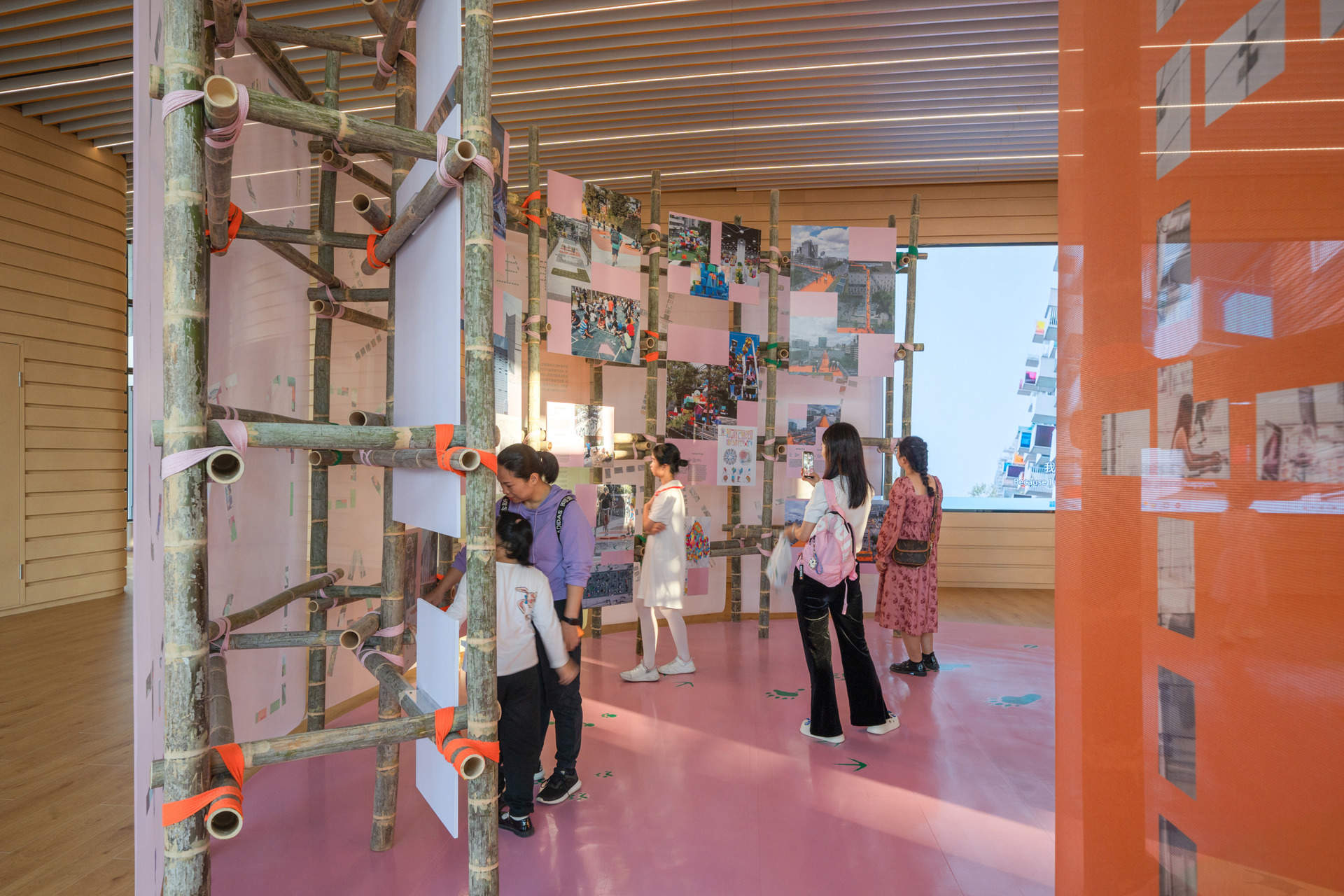
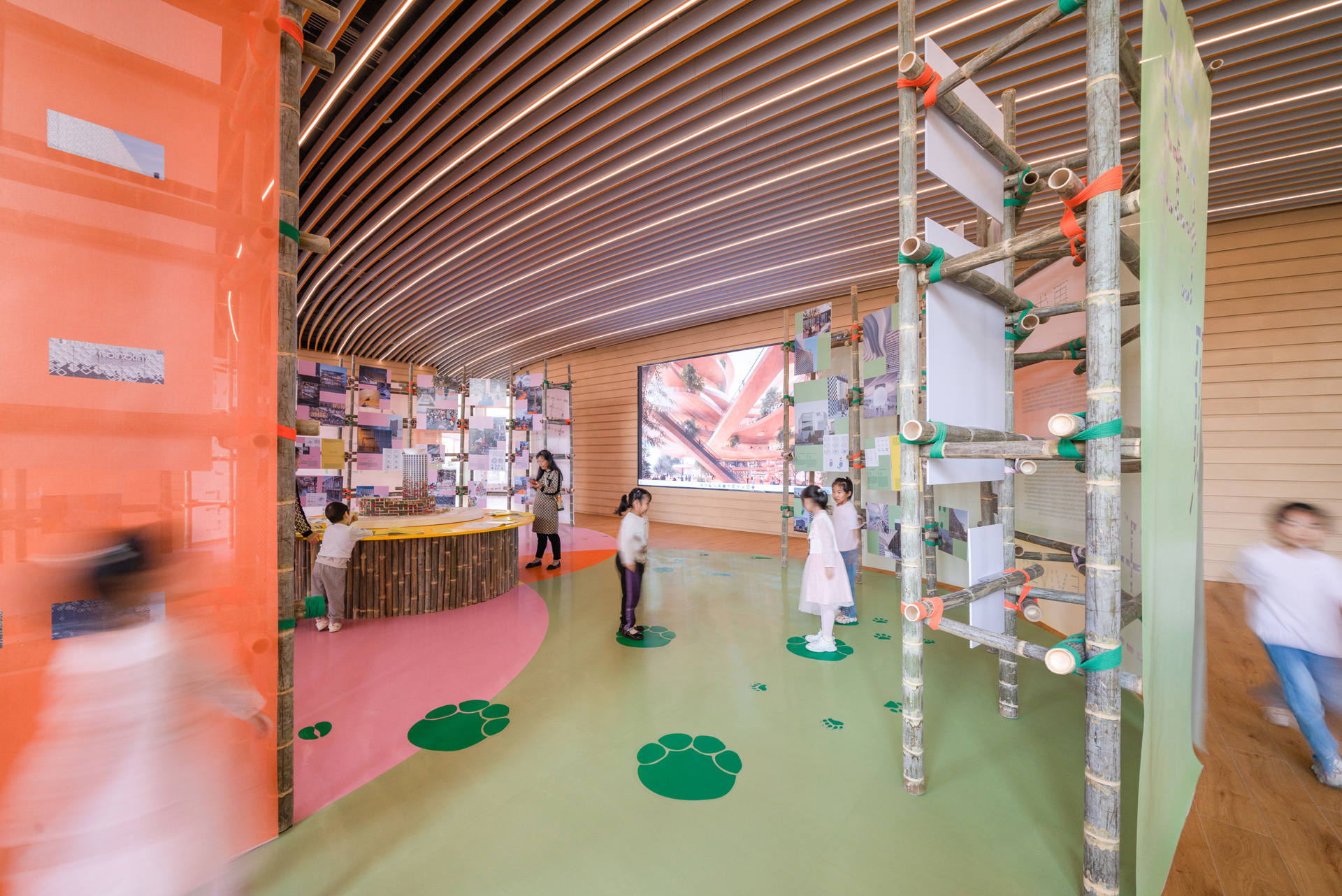
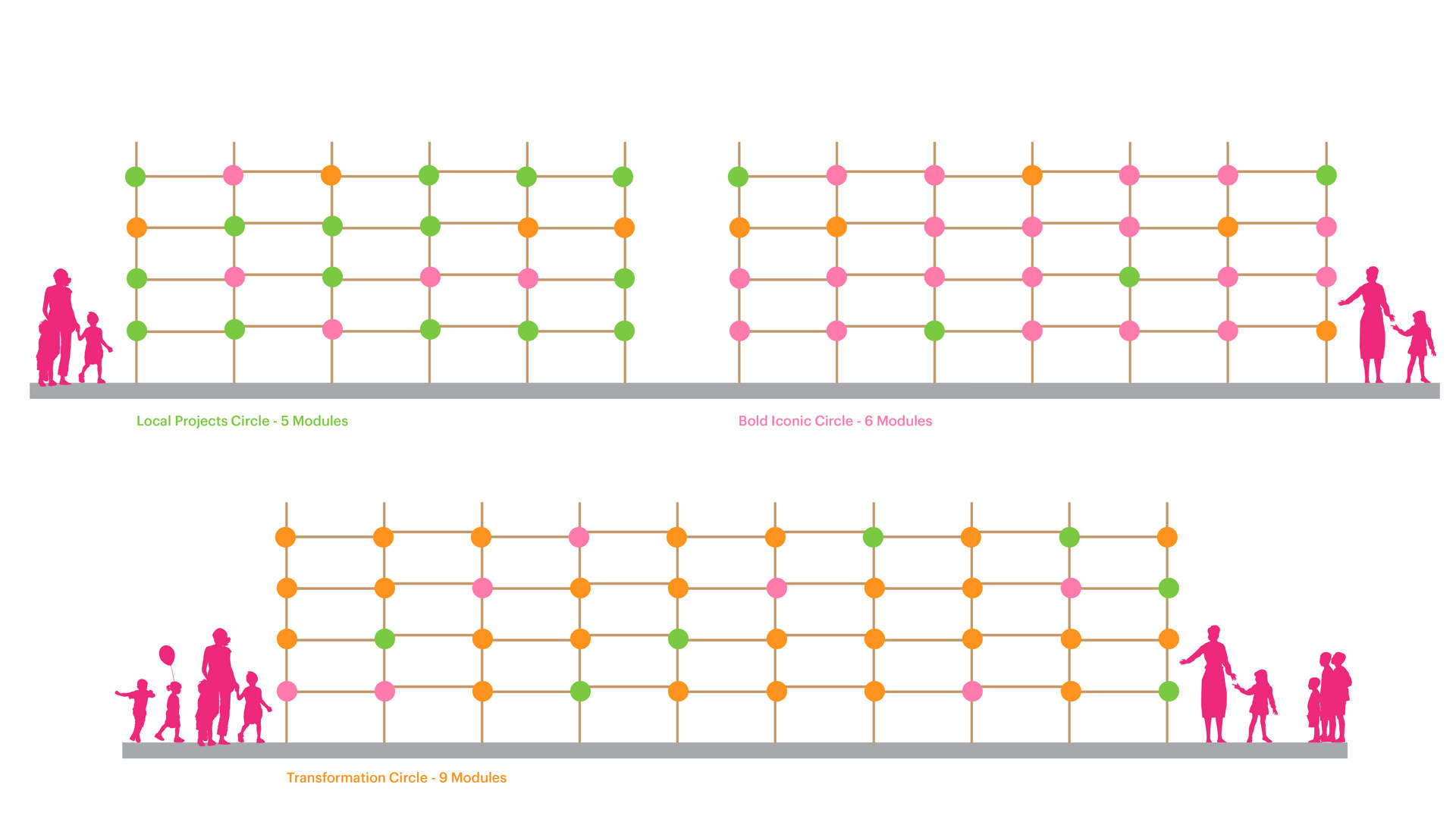
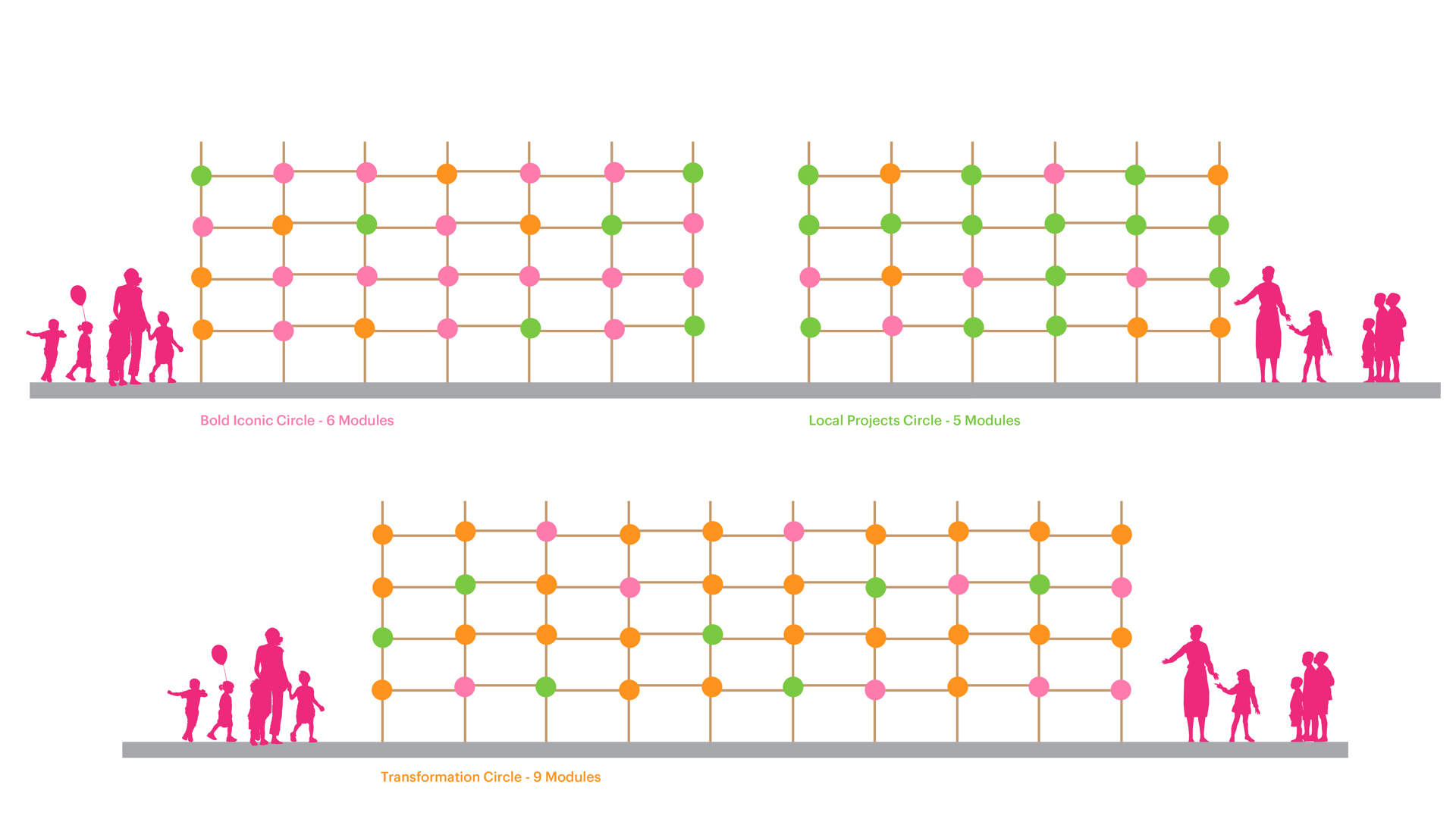
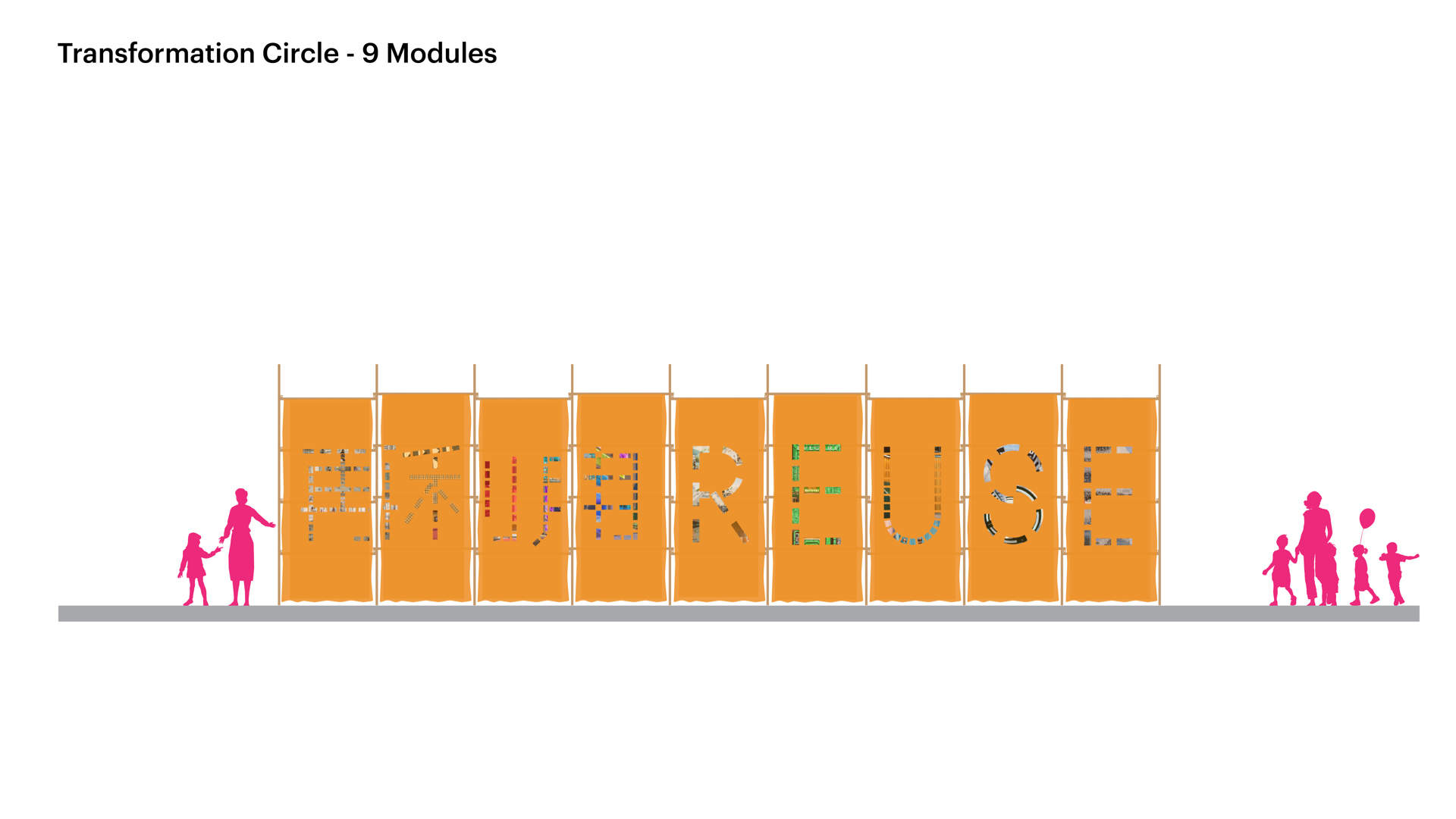
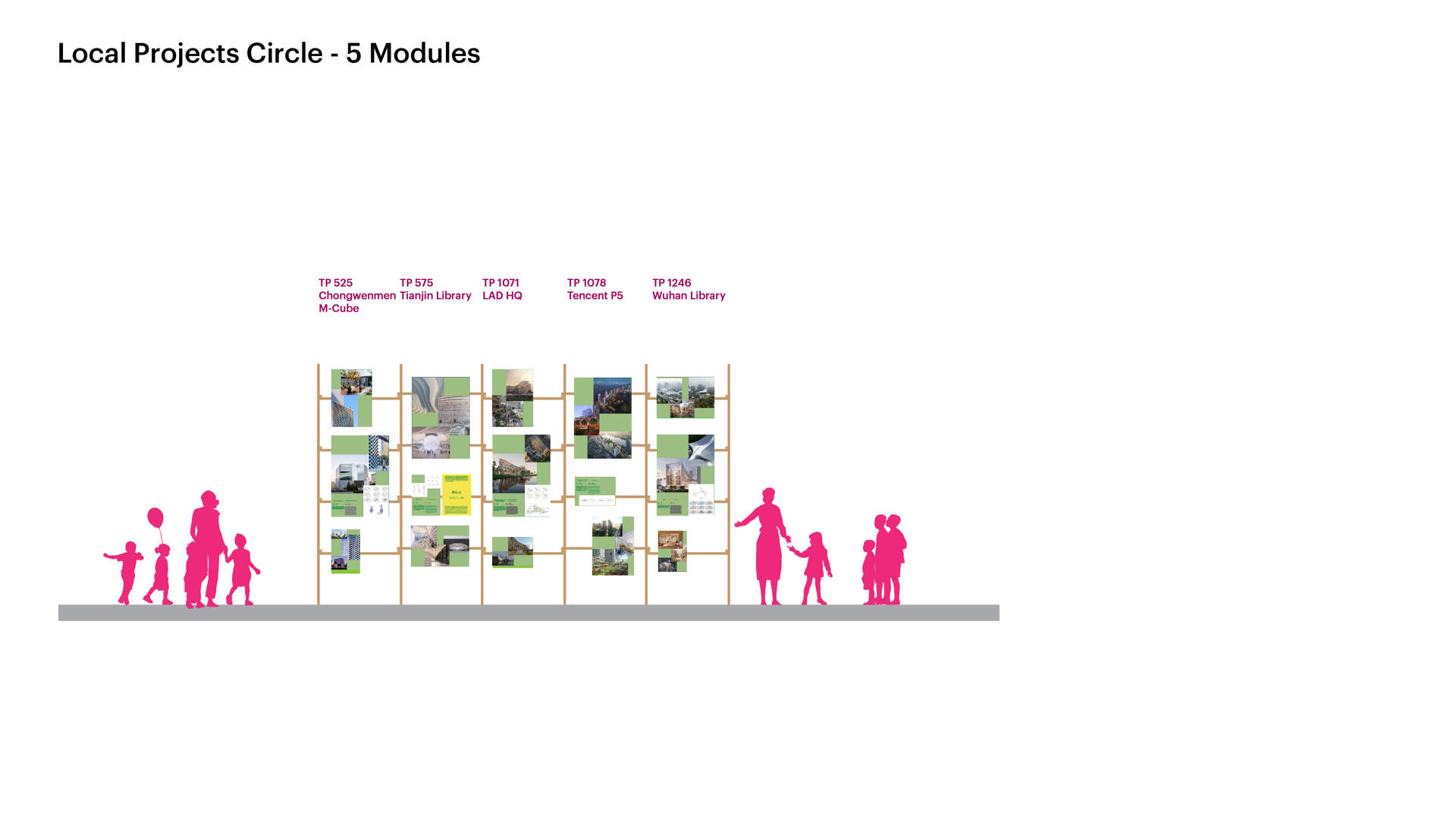
展览设计同样从深圳妇女儿童中心汲取灵感。最直观的体现是色彩的使用,延续了建筑立面的黄色、绿色、橙色和粉色。在更深层次上,循环(无论是隐喻还是字面意义上)是一个反复出现的主题。建筑平面图中极具特色的曲线和圆形元素再次出现在展览布局中,将三个项目类别转化为一个文氏图(Venn diagram),核心项目则位于中心位置。展览搭建所使用的大部分材料均为本地采购且可重复利用,例如展品被安置在竹制结构上。
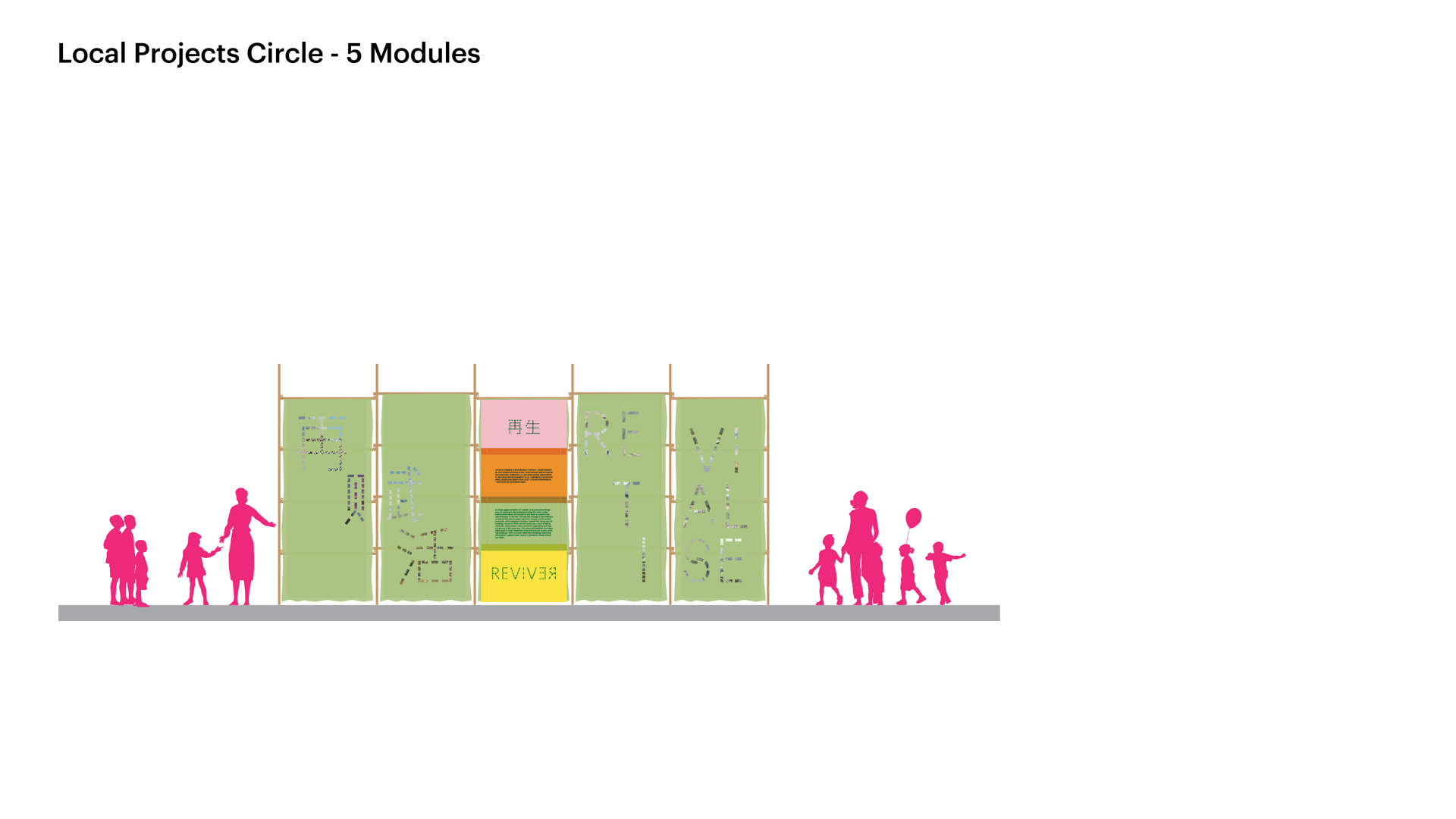
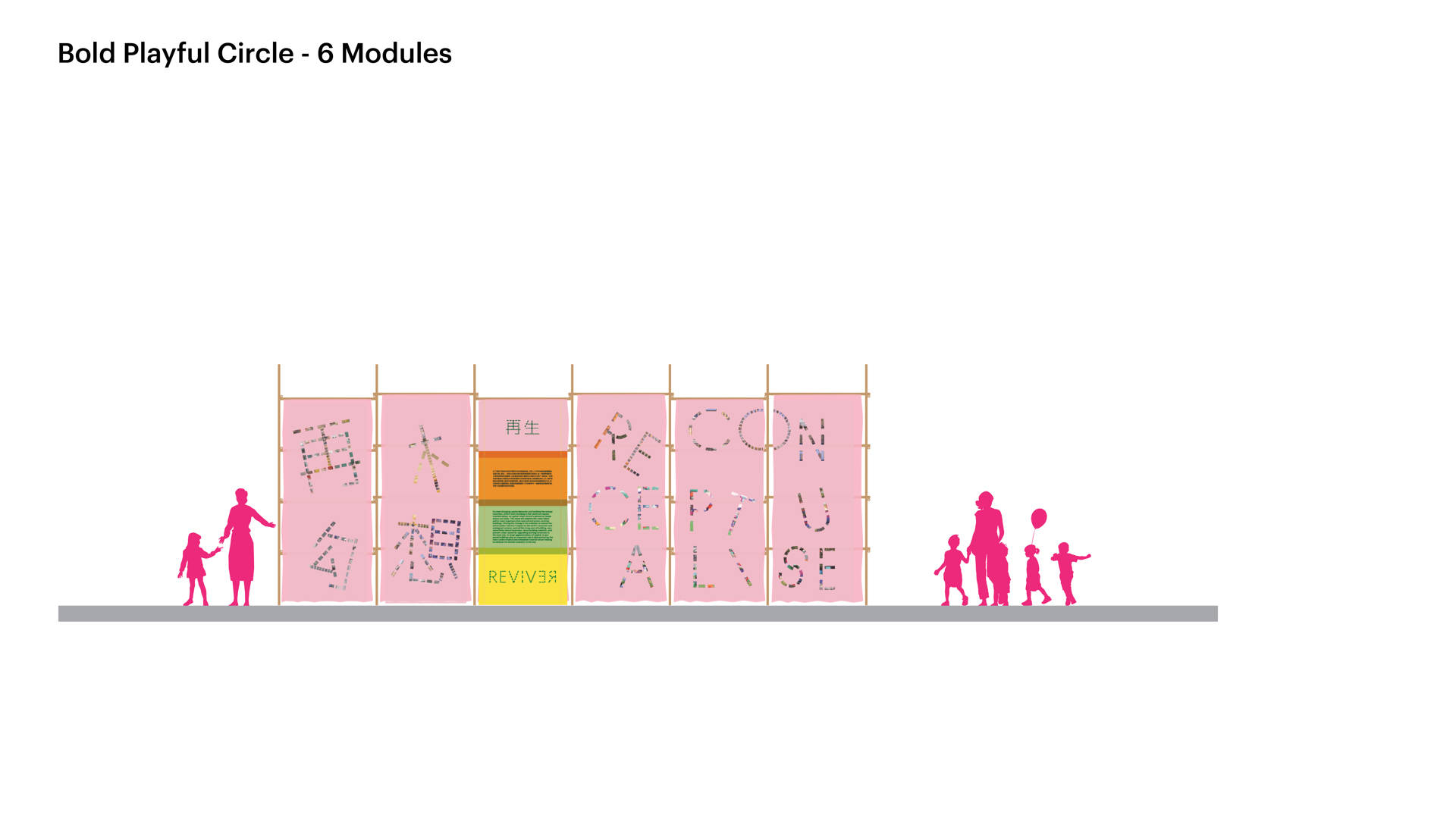
The exhibition design similarly takes its cues from the Shenzhen Women & Children’s Centre. The most immediately noticeable example of this is in its colours, which replicate the yellow, green, orange, and pink of the building’s façade. On a deeper level, circularity – both figurative and literal – is a recurring theme. The curves and circles that characterise the building’s floorplans re-emerge in the layout of the exhibition, turning the three project categories into a Venn diagram with the core projects at the centre. Most of the materials used in the exhibition’s construction are locally sourced and reusable, with the exhibits mounted on bamboo structures, for example.
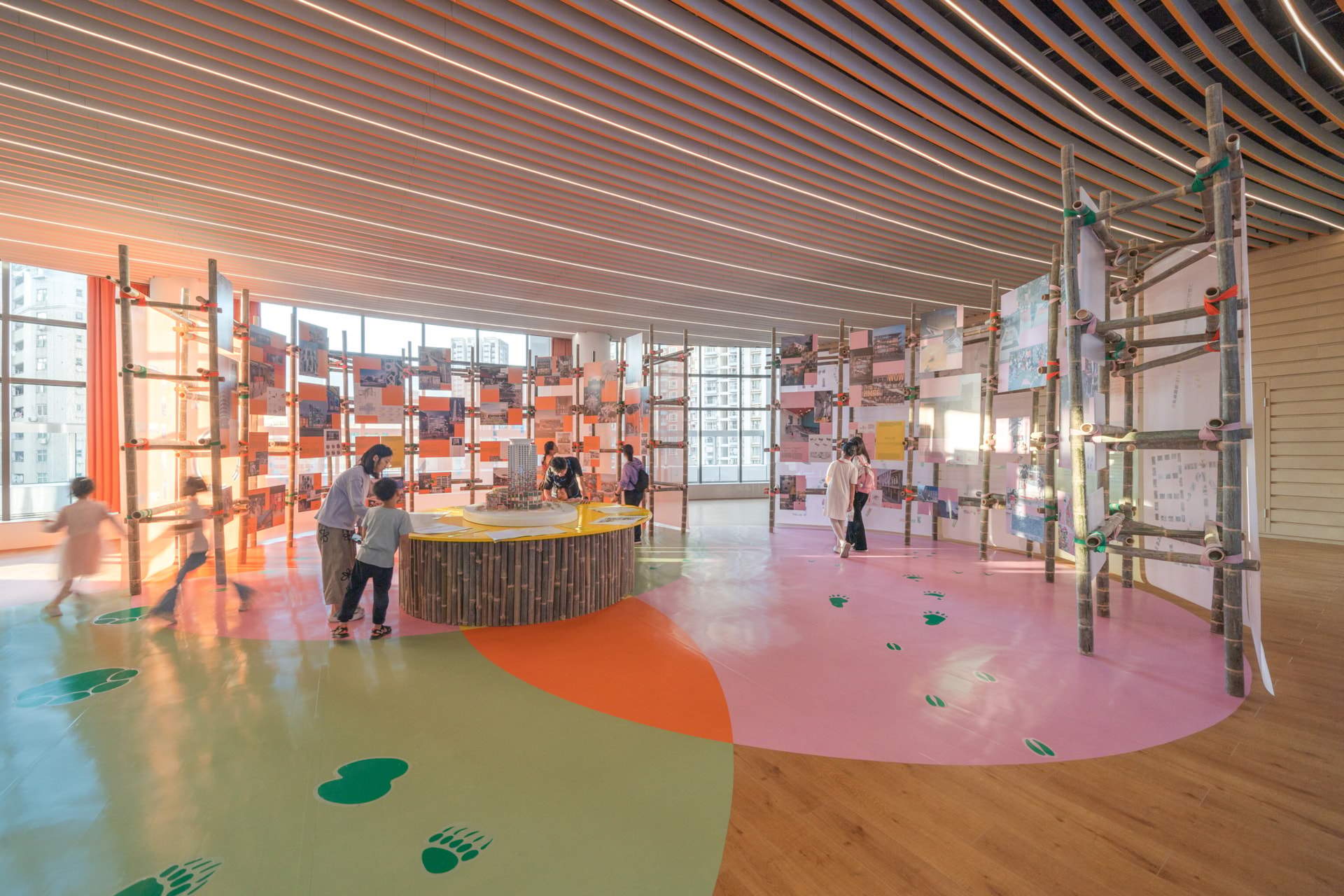
在循环经济中,每一个终点也是一个起点。这一点隐喻地体现在展览的动线上:从两个方向进入都能获得同样的观展体验。这一策略部分是为了回应展厅空间——多功能厅在房间两侧均设有入口。展览的回文名称(ReviveR)以及可以反向阅读的策展词,也反映了这种“循环”特性。
In the circular economy, every end is also a beginning; this is metaphorically reflected in the fact the exhibition can be experienced equally well in two directions – a tactic partly devised as a response to the auditorium space that hosts the exhibition, with entrances on both sides of the room. The exhibition’s palindromic name and the curatorial statement, which can be read with its paragraphs reversed, also reflect this “circular” characteristic.
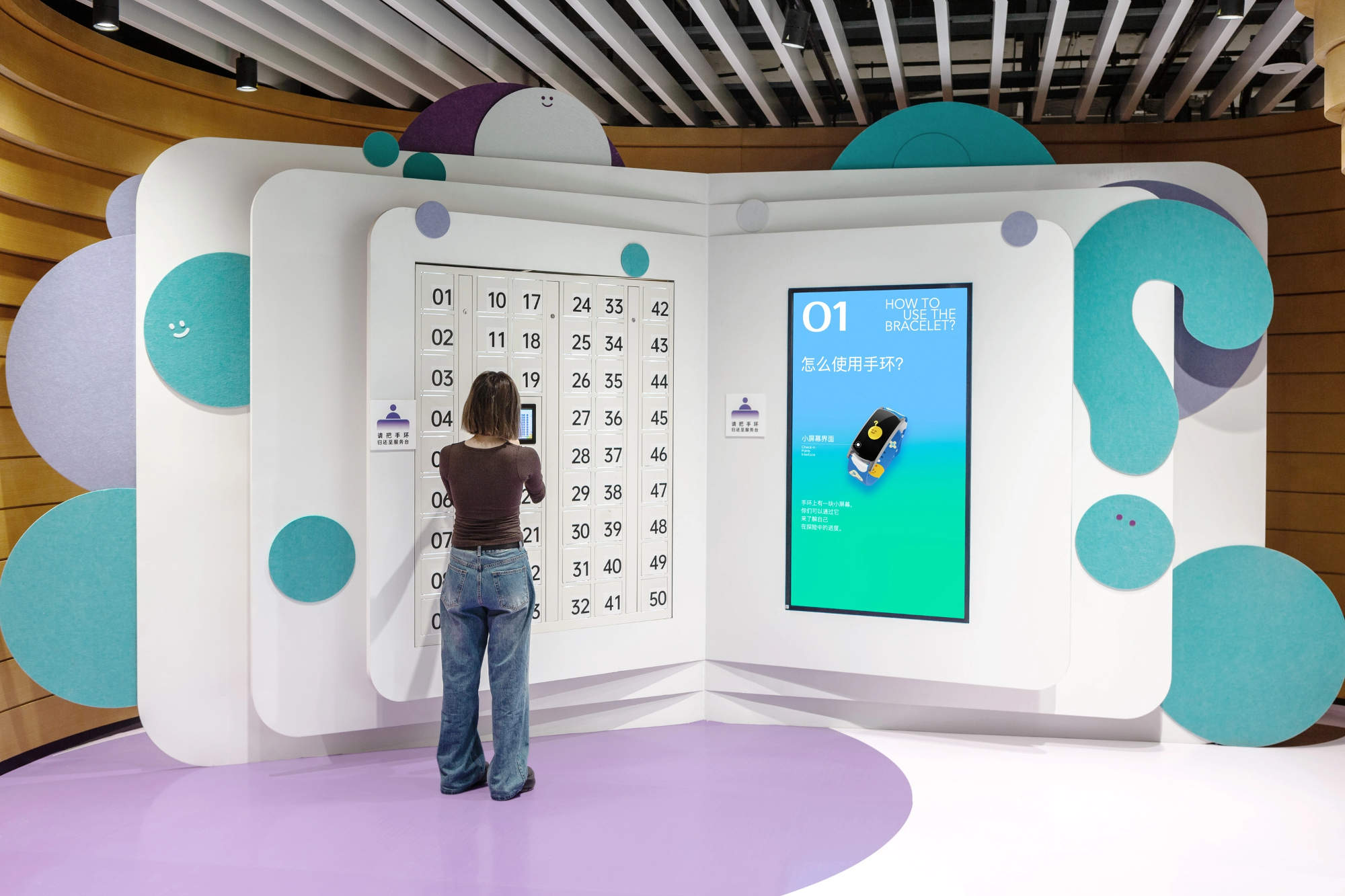
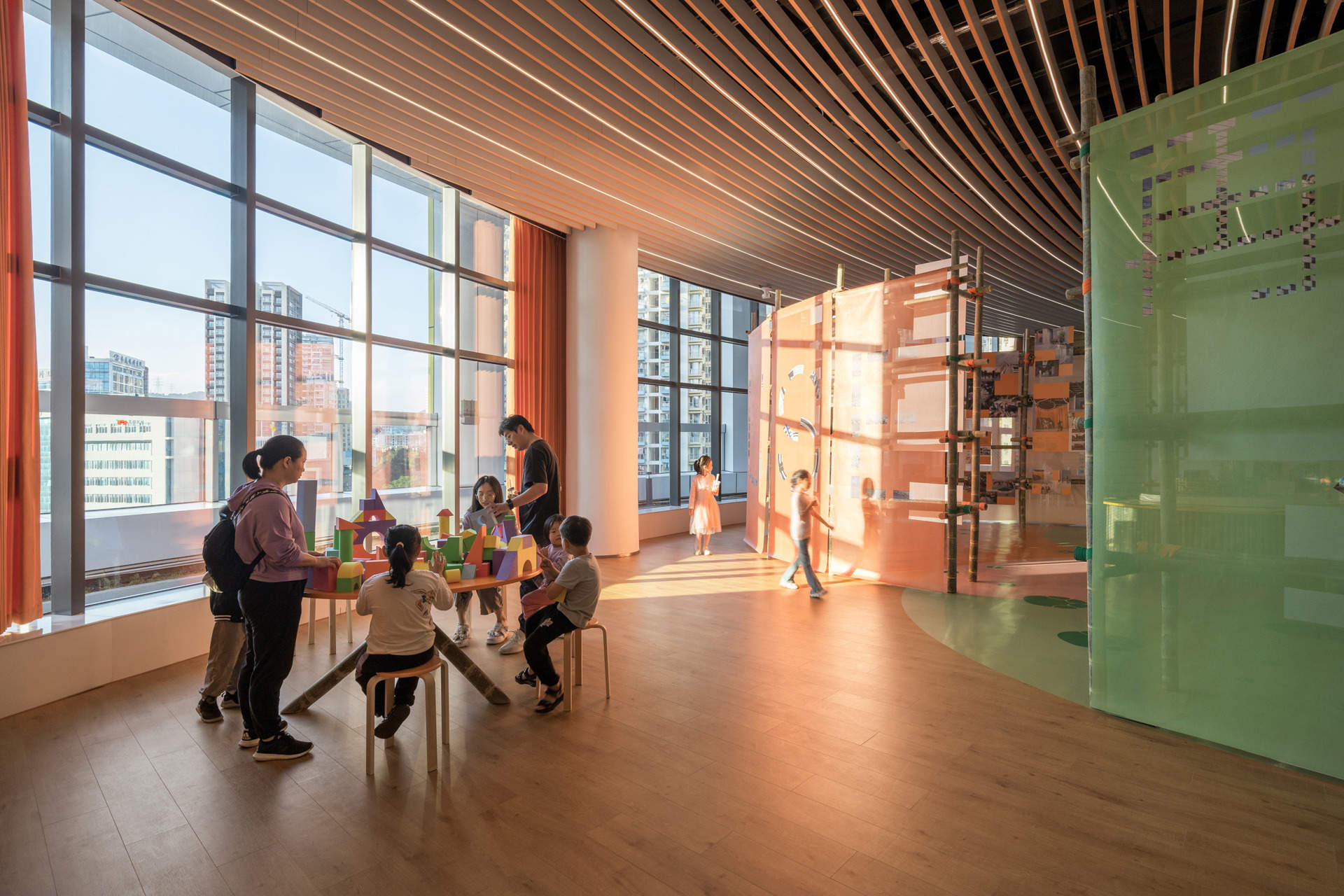
展览设计采取了多项措施,以确保即使是来到深圳妇女儿童中心的最年幼访客也能乐在其中。除了展出的项目外,还设有两张工作台供孩子们体验建筑师的工具。在其中一张桌子上,孩子们受邀画出他们心中的未来城市,作品将被展示在相邻的墙上。在另一张桌子上,积木让孩子们能够尝试建模技巧,并共同构建他们的未来城市。
The exhibition design takes a number of steps to ensure that even the youngest visitors to the Shenzhen Women & Children’s Centre can enjoy themselves. Alongside the exhibited projects are two worktables for children to practice the tools of the architect. On one, children will be invited to draw their city of the future, with the resulting drawings exhibited on the adjacent wall. On the other table, building blocks will allow the children to test their modelling skills and collectively build their city of the future.
动物足迹被用来引导孩子们参观展览,这些动物所属的生物区域对应着项目的地理位置;展览手册不仅提供了辨认动物足迹的指南,还配有填色游戏和将手册折成纸折扇的说明。最后,通常展览是围绕 1.7 米左右的“成人视线高度”设计的,而“再造(ReviveR)”展览则专门构思了第二个约 1 米高的视线高度,以更好地契合儿童的视角。
Animal tracks are used to guide children around the exhibition, with the bio-regions that the animals are endemic to referencing the locations of the projects; the exhibition brochure offers a guide to which animal makes which tracks alongside colouring games, and instructions to turn the brochure into an origami fan. Finally, while exhibitions are typically designed around visitors with an “eye-level” at around 1.7 metres high, ReviveR is designed with a second eye-level of around 1 metre, more suitable to children, in mind.
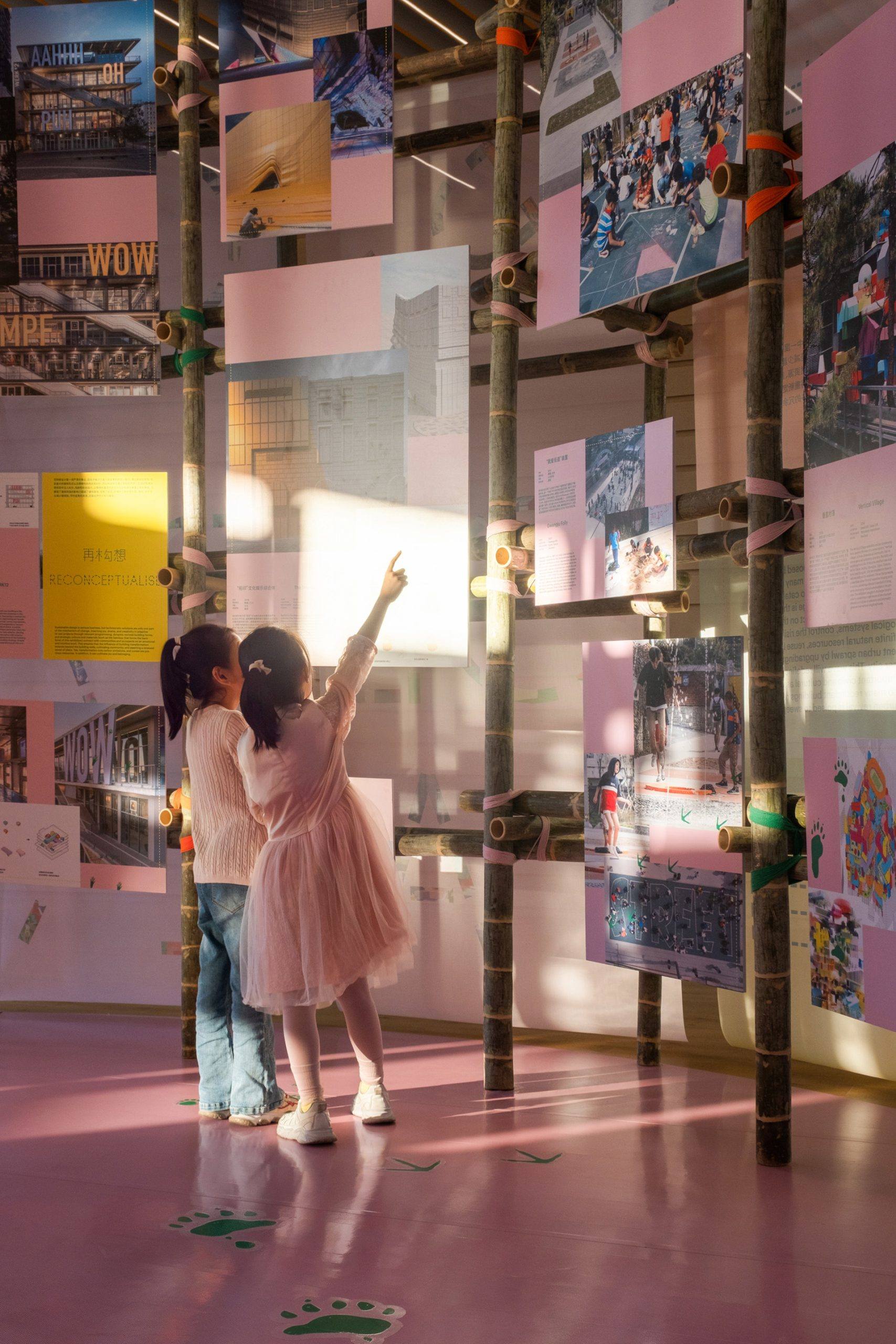
“从某种意义上说,能够举办这次展会,不仅是为了设计师,甚至不只是为了成年人,更是为了来到这座建筑的孩子们,这本身就很富有诗意。”MVRDV 创始合伙人 Jacob van Rijs 表示,“我们在‘再造(ReviveR)’展览中呈现的项目,旨在为世界确保一个更好的未来,并构想那个未来可能的模样。终有一天,来到这里的孩子们将成为那个未来的守护者。我希望他们能将我们开始探索的这些想法,推向我们今天甚至无法想象的高度。如果我们能在启发他们方面起到哪怕微不足道的作用,那我们就成功了。”
“It is poetic, in a sense, that we are able to put on this exhibition not only for designers, not even just for adults, but also for the children that visit this building”, says MVRDV founding partner Jacob van Rijs. “The projects that we present in ReviveR aim to ensure a better future for the world, and imagine what that future could look like. One day, the children that visit here will be the custodians of that future. They will, I hope, push the ideas we have started to explore to levels that we can’t even imagine today. If we play even the smallest role in inspiring them, we have succeeded.”
设计单位 / Architect:MVRDV
主创合伙人 / Founding Partner in Charge:Jacob van Rijs
合伙人 / Partners:Wenchian Shi, Jan Knikker
设计团队 / Design Team:Miruna Dunu, Ciprian Buzdugan, Jessica Cullen, Luca Xu, Yue Shi
战略与发展 / Strategy & Development:Carmen Xu, Antonio Luca Coco, Xiaozhou (Jammy) Zhu
版权所有 / Copyright:MVRDV Winy Maas, Jacob van Rijs, Nathalie de Vries
合作伙伴(施工方) / Partners (Contractor):深圳市前海金坤泰文化传媒有限公司
本文内容由 MVRDV事务所 提供或来源于其官方媒体渠道,由 WeHow 整理编辑。图片、视频及相关设计作品的版权归原作者/设计方所有。未经 WeHow 及版权方书面许可,禁止以 WeHow 编辑版本进行任何形式的转载或商业使用。